There are days in the kitchen when the fridge looks bare, but the craving for something savory and comforting is overwhelming. For me, growing up in Sichuan, the answer was always Zhacai (榨菜).
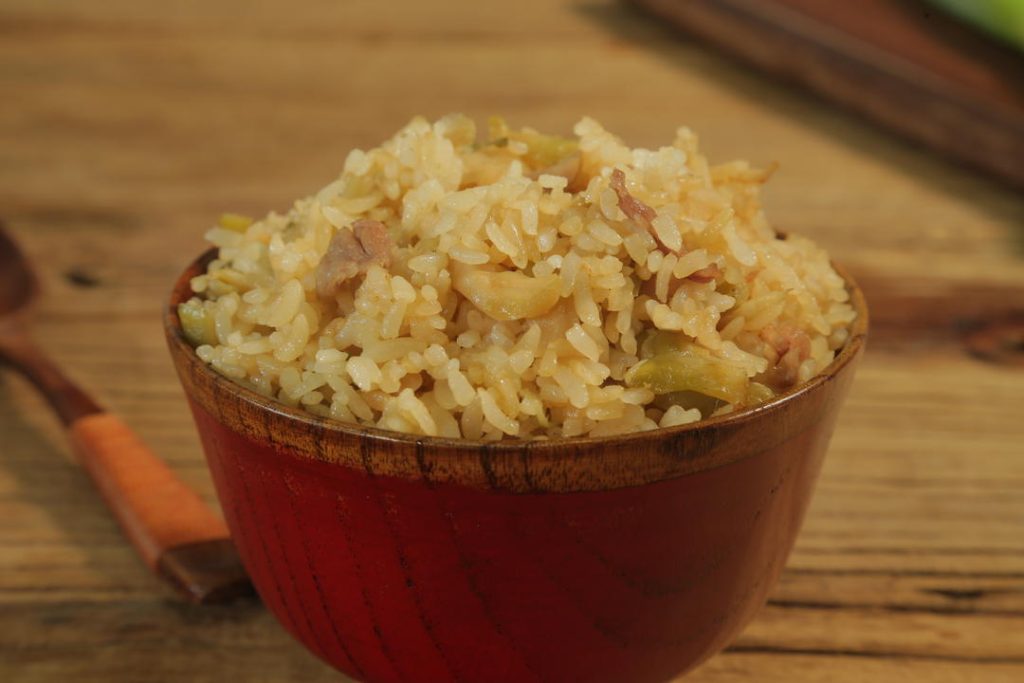
While many people associate these crunchy, salty-spicy preserved mustard stems with morning congee or Pickled Mustard Green Noodle Soup, they are an absolute secret weapon in fried rice.
Pork and Preserved Mustard Green Fried Rice (Zhacai Rousi Chaofan) is the ultimate “empty fridge” miracle. The preserved vegetable brings a unique crunch and a deep, fermented umami flavor that salt alone can’t achieve. Paired with tender pork strips and day-old rice, it creates a meal that is humble yet incredibly satisfying.
Why This Recipe Works
- Texture Contrast: The crunch of the preserved mustard stems (Zhacai) contrasts beautifully with the tender pork and fluffy rice grains.
- Umami Bomb: The combination of oyster sauce and the natural fermentation of the vegetable eliminates the need for complex stocks.
- Speed: This is a true 15-minute meal if you have leftover rice on hand.
What is Zhacai?
Zhacai (榨菜) is a type of pickled mustard plant stem originating from Chongqing, China. It is rubbed with salt, pressed, and fermented with chili paste and spices. It has a distinct savory, salty, and slightly spicy flavor profile.
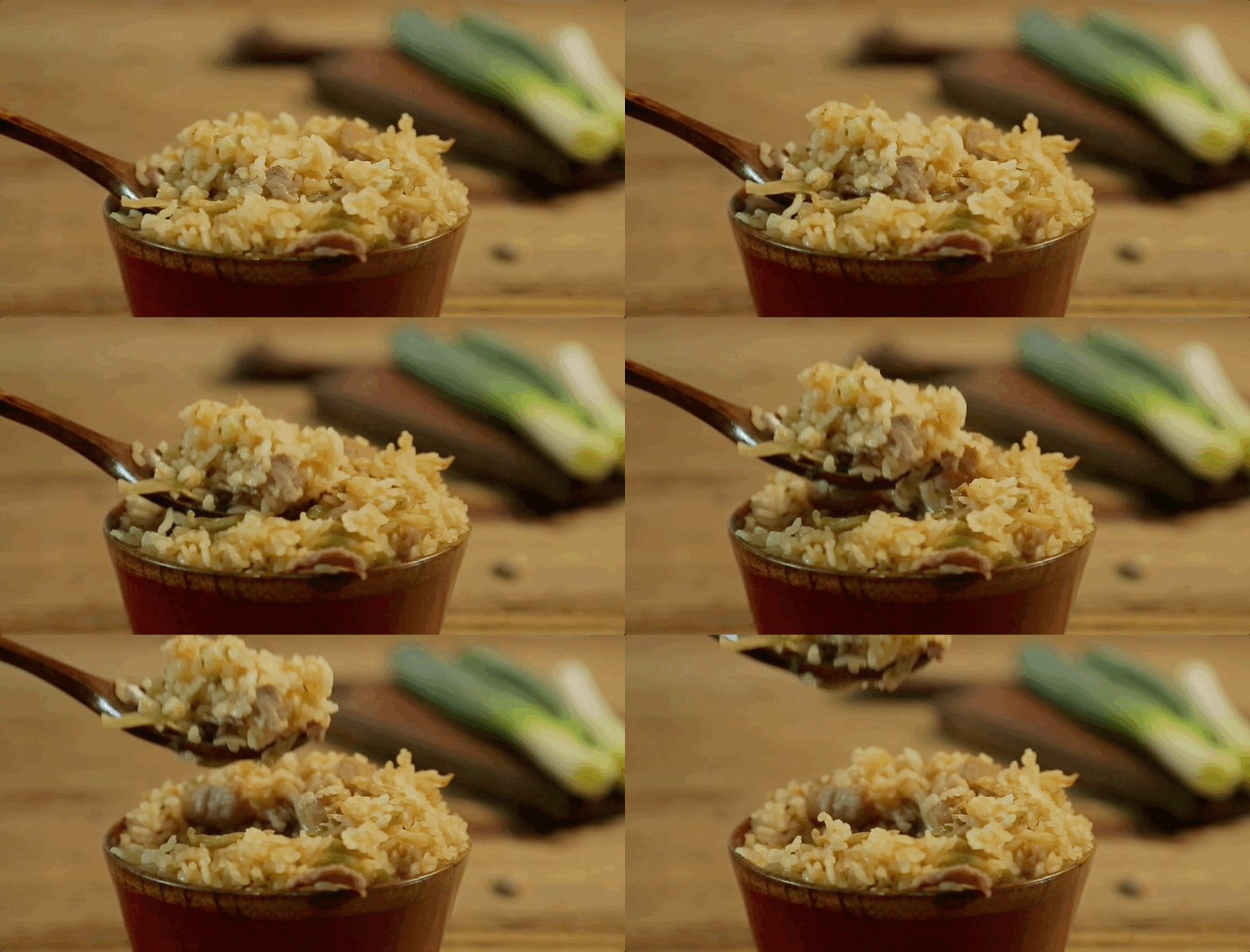
In the U.S. and Europe, you can find this in Asian grocery stores, often sold in cans or small foil pouches (the “Wujiang” brand is the most recognizable). It is a staple ingredient I learned to utilize extensively during my culinary training in Sichuan, valued for its ability to add instant depth to soups and stir-fries.
About the Author & Recipe Development
I’m Lin, a culinary instructor and writer born in Sichuan, China. My journey began in my family’s restaurant kitchen, where I learned that the best meals often come from the simplest ingredients. Later, I trained professionally at a culinary institute in Chengdu, where I spent over a decade honing traditional techniques.
This specific recipe was developed through multiple rounds of testing in my home kitchen to ensure it works on standard Western gas and electric stoves. While traditional restaurant burners reach 100,000 BTUs, I have adjusted the technique—specifically managing batch sizes and heat control—to ensure you can achieve that elusive wok hei (breath of the wok) at home.
Key Ingredients and Substitutions
- Zhacai (Preserved Mustard Stems): You can buy this sliced or whole. If buying whole, slice it into thin matchsticks. Note: It is naturally very salty.
- Pork: I recommend using Pork Tenderloin: Proper Cutting and Common Mistakes to ensure tenderness. You can also use pork loin.
- Rice: Cold, day-old rice is non-negotiable for the best texture. If you must make it fresh, spread it on a tray and fan it dry. Check my guide on How to cook perfect rice in a cast iron pot for the best foundation.
- Seasonings: A mix of Light Soy Sauce and Oyster Sauce provides the savory base.
Comparisons: If you cannot find Zhacai, you could substitute with Korean kimchi (rinsed) or other pickled mustard greens, though the flavor profile will shift.
Ingredients
The Stir-Fry Base
- 2 cups (approx. 300g) Day-old cooked rice (Jasmine or medium grain)
- 4 oz (115g) Pork tenderloin or loin, cut into thin strips
- 1 packet (2.5 oz / 70g) Zhacai (Sichuan preserved vegetable), rinsed and drained
- 2 stalks Scallions (green onions), chopped (white and green parts separated)
- 2 tbsp Cooking oil (neutral oil like canola or vegetable)
Pork Marinade
- 1 tsp Shaoxing wine (optional, to remove gaminess)
- 1 tsp Cornstarch
- 1 tsp Water
The Sauce
- 1 tbsp Light Soy Sauce
- 1 tbsp Oyster Sauce
- 1 tsp Sugar
- ¼ tsp MSG (Monosodium Glutamate) or chicken bouillon powder (optional, but highly recommended for authentic flavor)
Recipe Notes Before You Start
- Control the Salt: Zhacai is salty by nature. I do not add extra salt to this recipe. Rely on the soy sauce and the pickle itself.
- Rinse the Pickle: If you are sensitive to sodium, give the Zhacai a quick rinse in cold water and squeeze dry before cooking.
- Wok Temperature: Ensure your wok or skillet is smoking hot before adding the oil to prevent sticking.
How to Make Pork and Preserved Mustard Green Fried Rice
Step 1: Marinate the Pork
Slice the pork against the grain into thin strips. In a small bowl, mix the pork with Shaoxing wine, cornstarch, and water. Let it sit for 10 minutes while you prep the vegetables. This technique, known as “velveting,” ensures the meat stays juicy.
Step 2: Sear the Pork
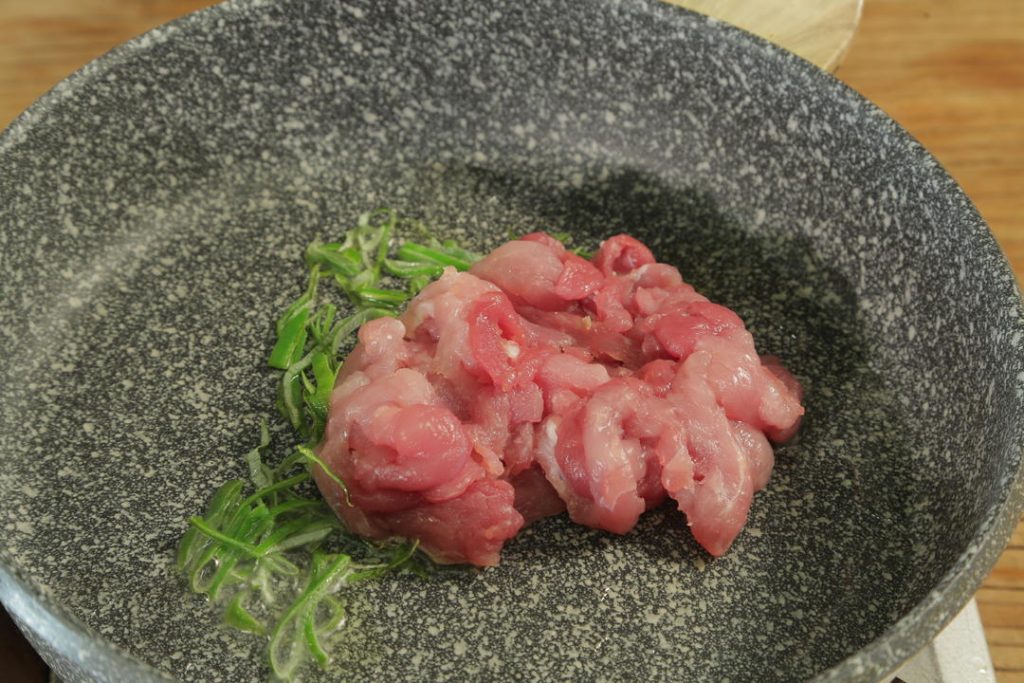
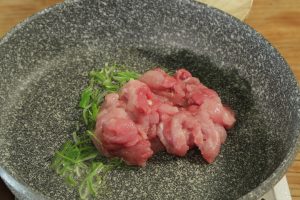
Heat your wok or large skillet over medium-high heat. Add 1 tablespoon of oil. Add the scallion whites and stir-fry until fragrant (about 10 seconds). Add the pork strips. Stir-fry rapidly until the pork turns white and is just cooked through.
Step 3: Add the Crunch
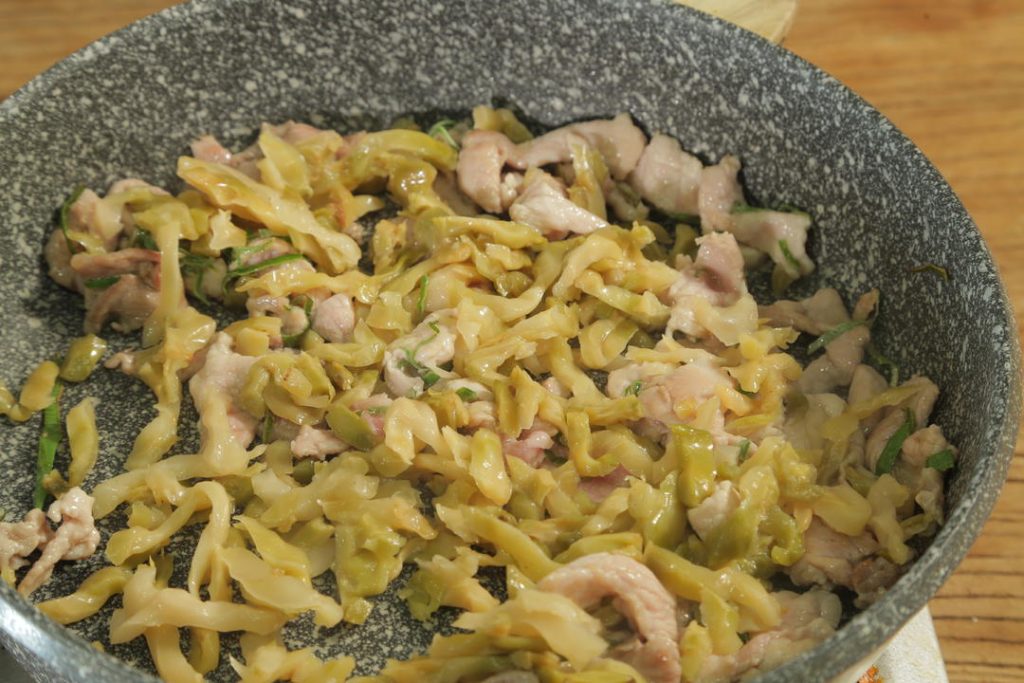
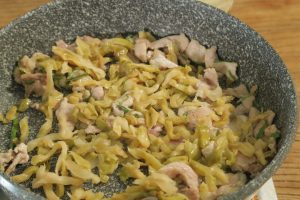
Add the Zhacai (preserved mustard greens) to the pork. Stir-fry for another 30 seconds. This helps release the aroma of the pickles into the oil.
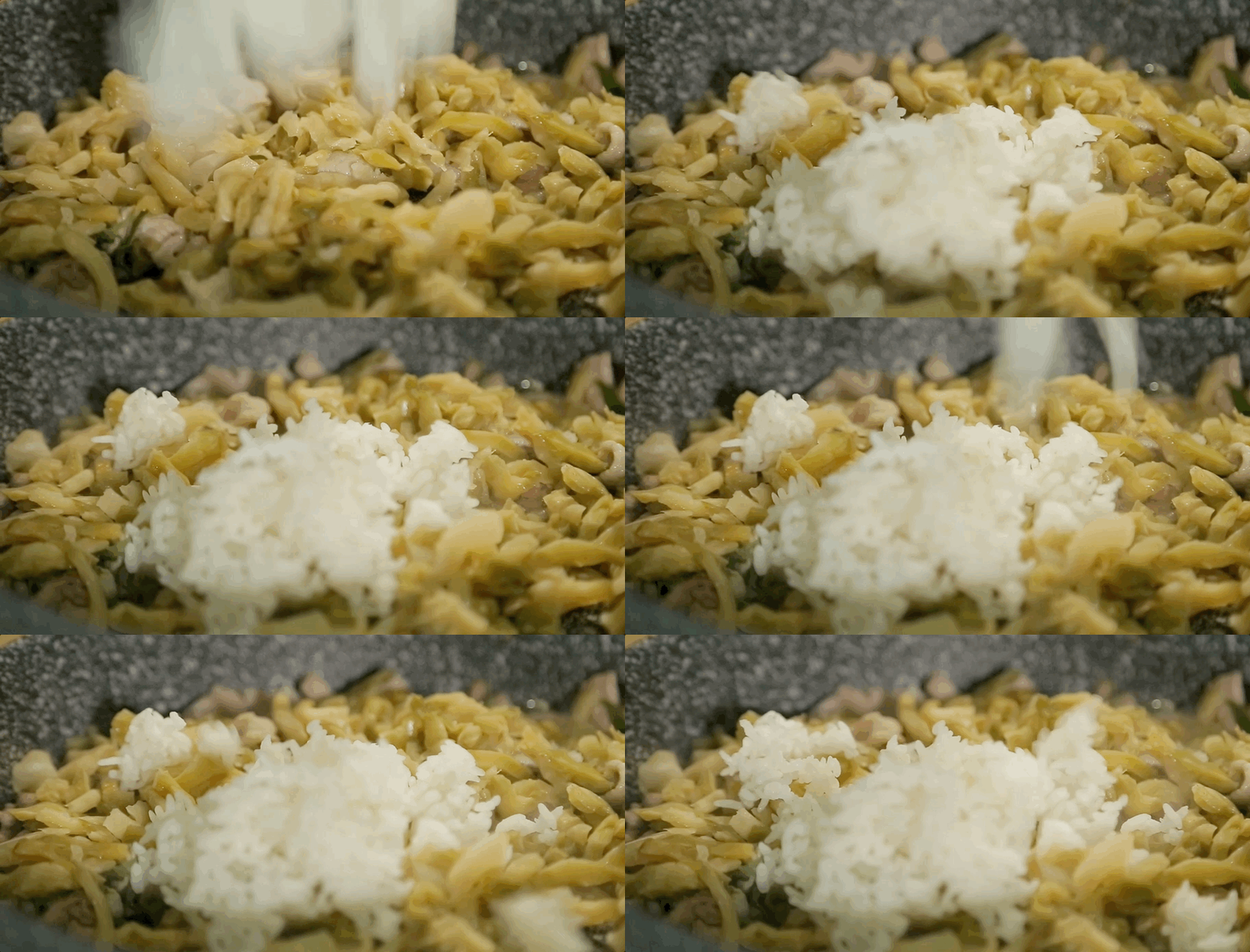
Step 4: Fry the Rice
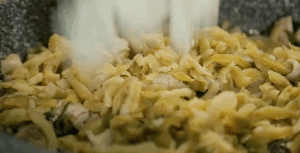
Push the meat and vegetables to the side (or remove them if your pan is small). Add the remaining oil if the pan looks dry. Add the rice. Use your spatula to break up clumps, pressing down gently to separate grains without crushing them.
Tip: If your rice is very clumpy, a splash of water on your hands before breaking it up helps.
Step 5: Season and Serve
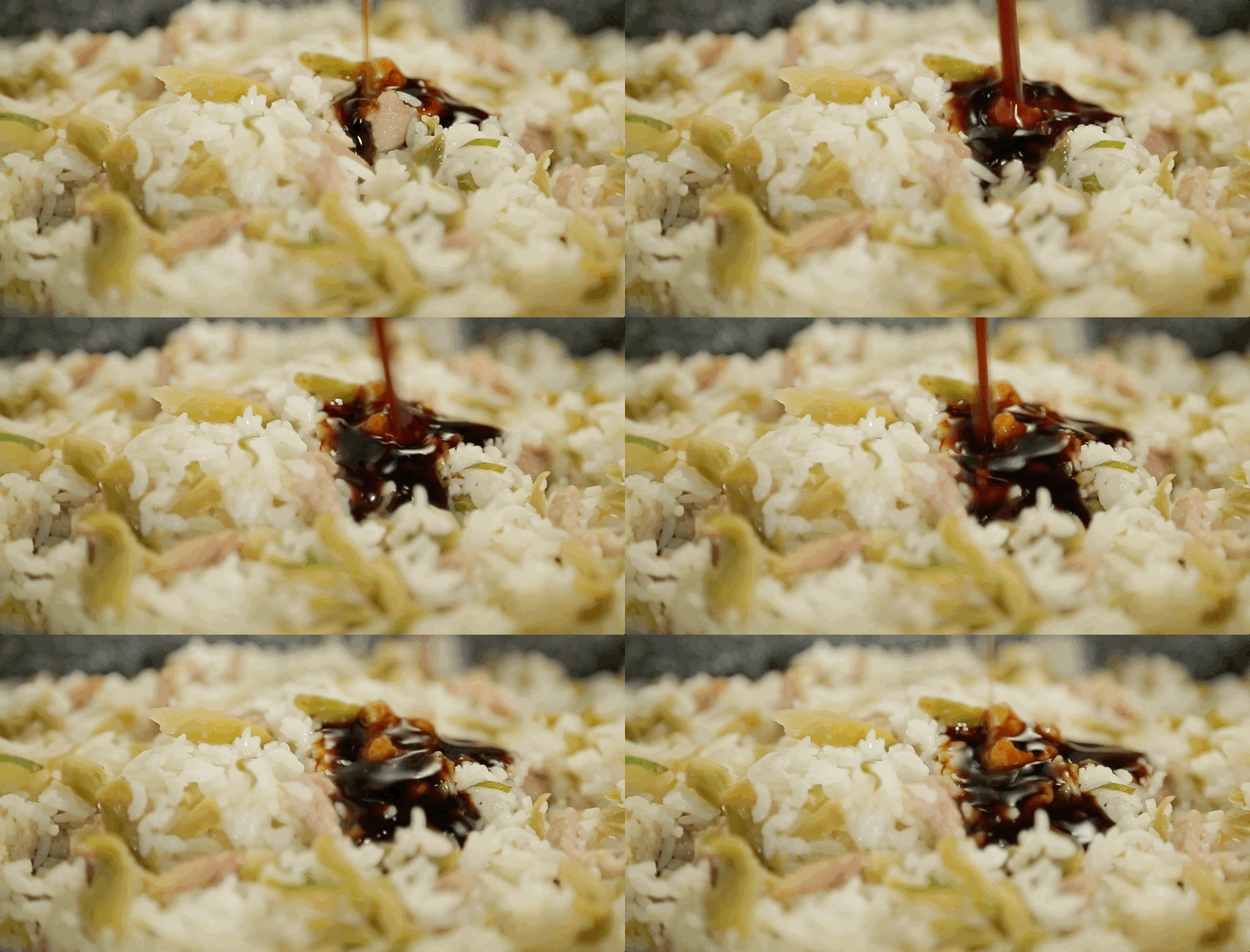
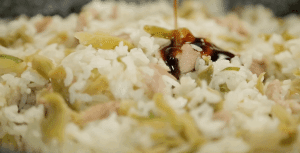
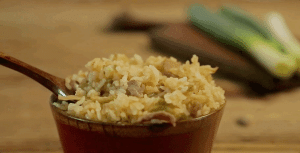
Once the rice is hot and jumping in the pan, pour the sauce mixture (soy sauce, oyster sauce, sugar) around the edges of the wok so it sizzles. Toss everything together to coat evenly. Sprinkle with the chicken bouillon (or MSG) and the green parts of the scallions. Give it a final toss and serve immediately.
Common Mistakes When Making Fried Rice
- Using Warm Rice: Warm rice releases too much starch and moisture, resulting in a mushy, gummy dish. Always use cold rice.
- Over-Salting: Beginners often forget that Zhacai, oyster sauce, and soy sauce all contain salt. Taste before adding any extra salt.
- Crowding the Pan: If your stove isn’t powerful, frying too much rice at once lowers the temperature, steaming the rice instead of frying it. If cooking for more than two people, cook in batches.
Food Safety and Preparation
- Pork Temperature: Ensure pork reaches an internal temperature of 145°F (63°C) followed by a 3-minute rest time, according to the USDA Food Safety guidelines.
- Rice Safety: Bacillus cereus bacteria can grow in rice left at room temperature. Cool leftover rice quickly and refrigerate it within one hour of cooking. Do not reheat rice more than once.
- Allergens: This recipe contains soy and wheat (in soy/oyster sauce). For a gluten-free version, use Tamari and gluten-free oyster sauce.
Serving Suggestions
This fried rice is flavorful enough to stand alone, but it pairs beautifully with a simple soup or vegetable side.
- Soup: A light Tomato Egg Drop Soup balances the savory richness of the rice.
- Vegetable: A plate of Stir-fried Lettuce with Garlic adds freshness without overpowering the palate.
Authoritative References
For more information on the science of frying rice and starch retrogradation (why cold rice is better), you can refer to this study on starch digestibility found on the National Center for Biotechnology Information (NCBI).
Nutrition Information (Estimate)
- Calories: ~450 kcal
- Protein: 18g
- Carbohydrates: 55g
- Sodium: 980mg (High due to pickles and sauces)
- Fat: 14g
(Disclaimer: Nutrition information is calculated using an ingredient database and should be considered an estimate. Garnishes and optional ingredients are not included. Actual values vary based on specific brands used, especially with preserved vegetables.)
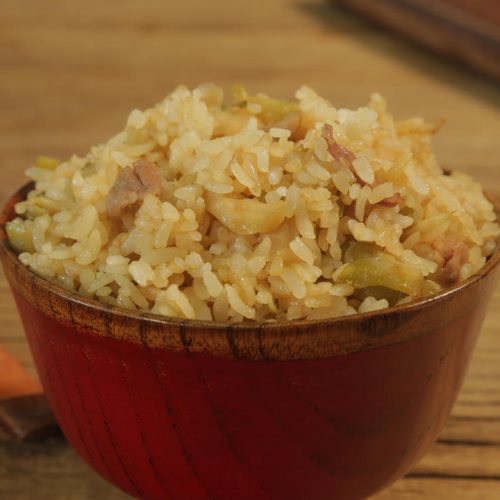
Pork and Preserved Mustard Green Fried Rice (Zhacai Rousi Chaofan)

Equipment
- Wok or large skillet
Ingredients
Main Ingredients
- 2 cups cooked rice cold, day-old preferred
- 4 oz pork tenderloin cut into thin strips
- 2.5 oz Zhacai (preserved mustard stems) 1 small packet, rinsed
- 2 stalks scallions chopped
- 2 tbsp cooking oil
Marinade & Sauce
- 1 tsp Shaoxing wine for marinade
- 1 tsp cornstarch for marinade
- 1 tbsp light soy sauce
- 1 tbsp oyster sauce
- 1 tsp sugar
- 1/4 tsp chicken bouillon powder optional
Instructions
- Slice the pork into thin strips. In a small bowl, mix the pork with Shaoxing wine, cornstarch, and 1 tsp of water. Let it marinate for 10 minutes.

- Heat oil in a wok or large skillet over medium-high heat. Add the white parts of the scallions and stir-fry until fragrant.
- Add the pork strips and stir-fry rapidly until they turn white and are cooked through.
- Add the Zhacai (preserved mustard greens) and stir-fry for 30 seconds to release their aroma.
- Add the rice. Break up any clumps with your spatula and stir-fry until the rice is hot and well-combined with the pork and vegetables.

- Mix the soy sauce, oyster sauce, and sugar in a small bowl (or add directly). Pour over the rice and toss evenly.
- Sprinkle with chicken bouillon and the green parts of the scallions. Give it a final toss and serve immediately.








Leave a Reply