Growing up, the sound of a wok burner roaring and the rhythmic clack-clack of a metal spatula against cast iron was the dinner bell in our home. One dish that appeared constantly on our family table was Pork and Celery Stir-fry (Xiang Qin Chao Rou Si).

It’s the definition of a “rice killer” (xia fan cai)—a dish so savory and aromatic that you involuntarily eat bowl after bowl of steamed rice with it. While I love complex banquet dishes, this is the kind of food that sustains you: nutritious, incredibly fast, and deeply comforting. It’s also one of those magical dishes that tastes just as good—if not better—the next day after a quick zap in the microwave, making it a lunchbox champion.
If you have tried my Sautéed Shredded Pork or the crunchy Pork and Garlic Scape Stir-fry, you will love this. It follows the same philosophy: tender meat, crisp vegetables, and a savory sauce that ties it all together.
About the Author & Recipe Development
I grew up in a kitchen where efficiency was key. My mother taught me that a great stir-fry isn’t about fancy equipment; it’s about preparation. This recipe was developed through years of refining the “velveting” process to ensure the pork remains silky, even on a standard home stove. We tested this recipe three times: once with a high-output wok burner, and twice on a standard electric coil stove to ensure the timing and sauce ratios work for every home cook.
What is Chinese Celery (Xiang Qin)?
Before we grab the knife, let’s talk about the star vegetable. The Chinese name Xiang Qin translates to “fragrant celery.”
- Chinese Celery vs. Western Celery: Chinese celery has much thinner stalks (often hollow) and leafy tops. The flavor is significantly more potent, herbal, and aromatic than the thick, watery stalks of Western Pascal celery found in most US supermarkets.
- Substitution: If you cannot find Chinese celery at your Asian market, you can use regular Western celery. Pro Tip: If using Western celery, use a vegetable peeler to remove the fibrous outer strings, and slice it thinly on a bias (diagonal) to mimic the texture of the Chinese variety.

Why This Recipe Works
- Velveting (The Secret to tenderness): We treat the pork with a marinade of egg, starch, and oil. This creates a protective barrier that seals in moisture, preventing the meat from turning into “leather” in the hot pan.
- The “Secret” Sauce: By pre-mixing the sauce ingredients (soy sauce, oyster sauce, MSG), we eliminate the panic of measuring while stir-frying. This ensures a consistent, balanced flavor every time.
- Texture Contrast: The crunch of the quick-cooked celery against the soft, savory pork provides a satisfying mouthfeel.
Key Ingredients & Substitutions
- Pork Loin (200g / ~7 oz): Lean and easy to slice. You can also use pork tenderloin.
- Chinese Celery (250g / ~9 oz): Look for thin stalks. Sub: Western celery (peeled).
- Aromatics: Ginger, Garlic, Scallion, and fresh Thai Chilies (Bird’s Eye / Xiaomi La). Note: Remove seeds from chilies if you want less heat.
- Light Soy Sauce: For salty, savory flavor. Rec: Pearl River Bridge or Lee Kum Kee.
- Dark Soy Sauce: Primarily for that rich, caramel color.
- Oyster Sauce: Adds savory depth and a glossy sheen.
- MSG (Wei Jing): Optional, but highly recommended for that authentic “restaurant” umami punch. Sub: Chicken bouillon powder.
- Cornstarch: Essential for binding the marinade and thickening the sauce.
Recipe Notes Before We Begin
- Slice thin: The pork needs to be cut into thin slivers (matchsticks). This ensures it cooks in seconds. Freezing the meat for 20 minutes before slicing makes this much easier.
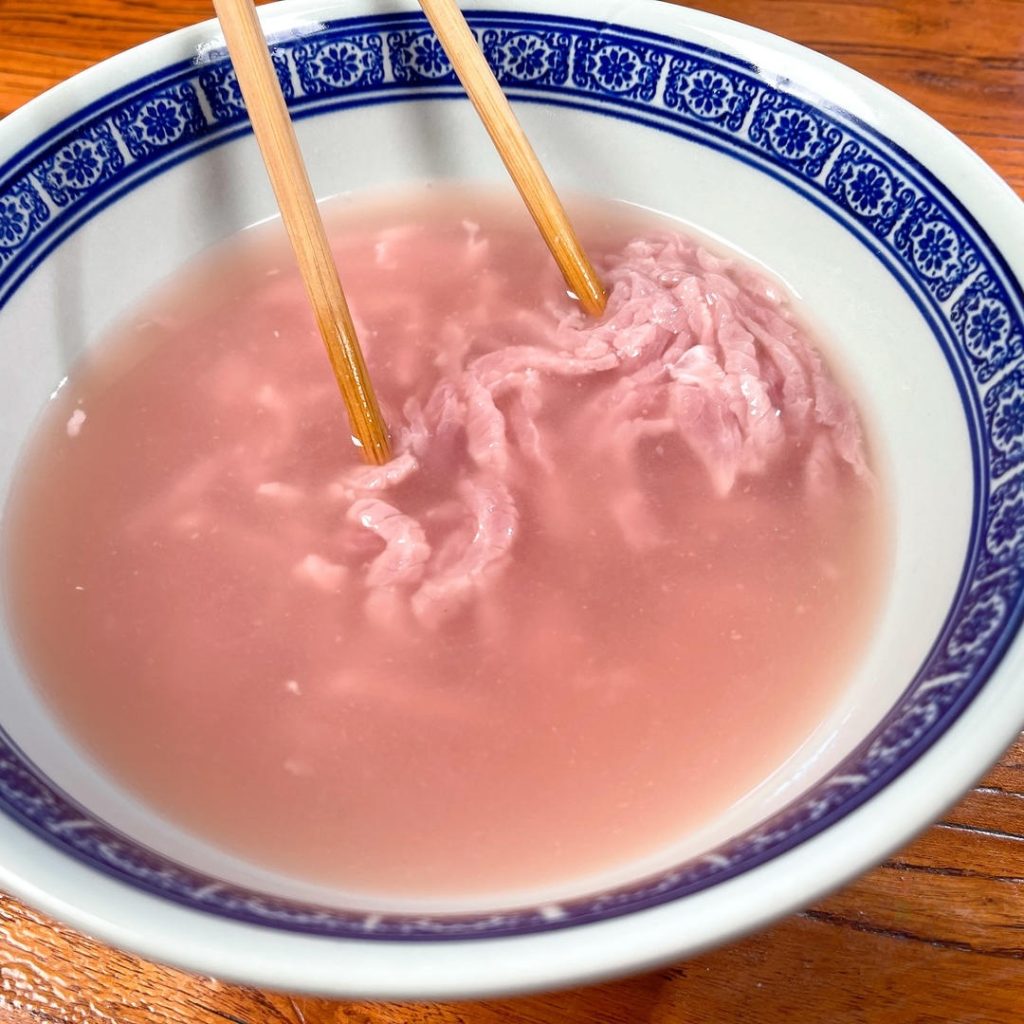
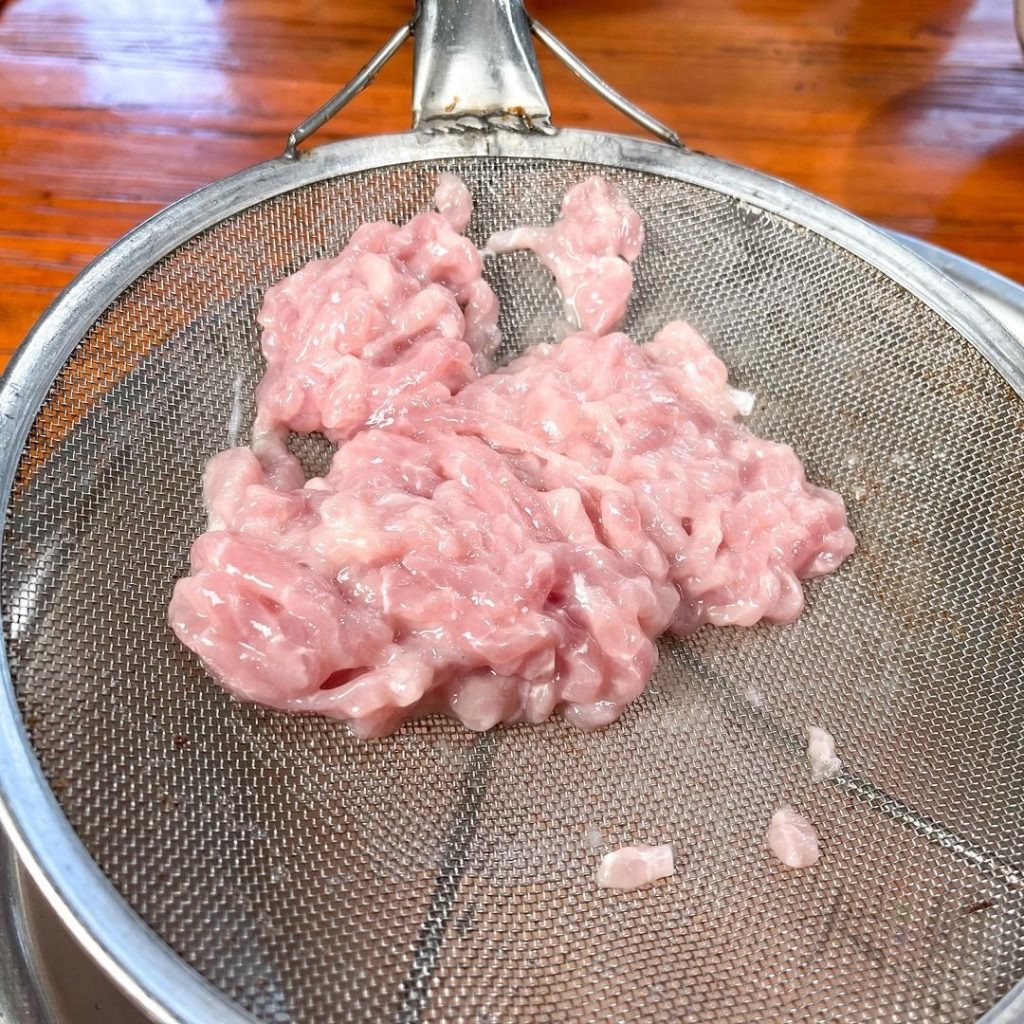
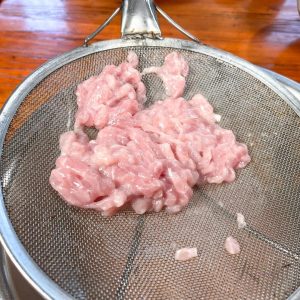
- Wash the meat: The recipe calls for rinsing the shredded pork. Why? In Chinese culinary practice, this removes excess myoglobin (blood) and creates a cleaner flavor and whiter appearance before marinating. Safety Tip: Be careful not to splash water around the sink to avoid cross-contamination. Squeeze the meat very dry before marinating!
- The Tool: Use chopsticks to stir-fry the meat strands. It helps separate them better than a spatula.
Mise en Place (Prep Work)
Stir-frying moves fast. Have everything ready before you turn on the heat.
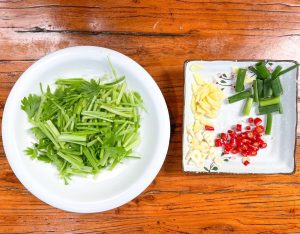
- Vegetables: Cut celery into 1.5-inch sections. Slice ginger and garlic. Cut scallions into sections. Slice chilies into rings.

- Pork: Slice, rinse, squeeze dry, and marinate (see instructions).
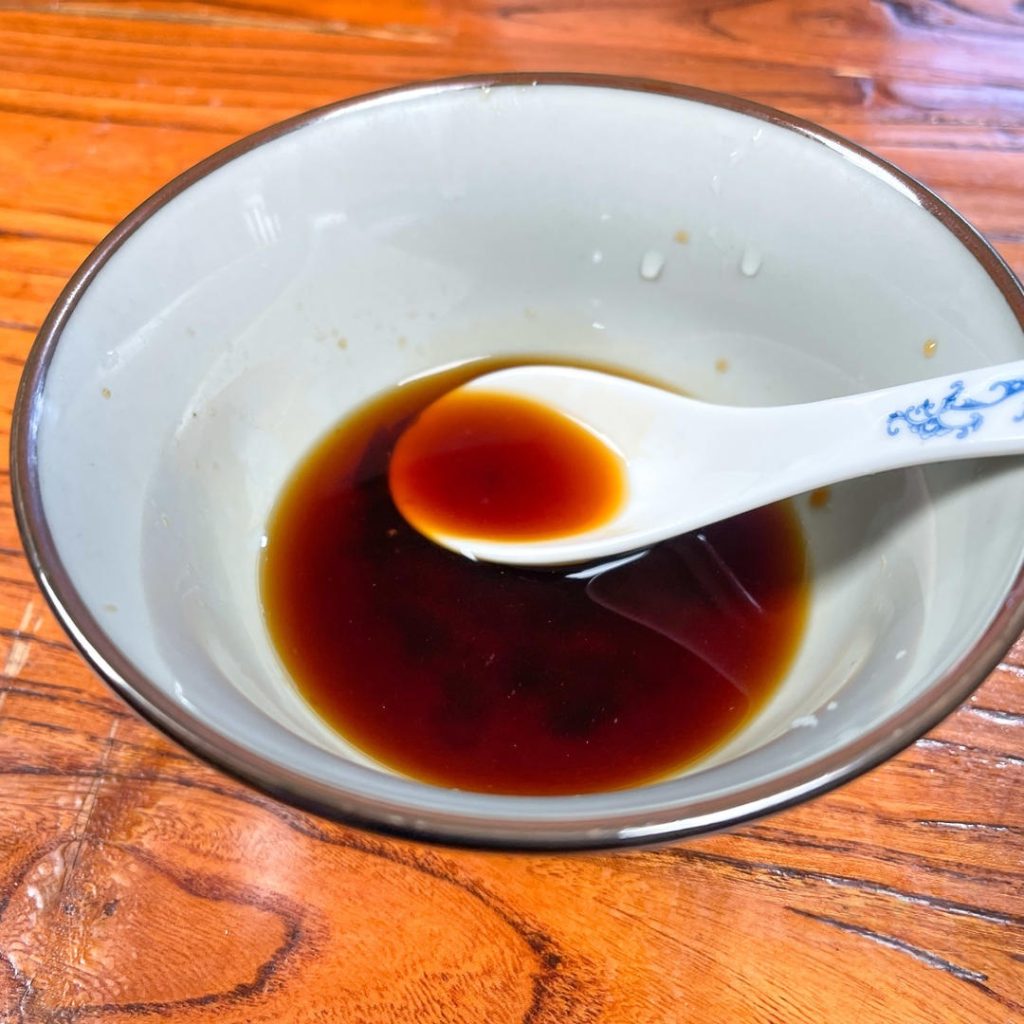
- Sauce: Mix the sauce ingredients in a small bowl.
How to Make Pork and Celery Stir-fry
Step 1: Prep and Marinate the Pork
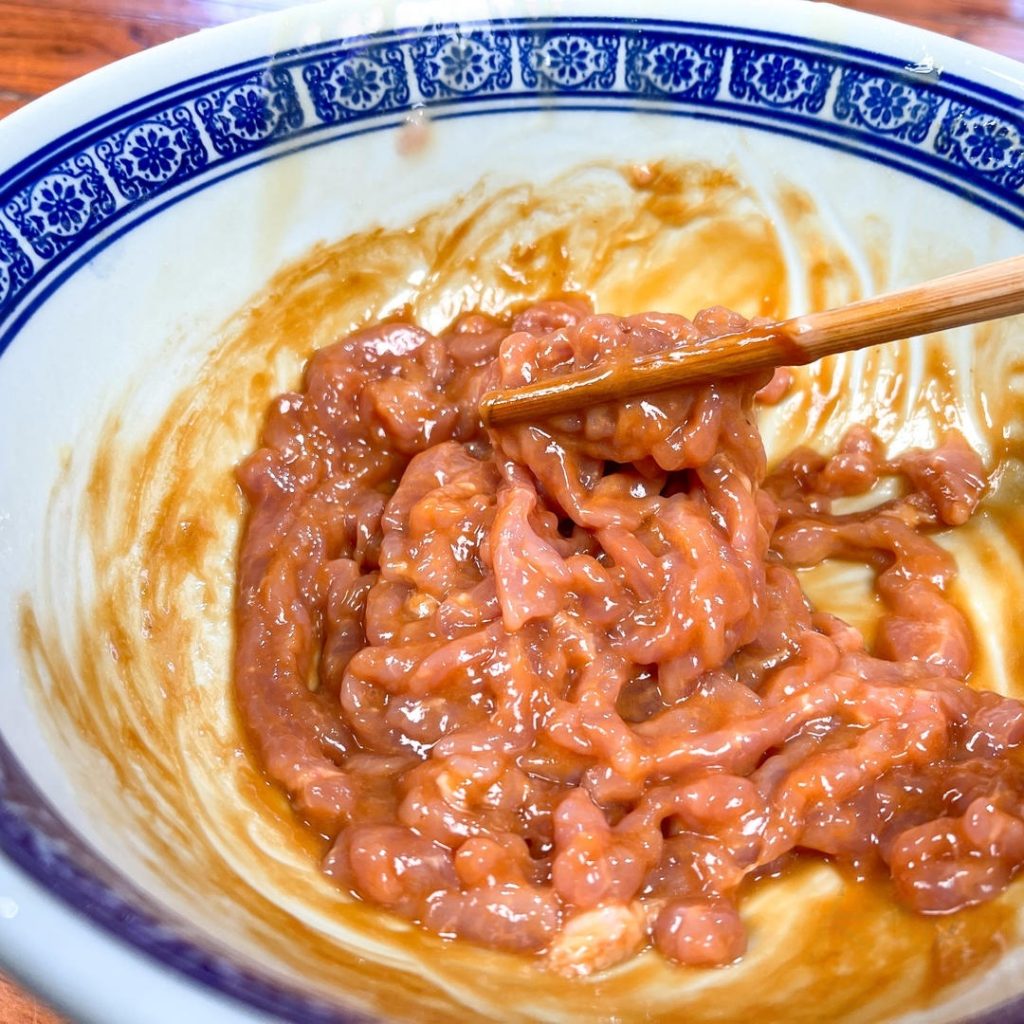
Slice the pork loin into fine shreds. Rinse them in cold water, then squeeze out as much water as possible. In a bowl, combine the pork with:
- Pinch of salt (approx 1/5 tsp)
- 1 small egg (beaten) – Note: You can use just half the egg if the mixture gets too watery.
- 1/2 tbsp Cornstarch
- 1/2 tbsp Dark Soy Sauce (for color)
- 1 tbsp Oil (to prevent sticking)
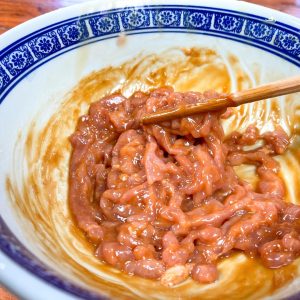
Mix vigorously in one direction until the liquid is absorbed and the meat feels tacky. Let it sit for 10 minutes.
Why this matters: The egg and starch create a coating (velvet) that keeps the juices inside the meat fibers. The oil at the end helps the strands separate in the pan.
Step 2: Make the “Secret” Sauce
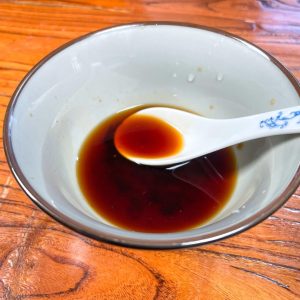
In a small bowl, whisk together:
- 2 tbsp Water
- Pinch of salt (1/5 tsp)
- Pinch of MSG (1/5 tsp)
- 2 tbsp Light Soy Sauce
- 1/2 tbsp Oyster Sauce
Step 3: Sear the Pork
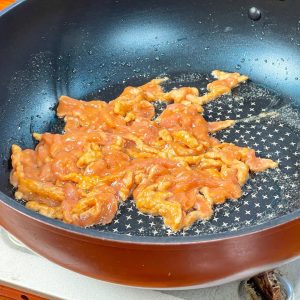
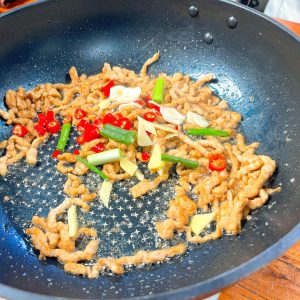
Heat your wok or large skillet over medium-high heat. Add 2 tablespoons of oil. When the oil shimmers (approx 350°F/175°C), add the marinated pork. Technique Tip: Use chopsticks to quickly separate the strands. Stir-fry until the pork turns white and is about 80% cooked.

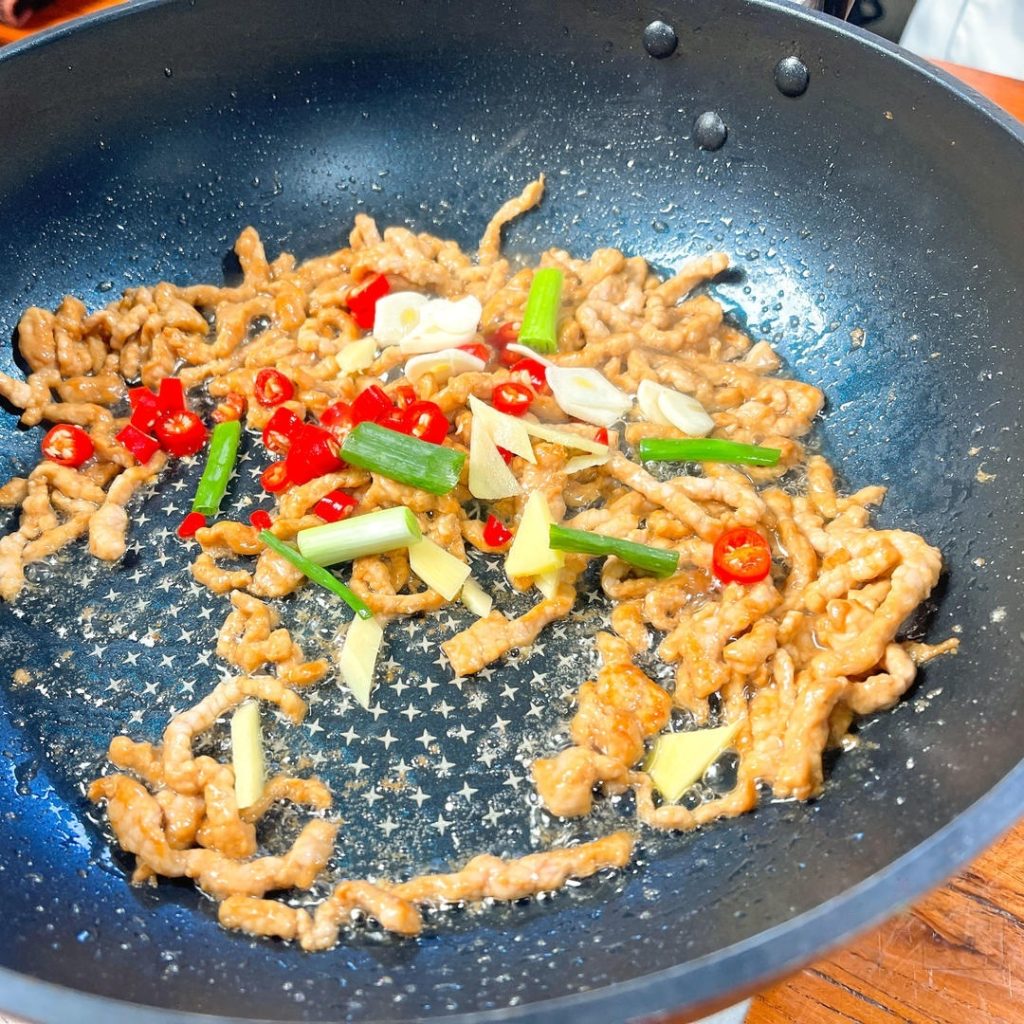
Step 4: Add Aromatics
Push the pork slightly to the side (or leave it mixed in) and add the ginger, garlic, scallions, and fresh chilies. Stir-fry for 30 seconds until fragrant.
Step 5: Stir-fry Celery
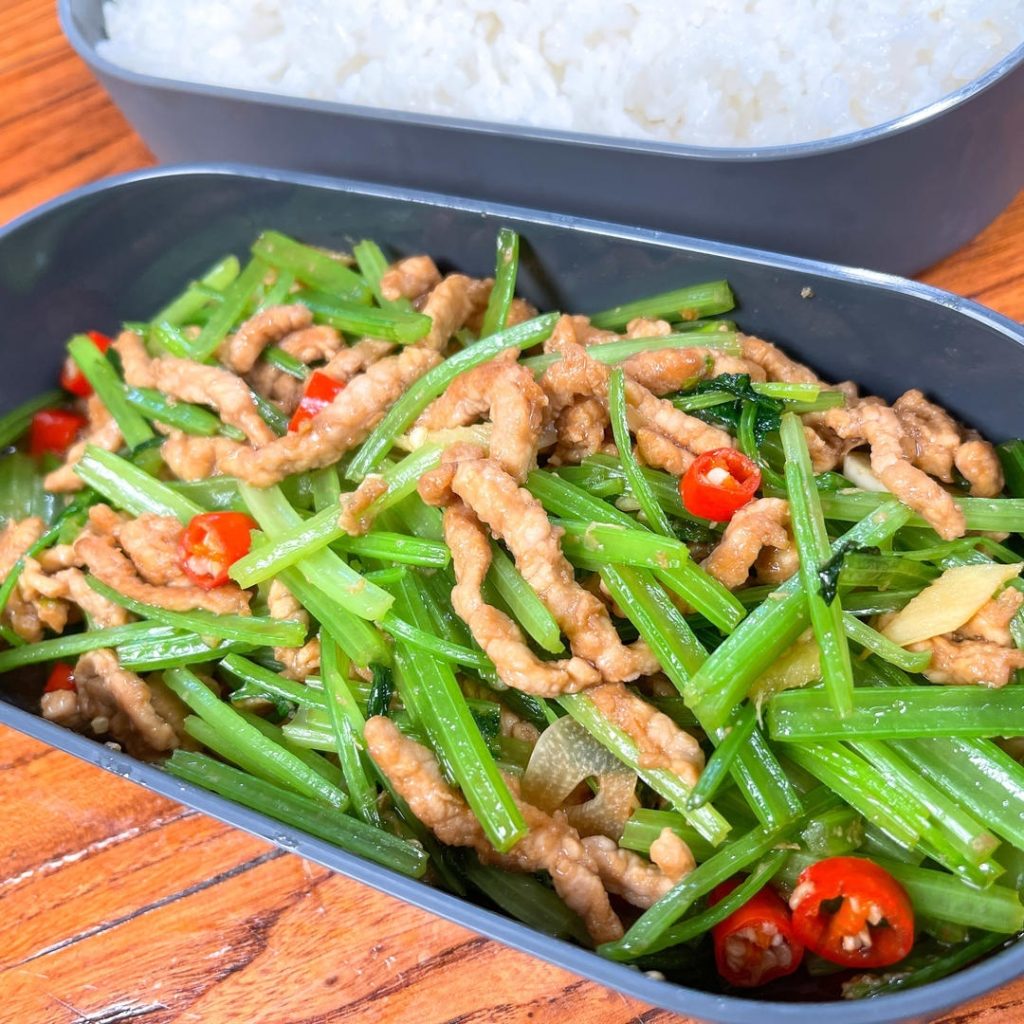
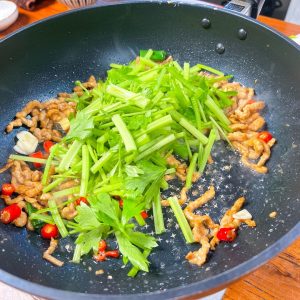
Add the celery sections. Turn the heat to high. Toss everything together for about 1 minute. You want the celery to remain crisp-tender, not mushy.

Step 6: Sauce and Serve
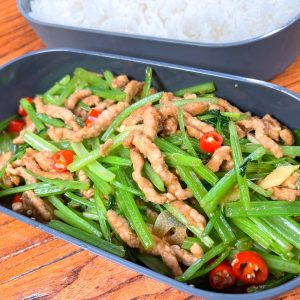
Pour the pre-mixed sauce around the rim of the wok (to sizzle the soy sauce). Toss rapidly for another minute until the sauce thickens slightly and coats everything glossy. Transfer to a plate and serve immediately with hot rice.
Our Systematic Test Kitchen Notes
- Stove Power: If using a weaker electric stove, cook the pork first, remove it, cook the celery, then add the pork back. This prevents the pan from cooling down too much and boiling the meat.
- Egg Quantity: A whole egg can sometimes be too much liquid for 200g of pork. We found using half an egg or just the egg white yields a tighter velvet coating.
- Leftovers: This dish reheats beautifully. The celery softens slightly but retains flavor. Store in an airtight container for up to 3 days.
Common Troubleshooting (FAQ)
- Why is my pork tough?
- You likely overcooked it or skipped the cornstarch/egg marinade. The pork only needs a few minutes total in the pan.
- Can I freeze this?
- We don’t recommend freezing the finished dish, as the celery will lose its crisp texture and become mushy upon thawing. You can, however, freeze the marinated raw pork.
- Is it spicy?
- With the Thai chilies, yes. For a mild version, swap the chilies for sliced red bell pepper for color without the heat.
Food Safety and Preparation
- Pork Safety: Ensure pork reaches an internal temperature of 145°F (63°C).
- Allergens: This recipe contains Soy, Egg, and Gluten (in the soy sauce). For a Gluten-Free version, use Tamari and GF Oyster sauce.
- Cross Contamination: Since we are rinsing raw pork, ensure you sanitize your sink and surrounding areas immediately after prep.
Authoritative References
- For more on the science of “Velveting” meat, refer to Serious Eats’ Guide to Velveting.
- Food Safety guidelines for pork can be found at USDA Food Safety.
Nutrition Information (Estimate)
- Calories: 320 kcal
- Protein: 24g
- Carbohydrates: 8g
- Fat: 20g
- Sodium: 980mg
- Fiber: 2g
Disclaimer: Nutrition information is calculated using an ingredient database and should be considered an estimate. In cases where multiple ingredient alternatives are given, the first listed is calculated for nutrition. Garnishes and optional ingredients are not included.
Pork and Celery Stir-fry (香芹炒肉丝)

Equipment
- 1 Wok or large skillet Carbon steel preferred for wok hei
- 1 Chef’s Knife or Cleaver For slicing pork strips
Ingredients
Main Ingredients
- 9 oz Chinese Celery (Xiang Qin) approx 250g; can sub western celery (peeled)
- 7 oz Pork Loin or Tenderloin approx 200g; cut into thin matchsticks
- 1 stalk Scallion cut into sections
- 1 inch Ginger sliced
- 5 cloves Garlic sliced
- 2 Thai Chilies (Xiaomi La) sliced into rings (optional for heat)
- 2 tbsp Cooking Oil for stir-frying
Pork Marinade
- 0.2 tsp Salt
- 1 Egg small, beaten (use half if egg is large)
- 0.5 tbsp Cornstarch
- 0.5 tbsp Dark Soy Sauce for color
- 1 tbsp Cooking Oil to seal the meat
Secret Sauce
- 2 tbsp Water
- 0.2 tsp Salt adjust to taste
- 0.2 tsp MSG (Wei Jing) optional, or chicken bouillon
- 2 tbsp Light Soy Sauce
- 0.5 tbsp Oyster Sauce
Instructions
- Wash the celery and cut into 1.5-inch sections. Slice ginger, garlic, and scallions. Slice chilies into rings.

- Cut the pork loin into thin shreds (matchsticks). Rinse the pork in cold water to remove blood, then squeeze thoroughly to remove excess moisture.

- Marinate the pork: In a bowl, add the washed pork, 1/5 tsp salt, and the egg. Mix well. Then add the cornstarch and dark soy sauce. Mix until tacky. Finally, stir in 1 tbsp oil to coat the meat.
- Prepare the sauce: In a small bowl, mix 2 tbsp water, 1/5 tsp salt, 1/5 tsp MSG, 2 tbsp light soy sauce, and 1/2 tbsp oyster sauce. Stir until combined.
- Heat a wok or skillet with 2 tbsp oil over medium-high heat. Add the marinated pork. Use chopsticks to separate the strands and stir-fry until the meat turns white.
- Add the scallions, ginger, garlic, and chilies. Stir-fry for about 30 seconds until fragrant.
- Add the celery sections. Turn heat to high and stir-fry for 1 minute.
- Pour the prepared sauce into the pan. Stir-fry rapidly for another minute to coat everything evenly. Serve hot with rice.
Notes
- Tool Choice: Using chopsticks to stir-fry the shredded pork helps separate the strands better than a spatula.
- Celery Choice: Chinese celery is stronger in flavor. If using Western celery, peel the strings and slice diagonally for better texture.
- Meal Prep: This dish stores well in the fridge for 3 days and tastes great reheated in a microwave.
- Ensure pork reaches an internal temperature of 145°F (63°C).
- Contains Egg, Soy, Wheat (Gluten).
Calories: 320 kcal | Protein: 24g | Fat: 20g | Carbs: 8g | Sodium: 980mg
Nutrition information is calculated using an ingredient database and should be considered an estimate. Garnishes and optional items are not included.







Leave a Reply