Spring pancakes are the dish that made me understand why my grandmother’s hands were always dusted with flour. The technique looks like magic – seventeen disks of dough stacked with oil between them, rolled into one thin round, steamed, and then peeled apart into seventeen paper-thin pancakes – but it is really just two moves done with patience: oil every layer evenly, and roll while flipping, flipping, flipping. This home cook’s recipe is the clearest version of the method I have found, down to the three-time reminder to keep flipping the dough as you roll.
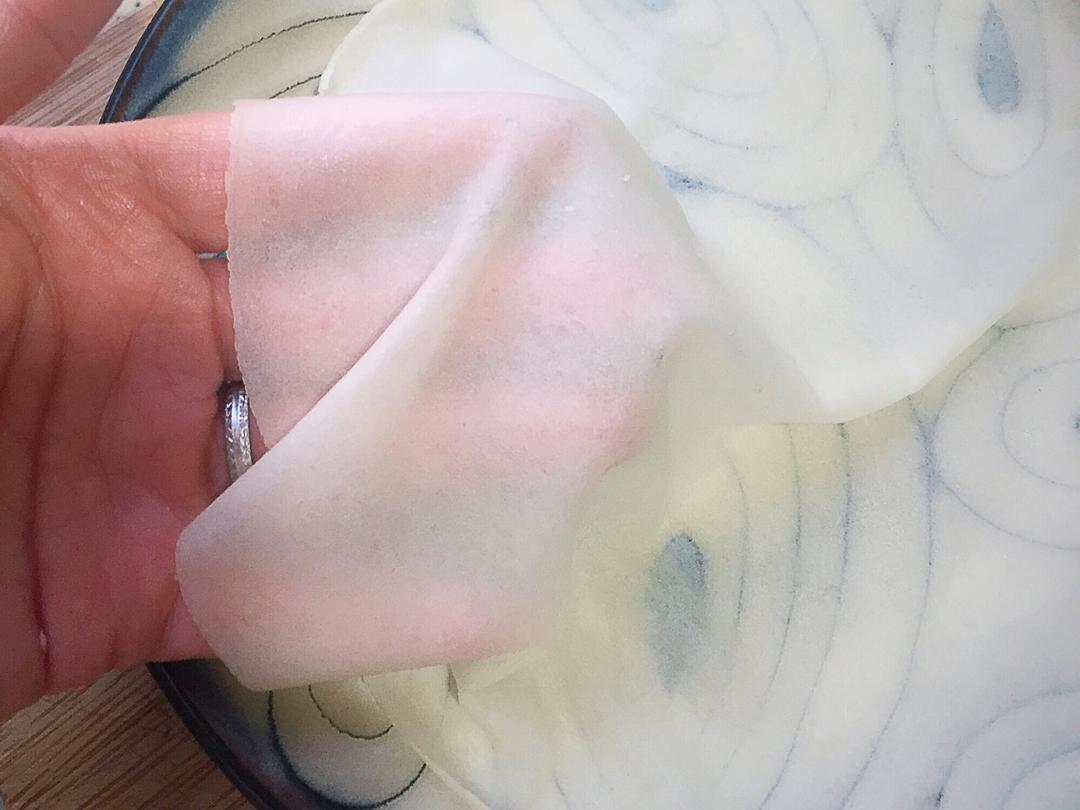
Chun bing (春饼) are spring pancakes – the thin, soft wheat wrappers of northern China, served with a platter of fillings for the spring festival and beyond. This recipe makes them the old-fashioned steam-stack way: a simple flour-and-water dough, rolled thin, stacked with oil, rolled as one, steamed, and peeled apart into translucent, bendable pancakes that show the plate pattern through them.
What Are Spring Pancakes (Chun Bing)?
Chun bing (春饼) are thin, soft wheat pancakes from northern China, traditionally eaten to welcome spring with a platter of fillings – typically sweet bean sauce, shredded potato, bean sprouts, ham, egg, scallion, and cucumber, rolled up by each diner at the table. They are the northern counterpart to the southern spring roll wrapper, but soft and chewy rather than crisp.
The steam-stack method is the home technique: the dough is divided into many small balls, each rolled thin, then stacked with a layer of oil between every two – the oil is what lets them separate after steaming. The whole stack is rolled into one large thin round and steamed for about 15 minutes, then peeled apart, each pancake soft and almost translucent. It is the kind of technique that looks impossible until you do it once, and this recipe’s careful notes – use cooked (熟) oil, press both sides before the final roll, flip repeatedly while rolling – are exactly the details that make it work.
For a filled spin on the same pancake idea, my spring pancakes with spinach and eggs is the breakfast version of this wrapper.
1Spring Pancakes with Spinach and Eggs (Chun Bing)Authentic homemade Spring Pancakes (Chun Bing) filled with a savory, healthy spinach and egg stir-fry. This recipe uses the traditional ‘double-stack’ rolling method to create paper-thin, soft wrappers perfect for wrapping. A classic taste of Chinese spring!Check out this recipe

Why This Version Works
- The oil-between-layers is the whole trick. Each layer brushed with oil – the original insists on even, complete coverage – is what lets the seventeen steamed pancakes separate cleanly.
- Use cooked (熟) oil. The original’s specific advice: heat the oil until it is cooked and cool it before brushing. Cooked oil spreads thinner and separates more cleanly than raw oil.
- Press both sides before the final roll. Gently pressing the stacked disk on both faces evens out the layers and makes the final roll more uniform.
- Roll while flipping, flipping, flipping. The original repeats the instruction three times: roll a few strokes on one side, flip, roll, flip – this keeps the stack even and thin.
- Steam, then peel while warm. Cold-water start, 15 minutes after the water boils, then peeling immediately – the pancakes separate best while still warm.
Equipment Needed
- A steamer (with a cloth or paper liner, or oiled surface)
- A rolling pin
- A pastry brush for the oil
- A mixing bowl for the dough
- Plastic wrap for the rest
Ingredients
- 200 g (7 oz) all-purpose flour (medium or high gluten)
- 100 g (3.5 oz / 1/2 cup minus) cold or hot water
- Neutral oil, cooked and cooled, for brushing (about 1/4 cup)
Ingredient Notes
Flour: Medium or high-gluten flour, per the original. The gluten gives the pancakes their bendable strength; low-gluten flour makes them tear. Adjust the water slightly if the flour absorbs differently – the original notes water amounts vary.
Water: The original says cold or hot water – either works; hot water makes a softer, more tender pancake (a partial scald), cold a chewier one. Start with 100 g (about 1/2 cup) and adjust.
Cooked oil (熟油): The original’s specific instruction – heat the oil until cooked, then cool it. Cooked oil is thinner and coats more evenly, which is what makes the layers separate. This is the detail most versions skip, and it matters.
Fillings: The classic spring platter: sweet bean sauce (tian mian jiang), potato shreds, bean sprouts, ham, egg ribbons, scallion, and cucumber. My old Beijing fried sauce noodles uses the same sweet bean sauce.
Prep & Mise en Place
Mix the flour and water into a soft, smooth dough – the original stirs it into cotton-floss clumps, then kneads into a ball and rests it, covered, for about 20 minutes. While it rests, cook and cool the oil for brushing.
After the rest, divide the dough into 17 equal balls of about 17 g (0.6 oz) each. Roll each into a thin round – not too thin, the original says, and as uniform as you can – then stack them with brushed oil between every layer. Press the stack, roll it thin, and have the steamer ready.
Cooking Process
Step 1 – Mix the Dough and Rest 20 Minutes
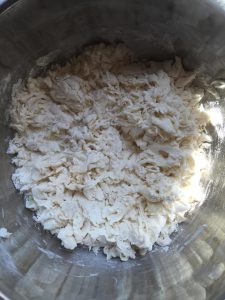
Mix the flour with the water into cotton-floss clumps, then knead into a smooth, soft dough. Cover with plastic wrap and rest about 20 minutes. Adjust the water by feel – flours absorb differently, the original notes.
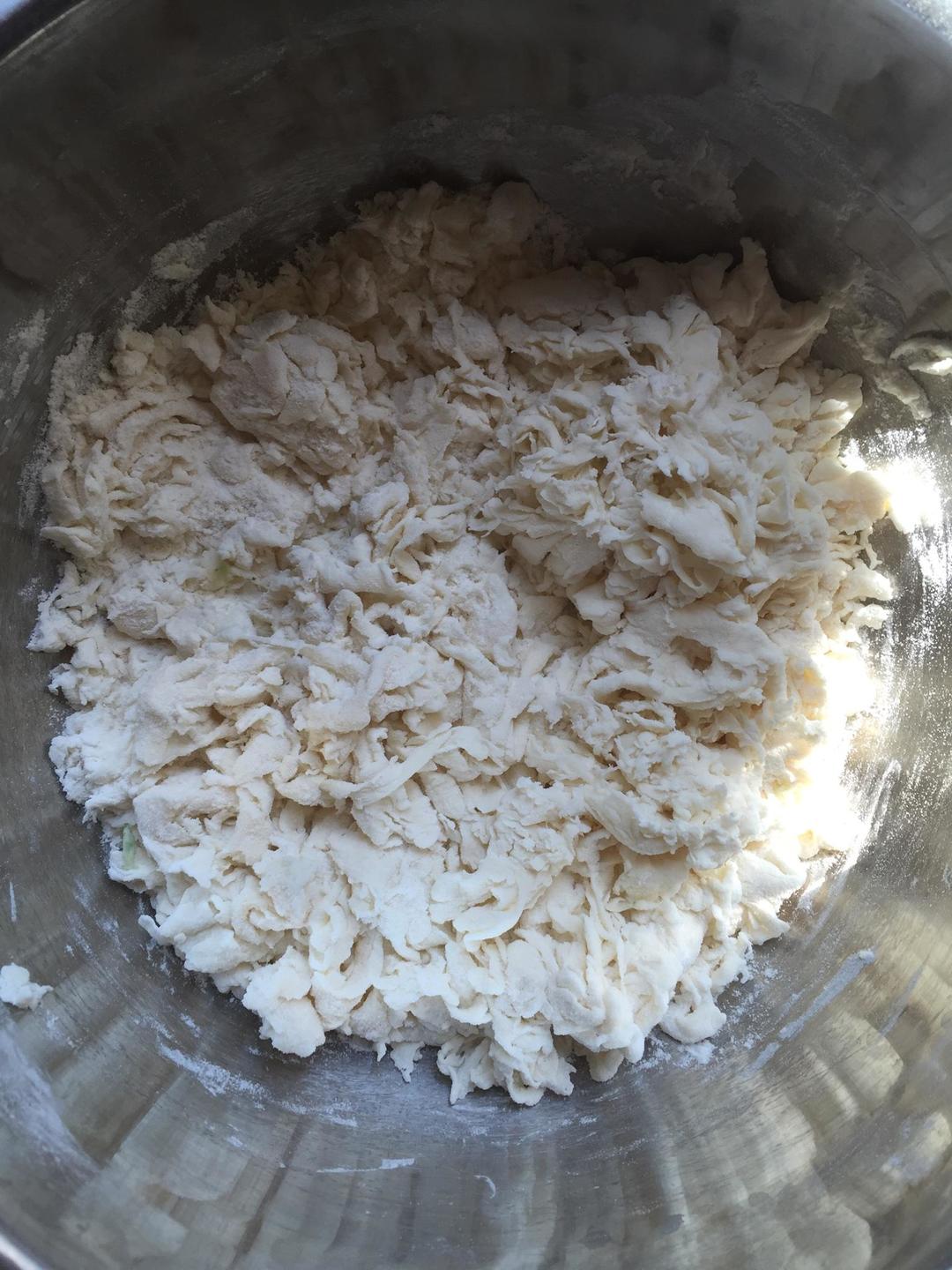
Step 2 – Divide Into 17 Equal Balls
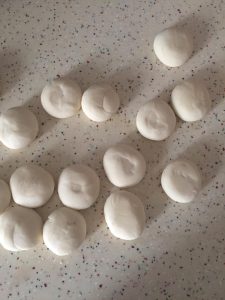
After the rest, divide the dough into 17 equal pieces of about 17 g (0.6 oz) each. Uniform pieces mean uniform pancakes.
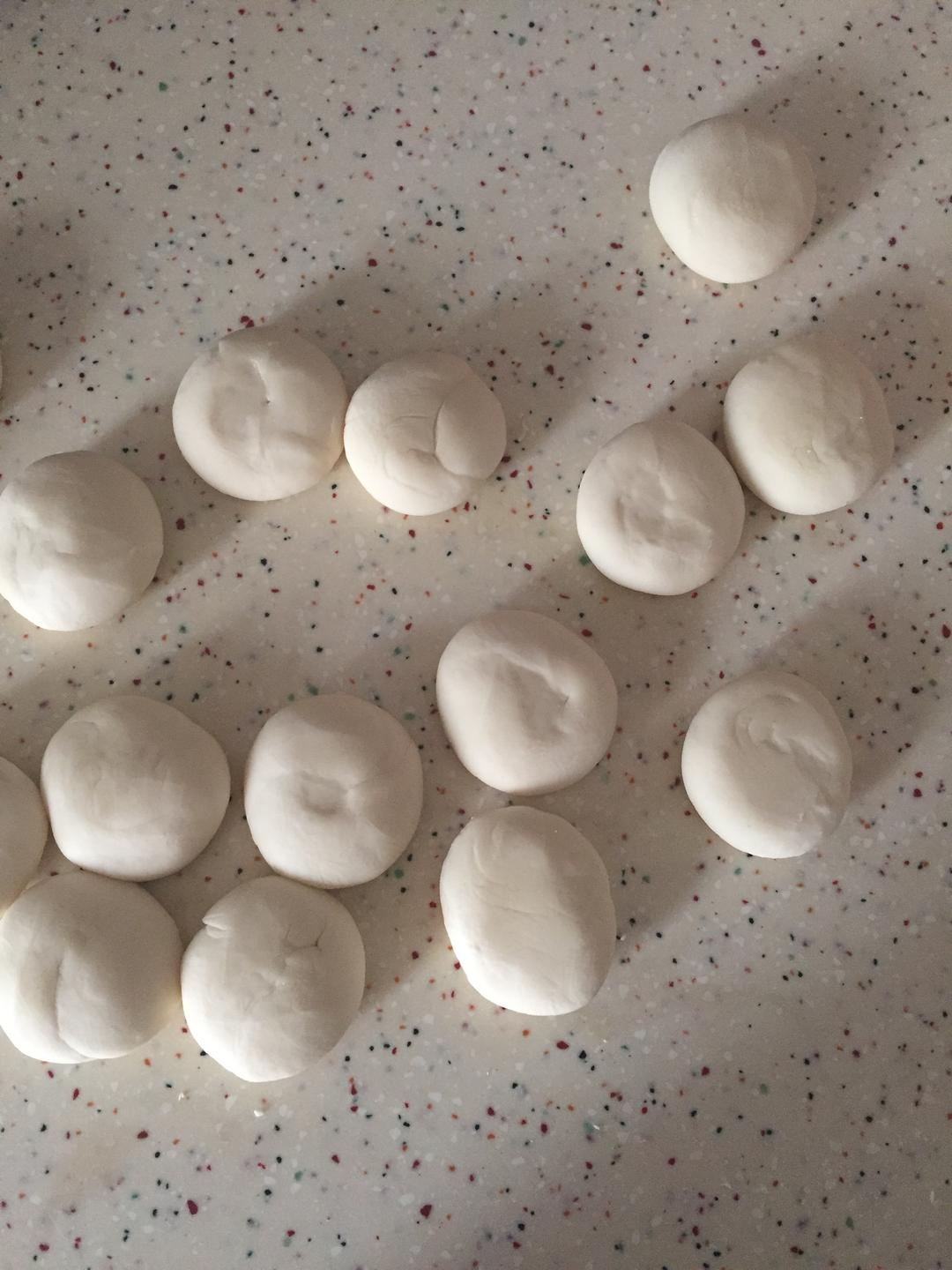
Step 3 – Roll Each Ball Thin, Like a Dumpling Wrapper
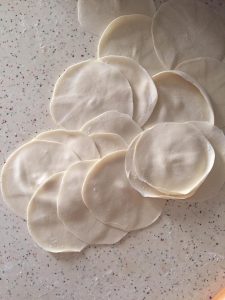
Roll each ball into a thin round – the original says not too thin, and as even in size as possible. Think dumpling wrapper, not phyllo.
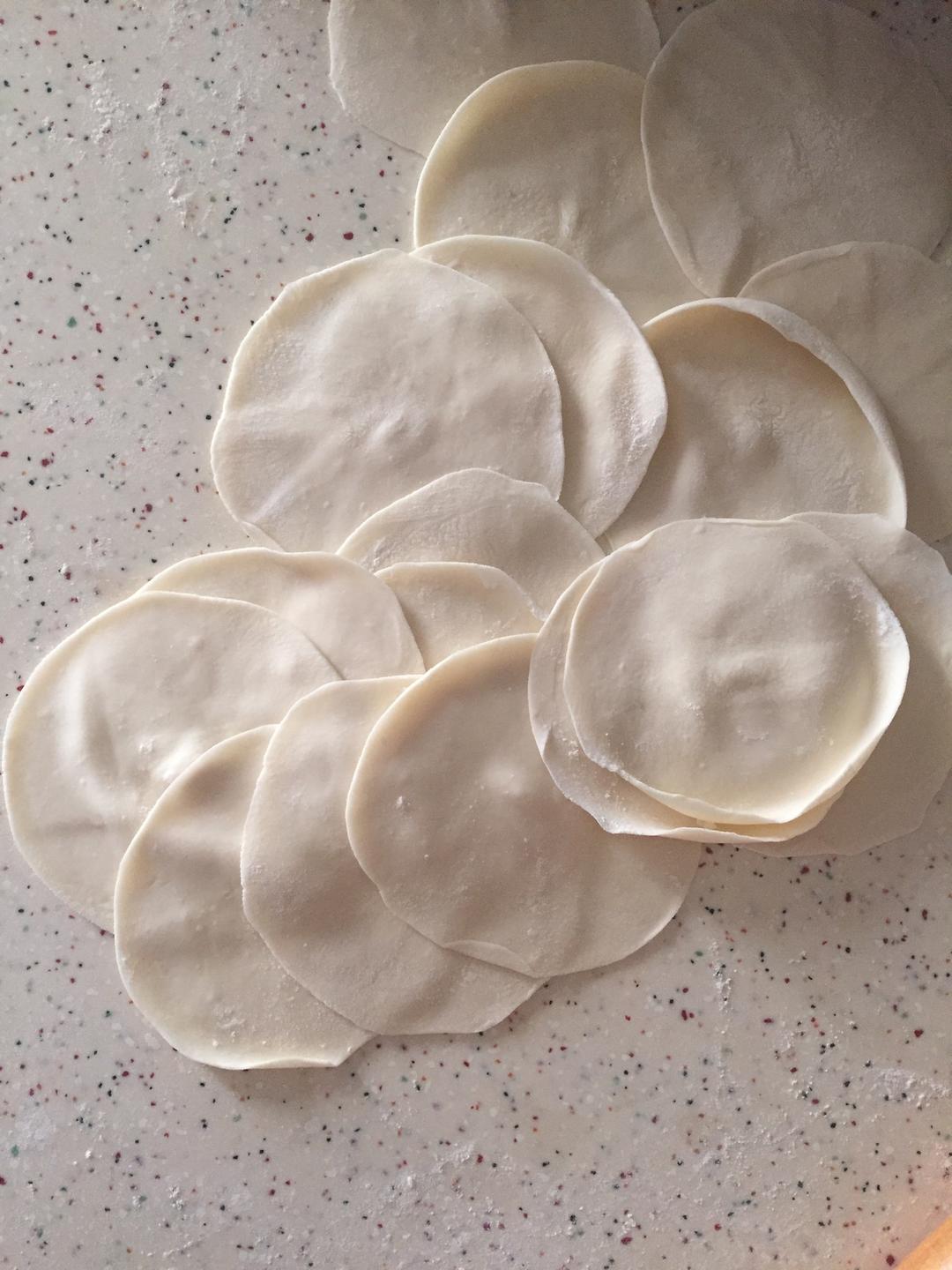
Step 4 – Stack With Oil Between Every Layer
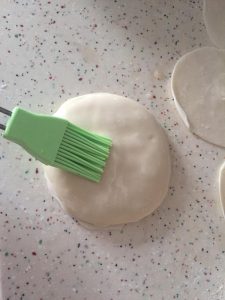
Stack the wrappers like a tower, brushing every layer with the cooked, cooled oil – the original insists on full, even coverage. This oil is what lets the steamed pancakes separate.
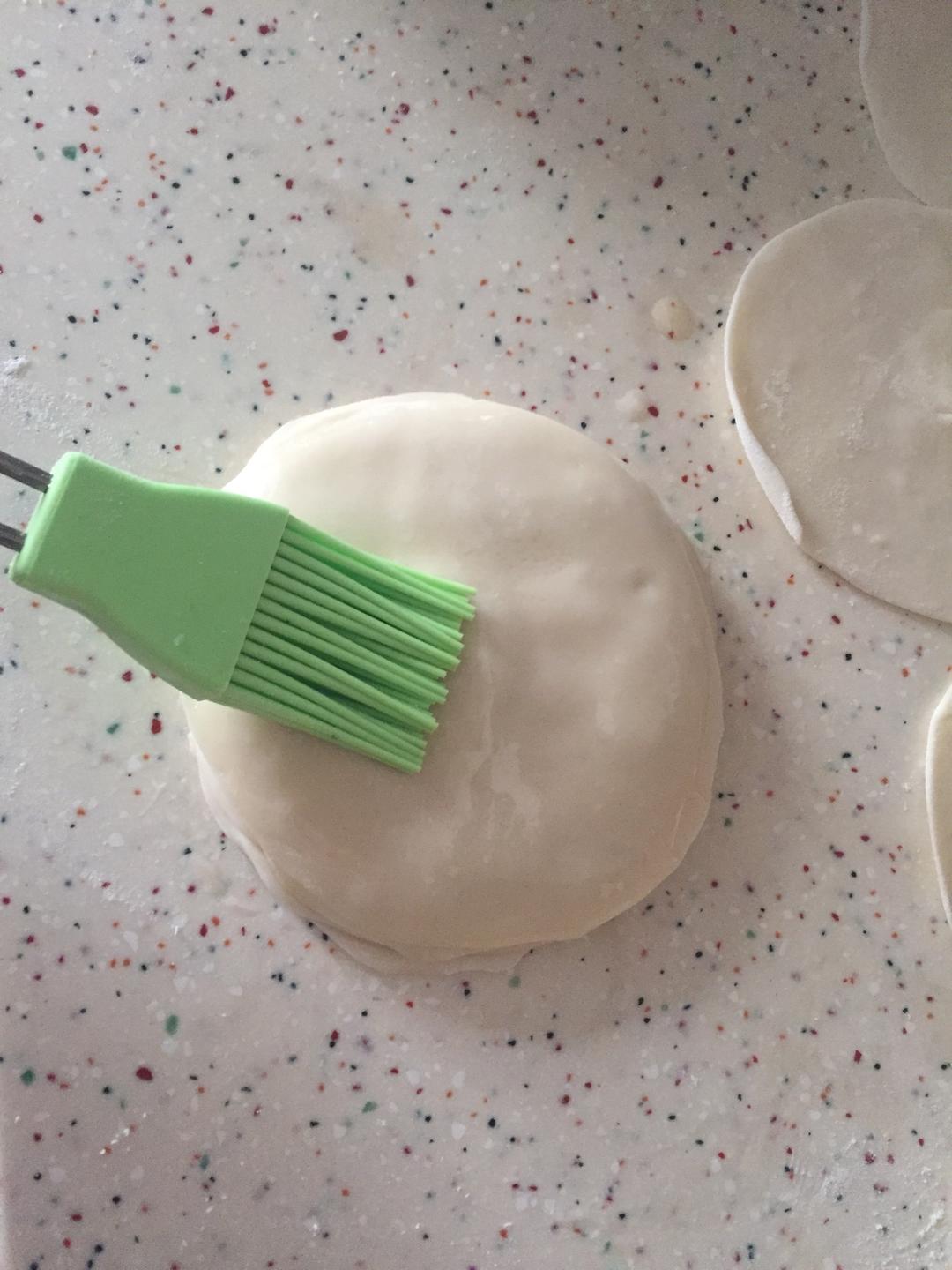
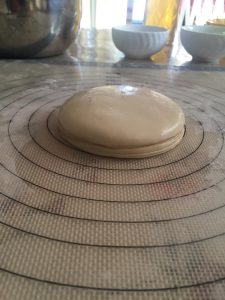
Step 5 – Press Both Sides of the Stack
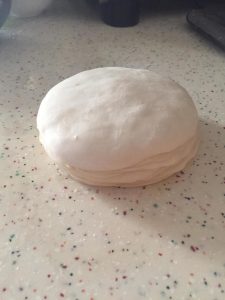
Press the entire stack gently on both faces with your hands – this evens the layers and helps adjust the size uniformity before the final roll.
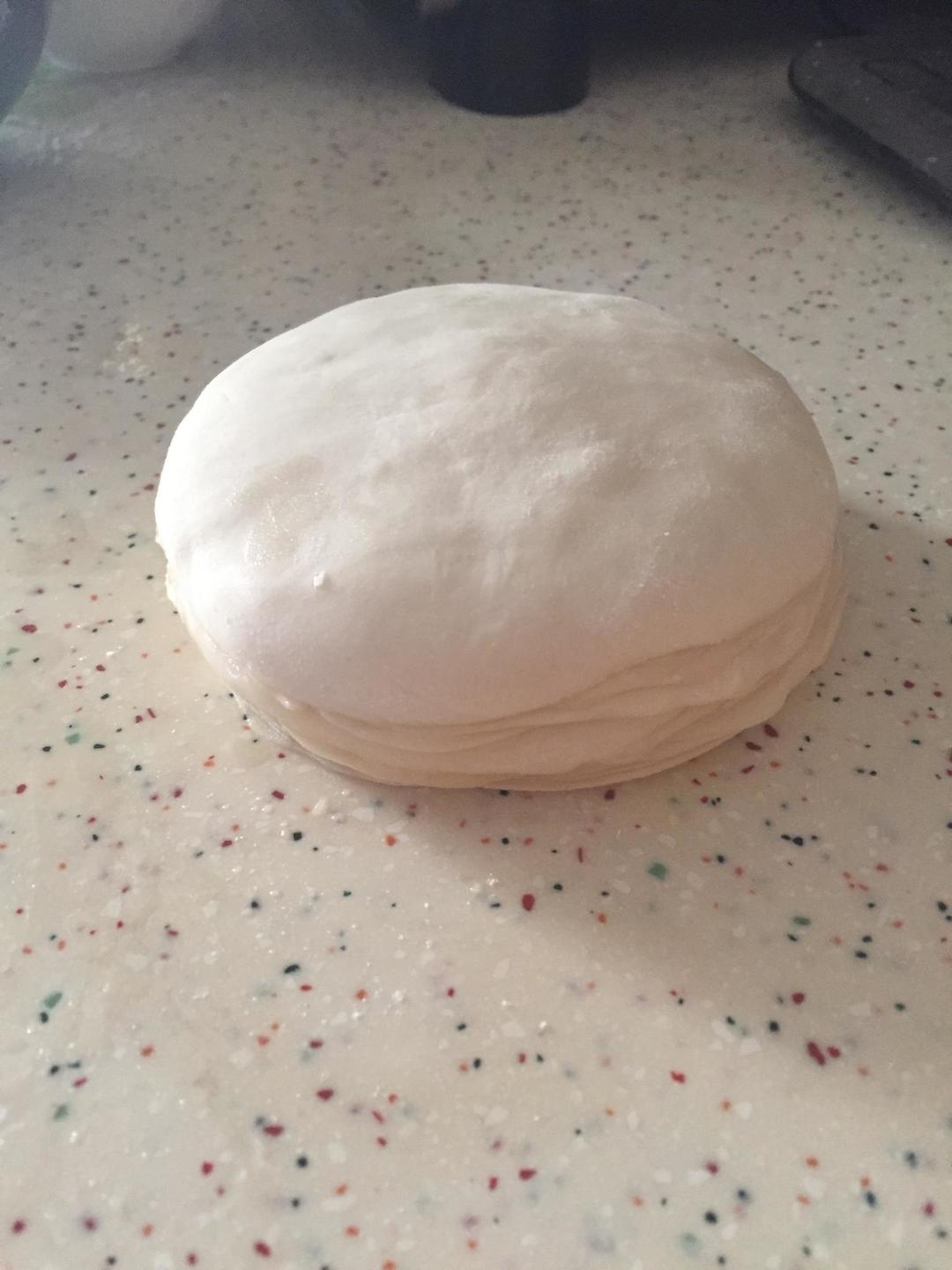
Step 6 – Roll the Whole Stack Thin, Flipping Constantly
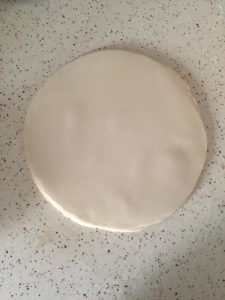
Roll the stack into one large thin round with the rolling pin, working from the center outward – and flip the dough constantly as you roll (the original repeats this three times: roll a few strokes on one side, flip, roll, flip). This keeps the stack even and thin.
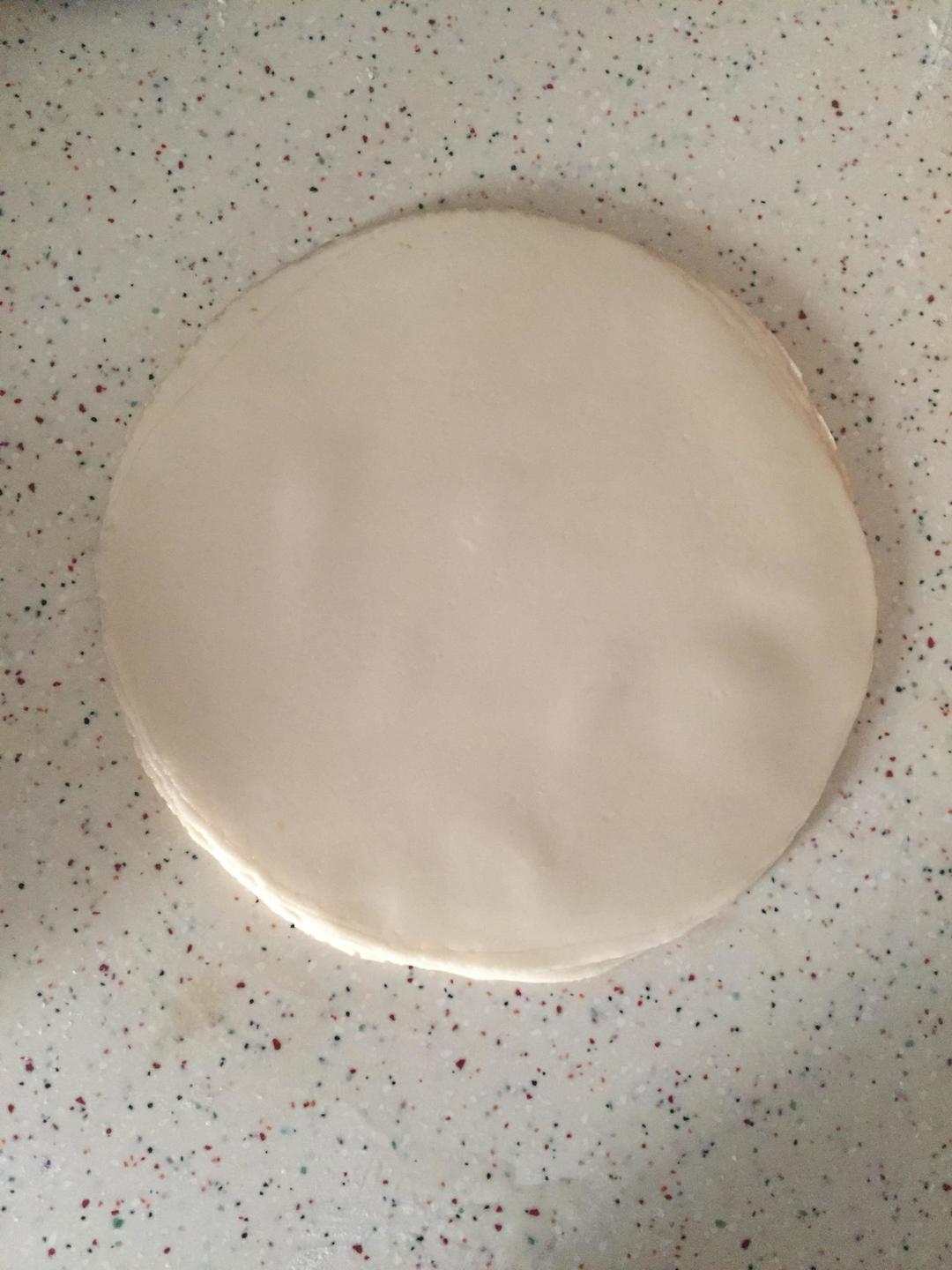
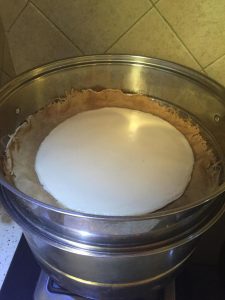
Step 7 – Steam for 15 Minutes
Line the steamer with a cloth or paper, or oil the surface directly. Place the rolled stack in, start from cold water, and steam for about 15 minutes after the water comes to a boil.
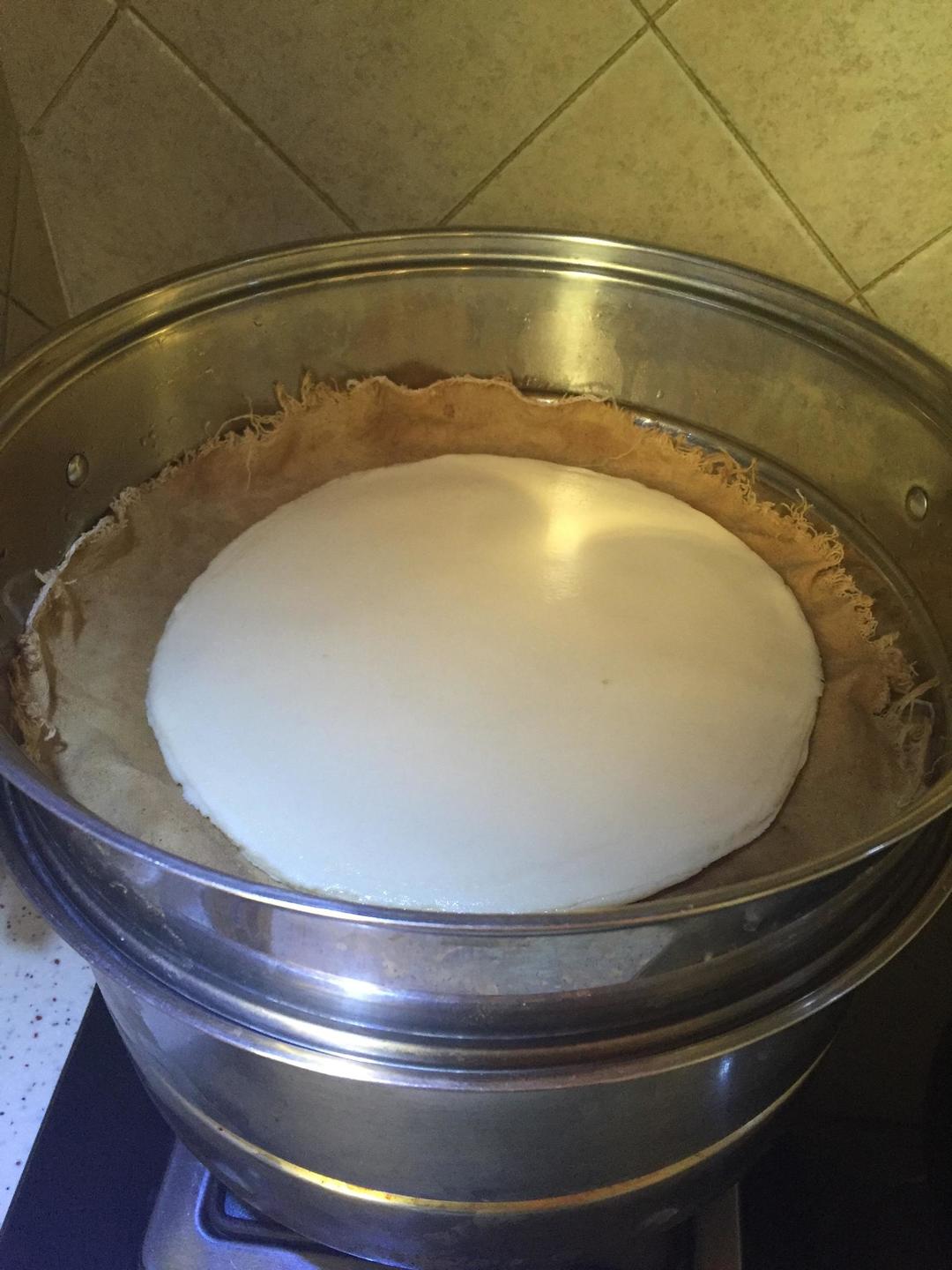
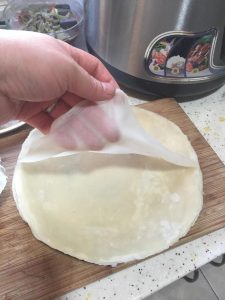
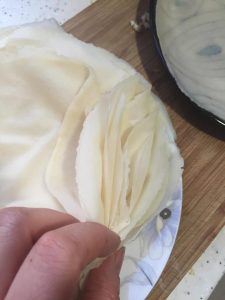
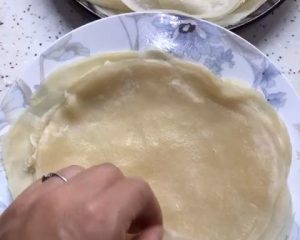
Step 8 – Peel the Layers Apart While Warm
Take the stack out and peel the layers apart one by one – the top and bottom layers may stick from steam condensation, in which case peel them together as two. The rest separate cleanly, one by one.
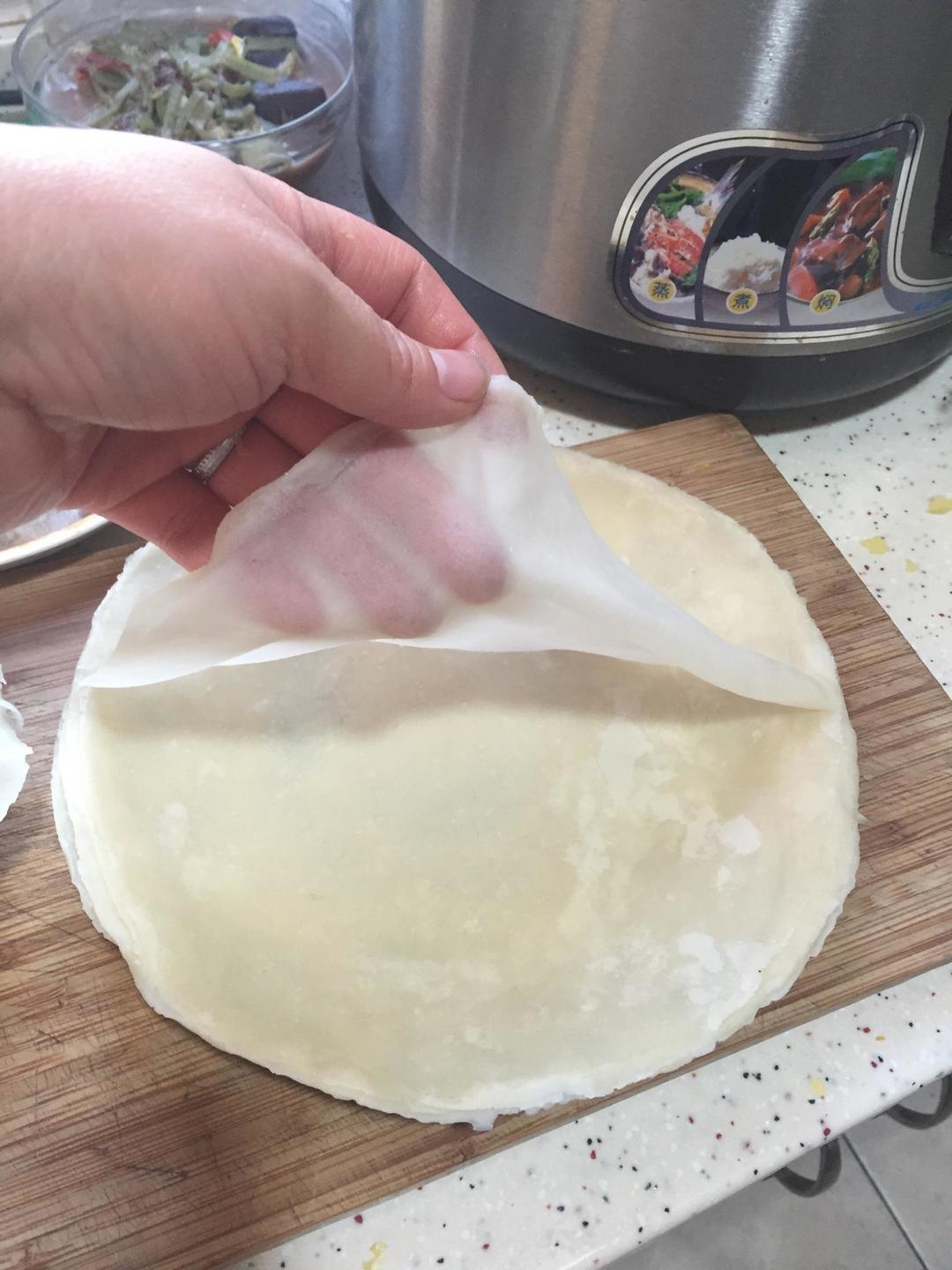
Step 9 – Every Pancake Separates Whole
With the oil between layers done right, every pancake peels off in one complete piece – the original’s photo proves it.
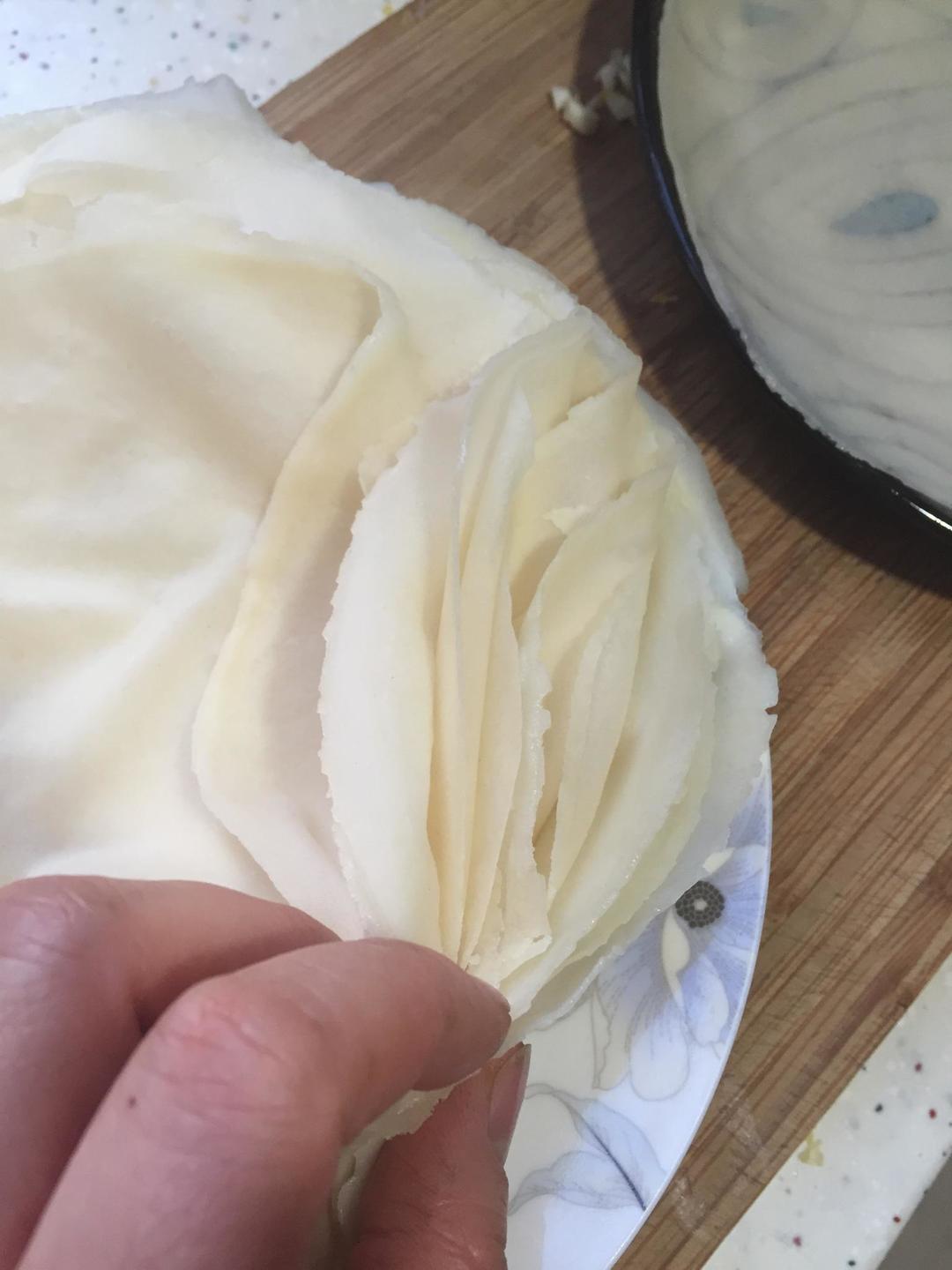
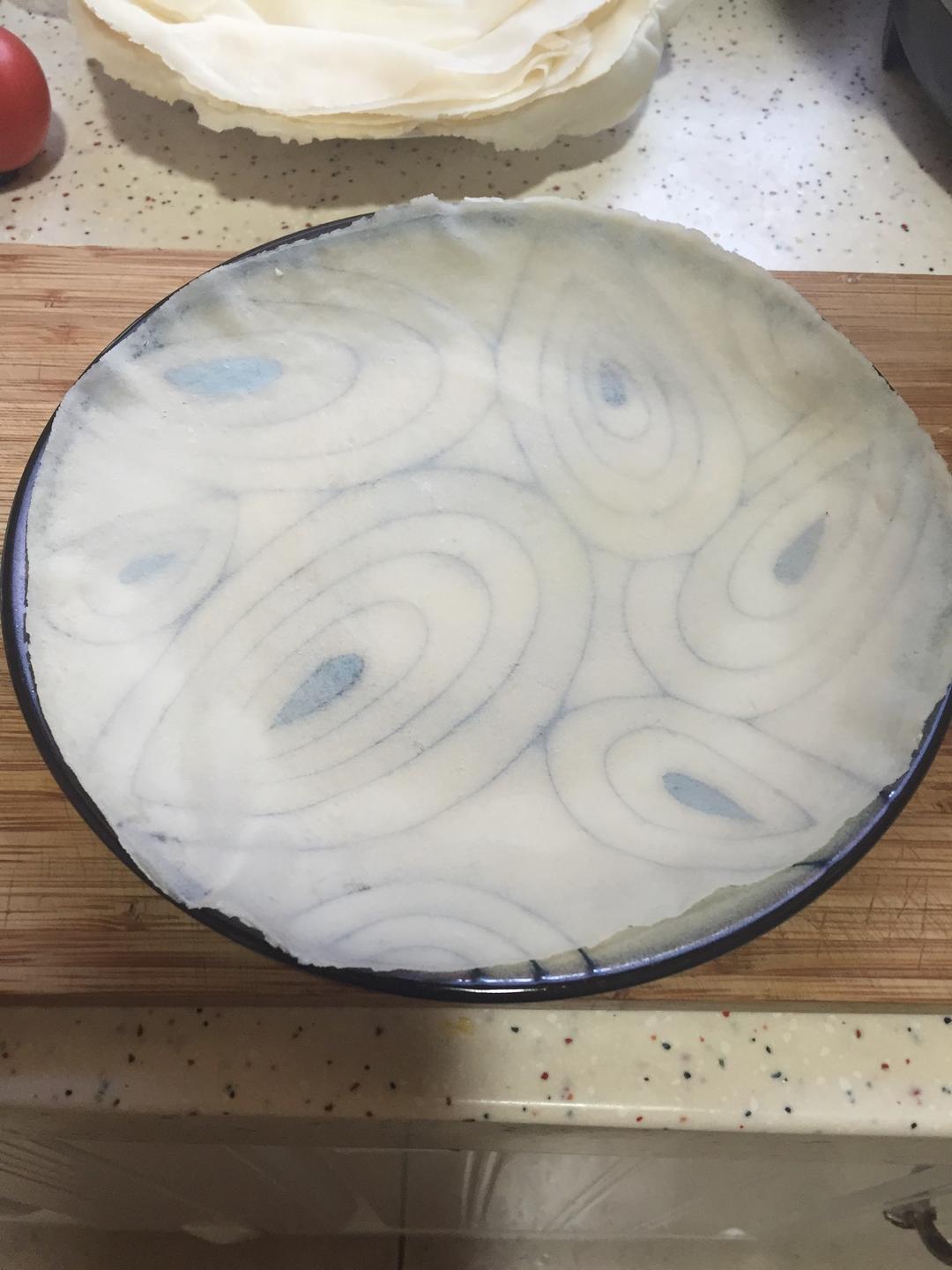
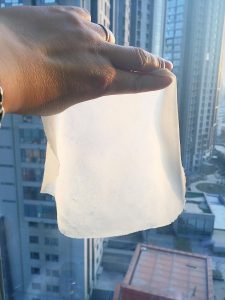
Step 10 – Soft, Thin, and Translucent
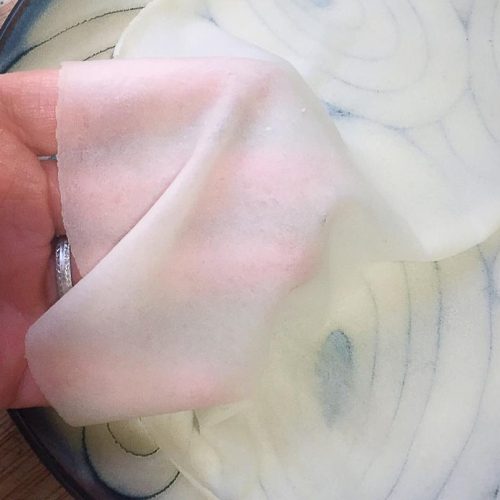
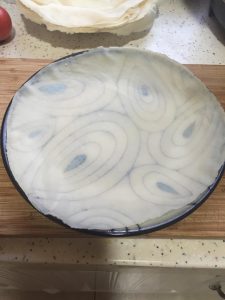
Each pancake should be soft and thin – the original notes you can see the pattern of the plate through them. That is the goal: paper-thin, bendable, translucent.
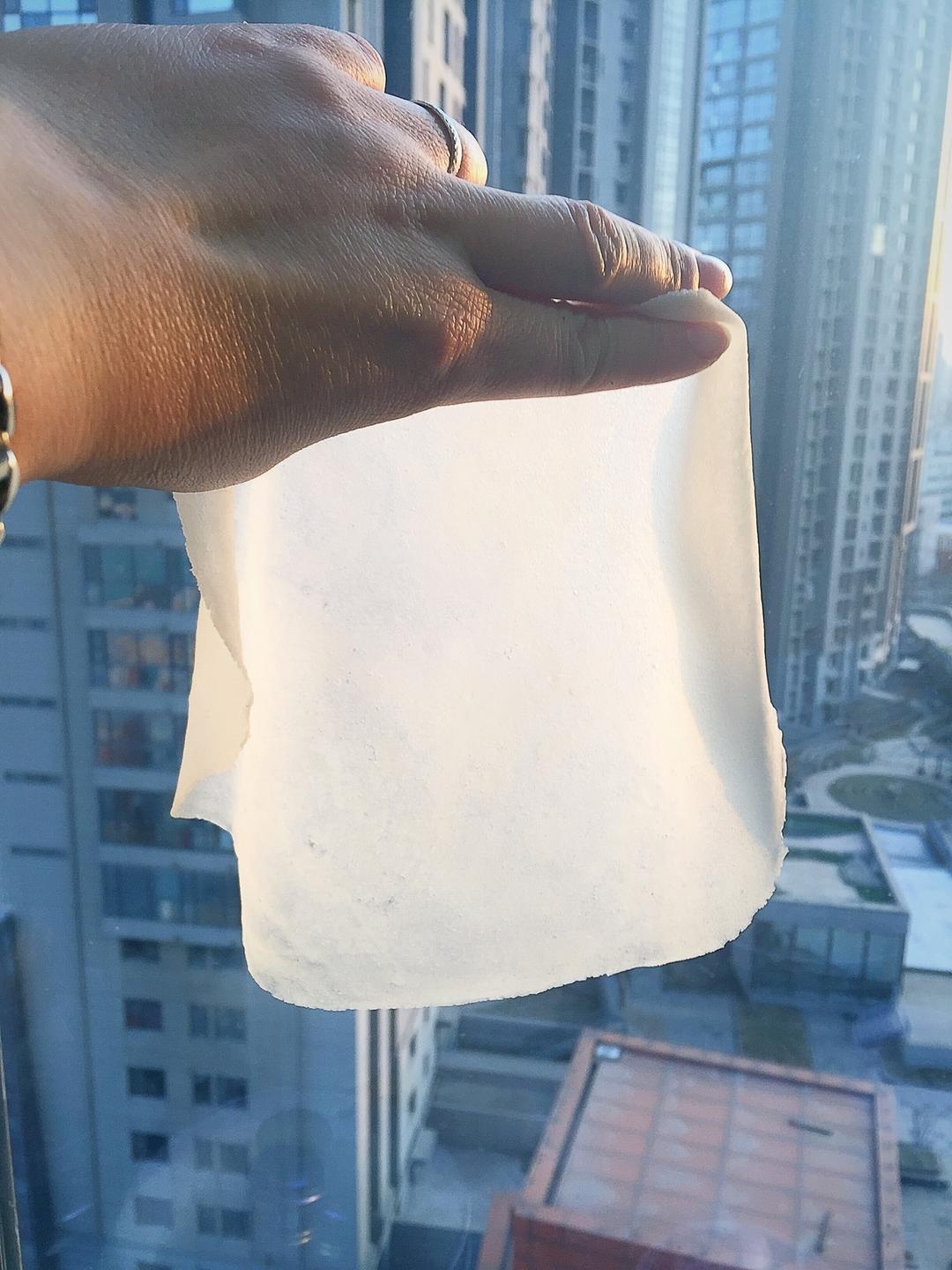
Step 11 – The Proof
The original’s demo: even the plate’s floral pattern is visible through the pancake – proof of the paper-thin claim.
Step 12 – Build the Classic Filling Platter
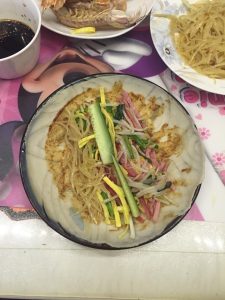
The original’s favorite filling: sweet bean sauce, then potato shreds, bean sprouts, ham shreds, egg ribbons, scallion, and cucumber sticks – “use your imagination,” she adds, meat shreds work too.
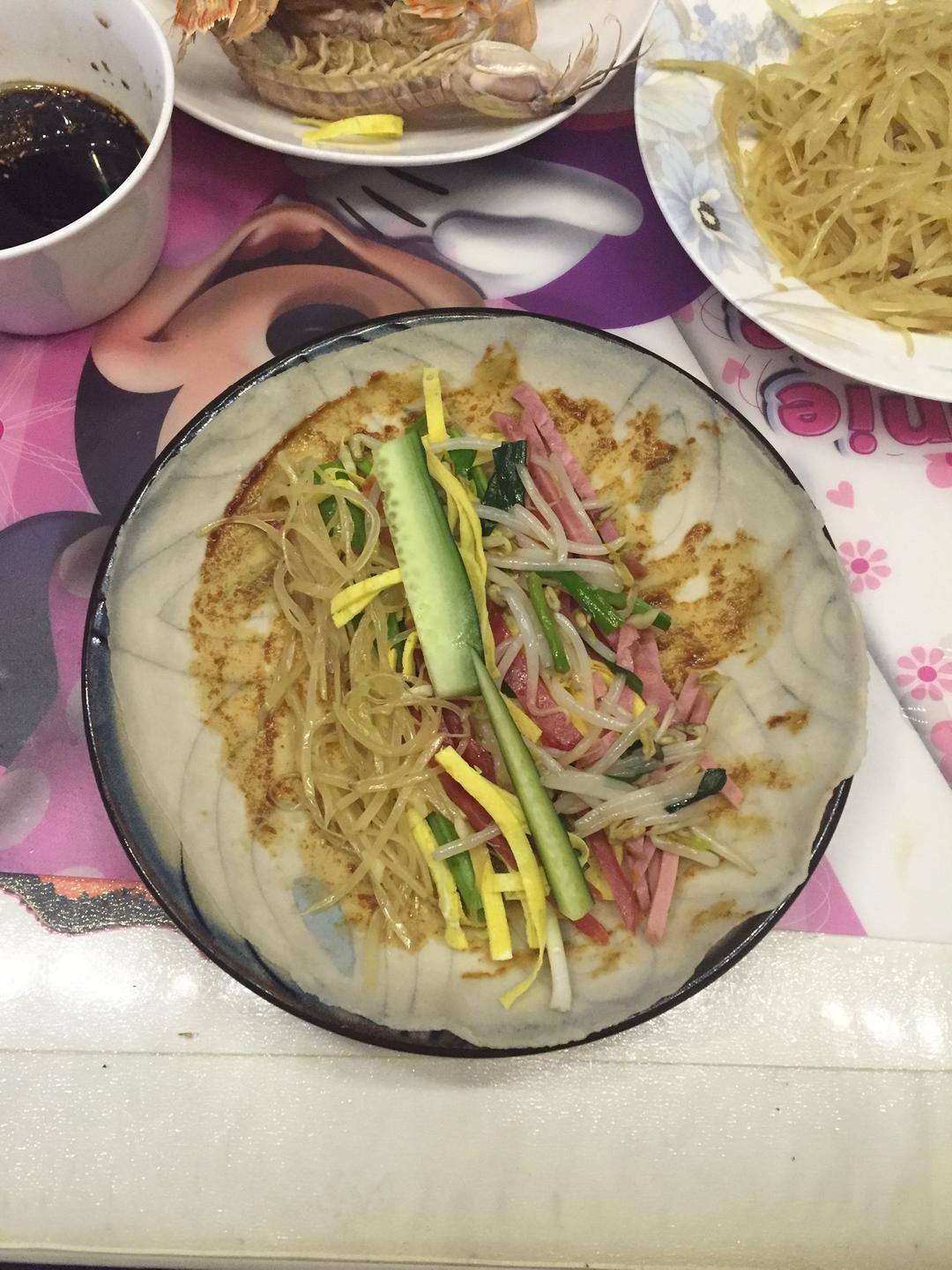
Step 13 – Roll It Up
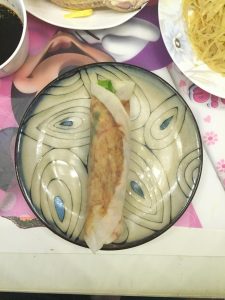
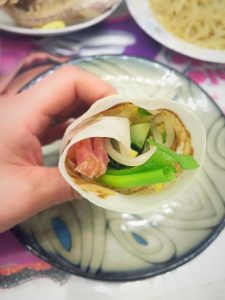
Lay a pancake flat, spread the sweet bean sauce, pile on the fillings, and roll it up – tuck the ends or eat it open, your call.
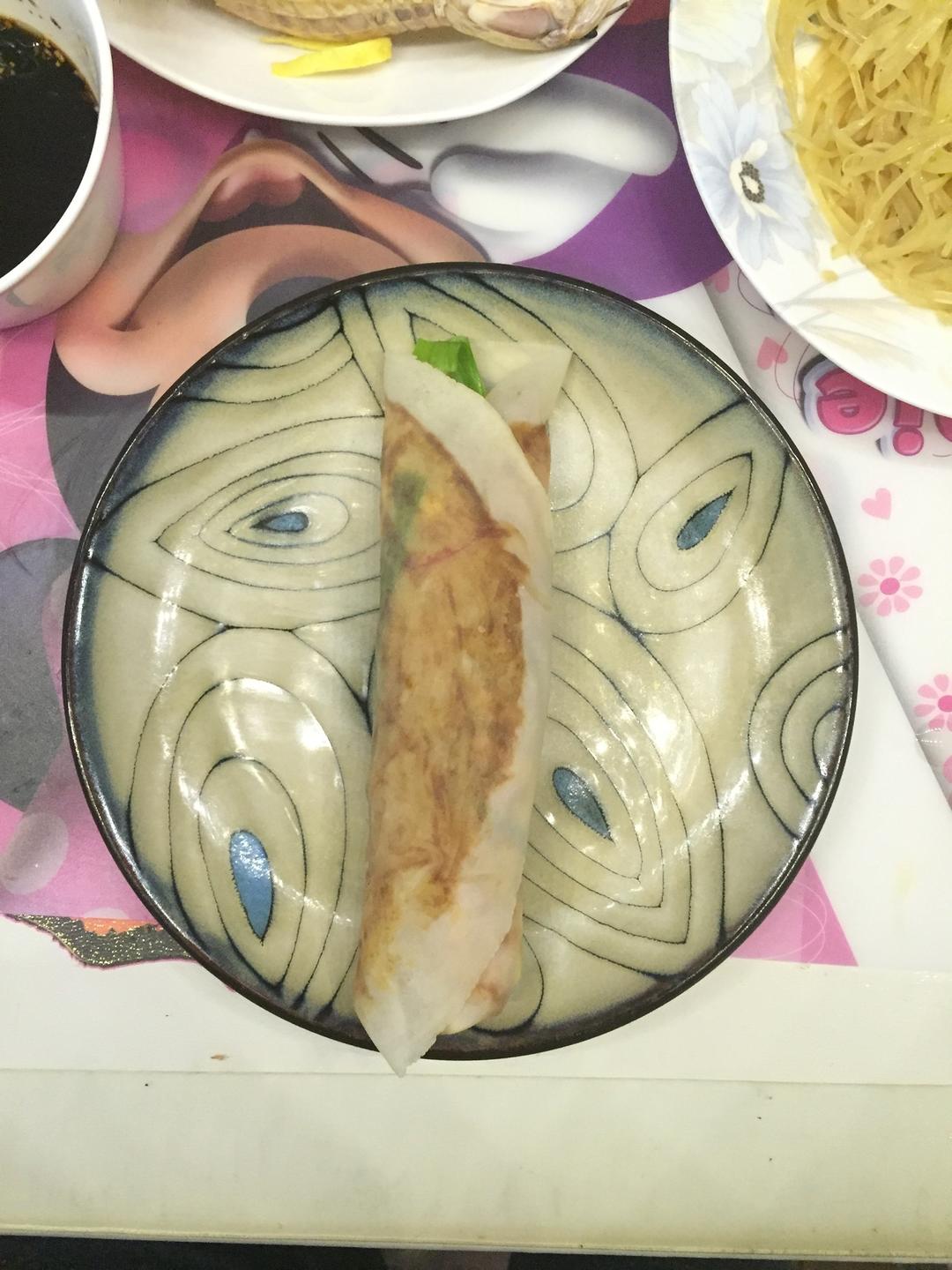
Step 14 – Store the Leftovers
The original’s storage tip: wrap leftover pancakes in plastic and reheat them next time – they taste as fresh as just-steamed. The pancakes keep well, which is half their usefulness.
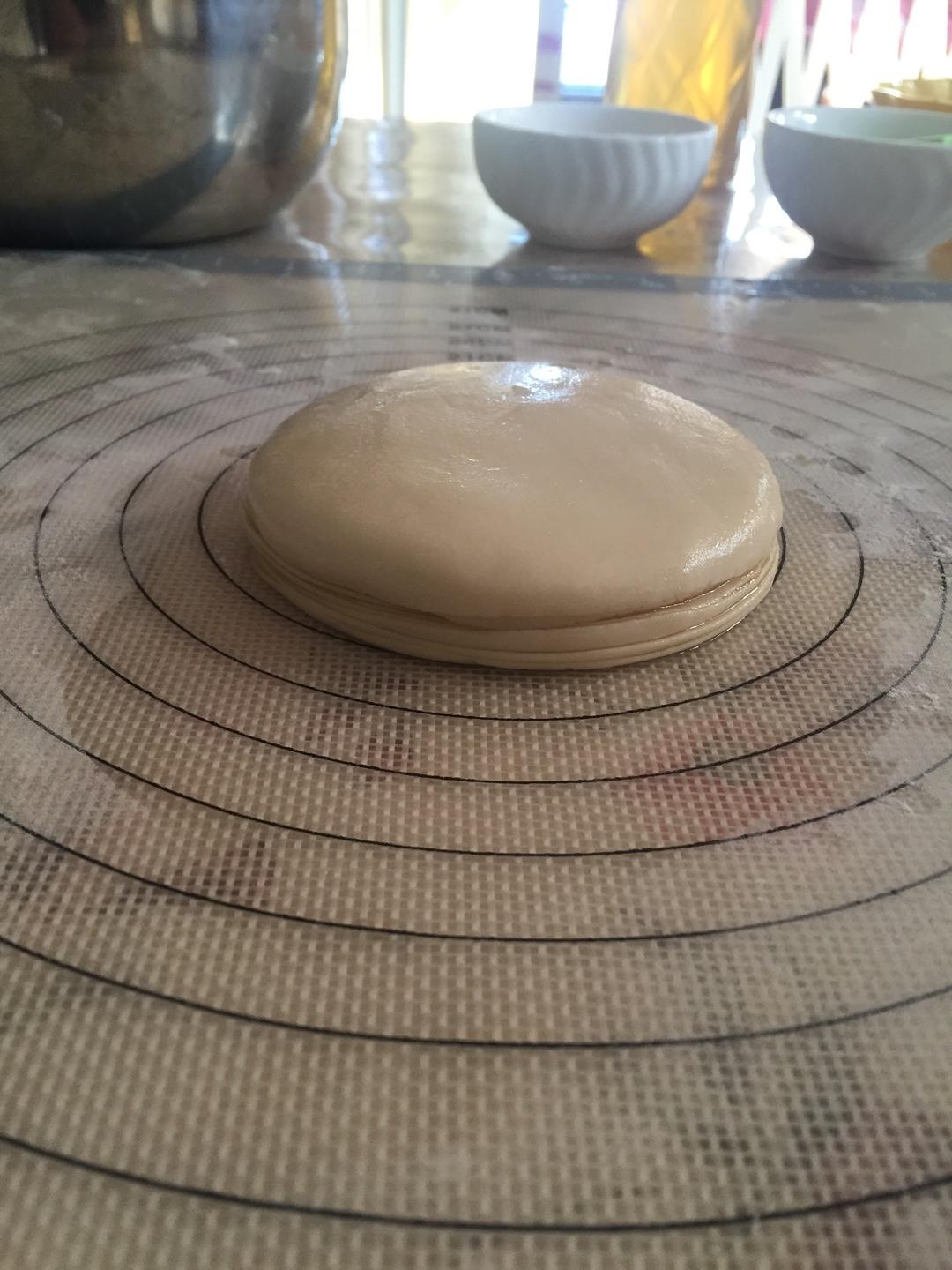
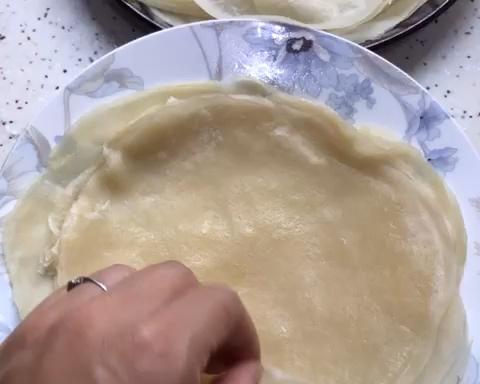
Step 15 – The Pressing Step, Shown
The original adds a supplementary photo of the pressing step – the stack gently pressed by hand before the final roll, which makes rolling easier and the pancakes more uniform.
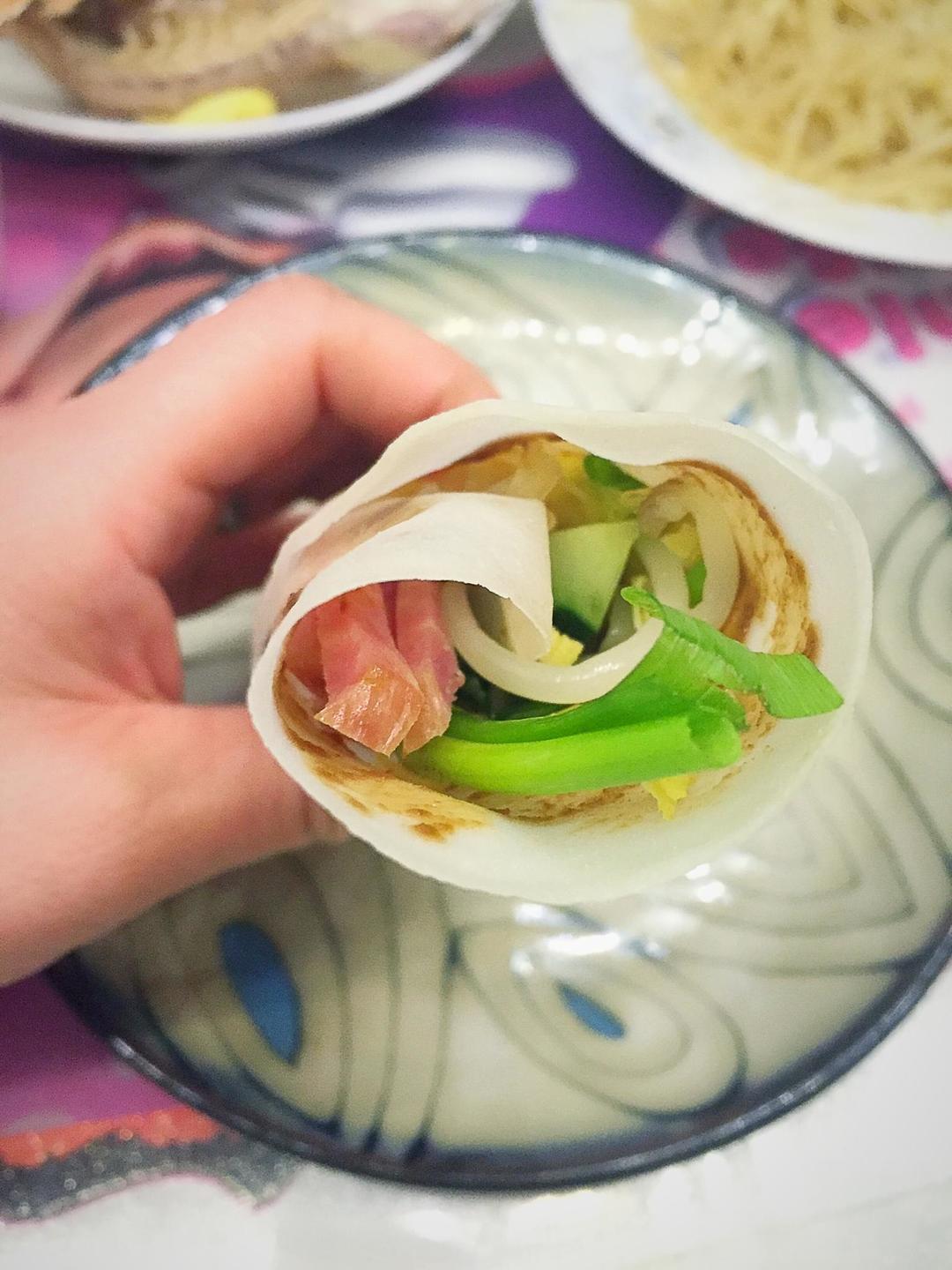
Step 16 – Easy to Peel, One-Handed
The final proof: the steamed pancakes peel apart so easily the original does it one-handed while holding a phone – the oil-between-layers technique working as intended.
Common Mistakes When Making Spring Pancakes
1. Pancakes that stick together after steaming. Cause: uneven or too-little oil between layers, or raw oil. Fix: brush every layer fully with cooked, cooled oil – the original’s specific advice.
2. Tearing, fragile pancakes. Cause: low-gluten flour or over-thin rolling. Fix: medium or high-gluten flour, and roll the individual wrappers only to dumpling-wrapper thickness, not thinner.
3. A lopsided stack. Cause: skipping the press before the final roll, or not flipping while rolling. Fix: press both sides first, then roll while flipping constantly – the three-time reminder.
4. Thick, doughy pancakes. Cause: rolling the final stack too thick. Fix: roll it thin enough that the plate pattern shows through.
5. Sticking to the steamer. Cause: no cloth, paper, or oil. Fix: line the steamer or oil the surface directly, per the original.
6. Crumbly dough. Cause: too little water. Fix: add water gradually and adjust – flours absorb differently, as the original notes.
Variations
Hot-water dough: Using hot water makes a softer, more tender pancake – the classic northern choice. My spring roll wrappers use a related technique for the crisp version.
Green pancakes: Blend spinach juice into the water for green spring pancakes – a festive festival version.
Other fillings: The platter is infinitely customizable – the original says use your imagination; my crispy leek and egg spring rolls show the filled-and-fried direction.
Pair with: The sweet bean sauce is the classic spread – my old Beijing zha jiang mian uses the same sauce in noodle form.
Frequently Asked Questions
Why use cooked oil? Cooked oil is thinner and spreads more evenly than raw oil, which is what makes the layers separate cleanly – the original’s specific, easy-to-miss instruction.
Can I make a smaller stack? Yes – the method scales; just keep the oil-between-layers rule. Fewer layers are easier for a first try.
How long do the pancakes keep? Wrapped in plastic, 2-3 days refrigerated – and they reheat like fresh, per the original.
Can I freeze them? Yes – stack with parchment between, freeze up to 1 month, and re-steam to refresh.
Do I need the exact 17 layers? No – that is the original’s count for the dough. Use more or fewer; the technique is the same.
How to Serve
Set out the pancakes with the filling platter and let everyone build their own roll – the northern way. It is a natural family-style meal: the pancakes alongside spring pancakes with spinach and eggs for variety, or pork and onion guokui for the crispy sibling. For a full wrapper table, add flaky scallion pancakes and Shandong steamed buns.
Storage & Reheat
Wrap leftover pancakes in plastic and refrigerate 2-3 days; re-steam for 2-3 minutes and they eat like fresh – the original’s claim, which I have verified. Freeze with parchment between layers for up to 1 month and re-steam from frozen. Never leave steamed pancakes out for more than 2 hours.
Allergen Notice
This recipe contains gluten (all-purpose flour). It is free of soy, nuts, eggs, dairy, and shellfish (the fillings may add allergens – check each).
Nutrition Disclaimer
Nutrition information is calculated using an ingredient database and should be considered an estimate. In cases where multiple ingredient alternatives are given, the first listed is calculated for nutrition. Garnishes and optional ingredients are not included.
About the Author & Recipe Development
I am Lin, a professional Chinese chef and food writer with a decade in restaurant kitchens before turning to recipes. Spring pancakes are my grandmother’s territory, and this xiachufang recipe is the clearest written version of her method I have found – down to the cooked-oil advice and the three-time reminder to flip while rolling. I tested the full stack, confirmed the oil rule matters (raw oil genuinely does not separate as cleanly), and kept the 15-minute steam. I have not tested spinach-green pancakes or every flour brand, so those are your experiments, not my claims.
Authoritative References
USDA Food Safety and Inspection Service – Safe Temperature Chart for food-handling and storage guidance.
Paper-Thin Spring Pancakes (Chun Bing): Steam-Stacked Wrappers

Equipment
- Steamer
- Rolling Pin
- Pastry Brush
- Mixing Bowl
Ingredients
For the Pancakes
- 200 g all-purpose flour (medium or high gluten) 7 oz
- 100 g cold or hot water 3.5 oz, adjust by feel
- 1/4 cup neutral oil, cooked and cooled, for brushing 60 ml
- fillings: sweet bean sauce, potato shreds, bean sprouts, ham, egg, scallion, cucumber to serve
Instructions
- Mix the flour and water into a smooth dough and rest, covered, 20 minutes.

- Divide the dough into 17 equal balls of about 17 g (0.6 oz) each.
- Roll each ball into a thin round, dumpling-wrapper thickness.
- Stack the wrappers, brushing cooked oil between every layer.
- Press the stack gently on both sides to even the layers.
- Roll the whole stack thin, flipping the dough constantly.
- Steam from cold water, 15 minutes after boiling.
- Peel the layers apart while warm – each should separate whole.
- Every pancake peels off in one complete piece.
- Each pancake should be soft, thin, and translucent – you can see the plate through it.
- The plate pattern visible through the pancake is the paper-thin proof.
- Serve with sweet bean sauce, potato shreds, bean sprouts, ham, egg, scallion, and cucumber.
- Spread the sauce, pile on the fillings, and roll it up.
- Wrap leftovers in plastic; they reheat like fresh.
- Press the stack by hand before the final roll – it makes rolling easier.
- The pancakes peel apart so easily you can do it one-handed.




Leave a Reply