Growing up in Sichuan, beef was often braised or stir-fried, like in our Black Pepper Steak or Black Pepper Beef Cubes. However, during my time in culinary school, I learned the art of the Western steak. But when I cook for my family—especially for young children—the challenge changes.
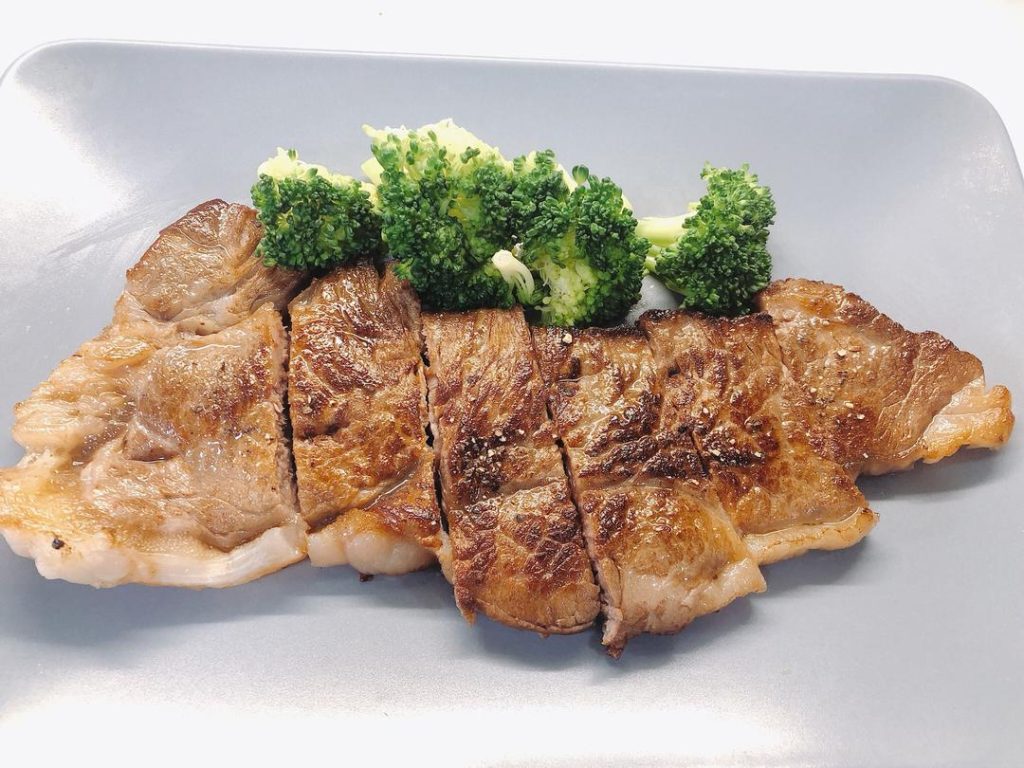
Kids often struggle with the texture of rare meat, and parents worry about food safety. The traditional Western method of blasting a steak until medium-rare doesn’t always suit a toddler’s palate.
Over the years, I developed a hybrid technique based on professional heat control and home-style practicality. This method uses a “sear-rest-refry” technique that relies on visual cues and the Maillard reaction rather than a thermometer. It produces a steak that is fully cooked (safe for kids) but remains incredibly juicy and tender, avoiding the dreaded “shoe leather” texture of typical well-done meat.
Why This Recipe Works
- Sensory Cooking: You will learn to trust your eyes and nose (visual cues and smell) to judge doneness, a skill every chef masters.
- Kid-Friendly Texture: By resting the meat mid-cook and finishing on low heat, we achieve a uniform doneness that is easy for children to chew.
- Juice Retention: The specific resting step allows muscle fibers to relax and reabsorb juices before the final heating, preventing the meat from becoming dry.
- No Special Equipment: You do not need a fancy sous-vide machine or even a meat thermometer to get great results.
What is Jian Niu Pai?
While “Niu Pai” simply translates to steak, in a Chinese home cooking context, it often refers to a steak cooked thoroughly but carefully, seasoned simply with salt and pepper. Unlike the heavy butter-basted steaks of French cuisine, this method focuses on the purity of the beef and precise temperature manipulation to retain moisture without undercooking.
It is ideal for parents who want to introduce whole cuts of beef to their children without resorting to processed, “glued” steaks often found in the frozen aisle.
Key Ingredients & Substitutions
- Sirloin Steak (Striploin): This recipe calls for “Xi Leng” (Sirloin). It has a great balance of flavor and tenderness.
- Selection Tip: Buy fresh, cold-chain meat from the butcher or supermarket. Avoid “children’s steaks” that are often restructured meat (glued together) with too much connective tissue.
- Salt: Essential for flavor and drawing out moisture for the sear. Sea salt or Kosher salt works best.
- Black Pepper: Freshly cracked is best.
- Note: If cooking for very young children who are sensitive to spice, you can omit the black pepper. Good quality beef is delicious with just salt.
- Oil: Use a neutral oil with a high smoke point, such as grapeseed oil, canola oil, or avocado oil. Do not use butter for the initial sear as it will burn.
Ingredient Comparison: Sirloin vs. Knuckle (Niulin)
The original recipe mentions using Sirloin. If you use Knuckle (Niulin), the meat is thicker and leaner. Because it is lean, it actually cooks up more tender than sirloin if handled correctly with this method. When pressing raw knuckle meat, the edges feel harder, but the center is soft and springy.
Recipe Notes Before You Start
- Room Temperature is Key: You must take the steak out of the refrigerator in advance to let it reach room temperature. Cooking cold steak leads to uneven cooking.
- Dry Brining: I recommend salting the steak the night before. This allows the salt to penetrate the meat, seasoning it throughout and helping with moisture retention.
- The Pan: A heavy-bottomed pan, like a cast-iron skillet or stainless steel pan, is best for retaining heat.
Food Safety and Preparation
- Avoid Cross-Contamination: Keep raw meat separate from ready-to-eat foods. Wash hands thoroughly after handling raw beef.
- Target Temperature: While this recipe relies on visual cues for a well-done result (ideal for kids), the USDA recommends a minimum internal temperature of 145°F (63°C) for safety. Since we are aiming for no pink (well-done), we will likely exceed this, ensuring safety.
- Resting: Do not skip the resting steps. Cutting into hot meat releases juices and can lead to bacterial growth if left out too long, but our 10-minute rest is safe and essential for quality.
Mise en Place / Prep
- Trim: Cut off any excess thick fat from the edges of the steak (kids usually dislike this texture).
- Dry: Use paper towels to pat the surface of the steak completely dry. Moisture is the enemy of the sear.
- Season: If you haven’t dry-brined overnight, sprinkle salt (and black pepper, if using) on both sides just before cooking.
How to Make Pan-Seared Sirloin Steak
Phase 1: The High-Heat Sear
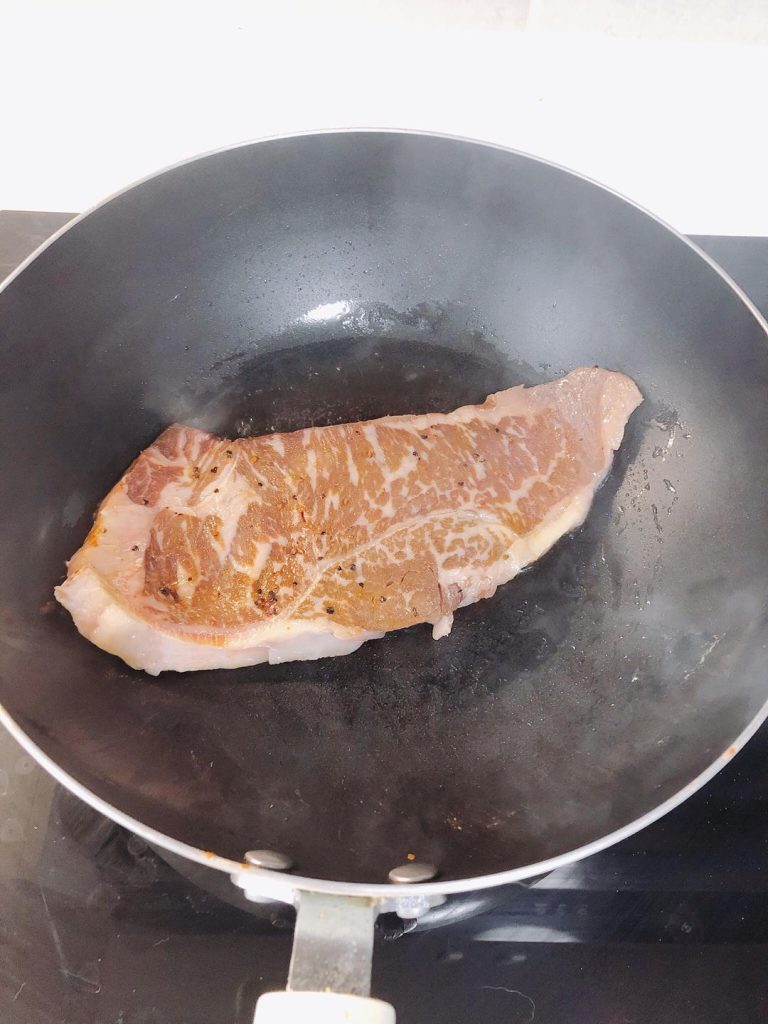
- Heat the Pan: Place your skillet over high heat. Add the oil. You want the oil to be very hot—smoking slightly.
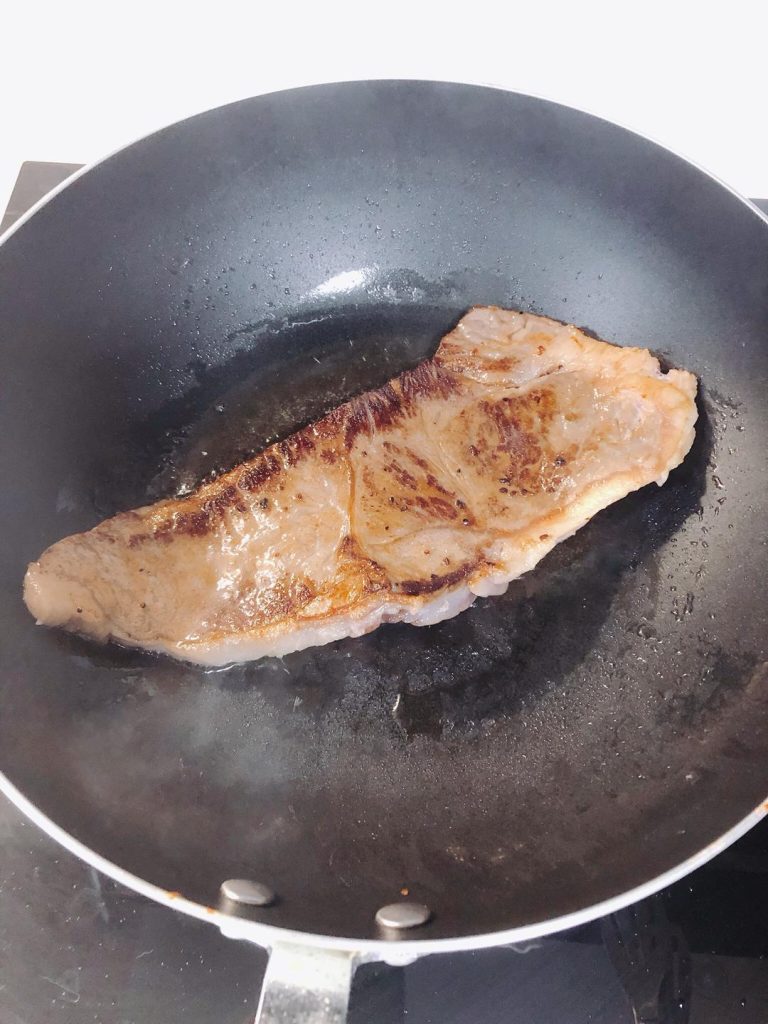
- First Sear: Carefully lay the steak into the hot pan away from you to avoid splashes. Sear for 1 minute on one side.
- Flip and Observe: Flip the steak. You should see the Maillard reaction—a beautiful browning of the proteins. You will smell the distinct aroma of roasted beef. Sear the second side for 1 minute.
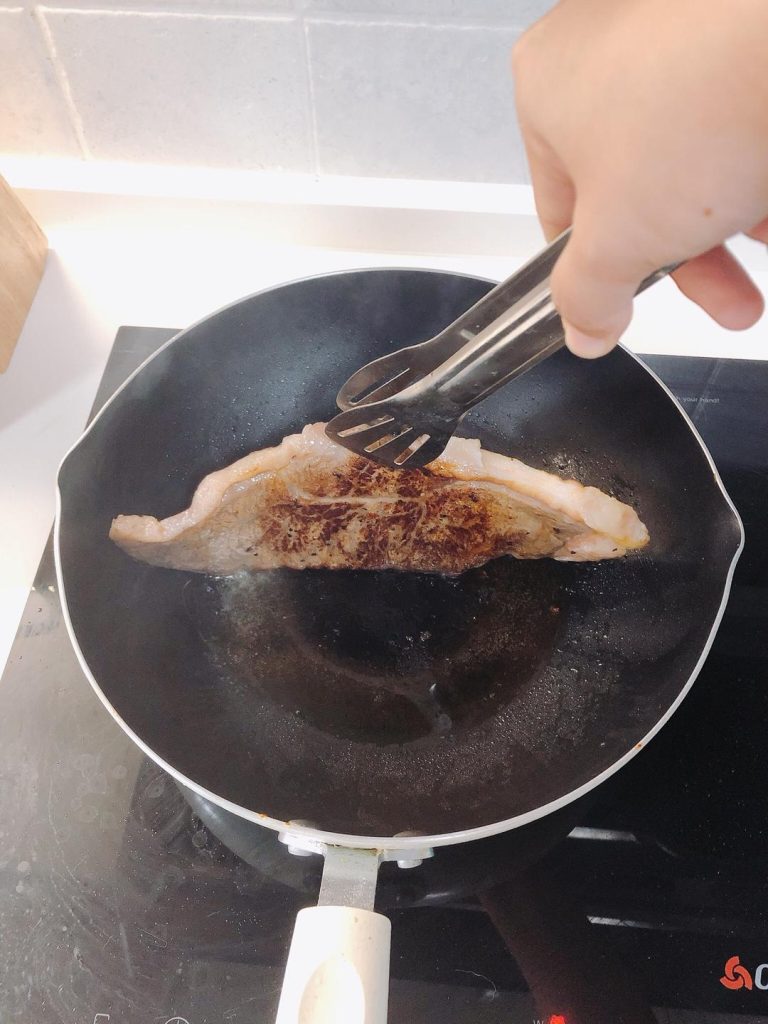
- Sear the Edges: Using tongs, stand the steak up vertically to sear the fat cap and sides. This takes about 10 seconds per edge.
Phase 2: The Crucial Rest
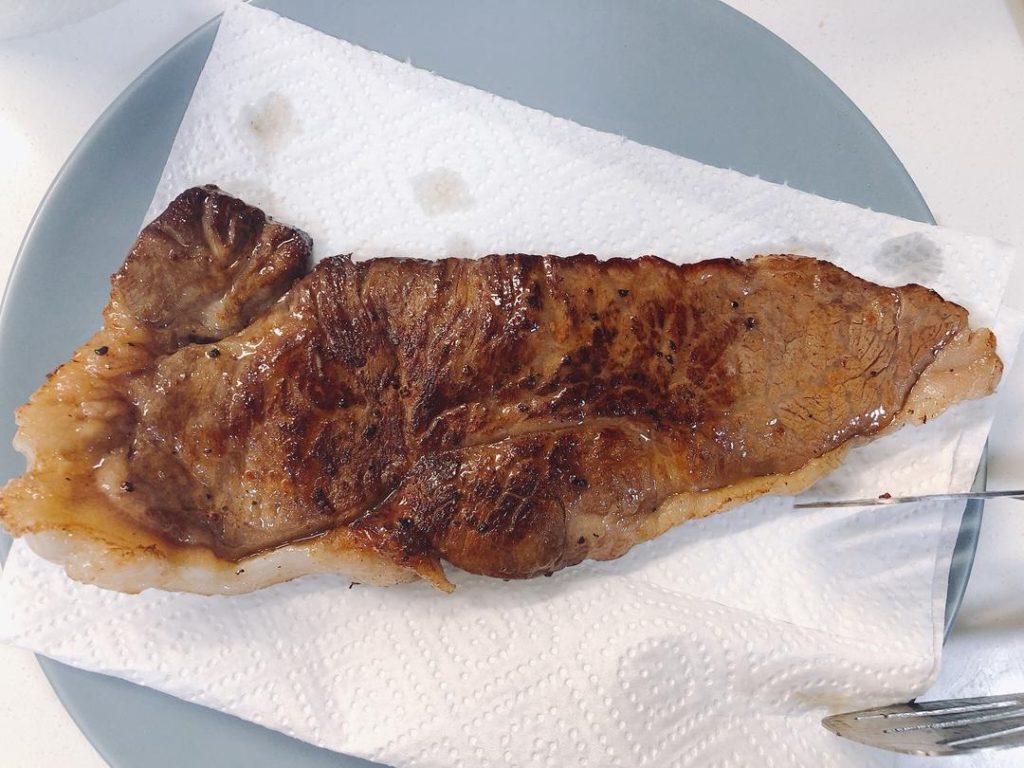
- Rest: Remove the steak from the pan and place it on a plate lined with a paper towel or a wire rack. Let it rest for 10 minutes.
- Why? This allows the juices, which have been driven to the center by the high heat, to redistribute throughout the meat. If you cut it now, the juice would explode out, leaving the meat dry.
Phase 3: The Gentle Finish
- Low Heat Re-fry: Turn the stove back on, but this time to low heat. We want to gently bring the internal temperature up without burning the outside.
- Frequent Flipping: Return the steak to the pan. Flip the steak every 15 seconds.
- Sensory Check: Since we aren’t using a thermometer, use your senses. Watch the color. If it’s turning dark black too fast, the heat is too high or you aren’t flipping fast enough.
- Timing: For a steak under 2cm (3/4 inch) thick, this low-heat stage should take about 5 minutes total.
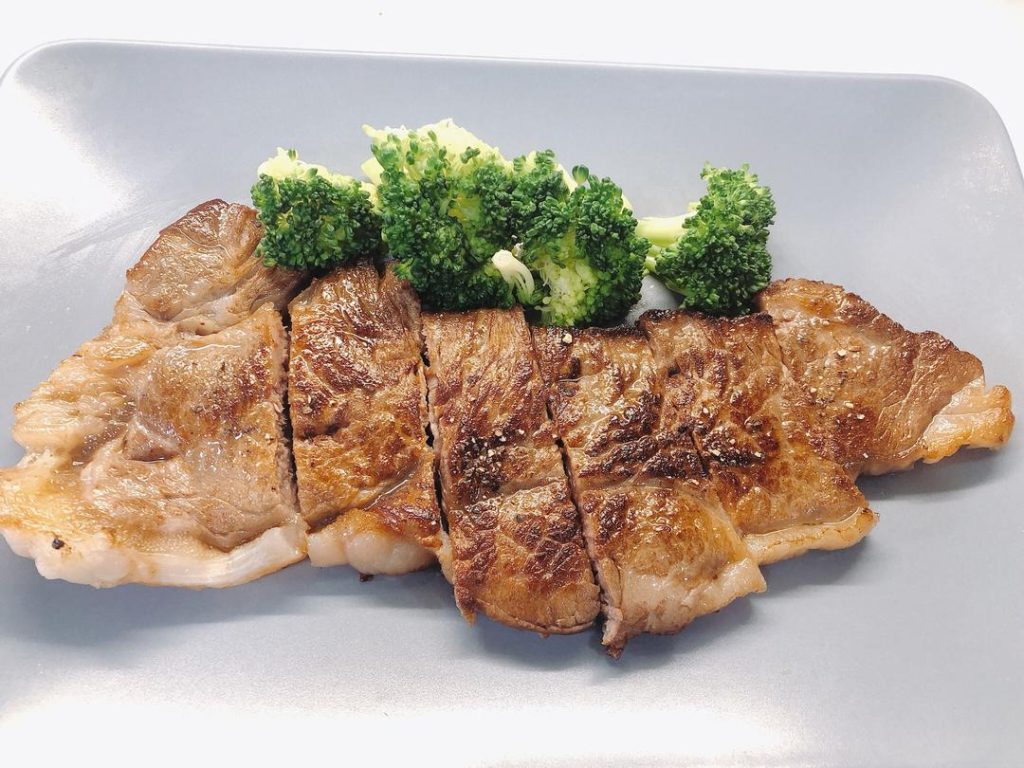
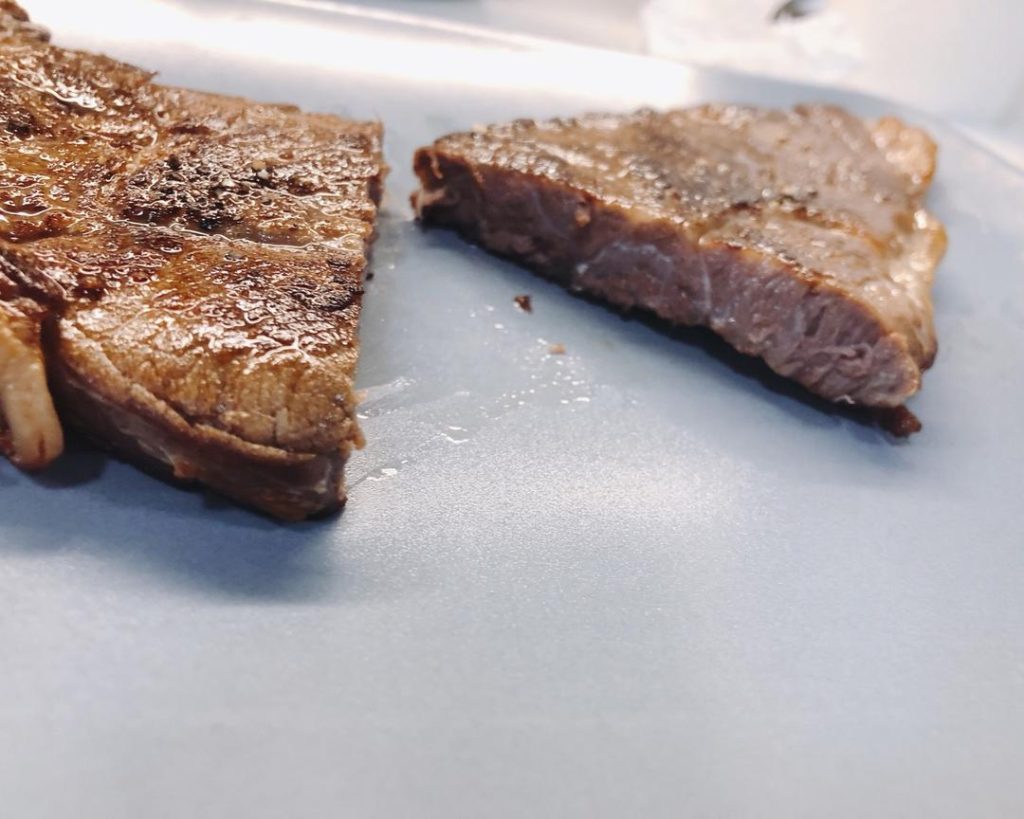
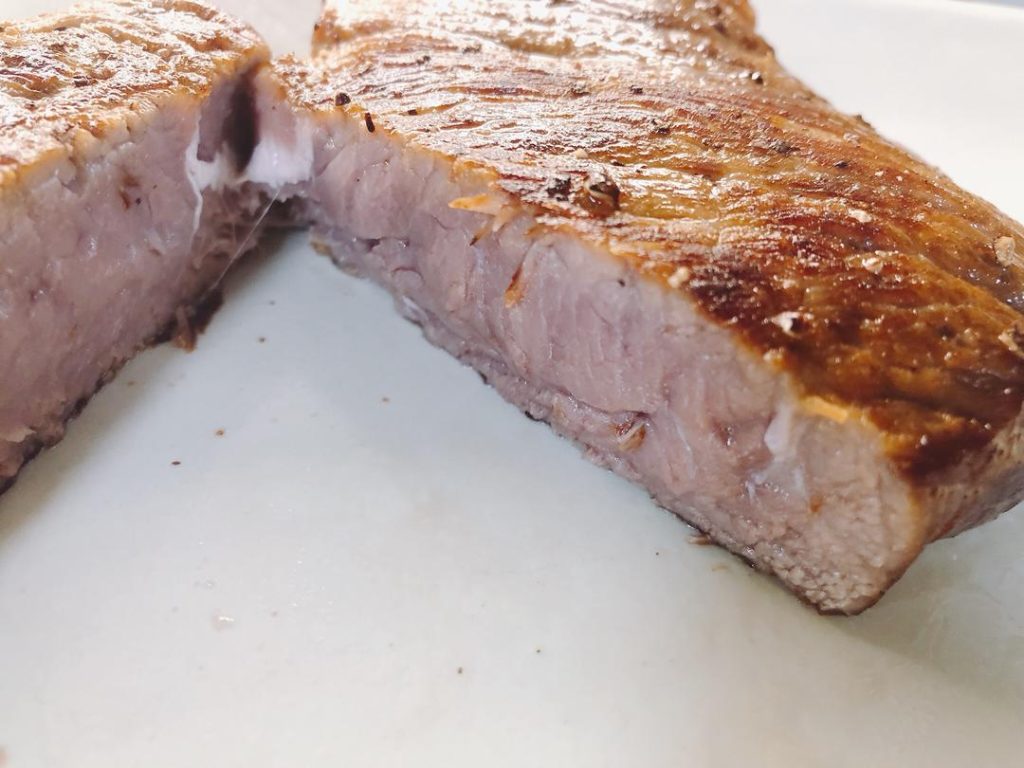
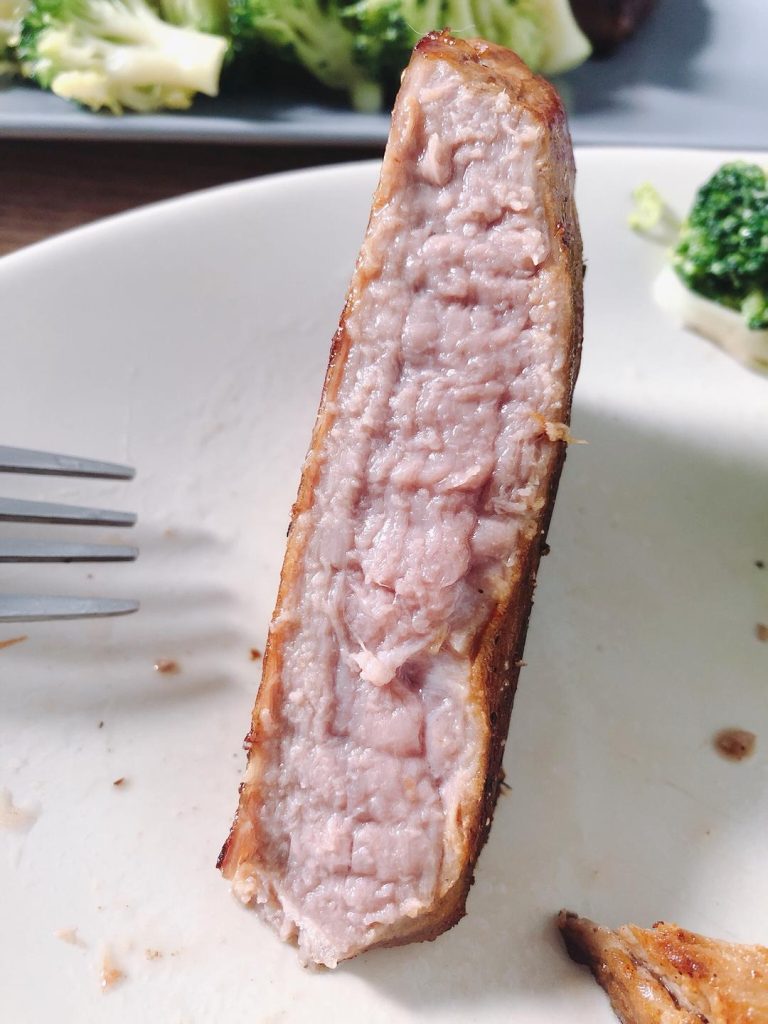
- Visual Cue: The steak is ready when the surface is a uniform brown/deep golden color. For kids, we want no red juice running out.
- Final Rest: Remove from heat and let it rest for another few minutes (the “waking up” the meat phase) before slicing.
Tips for Success
- Thickness Matters: This timing is optimized for steaks about 2cm thick. If your steak is thicker (like the Pan-Seared Sirloin Steak recipe cuts), you may need slightly longer in the low-heat phase.
- The “Touch” Test: When pressing the steak, raw meat feels squishy like your cheek. Well-done meat feels firm, like pressing your forehead. For kids, we want firm but yielding.
- Batch Cooking: If the steak is too large for one meal, cut it into smaller portions before marinating. Cook one fresh each day and store the raw, marinated portions in the fridge (good for about 3 days).
Common Troubleshooting (Our Test Kitchen Notes)
- Why is my steak tough?
- You likely skipped the resting phase or cooked it on high heat the entire time. The low-heat finish is gentle on the muscle fibers. Also, ensure you bought a whole cut, not a “vein steak” with tough gristle.
- Why isn’t the crust brown?
- The meat was likely wet when it hit the pan. Always pat it dry with paper towels to ensure the Maillard reaction happens immediately.
- The steak is burnt outside but raw inside.
- The heat was too high during the second phase. Phase 1 is for color; Phase 3 (Low Heat) is for internal cooking. Trust the process of turning down the heat.
Serving Suggestions
Serve this steak sliced against the grain to maximize tenderness. It pairs beautifully with:
- Steamed broccoli or carrots (kid-favorites).
- A bowl of white rice (classic Chinese style).
- Japanese Potato Salad for a creamy side.
How to Store & Reheat
- Storage: Cooked steak can be stored in an airtight container in the refrigerator for 3 days.
- Reheating: To avoid overcooking it further, reheat gently in a pan with a splash of water or broth, covered, on low heat. Or slice it cold for sandwiches or salads.
Nutrition Information
- Calories: 250 kcal
- Protein: 25g
- Fat: 15g
- Carbohydrates: 0g
- Saturated Fat: 6g
- Cholesterol: 75mg
- Sodium: 300mg
- Fiber: 0g
- Sugar: 0g
Disclaimer: Nutrition information is calculated using an ingredient database and should be considered an estimate. In cases where multiple ingredient alternatives are given, the first listed is calculated for nutrition. Garnishes and optional ingredients are not included. Actual values may vary depending on the specific cut of sirloin and the amount of oil used.
Food Safety and Preparation
Equipment Hygiene: Wash cutting boards, dishes, and utensils with hot soapy water after they have held raw meat. Never place cooked steak back on the same plate that held the raw steak unless it has been washed.
Minimum Internal Temperature: While this recipe relies on visual cues for a well-done result (ideal for kids), the USDA recommends cooking whole cuts of beef, including sirloin steak, to a minimum internal temperature of 145°F (63°C) followed by a 3-minute rest time to ensure safety. This “double-cook” method typically brings the steak to a well-done stage (160°F+), ensuring it is fully cooked and safe.
Cross-Contamination: Always wash your hands with soap and warm water for at least 20 seconds before and after handling raw meat. Ensure that raw meat juices do not come into contact with ready-to-eat foods or fresh vegetables.
Recipe Notes
The “Waking Up” Principle (Xing Rou): The secret to a tender steak without using a thermometer lies in temperature management. You must take the steak out of the refrigerator at least 20 to 30 minutes before cooking to allow it to reach room temperature. If you throw a cold steak into a hot pan, the muscle fibers will seize up immediately, resulting in tough meat, and the center will remain cold while the outside burns. Furthermore, do not skip the 10-minute resting phase in the middle of the process. This step allows the juices, which heat drives to the center, to redistribute evenly throughout the meat. This ensures that when you finish with the low-heat fry, the steak remains juicy and soft enough for a child to chew easily.
💡 Chef’s Tip: “Waking up the meat” (Xing Rou) or resting is the single most important step. Do not rush this. It makes the difference between a juicy steak and a dry one.
FAQ
Q: Can I use this method for medium-rare? A: Yes! To achieve medium-rare, simply shorten the “Phase 3: Low Heat Re-fry” stage. Instead of 5 minutes, cook for just 2-3 minutes, pressing the meat until it feels like the fleshy part of your palm (springy), rather than your forehead (firm).
Q: Is it safe to leave meat out at room temperature? A: Leaving a steak out for 30-45 minutes before cooking is standard culinary practice and generally safe. It ensures even cooking. Do not leave it out for more than 2 hours.
Q: My kids find the black pepper too spicy. What can I use? A: Simply omit it! Good quality beef seasoned with salt has plenty of savory flavor (umami). You can also try a tiny bit of garlic powder if you want extra flavor without heat.
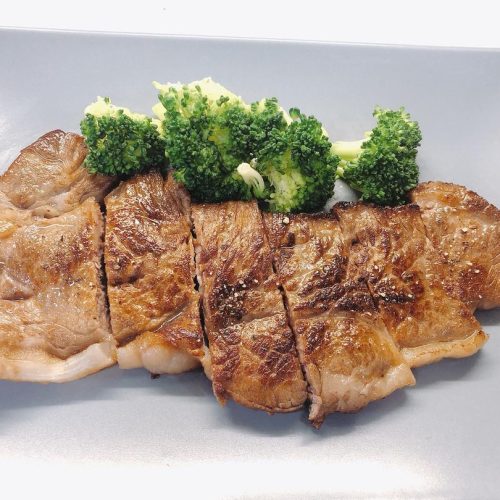
Pan-Seared Sirloin Steak (Jian Niu Pai)

Equipment
- 1 Cast Iron Skillet or Heavy Pan Essential for heat retention
- 1 Tongs For flipping and holding steak vertically
- Paper Towels For drying meat and resting
Ingredients
- 1 steak Sirloin (Striploin) approx 2cm thick, about 8oz/225g
- Sea Salt to taste
- Black Pepper freshly cracked (optional for kids)
- 1 tbsp Cooking Oil high smoke point oil like grapeseed or canola
Instructions
- Prep: Take the steak out of the fridge and let it reach room temperature (approx 20-30 mins). Pat thoroughly dry with paper towels. Trim excess fat.
- Heat Pan: Heat your skillet over high heat until the oil is smoking slightly.
- First Sear: Place steak in pan. Sear for 1 minute. Flip and sear the other side for 1 minute. You should see a brown crust (Maillard reaction).
- Sear Edges: Hold the steak vertically with tongs to sear the fat cap and sides, about 10 seconds per side.
- Rest: Remove steak from pan. Place on a paper towel or rack. Let it rest for 10 minutes. This is crucial for juiciness.
- Re-fry: Turn heat to LOW. Return steak to pan. Flip every 15 seconds. Cook for about 5 minutes total (for <2cm thickness) until well-done (no red juices) but tender.
- Final Rest: Remove from heat, let rest for 2-3 minutes, then slice against the grain and serve.



Leave a Reply