There is a particular smell that fills a Cantonese home kitchen when a jar of red fermented bean curd is opened — salty, faintly sweet, a little funky in the best possible way. That jar is the entire soul of these pan-fried fermented bean curd chicken wings. The marinade does almost all the work while you sleep, and the wok does the rest in under twenty minutes.
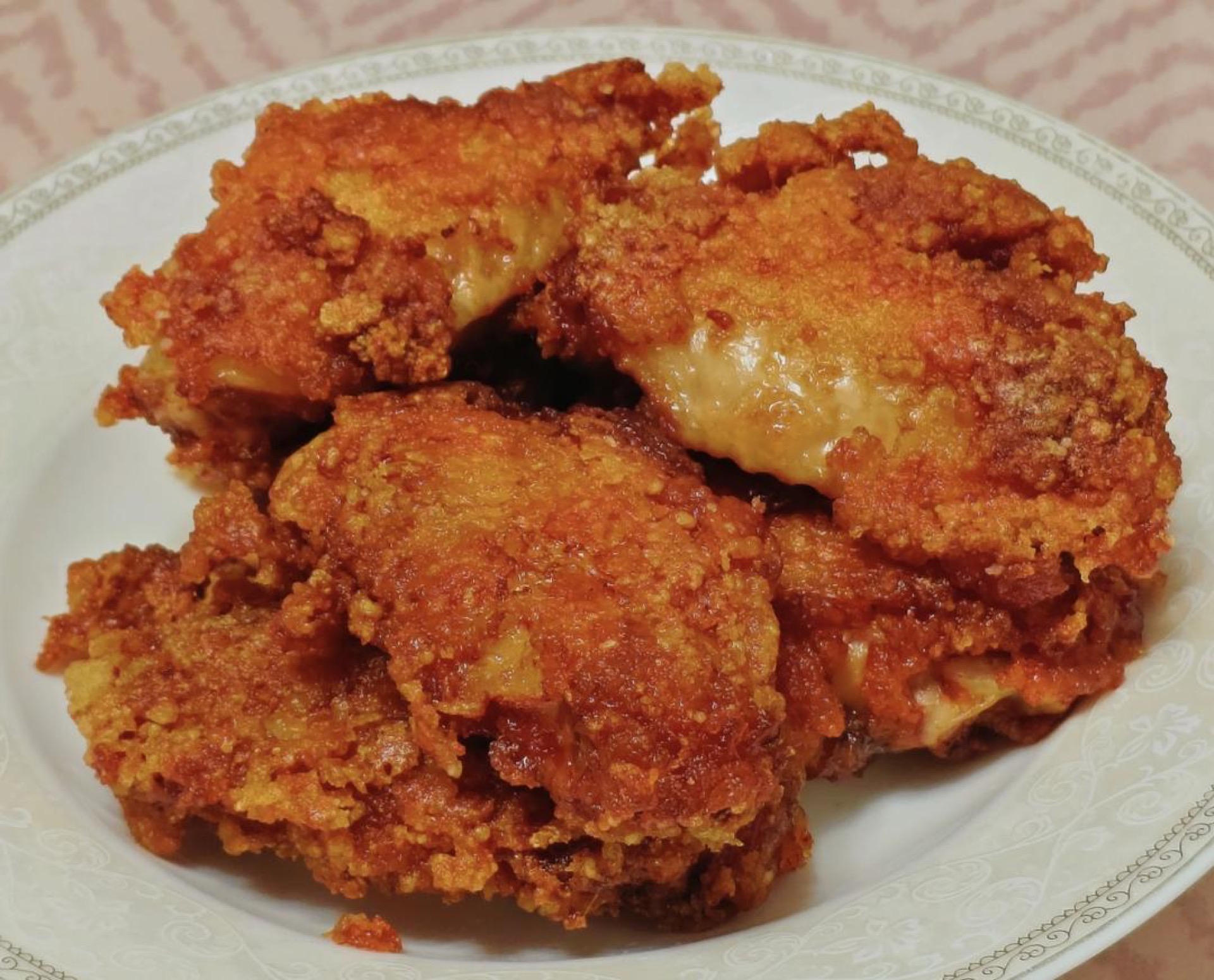
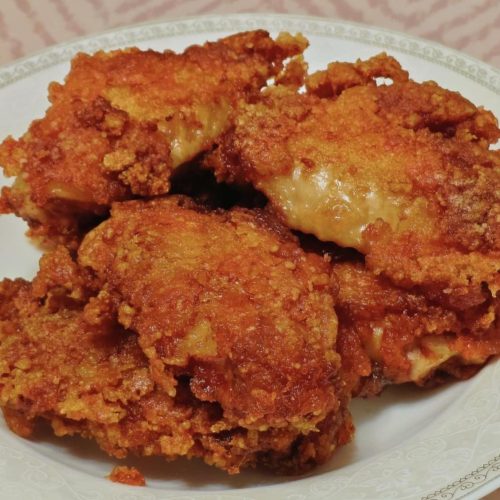
What comes out is a wing with a crackly, blistered starch shell, a deep brick-red tint from the fermented tofu, and meat that stays almost aggressively juicy. It is the kind of dish that gets picked at straight from the wok, before anyone has bothered to set the table. And because the wings are never scored, the marinade flavors the surface and the skin while every drop of juice stays locked inside.
What Is 腐乳鸡翅?
腐乳鸡翅 — fermented bean curd chicken wings — is a home-style Cantonese dish in which chicken wings are marinated in nan ru (南乳, red fermented bean curd), soy sauce, and aromatics, then coated in dry starch and pan-fried rather than deep-fried. The fermented bean curd is the star: it is made by fermenting tofu with red yeast rice, salt, and rice wine, which gives it that unmistakable crimson color, a savory-sweet depth, and a gentle umami funk that behaves a lot like a Chinese answer to aged cheese.
Because the wings are pan-fried in a modest amount of oil instead of submerged in a deep fryer, the dish stays weeknight-friendly. The starch coating puffs and crisps in the hot oil while the marinade beneath it caramelizes into a glossy, slightly sticky glaze. It is usually served as a main with rice, or as a drinking snack alongside something cold.
If you enjoy the way fermented bean curd and dry-fried coatings work together, these related dishes use the same family of techniques:
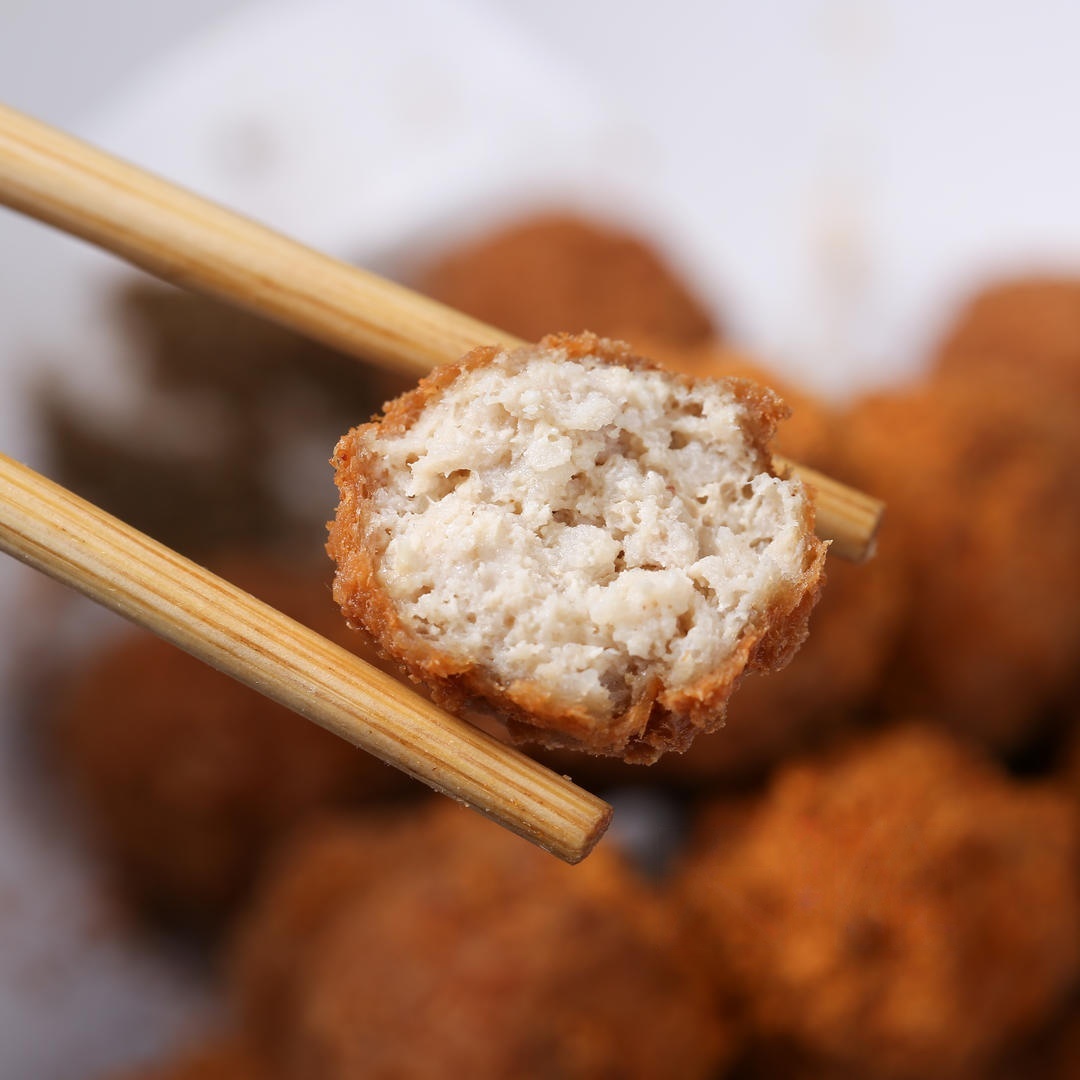
For another take on a crisp, savory coating built around pork and tofu, these crispy fried pork and tofu meatballs (干炸丸子) are fried to a deep golden shell and stay tender inside.
1Crispy Fried Pork and Tofu Meatballs (Ganzha Wanzi)Crispy on the outside and tender on the inside, these Chinese meatballs combine ground pork with tofu for a lighter, fluffier texture. Perfect as an appetizer or side dish.Check out this recipe
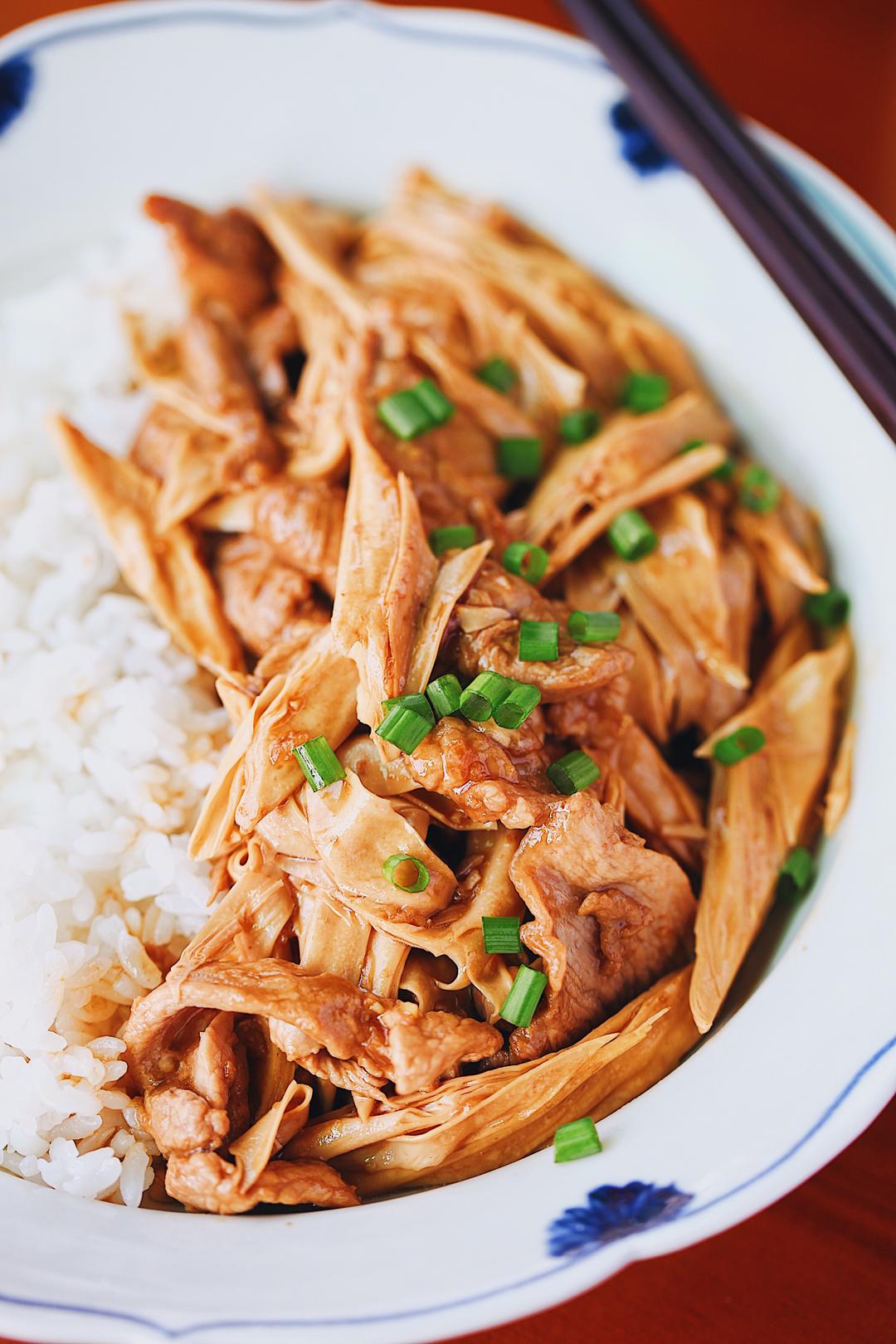
If you like the fermented, savory-sweet profile of bean curd products, this savory pork and bean curd skin rice bowl layers bean curd skin with seasoned pork over hot rice.
2Savory Pork and Bean Curd Skin Rice Bowl (Fu Zhu Rou Pian)A nostalgic Beijing-style comfort dish featuring tender pork and sauce-absorbing bean curd sticks (yuba) served over rice.Check out this recipe
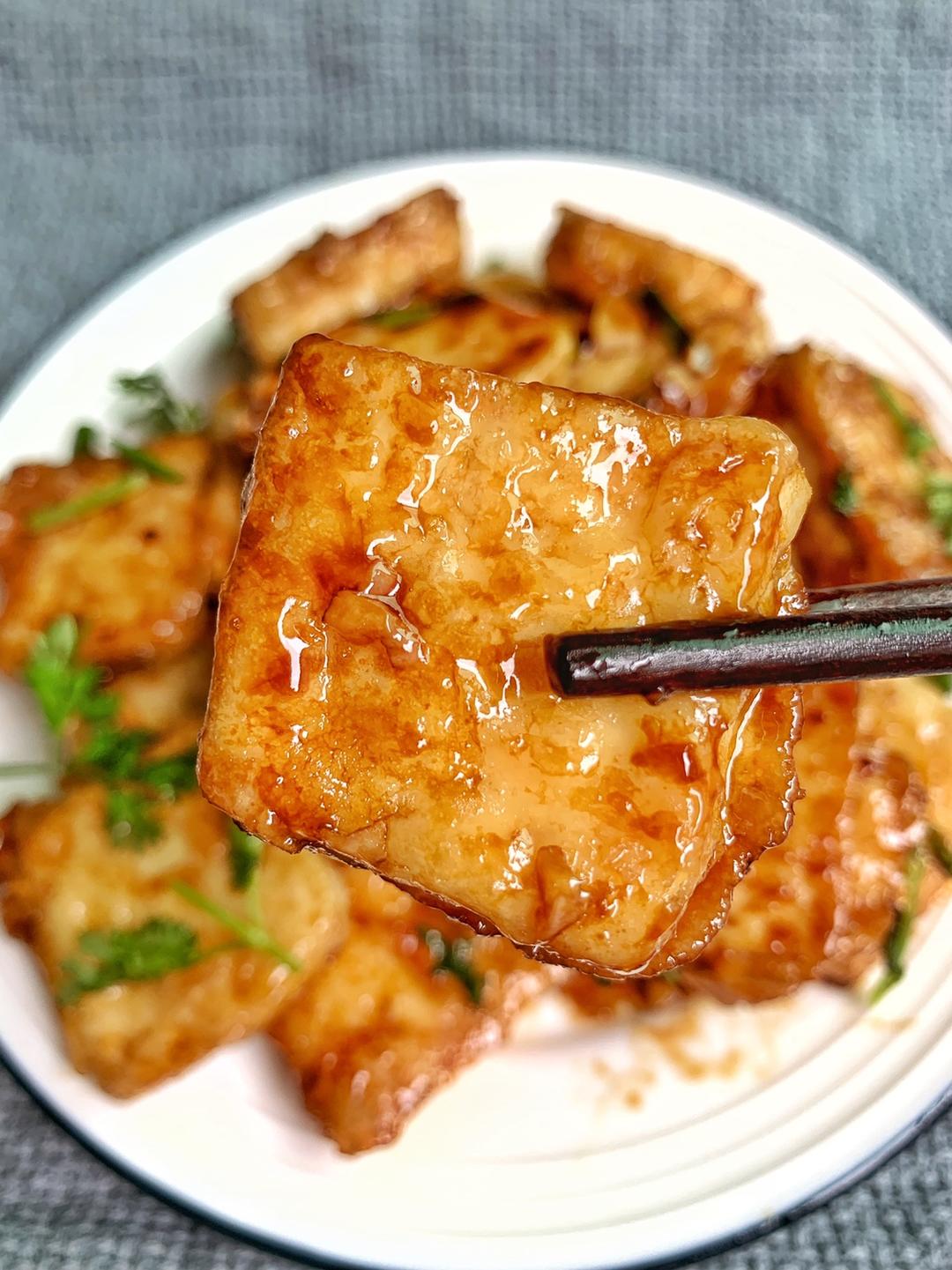
And for a simpler pan-fried preparation that lets a garlicky sauce do the talking, this pan fried tofu with garlic sauce is the tofu counterpart to these wings.
3Easy Pan-Fried Tofu with Garlic Sauce (香煎豆腐)This 15-minute recipe creates unbelievably crispy pan-fried tofu cubes tossed in a rich, savory, and glossy garlic soy sauce. It’s a homestyle Chinese dish that’s fast, easy, and better than takeout.Check out this recipe
Why This Recipe Works
Three things make this dish reliable, and none of them are complicated.
The marinade is left on the surface, not inside the meat. The wings are deliberately not scored. Scoring chicken wings lets the juices bleed out during cooking, and because this marinade is salty and wet, a scored wing also pulls in too much liquid and steams rather than crisps. Leaving the skin intact means the marinade flavors the outside while the interior stays sealed and juicy.
Dry starch, applied twice, creates a shell. Potato starch is used dry, not as a slurry or batter. Dry starch on a wet marinated surface forms a thin, slightly uneven layer that fries into a blistered, crackly crust rather than a doughy jacket. Coating twice fills in the gaps the wet marinade leaves behind.
Medium heat that never drops. The single most important technique here is keeping the oil at a steady medium temperature as the wings go in. When the oil is properly hot, the surface of the meat sets the instant it touches the oil, sealing the juices inside. If the oil cools down because the wings were added too fast or the heat was too low, the starch absorbs oil and the crust goes greasy and pale.
This is the same principle behind blanching and searing in Chinese cooking: a hot surface sets proteins quickly at the exterior, and that set layer is what keeps moisture from escaping. It is why the source recipe notes that even a longer, slower fry at the end will not dry the wings out — the seal was already formed at the start.
Equipment Needed
A wok is ideal because its curved walls let the oil pool deep in the center while keeping the wings shallow, so you get an even fry with less oil. A deep skillet or a cast-iron pan works perfectly well too — just make sure it is wide enough that the wings are not crowded.
You will also want a cutting board for the aromatics, a plate or shallow dish for dredging the wings in starch (working over a plate gives a much more even coat than doing it in a bowl), tongs or chopsticks for turning, and a slotted spoon or spider for lifting the finished wings out so the oil drains back into the pan.
A wire rack set over a sheet pan is optional but useful if you want the wings to stay crisp while you finish the batch. Paper towels work too, though they can steam the crust slightly.
Ingredients
Here is what goes into the marinade and the coating. The full measurements are in the recipe card at the bottom of this post.
Chicken wings — about one jin (roughly 2 pounds / 900 g). Whole wings or wings split at the joint both work; split wings cook faster and are easier to eat.
Red fermented bean curd (南乳 / nan ru) — two to three cubes, plus a spoonful of the red brine from the jar. This is the defining ingredient and the source of both the color and the flavor.
Light soy sauce — for salt and umami. Tamari works if you are avoiding wheat.
Shaoxing wine — optional, and worth leaving out entirely if children will be eating.
Ginger, garlic, and scallion — cut into big, easy-to-find pieces. They flavor the marinade and are then discarded; they never enter the wok.
Potato starch — for the dry coating. Cornstarch is an acceptable substitute.
Neutral oil — for pan-frying.
Ingredient Notes
Which fermented bean curd to buy. Look for jars labeled 南乳 (nan ru) or red fermented bean curd, sold in Asian grocery stores in small glass jars. The cubes should be deep red to brick-colored and packed in a thick, salty brine. Bottled fermented bean curd brine (南乳汁) is a legitimate shortcut and behaves almost identically in a marinade. Other styles of fermented tofu — white, sesame, or chile — will change the color and the flavor profile significantly, so treat them as experiments rather than substitutes.
Do not add salt. Fermented bean curd is quite salty, and soy sauce brings its own sodium. Between the two, there is more than enough seasoning for two pounds of wings. Taste the marinade before it goes over the chicken if you want to calibrate.
Potato starch over cornstarch. Potato starch fries to a lighter, crisper, more blistered shell. Cornstarch is a fine backup and behaves similarly, but the texture is a little denser. Flour is not recommended here — it browns faster and can taste raw if the coating is thick.
Dry starch, not a slurry. Do not add water to the starch. The whole point is that the dry powder grabs onto the wet marinade on the wing and forms a thin, irregular crust. A wet batter would steam the wing instead.
Prep & Mise en Place
This dish is mostly waiting, so the prep is short and worth doing properly.
First, wash and pat the wings completely dry. Any surface water will thin the marinade and make the starch coating slip off.
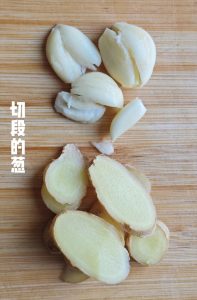
Next, cut the ginger into thick coins, smash the garlic cloves and leave them whole, and cut the scallion into two-inch lengths. The pieces need to be large because you will be fishing them out of the marinade later — and because they would burn instantly if they went into the frying oil. If you are marinating overnight, the scallion can be skipped; it can turn slightly sour over a long soak.
Then mash the fermented bean curd cubes with a spoon and stir in a tablespoon of the red brine from the jar. Whisk that together with the soy sauce and the optional wine, pour it over the wings, and massage everything together with your hands until every wing is coated. Cover and refrigerate for at least four hours, and overnight if you can plan ahead.
When you are ready to cook, set up your dredging station: a plate of dry potato starch, a plate or tray for the coated wings, and your wok with the oil measured out. Do this before you turn on the heat — once the oil is hot, you will not want to stop and hunt for anything.
One more thing worth doing: if you are also making a vegetable side, this is the moment to prep it. If you want a garlicky green on the table, our oil braised spring bamboo shoots come together in the time the wings fry. And if you are cooking a second protein, our tender stir fried chicken breast is a fast, gentle counterpart.
Cooking Process
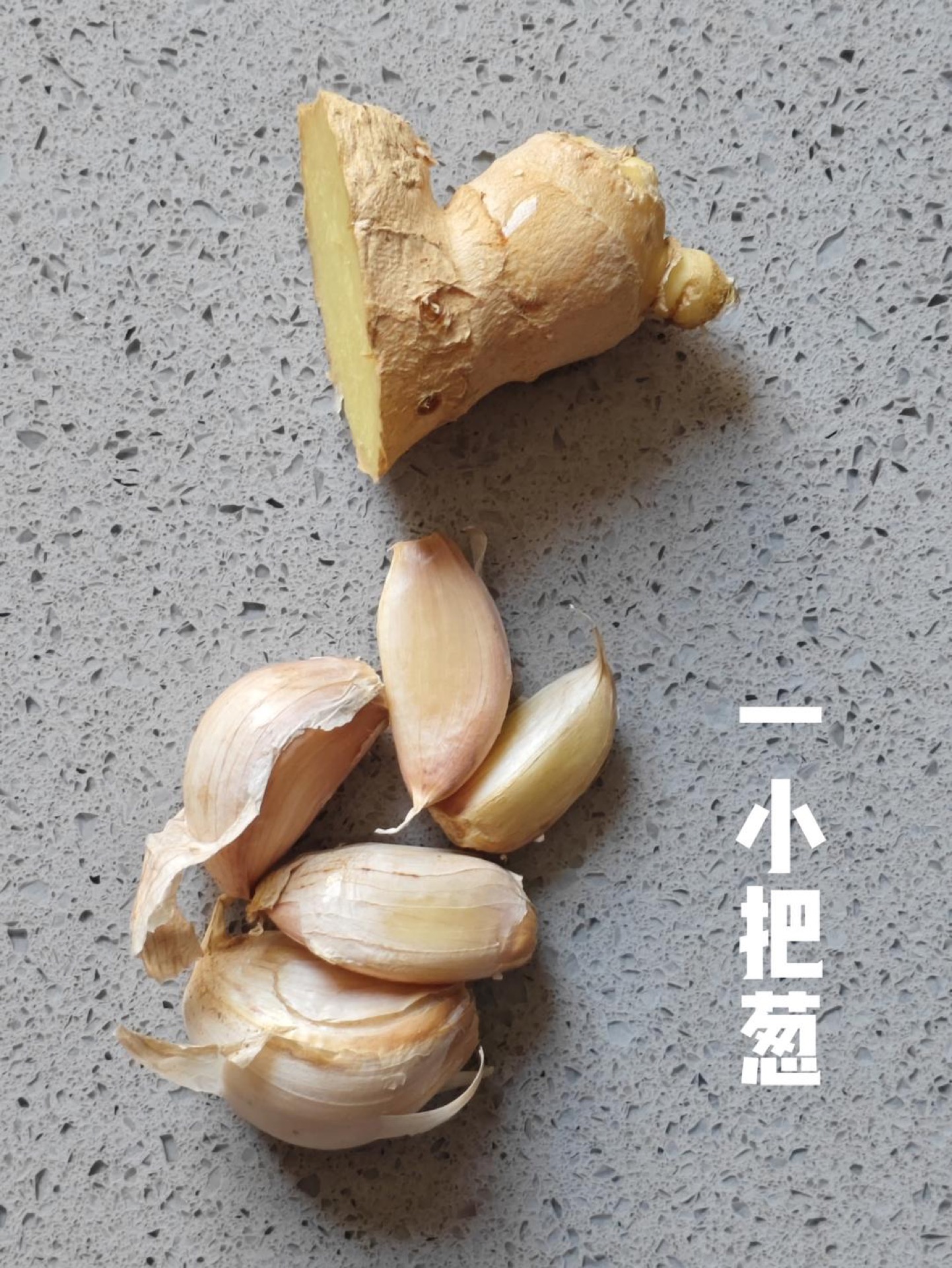
Step 1 — Gather the Aromatics
Prepare the ginger, garlic, and scallion to taste — because these wings marinate overnight, the scallion was left out here.
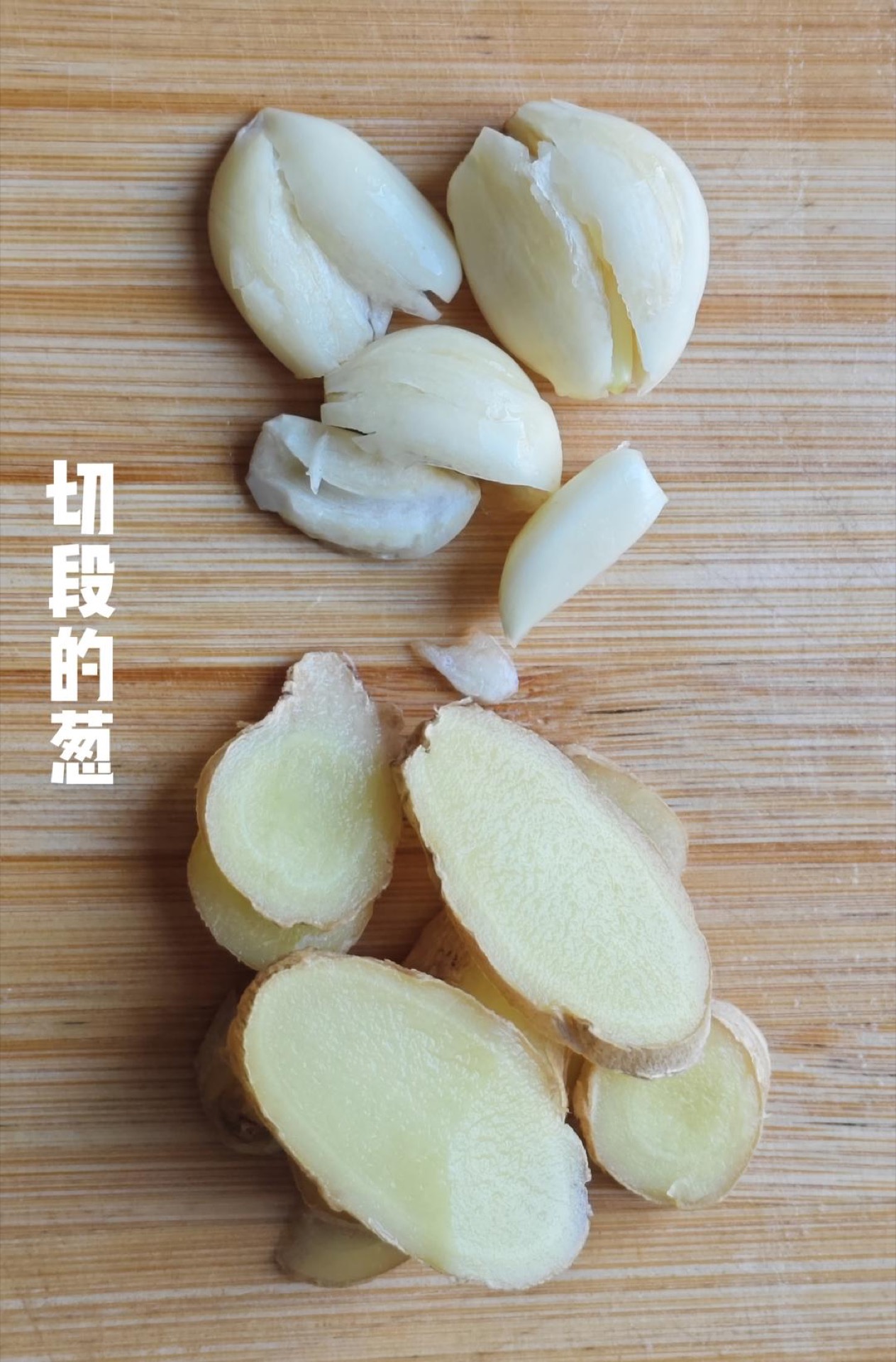
Step 2 — Cut the Aromatics Chunky
Cut the ginger, scallion, and garlic into pieces large enough to pick out easily, since they never go into the pan and would burn.
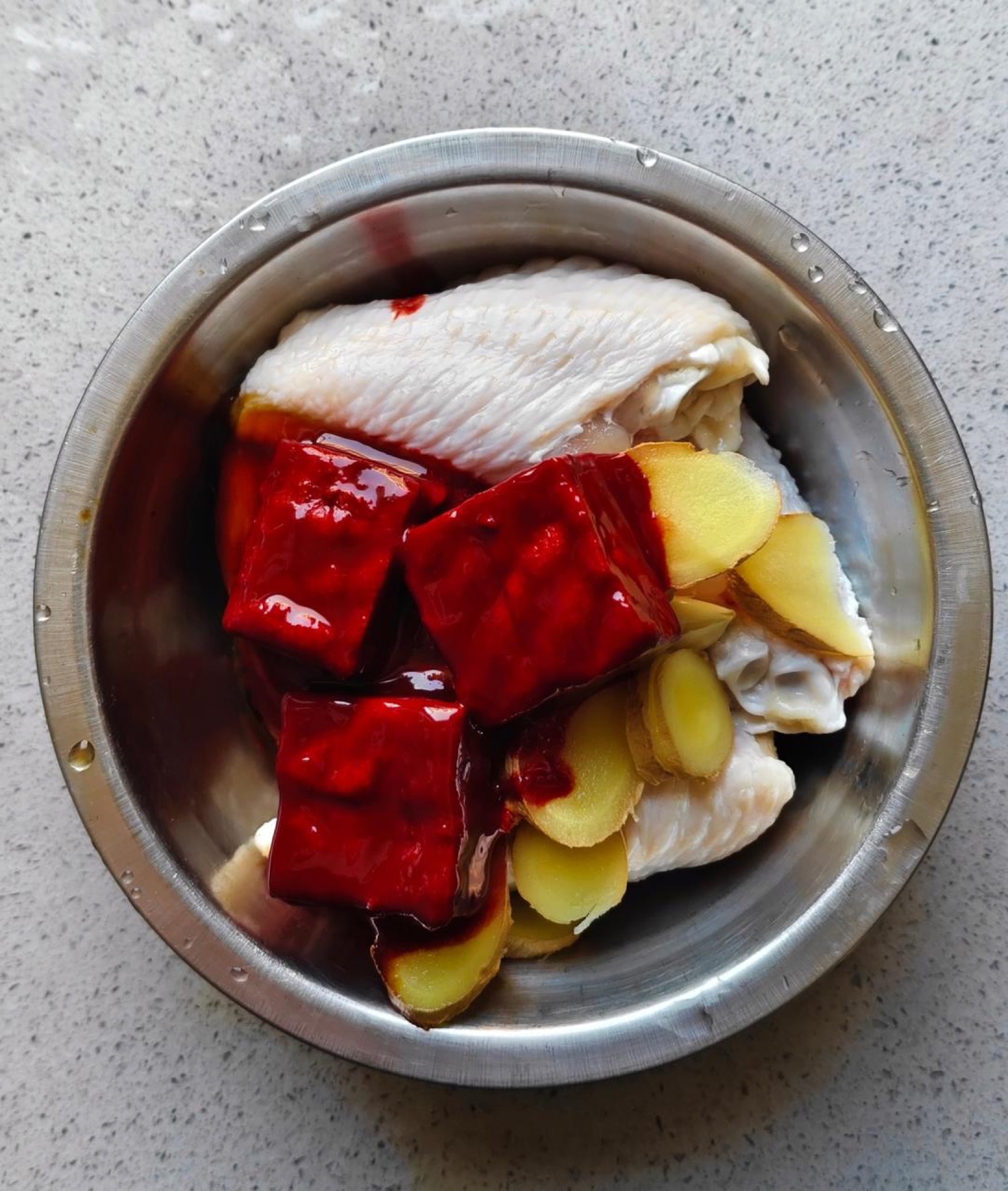
Step 3 — Marinate the Wings
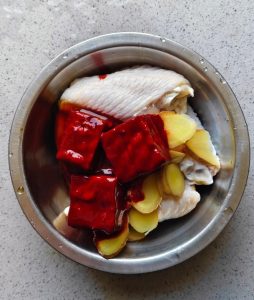
Add the cut ginger, scallion, and garlic, the light soy sauce, the Shaoxing wine, and the fermented bean curd to the washed wings. Do not score the wings or the juices will run out and the meat will be dry. The fermented bean curd gives the wings their red color, and bottled fermented bean curd brine works too. Fermented bean curd is salty and the soy sauce already contains salt, so no extra salt is needed. Adjust the amount to taste — three cubes or more for a stronger fermented bean curd flavor, about two for a milder one. If children are eating, leave out the Shaoxing wine entirely.
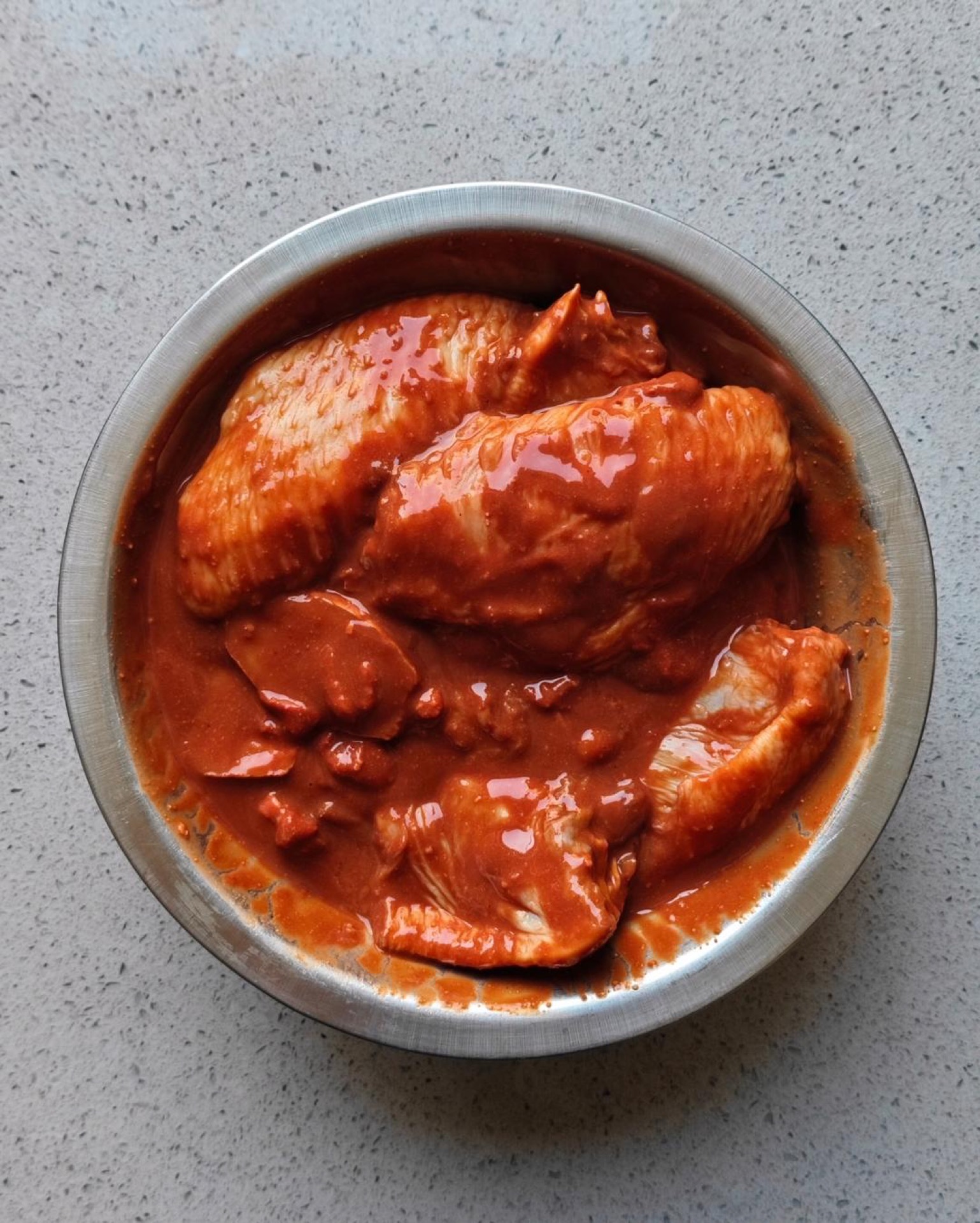
Step 4 — Marinate for Hours
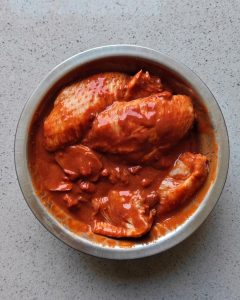
Massage everything together until the wings are evenly coated, then marinate for at least 4 hours; overnight in the refrigerator is even better.
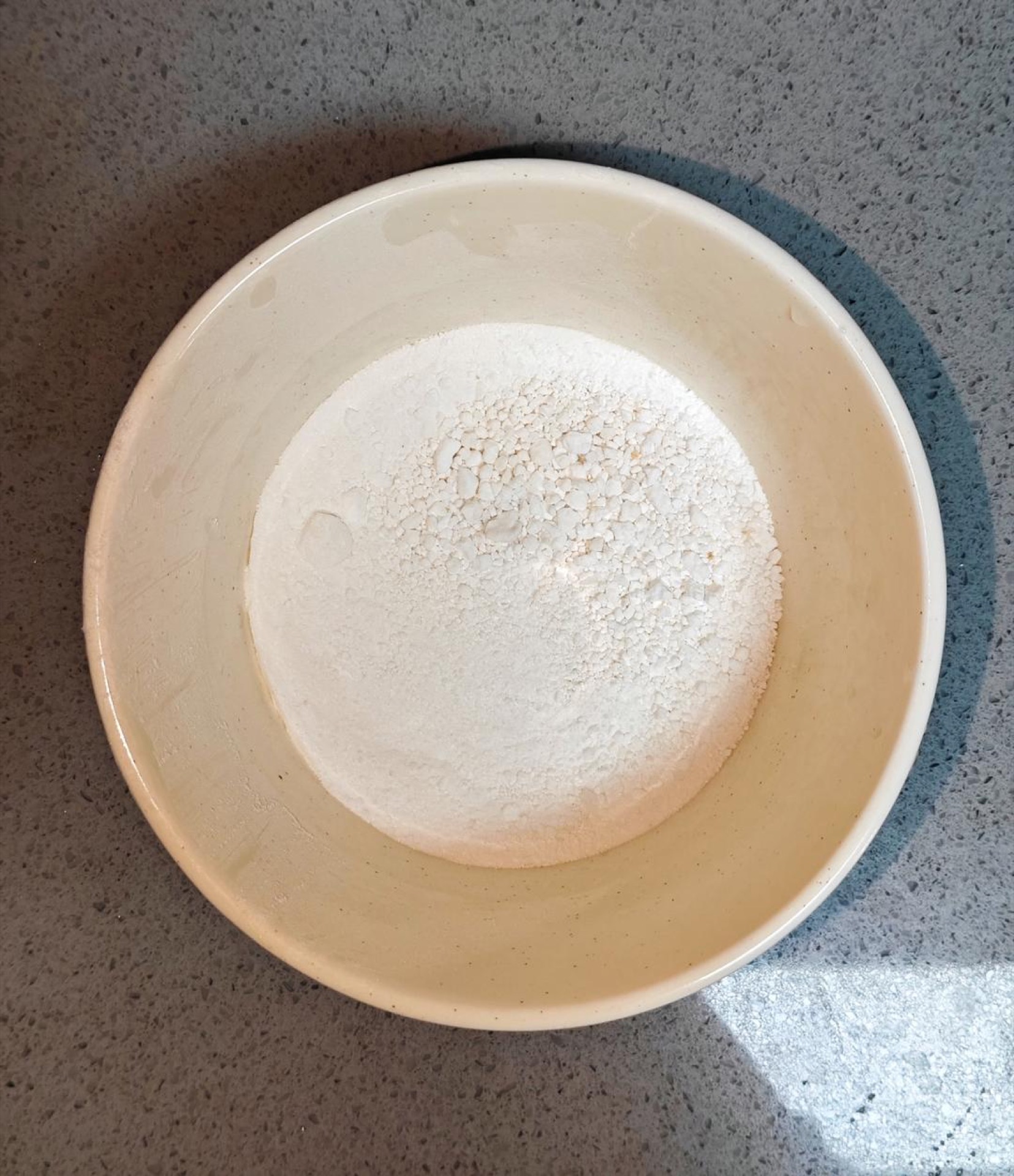
Step 5 — Prepare the Dry Starch
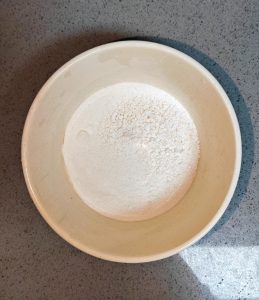
Set out dry potato starch — dry starch gives a better result than a starch slurry or flour, and potato starch beats cornstarch here.
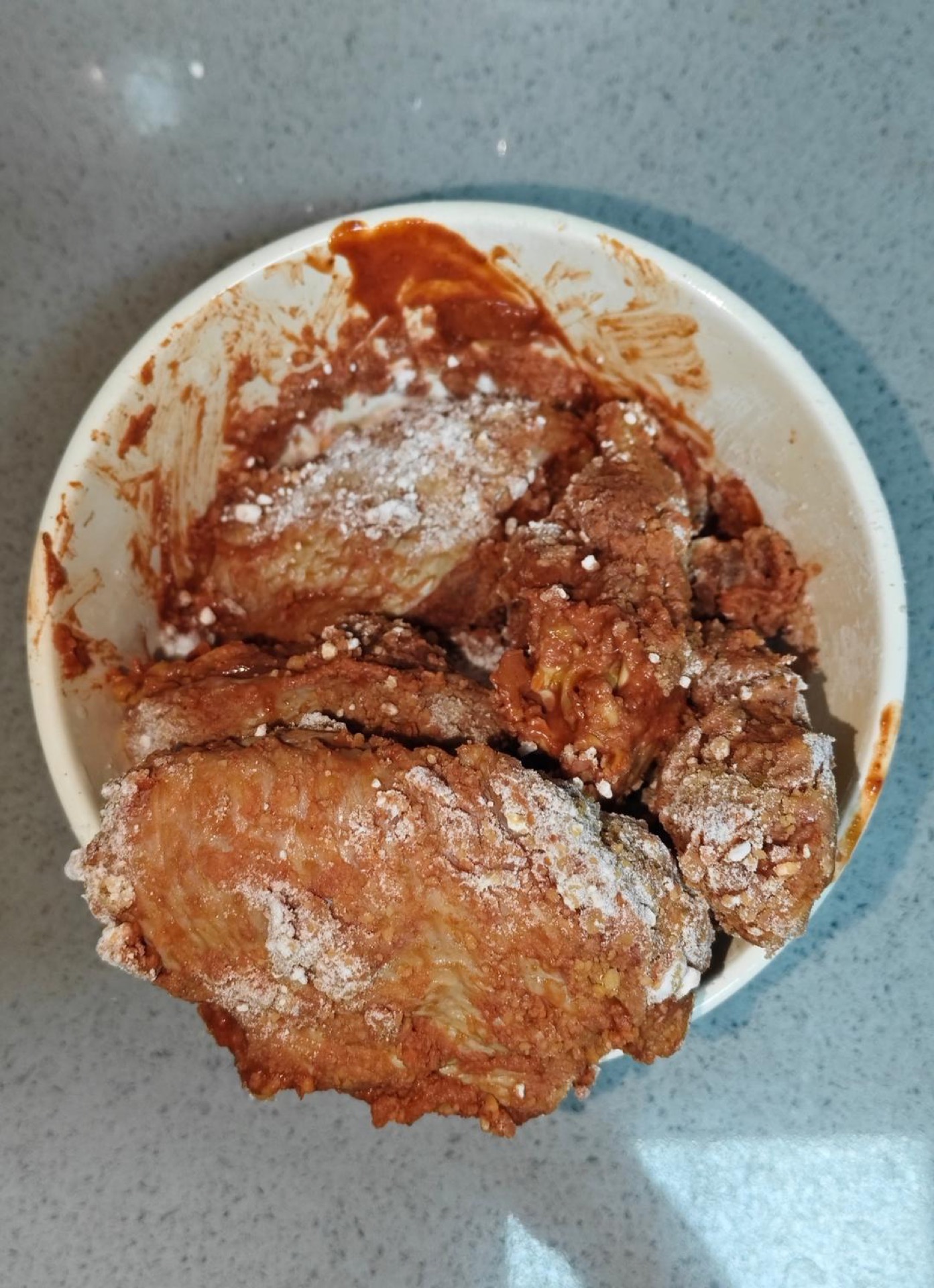
Step 6 — Coat Each Wing
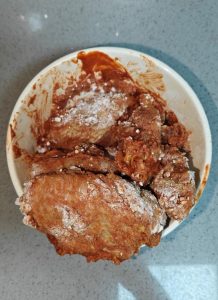
Coat every wing evenly in the dry starch, keeping the layer thin because a thick coating will burn. The marinade is wet, so coat each wing twice; working over a plate gives a more even result.
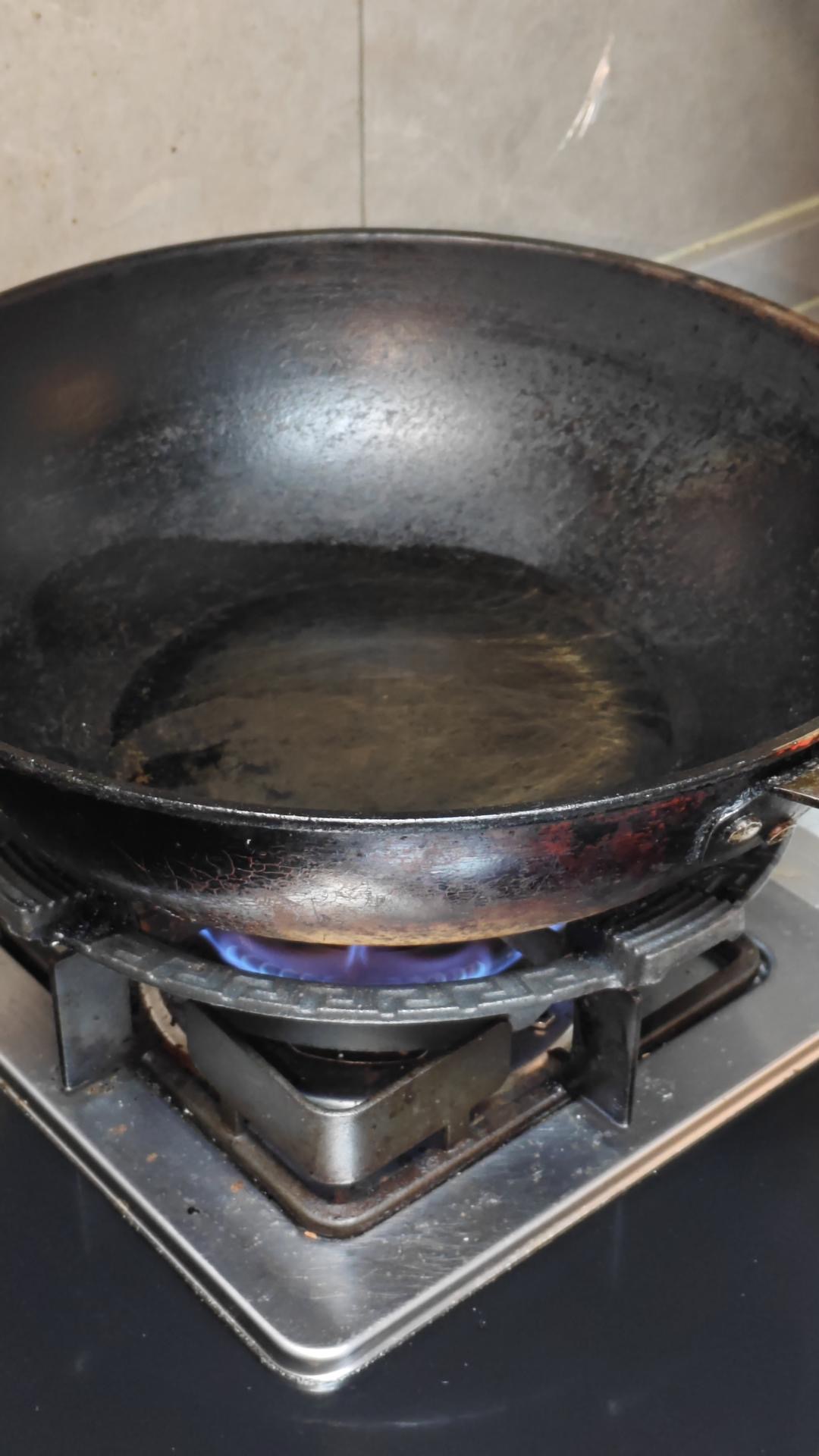
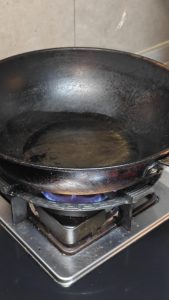
Step 7 — Heat the Oil Over Medium
Heat the oil in the wok over medium heat, and keep it at medium as the wings go in so the oil never cools down — the surface of the meat sets the moment it hits the oil, which is what seals the juices inside.
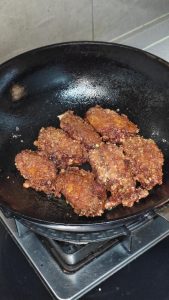
Step 8 — Skin Side Down First
Lay the wings into the oil with the thicker, skinier side facing down first.
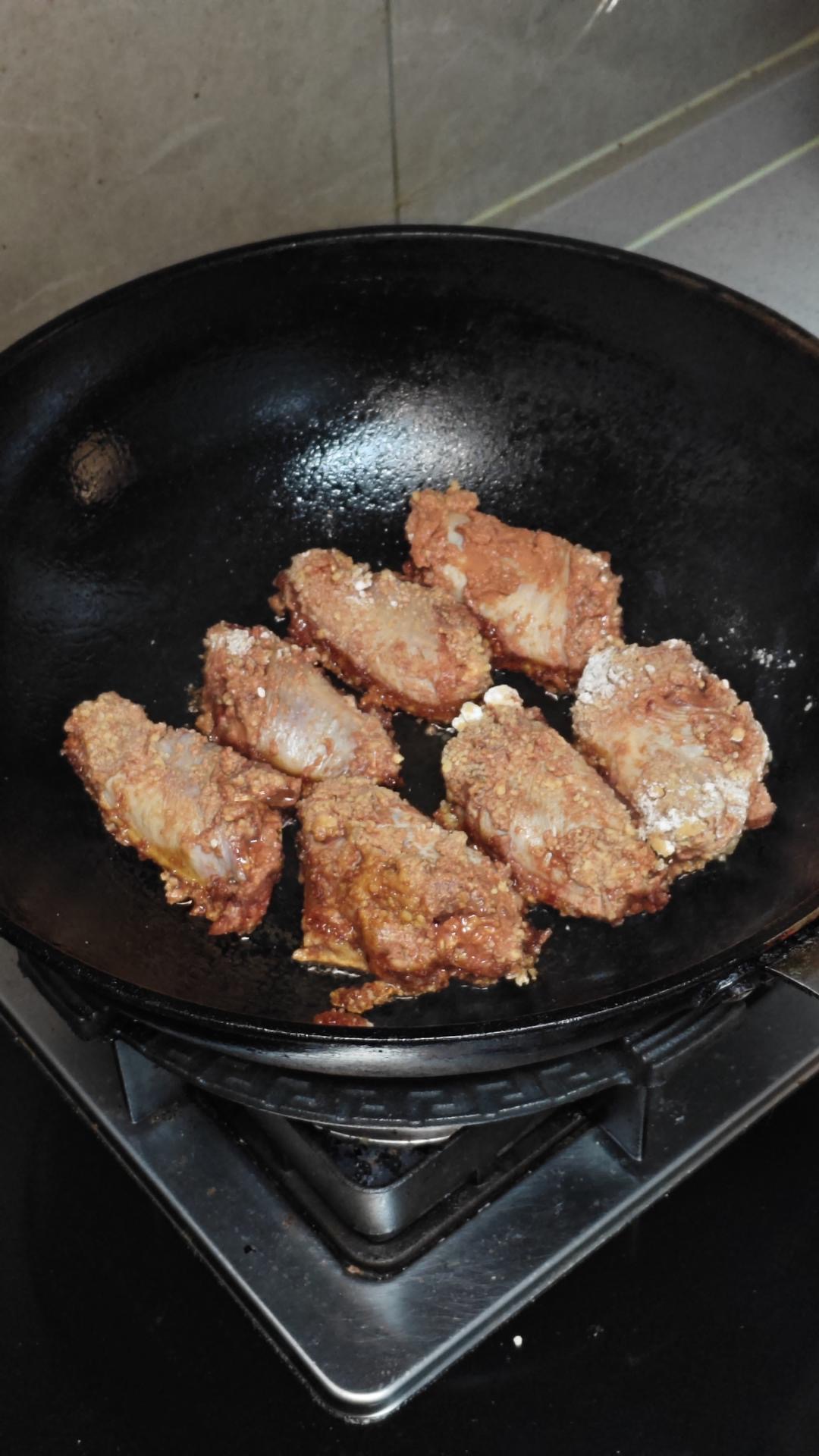
Step 9 — Flip Once Set
Once the underside has set and firmed, flip the wings over.
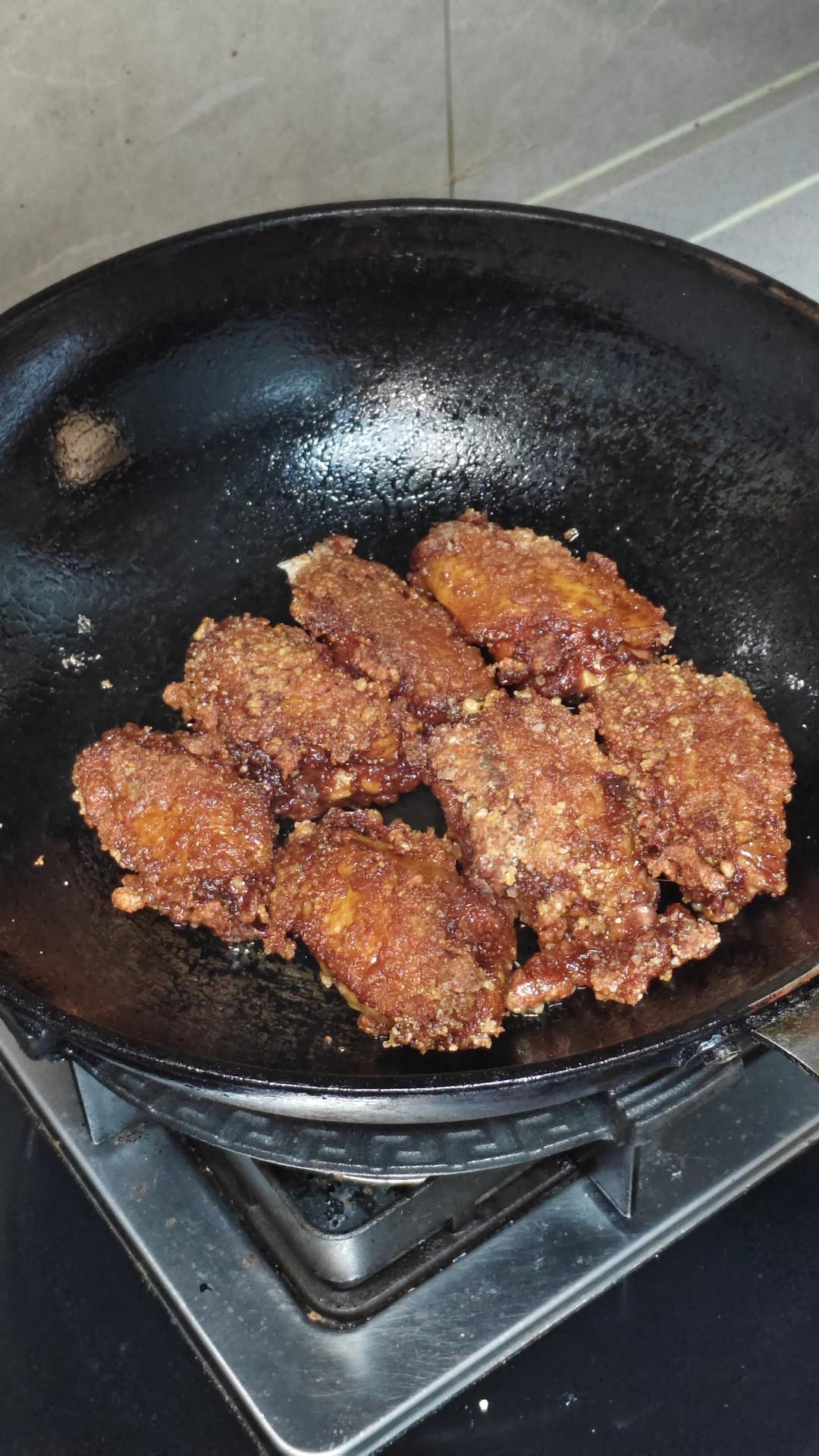
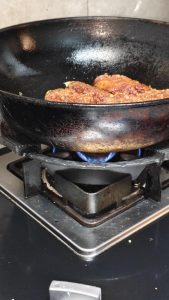
Step 10 — Lower the Heat and Fry Slowly
After both sides have set, turn the heat to low and fry slowly, flipping as needed. If you are worried about doneness, fry a little longer — because the surface sealed in step 7, the juices are locked inside and the meat will not toughen.
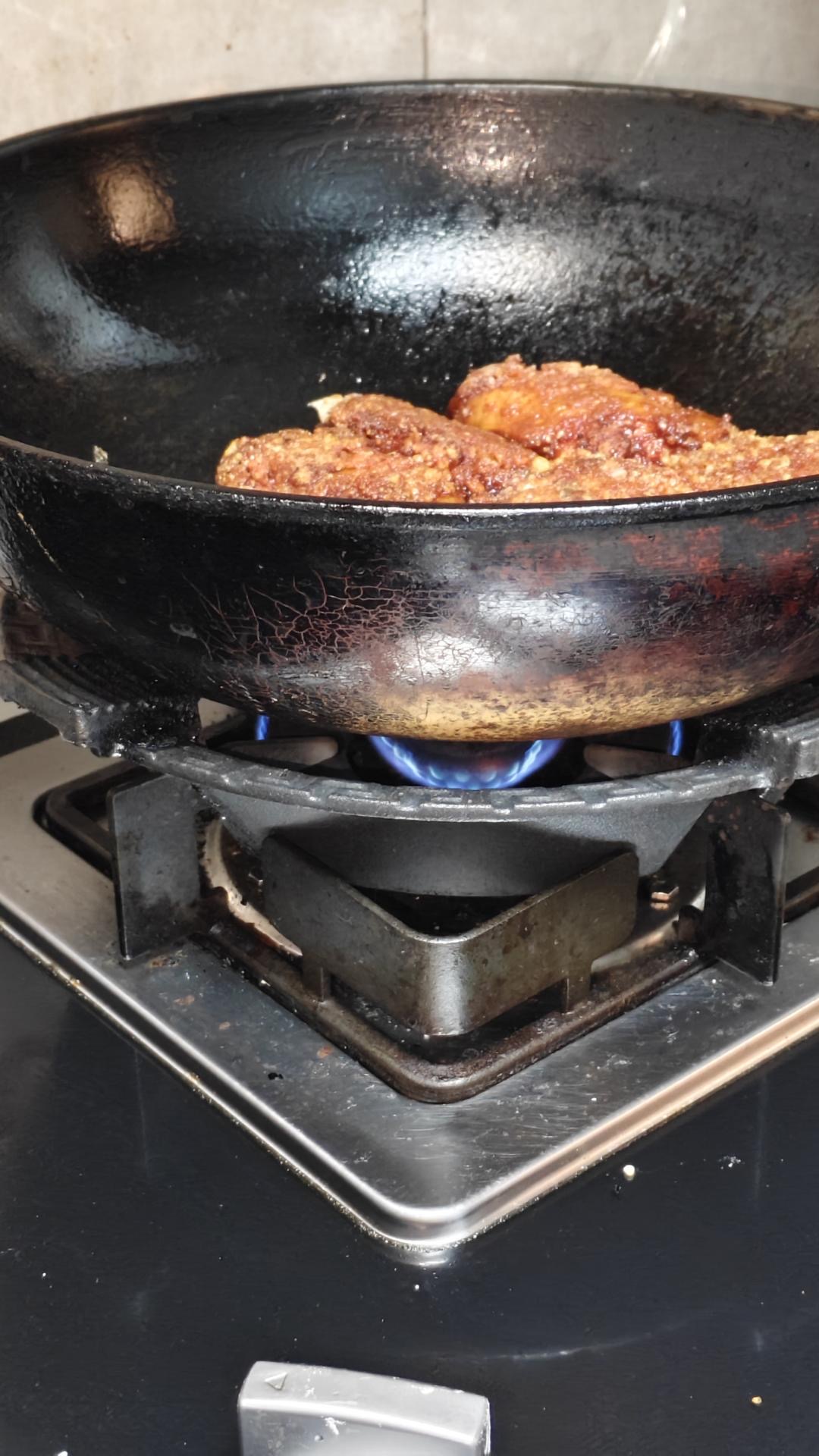
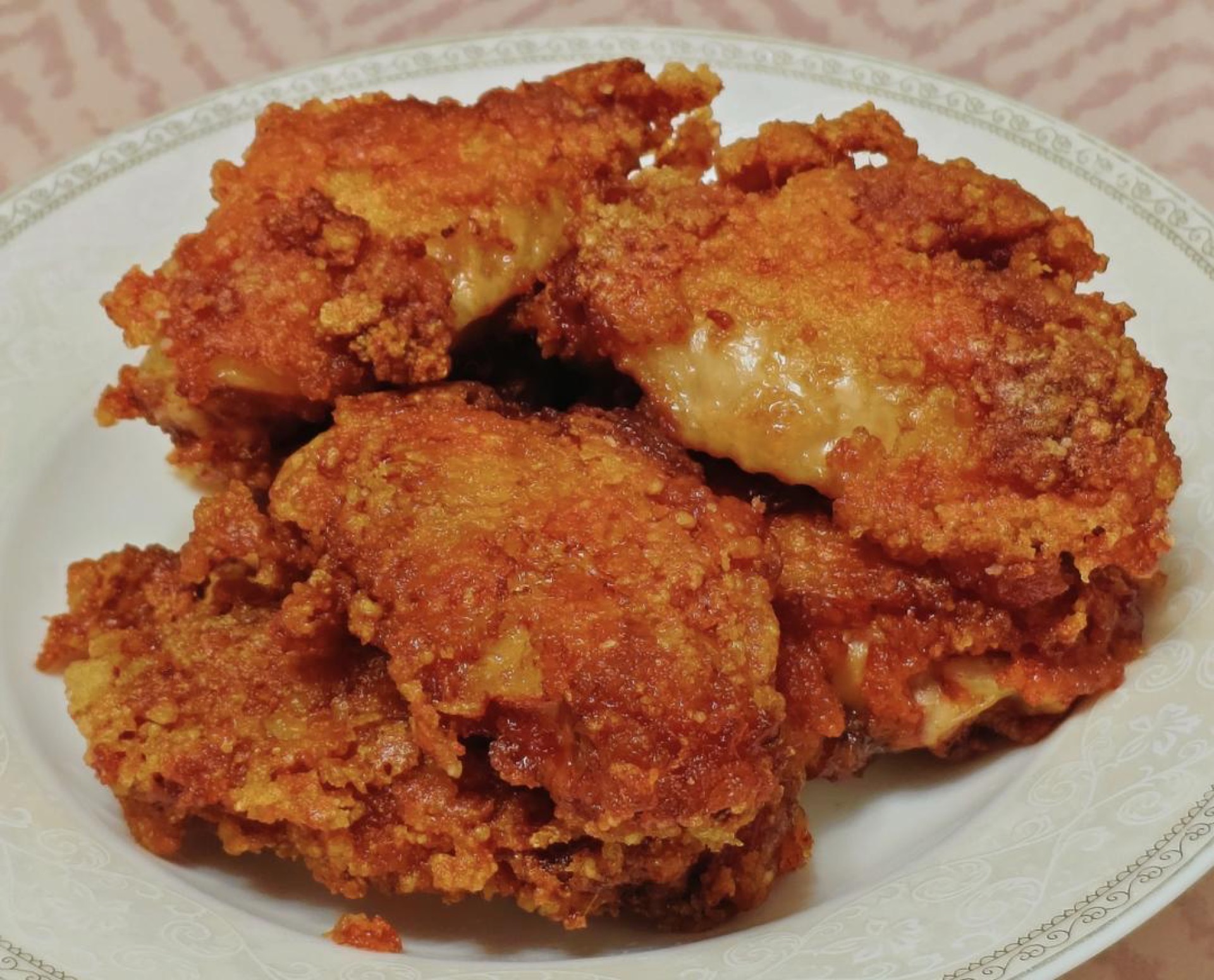
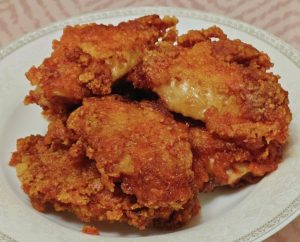
Step 11 — Plate and Serve
Transfer the wings out of the wok and serve.
Common Mistakes When Making 腐乳鸡翅
1. Scoring the wings. It is tempting, because scoring feels like it helps marinades penetrate. Here it does the opposite: the cuts let juice escape during frying, so the meat ends up dry and the crust goes soggy from the released liquid. Fix: leave the skin intact and let the marinade work on the surface only.
2. Adding salt. Fermented bean curd plus soy sauce is already a very salty combination. A pinch of salt on top of that pushes the whole dish past pleasant. Fix: taste the marinade before it goes on the chicken, and if you want more flavor, add more fermented bean curd rather than salt.
3. Coating too thickly. A heavy layer of starch does not crisp — it burns on the outside while staying raw and pasty just beneath. Fix: coat thin, then coat a second time after the wet spots show through. Two thin coats beat one thick one every time.
4. Letting the oil cool down. This is the most common failure. If the oil is not properly hot when the wings go in, or if too many wings are added at once, the temperature crashes and the starch soaks up oil instead of sealing. The result is greasy, pale wings. Fix: heat over medium until the oil is genuinely hot, add the wings in batches, and keep the heat at medium throughout the addition.
5. Frying the aromatics. The ginger, garlic, and scallion are marinade flavor only. If any of them end up in the pan, they will burn within seconds and turn the oil bitter. (If you have ever wondered why burnt garlic tastes so harsh, we wrote about why garlic turns bitter.) Fix: pick every piece out of the marinade before dredging, and cut them large so they are easy to find.
6. Rushing the flip. Turning the wings before the crust has set tears the coating off and leaves a sticky, half-bare surface. Fix: wait until the underside is firm and releases easily from the pan, then flip.
7. Skipping the rest before serving. Wings straight out of hot oil are at their most fragile. Fix: let them drain for a minute or two on a rack; the crust tightens and the interior juices redistribute.
Variations
Oven or air fryer version. Coat the marinated wings in starch as usual, then arrange them on a rack and cook at 400°F (200°C) for about 25 minutes, flipping once, or air-fry at 390°F (200°C) for 18 to 22 minutes. The crust will be less blistered than pan-fried, but it still crisps nicely and uses far less oil.
Extra fermented bean curd flavor. Push the marinade to three or even four cubes of nan ru for a punchier, more fermented result. This is the version to make if you grew up eating fermented bean curd straight from the jar.
Wine-free. Simply omit the Shaoxing wine. The marinade is flavorful enough without it, and this is the version to make when children are at the table.
Add heat. A teaspoon of chile oil or a pinch of dried chile flakes in the marinade gives the wings a gentle burn that plays well with the fermented bean curd.
Different starch. Cornstarch is the easiest swap. A 50/50 mix of potato starch and cornstarch gives a slightly more shatteringly crisp shell that holds up a little longer after frying.
Frequently Asked Questions
Can I use white fermented bean curd instead of red? You can, but the dish will look and taste different. White fermented bean curd is milder and less sweet, and it will not give the wings their characteristic red tint. Red nan ru is what the recipe is built around.
How long do the wings really need to marinate? Four hours is the practical minimum for the flavors to register. Overnight is noticeably better, and the salt in the marinade gently seasons the outer layer of the meat over that time. Beyond 24 hours the texture starts to firm up, so aim for one night.
Do I have to use potato starch? No. Cornstarch works well, and the difference is mostly in how light and blistered the crust feels. Potato starch is preferred because it fries crisper and browns a little more slowly, which gives the wings time to cook through.
Why are my wings greasy instead of crisp? Almost always because the oil was not hot enough when the wings went in, or because too many were added at once and the temperature dropped. Fry in batches, keep the heat at medium, and give the oil a moment to recover between batches.
Can I make these ahead? Yes — marinate the wings up to 24 hours in advance and coat them in starch right before frying. You can also fry them earlier in the day and reheat them in a 375°F (190°C) oven for 8 to 10 minutes to bring the crust back.
How to Serve
These wings are at their best hot, straight from the wok, with a bowl of plain rice and something sharp or green alongside to cut the richness. A cucumber salad, quick-pickled radish, or simply sliced tomatoes all work.
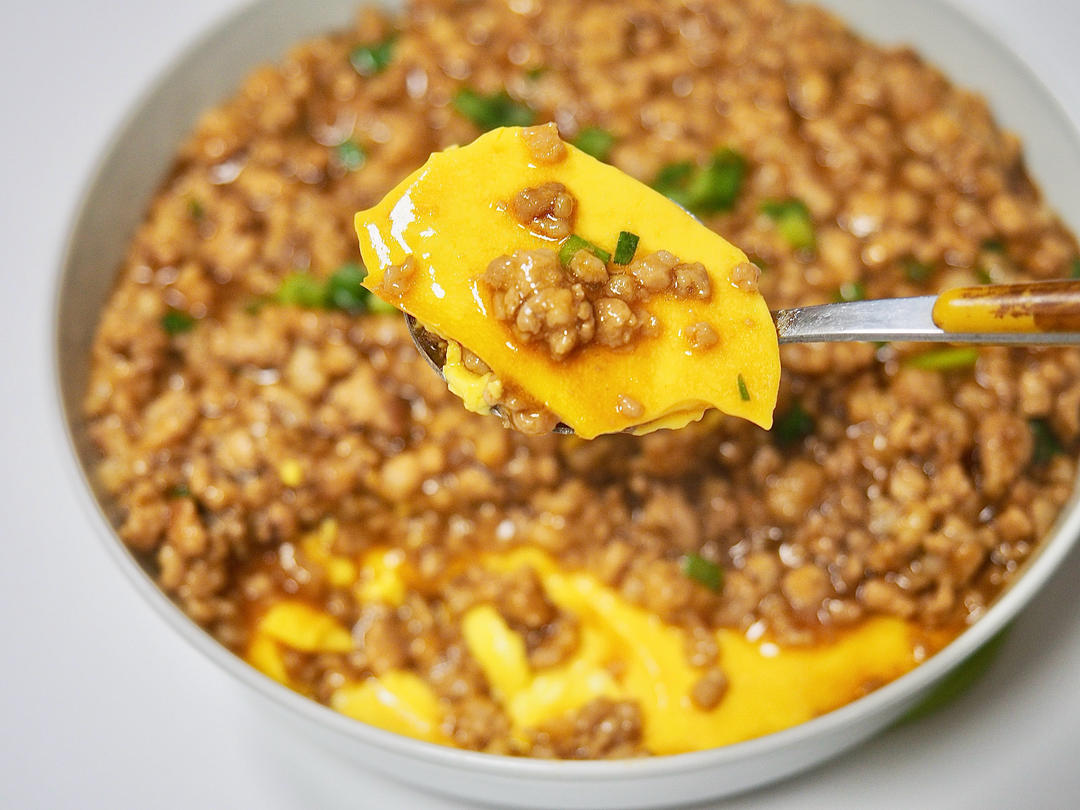
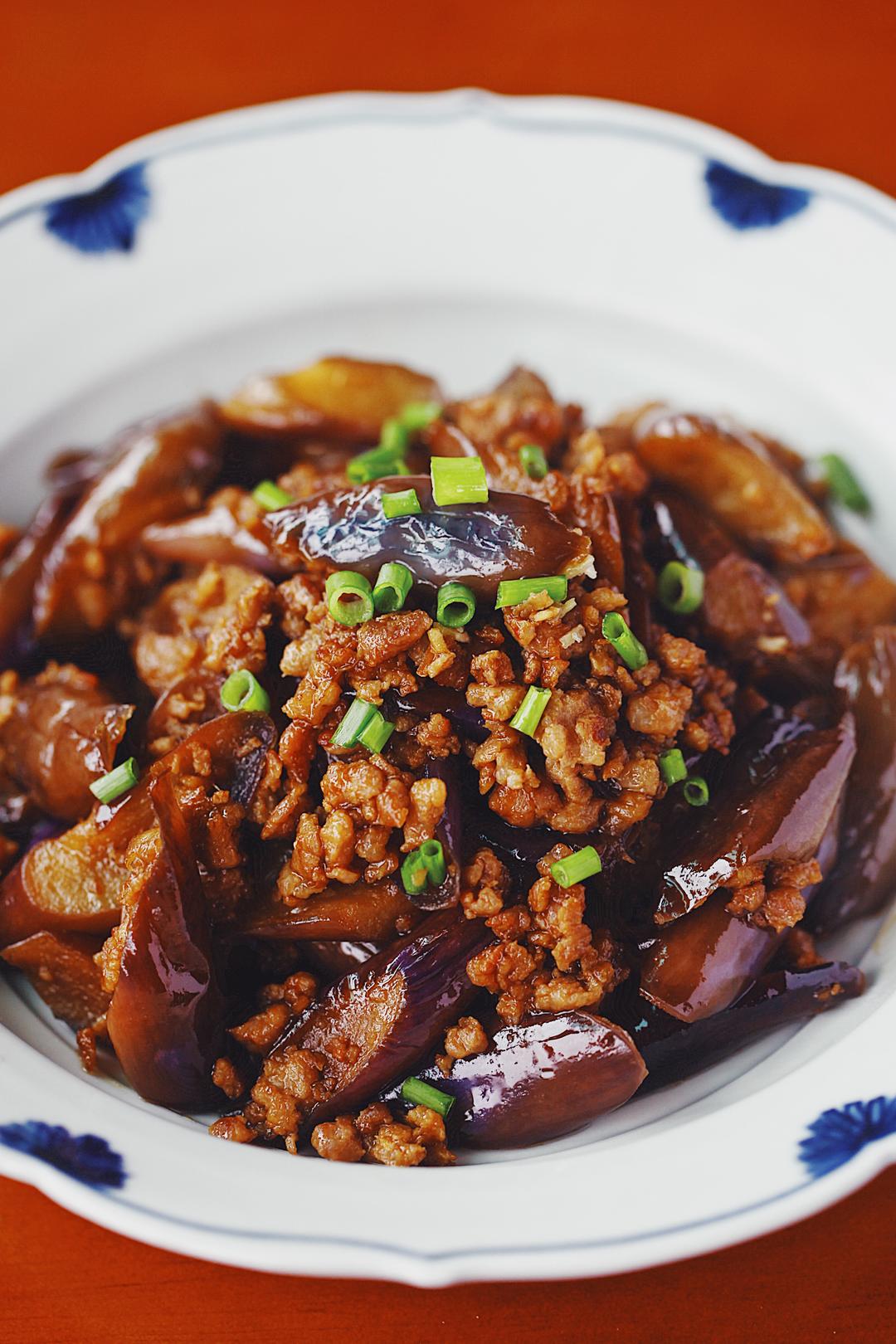
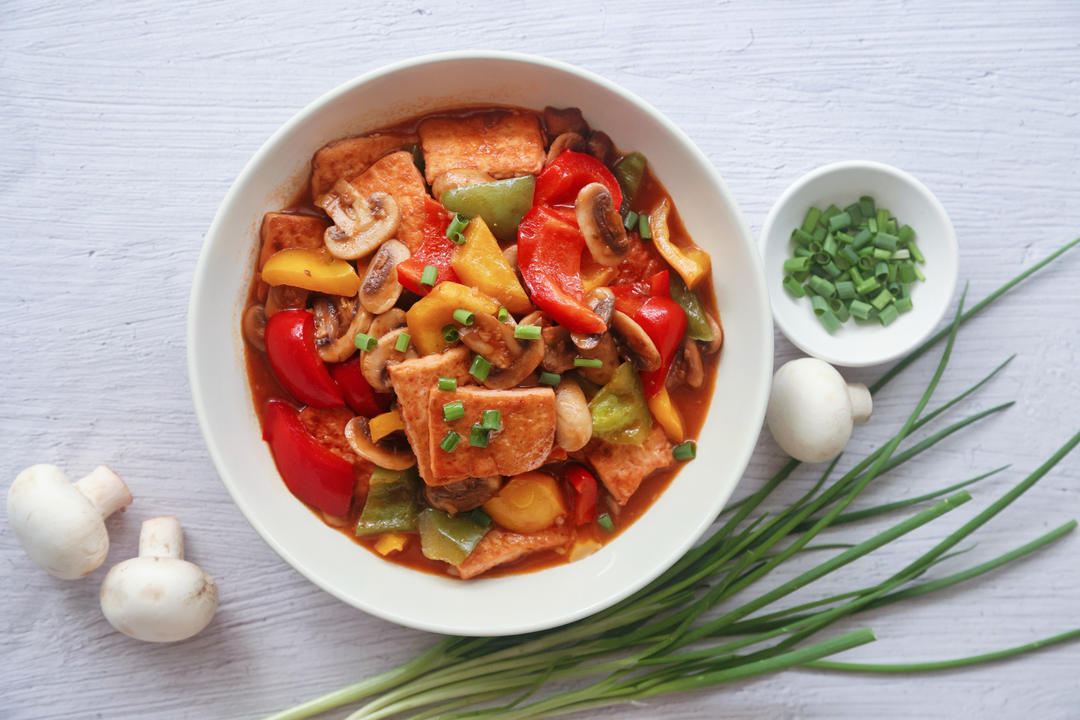
If you want a full Chinese-style spread, serve the wings with our silky steamed egg with minced pork for a soft, custardy contrast, and a plate of minced pork eggplant for something saucy to spoon over rice. For a heartier table, braised tofu and mushrooms rounds things out without competing with the wings.
Storage & Reheat
Store leftover wings in an airtight container in the refrigerator for up to three days. The crust will soften in the fridge — that is normal for any fried starch coating, and it comes back reasonably well with reheating.
To reheat, spread the wings on a rack or sheet pan and warm them in a 375°F (190°C) oven for 8 to 10 minutes, or in an air fryer at 360°F (180°C) for 5 to 7 minutes. Avoid the microwave, which steams the crust into a limp, rubbery texture.
You can also freeze the marinated, uncooked wings for up to two months. Thaw overnight in the refrigerator, dredge in starch, and fry as usual. Do not freeze the wings after they have been coated in starch.
Allergen Notice
This recipe contains soy (fermented bean curd and soy sauce) and wheat/gluten (most standard soy sauces and many fermented bean curd brands). If you are cooking for someone with a soy allergy, this dish is not easily adaptable, since fermented bean curd is the defining ingredient. For gluten avoidance, use tamari in place of soy sauce and check the fermented bean curd label carefully — some brands add wheat. The optional Shaoxing wine may contain sulfites.
Nutrition Disclaimer
Nutrition information is calculated using an ingredient database and should be considered an estimate. In cases where multiple ingredient alternatives are given, the first listed is calculated for nutrition. Garnishes and optional ingredients are not included.
About the Author & Recipe Development
Lin is the cook and writer behind Woks of Love, where she documents the home cooking of China’s many regions — the marinades, the wok techniques, and the small details that separate a dish that works from one that merely looks right. This recipe was developed from a home-style Cantonese version of 腐乳鸡翅, tested repeatedly to pin down the two variables that matter most: how much fermented bean curd to use, and how to keep the oil temperature steady enough that the starch crust seals instead of soaking.
The testing notes from those rounds are what produced the two-coat starch method and the insistence on unscored wings. If you cook this and adjust it to your own taste — more fermented bean curd, less wine, a different starch — that is exactly how the recipe is meant to be used.
Authoritative References
For safe handling and cooking temperatures for poultry, see the USDA safe minimum internal temperature chart, which lists 165°F (74°C) for chicken. For food safety guidance on storing and reheating cooked poultry, the FDA’s cold food storage guidance is a useful reference. Background on fermented tofu and its production can be found in the Encyclopaedia Britannica entry on fermented tofu.
Pan-Fried Fermented Bean Curd Chicken Wings (腐乳鸡翅): Crispy, Savory, Addictive

Equipment
- Wok
- Cutting Board
- Slotted Spoon
- Plate or shallow dish
- Tongs
Ingredients
For the Marinade
- 2 lb chicken wings about 1 jin, whole or split at the joint
- 3 pieces red fermented bean curd nan ru, mashed, plus 1 tbsp of its red brine
- 2 tbsp light soy sauce or tamari
- 1 tbsp Shaoxing wine optional; omit entirely if serving children
- 1 inch ginger sliced thick so it is easy to pick out
- 4 cloves garlic smashed and left whole
- 2 stalks scallion cut into 2-inch lengths, optional for overnight marinating
For Coating and Frying
- 1 cup potato starch for dredging; cornstarch works but potato starch is crisper
- 1/2 cup neutral oil for pan-frying, plus more as needed
Instructions
- Prepare the ginger, garlic, and scallion to taste — because these wings marinate overnight, the scallion was left out here.

- Cut the ginger, scallion, and garlic into pieces large enough to pick out easily, since they never go into the pan and would burn.

- Add the cut ginger, scallion, and garlic, the light soy sauce, the Shaoxing wine, and the fermented bean curd to the washed wings. Do not score the wings or the juices will run out and the meat will be dry. The fermented bean curd gives the wings their red color, and bottled fermented bean curd brine works too. Fermented bean curd is salty and the soy sauce already contains salt, so no extra salt is needed. Adjust the amount to taste — three cubes or more for a stronger fermented bean curd flavor, about two for a milder one. If children are eating, leave out the Shaoxing wine entirely.

- Massage everything together until the wings are evenly coated, then marinate for at least 4 hours; overnight in the refrigerator is even better.

- Set out dry potato starch — dry starch gives a better result than a starch slurry or flour, and potato starch beats cornstarch here.

- Coat every wing evenly in the dry starch, keeping the layer thin because a thick coating will burn. The marinade is wet, so coat each wing twice; working over a plate gives a more even result.

- Heat the oil in the wok over medium heat, and keep it at medium as the wings go in so the oil never cools down — the surface of the meat sets the moment it hits the oil, which is what seals the juices inside.

- Lay the wings into the oil with the thicker, skinier side facing down first.
- Once the underside has set and firmed, flip the wings over.
- After both sides have set, turn the heat to low and fry slowly, flipping as needed. If you are worried about doneness, fry a little longer — because the surface sealed in step 7, the juices are locked inside and the meat will not toughen.
- Transfer the wings out of the wok and serve.







Leave a Reply