This comprehensive guide explores Oyster Sauce, the “umami backbone” of Cantonese cuisine. As a chef with over a decade of experience, I’ve seen this ingredient transform simple stir-fries into restaurant-quality dishes. This guide provides the technical breakdown of how to select, use, and balance this essential pantry staple.

What is Oyster Sauce?
Oyster sauce is a thick, savory condiment made from oyster extracts, sugar, salt, and water thickened with cornstarch. Unlike fish sauce, which is thin and pungent, oyster sauce is viscous and offers a complex profile of sweet, salty, and earthy flavors.
In a professional kitchen, we view it as a functional glaze rather than just a seasoning. It provides both a deep mahogany color and a silky mouthfeel to sauces.
Flavor Structure Breakdown
Understanding the flavor layers of oyster sauce allows you to balance your dishes without over-relying on a single bottle.
| Flavor Element | Source | Functional Role |
| Umami | Oyster Extract | Provides the savory “meatiness.” |
| Sweetness | Sugar/Caramel | Balances salt and helps with caramelization. |
| Saltiness | Brine/Salt | Enhances the natural flavors of the main ingredients. |
| Viscosity | Modified Starch | Creates the “clinging” effect on vegetables and proteins. |
Master Ratio Table for Stir-Frying
When using oyster sauce, the goal is to enhance, not mask. Use these ratios as your baseline:
| Dish Type | Oyster Sauce Ratio (per 300g ingredients) | Key Complementary Ingredient |
| Green Vegetables | 1.5 tbsp | Garlic + Sesame Oil |
| Beef Stir-Fry | 2 tbsp | Black Pepper + Ginger |
| Tofu/Mushrooms | 1 tbsp | Light Soy Sauce + Sugar |
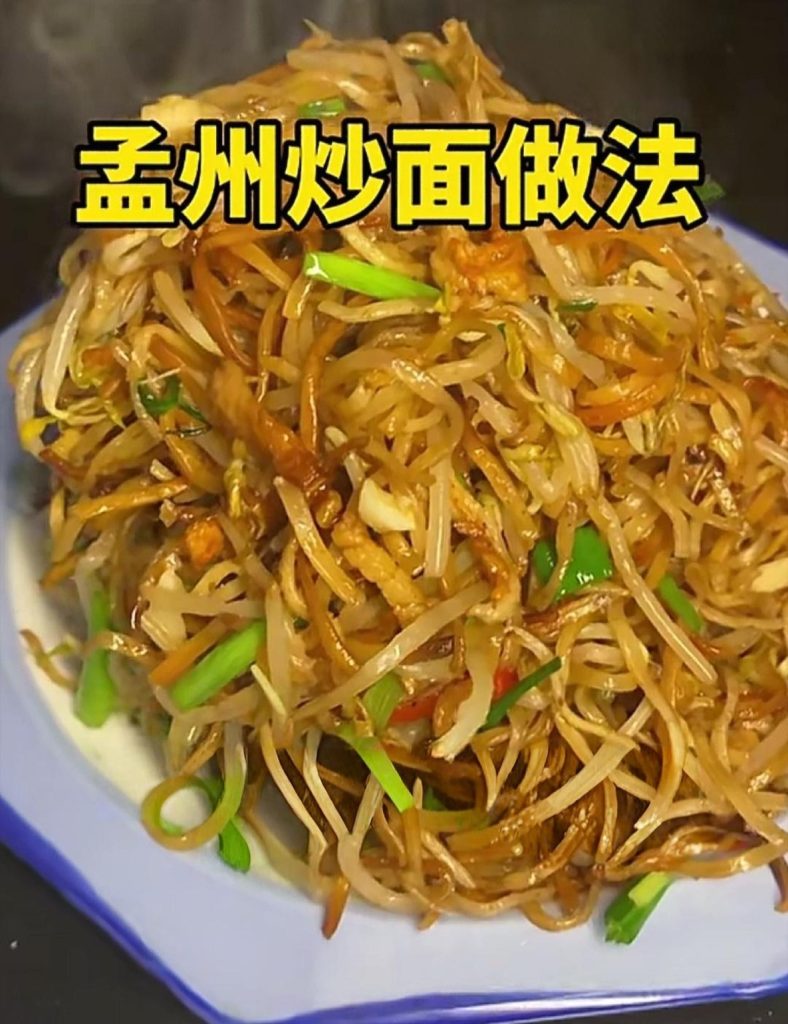
| Fried Noodles | 2 tbsp | Dark Soy Sauce (for color) |
How to Choose & Buy the Right Bottle
Not all bottles are created equal. In fact, many “budget” versions contain more chemicals than actual oyster extract.
- Check the First Ingredient: High-quality oyster sauce lists “Oyster Extract” or “Oyster Juices” first. If the first ingredient is water or sugar, it is a sub-par product.
- The Viscosity Test: Tilt the bottle. High-quality sauce should move slowly and coat the glass evenly. If it runs like water, it lacks the necessary concentration.
- Color Depth: It should be a rich, dark brown, almost black. Avoid those that look unnaturally reddish or translucent.
How and When to Use Oyster Sauce
1. The Marinade Stage
Adding a tablespoon of oyster sauce to your protein (beef, chicken, or pork) does more than add flavor. The sugar and starch in the sauce help protect the meat fibers during high-heat cooking. For the best results, learn how to velvet chicken before adding the sauce to ensure a tender texture.
2. The Finishing Glaze
The most common mistake home cooks make is adding oyster sauce too early. Because it contains sugar and starch, it can scorch if left on a dry wok for too long.
- Boundary: Add oyster sauce when the ingredients are 80% cooked and there is a small amount of liquid in the pan.
- Technique: Swirl it around the edges of the wok so it heats up before hitting the ingredients; this releases the aroma.
3. Dipping & Cold Applications
Oyster sauce can be used straight from the bottle for blanched vegetables, such as Gai Lan (Chinese Broccoli). However, for a more refined taste, whisk it with a splash of hot water and a drop of Chili Garlic Sauce to thin the consistency and add a kick.
Common Mistakes & Troubleshooting
When the Method Does NOT Work
- High-Heat Searing: Do not use oyster sauce as a base for searing meat at temperatures exceeding 230°C (450°F). The high sugar content will burn and turn bitter before the meat is cooked.
- Clear Soups: Oyster sauce will cloud a clear broth. If you need umami for a clear soup, use Light Soy Sauce or salt instead.
Troubleshooting Guide
- Too Salty: Add a pinch of Sugar or a splash of Chinese Black Vinegar. The acidity cuts through the salt.
- Too Thick/Clumpy: This usually happens when the sauce is added to a dry pan. Whisk in 1-2 tablespoons of water or stock to emulsify the glaze.
- Metallic Taste: This often occurs with low-quality brands. A teaspoon of Shaoxing Wine can help neutralize the “tinny” notes.
Substitutions
If you run out of oyster sauce, you can’t just swap it 1:1 with soy sauce due to the texture difference.
- Vegetarian Option: Use Mushroom Stir-Fry Sauce. It has a similar viscosity and a deep, earthy umami profile.
- The DIY Fix: Mix 1 tbsp Light Soy Sauce with 1/2 tsp Sugar and a tiny pinch of cornstarch.
Recipes That Use It
Ready to practice? These recipes rely heavily on the balancing power of oyster sauce:
- Beef and King Oyster Mushroom Stir-Fry
- Stir-Fried Baby Napa Cabbage
- Braised Tofu with Mushrooms and Pork
FAQ
Q: Does oyster sauce need to be refrigerated?
A: Yes. Once opened, the moisture and sugar content make it susceptible to mold. Always store it in the refrigerator.
Q: Is it gluten-free?
A: Standard oyster sauce is thickened with wheat-based cornstarch. If you are celiac, look for specific “Gluten-Free” labels that use corn or potato starch.
Q: Can I use it for non-Chinese dishes?
A: Absolutely. It works beautifully in beef stews, gravies, or even as a secret ingredient in a Bolognese sauce to boost the umami.








Leave a Reply