Growing up in Sichuan, I was raised on fiery red oils and numbing peppercorns. However, my culinary journey—and my husband, Lao Wang—has taught me to appreciate the hearty, savory flavors of Northeastern China (Dongbei).
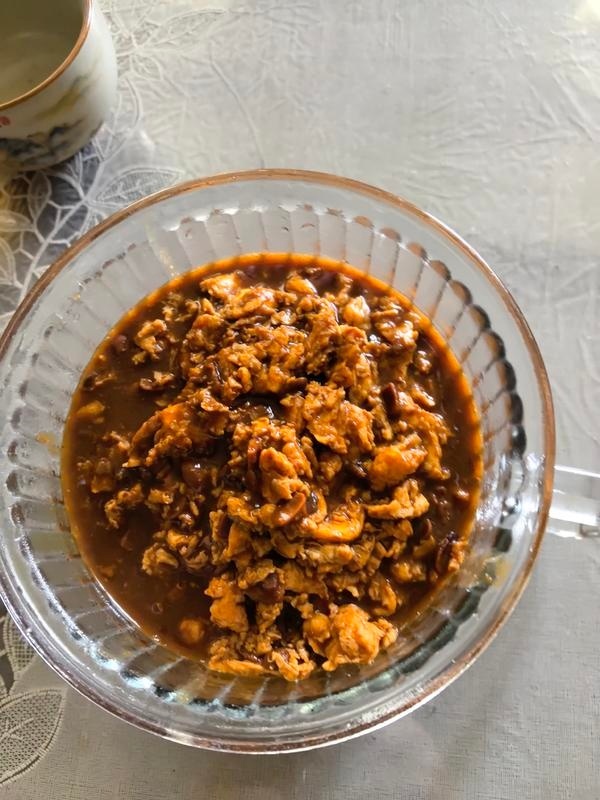
Today, I am sharing a recipe that is a staple in many Chinese households: Chinese Egg Sauce, or Ji Dan Jiang (东北鸡蛋酱).
While my father, a professional chef with 20 years of experience, usually focuses on complex banquet dishes, he always told me that the true test of a cook is making simple ingredients shine. This dish does exactly that. It transforms humble eggs and soybean paste into a rich, savory condiment that makes raw vegetables taste like a delicacy.
My son absolutely loves this sauce mixed into plain steamed rice, and Lao Wang prefers it as a dip for cucumbers and radishes. It is salty, rich, and incredibly satisfying.
What Is Chinese Egg Sauce (Ji Dan Jiang)?
Ji Dan Jiang is a type of “fried sauce” (Zha Jiang) originating from Northeast China. Unlike the famous Peking Fried Sauce Noodles (Zha Jiang Mian) which typically uses ground pork, this version relies on scrambled eggs to soak up the savory soybean paste.
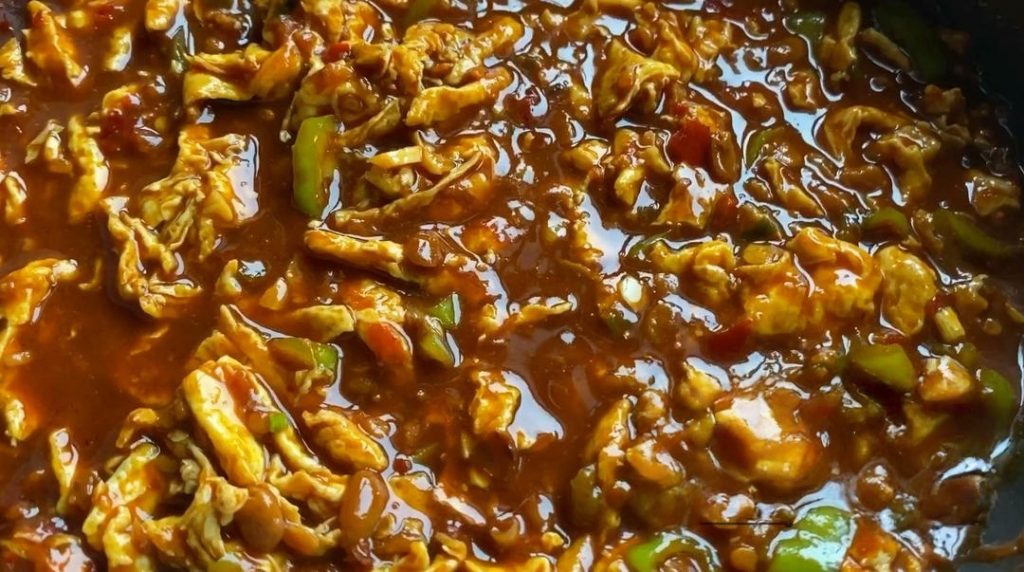
It is versatile. In China, we call it a xia fan cai (下饭菜)—a dish designed to make you eat more rice! It serves as:
- A topping for noodles.
- A dip for a fresh vegetable platter (cucumbers, scallions, radishes, lettuce).
- A spread for steamed buns or flatbreads.
Why This Recipe Works
- Texture Contrast: By scrambling the eggs first and removing them, we ensure they stay fluffy and tender rather than turning rubbery in the salty paste.
- Layered Aromatics: We add half the scallions and garlic at the beginning to infuse the oil, and the other half at the very end. This technique provides both a deep, cooked aromatic base and a fresh, pungent kick.
- Balanced Salinity: Diluting the thick bean pastes with water before cooking prevents them from burning and allows the eggs to absorb the flavor evenly.
Key Ingredients & Substitutions
This recipe relies on fermented pastes. Here is what you need to look for in your local Asian market:
- Yellow Soybean Paste (Huang Dou Jiang): This is the heart of the dish. It provides a savory, earthy, salty base.
- Substitution: If you cannot find a specific “Northeast Soybean Paste,” you can use a standard Chinese Yellow Soybean Paste. In a pinch, Korean Doenjang is a closer substitute than Japanese Miso (which is too sweet and mild).
- Pixian Doubanjiang (Spicy Broad Bean Paste): Being from Sichuan, I cannot resist adding a spoonful of this! It adds a subtle heat and reddish hue.
- Note: If you prefer a non-spicy version suitable for young children, you can omit this and just use more soybean paste.
- Green Peppers: The original recipe calls for “pointed peppers” (Jian Jiao).
- Substitution: Anaheim peppers are a great match. For heat, use Jalapeños. For zero heat, Green Bell Pepper works, though the flavor will be less complex.
- Eggs: Large US eggs.
- Aromatics: Fresh garlic and scallions (green onions) are non-negotiable for that authentic flavor.
A Note on Equipment
You do not need a fancy wok for this, though a 12-inch flat-bottomed wok or a deep skillet works best. Because the sauce simmers, a non-stick pan is actually very helpful here to prevent the paste from sticking to the bottom.
Recipe Notes Before You Start
- Salt Warning: Both soybean paste and Doubanjiang are very salty. Do not add extra salt to this dish. If you find it too salty, you can add a pinch of sugar to balance the flavor.
- Oil Usage: You might feel the recipe calls for a generous amount of oil. This is traditional. The oil preserves the sauce and helps “fry” the paste to release its fragrance (a technique called Zha).
How to Make Chinese Egg Sauce
Step 1: Prepare the Sauce Base
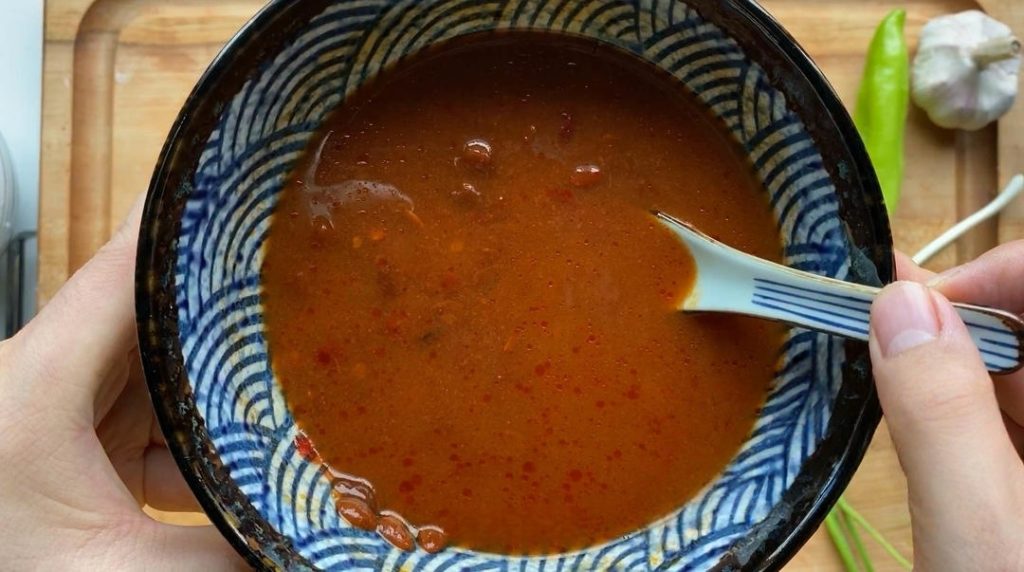
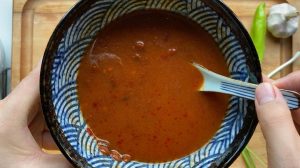
In a small bowl, combine the Yellow Soybean Paste and Pixian Doubanjiang (if using) in roughly a 3:1 ratio. Add an equal amount of water (1:1 ratio with the paste) and stir until smooth. This ensures the sauce doesn’t burn instantly when it hits the hot pan.
Step 2: Mise en Place
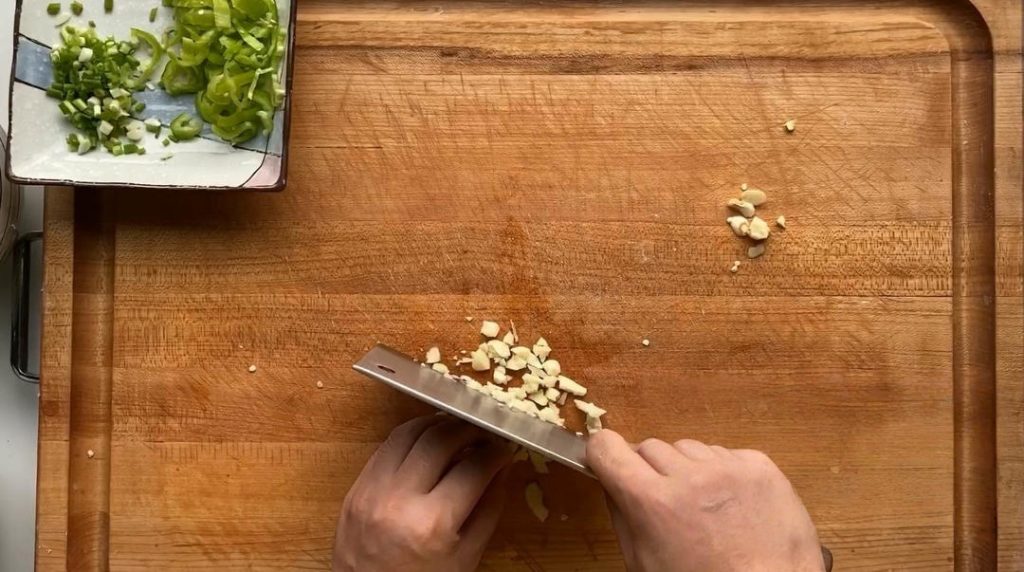
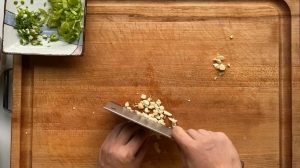
Crack 3 eggs into a bowl and beat them well. If your family loves eggs, feel free to use 4! Finely chop the scallions and garlic. Cut the green pepper in half, remove seeds if you want less heat, and slice into thin shreds or small dice.
Step 3: Scramble the Eggs
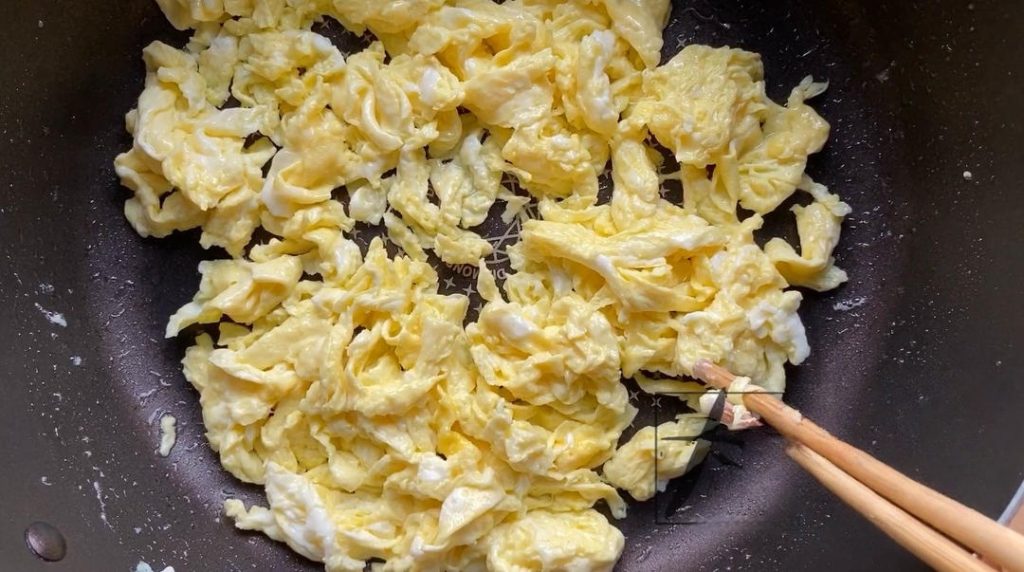
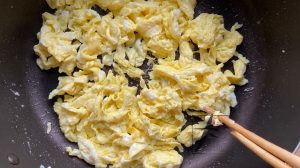
Heat your wok or skillet over medium-high heat. Add about 2 tablespoons of oil. Pour in the egg liquid. Using chopsticks or a spatula, stir rapidly. Visual Cue: As soon as the eggs are set but still look soft and yellow, turn off the heat and remove them. We want them tender, not browned.
Step 4: Fry the Aromatics
Do not wash the pan. Add another 2 tablespoons of oil and turn the heat to low. Add half of your chopped scallions and garlic. Stir-fry gently until they are fragrant and turning light gold.
Step 5: Simmer the Sauce
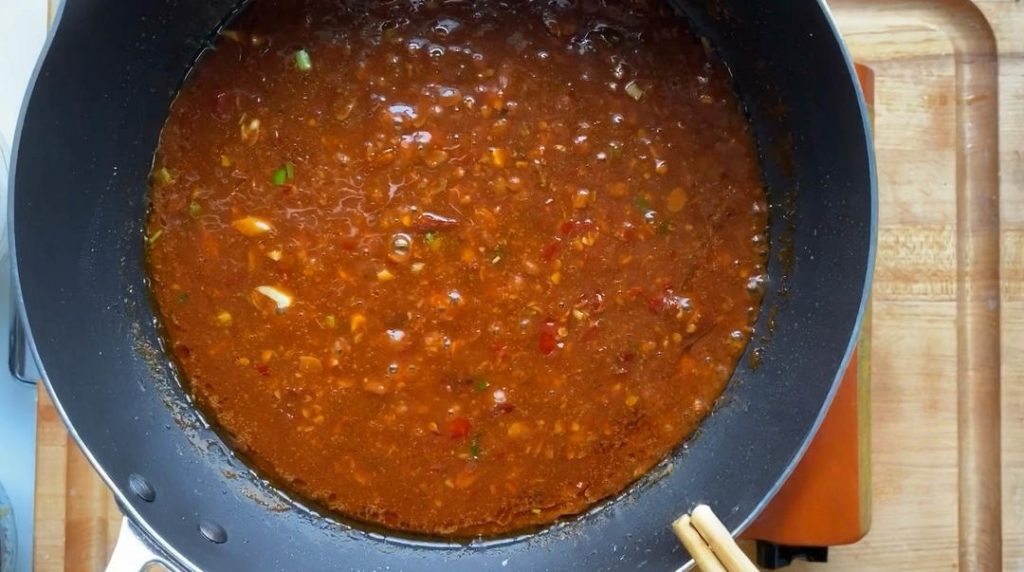
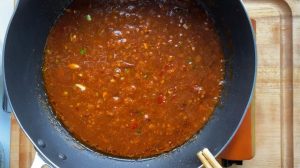
Pour in the diluted sauce mixture. Keep the heat on low. Stir constantly. You want to simmer this for about 5 minutes.
Why? This step cooks out the raw soybean smell and allows the oil to separate from the paste, creating a glossy, rich texture.
Step 6: Combine and Finish
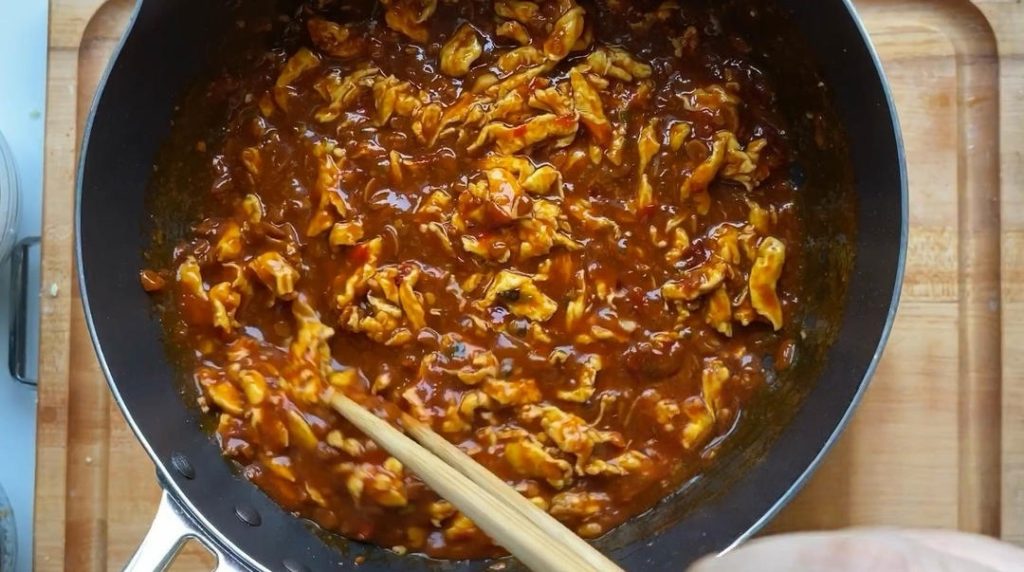
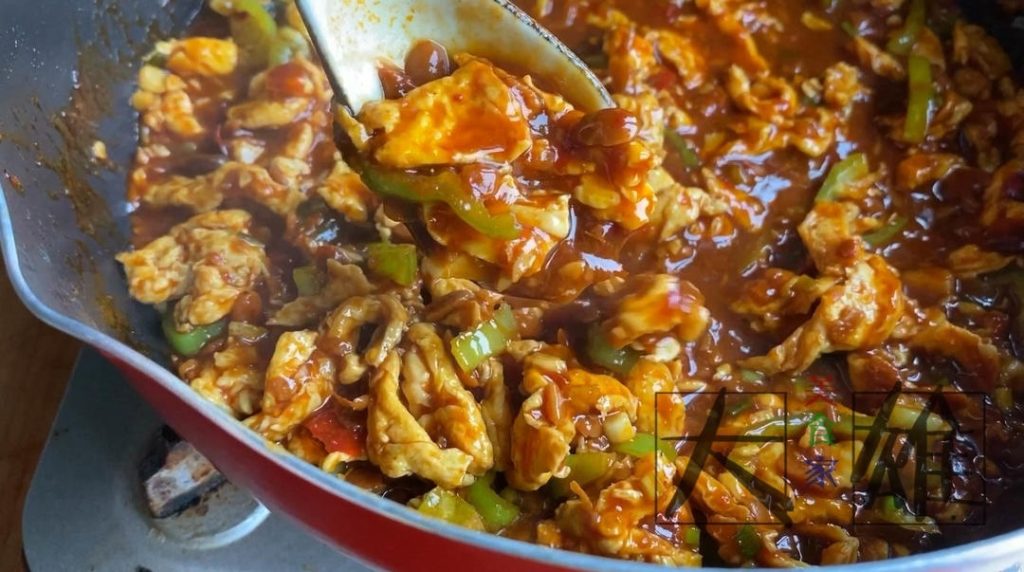
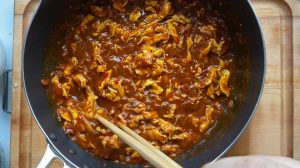
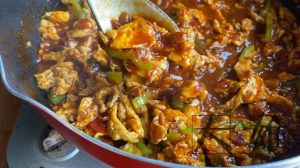
Add the cooked eggs back into the sauce. Stir to coat them evenly. Simmer for another 2 minutes so the eggs absorb that savory goodness. Finally, dump in the remaining half of the scallions, garlic, and the sliced peppers. Stir for 30 seconds just to mix. Turn off the heat. The residual heat will slightly wilt the peppers while keeping them crunchy.
Serving Suggestions
This sauce is incredibly versatile. Here is how we eat it at home:
- Noodles: It makes a fantastic topping for Steamed Noodles.
- Dipping Platter: Serve a bowl of warm sauce alongside a platter of raw cucumber spears, radishes, and lettuce leaves. This is the classic Northeastern way to eat it.
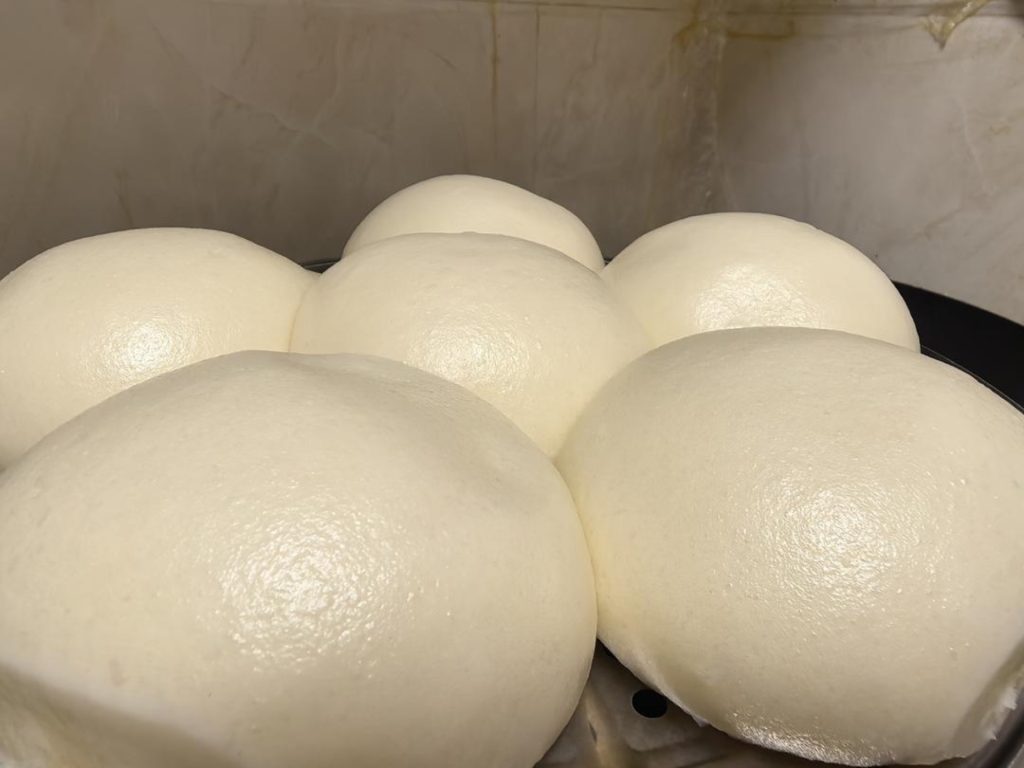
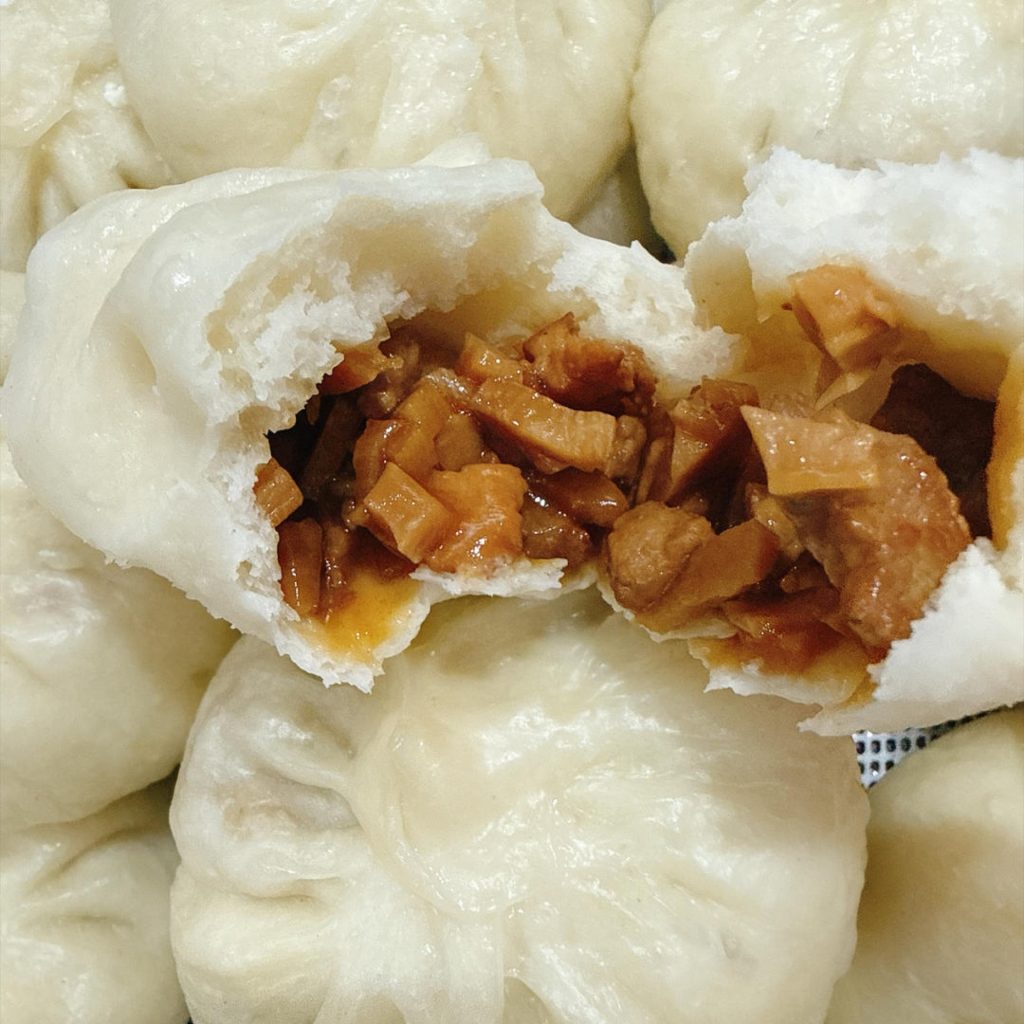
- Buns: It is delicious brushed inside Beijing-Style Steamed Buns.
FAQ / Troubleshooting
Q: My sauce is too dry/thick.
A: Different brands of bean paste have different water contents. If it looks dry, splash in a tablespoon of water at a time until you reach a consistency similar to a thick Bolognese sauce.
Q: Can I use ground meat instead?
A: Yes! If you swap the eggs for ground pork, you are essentially making a version of Zha Jiang. You can see my recipe for Universal Chinese Meat Sauce for more inspiration.
Recipe Notes
- Control the Salt: Both the Yellow Soybean Paste and Pixian Doubanjiang are naturally very salty. Do not add any extra salt to this dish. If you find the flavor too sharp or salty, add 1/2 teaspoon of sugar to balance it out.
- The Role of Oil: You might be tempted to use less oil, but the oil is essential for the “frying” process (Zha). It helps release the aromatics from the paste and gives the sauce its signature glossy finish and rich mouthfeel.
- Consistency Adjustment: Different brands of soybean paste have different water contents. If your sauce looks too dry or pasty while simmering, add water one tablespoon at a time until it reaches a consistency similar to a thick meat sauce.
- Pepper Variations: The traditional recipe uses “pointed green peppers” which have a mild heat. For a kid-friendly version, use green bell peppers. For a spicy kick, use jalapeños or serrano peppers.
Food Safety & Storage
- Storage: This sauce keeps very well. Store it in an airtight container in the fridge for up to 5-7 days.
- Reheating: Microwave gently or warm in a small saucepan.
- Safety: Since this recipe uses eggs, ensure they are cooked through to a safe temperature, especially if serving to young children or the elderly. However, the double-cooking method in this recipe ensures they are fully cooked.
Nutrition Information (Estimate per serving):
Calories: 185 kcal | Carbohydrates: 6g | Protein: 7g | Fat: 15g | Saturated Fat: 2g | Sodium: 650mg | Sugar: 2g
Disclaimer: Nutrition information is calculated using an ingredient database and should be considered an estimate. Garnishes and optional items are not included. Actual values vary depending on the specific brand of soybean paste used.
Allergen Warning: Contains Soy, Eggs, and Wheat (often found in soybean pastes).
Authoritative References
- USDA Food Safety and Inspection Service: Shell Eggs from Farm to Table
- U.S. Food and Drug Administration (FDA): Food Allergens – Soy
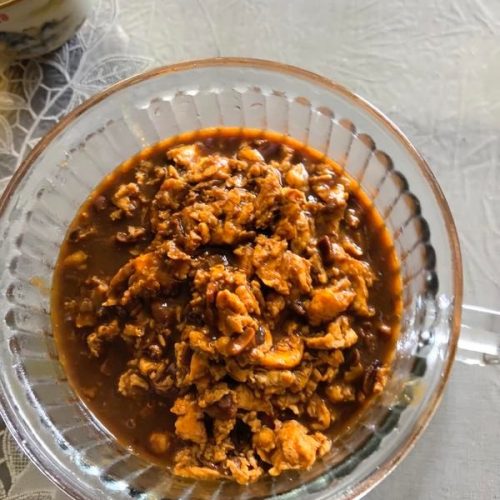
Northeast Chinese Egg Sauce (Ji Dan Jiang)

Equipment
- Wok or large skillet Non-stick recommended
Ingredients
- 3 tbsp Yellow Soybean Paste (Huang Dou Jiang) Or standard soybean paste
- 1 tbsp Pixian Doubanjiang Spicy broad bean paste (optional, omit for non-spicy)
- 4 tbsp Water To dilute the paste
- 3 large Eggs Beaten
- 1 Green Pepper Anaheim or Jalapeño, diced or shredded
- 2 stalks Scallions Finely chopped
- 4 cloves Garlic Minced
- 4 tbsp Vegetable Oil Divided use
Instructions
- Mix the Sauce: In a small bowl, combine the Yellow Soybean Paste and Pixian Doubanjiang (if using). Add the water and stir until smooth and combined.

- Prep Aromatics: Finely chop the scallions and garlic. Slice the green pepper (remove seeds for less heat). Beat the 3 eggs in a separate bowl.
- Cook Eggs: Heat 2 tablespoons of oil in a wok over medium-high heat. Pour in the eggs and scramble quickly. Once they are just set (still yellow and tender), remove them from the pan and set aside.
- Fry Aromatics: Add the remaining 2 tablespoons of oil to the pan. Turn heat to low. Add HALF of the chopped scallions and garlic. Stir-fry gently until fragrant.
- Simmer Sauce: Pour in the diluted paste mixture. Keep heat on low and stir constantly for about 5 minutes. The sauce should darken slightly and become glossy.
- Combine: Add the cooked eggs back into the sauce and simmer for 2 minutes to absorb the flavor.
- Finish: Add the remaining half of the scallions, garlic, and the green peppers. Stir well to combine and turn off the heat immediately. Serve warm.
Notes
Calories: 185 kcal | Carbohydrates: 6g | Protein: 7g | Fat: 15g | Saturated Fat: 2g | Sodium: 650mg | Sugar: 2g Disclaimer: Nutrition information is calculated using an ingredient database and should be considered an estimate. Garnishes and optional items are not included. Actual values vary depending on the specific brand of soybean paste used. Allergen Warning: Contains Soy, Eggs, and Wheat (often found in soybean pastes). Food Safety: Ensure eggs are cooked until firm. The sauce is high in sodium; adjust portion sizes accordingly.


Leave a Reply