Why I Love This “Humble” Sauce
If you were to walk into a home in Northeast China (Dongbei) during the height of summer, you wouldn’t be greeted with a salad and ranch dressing. Instead, you would see a massive platter of fresh, raw vegetables—cucumbers, radishes, green onions, and lettuce—sitting next to a bowl of dark, savory, golden-flecked sauce.

This is Ji Dan Jiang (东北鸡蛋酱), or Northeast Egg Sauce.
While I grew up in Sichuan where we love our heat, I developed a deep appreciation for the hearty, salty, and wheat-forward flavors of Northern China during my culinary travels. This sauce is the definition of “home.” It is incredibly savory, slightly salty from the fermented soybean paste, and rich with fluffy bits of scrambled egg.
I make this whenever I need a “lazy” dinner. I just boil some noodles or wash some crisp cucumbers, whip up this sauce in 10 minutes, and dinner is served. It is thrifty, uses pantry staples, and is an absolute flavor bomb.
What is Ji Dan Jiang?
In Northeast China, there is a famous way of eating called Zhan Jiang Cai (蘸酱菜), which literally means “dipping vegetables in sauce.” It is a way to celebrate the freshness of seasonal produce. The sauce used is almost always a fried soybean paste.
By adding eggs to the frying process, we create Ji Dan Jiang. The eggs add protein and a fluffy texture that absorbs the salty paste, mellowing it out and making it creamy and rich. Think of it as a deconstructed, savory custard that you can spread on Chinese Meat Pies or dip peppers into.
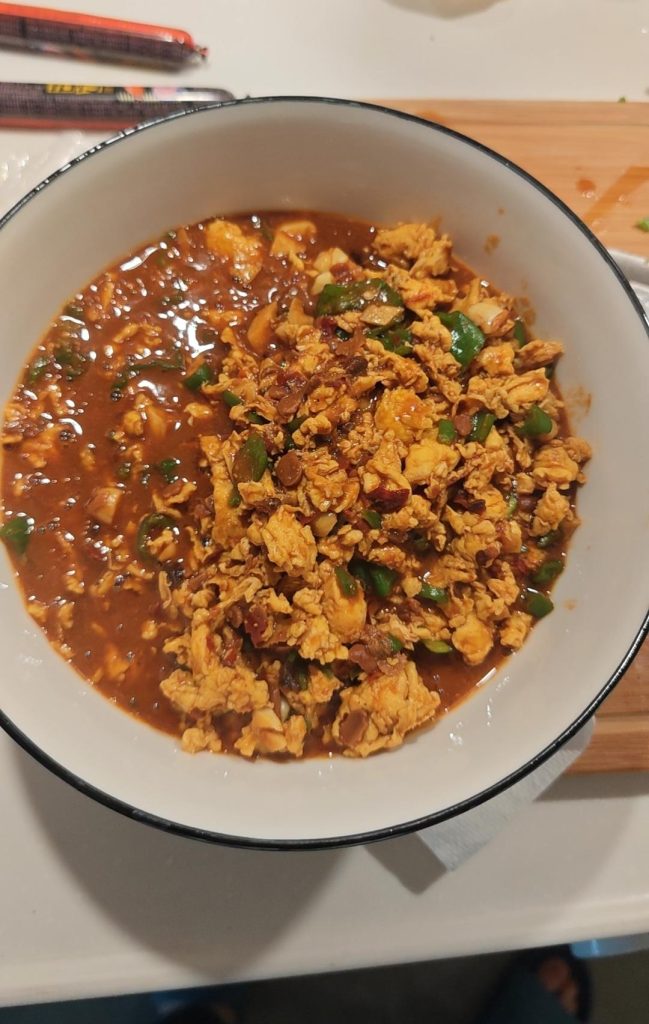
Why This Recipe Works
- Layered Aromatics: We add half the scallions and garlic at the beginning to infuse the oil, and the other half at the very end. This provides both a deep, cooked savory flavor and a fresh, sharp bite.
- Sauce Dilution: Diluting the thick bean paste with water before cooking prevents it from burning in the wok and allows the flavors to meld without becoming bitter.
- Texture Contrast: By scrambling the eggs first and keeping them tender, we ensure they don’t turn rubbery when simmered in the sauce.
Key Ingredients & Substitutions
This recipe relies on fermented pastes. Here is what you need to know to get that authentic flavor.
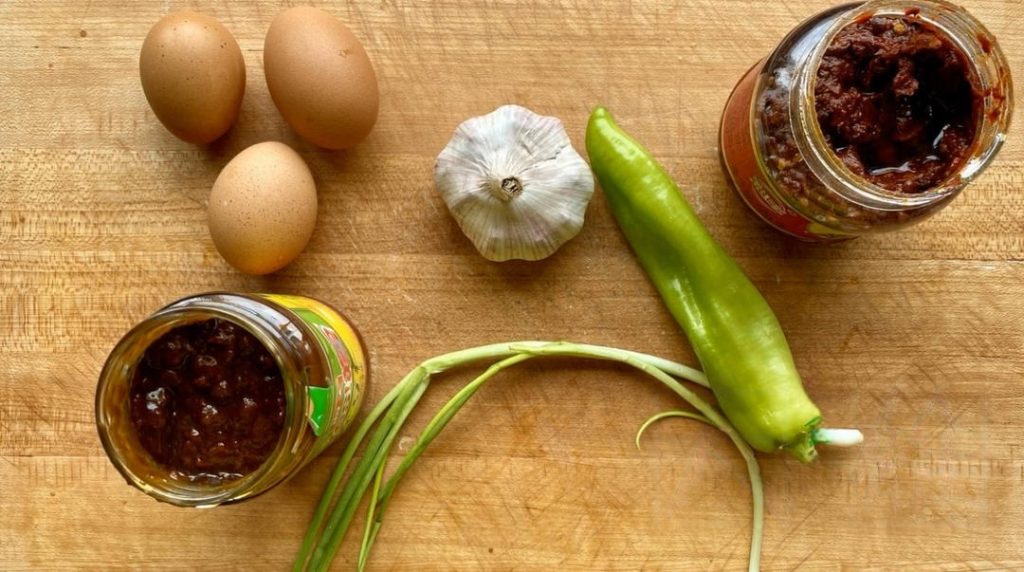
- Yellow Soybean Paste (Huang Dou Jiang): This is the soul of the dish. It is a salty, fermented paste made from soybeans and wheat flour. It has a savory depth similar to miso but is saltier and funkier.
- Where to buy: You can find Yellow Soybean Paste (or Huang Dou Jiang) at Asian markets.
- Substitutes: If you cannot find Northeast soybean paste, you can use Sweet Bean Sauce (Tian Mian Jiang) for a sweeter version, or Korean Doenjang. In a pinch, Japanese Miso works, though it is milder.
- Pixian Doubanjiang (Optional): Traditional Northeast sauce isn’t spicy, but I like to add a spoonful of Doubanjiang (Sichuan Chili Bean Paste) for a complex kick. If you prefer a non-spicy version, simply omit this and use more soybean paste.
- Eggs: You’ll need 3 large eggs. Since eggs are a main component here, similar to my Chinese Chives and Eggs, try to use fresh, high-quality eggs.
- Green Chili Pepper: The recipe calls for a “sharp” pepper. I recommend using a Jalapeño or Anaheim pepper. If you want zero heat, a green bell pepper works perfectly to add crunch.
- Aromatics: Plenty of garlic and scallions (green onions) are non-negotiable.
Recipe Notes Before You Start
The Salinity Factor: Fermented soybean pastes are very salty. Do not add extra salt to this recipe. The paste itself provides all the seasoning you need. If you find the final sauce too salty for your taste, you can balance it with a teaspoon of sugar.
The “Frying” Technique: In Chinese, this method is called Zha (炸), which implies frying the sauce in oil. You need slightly more oil than a standard stir-fry. The oil acts as a preservative and helps emulsify the sauce, giving it that glossy, restaurant-quality sheen.
How to Make Northeast Egg Sauce
Step 1: Prep the “Sauce Base”
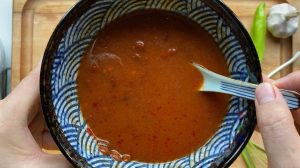
First, we need to dilute our pastes so they simmer rather than burn. In a small bowl, mix 3 tablespoons of Yellow Soybean Paste with 1 tablespoon of Doubanjiang.
Add about 4 tablespoons of water (a 1:1 ratio of water to sauce). Stir until smooth.
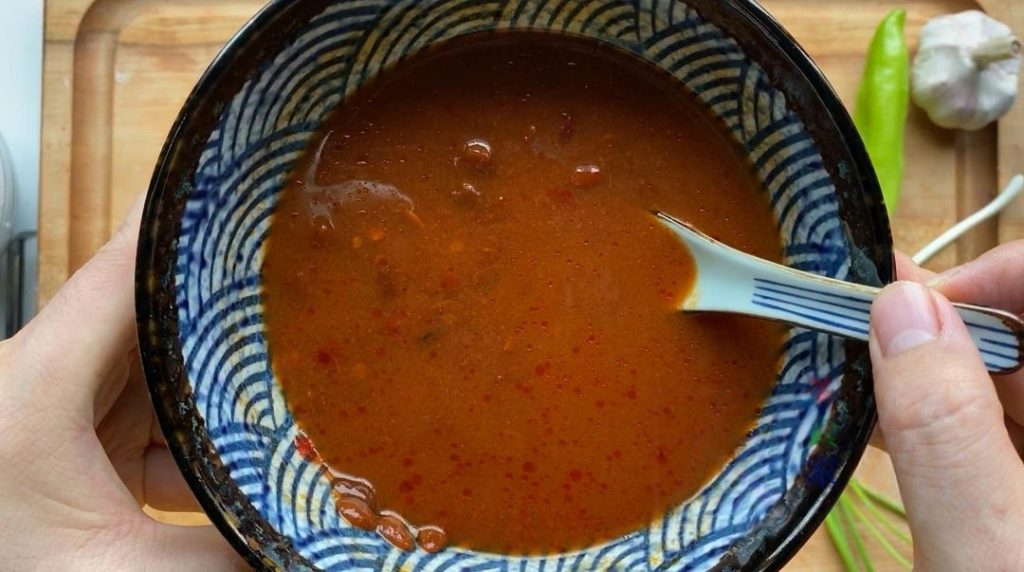
Step 2: Mise en Place
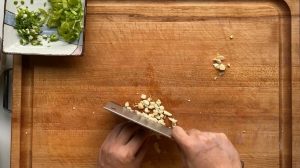
Crack 3 eggs into a bowl and beat them well. If you love eggs, feel free to use 4! Finely chop 2 scallions (green onions) and 4 cloves of garlic. Slice 1 green chili pepper (like a Jalapeño) in half lengthwise, remove the seeds if you want less heat, and slice into thin strips or small dice.
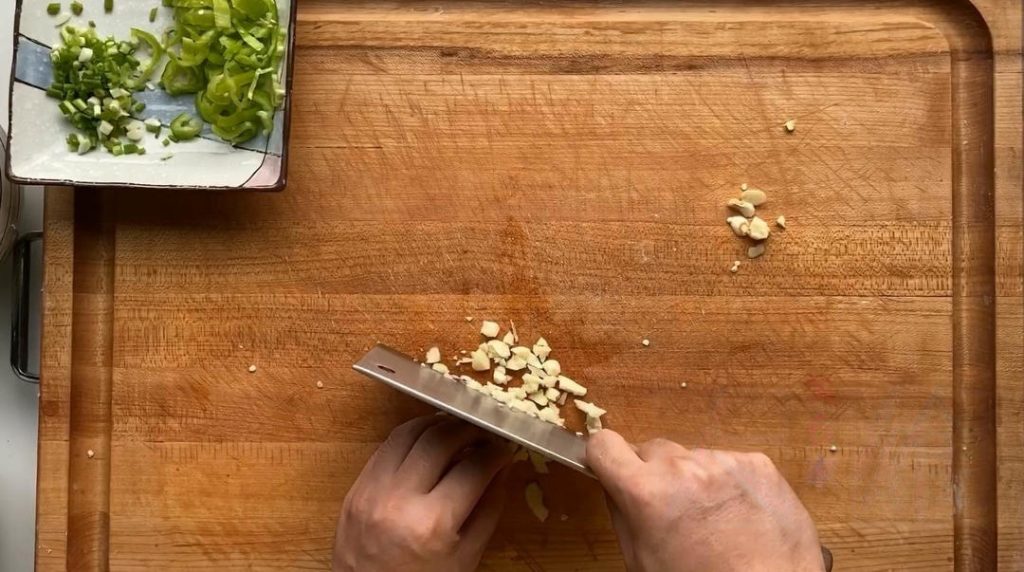
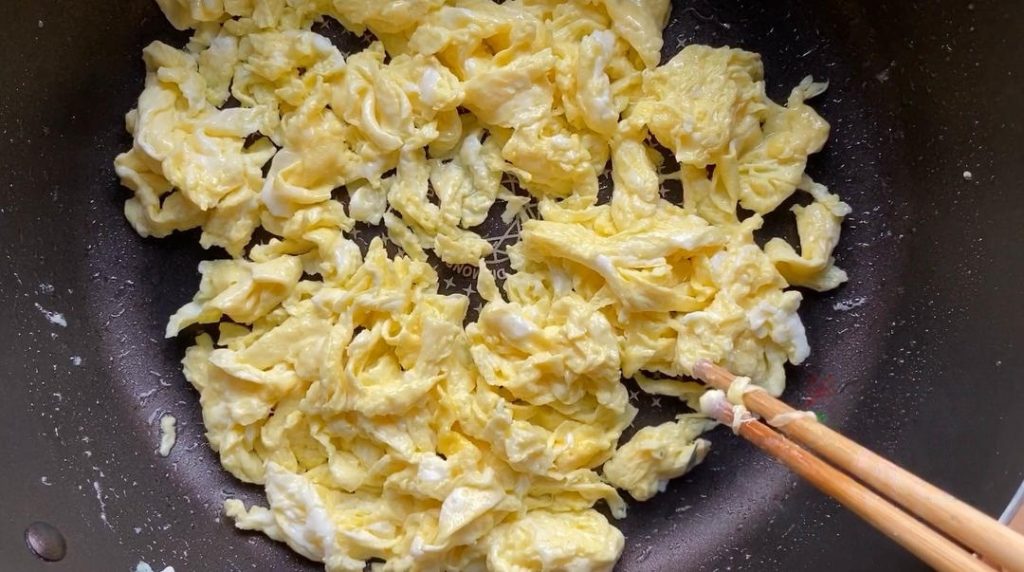
Step 3: Scramble the Eggs
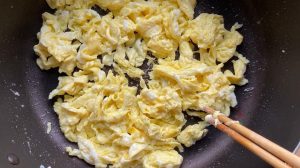
Heat your wok or skillet over medium-high heat. Add 2 tablespoons of oil. Pour in the beaten eggs. Stir continuously with a spatula or chopsticks. Tip: As soon as the eggs set but are still slightly runny (about 30-45 seconds), turn off the heat and remove them to a plate. This keeps them tender, just like in my Tomato and Egg Stir-fry.
Step 4: Fry the Sauce
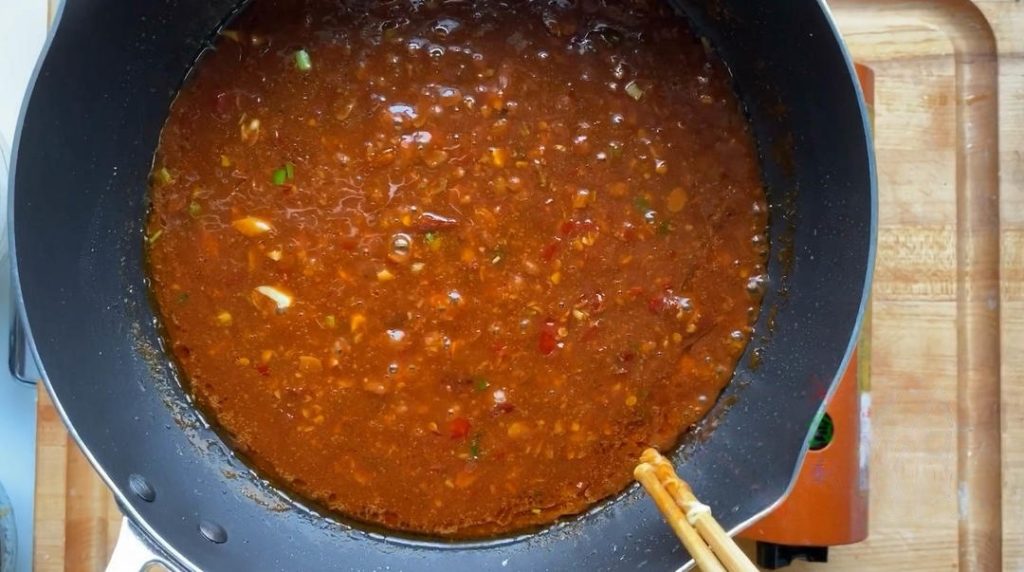
Do not wash the pan. Add another 2 tablespoons of oil and turn the heat to low. Add half of your chopped scallions and garlic. Stir-fry gently until fragrant (about 30 seconds). Do not burn them.
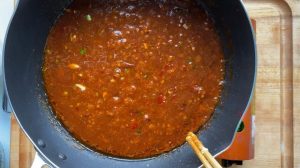
Pour in your diluted sauce mixture. Keep the heat on low. Stir constantly. You will see small bubbles forming. Simmer this for about 5 minutes. Why do we do this? Frying the raw bean paste removes the raw fermented taste and brings out the aromatic esters in the soy.
Step 5: Combine and Finish
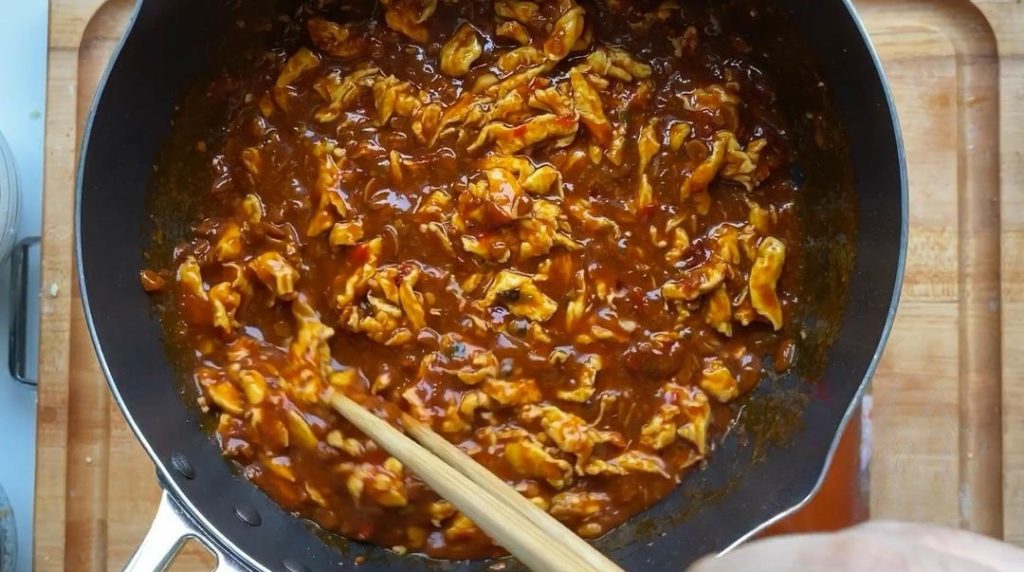
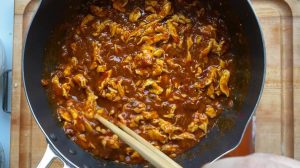
Add the cooked eggs back into the bubbling sauce. Stir well to break the eggs into smaller chunks so they absorb the flavor. Simmer for another 2 minutes.
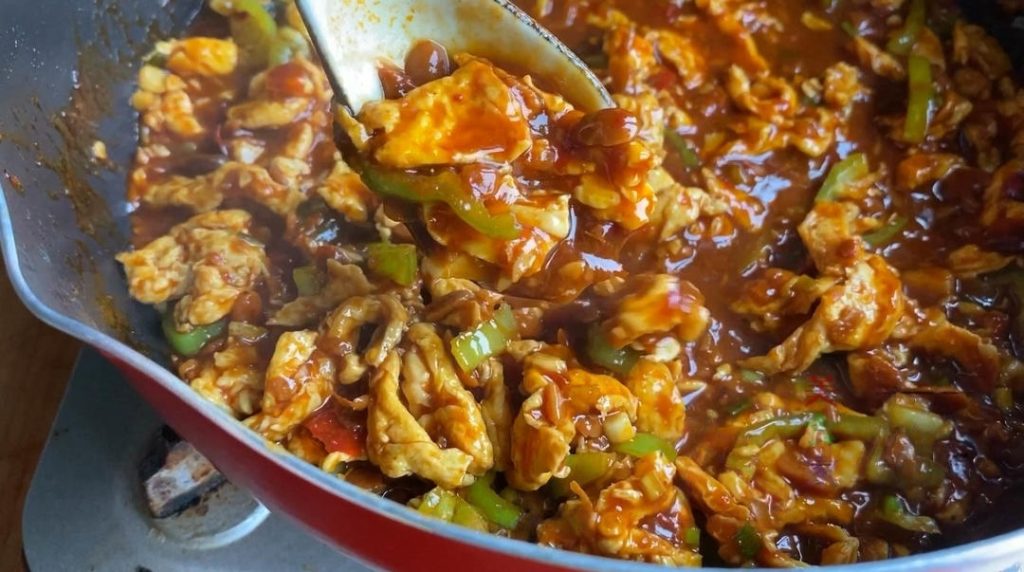
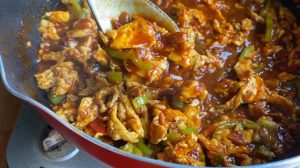
Finally, dump in the remaining half of the scallions, garlic, and the sliced green peppers. Give it a quick stir to mix, then immediately turn off the heat. Note: Adding fresh aromatics at the end adds a pungent, fresh kick that cuts through the richness of the paste.
Serving Suggestions
This sauce is incredibly versatile. Here is how I serve it at home:
- The Classic Way (Zhan Jiang Cai): Serve warm or cold alongside a platter of raw cucumber spears, radishes, lettuce leaves, and cilantro. Dip the veggies directly into the sauce.
- Noodles: This is a cousin to the famous Beijing Fried Sauce noodles (Zha Jiang Mian). Boil some wheat noodles, ladle this egg sauce on top, and mix.
- Buns and Bread: Spread it inside Beijing-Style Steamed Buns or spread it on a warm Sesame Paste Flatbread.
- Rice: Simply spoon it over hot white rice for a comfort meal.
Common Mistakes When Making Egg Sauce
- burning the Paste: Soybean paste contains sugar and starch; it burns easily. Solution: Always dilute the paste with water before cooking and keep the flame on low/medium-low once the sauce is in the pan.
- Overcooking the Eggs: If you cook the eggs until hard in the first step, they will become rubbery after simmering in the sauce. Solution: Remove the eggs when they are barely set.
- Making it Too Salty: Beginners often add salt or soy sauce out of habit. Solution: Trust the paste. Taste at the very end. If it is too salty, add a pinch of sugar or chopped onions to sweeten it.
Food Safety and Storage
- Storage: This sauce keeps remarkably well because of the high salt content. Store it in an airtight container in the refrigerator for up to 1 week.
- Reheating: Reheat in a microwave or on the stovetop. If it has dried out in the fridge, add a splash of water to loosen the texture.
- Safety: Ensure eggs are cooked through to a safe temperature if you are serving immune-compromised individuals, though the double-cooking method in this recipe generally ensures safety.
About the Author & Recipe Development
I’m Lin, a chef born in Sichuan with over a decade of experience in professional kitchens. While my roots are in spicy Sichuan cuisine, my time traveling through Northern China taught me the beauty of wheat-based dishes and fermented sauces.
This recipe was developed to bridge the gap between authentic Northeast Chinese home cooking and the Western kitchen. I tested this recipe using widely available soybean pastes found in US markets to ensure the ratio of water to paste creates that perfect, glossy consistency without being overly salty.
Authoritative References
- Fermented Soybean Paste Nutrition: For details on the fermentation process and nutritional profile of soybean pastes, refer to this study by the National Institutes of Health (NIH): Fermented Soybean Foods and Health
- Egg Safety: For guidelines on handling and cooking eggs safely, please consult the U.S. Food and Drug Administration (FDA): What You Need to Know About Egg Safety
Nutrition Information (Estimate)
- Serving Size: 2 tablespoons
- Calories: ~90 kcal
- Protein: 4g
- Fat: 7g
- Carbohydrates: 4g
- Sodium: ~400mg
(Disclaimer: Nutrition information is calculated using an ingredient database and should be considered an estimate. In cases where multiple ingredient alternatives are given, the first listed is calculated for nutrition. Garnishes and optional ingredients are not included.)
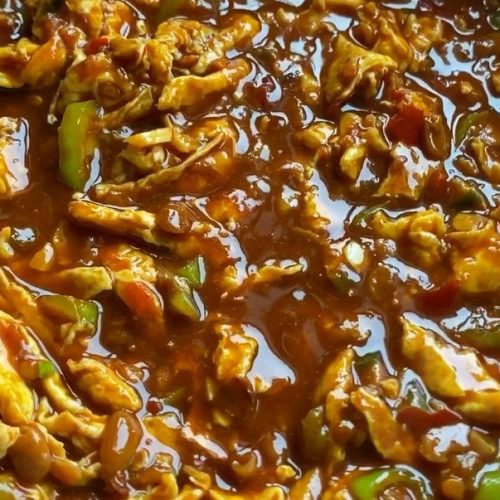
Northeast Chinese Egg Sauce (Ji Dan Jiang)

Equipment
- Wok or Non-stick Skillet
Ingredients
The Sauce Base
- 3 tbsp Yellow Soybean Paste (Huang Dou Jiang) or Korean Doenjang
- 1 tbsp Doubanjiang (Spicy Chili Bean Paste) optional, omit for non-spicy version
- 4 tbsp water
Stir-Fry Ingredients
- 3 large eggs beaten
- 1 green chili pepper Jalapeño or Anaheim, diced
- 2 stalks scallions (green onions) finely chopped
- 4 cloves garlic minced
- 4 tbsp neutral cooking oil divided use
Instructions
- Prep the sauce: In a small bowl, mix the Soybean Paste and Doubanjiang with the water. Stir until well combined and smooth.

- Prep aromatics: Finely chop the scallions and garlic. Dice the green pepper. Beat the eggs in a separate bowl.
- Scramble eggs: Heat 2 tablespoons of oil in a wok over high heat. Pour in the eggs and scramble quickly. Once they are just set (but still tender), remove them from the pan and set aside.
- Fry aromatics: Add the remaining 2 tablespoons of oil to the same pan. Turn heat to low. Add HALF of the chopped scallions and garlic. Stir-fry gently until fragrant.
- Simmer sauce: Pour in the diluted sauce mixture. Keep heat on low and stir constantly to prevent sticking. Simmer for about 5 minutes until the sauce bubbles and the oil starts to separate.
- Combine: Add the cooked eggs back into the sauce. Break them up slightly with your spatula. Simmer for another 2 minutes.
- Finish: Add the remaining half of the scallions, garlic, and the diced green peppers. Stir to mix and turn off the heat immediately. Serve warm with vegetables or noodles.



Leave a Reply