Mung bean cakes are the quiet heroes of a Chinese summer — pale green squares sold in pastry shops, eaten with tea, and gone in two bites. This xiachufang recipe makes them at home, and the method is gentler than you would expect: mung beans are soaked overnight, steamed until they crumble, blended smooth with milk, then cooked down with butter, maltose, and sugar into a silky paste that is pressed into cakes and chilled.
What makes these so good is the texture. The beans are steamed, not boiled, then blended with milk in small batches until completely smooth, and the paste is cooked until it stops sticking to the spatula. Butter and maltose give it a soft, melting quality and a sweetness that is present but never heavy. The cook even notes this version is made for people who do not love sugar — though she warns it still carries plenty of calories.
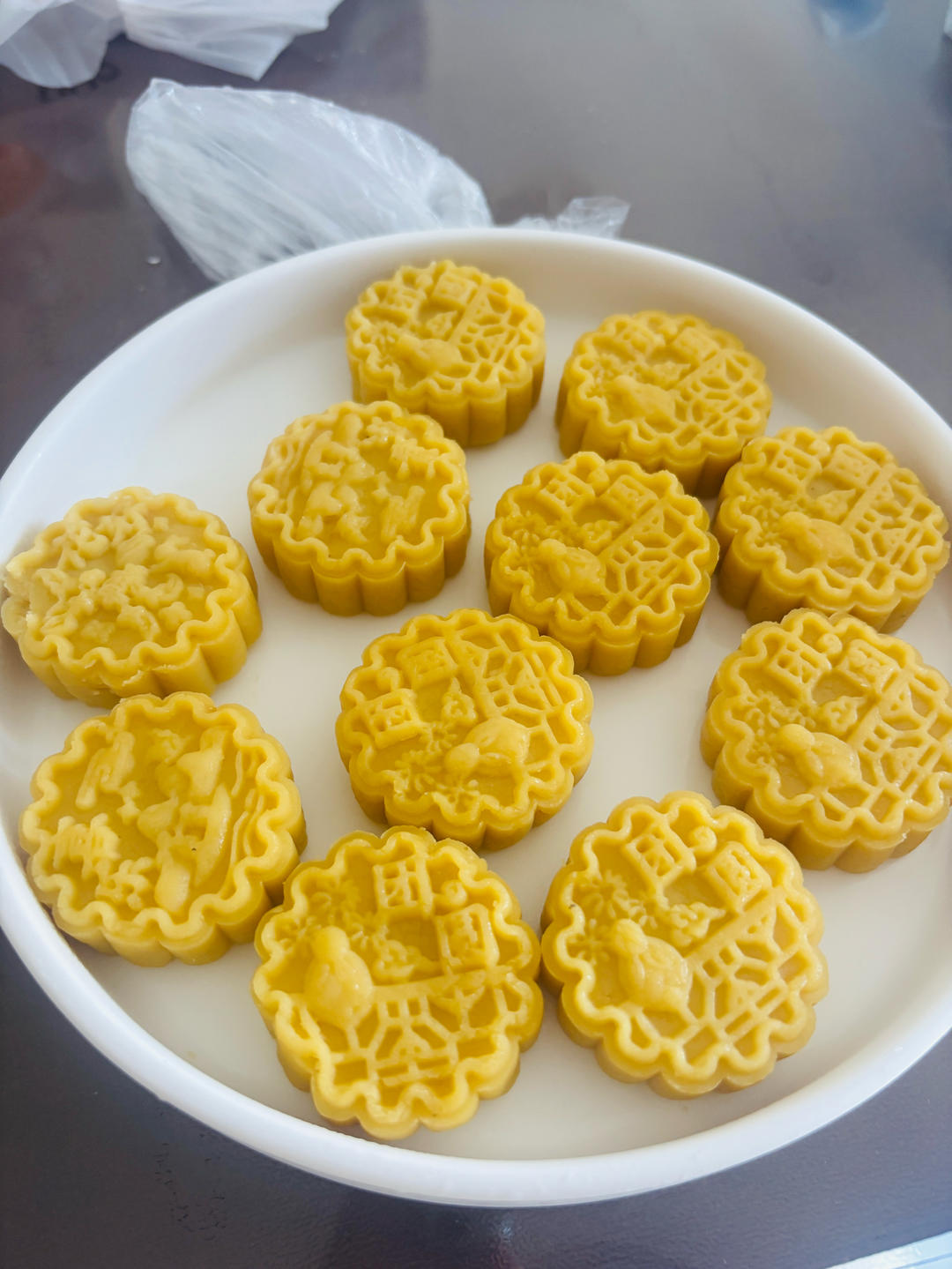
What Are Mung Bean Cakes (绿豆糕)?
Mung bean cakes are a traditional Chinese sweet made from steamed mung beans, sugar, and fat (often butter or lard), pressed into shapes and eaten chilled. The texture should be smooth and slightly dense, melting on the tongue, with a mild, sweet, faintly grassy flavor from the beans.
This version uses a modern set of ingredients: butter for richness, maltose for a softer, less sugary sweetness, and milk powder plus milk to blend the beans into a silky paste. Soaking the beans overnight and steaming them keeps the flavor clean, and cooking the paste down with fat and sugar is what turns plain beans into something that holds a shape and melts in the mouth.
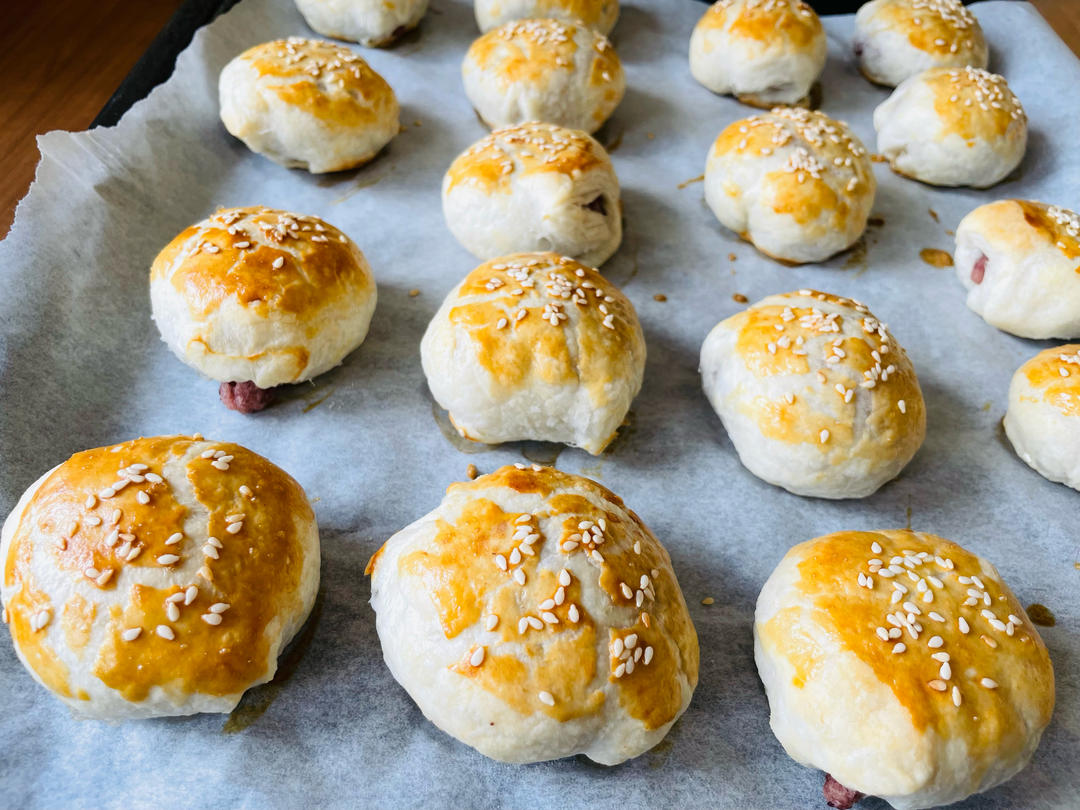
If you enjoy traditional Chinese sweets, my red bean puff pastry bites are a flaky counterpart to these soft, smooth cakes.
1Red Bean Puff Pastry Bites (红豆酥): Easy Sweet PastryFlaky puff-pastry bites filled with a quick homemade red bean paste and baked until golden — a shortcut 红豆酥 for any kitchen.Check out this recipe
Why This Recipe Works
- Soaking then steaming keeps the beans clean-tasting. An overnight soak and an hour of steaming soften the beans without washing their flavor away.
- Blending with milk makes the paste silky. Adding milk in small batches while blending turns the beans completely smooth.
- Cooking the paste to the right dryness matters. The cook stops when the paste no longer sticks to the spatula — drier for a firmer cake, softer for a melt-in-mouth texture.
- Maltose gives a gentler sweetness. It is less sweet than sugar and keeps the cakes soft; the recipe leans on it heavily.
- Butter and milk powder add richness. They turn plain bean paste into something that tastes like a pastry-shop sweet.
Equipment Needed
- Large bowl for soaking
- Steamer
- Blender or food processor
- Wide pan or wok for cooking the paste
- Cake mold or small cups
Ingredients
- 500 g (2.5 cups) dried mung beans, soaked 5+ hours
- 140 g (10 tbsp) butter
- About 660 g (2.75 cups) whole milk, adjusted as needed
- 100 g (1/3 cup) maltose (麦芽糖)
- 40 g (3 tbsp) fine sugar
- 70-100 g (1/2 to 2/3 cup) milk powder
Ingredient Notes
Dried mung beans (绿豆). Soak at least five hours, changing the water two or three times; overnight in the fridge is easiest. Steamed beans should crumble to powder between your fingers.
Maltose (麦芽糖). A thick, mild syrup that sweetens less aggressively than sugar and keeps the cakes soft. If you use less, the cook says simply add more sugar.
Milk powder. Adds creaminess; the cook uses about 100 g from packets, but 70-80 g works if you weigh it.
Prep & Mise en Place
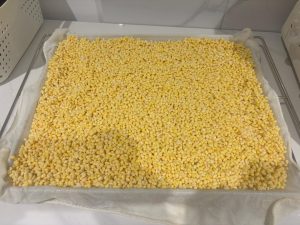
Soak the mung beans overnight or at least five hours, changing the water a few times. Drain them and spread them on a steamer cloth, then steam about 60 minutes until a bean crushes to powder. Have the butter, maltose, sugar, milk powder, and milk measured so the paste cooks without interruption.
Cooking Process
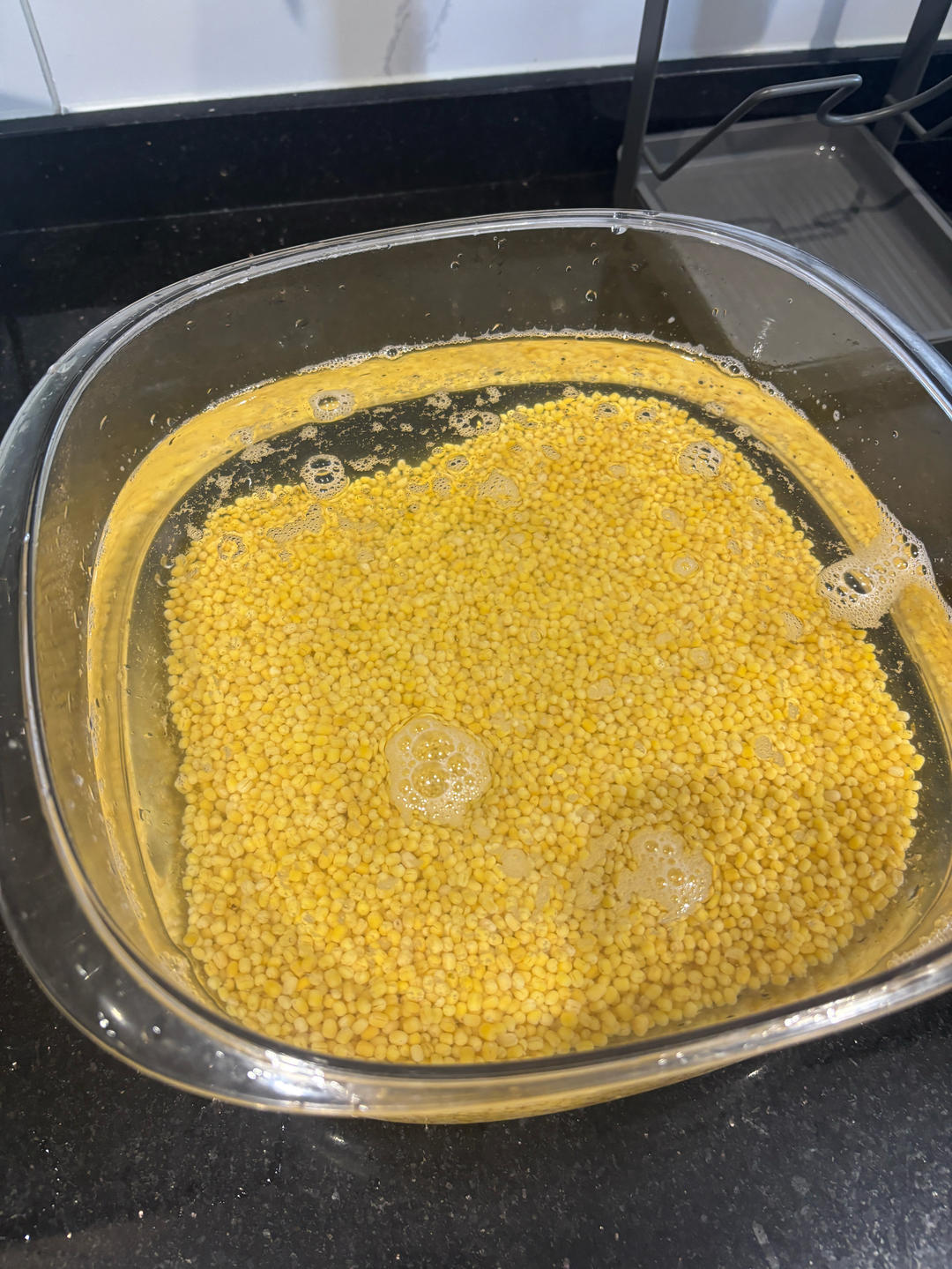
Step 1 — Soak the Beans
Soak the mung beans at least five hours, changing the water two or three times; put them in the fridge if soaking overnight.
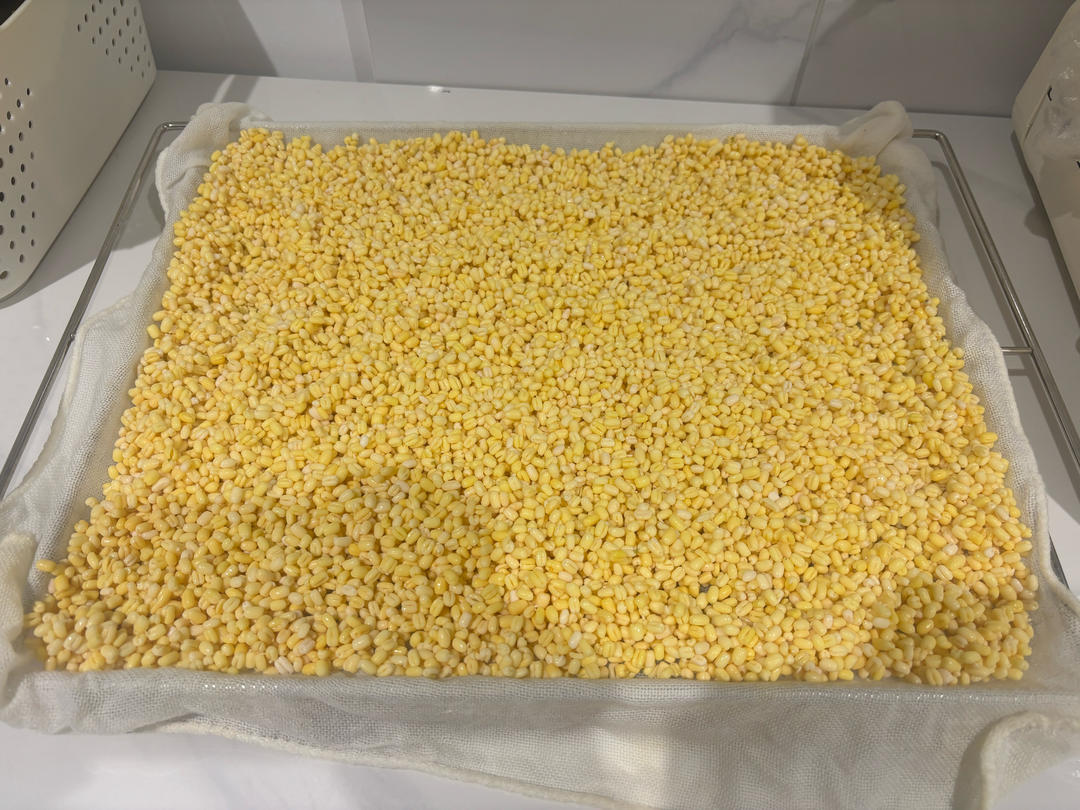
Step 2 — Steam Until They Crumble
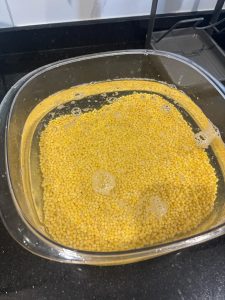
Spread the drained beans on a steamer cloth and steam about 60 minutes. They are ready when a bean crushes to powder between your fingers.
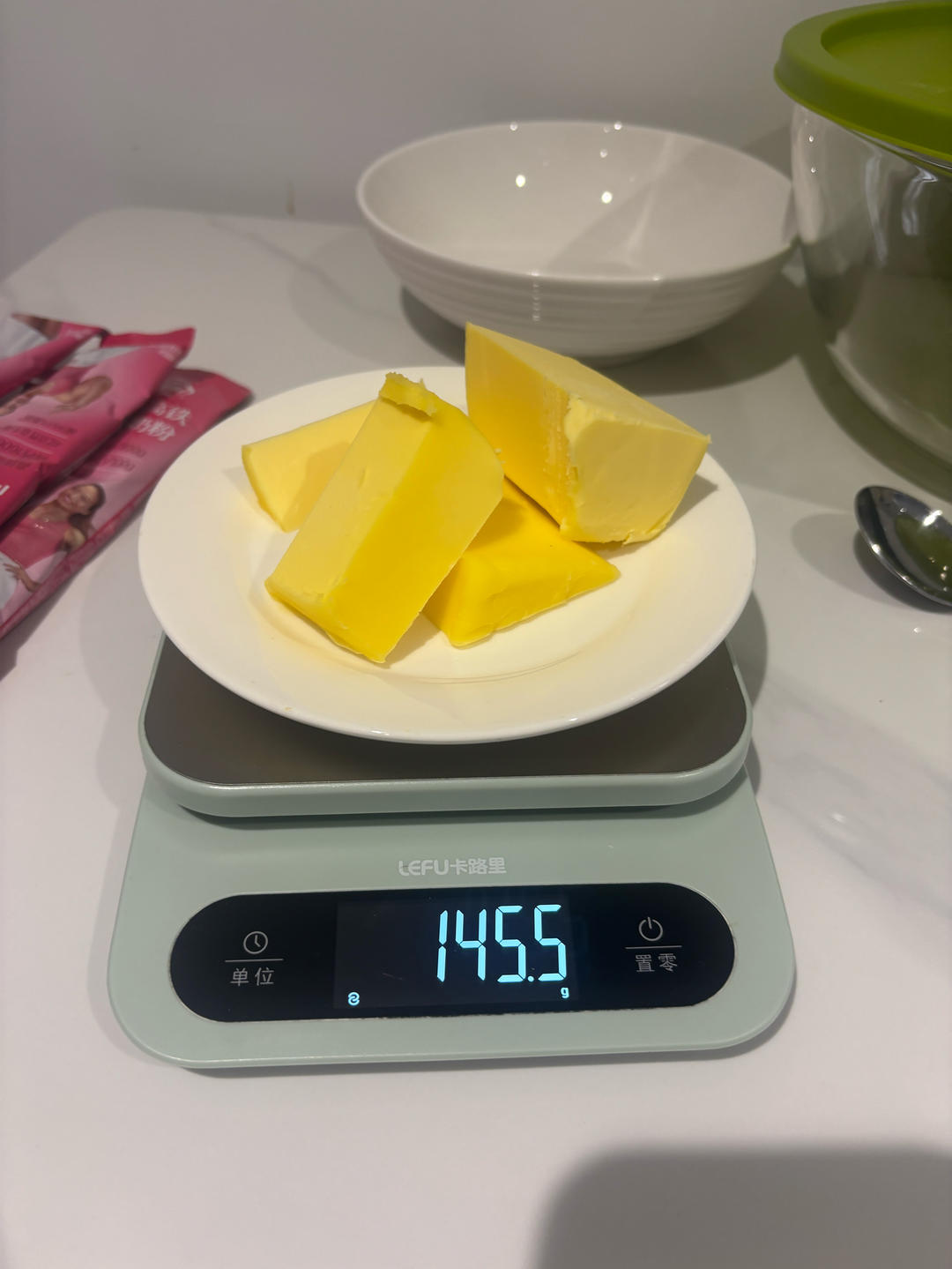
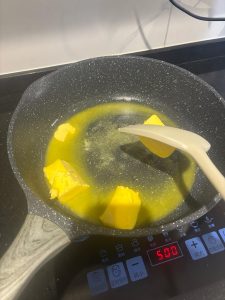
Step 3 — Measure the Butter
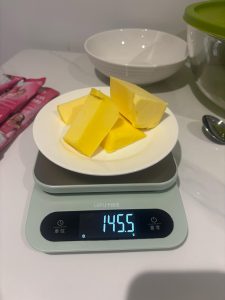
Weigh out about 140 g of butter; a little extra does not hurt.
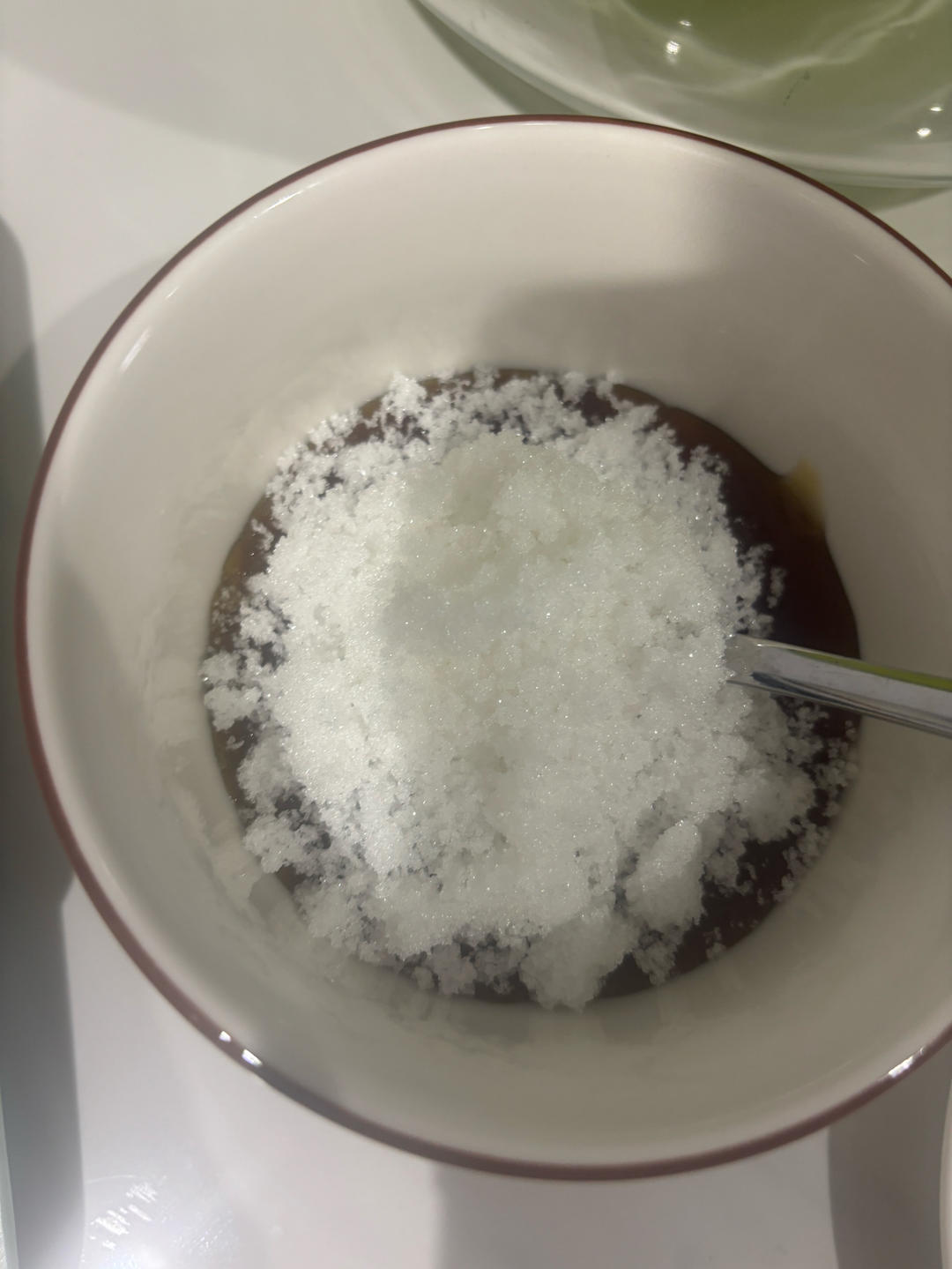
Step 4 — Add Maltose and Sugar
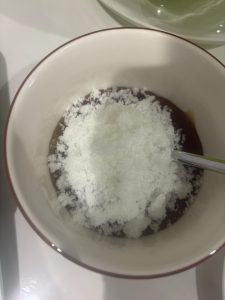
Have the maltose and fine sugar ready. If you use less maltose, increase the sugar to compensate — maltose is less sweet and keeps the cakes soft.
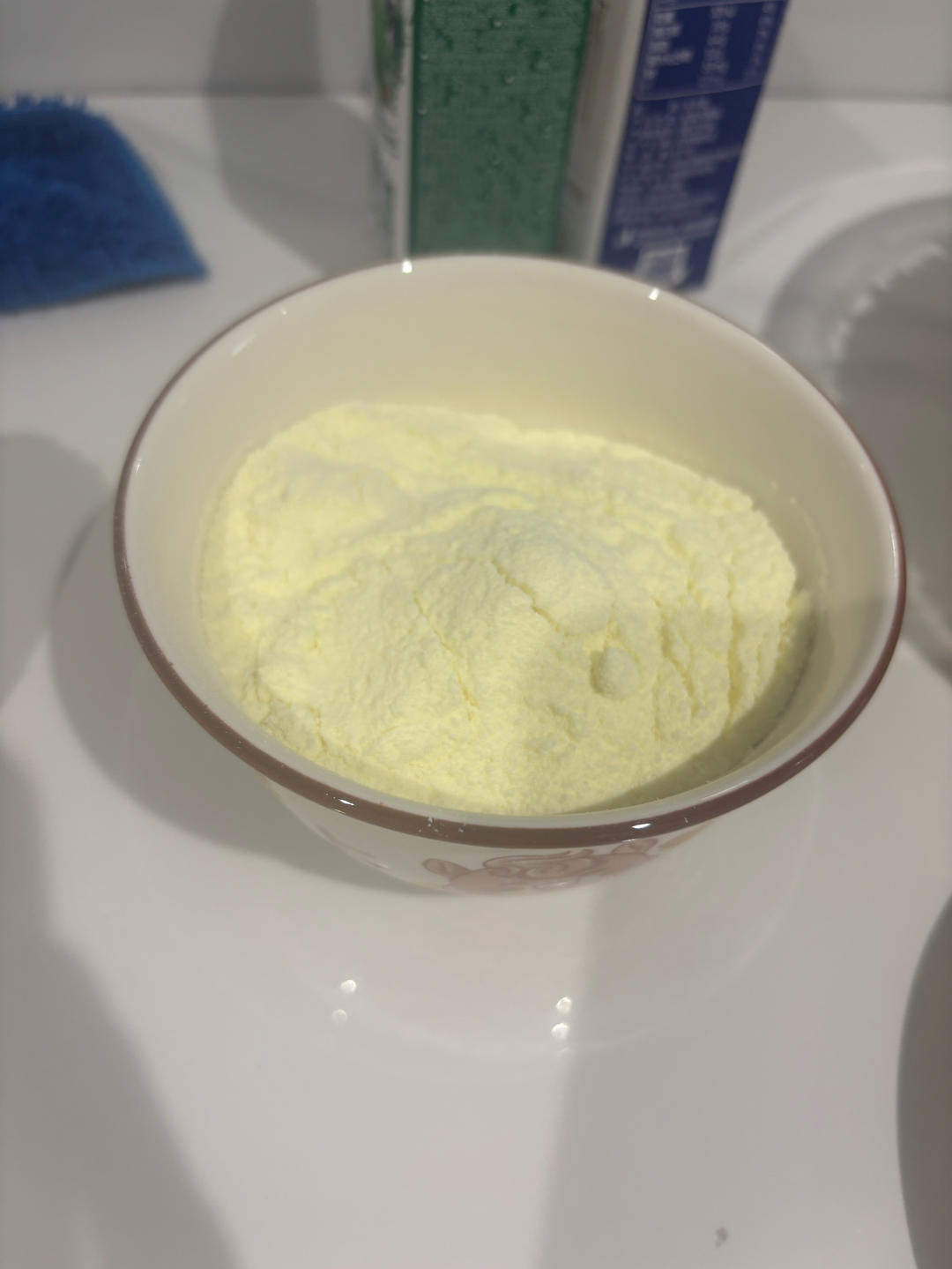
Step 5 — Measure the Milk Powder
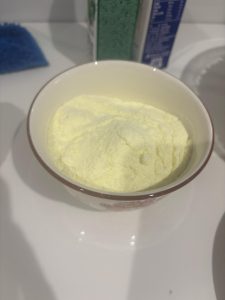
Measure the milk powder — about 80 to 100 g depending on preference.
Step 6 — Blend the Beans With Milk
Blend the steamed beans with the milk in small batches, adding milk gradually, until the mixture is as smooth as possible.
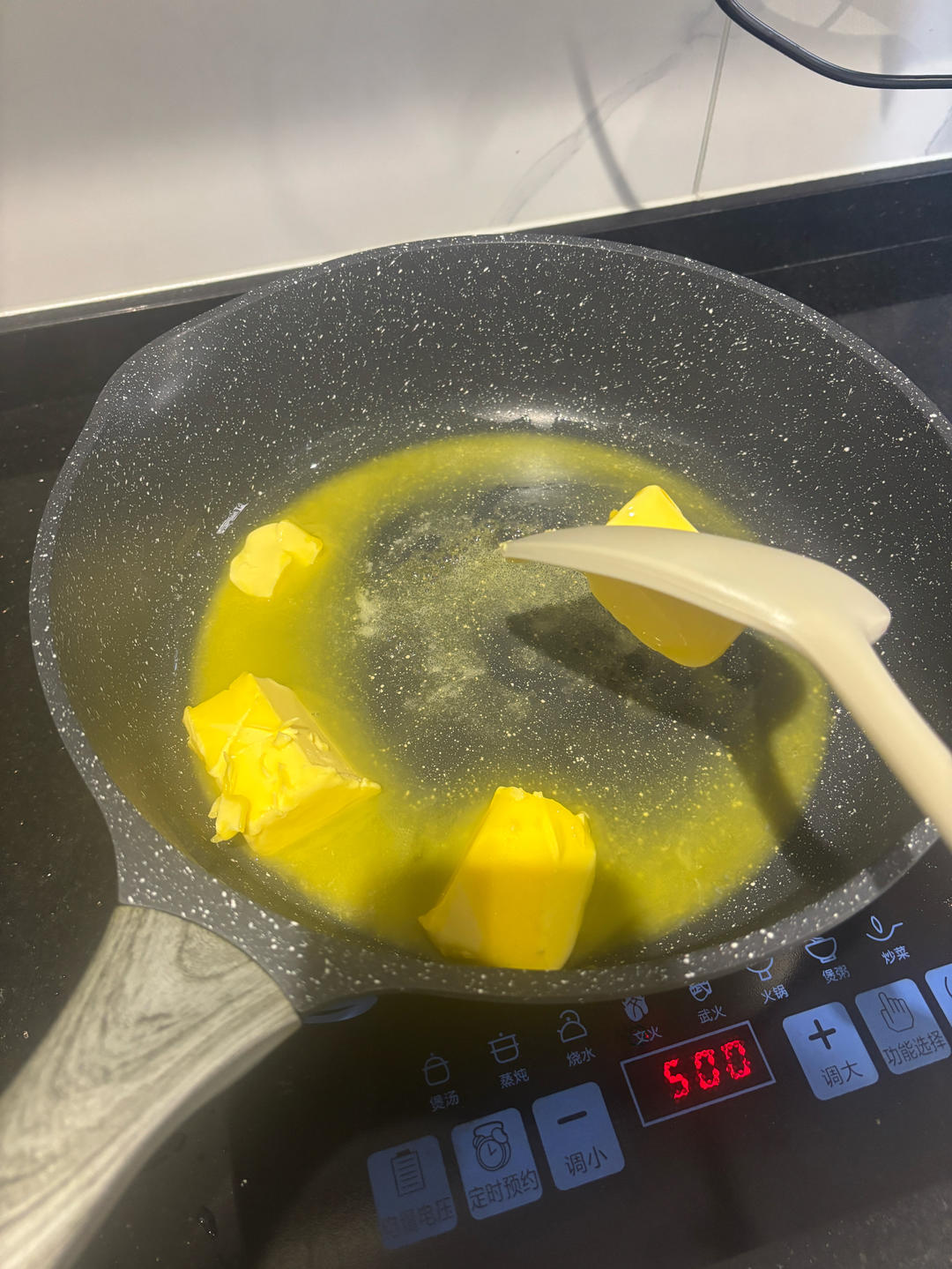
Blending in small batches with gradual milk is what separates a silky cake from a grainy one. Mung beans are starchy and thicken fast; adding all the liquid at once overloads the blender and leaves lumps, while small additions let the blades work the paste to a truly smooth consistency before it goes into the pan.
Step 7 — Cook the Paste Down
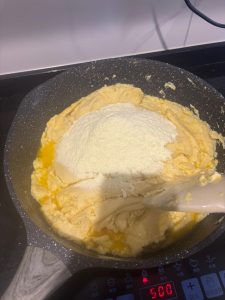
Cook the blended paste with the butter, maltose, sugar, and milk powder, stirring, until most of the water has evaporated and the paste no longer sticks to the spatula. Stop earlier for a softer, creamier cake, or cook longer for a drier, firmer one.
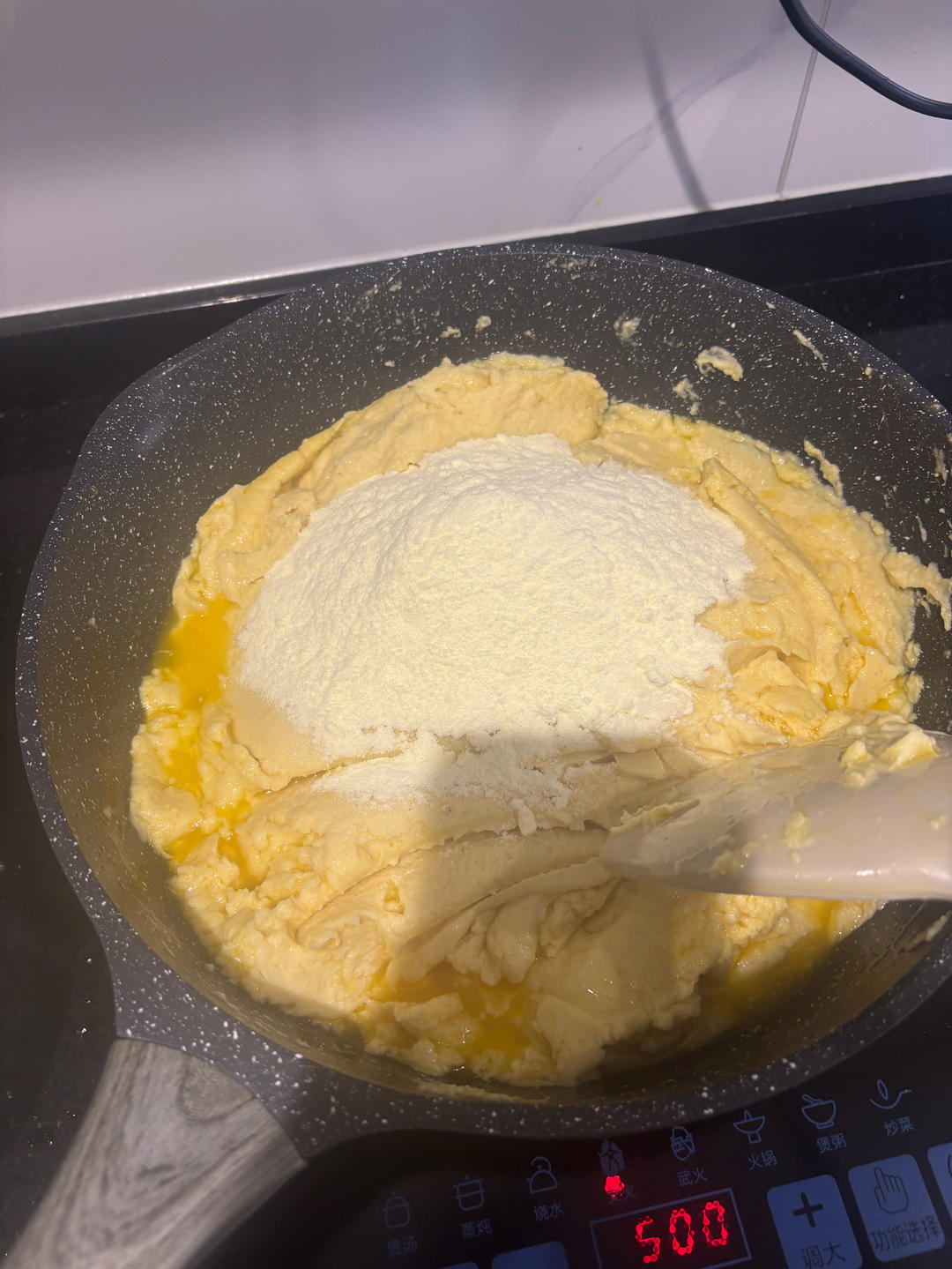
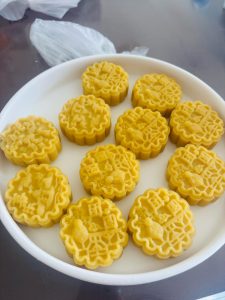
Step 8 — Press and Chill
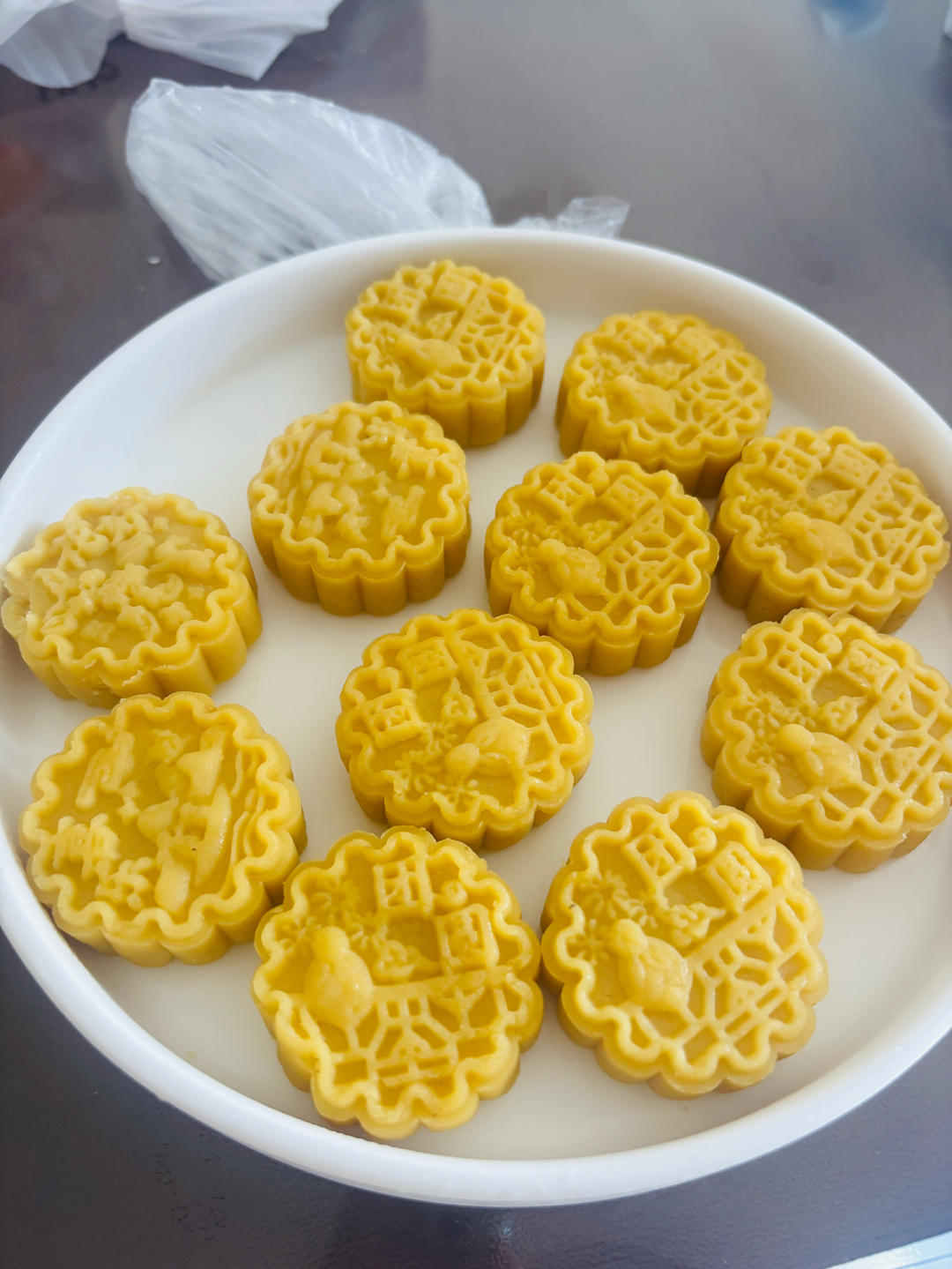
Press the paste into molds or shape 30 g portions, then chill until firm. The cook notes this version suits people who do not like sweet things, but it is still rich — it will not help the scale the next morning.
Common Mistakes When Making Mung Bean Cakes
1. The cakes are grainy. Cause: under-steamed beans or rushed blending. Fix: steam until a bean crumbles to powder and blend in small batches with gradual milk.
2. The paste is too soft to shape. Cause: not cooked down enough. Fix: keep cooking until the paste pulls away from the spatula.
3. They taste too sweet. Cause: too much sugar. Fix: lean on maltose, which is less sweet, or reduce the sugar.
4. The cakes crack when pressed. Cause: paste too dry or too cool. Fix: press while the paste is still warm, and cook a little less for a softer set.
5. They spoil quickly. Cause: no refrigeration. Fix: keep the cakes covered and refrigerated; they contain butter and milk.
Variations
Red bean version. Swap in cooked red bean paste for a deeper, earthier cake.
Less sweet. Reduce the sugar to 20 g and increase the maltose slightly.
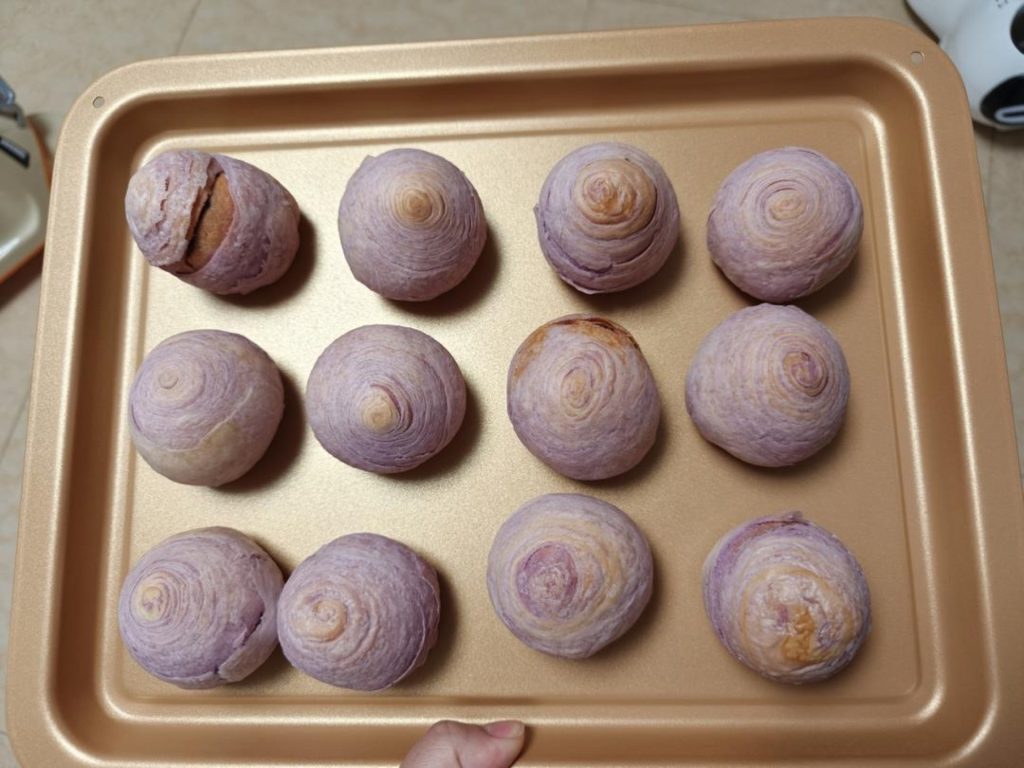
Shaped cakes. Press the paste into mooncake molds for festive patterns, like the style used for taro-filled buns.
Frequently Asked Questions
Can I use mung bean flour instead? The recipe uses whole beans, which give the best texture; flour-based versions are faster but less silky.
Do I need maltose? It keeps the cakes soft and less sweet; if you skip it, add more sugar and expect a firmer set.
How long do they keep? Refrigerated and covered, about 3 days; they contain butter and milk.
Can I freeze them? Yes, for up to a month; thaw in the fridge before serving.
Are they vegan? Not as written — butter and milk are used. Swap in plant butter and oat milk for a vegan version, or try the dairy-free pumpkin steamed buns instead.
How to Serve
Serve the chilled cakes with tea as an afternoon sweet, alongside Chinese date cake and millet sticky rice cake for a traditional sweets plate, or with shortbread cookies and lemon cookies for a bakery-style tea table.
Storage & Reheat
Store the cakes in a sealed container in the refrigerator for up to 3 days, or freeze for up to a month. Serve cold or at room temperature — no reheating needed. Because they contain butter and milk, do not leave them at room temperature for more than a few hours.
Allergen Notice
Contains dairy (butter, milk, milk powder). Mung beans are legumes.
Nutrition Disclaimer
Nutrition information is calculated using an ingredient database and should be considered an estimate. In cases where multiple ingredient alternatives are given, the first listed is calculated for nutrition. Garnishes and optional ingredients are not included.
About the Author & Recipe Development
I am Lin, and I grew up in my parents’ restaurant kitchen in Chengdu, where summer meant cold sweets and the pastry shop’s mung bean cakes were a small, pale-green luxury. This xiachufang recipe makes them at home with butter and maltose, which gives them a softer, richer character than the traditional lard version. I tested it twice: the first time I under-steamed the beans and the paste stayed grainy; the second time, steaming a full hour and blending in small batches, the cakes came out silky and smooth. The cook’s honesty about calories made me laugh — she is right, these are not diet food, and they are worth it anyway.
Authoritative References
USDA Safe Temperature Chart for refrigerating dairy-based desserts, and FDA safe food handling guidance.
Mung Bean Cakes (绿豆糕): Silky, Sweet, No-Bake Chinese Treat

Equipment
- Steamer
- Blender
- Wide pan
- Cake mold
Ingredients
For the Cakes
- 2.5 cups dried mung beans, soaked 5+ hours 500 g
- 10 tbsp butter 140 g
- 2.75 cups whole milk, adjusted as needed about 660 g
- 0.33 cup maltose (麦芽糖) 100 g
- 3 tbsp fine sugar 40 g
- 0.66 cup milk powder 70-100 g
Instructions
- Soak the mung beans 5+ hours, changing the water 2-3 times.

- Steam the drained beans about 60 minutes until they crumble to powder.

- Measure the butter (about 140 g).
- Have the maltose and sugar ready.
- Measure the milk powder.
- Blend the beans with milk in small batches until completely smooth.
- Cook the paste with butter, maltose, sugar, and milk powder until it no longer sticks to the spatula.
- Press into molds or shape 30 g portions and chill until firm.


Leave a Reply