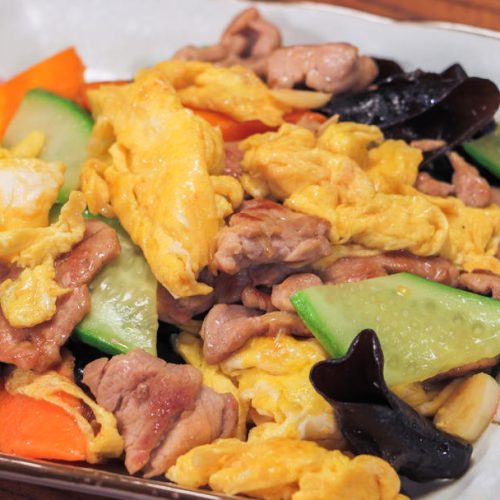
Moo Shu Pork (Mu Xu Rou) is a classic Northern Chinese dish that is often misunderstood in the West. While many takeout spots serve it with mandarin pancakes and hoisin sauce (almost like a burrito), the authentic, homestyle version I grew up eating is actually a vibrant, standalone stir-fry served alongside steamed rice.

It creates a beautiful nutritious balance: tender slices of pork, fluffy golden eggs, crunchy wood ear mushrooms, and crisp cucumber slices. It is colorful, savory, and incredibly comforting. If you are looking to expand your repertoire of “hard dishes” (a Chinese term for substantial, impressive main courses), this recipe is accessible and perfect for a weeknight dinner.
About the Author & Recipe Development
I’m Lin, and I grew up in a restaurant family where the rhythmic clanging of the wok was our background music. This recipe for Moo Shu Pork is based on the traditional methods my family used, but I’ve adapted it for the modern home kitchen.
Over the years, I’ve tested various cuts of meat and vegetable combinations. While traditional recipes often call for dried lily buds (golden needles), they can be hard to find in the US and Europe. I’ve omitted them here to make this recipe more accessible without sacrificing the soul of the dish. I’ve also standardized the sauce ratios to ensure you get that glossy, savory coating every single time. My goal is to help you cook with confidence, knowing these methods are rooted in professional Sichuan and Northern Chinese culinary practices.
What is Moo Shu Pork?
“Moo Shu” (or Mu Xu) refers to the yellow cassia blossoms, which the scrambled eggs in this dish resemble. It is a staple of Northern Chinese home cooking.
The beauty of this dish lies in its contrasting textures. You have the soft, savory egg, the slippery and crunchy wood ear mushrooms, and the refreshing snap of cucumber. Unlike the heavy, sweet sauces found in some Americanized versions, the authentic flavor profile here is savory and aromatic, with just a hint of tanginess from vinegar added at the very end to lift the flavors.
Update: A Faster Way to Enjoy This Classic
Since publishing this traditional recipe, I’ve received many requests for a version that fits into a busy 20-minute weeknight schedule. I am thrilled to share that I have documented my family’s streamlined approach in a brand new guide: Moo Shu Pork (20-Minute Home Style). While the recipe on this page honors the classic restaurant-style preparation (perfect for weekends!), our new version focuses on speed and simplicity without sacrificing that signature savory crunch. I recommend bookmarking both so you have the perfect method for any occasion.

Why This Recipe Works
- Velveting the Meat: We coat the pork slices in a cornstarch slurry before cooking. This protective layer creates a barrier against the high heat, ensuring the meat stays silky and tender rather than turning tough and dry.
- Temperature Control: We scramble the eggs in hot oil to make them fluffy, but we cook the pork starting with cooler oil to prevent the pieces from sticking together.
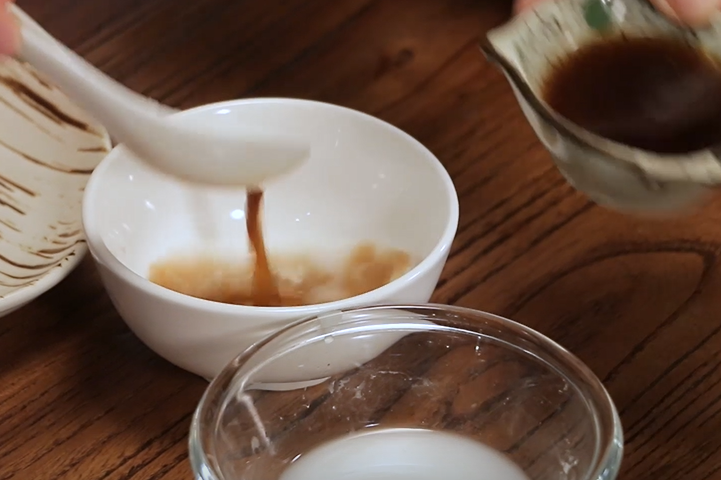
- The Finishing Sauce: Instead of adding seasonings one by one, we use a pre-mixed bowl sauce containing starch and vinegar. This technique, often used by chefs, ensures the sauce thickens instantly and coats every ingredient evenly.
Key Ingredients & Substitutions
- Pork: I recommend using pork loin or tenderloin for this recipe. It is lean and cuts easily. If you need tips on handling this cut, check out my guide on Pork Tenderloin: Proper Cutting and Common Mistakes. Substitutions: You can easily swap this for chicken breast or beef flank steak.
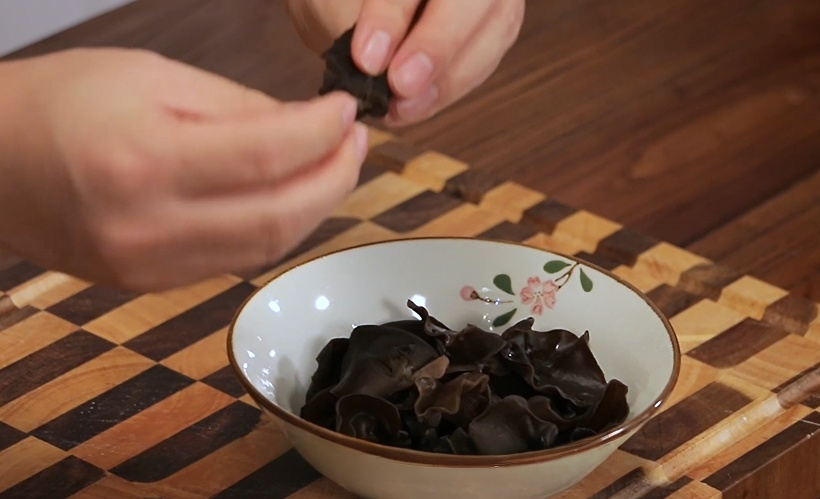
- Wood Ear Mushrooms: These are sold dried and need to be rehydrated. They have a unique, crunchy, jelly-like texture. They are also a key ingredient in our Hot and Sour Soup.
- Eggs: You will need 3 large eggs. The eggs act as a second protein and add a wonderful richness.
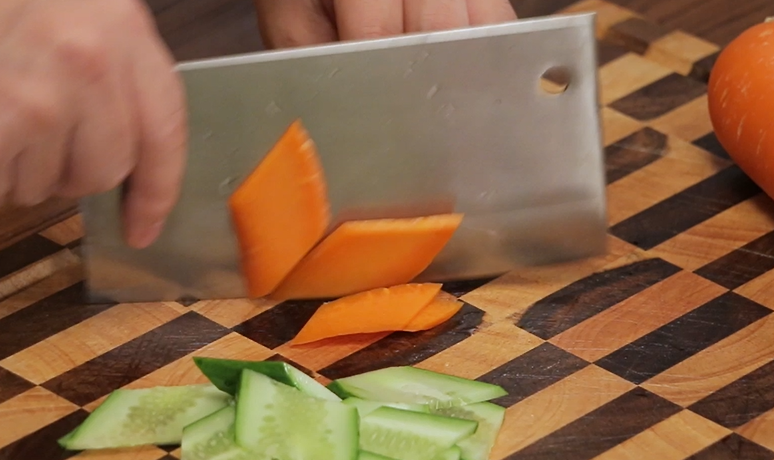
- Vegetables: We use cucumber and carrot for color and crunch. Slicing them into diamond shapes (parallelograms) is the traditional presentation.
- Seasonings: You will need Light Soy Sauce for saltiness, Sesame Oil for aroma, and Chinese Black Vinegar (Chencu) for a subtle acidity that cuts through the richness.
Recipe Notes Before You Start
Hydrating Mushrooms: If you are in a rush, use hot water to soak the dried wood ear mushrooms; they will expand much faster. However, if you have time, cool water yields a slightly better crunch.
Knife Skills: Try to cut your pork, carrots, and cucumbers into similar sizes. This ensures everything cooks at the same rate and makes the dish look professional.
Wok Temperature: You don’t need a professional burner, but preheating your pan is crucial for the eggs. However, for the pork, we want a “warm” pan, not smoking hot, to prevent the starch coating from seizing up too fast.
Mise en Place
Preparation is 90% of the work in a stir-fry.
- Soak: Get your wood ear mushrooms hydrating.
- Slice: Cut your cucumber, carrot, and aromatics (scallion, ginger, garlic).
- Marinate: Slice the pork and mix it with the marinade.
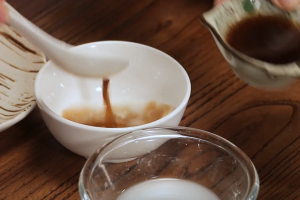
- Sauce: Mix your finishing sauce in a small bowl.
Common Mistakes When Making Moo Shu Pork
- Overcooking the Eggs: Eggs cook in seconds. If you brown them too much in the first step, they will be rubbery by the time you add them back to the stir-fry. Reference my Scrambled Eggs with Shrimp for tips on keeping eggs silky.
- Adding Cucumber Too Early: Cucumbers have high water content. If you add them too early, they will lose their crunch and make the dish watery. Always add them in the final minute.
- Skipping the Vinegar: You might be tempted to skip the vinegar, but don’t! It doesn’t make the dish sour; it brightens the flavors and balances the savory soy sauce.
How to Make Moo Shu Pork
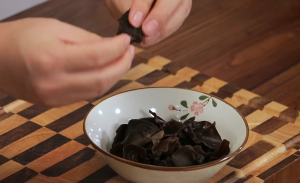
Step 1: Prepare the Wood Ear Mushrooms Soak the dried wood ear mushrooms in warm water until fully hydrated and soft. This usually takes about 20 minutes with warm water. Rinse them thoroughly to remove any grit or sand. Tear them into small, bite-sized pieces. If there are any hard stems/roots attached, pinch them off and discard.
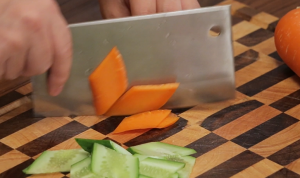
Step 2: Prepare the Vegetables Slice the cucumber and carrot diagonally into diamond shapes (parallelograms). You only need about half a cucumber and one-third of a carrot. Slice the scallion whites into rings, and thinly slice the ginger and garlic.
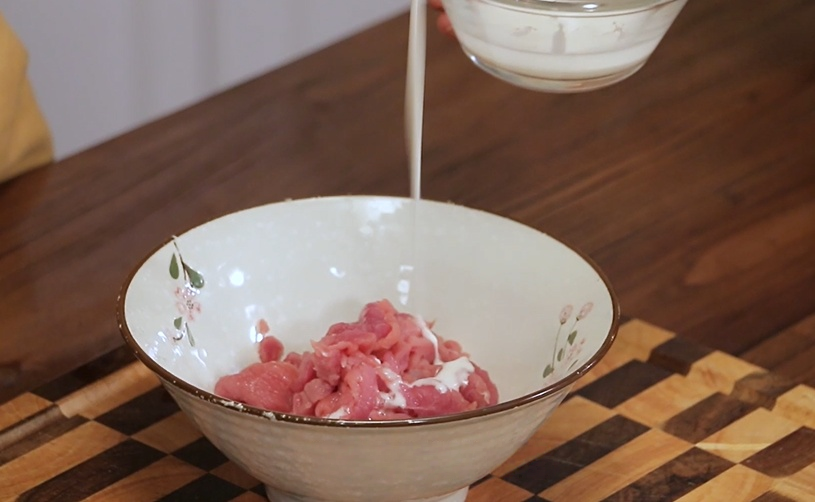
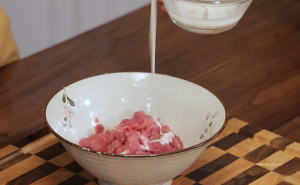
Step 3: Marinate the Pork Slice the pork loin into thin strips or slices. Place into a bowl and add a pinch of salt for base flavor. Add 2 teaspoons of cornstarch mixed with 1 tablespoon of water (water starch). Massage this mixture into the meat with your hand. This coating locks in moisture so the meat doesn’t get tough.
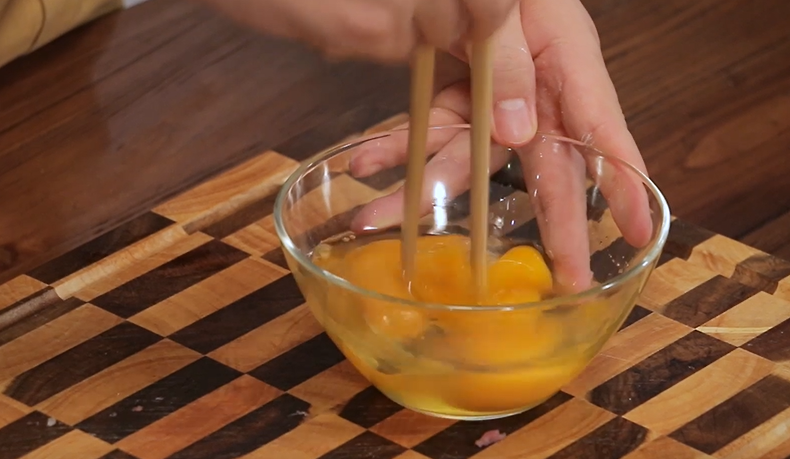
Step 4: Beat the Eggs Crack three eggs into a bowl. Add a pinch of salt and beat thoroughly until the yolks and whites are well combined.
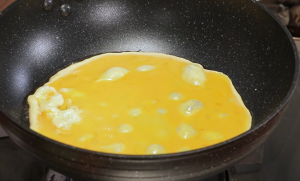
Step 5: Scramble the Eggs Heat your wok or large skillet over medium-high heat. Add enough oil to coat the bottom well. The oil should be hot—this makes the eggs fluffy and fragrant rather than flat. Pour in the egg mixture. Don’t stir immediately; let it set for a few seconds, then gently scramble until large curds form. Do not overcook. Remove the eggs from the pan and set aside.
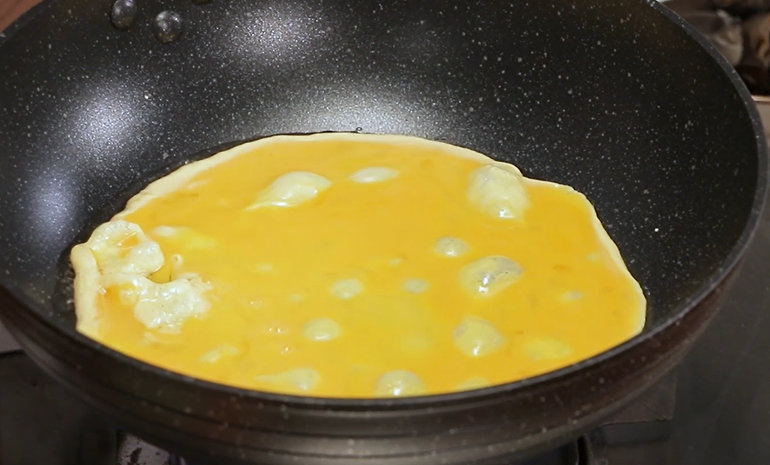
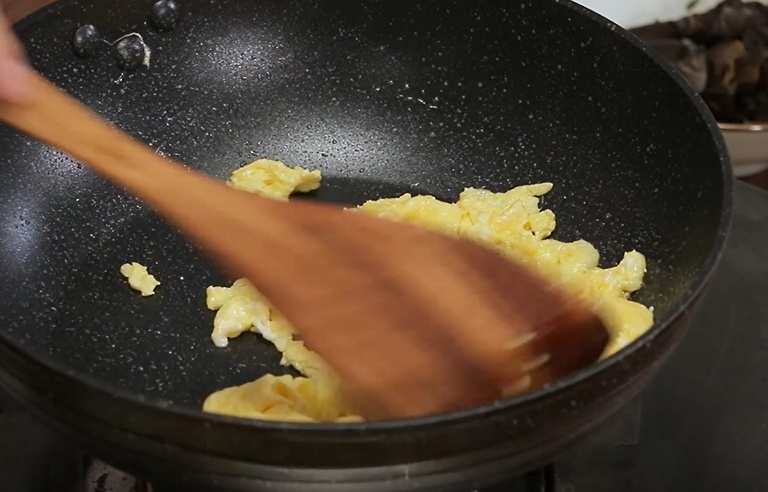
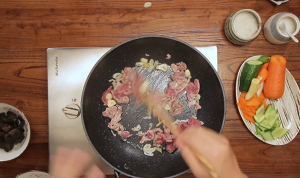
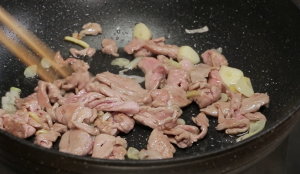
Step 6: Stir-fry the Pork Add a little more oil to the pan if needed. Lower the heat to medium. Add the pork slices along with the ginger, garlic, and scallions. Use chopsticks to separate the meat slices quickly so they don’t clump together. Stir-fry until the meat turns white/opaque.
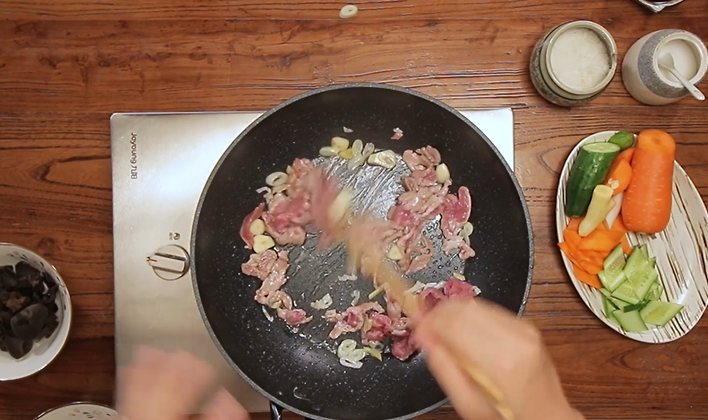
Step 7: Add Vegetables Turn the heat up to high. Add the wood ear mushrooms and carrot slices. Stir-fry for about 1 minute until the carrots soften slightly.
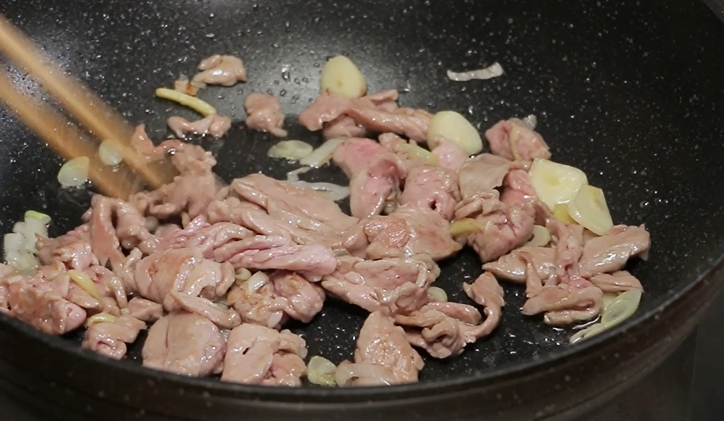
Step 8: Season and Combine Splash the cooking wine (Shaoxing wine) around the rim of the hot wok to create an aroma. Add the light soy sauce, a little more salt (if needed), and a pinch of sugar to balance the flavors. Toss well. Add the cooked eggs and cucumber slices back into the pan.
Step 9: Thicken and Serve Give your finishing sauce (cornstarch water, vinegar, sesame oil) a quick stir, then pour it into the pan. Stir-fry rapidly for 15-20 seconds until the sauce thickens and coats everything glossy. Serve immediately with steamed rice.
Food Safety and Preparation
- Pork Safety: Ensure the pork reaches an internal temperature of 145°F (63°C). Because the pieces are small, the visual cue is that the meat should be completely opaque white with no pink.
- Mushroom Safety: Dried wood ear mushrooms must be washed thoroughly after soaking to remove potential sediment or sand hidden in the folds.
- Cross-Contamination: Always wash your hands and cutting board after handling raw pork before touching the fresh vegetables like cucumbers.
Notes:
- Lily Buds: Traditional recipes often use dried lily buds (golden needles). If you have them, soak them with the mushrooms and add them at the same time.
- Substitutions: Chicken breast or beef can be used instead of pork. If you don’t have Chinese black vinegar, rice vinegar is an acceptable substitute, though the flavor will be less earthy.
- Vegetable Texture: Add the cucumber at the very last moment to keep it crunchy.
Nutrition:
- Calories: 380 kcal
- Carbohydrates: 12g
- Protein: 28g
- Fat: 24g
- Saturated Fat: 6g
- Cholesterol: 285mg
- Sodium: 850mg
- Fiber: 3g
- Sugar: 4g
- Disclaimer: Nutrition information is calculated using an ingredient database and should be considered an estimate. Garnishes and optional ingredients are not included.
Authoritative References
For more information on the nutritional profile of pork cuts, you can refer to the USDA FoodData Central. For guidelines on safe food handling and temperatures, please consult FoodSafety.gov.
Moo Shu Pork (Mu Xu Rou)

Equipment
- Wok or large skillet
- Cutting Board
Ingredients
Main Ingredients
- 6 oz pork loin or tenderloin thinly sliced
- 3 large eggs beaten with a pinch of salt
- 0.5 oz dried wood ear mushrooms rehydrated
- 1/2 cucumber sliced into diamonds
- 1/3 carrot sliced into diamonds
Aromatics
- 1 scallion white part only, sliced
- 2 slices ginger
- 2 cloves garlic sliced
Marinade
- 1/4 tsp salt
- 2 tsp cornstarch
- 1 tbsp water
Seasoning & Sauce
- 1 tbsp Shaoxing wine
- 1 tbsp light soy sauce
- 1/2 tsp sugar
- 1 tsp cornstarch for finishing sauce
- 2 tbsp water for finishing sauce
- 1 tsp Chinese black vinegar for finishing sauce
- 1/2 tsp sesame oil for finishing sauce
Instructions
- Hydrate Mushrooms: Soak the dried wood ear mushrooms in warm water for 20 minutes until soft. Rinse thoroughly, remove any hard roots, and tear into bite-sized pieces.

- Prep Veggies: Slice the cucumber and carrot into thin diamond shapes. Slice the scallion, ginger, and garlic.

- Marinate Pork: In a bowl, combine the sliced pork with 1/4 tsp salt, 2 tsp cornstarch, and 1 tbsp water. Mix well by hand until the liquid is absorbed. This is essential for tender meat.

- Cook Eggs: Heat 1 tablespoon of oil in a wok over high heat. Pour in the beaten eggs (seasoned with a pinch of salt). Let set slightly, then scramble until just cooked. Remove and set aside.

- Stir-fry Pork: Add another tablespoon of oil to the wok. Lower heat to medium. Add the pork, ginger, garlic, and scallions. Stir-fry quickly to separate the slices until the pork turns opaque.
- Add Hard Veggies: Turn heat to high. Add the wood ear mushrooms and carrots. Stir-fry for 1 minute.

- Season: Pour the Shaoxing wine around the perimeter of the wok. Add the light soy sauce, sugar, and salt (to taste). Toss to combine.
- Finish: Add the cooked eggs and cucumber slices back to the wok. Stir the finishing sauce mixture (cornstarch, water, vinegar, sesame oil) and pour it in. Toss for 15-20 seconds until the sauce thickens and coats everything. Serve hot.

Notes
Substitutions: Chicken breast or beef can be used instead of pork. If you don’t have Chinese black vinegar, rice vinegar is an acceptable substitute.
Vegetable Texture: Add the cucumber at the very last moment to keep it crunchy.
Nutrition Disclaimer: Nutrition information is calculated using an ingredient database and should be considered an estimate. Garnishes and optional ingredients are not included.




Leave a Reply