Some buns are quiet when you bite into them, and some announce themselves. These molten taro custard buns belong to the second group. The dough is a plain, pillowy steamed wrapper, barely sweet, and the filling inside is a deep purple taro custard that has been cooked down with gelatin and chilled overnight. Steam the bun, tear it open, and the center runs out in a slow, glossy ribbon. It is the kind of thing that makes everyone at the table stop talking for a second.
The trick is not in the dough at all. It is in the filling, which is deliberately made too loose to handle at room temperature, then set firm in the refrigerator so it can be rolled into balls and wrapped. Once the bun hits the steamer, that firm filling softens again and turns molten. It is the same idea behind classic 流沙包, the salted egg yolk custard buns you find on every dim sum cart, only here the flavor is gentle, earthy taro instead of salty-sweet custard.
If you have ever made steamed buns before, this recipe will feel familiar. The dough is a straightforward yeasted one, mixed, rested, and shaped around a chilled filling. The one thing you cannot rush is the overnight chill, so plan ahead and the rest is genuinely easy. The reward is a bun that looks plain on the outside and surprises everyone on the inside.
What Is 流心芋泥包?
流心芋泥包 (liúxīn yùní bāo) is a steamed bun filled with taro paste that stays liquid at the center. The name says it plainly: 流心 means “flowing heart,” 芋泥 is taro paste, and 包 is a bun. It is a modern dim sum creation, a taro-based cousin of the salted egg custard 流沙包 that has been a teahouse standard for decades.
The filling starts as mashed steamed taro loosened with water, sweetened, enriched with butter, and set with gelatin. Chilled overnight, it becomes firm enough to portion and wrap. Steaming reverses the set just enough that the center turns runny again while the outer edge of the filling stays creamy. The dough around it is a soft, lightly sweet yeasted wrapper, steamed rather than baked, so the whole bun stays tender and pale.
Why gelatin and not cornstarch? Gelatin sets into a soft, melt-in-the-mouth gel that liquefies cleanly when reheated, while a starch-thickened filling tends to stay pasty. That clean melt is exactly what gives a 流心 bun its flowing center.
If you enjoy this style of filled, pleated bun, the technique overlaps a lot with other steamed bun traditions. xiao long bao uses the same principle of a filling that is solid when cold and juicy when hot, just with a soup gel instead of a sweet custard.
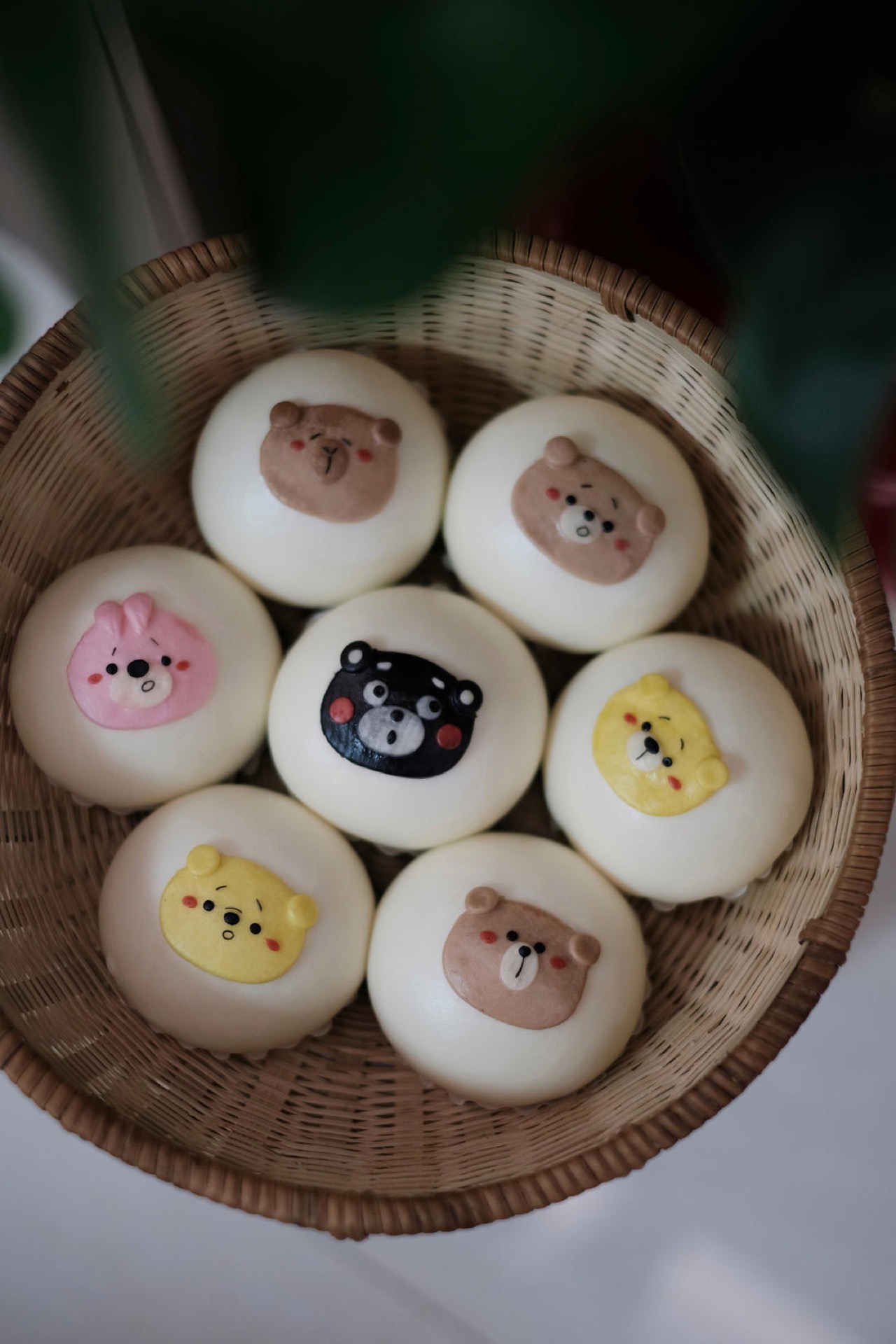
1Authentic Beijing-Style Steamed Buns (Xiao Long Bao)These fluffy, savory buns feature a unique “half-cooked” pork filling technique that guarantees a juicy interior and rich flavor. A classic Northern Chinese breakfast recreated perfectly at home.Check out this recipe
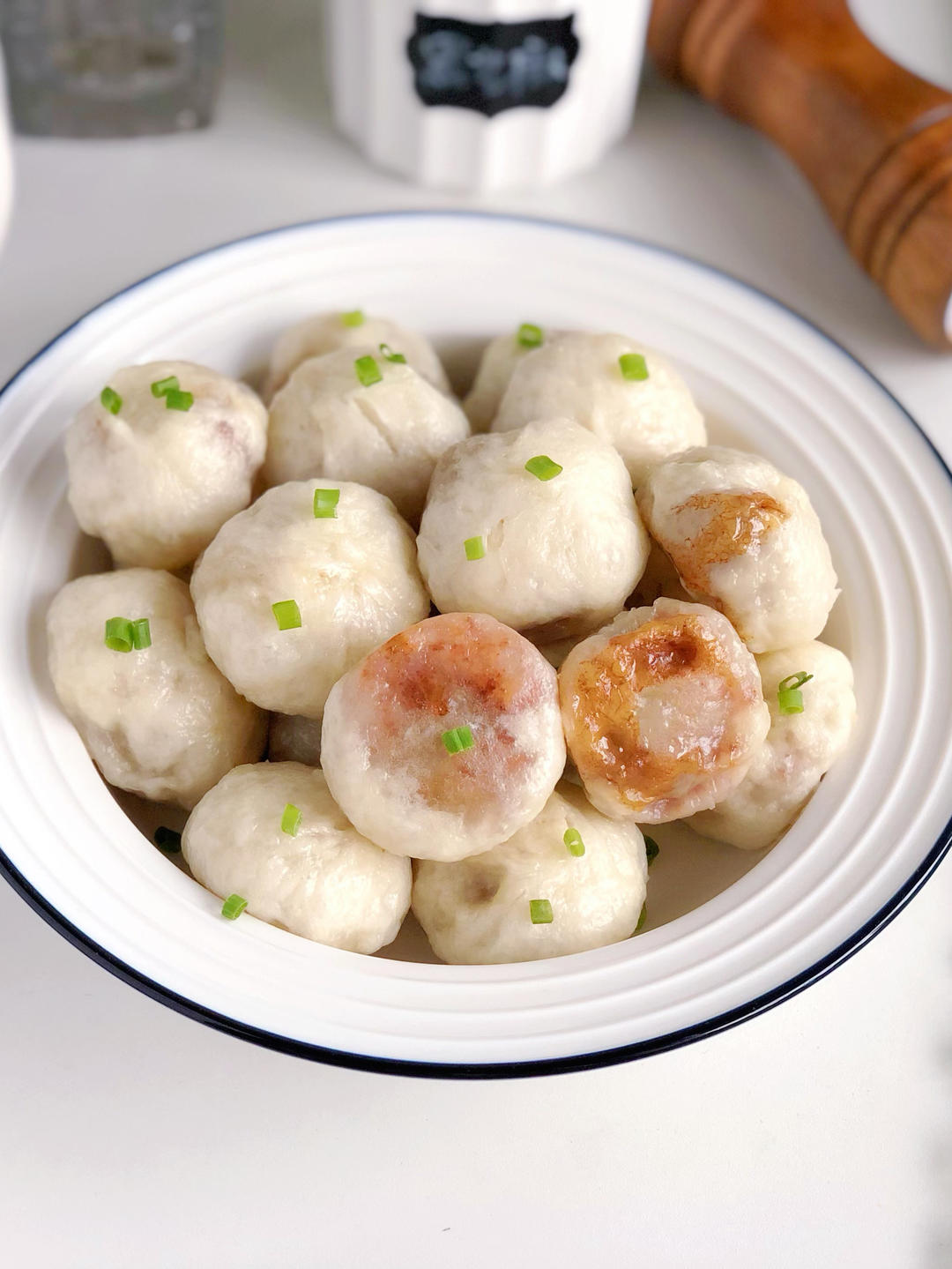
For a plain, everyday steamed bun to serve alongside, Shandong steamed buns are the northern Chinese standard: large, soft, and slightly chewy, with nothing inside to distract from the dough.
2Authentic Shandong Steamed Buns (Da Mantou)Learn the secrets to authentic, dense, and chewy Shandong Da Mantou. This recipe uses the traditional double-knead method and precise hand-shaping techniques for flawlessly smooth, wrinkle-free steamed buns.Check out this recipe
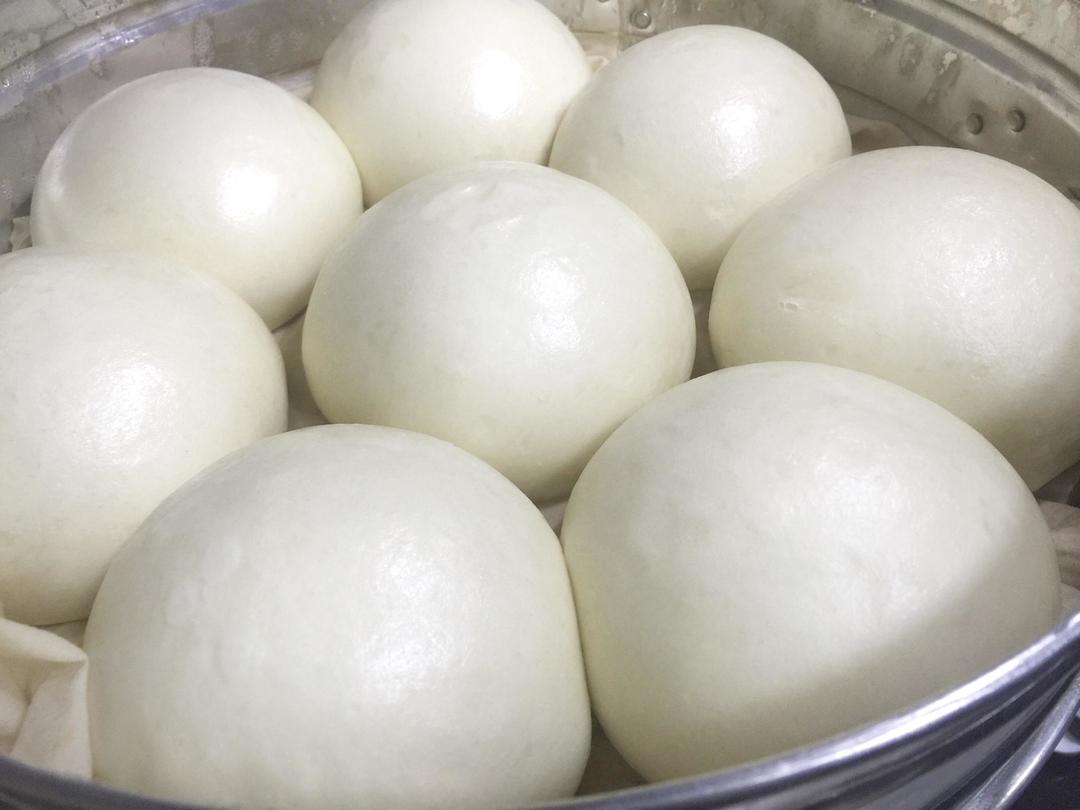
If you would rather bake with whole grains, whole wheat steamed buns show how a nuttier flour behaves in a steamed dough, which is useful context before you start swapping flours here.
3Healthy Whole Wheat Steamed Buns (Mantou)Learn how to make healthy, fluffy Whole Wheat Steamed Buns (Mantou) with this easy 45-minute recipe. Expert tips for a smooth surface and no collapsing.Check out this recipe
Ingredient Notes
Taro. Use taro (芋头), not purple sweet potato and not ube flavoring. Taro has a mild, slightly nutty, faintly sweet flavor and a starchy body that thickens the filling as it cooks. Peel it with gloves if your skin is sensitive, since raw taro can irritate. Steam until a chopstick slides in with no resistance, about 20 minutes for 1-inch slices.
Purple sweet potato powder. This is purely for color. Taro on its own is a pale gray-lavender, and 8 g of purple sweet potato powder turns it a saturated violet that reads beautifully against the white dough. If you cannot find it, leave it out; the buns will taste the same and simply look paler.
Gelatin sheets. Sheets give a cleaner set and a clearer melt than most powders. Bloom them in cold water for about 5 minutes until floppy, then squeeze out the excess before stirring into the hot filling. If you only have powdered gelatin, use about 10 g and bloom it in 40 g of cold water first. Agar will not work here; it sets too firmly and does not melt back into a liquid.
Butter and sugar. Butter gives the filling its silky, coating texture and a faint richness. Sugar is kept modest at 40 g so the taro flavor stays in front. Taste the blended taro before you commit; older taro can be sweeter or starchier, and you may want a little more or less.
Flour for the dough. Standard all-purpose flour works well. If you use bread flour the buns will be slightly chewier; cake flour makes them softer but harder to pleat. Stick with all-purpose for your first batch.
Ingredients
Everything below makes about 12 buns, which serves 4 as a snack or 3 as a heartier portion. The filling is made a day ahead, so plan the overnight chill into your schedule.
For the taro filling: 300 g steamed taro, 10 g gelatin sheets, 8 g purple sweet potato powder, 300 g water, 30 g butter, 40 g sugar.
For the dough: 300 g all-purpose flour, 3 g instant yeast, 30 g sugar, 150 g warm water (about 110°F / 43°C), 10 g vegetable oil.
Equipment Needed
You do not need much, but a steamer is non-negotiable. A bamboo steamer over a wok works beautifully and absorbs condensation, which keeps the bun tops from getting soggy. A metal steamer with a lid is fine too; just wrap the lid in a towel to catch drips.
You will also want a blender or food processor for the taro, a nonstick pan for cooking the filling, a rolling pin, a bench scraper or knife for portioning, parchment squares for the steamer floor, and a pair of chopsticks or a slotted spoon for moving buns. If you are steaming on an electric stove, a stable, wide-bottomed vessel matters more than the brand; our notes on choosing a wok for electric stove setups apply here too, since a wok is a common steamer base.
Why This Recipe Works
The gelatin is doing the heavy lifting. At refrigerator temperature it forms a soft gel that holds the filling in a neat ball, so wrapping is clean and the pleats do not smear. At steam temperature, that same gel liquefies, and because the filling is mostly water and pureed taro, it flows rather than oozes.
The filling is also cooked on the stove before chilling, which does two things: it dissolves the sugar and butter evenly, and it drives off a little moisture so the final filling is concentrated and flavorful rather than watery. A filling that is too wet will not set firmly enough to wrap, no matter how long you chill it.
Finally, the dough is deliberately soft and only lightly sweet. A rich, buttery dough would fight the filling. This one stays in the background, which is exactly where it belongs.
Prep & Mise en Place
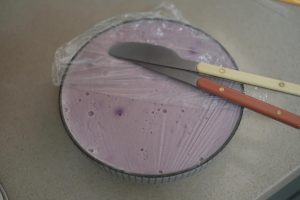
Make the filling the day before you plan to serve. Peel and slice the taro, steam it, blend it with the water and purple sweet potato powder, cook it with the butter and sugar, melt in the bloomed gelatin, then chill it overnight with plastic wrap pressed directly onto the surface to prevent a skin from forming.
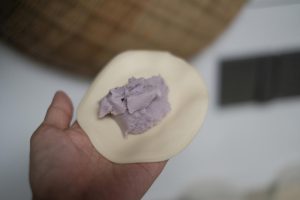
The next day, portion the set filling into 12 balls of about 30 g each and keep them in the refrigerator while you make the dough. Cold filling is much easier to wrap.
For the dough, dissolve the yeast and sugar in the warm water and let it sit 5 minutes until foamy. Add the flour and oil, knead 8-10 minutes until smooth and slightly tacky, then cover and rest 30 minutes. Divide into 12 pieces, roll each into a circle with a thicker center and thinner edge, and you are ready to wrap.
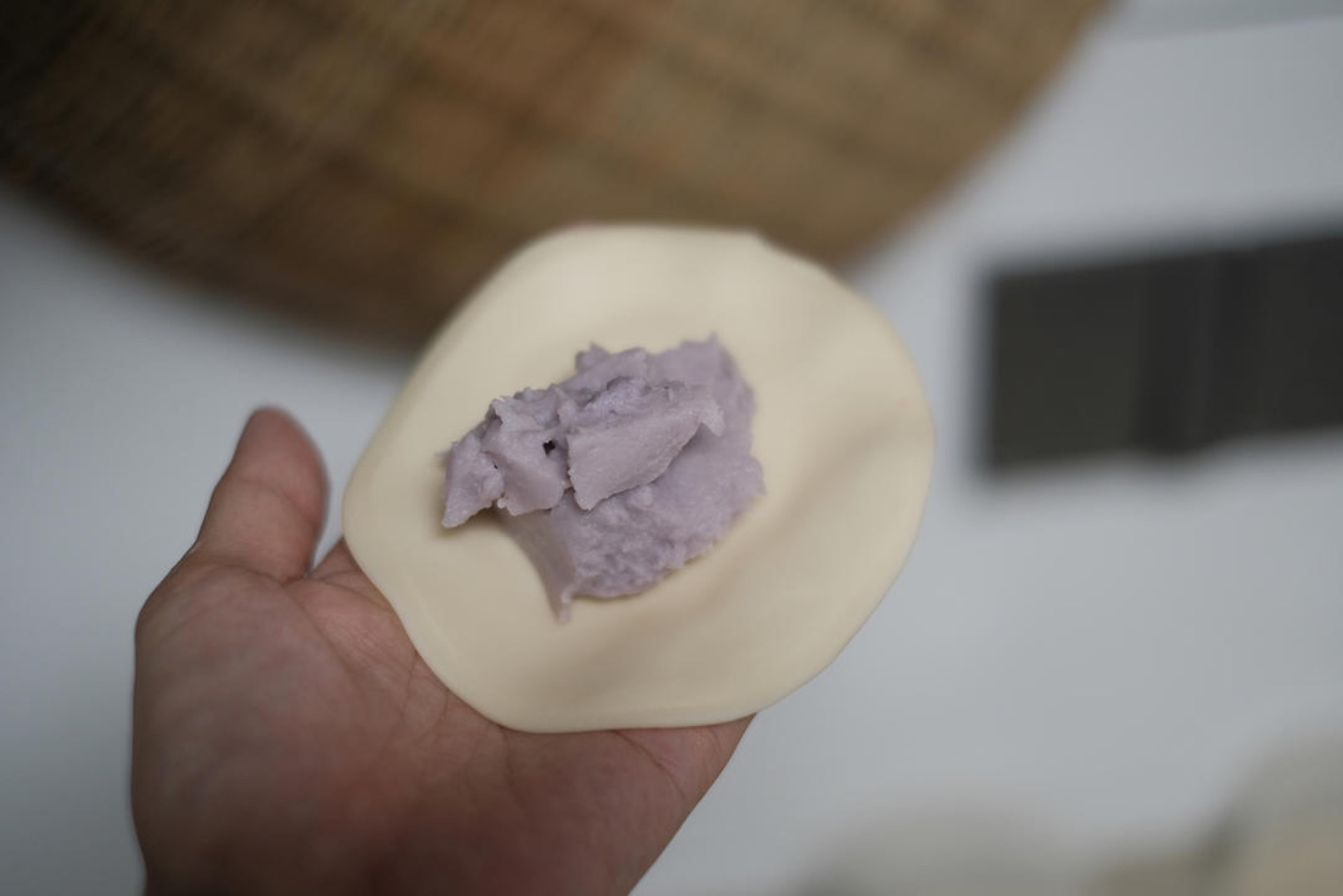
If you want to build your general knife and mise en place habits first, our guide to beginner mistakes in chinese cooking and how to avoid covers the fundamentals that apply to every steamed bun recipe on this site.
Cooking Process
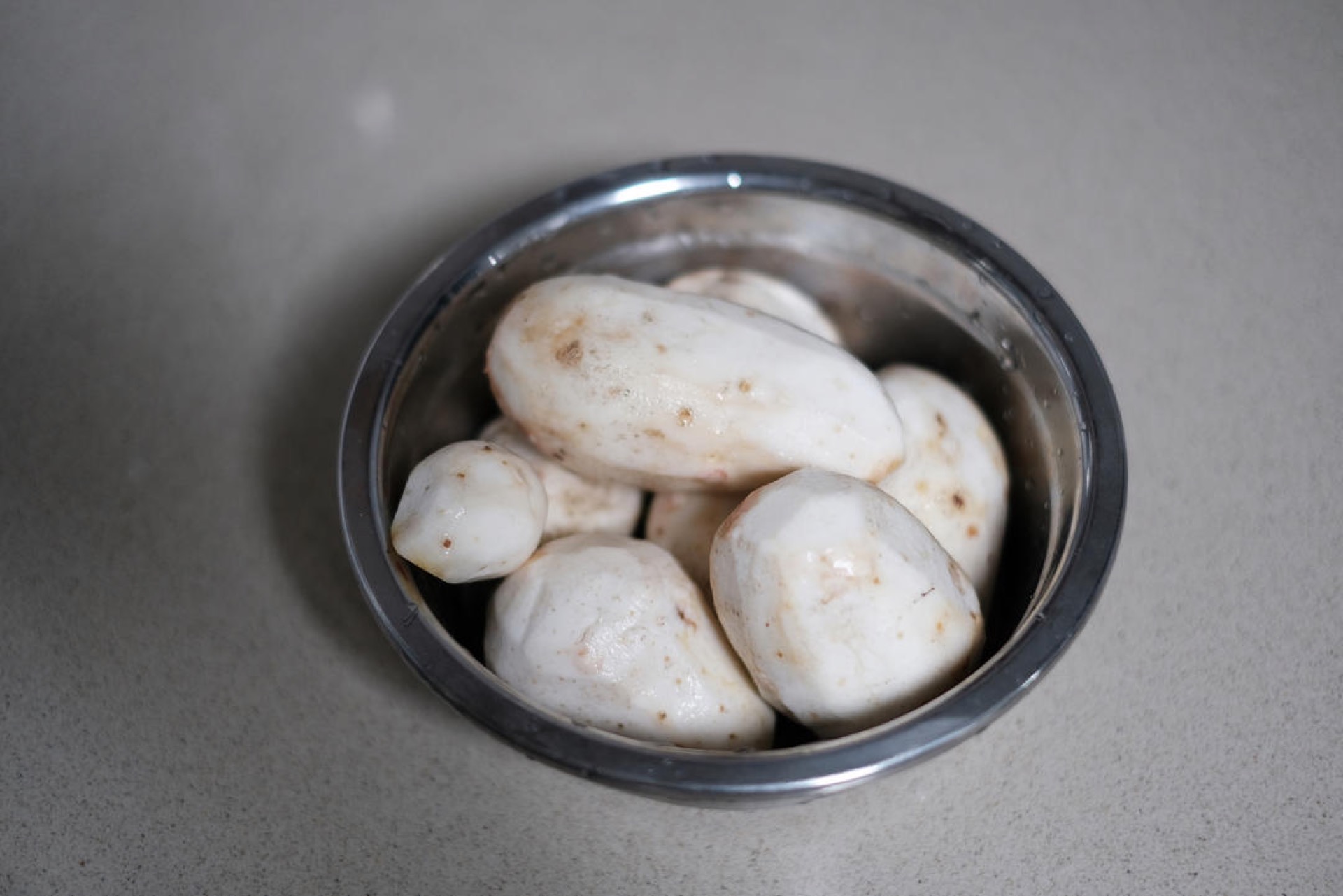
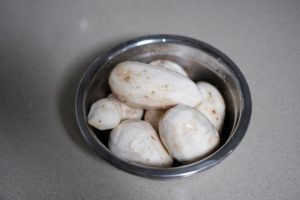
Step 1 — Steam the Taro
Peel the taro, slice it, and steam until a chopstick slides through it easily.
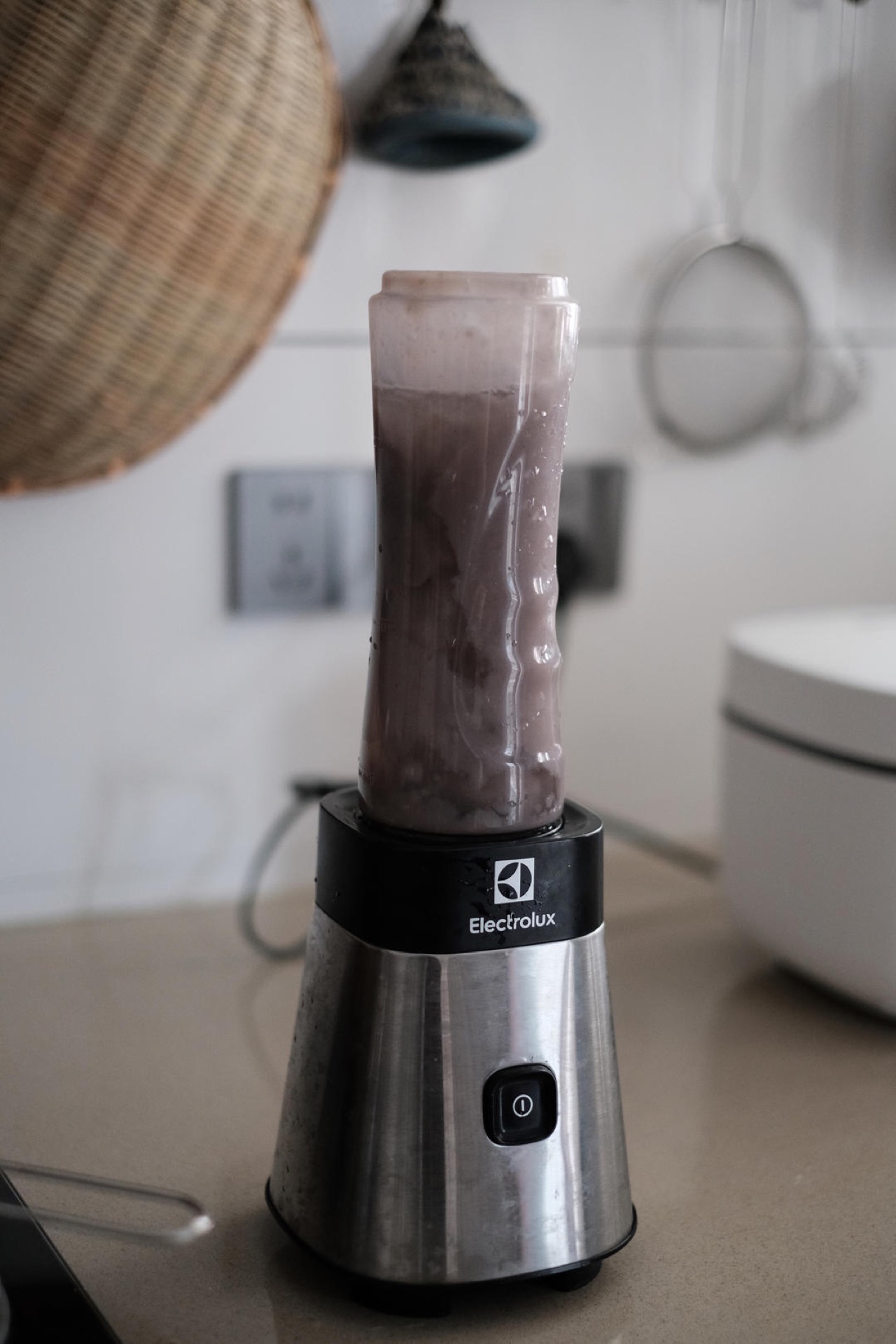
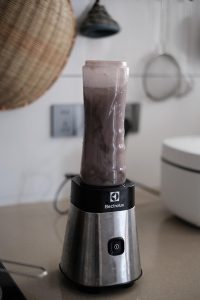
Step 2 — Blend with Purple Sweet Potato Powder
Add the measured water and the purple sweet potato powder to the steamed taro and blend it into a smooth paste with a machine.
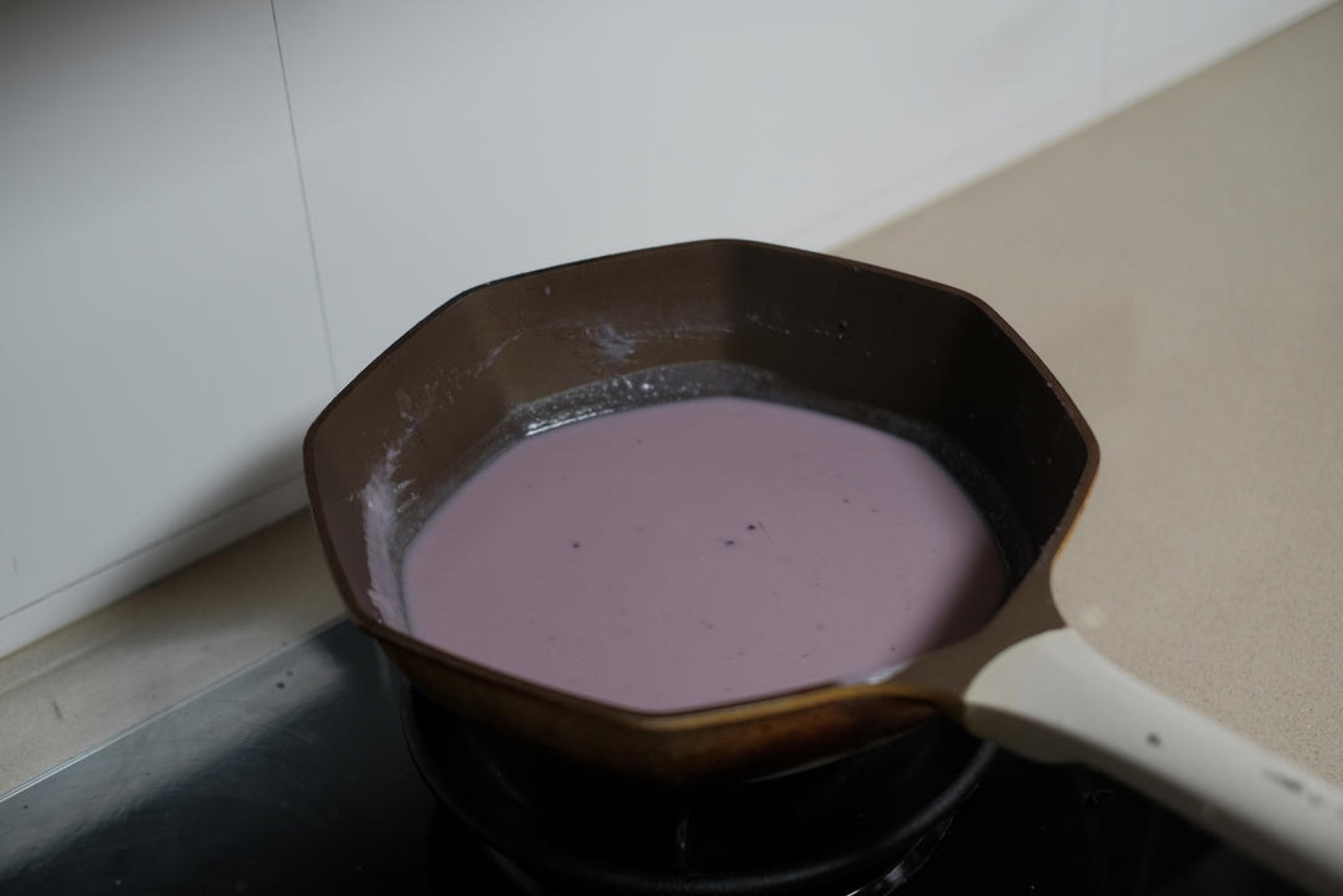
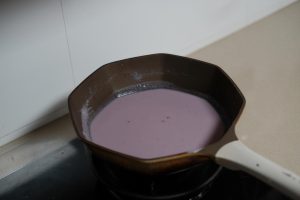
Step 3 — Cook the Filling and Melt the Gelatin
Soak the gelatin sheets in cold water until soft, pour the blended taro into a nonstick pan, add every ingredient in the recipe except the gelatin, melt the sugar and butter, then stir in the softened gelatin.
Step 4 — Chill Overnight
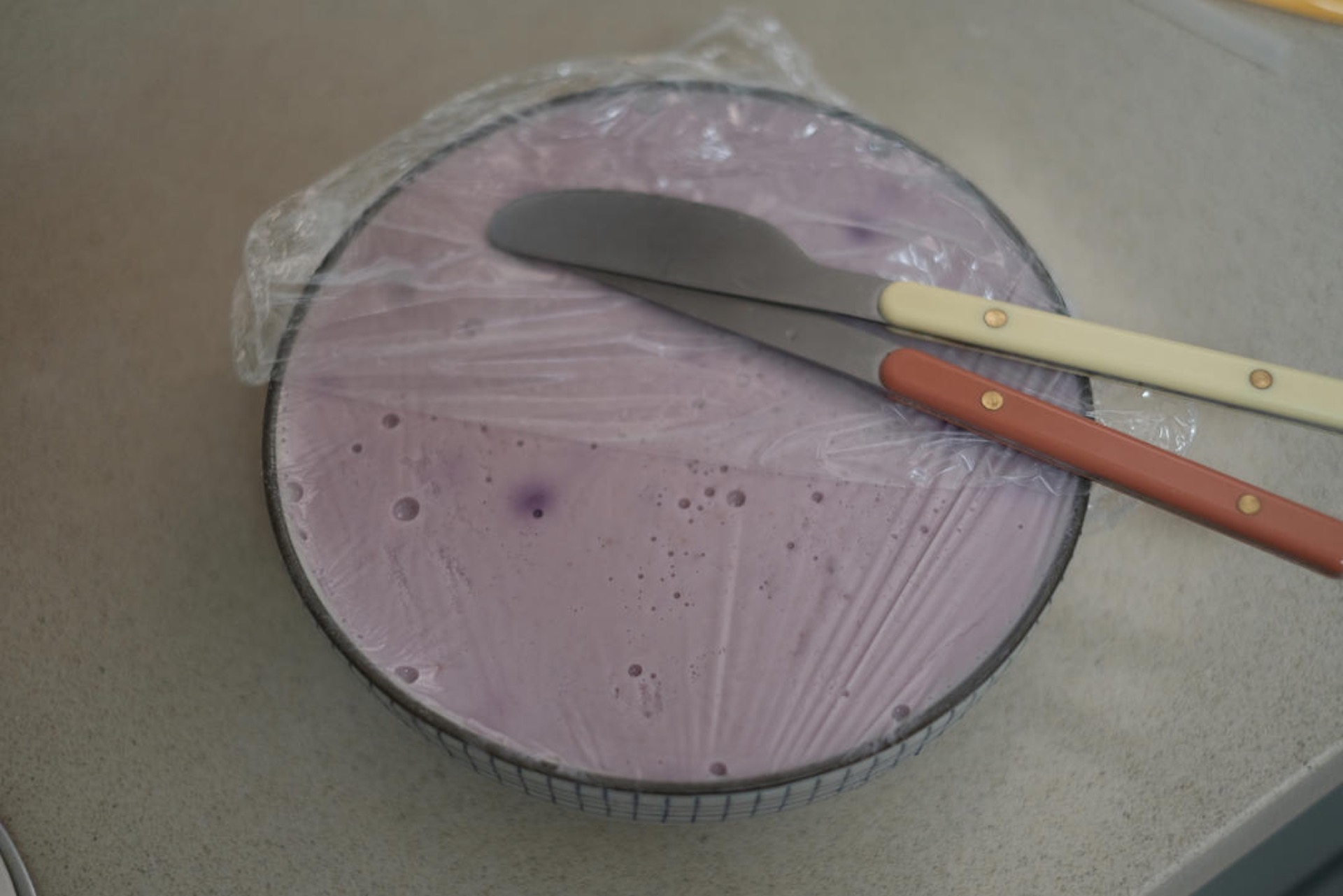
Once the gelatin has melted, pour the filling into a bowl, press plastic wrap directly onto the surface, let it cool, then refrigerate overnight and use it the next day.
Step 5 — Check the Set Filling
The next day the filling should be fully set, firm enough to scoop and roll into balls.
Common Mistakes When Making 流心芋泥包
1. The filling leaks out during steaming. This almost always means the filling was not chilled long enough, or it was left out at room temperature while you shaped the dough. Cause: a half-set filling is still soft and pushes through the pleats. Fix: chill overnight, portion the balls cold, and return them to the refrigerator between batches.
2. The center is not molten after steaming. Cause: too much gelatin, or the buns were steamed far longer than needed. Fix: keep the gelatin at 10 g per 300 g taro and steam 10-12 minutes. Over-steaming lets the filling absorb water and firm up.
3. The dough tears when you pleat. Cause: the wrapper is rolled too thin at the edge, or the dough was not rested long enough and is still tight. Fix: roll the edge to about 3 mm and leave the center thicker; rest the dough 30 minutes before shaping.
4. The buns collapse after steaming. Cause: lifting the lid too fast, so cold air hits the hot dough. Fix: turn off the heat, crack the lid, and wait 3 minutes before removing the buns.
5. The filling tastes flat or chalky. Cause: undercooked taro, or not enough water in the blend. Fix: steam the taro until completely tender, and blend to a truly smooth paste, adding the full 300 g water.
6. The bun bottoms stick and tear. Cause: no parchment under each bun. Fix: cut small parchment squares and place one under every bun before steaming.
Variations
Salted egg yolk version. Replace half the taro with mashed salted egg yolk and reduce the sugar slightly for a classic 流沙包 flavor. The technique is identical.
Coconut taro. Swap 50 g of the water for coconut milk and add a tablespoon of shredded coconut to the blended taro for a tropical edge.
Baked version. The same filling works in a milk-bread dough, baked at 350°F (175°C) for 18-20 minutes. The center will be softer and less dramatic, but still flowing.
Pan-fried buns. Steam the buns first, then crisp the bottoms in a lightly oiled pan for a contrast of textures, similar to the technique used for pumpkin steamed buns when you want a golden crust.
Smaller, sweeter buns. Divide into 20 smaller buns for a dessert-table portion, and reduce the steaming time to 8-9 minutes.
Frequently Asked Questions
Can I make the filling ahead of time? Yes, and you should. The filling needs at least 8 hours in the refrigerator, and it keeps well for up to 4 days. You can also freeze the portioned filling balls for up to 2 months and thaw them in the refrigerator overnight.
Can I use agar instead of gelatin? No. Agar sets much firmer and does not melt back into a liquid when steamed, so the center will stay firm rather than flow. Gelatin is essential to the molten effect.
Why is my taro filling gray instead of purple? Taro is naturally pale, and the purple color comes entirely from the purple sweet potato powder. Without it, the filling is a muted lavender-gray. Both taste the same.
Can I steam these in advance and reheat? Yes. Steam them fully, cool completely, then refrigerate. Reheat by steaming 6-8 minutes. The center will flow again, though slightly less dramatically than the first time.
Do I have to peel the taro? Yes. Taro skin is tough and slightly irritating to handle, and it will not break down smoothly in the blender. Wear gloves if your skin is sensitive.
How to Serve
These buns are best eaten hot, straight from the steamer, while the center is still liquid. Serve them as a dim sum course alongside other steamed items, or as a sweet finish to a meal. A pot of hot jasmine or pu-erh tea cuts the richness nicely.
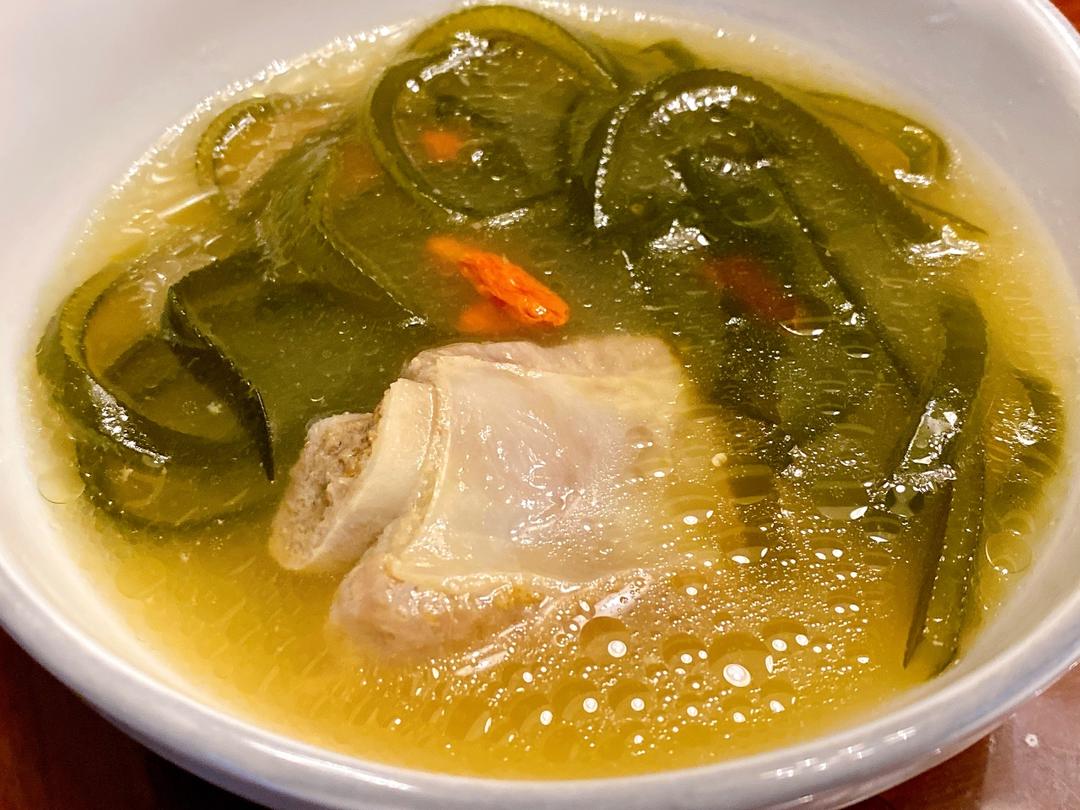
If you are building a fuller table, a nourishing kelp and pork rib soup makes a light, savory counterpart that balances the sweetness of the buns.
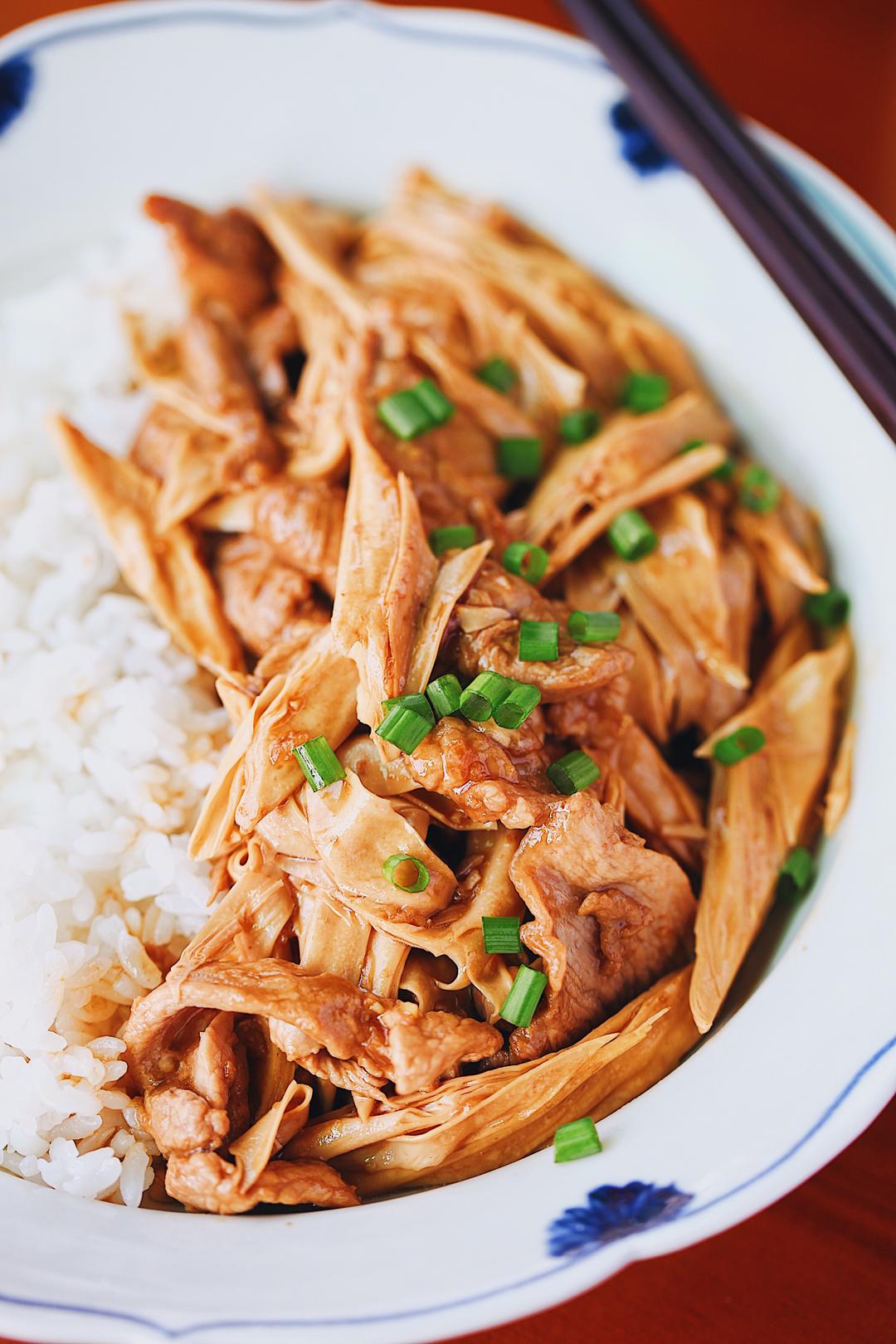
For a heartier spread, a savory pork and bean curd skin rice bowl adds substance without competing for attention.
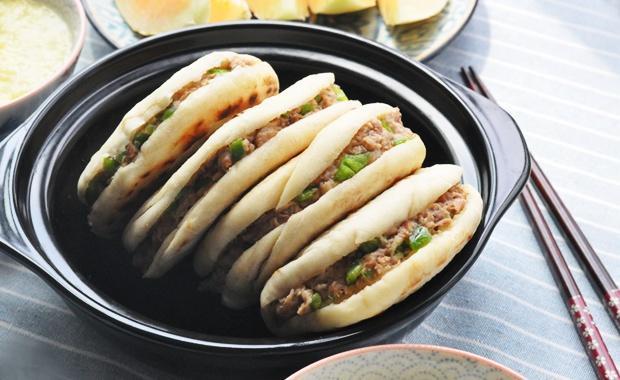
And if you want a street-food favorite on the same table, rou jia mo brings a crisp, savory contrast that guests always reach for.
Storage & Reheat
Cool any leftover buns completely, then store them in an airtight container in the refrigerator for up to 3 days. For longer storage, freeze them on a tray until solid, then transfer to a freezer bag for up to 2 months.
To reheat, steam chilled buns for 6-8 minutes and frozen buns for 10-12 minutes, until the filling reaches 165°F (74°C) at the center. Avoid the microwave, which makes the dough rubbery and heats the filling unevenly.
Do not refreeze buns that have already been thawed and reheated.
Allergen Notice
This recipe contains dairy from the butter. The dough contains wheat gluten. If you are cooking for someone with a dairy allergy, substitute a neutral plant-based fat such as coconut oil, though the filling will be slightly less rich. Always check your gelatin and flour labels for cross-contamination warnings.
Nutrition Disclaimer
Nutrition information is calculated using an ingredient database and should be considered an estimate. In cases where multiple ingredient alternatives are given, the first listed is calculated for nutrition. Garnishes and optional ingredients are not included.
About the Author & Recipe Development
Lin has been cooking Chinese food at home for over two decades and writes Woks of Love to make regional Chinese cooking approachable for a Western kitchen. This recipe grew out of a long stretch of testing 流沙包 variations, and the taro version quickly became the house favorite because it is far more forgiving than the salted egg yolk original. The overnight chill does most of the work, and the result is consistent even on a first attempt.
Every recipe on this site is tested in a home kitchen with ingredients you can find at an Asian grocery or online. If you make these buns, the one thing worth getting right is the chill time.
Authoritative References
For safe handling and reheating of steamed foods, see the FDA Food Code and the USDA’s guidance on leftovers and food safety. For general information on gelatin and its setting behavior, the World Health Organization food safety resources are a useful starting point for home cooks.
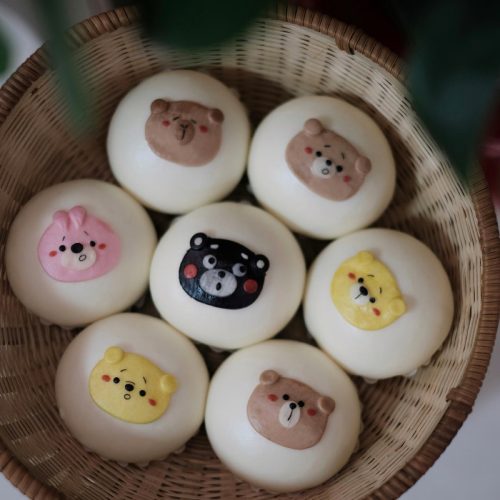
Molten Taro Custard Buns (流心芋泥包): Molten Taro Custard, Soft

Equipment
- Wok
- Cutting Board
- Slotted Spoon
Ingredients
For the Taro Filling
- 300 g taro peeled, sliced, and steamed until tender
- 10 g gelatin sheets bloomed in cold water
- 8 g purple sweet potato powder for color
- 300 g water for blending the taro
- 30 g butter unsalted
- 40 g sugar adjust to taste
For the Steamed Dough
- 300 g all-purpose flour plus extra for dusting
- 3 g instant yeast about 1 teaspoon
- 30 g sugar fine granulated
- 150 g warm water about 110°F (43°C)
- 10 g vegetable oil plus extra for the bowl
Instructions
- Peel the taro, slice it, and steam until a chopstick slides through it easily.

- Add the measured water and the purple sweet potato powder to the steamed taro and blend it into a smooth paste with a machine.

- Soak the gelatin sheets in cold water until soft, pour the blended taro into a nonstick pan, add every ingredient in the recipe except the gelatin, melt the sugar and butter, then stir in the softened gelatin.
- Once the gelatin has melted, pour the filling into a bowl, press plastic wrap directly onto the surface, let it cool, then refrigerate overnight and use it the next day.
- The next day the filling should be fully set, firm enough to scoop and roll into balls.







Leave a Reply