Growing up in Sichuan, the smell of Doubanjiang frying in oil was my alarm clock. While many people know the complex, banquet-style version of this dish, there is a humble, comforting version that my chef father would make specifically for family lunches.
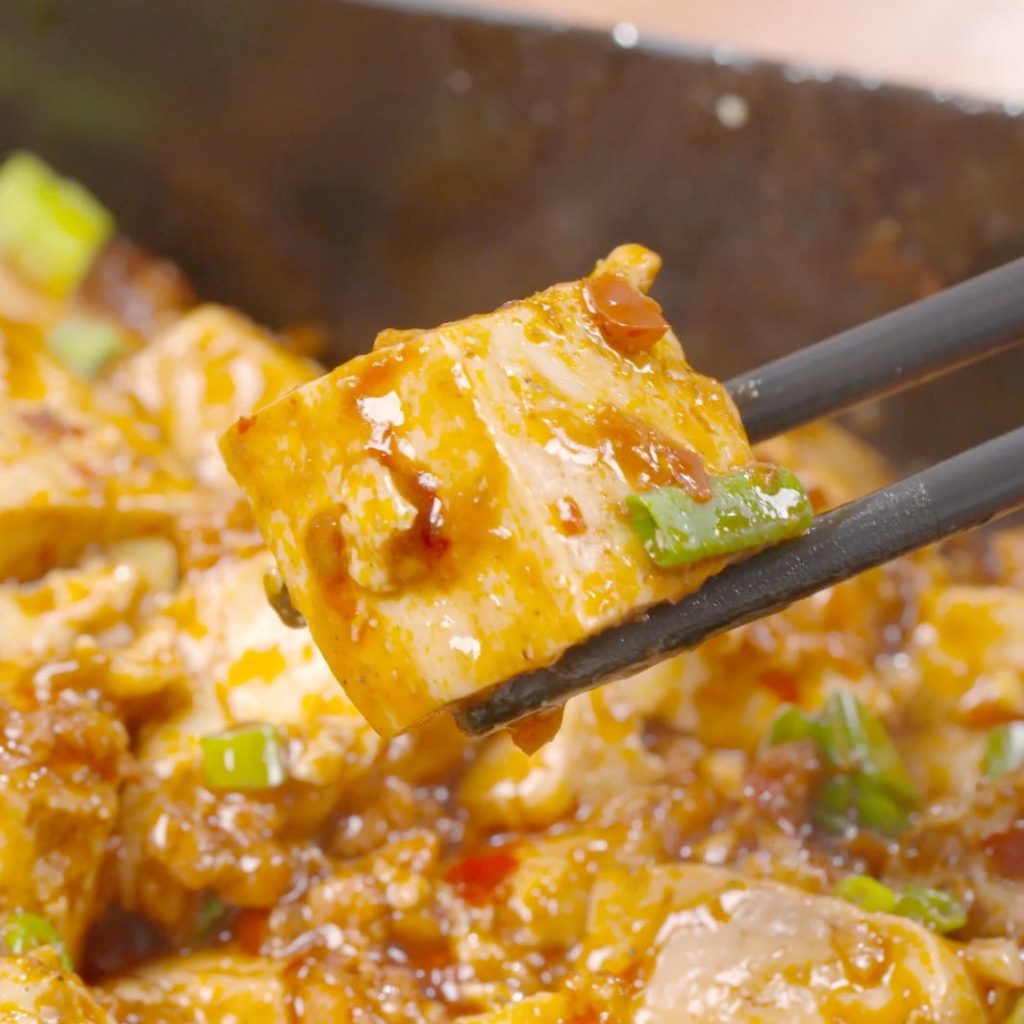
This isn’t just any tofu recipe; it is a “rice killer” (xia fan cai)—a dish so flavorful it demands bowl after bowl of steamed rice. We have collaborated with professional chefs to refine this specific version, which features a “secret sauce” ratio that creates a rich, clinging gravy, making it perfect for packing in lunchboxes without becoming watery.
If you are looking for the strictly traditional banquet style, you might want to check my Authentic Mapo Tofu recipe. However, if you want a reliable, nutritious, and incredibly tasty dinner that comes together in 20 minutes, this is the one for you.
What is Mapo Tofu?
Mapo Tofu (麻婆豆腐) is arguably the most famous export of Sichuan cuisine. It consists of silken or soft tofu cubes braised in a spicy, savory sauce made from fermented broad bean paste (Doubanjiang), fermented black beans, chili oil, and Sichuan peppercorns.
The dish is famous for its “Mala” profile—”Ma” meaning the numbing sensation from the peppercorns, and “La” meaning the spicy heat from the chilies. This homestyle version tones down the oil slightly but amps up the savory depth, making it accessible for home cooks while retaining that signature soul-warming flavor.
Why This Recipe Works
- The “Secret” Sauce Ratio: Unlike recipes that have you scramble for bottles while cooking, this method pre-mixes the savory liquids (water, soy sauce, dark soy, salt, and MSG) into one bowl. This ensures a perfectly balanced flavor every single time.
- No Blanching Required: Traditional recipes often require blanching the tofu in salt water. In this homestyle method, we simmer the tofu directly in the sauce for a longer period (5 minutes), allowing it to absorb flavor while cooking, saving you a step.
- Lunchbox Friendly: The starch thickening technique used here creates a glossy sauce that clings to the tofu and rice, meaning it reheats beautifully for work or school lunches.
Key Ingredients & Substitutions
- Tofu: The recipe calls for “Nan Doufu” (Southern Tofu), which is similar to Soft Tofu or Medium Firm Tofu in US supermarkets. It is tender but holds its shape better than Silken tofu.
- Minced Meat: You can use ground pork or ground beef. For a vegetarian option, finely chopped shiitake mushrooms work wonders.
- Pixian Doubanjiang: This is the soul of the dish. Look for “Pixian Broad Bean Paste.” You can read more about this essential ingredient in my guide to Doubanjiang.
- Sichuan Peppercorn Powder: Essential for the finishing touch. If you can, buy whole peppercorns and toast/grind them yourself. Check out my guide on Homemade Sichuan Peppercorn Oil for more on this flavor profile.
- Soy Sauces: We use Light Soy Sauce (like Kikkoman) for saltiness and umami, and Dark Soy Sauce specifically for that rich, appetizing red-brown color.
💡 Note: If you have Garlic Scapes or garlic sprouts available, chopping them into small rings and adding them adds a wonderful crunch, similar to the traditional “green garlic” used in Sichuan.
Recipe Notes Before We Begin
Equipment: A wok is traditional, but a 12-inch non-stick skillet or cast iron pan works perfectly for this recipe since we aren’t using high-heat “wok hei” techniques, but rather a gentle braise.
Handling Tofu: Soft tofu breaks easily. When stirring, use the back of your ladle or spatula to gently push the tofu from the bottom of the pan, rather than scooping or tossing it.
Ingredients
The Main Components:
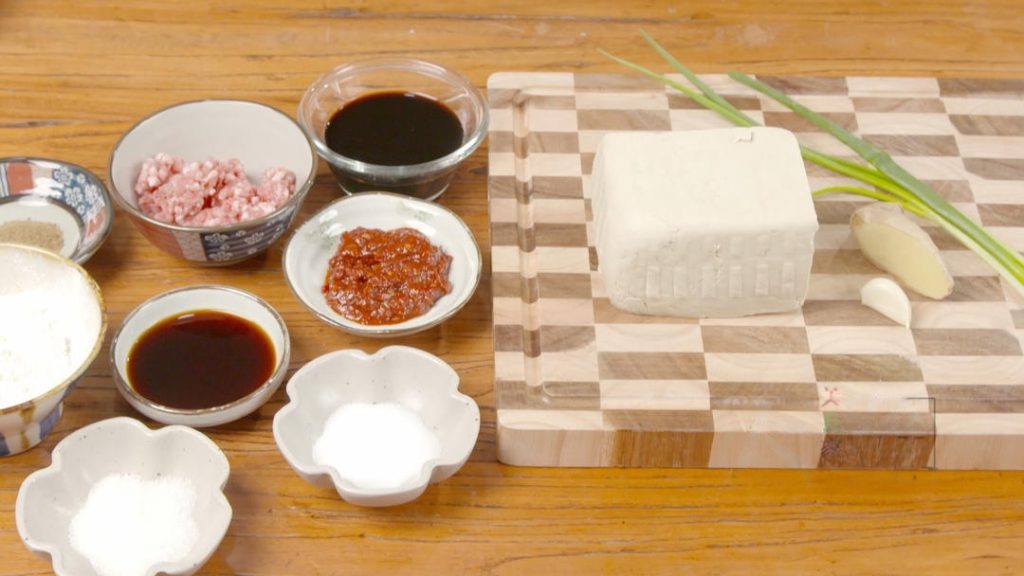
- 1.1 lbs (500g) Soft or Medium Tofu (Nan Doufu)
- 5 oz (150g) Ground Pork or Ground Beef
- 1 scallion (green onion), finely chopped
- 1 inch piece of ginger, minced
- 1 clove garlic, minced
- 1 tsp Sichuan peppercorn powder (for garnish)
The Stir-Fry Seasonings:
- 3 tbsp Cooking oil (neutral oil like canola or grapeseed)
- 3 tbsp Doubanjiang (Pixian Broad Bean Paste)
The “Secret” Sauce Mix:
- 15 tbsp Water (approx. 1 cup / 225ml)
- 1/5 tsp Salt
- 1/5 tsp MSG (optional, but recommended for authentic flavor)
- 1 tbsp Dark Soy Sauce
- 1 tbsp Light Soy Sauce
The Thickener:
- 1 tbsp Cornstarch
- 3 tbsp Water
How to Make Homestyle Mapo Tofu
Step 1: Mise en Place (Prep Work)
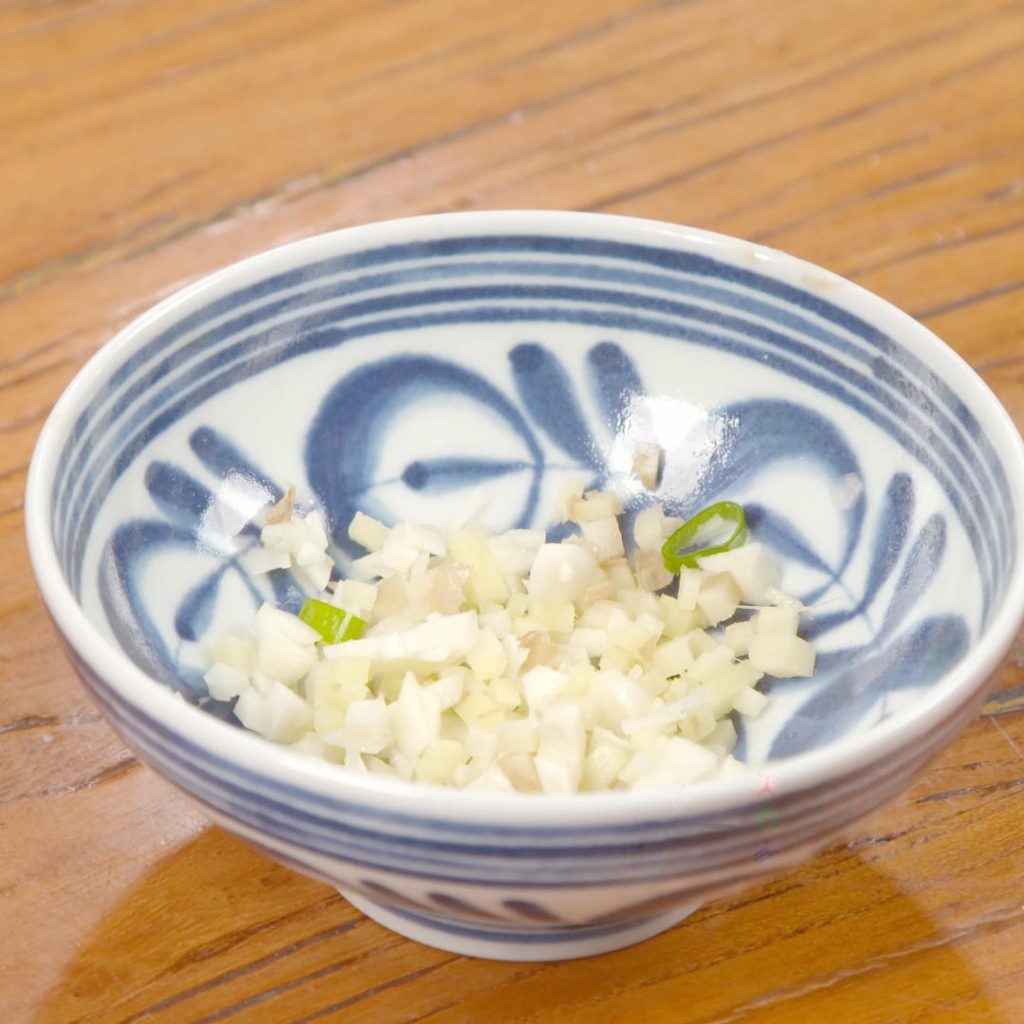
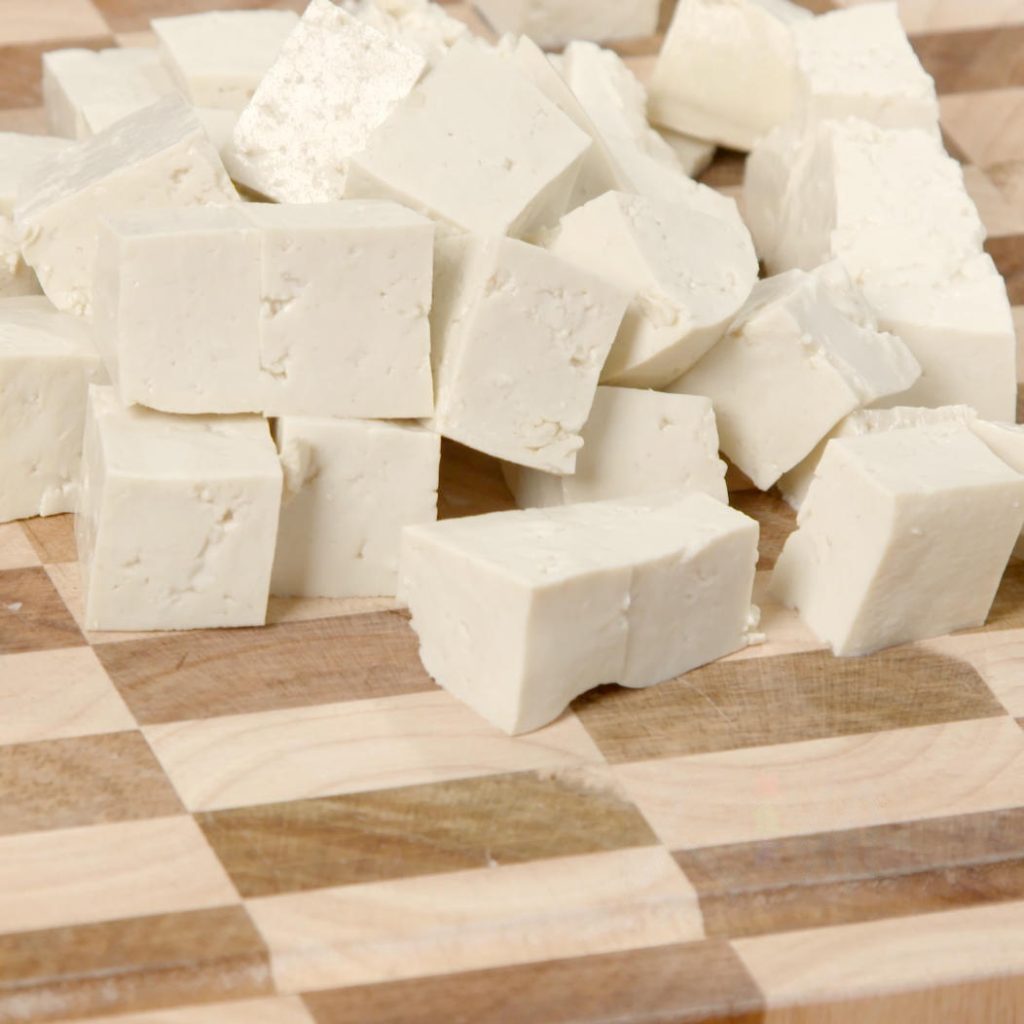
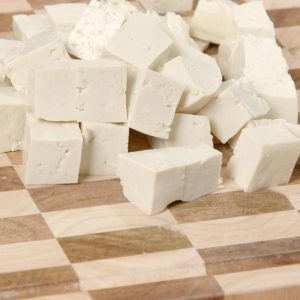
First, mince the ginger and garlic. Finely chop the scallions, separating the whites from the greens if preferred (though mixing them is fine for this rustic style). Cut the tofu into uniform cubes, about ¾-inch (2cm) in size.
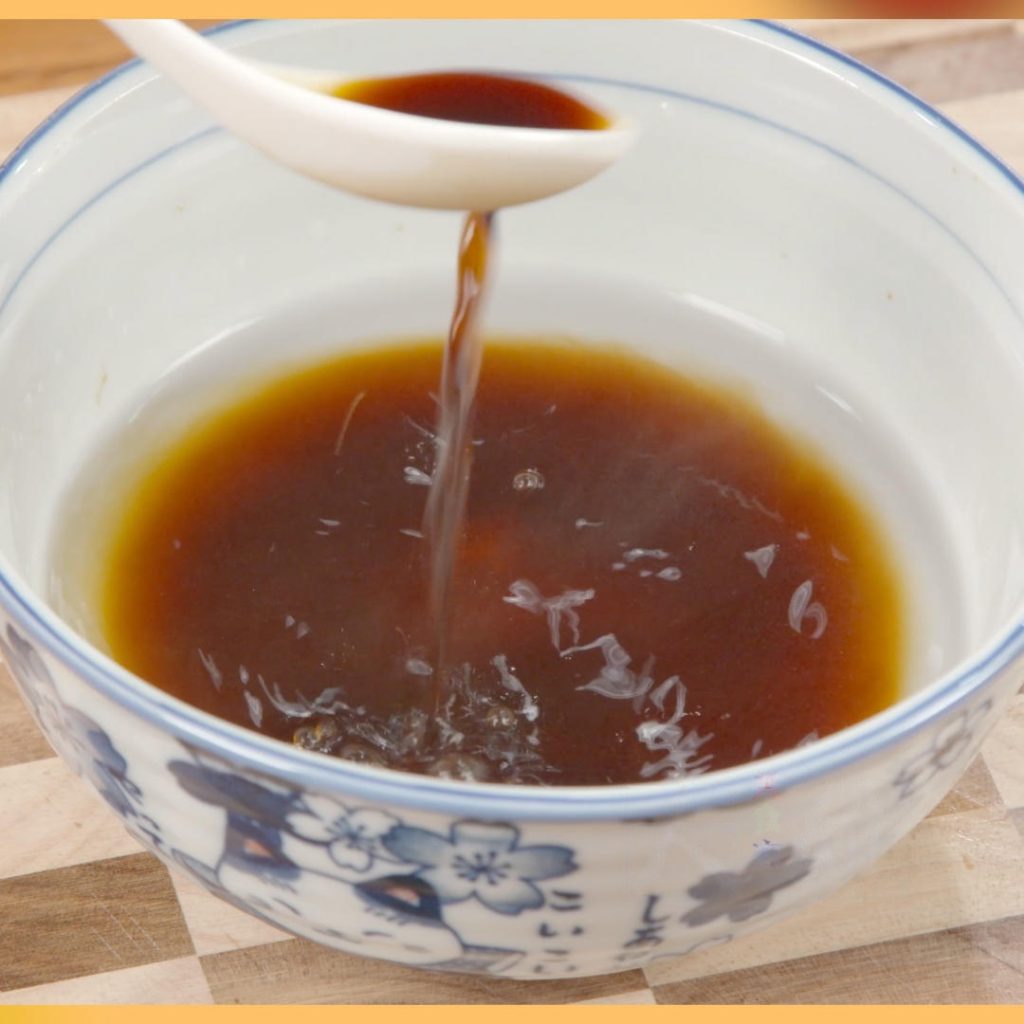
Step 2: Mix the Secret Sauce
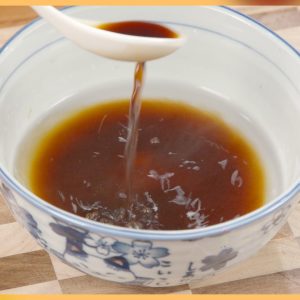
In a medium bowl, combine the 15 tablespoons of water, salt, MSG (if using), dark soy sauce, and light soy sauce. Stir until the salt dissolves. Setting this aside now makes the cooking process stress-free.
Step 3: Fry the Aromatics
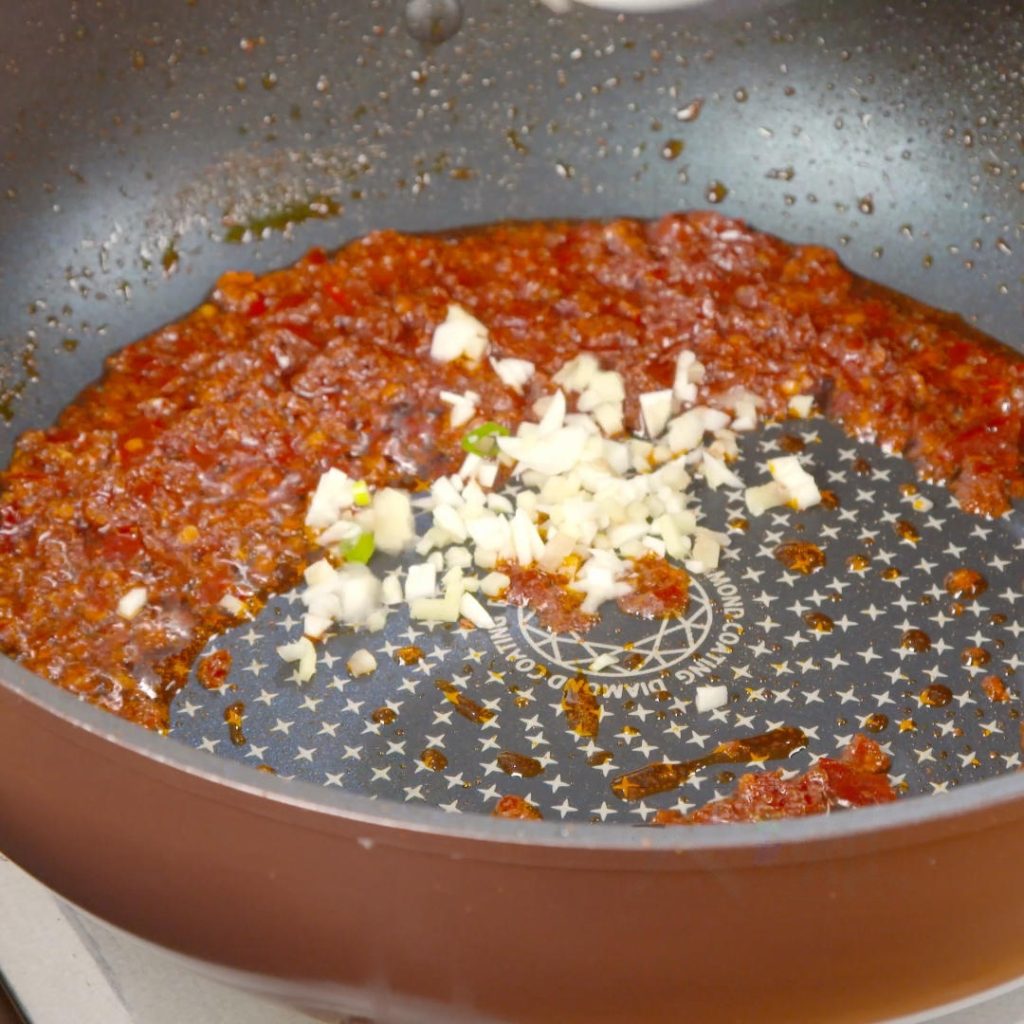
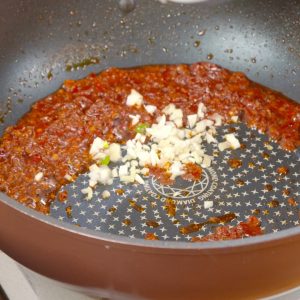
Heat your wok or skillet over low-medium heat. Add 3 tablespoons of oil. When the oil is shimmering but not smoking, add the 3 tablespoons of Doubanjiang. Stir-fry gently for about 1 minute.
- Why? You want to fry the red oil out of the bean paste. If the oil turns red and fragrant, you did it right. Add the minced ginger and garlic and stir for another 30 seconds until fragrant.
Step 4: Cook the Meat
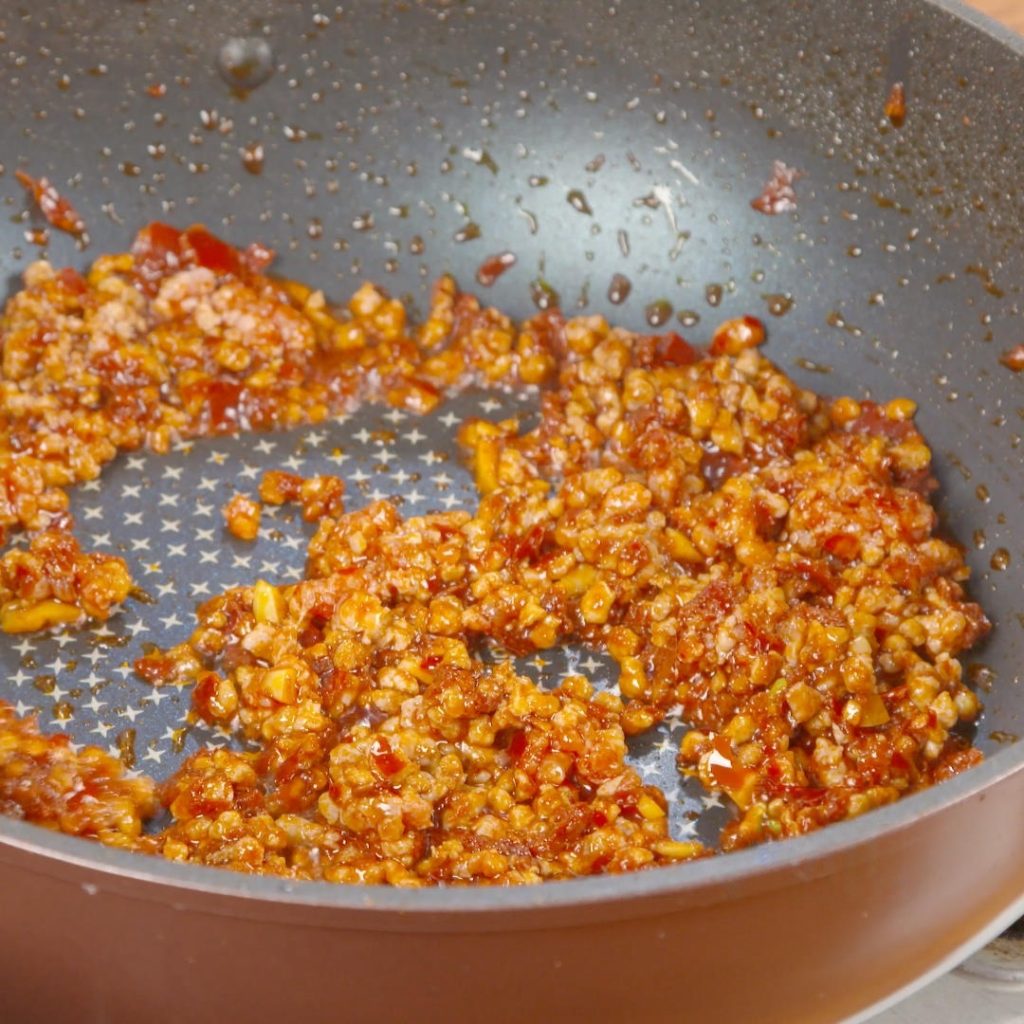
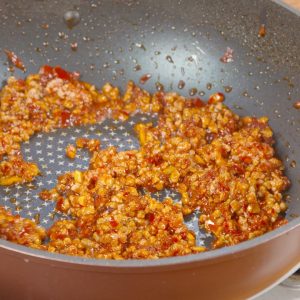
Increase the heat to medium-high. Add the ground pork (or beef). Break it up rapidly with your spatula. Stir-fry for about 1 minute until the meat is white/cooked through and separated.
Step 5: Braise
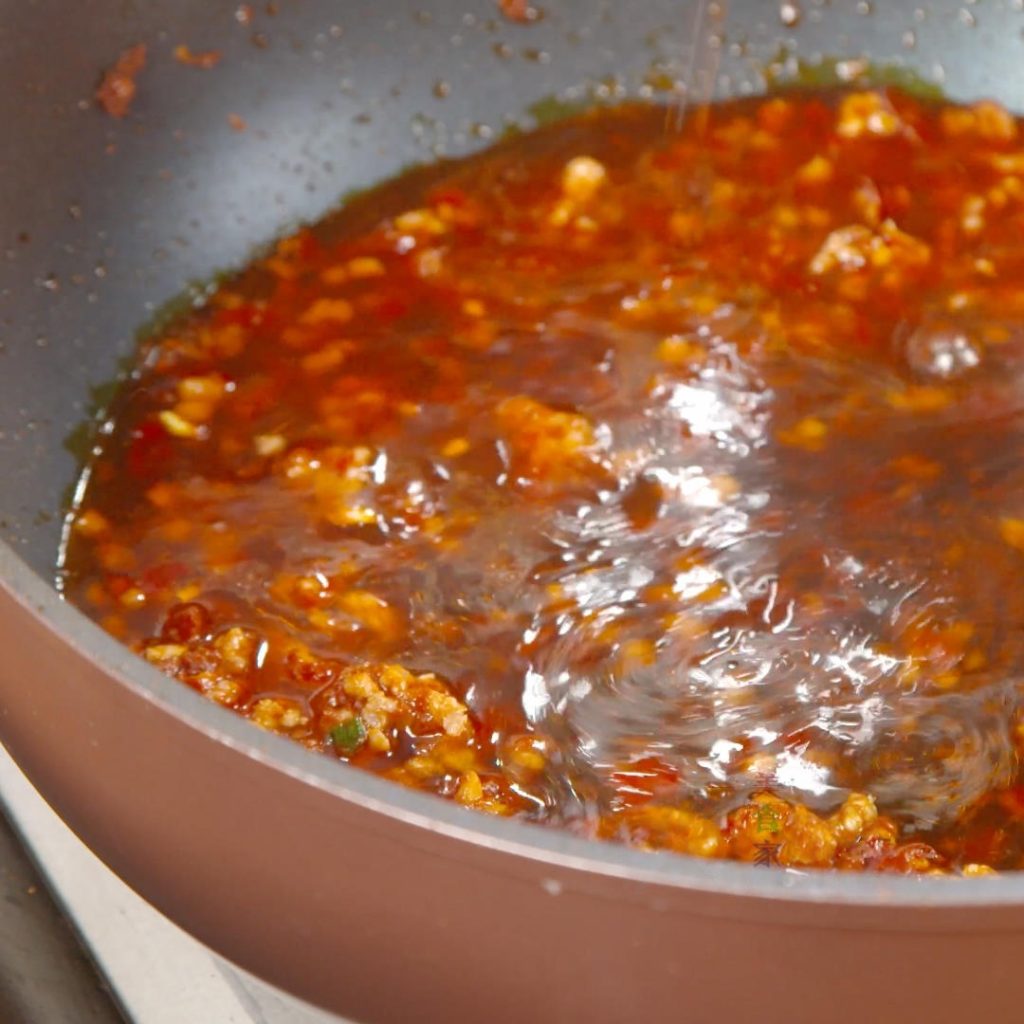
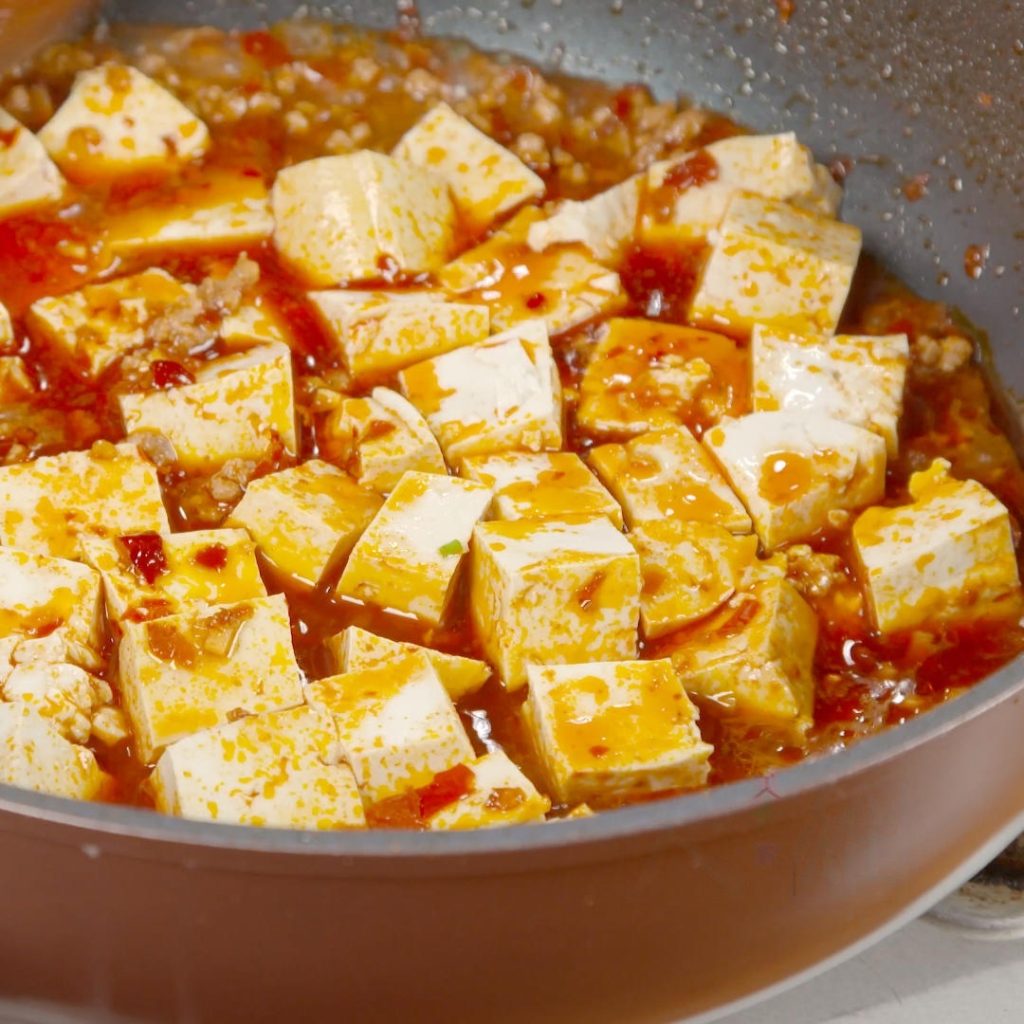
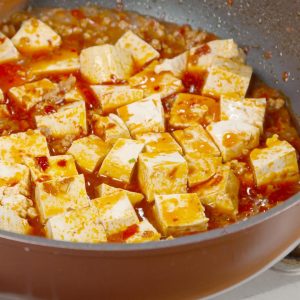
Pour the pre-mixed “Secret Sauce” into the pan with the meat. Bring it to a boil. Gently slide in the tofu cubes.
- Technique: Use your spatula to gently nudge the tofu so it is submerged in the sauce.
- Simmer: Cover the pot, turn the heat to low, and simmer for 5 minutes. This step is crucial; it allows the tofu to absorb the savory flavors of the sauce and meat.
Step 6: Thicken and Serve
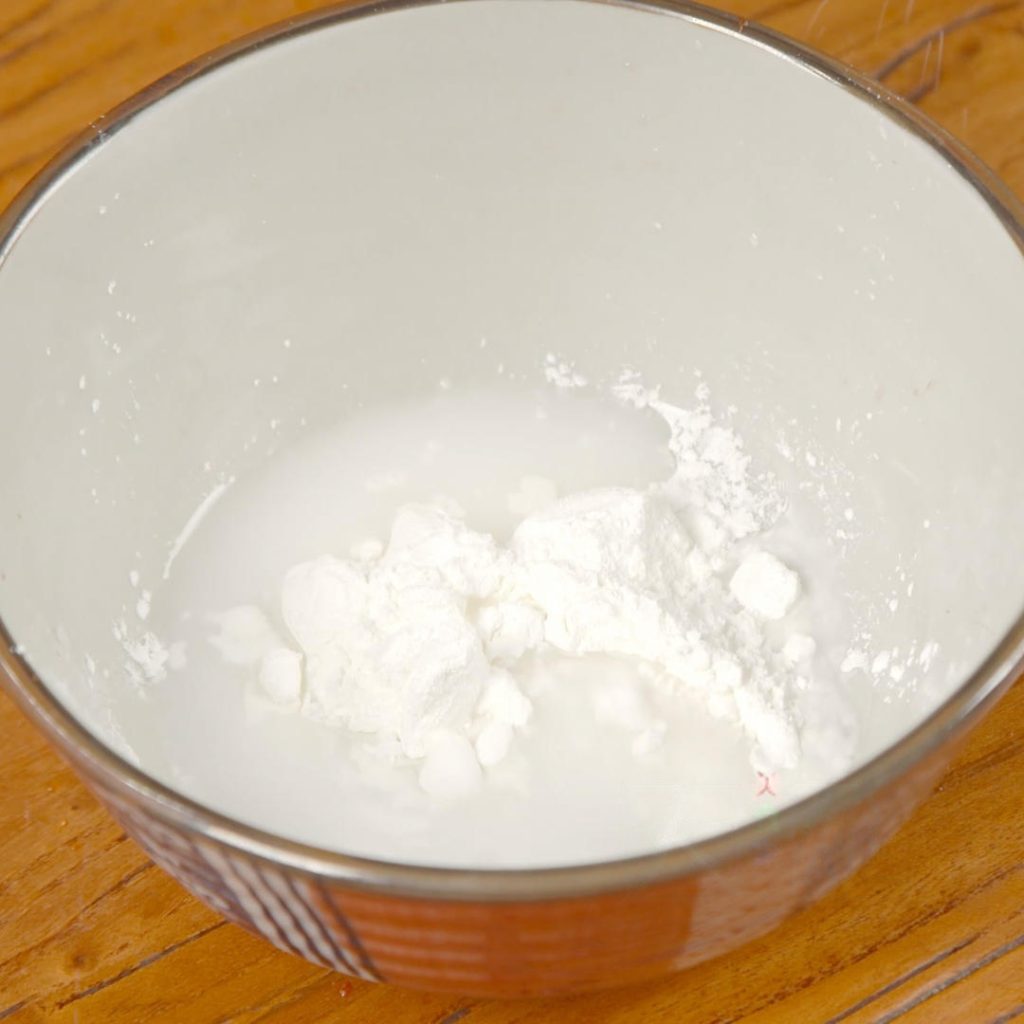
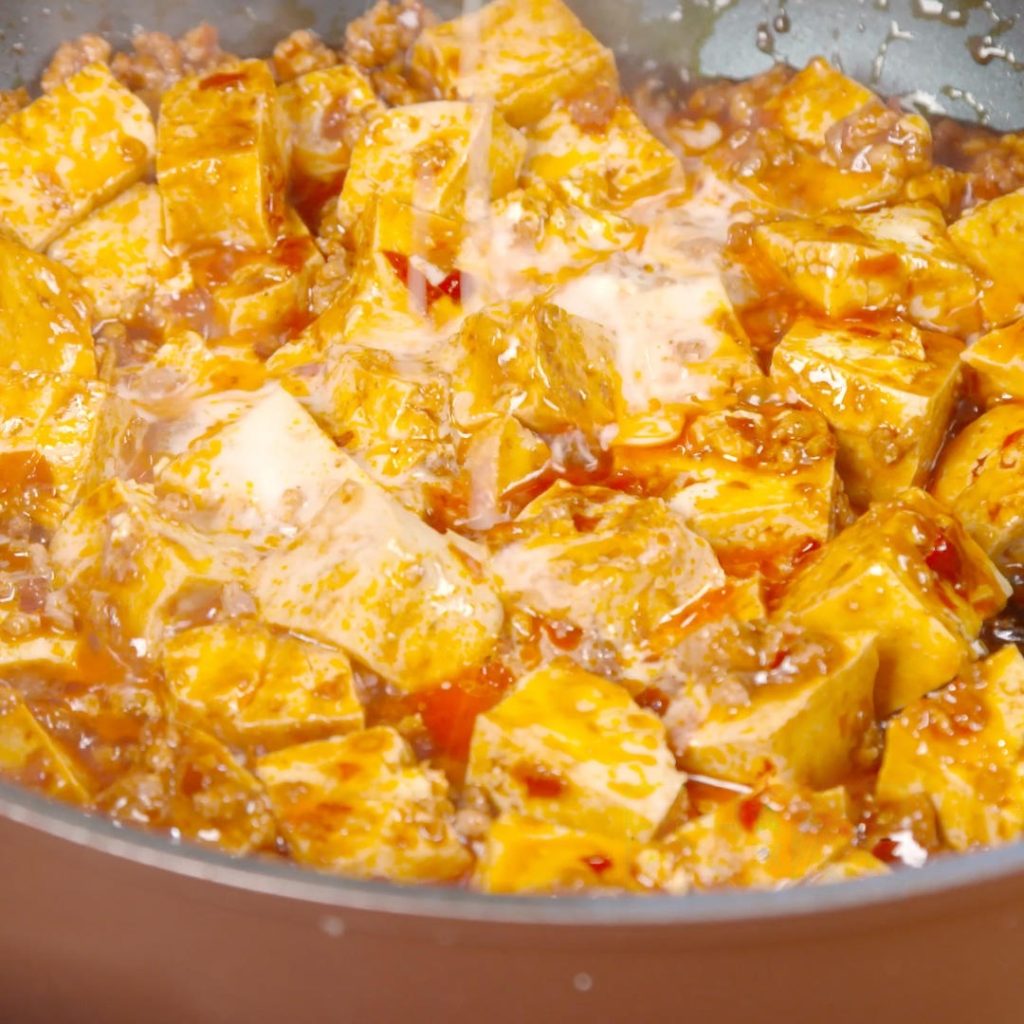
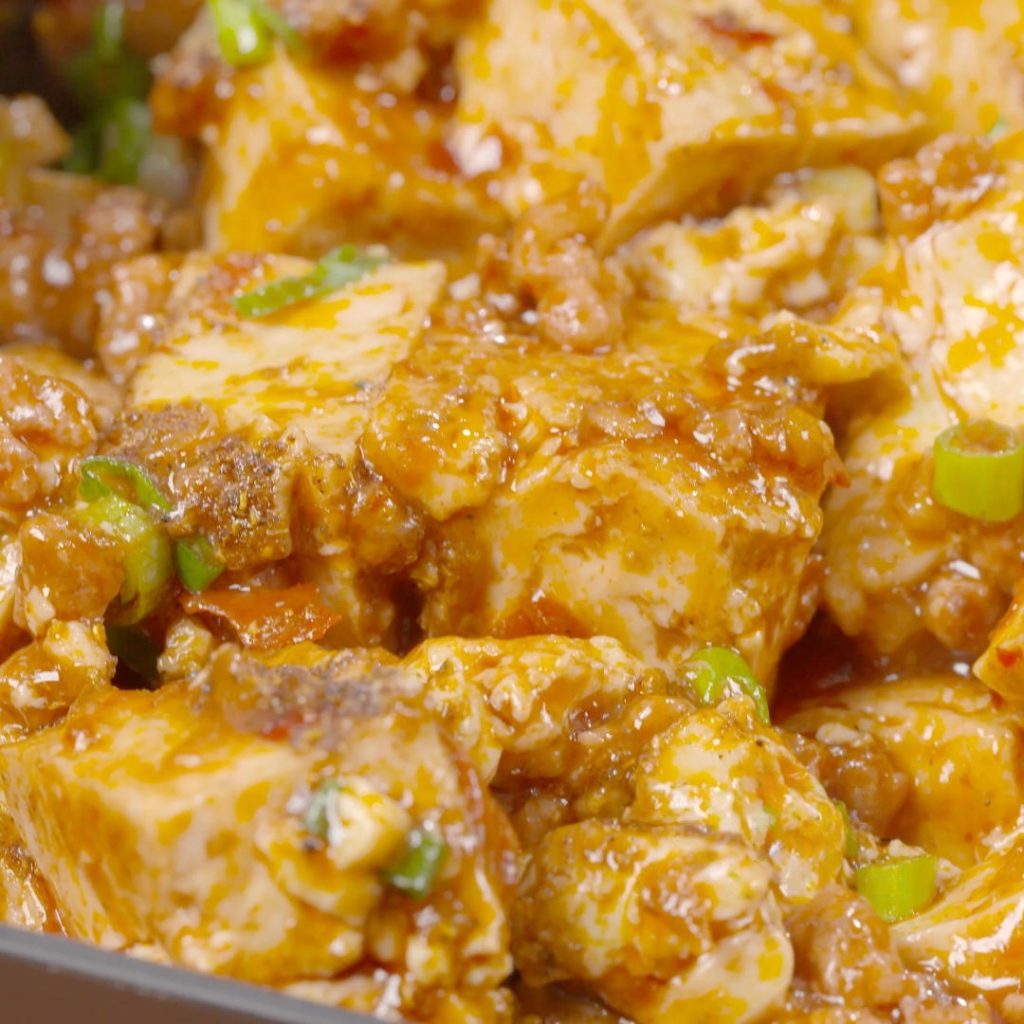
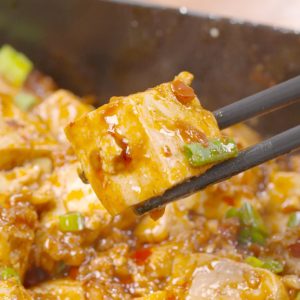
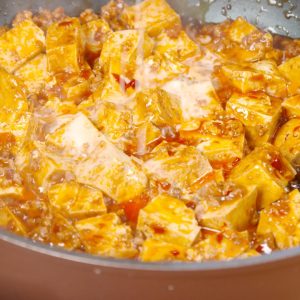
While the tofu simmers, mix 1 tablespoon of cornstarch with 3 tablespoons of water in a small bowl. Remove the lid from the wok. Give the cornstarch slurry a quick stir (starch settles), then pour it slowly into the pan. Gently push the tofu around until the sauce thickens and becomes glossy, clinging to the cubes.
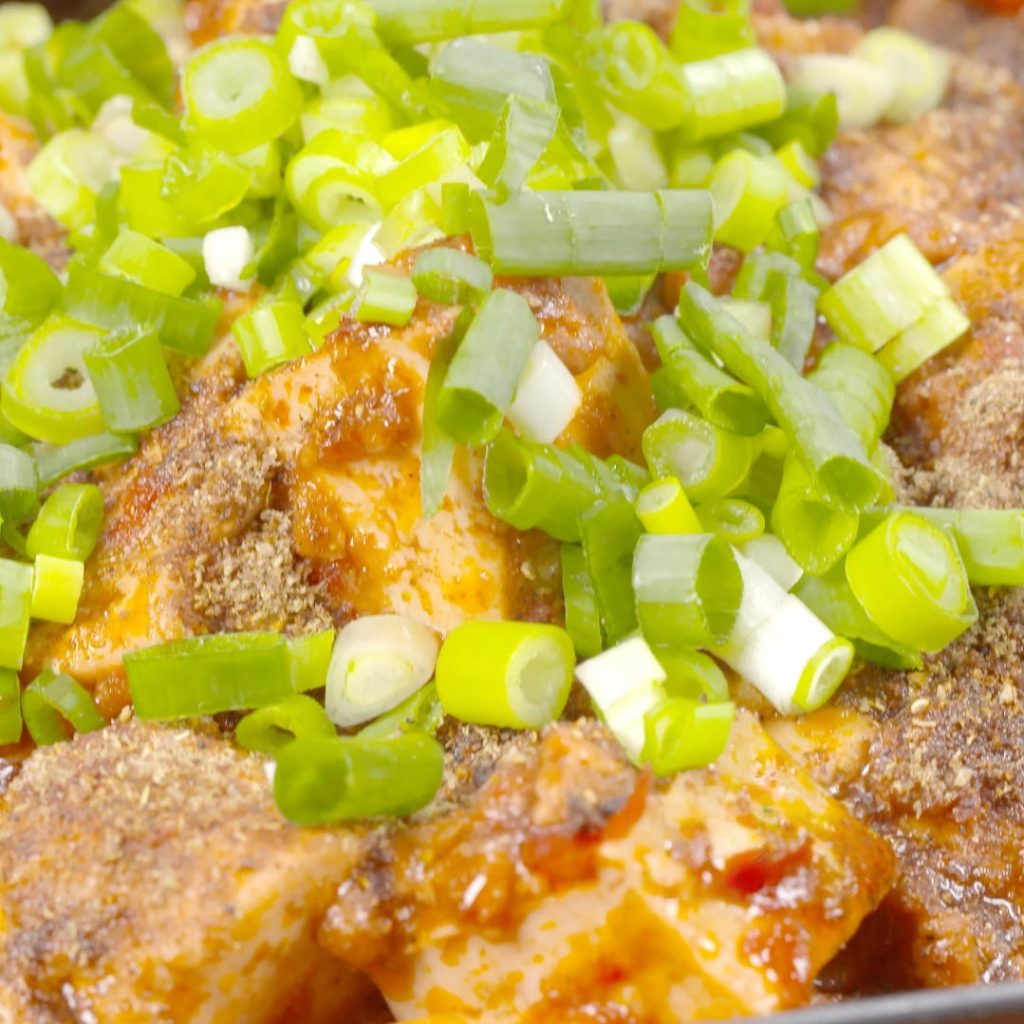
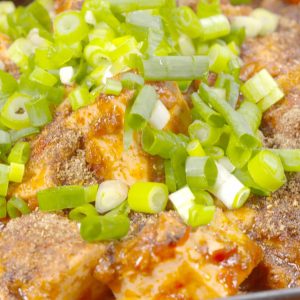
Transfer to a serving bowl. Immediately sprinkle with a generous layer of Sichuan peppercorn powder and the chopped scallions.
Tips for Success
- Don’t burn the paste: Doubanjiang has a high sugar content and burns easily. Keep the heat low when frying the paste initially.
- Adjusting the “Ma” (Numbing): The recipe calls for dusting peppercorn powder at the end. If you love the numbing sensation, feel free to be heavy-handed here!
- Serve immediately: Tofu releases water as it sits. This dish is best eaten hot, right off the stove.
What to Serve With It
This dish is strong and savory, so it pairs best with simple sides:
- Steamed Jasmine Rice: Absolutely essential to soak up that sauce.
- Greens: A simple Stir-fried Lettuce with Garlic or blanched bok choy provides a nice palate cleanser.
- Soup: A mild soup like Tomato Egg Drop Soup balances the spice.
FAQ / Troubleshooting
Q: My tofu fell apart! What happened? A: You likely stirred too vigorously or used tofu that was too soft (silken). Use medium-firm tofu and push, don’t stir.
Q: Can I make this vegetarian? A: Yes! Skip the meat and use finely chopped mushrooms. Ensure your Doubanjiang doesn’t contain meat (most are vegan, but check the label).
Q: Is it safe to reheat pork? A: Yes. Store leftovers in an airtight container in the fridge for up to 3 days. Reheat in a microwave or saucepan until the internal temperature reaches 165°F (74°C). Note that the tofu may release more water upon reheating.
Food Safety and Preparation
- Meat Safety: Ensure the ground meat is cooked thoroughly before adding the liquid. The final simmer ensures everything reaches a safe temperature.
- Allergens: This dish contains Soy (tofu, sauces, paste) and Wheat/Gluten (most soy sauces and Doubanjiang contain wheat). For a gluten-free version, use Tamari and a GF-certified bean paste.
About the Author & Recipe Development
I am Elaine, a chef born and raised in Sichuan province. My parents owned a restaurant where I spent my childhood peeling garlic and watching the masters at the wok. This recipe was developed in my test kitchen to bridge the gap between traditional Sichuan techniques and the practical needs of modern home cooks in the US and Europe. We tested this sauce ratio over 10 times to ensure it provides the perfect coating consistency without becoming gloopy.
Authoritative References
- For general food safety guidelines regarding ground meat, please refer to the USDA Food Safety and Inspection Service.
- To understand the role of soy products in a healthy diet, consult the Harvard T.H. Chan School of Public Health.
Homestyle Mapo Tofu (麻婆豆腐)

Equipment
- Wok or large skillet Non-stick or Carbon Steel recommended
Ingredients
The Main Components
- 500 g Soft or Medium Tofu (Nan Doufu) Cut into 2cm cubes
- 150 g Ground Pork or Beef
- 1 Scallion Finely chopped
- 1 piece Ginger Small piece, minced
- 1 clove Garlic Minced
- 1 tsp Sichuan Peppercorn Powder For garnish
The Stir-Fry Seasonings
- 3 tbsp Cooking Oil
- 3 tbsp Pixian Doubanjiang Broad Bean Paste
The Secret Sauce Mixture
- 15 tbsp Water Approx 225ml or 1 cup
- 1 tbsp Light Soy Sauce
- 1 tbsp Dark Soy Sauce
- 0.2 tsp Salt
- 0.2 tsp MSG Optional but recommended
Cornstarch Slurry
- 1 tbsp Cornstarch
- 3 tbsp Water
Instructions
- Prepare the ingredients: Mince the ginger and garlic, chop the scallions, and cut the tofu into 2cm cubes.

- Mix the sauce: In a large bowl, combine 15 tbsp water, salt, MSG (if using), light soy sauce, and dark soy sauce. Stir well until salt is dissolved.
- Fry the aromatics: Heat 3 tbsp oil in a wok or large skillet over low-medium heat. Add the Doubanjiang and stir-fry for about 1 minute until the oil turns red. Add minced ginger and garlic, stir-frying for another 30 seconds until fragrant.
- Cook the meat: Increase heat to medium-high. Add the ground meat and stir-fry rapidly until fully cooked and separated.
- Braise: Pour the pre-mixed "Secret Sauce" into the wok. Bring to a boil, then gently slide in the tofu cubes. Use the back of your spatula to nudge them in. Cover and simmer on low heat for 5 minutes.
- Thicken: While simmering, mix 1 tbsp cornstarch with 3 tbsp water. Remove the lid, stir the slurry again, and pour it slowly into the wok. Gently push the tofu around until the sauce thickens and becomes glossy.
- Serve: Transfer to a serving bowl and top with a generous dusting of Sichuan peppercorn powder and the chopped scallions.
Notes
Calories: 280 kcal | Protein: 18g | Fat: 22g | Carbohydrates: 8g Disclaimer: Nutrition information is calculated using an ingredient database and should be considered an estimate. Garnishes and optional items are not included. Actual values vary. Allergen Alert: Contains Soy and Wheat (Gluten). Ensure your Doubanjiang is gluten-free if needed.


Leave a Reply