If you have ever ordered eel at a Cantonese seafood restaurant and wondered why it tastes so much better than what you can make at home, the answer is usually the clay pot. Lemongrass baked eel, or 香茅焗爽鳝, is one of those dishes that looks simple on the plate but hides a very specific sequence of techniques: blanch, marinate, sear, then steam over aromatics. Get that order right and the eel comes out tender, glossy, and perfumed with lemongrass.
I grew up watching my parents run a restaurant kitchen in Chengdu, and eel dishes like this were always a test of a cook’s timing. Overcook it by a minute and the flesh turns rubbery. Undercook it and the marinade never fully penetrates. This version is the one I make at home now, and it is forgiving enough for a weeknight but impressive enough for a holiday table.
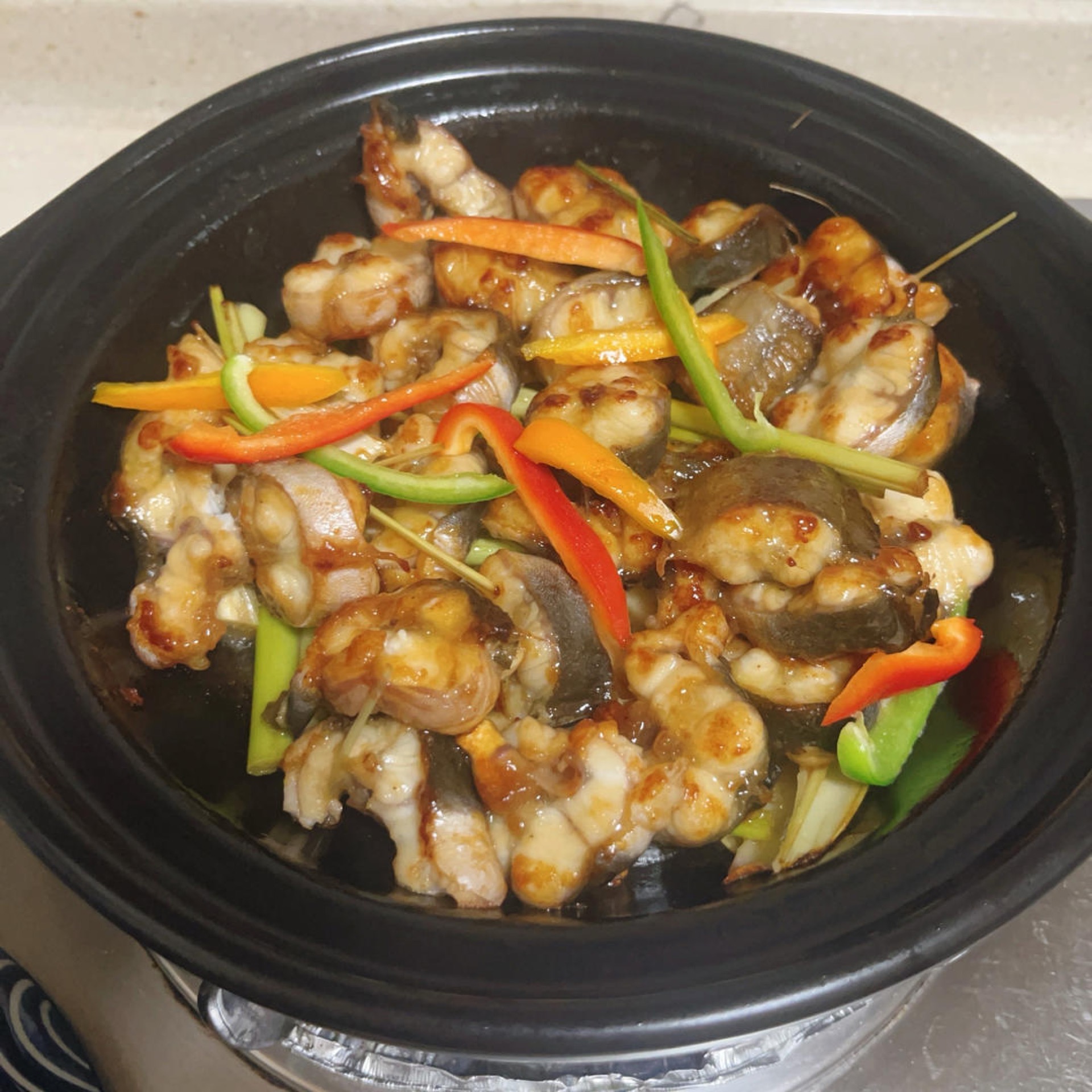
Eel is a rich, fatty fish, and that fat is exactly what carries the lemongrass aroma into every bite. If you are newer to cooking Chinese seafood at home, this is a good dish to try after you are comfortable with a basic stir-fry — see my guide on how to start cooking Chinese food at home for the fundamentals.
What Is Lemongrass Baked Eel?
香茅焗爽鳝 is a Cantonese preparation where eel is first seared in a wok, then transferred to a hot clay pot (砂锅) layered with smashed lemongrass, ginger, and garlic. A splash of Shaoxing wine is poured around the rim, the lid goes on, and the whole thing steams for a few minutes. The word 焗 (jú) in Cantonese cooking refers to this covered, moist-heat finish — not a dry oven bake.
The eel is not really “baked” in the Western sense. It is seared for color and then steamed over aromatics, which is why the flesh stays silky instead of drying out.
爽鳝 (shuǎng shàn) refers to the texture — springy, tender, and slightly bouncy, never mushy. That texture is the whole point of the dish, and it depends on two things: buying fresh eel and not overcooking it.
Why This Recipe Works
- Blanching the eel first removes the slippery surface mucus, which otherwise makes the fish impossible to sear properly.
- A cornstarch slurry in the marinade gives the eel a light coating that browns beautifully and thickens the pan juices.
- Searing in a wok before the clay pot builds Maillard flavor that steaming alone can never achieve.
- Layering the eel on top of lemongrass (rather than mixing it in) means the aromatics release steam upward into the fish instead of burning.
- Adding the wine around the rim of the pot, not onto the fish, creates a burst of steam without washing off the sear.
Equipment Needed
You will need a wok or wide skillet for searing, and a clay pot (砂锅) or a heavy Dutch oven with a tight-fitting lid for the steaming step. A pair of long chopsticks or tongs makes transferring the eel much easier. Have a small bowl of Shaoxing wine ready next to the stove. If you do not own a clay pot, a cast iron Dutch oven works — the aroma will be slightly less pronounced but the texture will be the same.
Ingredients
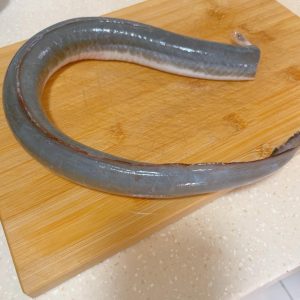
One fresh white eel (白鳝), about 600–700g, cleaned and gutted by your fishmonger. Three stalks of fresh lemongrass. One thumb-sized piece of ginger. One whole head of garlic. For the marinade: salt, light soy sauce, oyster sauce, white pepper, sugar, Shaoxing wine, and cornstarch. You will also need a little extra Shaoxing wine or baijiu for the final steam, and optionally a strip of lemon zest for finishing. If you are unsure which soy or oyster sauce to use, my notes on the best soy sauce brands and the best oyster sauce brands will help.
Ingredient Notes
Fresh eel matters more here than in almost any other dish I cook. Frozen eel, even the good Japanese unagi, has already been cooked and glazed, and it will not behave the same way. Ask your fishmonger to kill and clean it for you — dealing with a live eel at home is genuinely difficult and not worth the trouble.
Lemongrass should be fresh, pale green, and firm. If the outer layers are dry and brown, peel them off until you reach the tender core. Smash it with the flat side of a cleaver or the bottom of a pan — this is what releases the citronella oils.
One honest caveat: if your lemongrass is old or has been sitting in the fridge for two weeks, the dish will taste flat. There is no way to fake that fragrance.
Oyster sauce adds body and a savory depth that soy sauce alone cannot provide. Use a brand you trust — I keep a bottle of Lee Kum Kee in my pantry for exactly this kind of dish.
Prep & Mise en Place
Before you turn on the stove, do all of this: blanch and dry the eel, cut it into 1.2 cm pieces, mix the marinade, and let it sit for 30 minutes. Smash and segment the lemongrass. Cut the ginger into small chunks. Peel the garlic cloves and leave them whole. Measure out the final splash of wine into a small bowl. Once you start searing, there is no time to chop.
Cooking Process
Step 1: Blanch and Clean the Eel
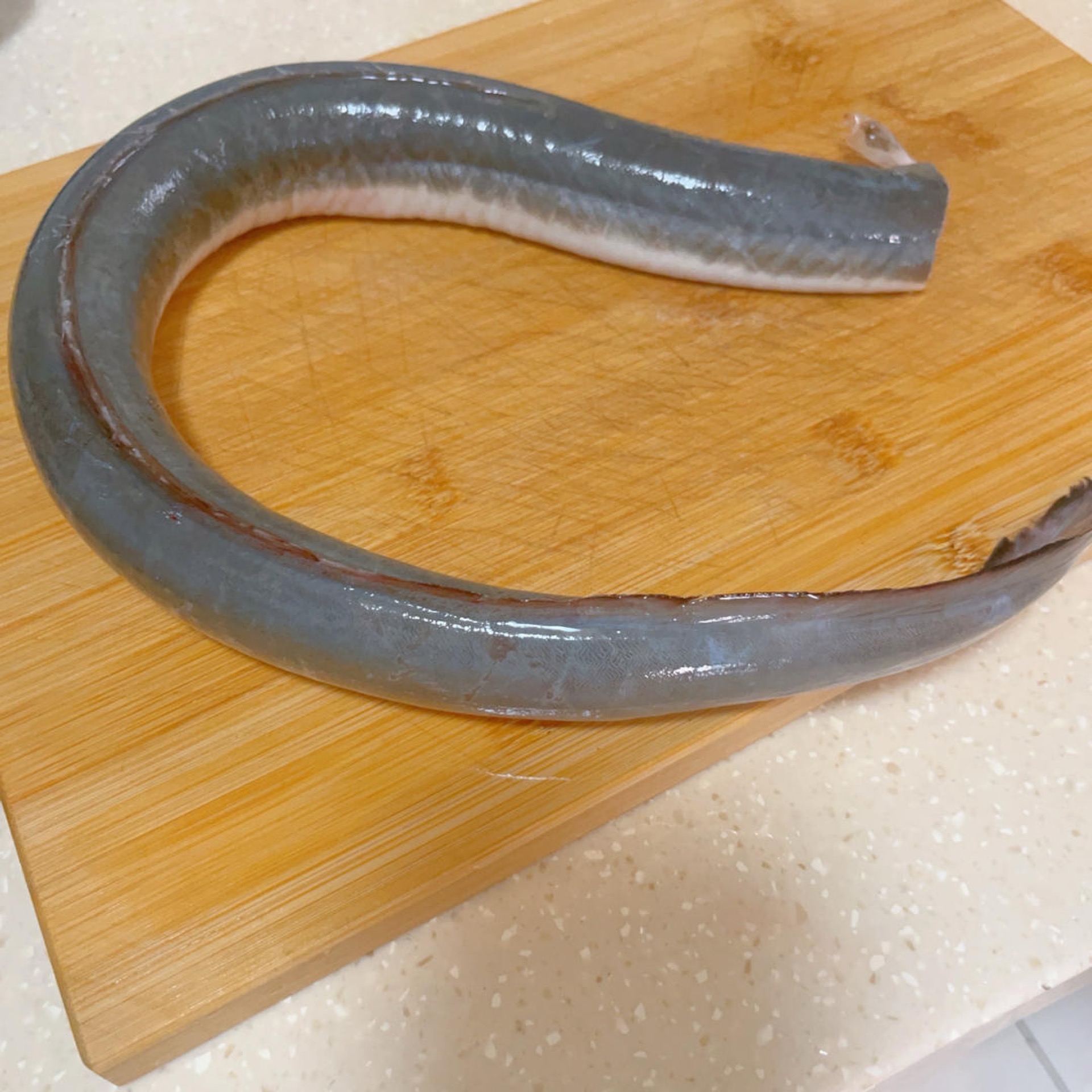
Have your fishmonger kill and clean the eel. At home, pour boiling water over the eel to remove the surface mucus, then rinse thoroughly under cold water and pat dry. The skin should feel matte, not slippery.
Step 2: Cut and Marinate
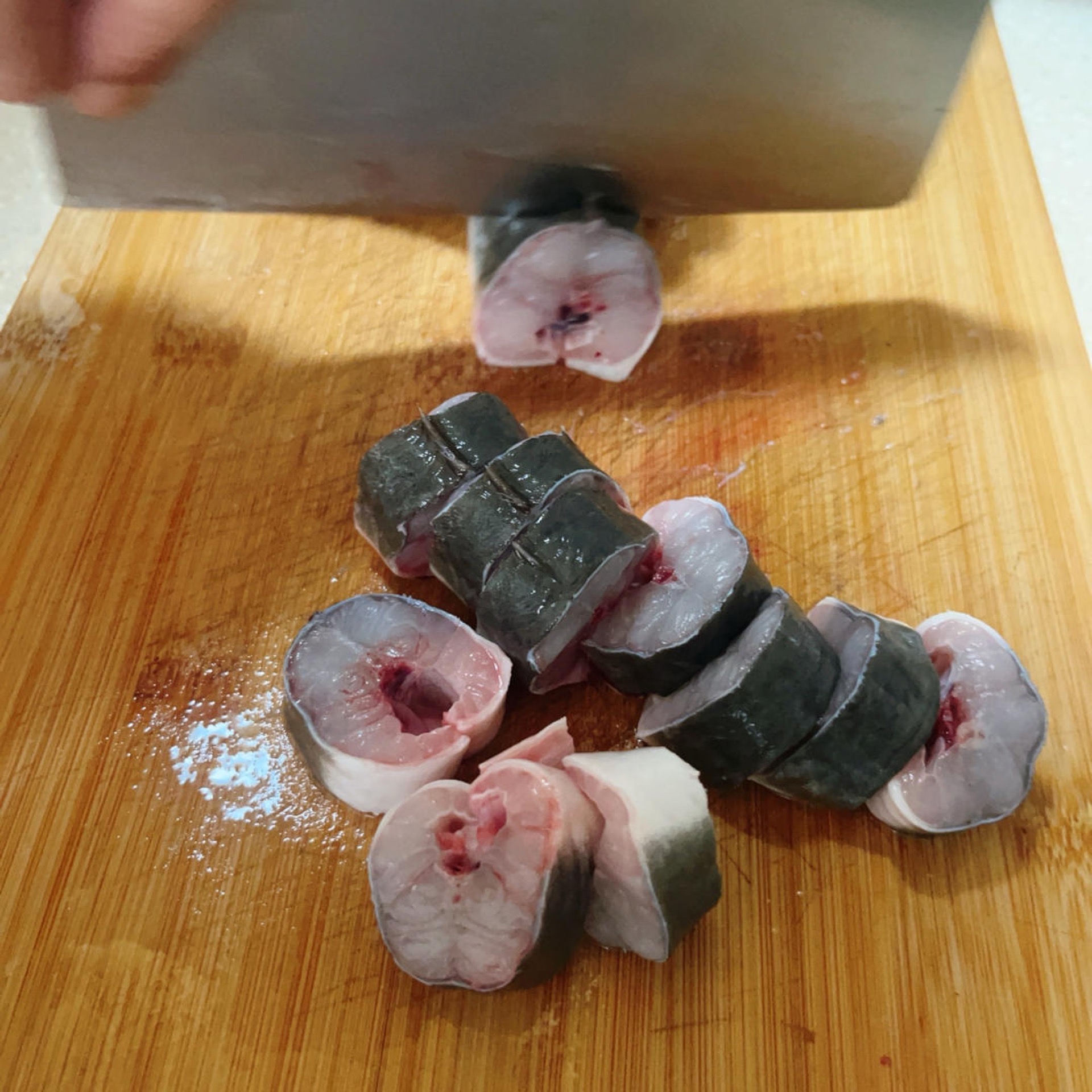
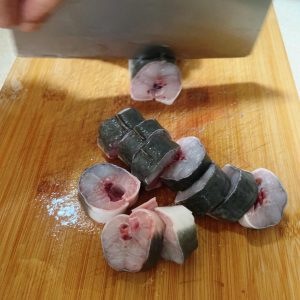
Cut the eel into pieces about 1.2 cm thick. In a bowl, combine salt, light soy sauce, oyster sauce, white pepper, sugar, and Shaoxing wine. Add the eel and toss well, then sprinkle in cornstarch and mix again until each piece is lightly coated. Marinate for 30 minutes. Meanwhile, smash the lemongrass and cut it into segments, and cut the ginger into small chunks. (I forgot to photograph this step.)
Step 3: Sear the Eel
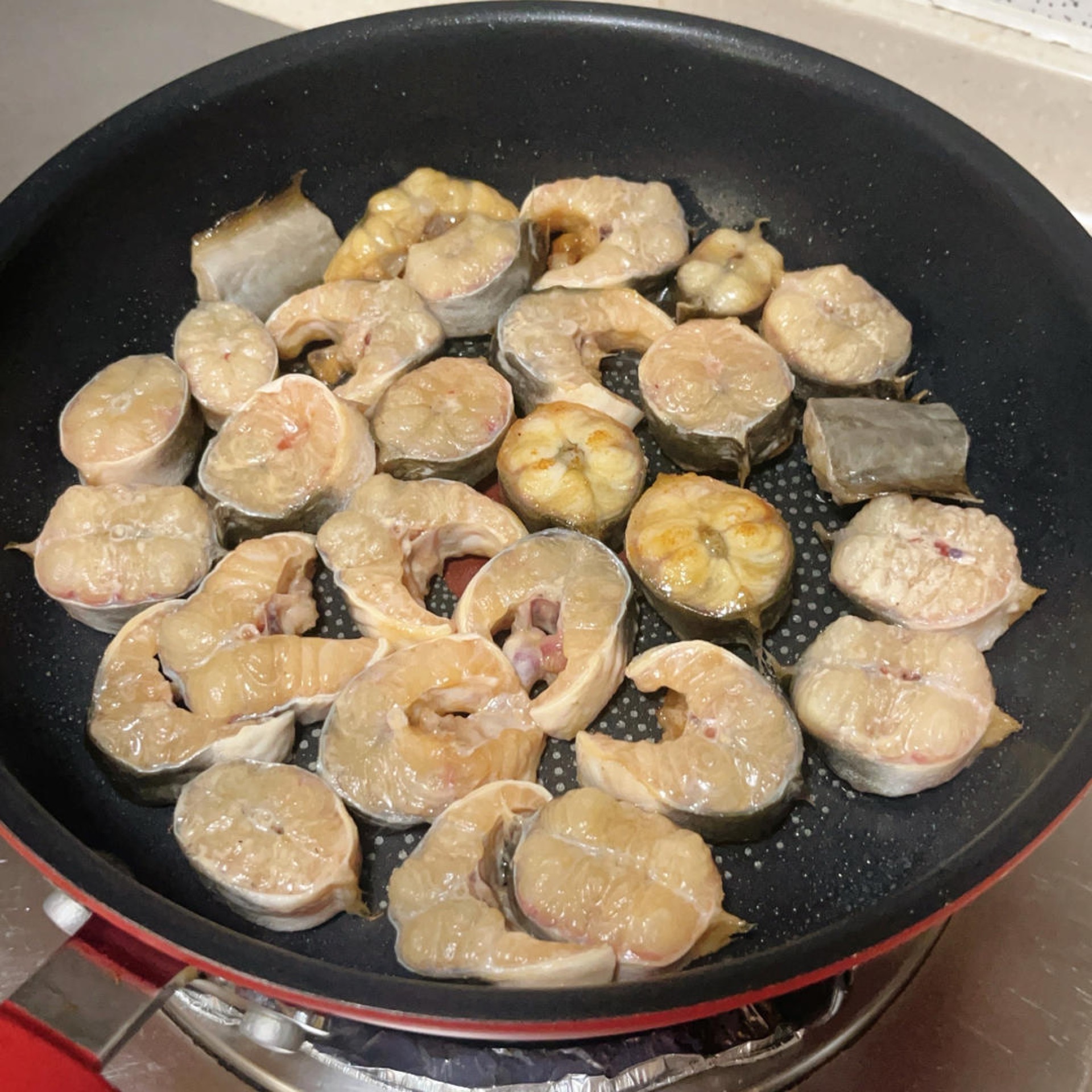
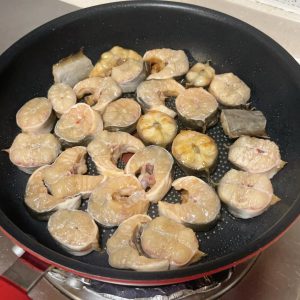
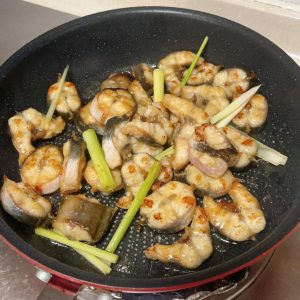
Pat the marinated eel pieces dry with kitchen paper. Heat a wok over high heat until the oil shimmers, then lay the eel pieces in a single layer. Sear until both sides are golden brown.
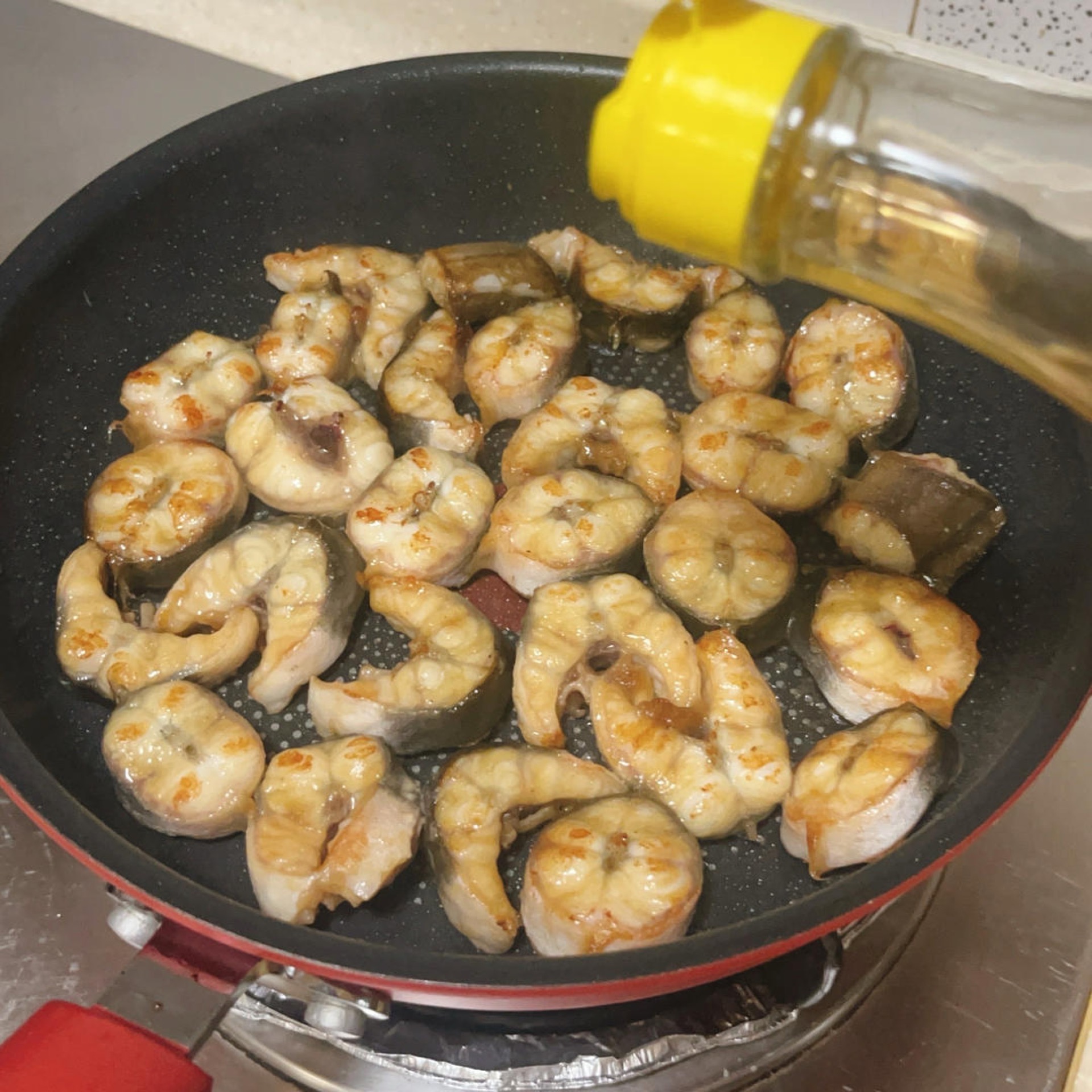
Step 4: Deglaze with Wine
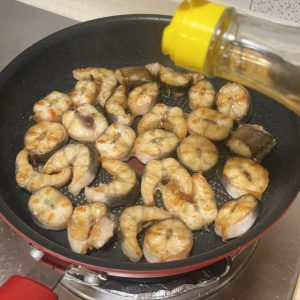
Splash in a little Shaoxing wine to lift the fishy notes and deglaze the pan.
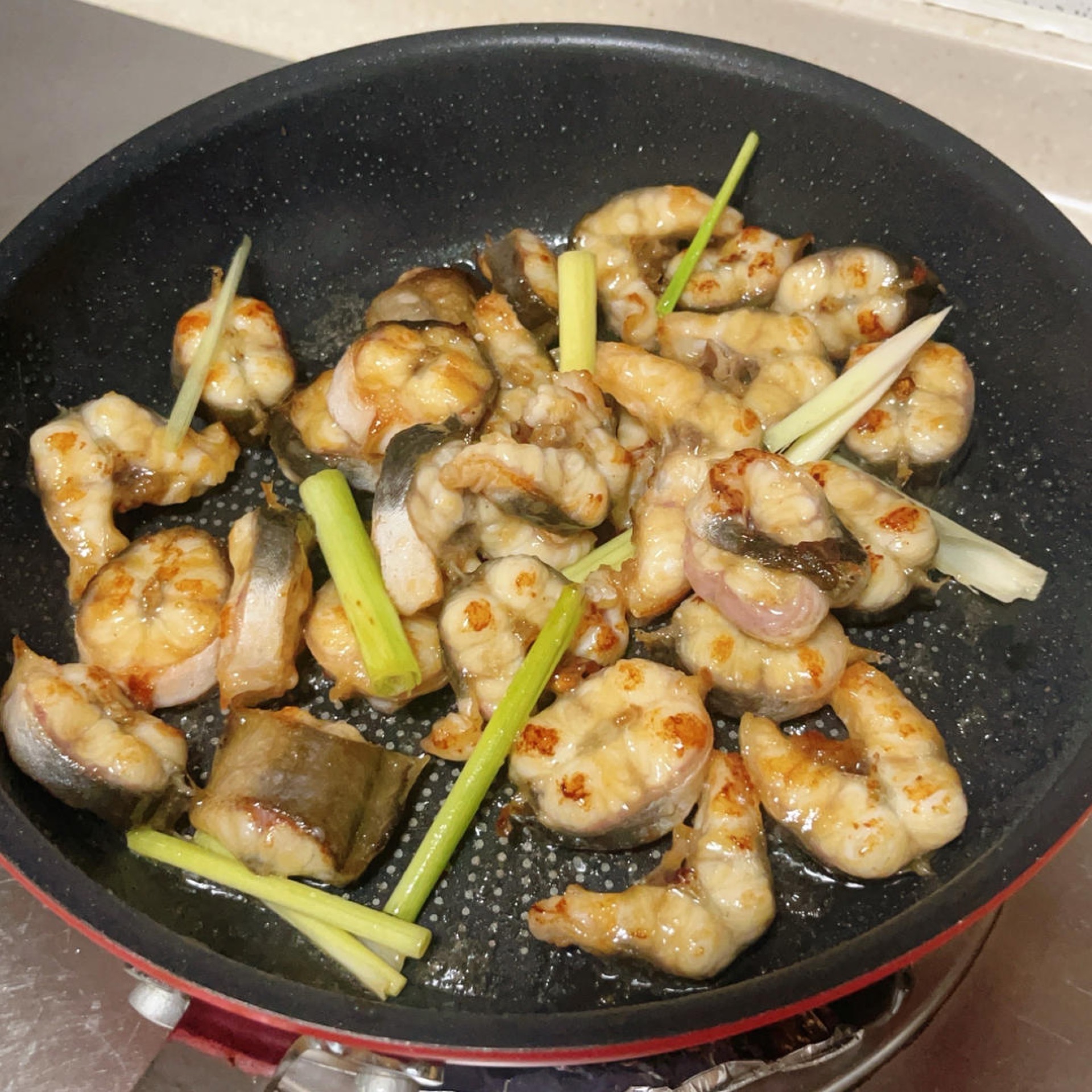
Step 5: Add Lemongrass and Soy
Add a few lemongrass segments to the wok for aroma, then a small splash of soy sauce for color and flavor. If your marinade was already well seasoned, skip the extra soy — too much salt is not healthy. The eel should be about 70–80% cooked at this point.
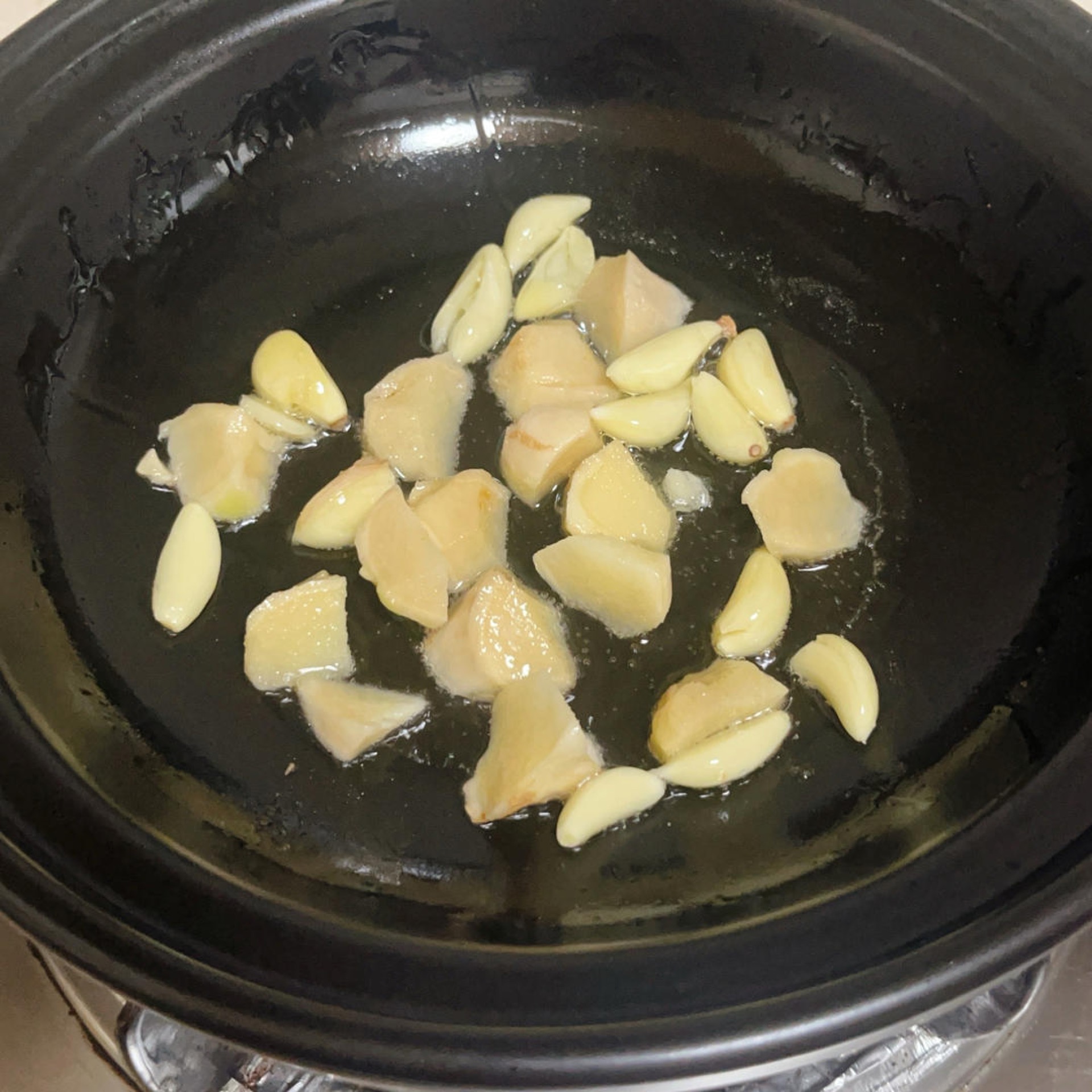
Step 6: Heat the Clay Pot
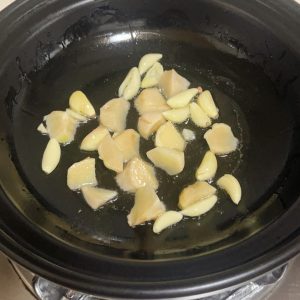
In parallel, heat a clay pot over medium heat with a little oil. Add the ginger and garlic and fry briefly until fragrant — do not let them brown.
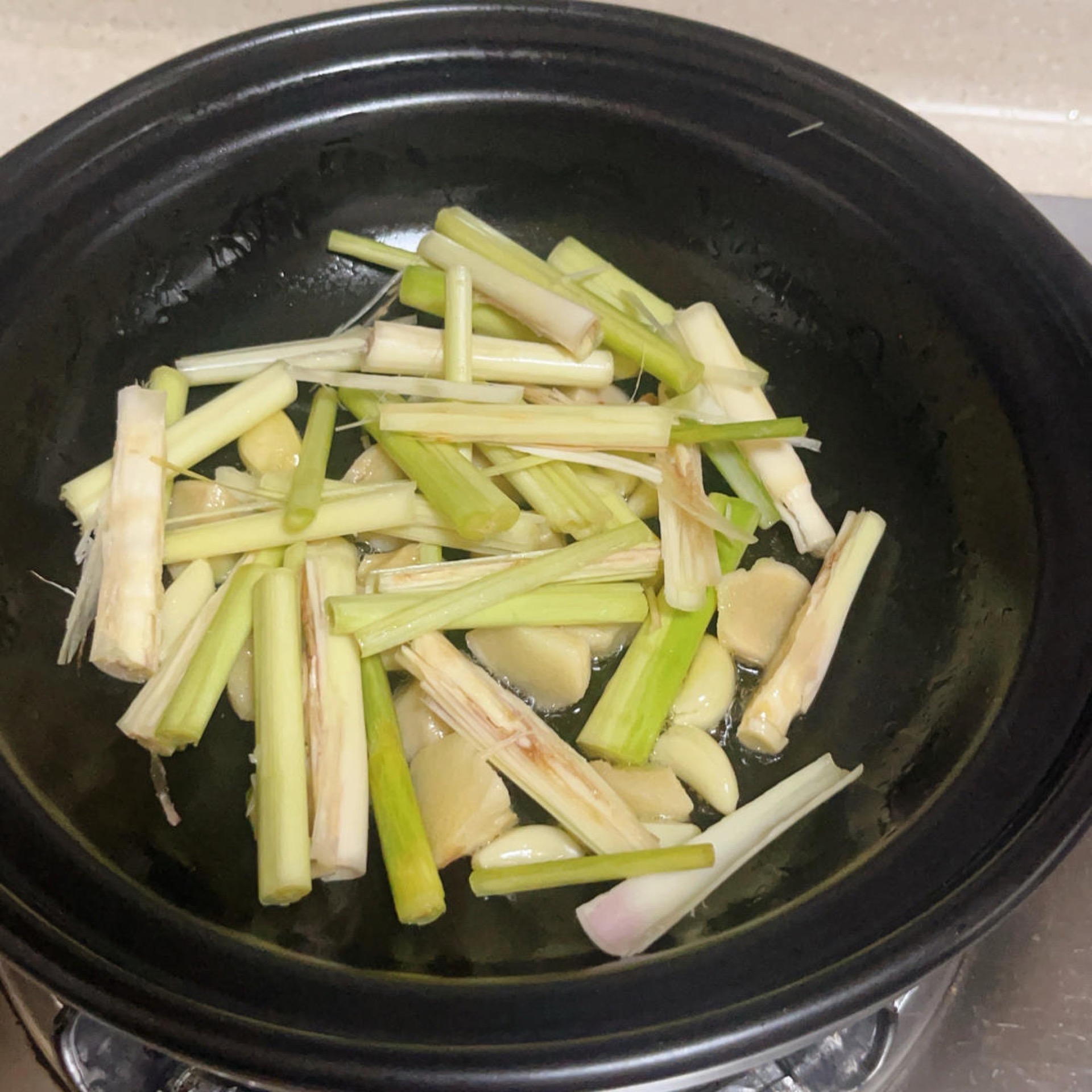
Step 7: Build the Aromatic Bed
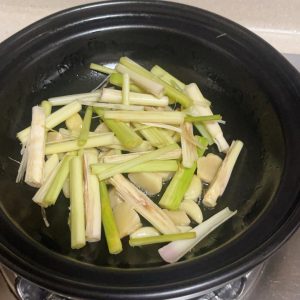
Spread the remaining lemongrass in an even layer over the ginger and garlic.
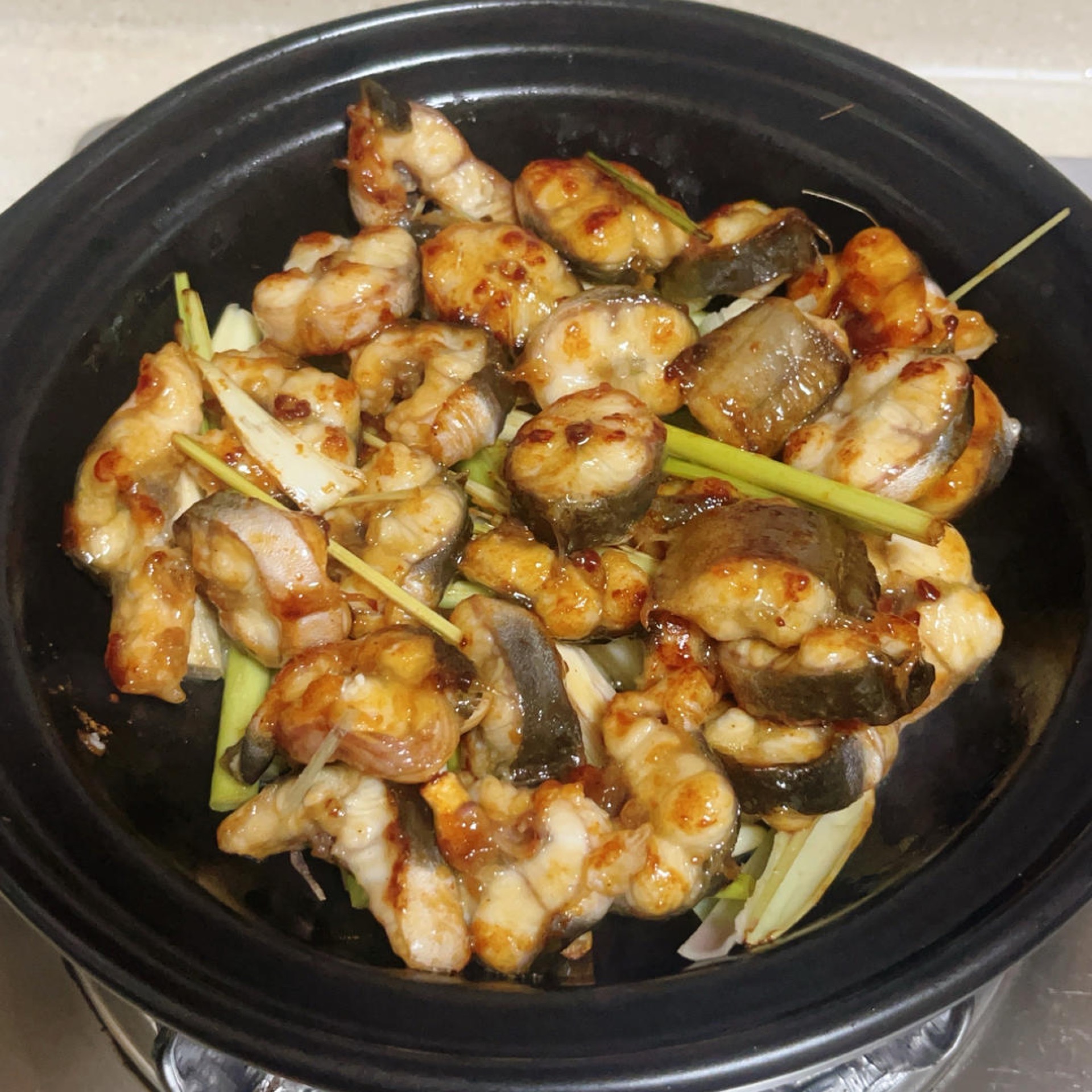
Step 8: Layer the Eel
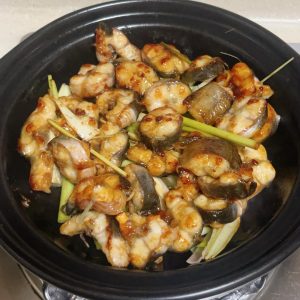
Arrange the seared eel pieces in a single layer on top of the lemongrass.
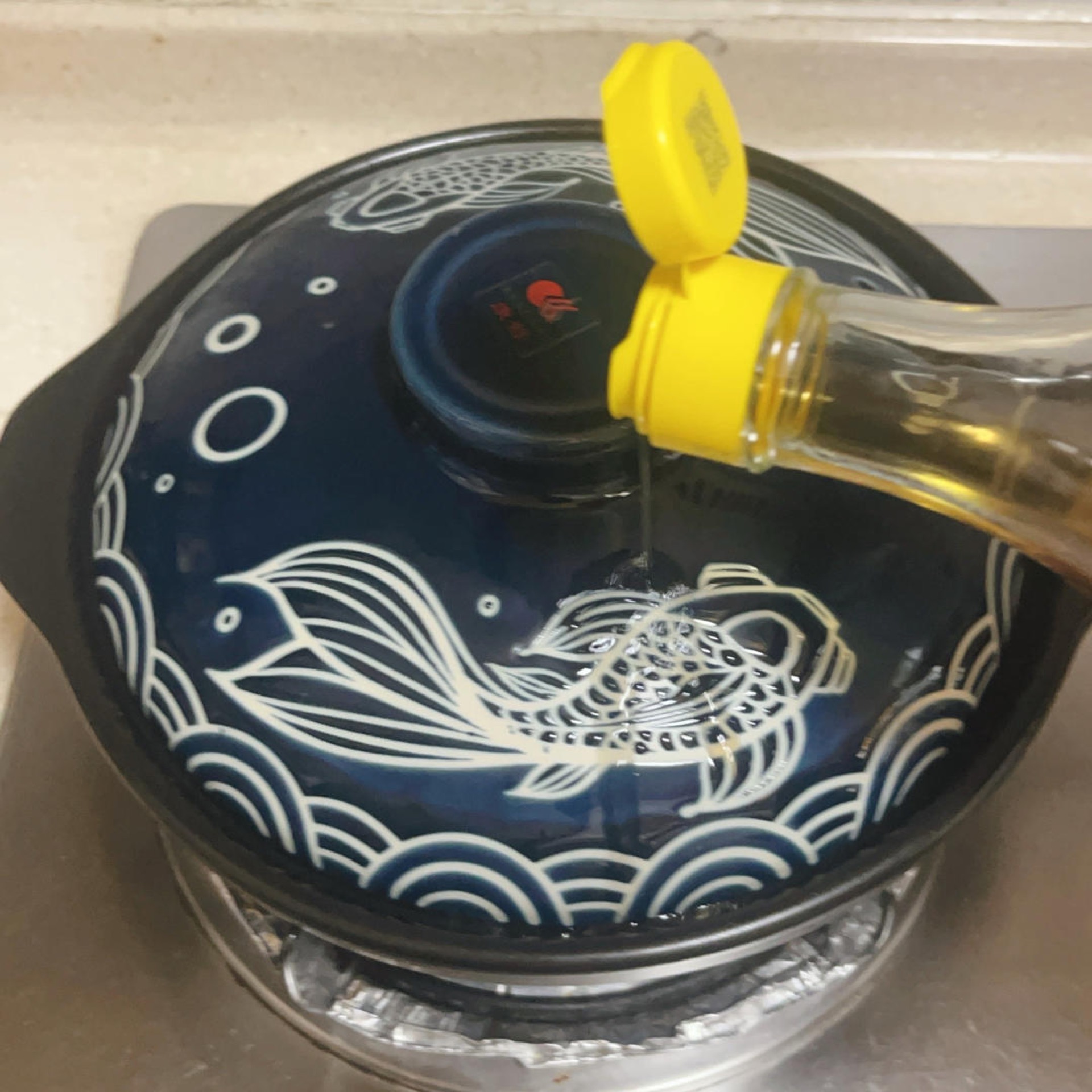
Step 9: Cover and Steam
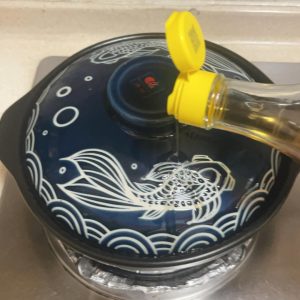
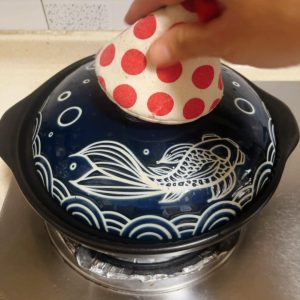
Cover the pot and pour a ring of Shaoxing wine or baijiu around the lid. Steam for 3 minutes.
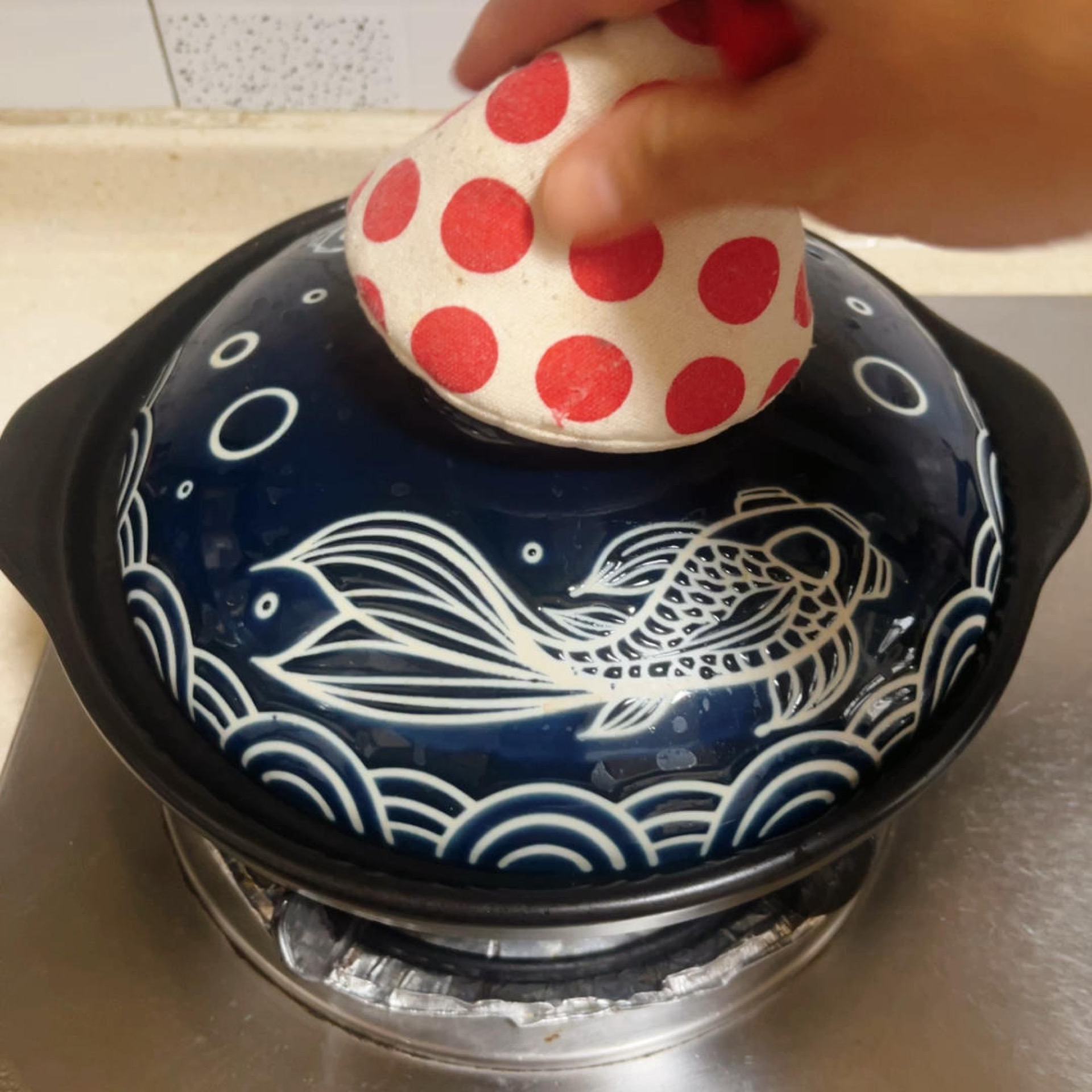
Step 10: Open and Check
When you lift the lid, a wave of lemongrass fragrance should hit you immediately. The eel should look glossy and slightly firm to the touch.
Step 11: Finish and Serve
The eel has absorbed the lemongrass aroma. If you have lemon available, cut it into thin strips and scatter over the top for extra layers of flavor. Serve immediately, straight from the pot.
Common Mistakes When Making Lemongrass Baked Eel
Skipping the blanch. Eel skin is naturally slimy. If you do not blanch it, the marinade will slide off and the sear will be uneven. This step takes 30 seconds and changes everything.
Overcrowding the wok. If the eel pieces touch, they steam instead of searing. Work in batches if you have to — a pale, gray piece of eel has no flavor.
Not drying the eel before searing. Wet fish will not brown. Kitchen paper is not optional here.
Adding the wine directly onto the fish. Pour it around the rim of the clay pot so it turns to steam on contact with the hot ceramic, not on top of your carefully seared crust.
Steaming too long. Three minutes is the sweet spot. Four minutes will still be edible, but the texture will start to tighten. Eel is not forgiving the way pork belly is.
Variations
Swap the lemongrass for fresh ginger and scallion for a more traditional Cantonese 薑蔥焗鱔. Add a teaspoon of fermented black beans to the marinade for a deeper, more savory version — my black bean steamed ribs use the same technique. For a spicier version, add sliced fresh chilies to the clay pot along with the ginger. If you want to lean into the lemon note, add a few strips of lime leaf along with the lemongrass.
Frequently Asked Questions
Can I use frozen eel? You can, but the texture will be noticeably softer and the sear will not develop the same way. If frozen is your only option, thaw it completely and pat it very dry before marinating.
Do I really need a clay pot? No, but it is the traditional vessel and it does make a difference. A heavy Dutch oven or a cast iron pot with a tight lid will work almost as well.
How do I know when the eel is done? The flesh should be opaque all the way through and spring back slightly when pressed. If it flakes apart easily, it is overcooked.
Can I make this ahead? Marinate the eel up to 4 hours in advance and keep it covered in the fridge. The searing and clay pot steps should be done just before serving.
What if I cannot find fresh lemongrass? Frozen lemongrass paste is a distant second choice. Dried lemongrass is not worth using here — the fragrance is gone.
How to Serve
Serve this straight from the pot with steamed jasmine rice and a simple green vegetable. A quick stir-fry like Gong Cai pork stir-fry or waipocai with egg balances the richness of the eel. If you want a noodle-based meal, serve it alongside egg and vegetable fried udon. For a lighter side, a plate of green pepper scallop stir-fry works well. Finish with something sweet like red date cake if you want a full Cantonese-style meal.
Storage & Reheat
Leftover eel keeps in the fridge for up to 2 days in an airtight container. Reheat gently in a covered pan over low heat with a splash of water — do not microwave it, or the texture will turn rubbery. The lemongrass pieces should be discarded before storing. This dish does not freeze well.
Allergen Notice
This recipe contains fish (eel), soy, and wheat (from soy sauce and Shaoxing wine). Oyster sauce contains mollusks. Check all bottled sauces for hidden allergens if you are cooking for someone with dietary restrictions.
Nutrition Disclaimer
Nutrition information is an estimate and will vary based on the size of your eel, the specific brands of sauces you use, and portion size. This is not medical or dietary advice.
About the Author & Recipe Development
I am Lin, and I grew up in my parents’ restaurant kitchen in Chengdu, where every dish on the menu had to earn its place. That meant learning the difference between a dish that merely tasted good and one that customers would come back for. This lemongrass baked eel is one of the latter — my father made it every week during eel season, and I have adapted his method for a home kitchen without a commercial burner. The timing here is slightly more forgiving than his original, but the sequence of sear-then-steam is exactly what he taught me.
Authoritative References
For background on Cantonese clay pot cooking and the 焗 technique, see the guide to thickening sauces properly and the troubleshooting notes on soggy vegetables, both of which touch on the same high-heat principles used here. For a broader foundation, the Chinese cooking beginner system covers the equipment and pantry basics that make dishes like this one easier to execute.

Lemongrass Baked Eel (香茅焗爽鳝): Fragrant, Tender, Restaurant-Style

Equipment
- Wok or wide skillet
- Clay pot (砂锅) or heavy Dutch oven
- Tongs or long chopsticks
- Kitchen Paper
- Small bowl for wine
Ingredients
Main Ingredients
- 1 fresh white eel (白鳝) about 600-700g, cleaned and gutted by fishmonger
- 3 stalks fresh lemongrass smashed and cut into segments
- 1 piece ginger thumb-sized, cut into small chunks
- 1 head garlic cloves peeled, left whole
Marinade
- 1 tsp salt
- 1 tbsp light soy sauce
- 1 tbsp oyster sauce
- 1/2 tsp white pepper
- 1 tsp white sugar
- 1 tbsp Shaoxing wine for marinade
- 1 tbsp cornstarch
For Cooking
- 2 tbsp cooking oil for searing and clay pot
- 2 tbsp Shaoxing wine or baijiu for pouring around the lid
- 1 tsp light soy sauce optional, for finishing
- 1 lemon optional, zest cut into thin strips for garnish
Instructions
- Have your fishmonger kill and clean the eel. At home, pour boiling water over the eel to remove the surface mucus, then rinse thoroughly under cold water and pat dry. The skin should feel matte, not slippery.

- Cut the eel into pieces about 1.2 cm thick. In a bowl, combine salt, light soy sauce, oyster sauce, white pepper, sugar, and Shaoxing wine. Add the eel and toss well, then sprinkle in cornstarch and mix again until each piece is lightly coated. Marinate for 30 minutes. Meanwhile, smash the lemongrass and cut it into segments, and cut the ginger into small chunks.
- Pat the marinated eel pieces dry with kitchen paper. Heat a wok over high heat until the oil shimmers, then lay the eel pieces in a single layer. Sear until both sides are golden brown.
- Splash in a little Shaoxing wine to lift the fishy notes and deglaze the pan.
- Add a few lemongrass segments to the wok for aroma, then a small splash of soy sauce for color and flavor. If your marinade was already well seasoned, skip the extra soy. The eel should be about 70-80% cooked at this point.
- In parallel, heat a clay pot over medium heat with a little oil. Add the ginger and garlic and fry briefly until fragrant — do not let them brown.
- Spread the remaining lemongrass in an even layer over the ginger and garlic.
- Arrange the seared eel pieces in a single layer on top of the lemongrass.
- Cover the pot and pour a ring of Shaoxing wine or baijiu around the lid. Steam for 3 minutes.
- When you lift the lid, a wave of lemongrass fragrance should hit you immediately. The eel should look glossy and slightly firm to the touch.
- The eel has absorbed the lemongrass aroma. If you have lemon available, cut it into thin strips and scatter over the top for extra layers of flavor. Serve immediately, straight from the pot.




Leave a Reply