Growing up in Sichuan, the smell of dried chilies and Sichuan peppercorns hitting hot oil was my alarm clock. But when it came to packing lunch for school or work, Kung Pao Chicken (Gong Bao Ji Ding) was the undisputed king of the “dai fan” (带饭 – bringing lunch) culture.
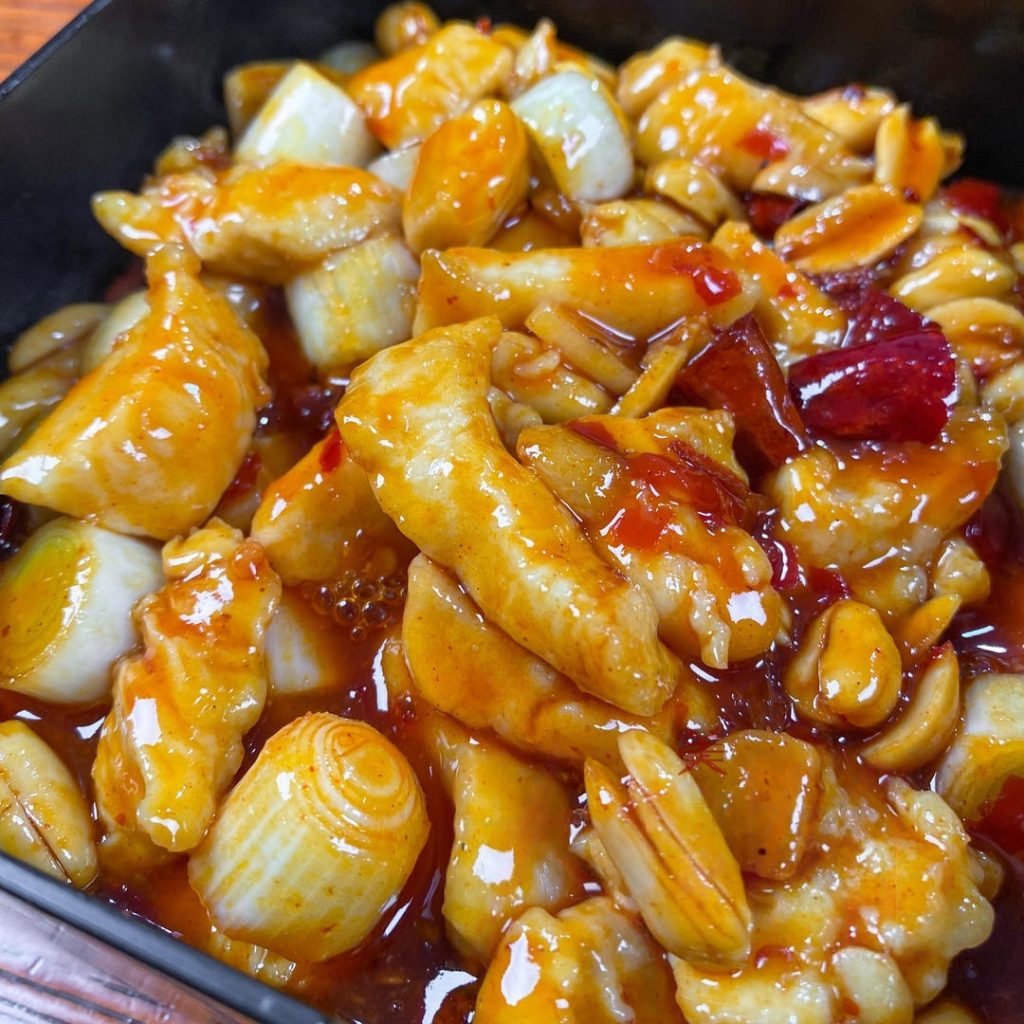
I remember my father, a chef who spent decades in professional kitchens, telling me, “Jason, the soul of this dish isn’t just the heat; it’s the balance of the Lychee flavor—that perfect interplay of sweet and sour that makes you crave another bowl of rice.”
This recipe is designed for high success. It’s the version we use at home when we want something “rice-killing” (a Chinese term for dishes that make you eat more rice) but simple enough to whip up in 20 minutes. It uses a specific “golden ratio” sauce and a simple marinating technique that ensures the chicken breast stays juicy, never dry.
Why This Recipe Works
- The “Secret” Sauce Ratio: We use a precise 3:3:1 ratio of sugar, vinegar, and soy sauce to achieve the classic “Lychee” flavor profile that defines authentic Kung Pao.
- Rinsing the Chicken: Unlike many Western recipes, we rinse and soak the cut chicken. This hydrates the fibers and removes surface starch, ensuring the pieces don’t stick together during the stir-fry.
- Two-Stage Frying: We cook the chicken first, remove it, and then build the sauce. This prevents the meat from overcooking while the aromatics release their flavor.
What is Kung Pao Chicken?
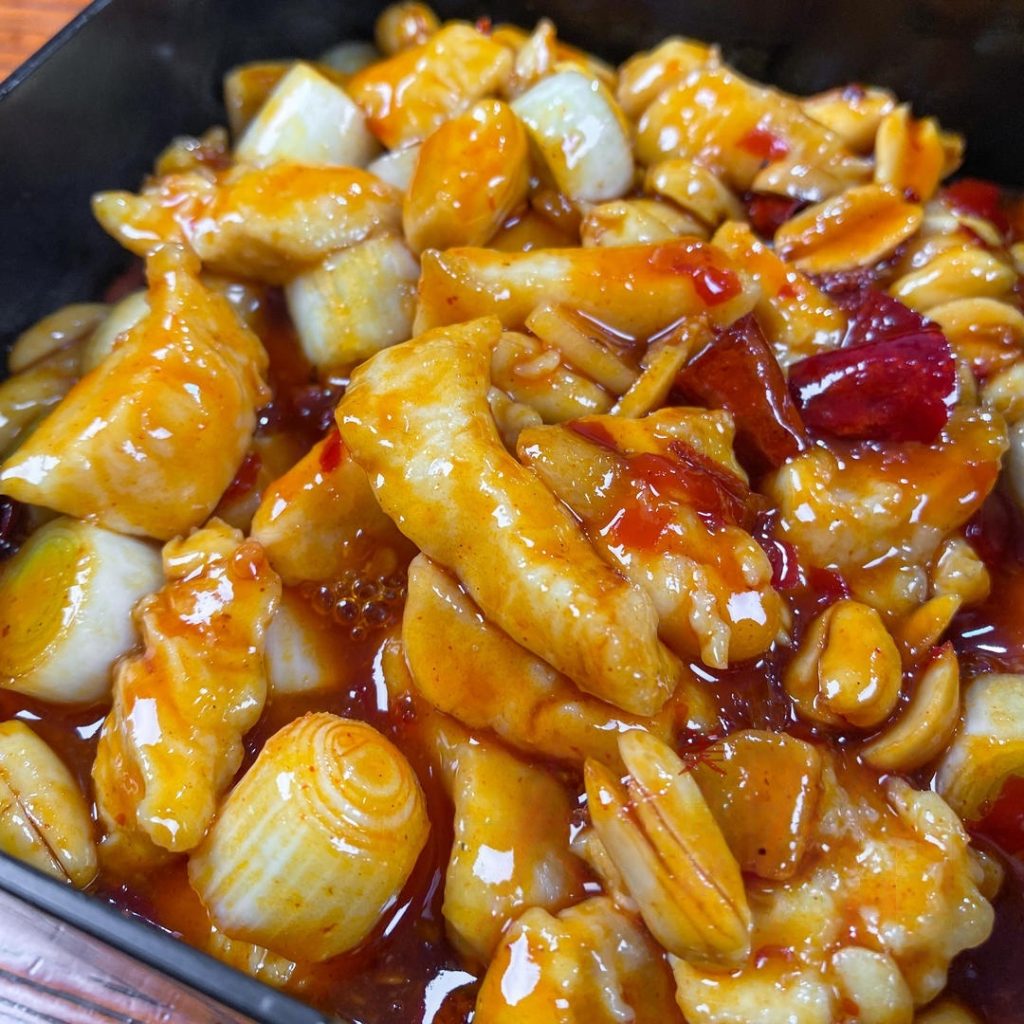
Kung Pao Chicken (宫保鸡丁) is a staple of Sichuan cuisine. While Western versions often load it with vegetables like zucchini and heavy cornstarch slurry, the authentic version focuses on the contrast between tender chicken, crispy peanuts (or cashews), and the aromatic snap of scallion whites. The flavor is complex: savory, spicy, slightly numbing, and unmistakably sweet and sour.
Key Ingredients & Substitutions
- Chicken Breast: The original recipe calls for chicken breast. While thighs are often recommended for stir-fries, this recipe uses a “velveting” marinade (egg + starch) that keeps the breast meat incredibly tender.
- Comparison: If you prefer Chicken Thighs, they are more forgiving and naturally juicier, but Breast meat offers a cleaner bite that contrasts better with the rich sauce.
- Pixian Doubanjiang: This is the soul of Sichuan cooking. It is a fermented broad bean paste with chili oil.
- Buying Tip: Look for the “Pixian” region on the label. You can learn more about sourcing Doubanjiang here.
- Sichuan Peppercorns: These provide the ma (numbing) sensation. Red peppercorns are standard here.
- The “Secret” Sauce Acids: We use Rice Vinegar (or Chinkiang Vinegar) for the sour note.
- Peanuts: Fried or roasted peanuts add the necessary crunch. You can substitute with roasted cashews.
Equipment Note: A carbon steel wok is traditional, but a 12-inch heavy skillet works perfectly for this recipe. Ensure your heat source is capable of getting the oil hot enough to bloom the spices.
Recipe Notes Before You Start
- The Spoon Unit: The original recipe uses a Chinese “Porcelain Spoon” as a unit of measurement. For this English version, I have converted 1 Porcelain Spoon to approximately 1 Tablespoon (15ml).
- Mise en Place: Stir-frying happens fast. Have your “Mystery Sauce” mixed and your aromatics chopped before you turn on the stove.
- Chicken Prep: The recipe involves rinsing the chicken cubes. Do not skip this! It removes surface tackiness and adds moisture.
Ingredients
The Protein
- 1 lb (approx. 450g) Chicken breast
- 1/2 large Scallion (leek), thick white part preferred
- 1 Egg (divided use)
- 1/2 cup Roasted Peanuts
- 1 inch Ginger, sliced
- 2 cloves Garlic, sliced
The Marinade
- 1/2 tbsp Salt
- 1 tsp MSG (Optional but recommended for authenticity)
- 1/2 Beaten Egg
- (Water for soaking)
The Aromatics & Spice
- Dried Chili Peppers (cut into sections), to taste
- 1 tsp Sichuan Peppercorns
- 2 tbsp Pixian Doubanjiang (Chili Bean Paste)
- 2 tbsp Cooking Oil (divided)
The “Mystery” Sauce
- 4 tbsp Water
- 3 tbsp Rice Vinegar (or Chinkiang Vinegar)
- 1 tbsp Light Soy Sauce
- 3 tbsp White Sugar
- 1/2 tsp Salt
- 1/2 tsp MSG (Optional)
- 1 tbsp Cornstarch
How to Make Kung Pao Chicken
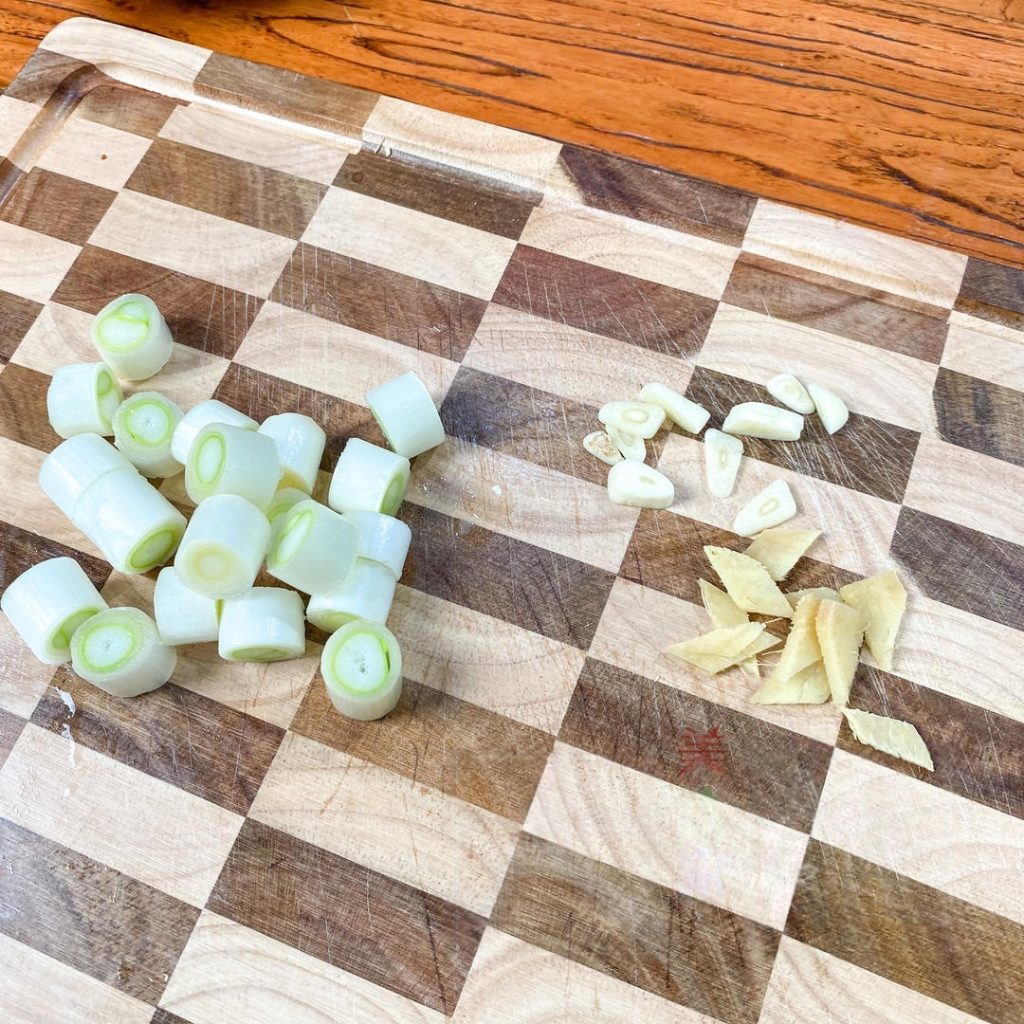
Step 1: Prepare the Aromatics
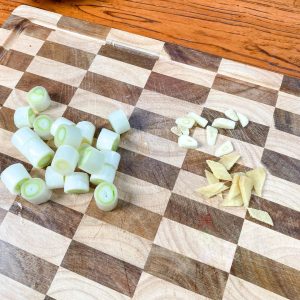
Dice the scallion (thick parts) into small rounds. Slice the ginger and garlic. Set aside.
Step 2: Prep the Chicken
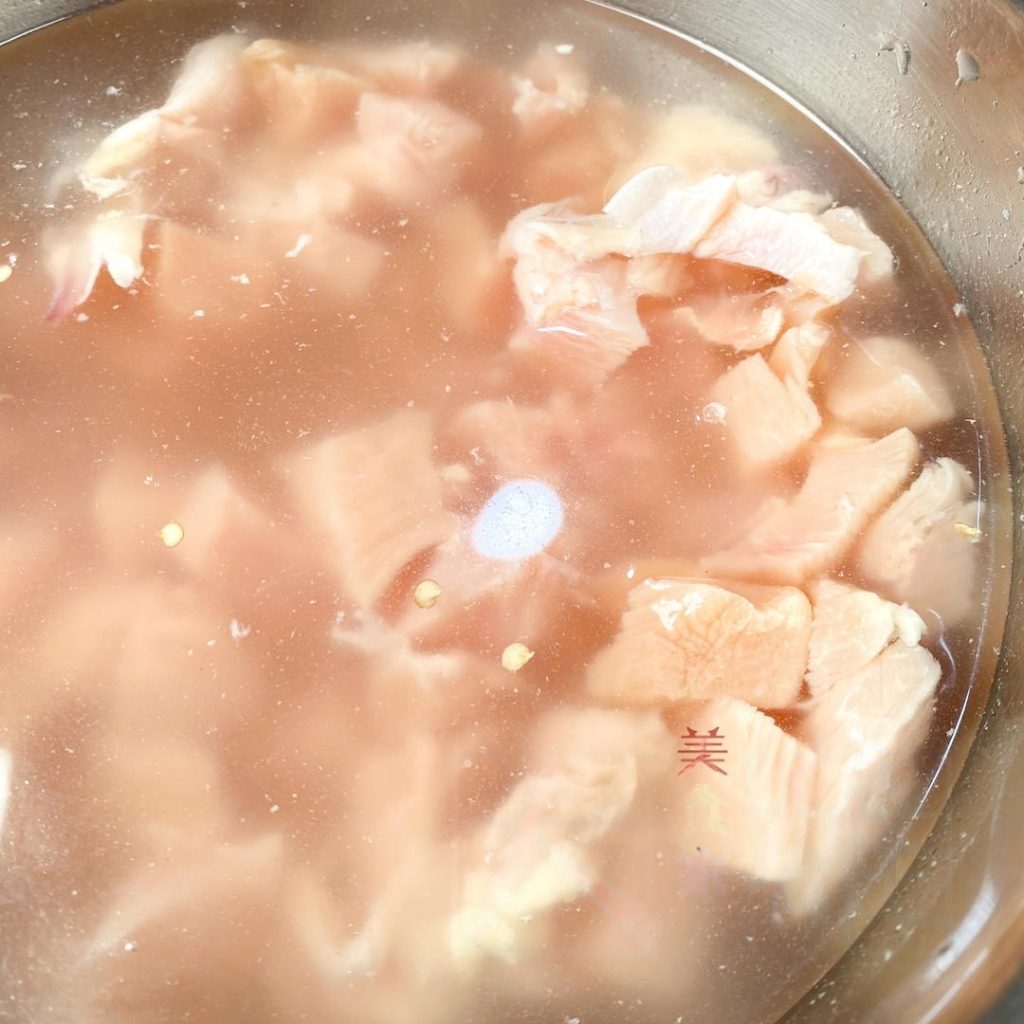
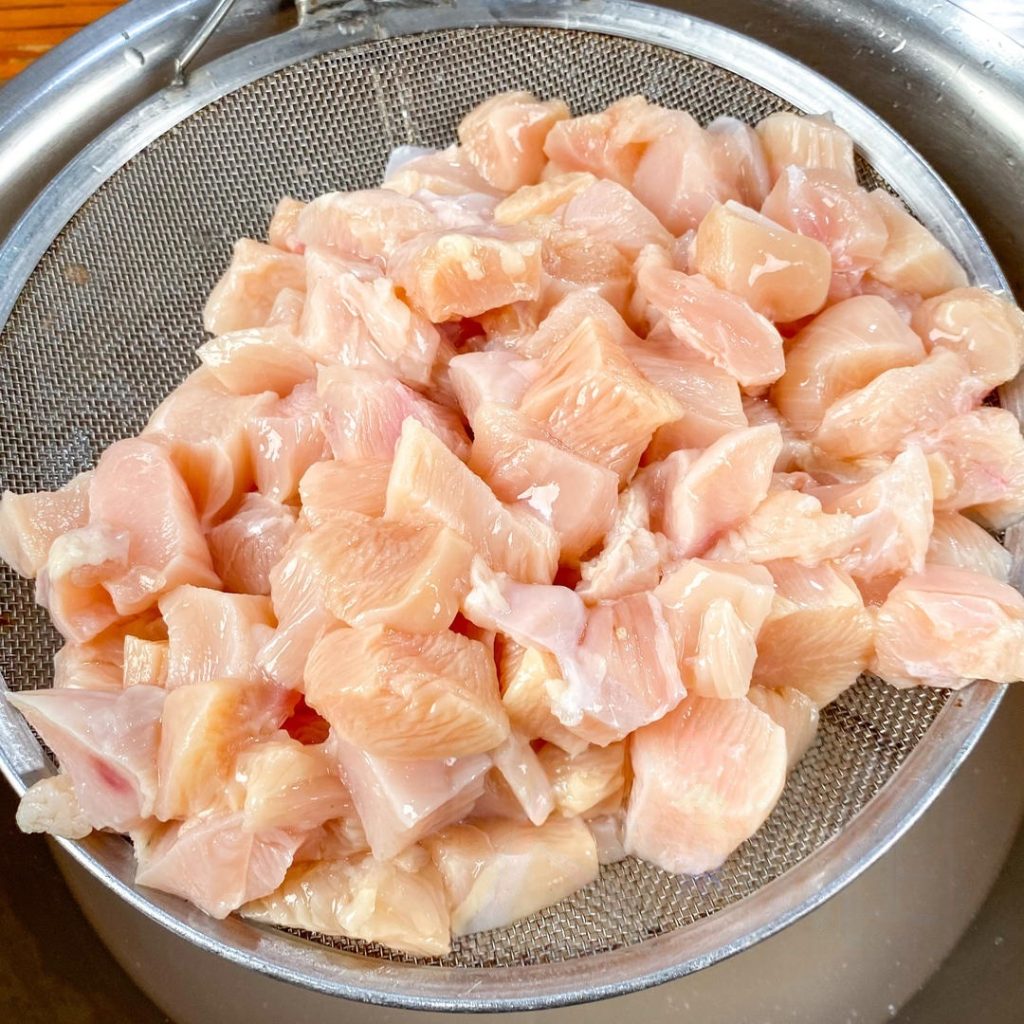
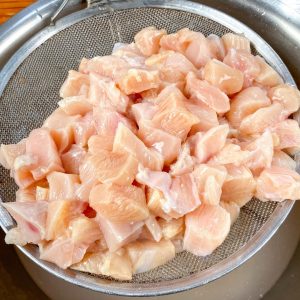
Cut the chicken breast into 1/2-inch cubes.
- Chef’s Tip: Place the chicken cubes in a bowl of water and rinse them, letting them soak briefly. This hydrates the meat. Drain well and pat dry to remove excess surface water.
Step 3: Marinate (Velveting)
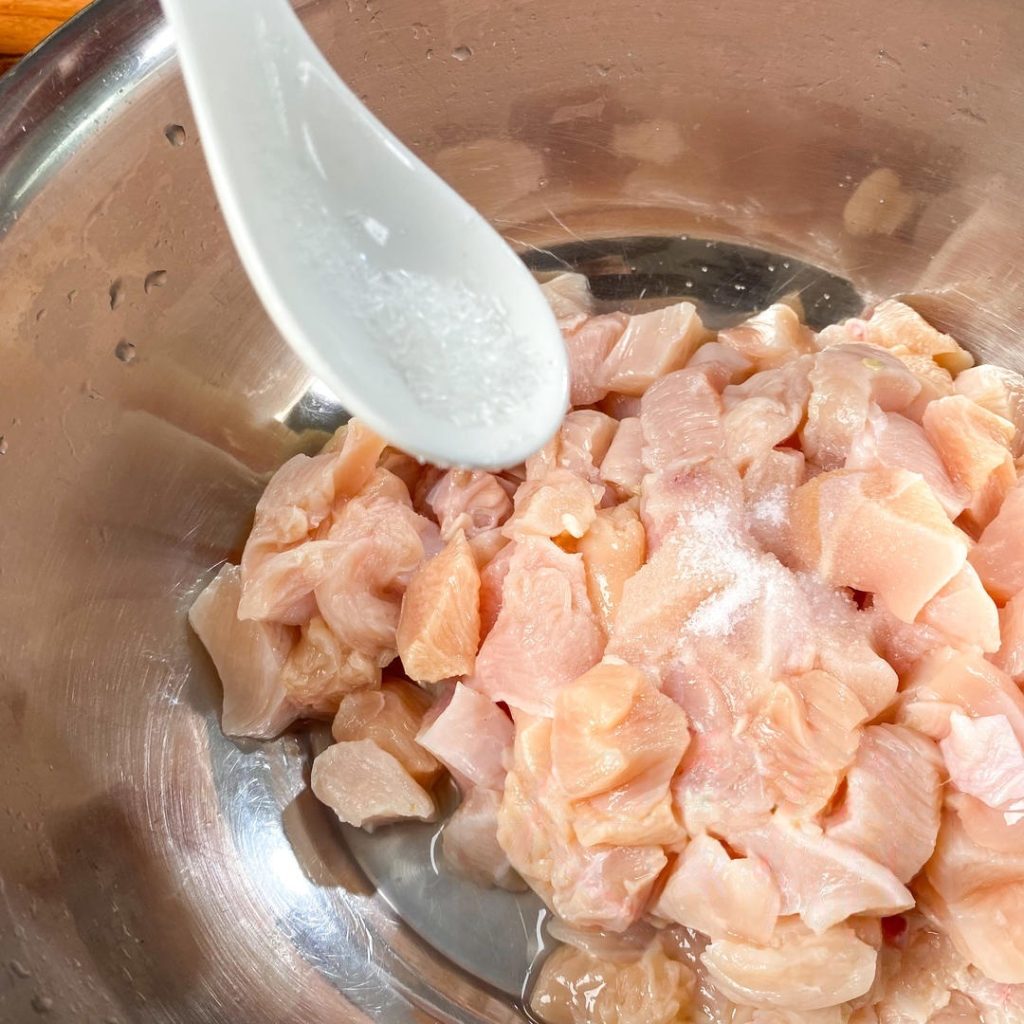
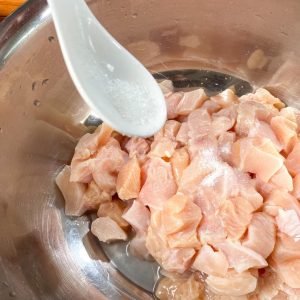
In a bowl, combine the drained chicken cubes with 1/2 tablespoon salt, a pinch of MSG (if using), and 1/2 of a beaten egg.
- Technique: Stir the mixture clockwise (in one direction) vigorously. This helps the protein structure align and absorb the marinade. Let it rest for 5 minutes.
Step 4: Mix the “Mystery” Sauce
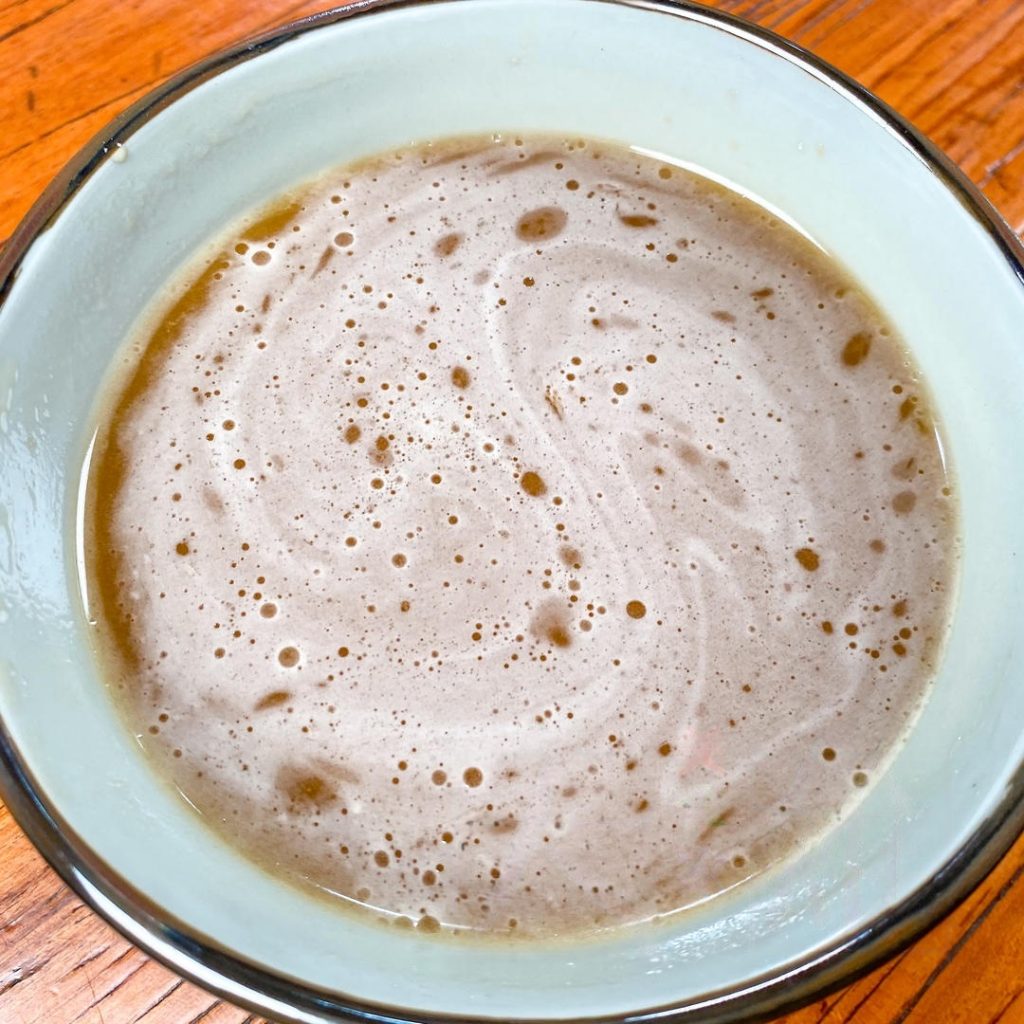
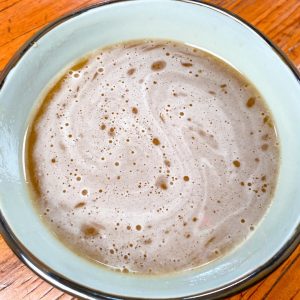
In a small bowl, combine: 4 tbsp water, 3 tbsp vinegar, 1 tbsp Light Soy Sauce, 3 tbsp sugar, a pinch of salt, a pinch of MSG, and 1 tbsp cornstarch. Stir until the sugar and starch are fully dissolved.
Step 5: Sear the Chicken
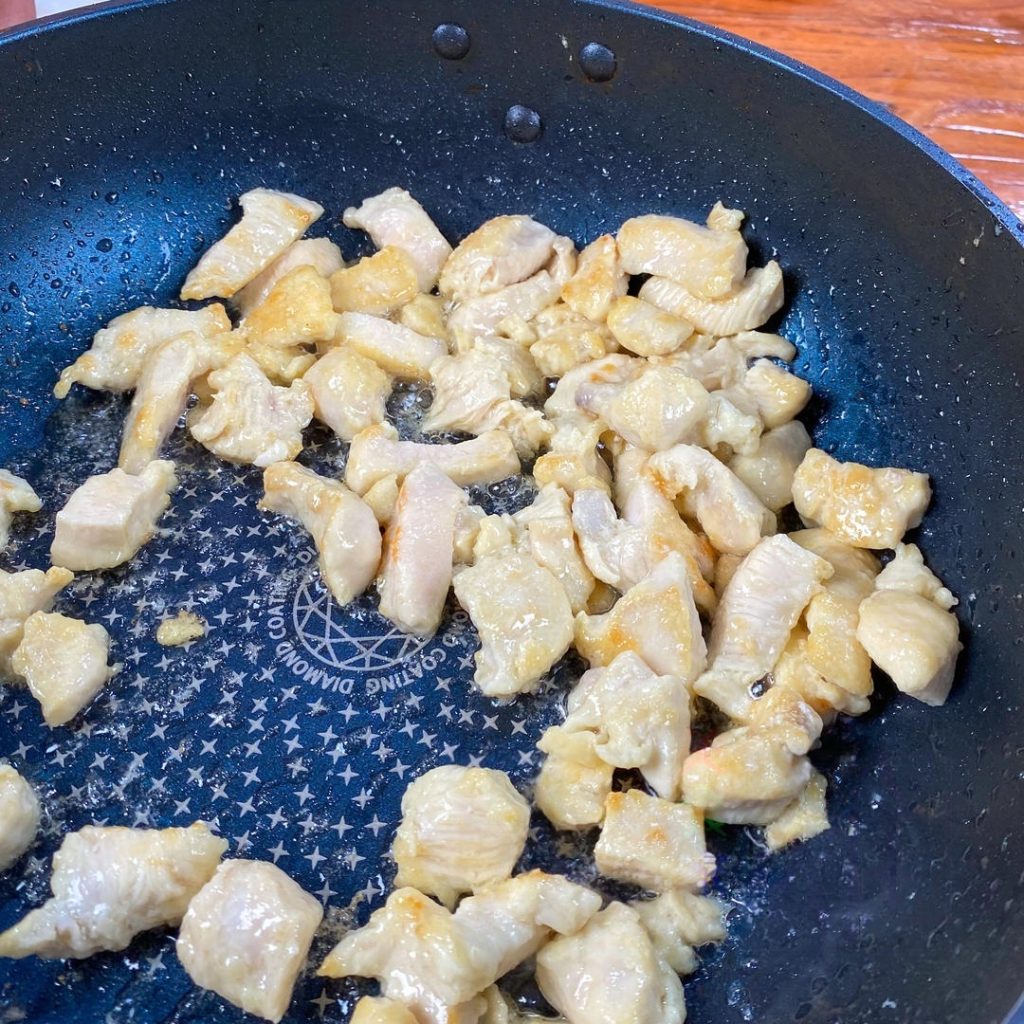
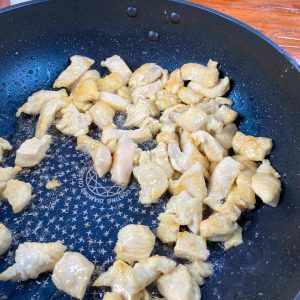
Heat your wok or skillet over medium heat with 1 tablespoon of oil. Add the marinated chicken. Stir-fry for about 3 minutes until the chicken turns white and spots of golden brown appear (about 80% cooked). Remove the chicken from the pan and set aside.
Step 6: Bloom the Spices
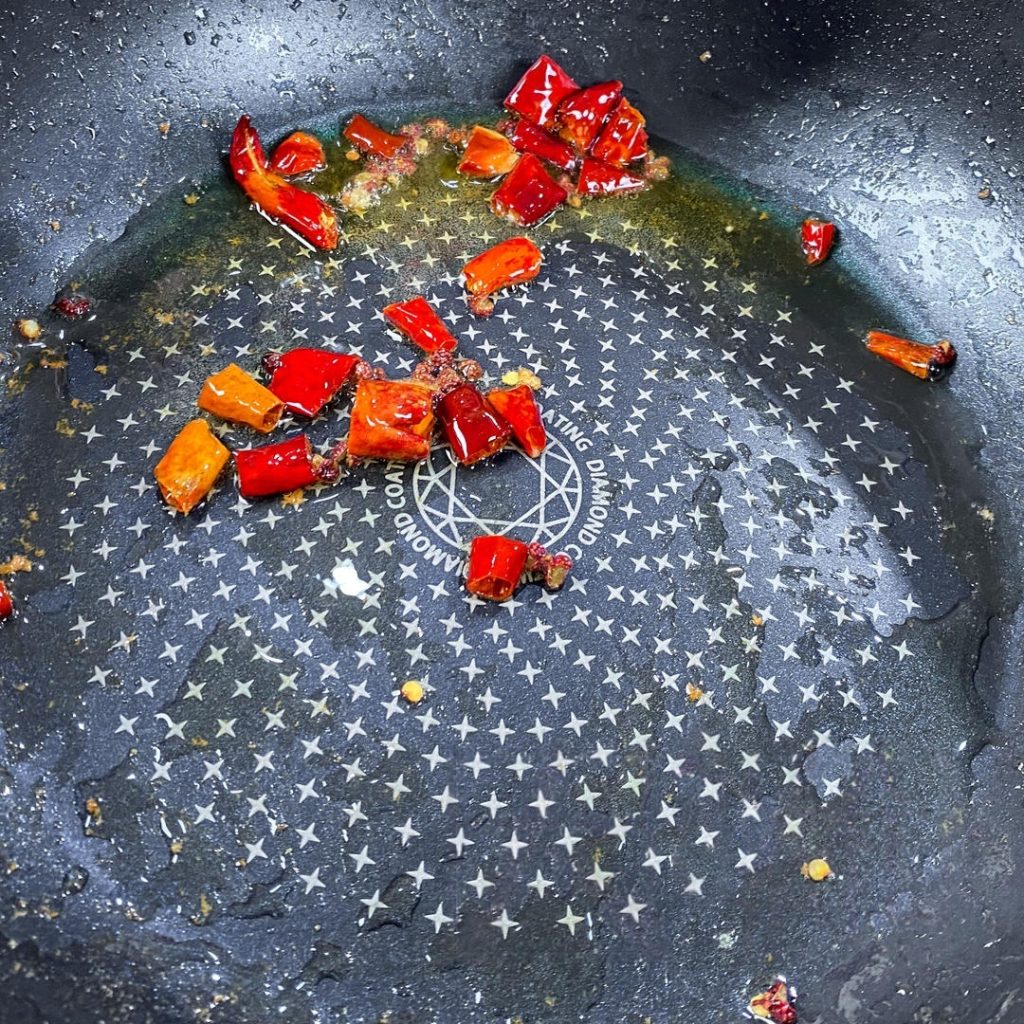
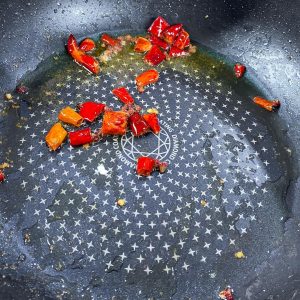
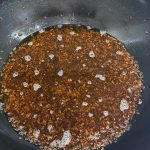
Add another tablespoon of oil to the pan. Turn heat to medium-low. Add the dried chili sections and Sichuan peppercorns. Stir gently until they become fragrant and the chilies darken slightly (do not burn them).
Step 7: Fry the Red Oil
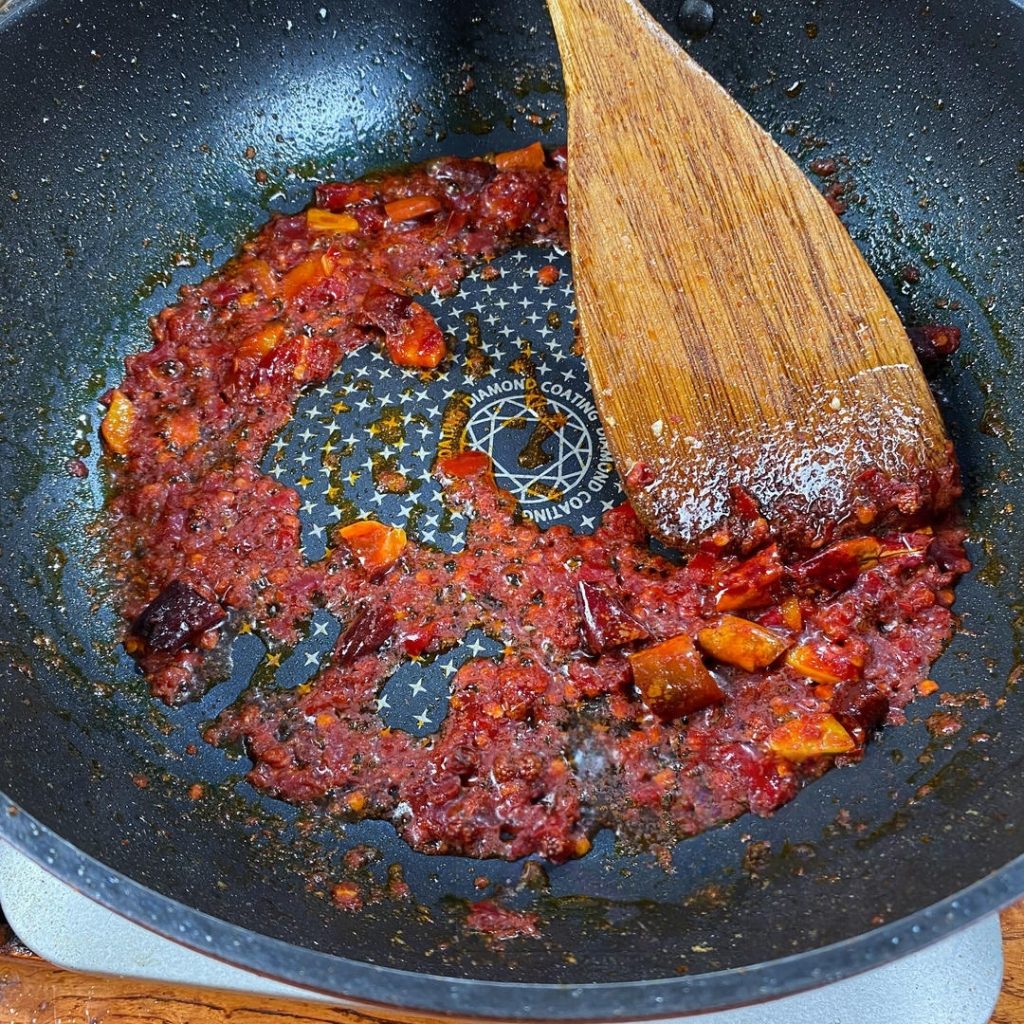
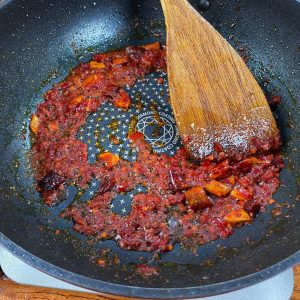
Add the sliced ginger, garlic, and 2 tablespoons of Pixian Doubanjiang. Stir-fry over medium heat until the oil turns red and the sauce smells aromatic.
Step 8: Simmer the Sauce
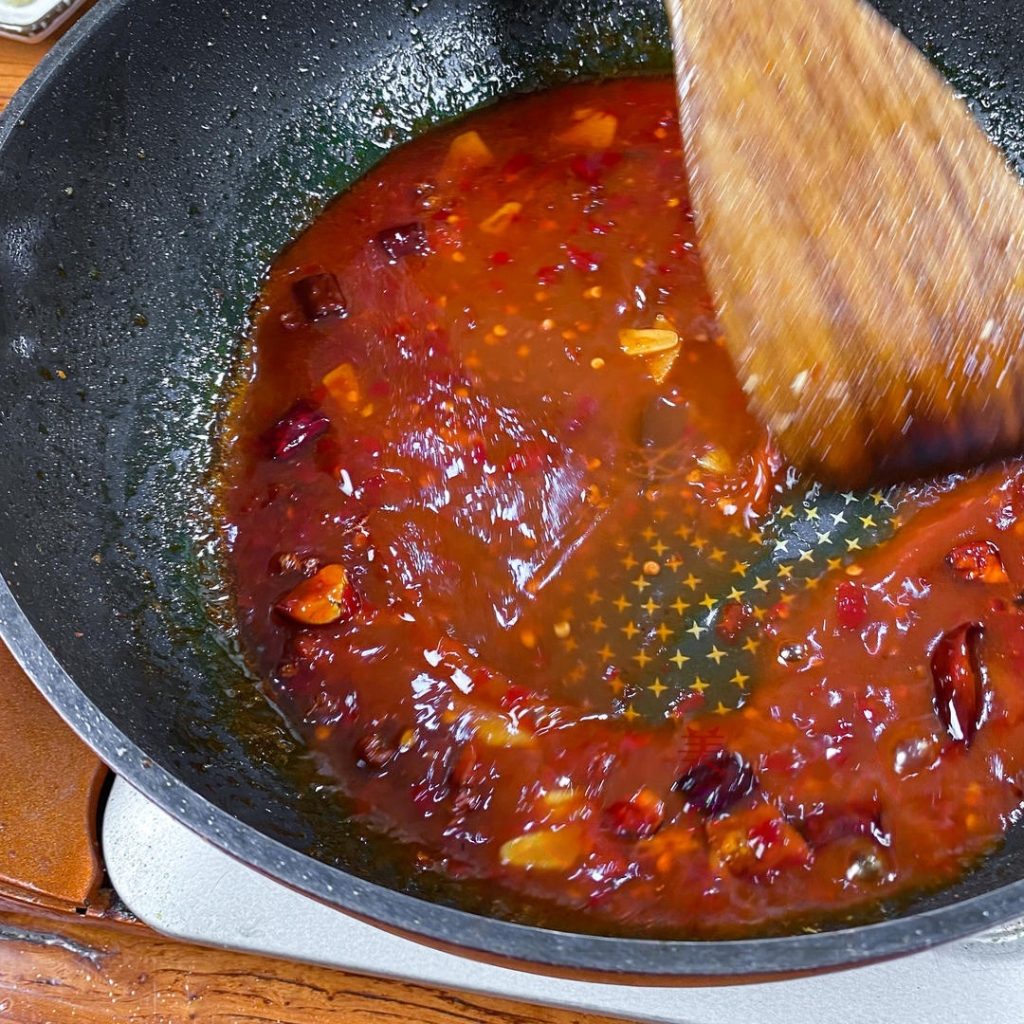
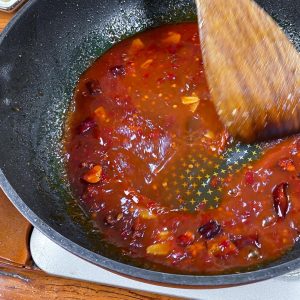
Pour the pre-mixed “Mystery Sauce” into the pan. Stir constantly. As the heat hits the cornstarch, it will begin to bubble and thicken into a glossy glaze.
Step 9: Final Toss
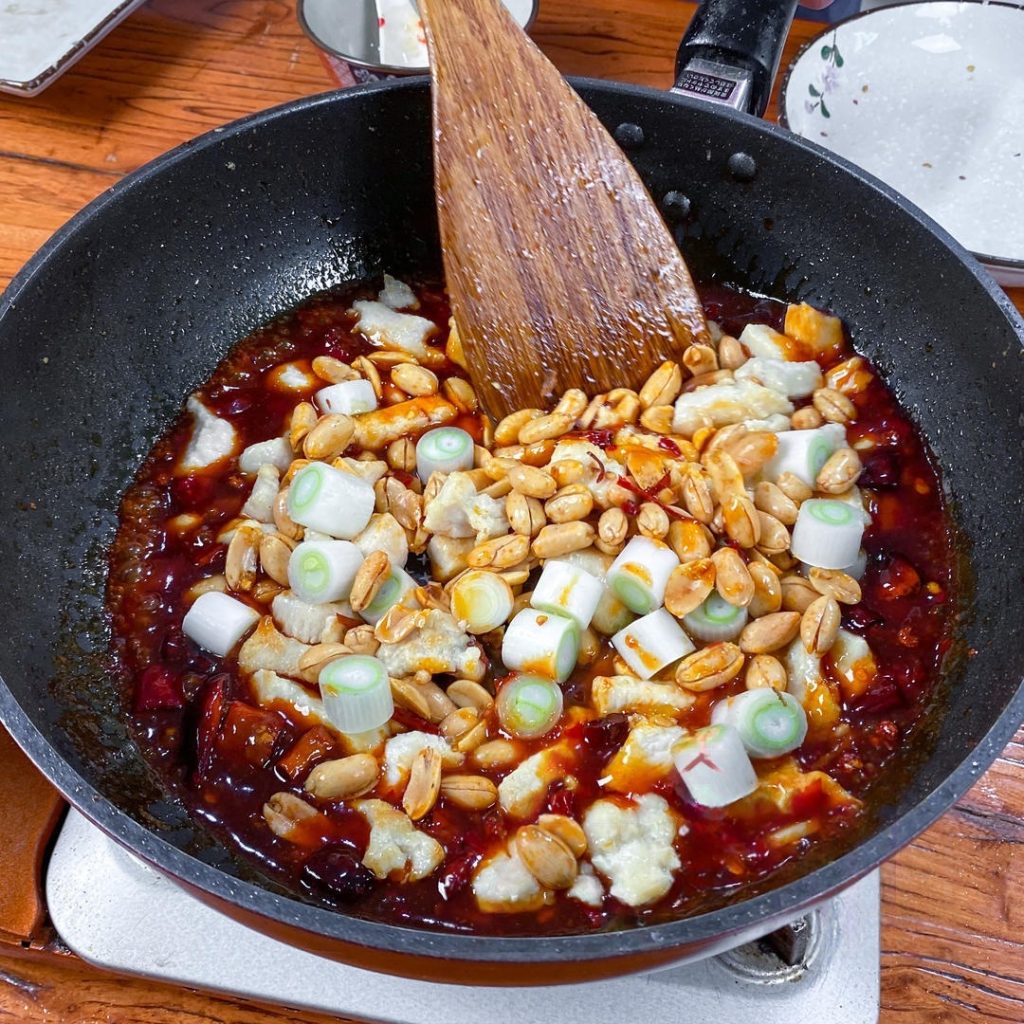
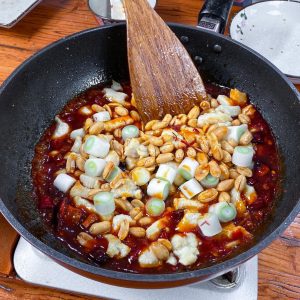
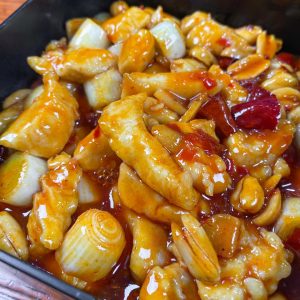
Once the sauce is thickened, toss the cooked chicken back in. Stir well to coat every piece. Add the diced scallions and roasted peanuts. Give it a few quick tosses to combine (about 10 seconds)—you want the peanuts to stay crunchy.
Step 10: Serve
Transfer to a plate immediately. This dish is savory, sweet, sour, and spicy—the perfect companion for steamed rice.
FAQ & Troubleshooting
Q: My chicken turned out dry. What happened?
A: This usually happens if the heat was too high during the first fry, or if the chicken wasn’t rinsed/soaked. The soaking step adds moisture insurance. Also, ensure you stir the marinade in one direction to help the meat absorb the egg.
Q: Can I skip the MSG?
A: Yes, you can. MSG (Monosodium Glutamate) is naturally occurring in ingredients like tomatoes and parmesan. In Chinese cooking, it lifts the savory “umami” profile. If you omit it, the dish will still be delicious, perhaps just slightly less “punchy.”
Q: The sauce is too thick/gloopy.
A: The starch in the sauce thickens rapidly. If it’s too thick before you add the chicken, splash in 1 tablespoon of water or chicken stock to loosen it up.
Q: Why isn’t my dish spicy enough?
A: The heat comes from the Doubanjiang and dried chilies. For more heat, cut the dried chilies open to release the seeds, or add a teaspoon of Homemade Chinese Chili Oil at the very end.
About the Author & Recipe Development
I am Jason Guo, a chef born in Sichuan with a family lineage of professional cooks. This recipe was developed based on the “high success rate” lunchbox meals my family used to make. We tested this specific sauce ratio (3:3:1) multiple times to ensure it replicates the authentic “Lychee” flavor profile found in Chengdu, distinct from the ketchup-heavy versions often found abroad. Our goal is to make authentic Chinese cooking accessible to every home kitchen.
Authoritative References
- Food Safety: For guidelines on handling raw chicken and safe cooking temperatures ($165^{\circ}F$), please refer to the USDA Food Safety and Inspection Service.
- Sichuan Cuisine: To understand more about the flavor profiles of Sichuan cooking, the UNESCO Intangible Cultural Heritage lists various Chinese culinary traditions.
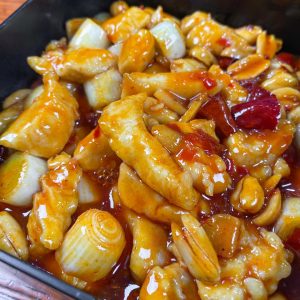
Authentic Kung Pao Chicken (Gong Bao Ji Ding)

Equipment
- Wok or large skillet Carbon steel preferred for wok hei
Ingredients
Main Ingredients
- 1 lb chicken breast cut into 1/2 inch cubes
- 1/2 stalk leek or large scallion white part only, chopped
- 1/2 cup roasted peanuts unsalted
- 1 inch ginger sliced
- 2 cloves garlic sliced
Marinade
- 1/2 tbsp salt
- 1/2 egg beaten
The Sauce
- 3 tbsp sugar
- 3 tbsp rice vinegar
- 1 tbsp light soy sauce
- 1 tbsp cornstarch
- 4 tbsp water
Aromatics for Frying
- 2 tbsp Doubanjiang (Chili Bean Paste)
- 1 tsp Sichuan peppercorns
- 6-8 dried chili peppers cut into sections
Instructions
- Prep the Vegetables: Slice the scallion whites into small rounds. Slice the ginger and garlic thinly.

- Prep the Chicken: Cut the chicken breast into cubes. Rinse them in water and let them soak briefly to hydrate. Drain well.
- Marinate: In a bowl, mix the chicken with 1/2 tbsp salt, a pinch of MSG (optional), and 1/2 a beaten egg. Stir vigorously in a clockwise direction for 1 minute. Let sit for 5 minutes.
- Make the Sauce: In a small bowl, whisk together 4 tbsp water, 3 tbsp vinegar, 1 tbsp soy sauce, 3 tbsp sugar, pinches of salt/MSG, and 1 tbsp cornstarch.
- First Fry: Heat 2 tbsp oil in a wok over medium heat. Add chicken and stir-fry for about 3 minutes until slightly browned. Remove chicken and set aside.
- Fry Aromatics: Add 2 tbsp oil to the wok (medium-low heat). Fry dried chilies and peppercorns until fragrant.
- Make Red Oil: Add ginger, garlic, and 2 tbsp Doubanjiang. Stir-fry until the oil turns red.
- Thicken Sauce: Pour in the pre-mixed sauce. Stir until it bubbles and thickens.
- Combine: Add the cooked chicken back into the sauce. Toss to coat.
- Finish: Add the scallions and peanuts. Toss quickly (10 seconds) and serve immediately.
Notes
Calories: 450 kcal
Protein: 32g
Carbohydrates: 25g
Fat: 28g
Sodium: 980mg
Disclaimer: Nutrition information is calculated using an ingredient database and should be considered an estimate. Garnishes and optional ingredients are not included. Actual values vary based on specific brands used. Allergen Warning: Contains Peanuts, Soy, Wheat (in soy sauce), Egg. Food Safety: Ensure chicken reaches an internal temperature of 165°F (74°C).


Leave a Reply