I still remember the first time I sat down at a Korean restaurant, surrounded by the sizzling sounds of iron pans and the intoxicating aroma of fermented chili paste. I ordered a chicken dish that came with these wonderfully chewy, cylindrical white cakes. The chicken was tender, coated in a spicy red sauce, but it was the texture of the rice cakes—soft yet bouncy—that hooked me immediately.
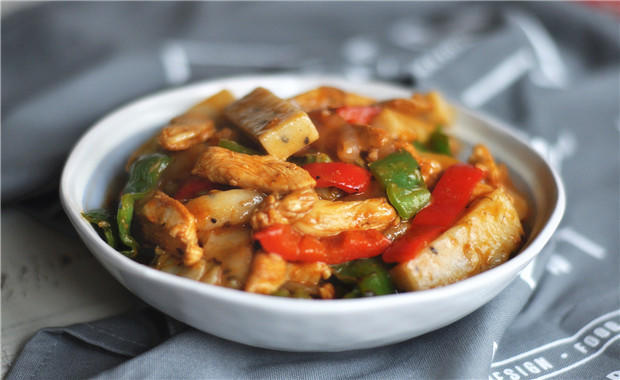
This recipe for Korean Spicy Chicken and Rice Cakes is inspired by that memory. It reminds me of the classic Dakgalbi, but it’s adapted for the home kitchen using a method I learned from a fellow chef who loved quick, flavorful meals. It’s unexpectedly delicious; the chicken breast remains juicy thanks to a quick marinade, and the spicy sauce clings to the rice cakes perfectly. If you enjoy the bold heat of dishes like our Chongqing Spicy Chicken, this is a dish you absolutely cannot miss.
What is Korean Spicy Chicken and Rice Cakes?
This dish is a home-style stir-fry that combines lean protein (chicken breast) with carbohydrates (rice cakes) and plenty of vegetables. It shares DNA with Dakgalbi (spicy stir-fried chicken), a popular dish originating from Chuncheon, South Korea.
However, unlike restaurant versions that might be cooked at the table on a massive griddle, this version is streamlined for the wok or skillet. It focuses on the interplay between the savory Chinese-style marinade we use for the chicken and the distinct punch of Korean Gochujang paste. It’s a complete meal in one pan, similar in convenience to our Black Pepper Chicken Rice Bowls.

About the Author & Recipe Development
I’m Lin, and I grew up in the humid, spice-filled kitchens of Sichuan, peeling garlic and watching my father command the wok. While my training at the culinary institute focused on traditional Chinese techniques, my decade of working in professional kitchens taught me to appreciate flavors from our neighbors.
For this recipe, I tested the timing of the rice cakes specifically. Many recipes result in hard or cracked rice cakes. I found that a quick 30-second blanch—a technique we often use for vegetables—is the secret to ensuring they stay soft and chewy (what we call QQ texture) without turning into mush. I also adjusted the marinade to include dark soy sauce for that appetizing color we prize in professional plating.
Why This Recipe Works
- Texture Contrast: The chewiness of the rice cakes contrasts beautifully with the tender velveted chicken and the crunch of fresh cabbage and peppers.
- Two-Stage Flavoring: We don’t just dump everything in. The chicken is marinated first for depth, and the Gochujang is added later to glaze the dish.
- Efficiency: By blanching the rice cakes while chopping the vegetables, the active cooking time is kept under 15 minutes, making it as fast as our Easy Vegetable Chow Fun.
Key Ingredients & Substitutions
- Chicken Breast: The original recipe calls for 200g (about 7 oz). I slice this into strips. You can substitute with chicken thighs if you prefer darker, fattier meat.
- Korean Rice Cakes (Tteok): These are the cylindrical type, not the flat slices used for soup. You can find them in the refrigerator or freezer section of Asian markets.
- Gochujang (Korean Chili Paste): This is the soul of the dish. It’s a fermented bean and chili paste that is savory, sweet, and spicy.
- Soy Sauces: We use Light Soy Sauce for salty umami and Dark Soy Sauce for a rich amber color.
- Shaoxing Wine: Also known as Chinese cooking wine. It removes raw meat odors. If you cannot find it, Shaoxing Wine can be substituted with dry sherry.
- Vegetables: We use green and red peppers, onion, and cabbage. The cabbage adds a natural sweetness and crunch, much like in our Hand-Torn Cabbage recipe.
Ingredients
For the Chicken & Marinade:
- 7 oz (200g) Chicken breast, sliced into strips
- 1/4 tsp Salt
- 1 tsp Light Soy Sauce
- 1/2 tsp Dark Soy Sauce
- 1 tsp Shaoxing Wine
For the Stir-fry:
- 5 oz (150g) Korean rice cakes (cylindrical type)
- 3 Green chili peppers (or 1 small green bell pepper), sliced
- 1 Red chili pepper (or 1/4 red bell pepper), sliced
- 1/2 Onion, sliced
- 1/4 head small Cabbage (approx 1 cup), shredded
- 2-3 tbsp Gochujang (Korean chili paste), adjust to taste
- 1/4 cup Water
- 2 tbsp Neutral oil (vegetable or canola)
Mise en Place (Prep Work)
Stir-frying moves fast. In professional kitchens, we say “wok hei waits for no one.”
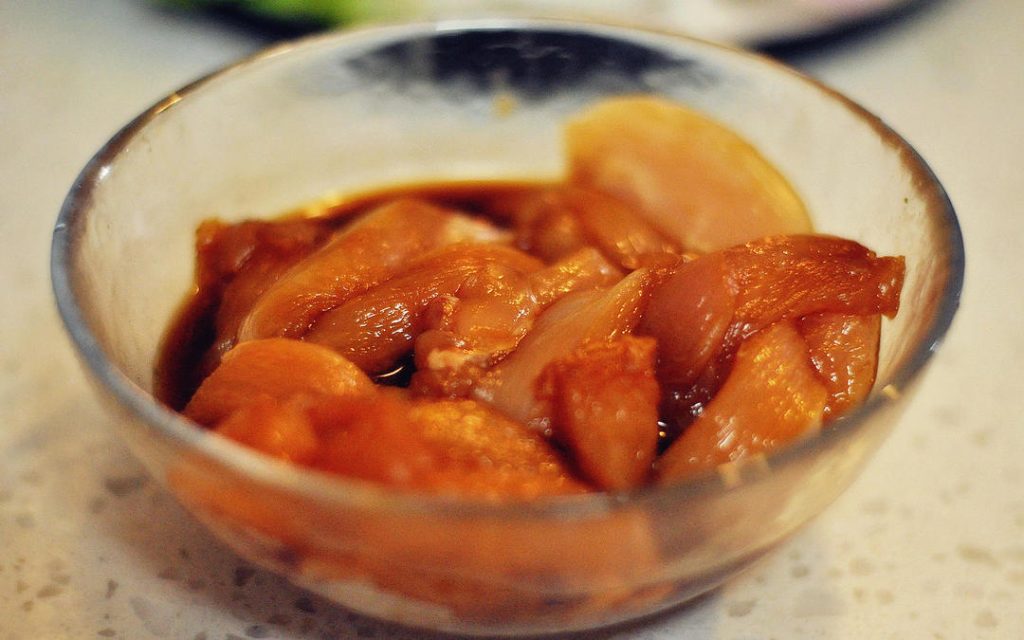
- Marinate the Chicken: Slice the chicken breast into strips (chicken willows). In a bowl, mix with salt, light soy sauce, dark soy sauce, and Shaoxing wine. Let it sit for 5 minutes. This brief marination allows the salt to penetrate the proteins, helping retain moisture.
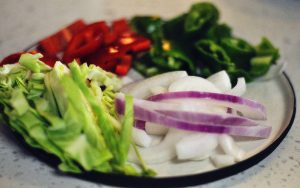
- Prep Veggies: Slice the onion and cabbage into strips. Cut the green and red peppers into chunks or strips.
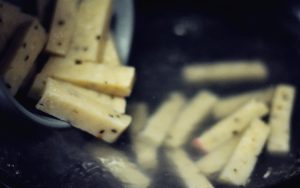
- Blanch Rice Cakes: Bring a small pot of water to a boil. Drop in the rice cakes for just 30 seconds. Drain immediately. Why? This ensures the center is soft and reduces the cooking time in the wok, preventing the sauce from drying out later.
How to Make Korean Spicy Chicken and Rice Cakes
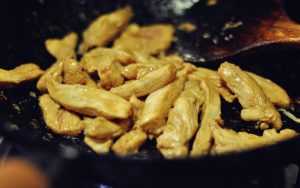
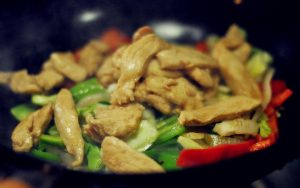
Step 1: Sear the Chicken Heat your wok or large skillet over medium heat. Add about 1 tablespoon of oil. Add the marinated chicken strips. Stir-fry until they change color and are fully cooked through. Remove the chicken from the pan and set it aside.
Note: We cook the chicken first and remove it so it doesn’t overcook and become dry while the vegetables soften. This is the same principle we use when making Kung Pao Chicken.
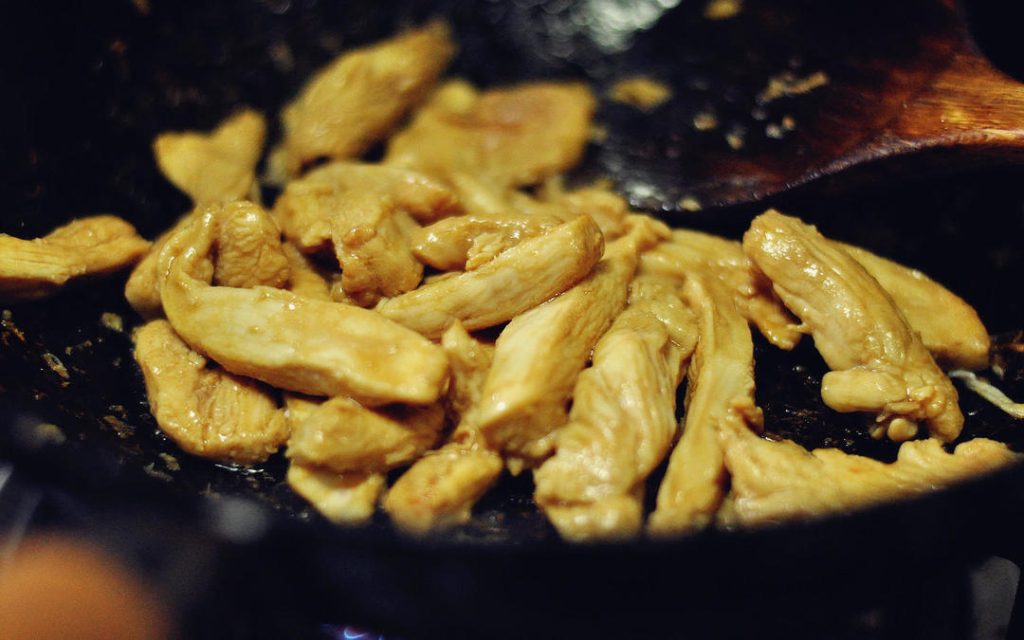
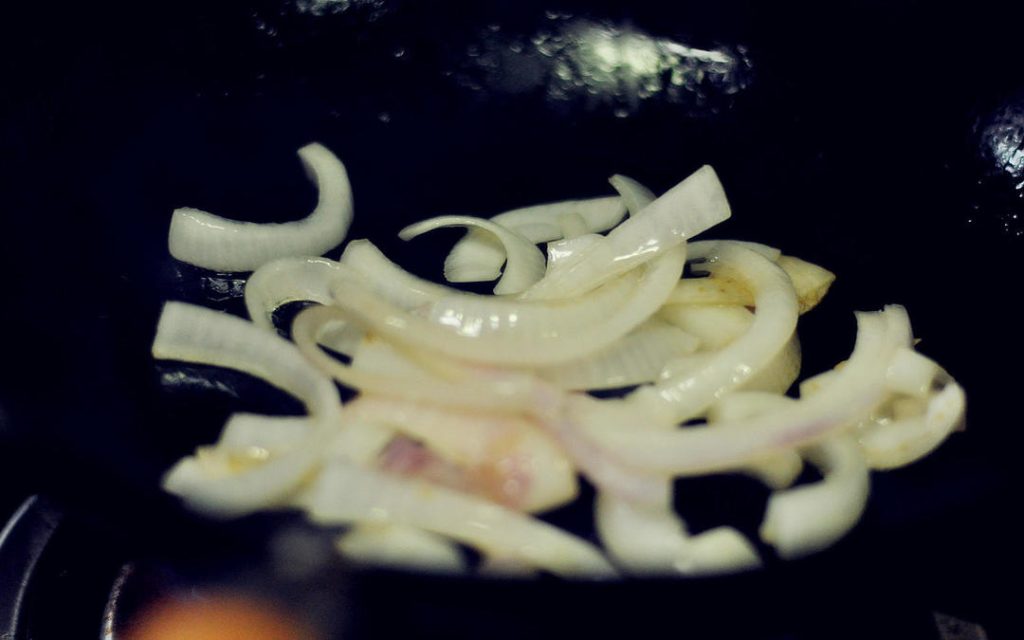
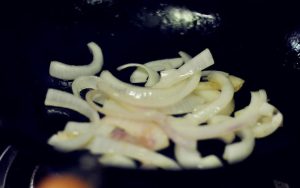
Step 2: Sauté Aromatics Wipe the wok if needed. Add another tablespoon of oil over medium heat. Add the onion slices and stir-fry until fragrant and slightly translucent.
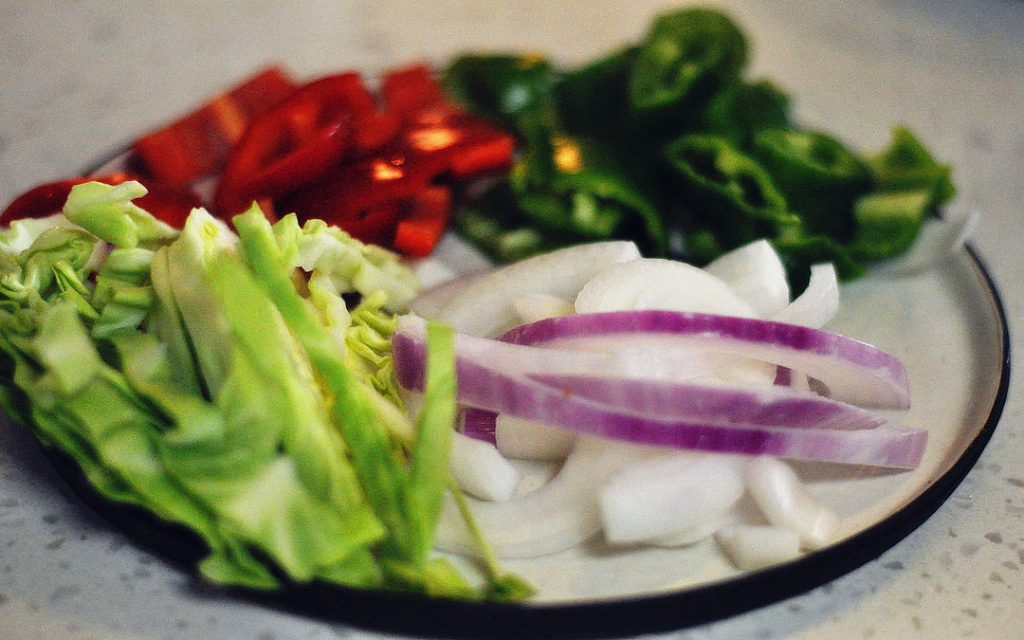
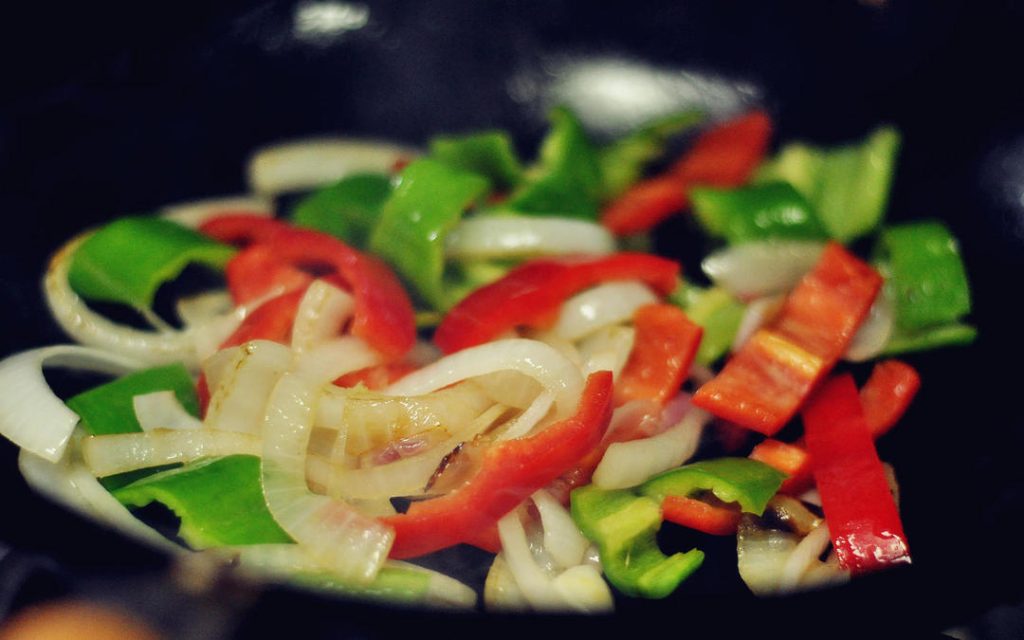
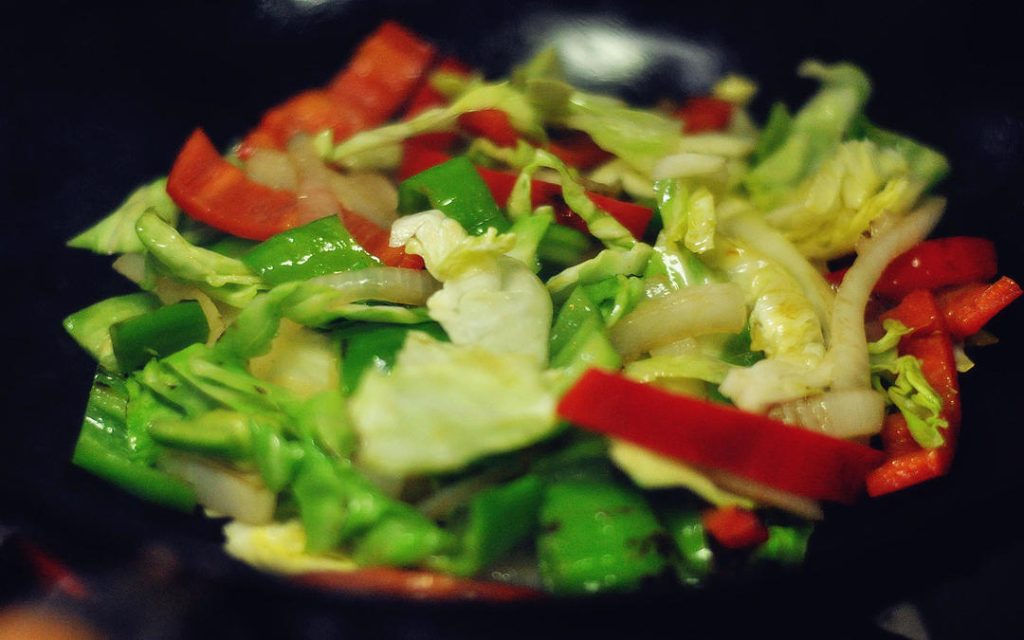
Step 3: Add Peppers and Cabbage Add the green and red peppers. Stir-fry briefly until they begin to soften. Then, add the shredded cabbage. Continue tossing until the cabbage wilts slightly but still retains a crunch.
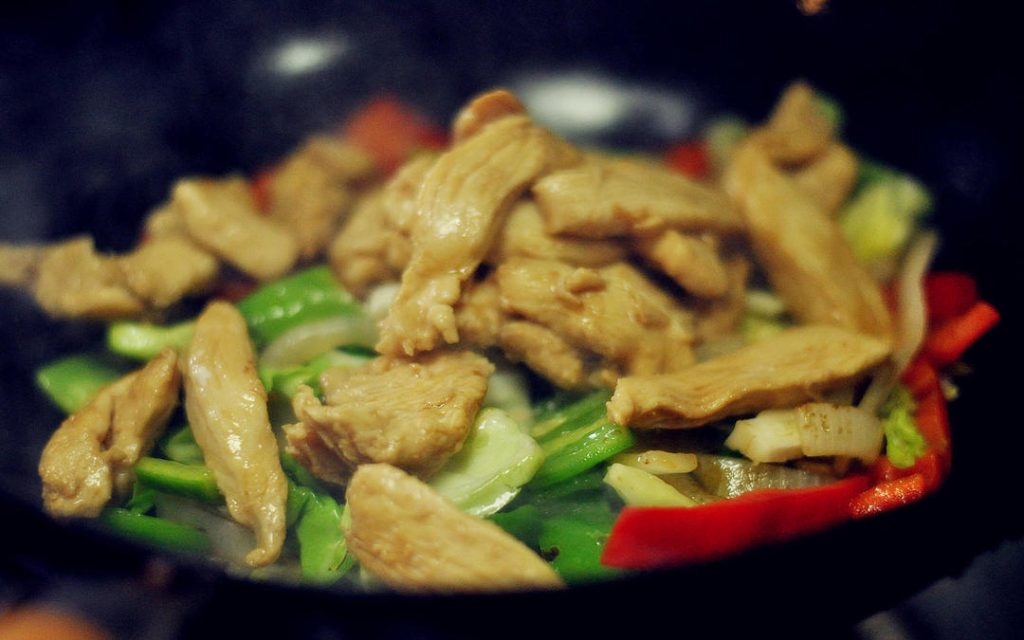
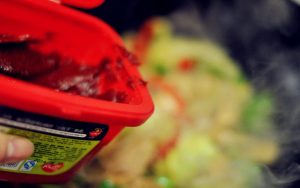
Step 4: Combine and Season Add the cooked chicken back into the wok. Now, add the Gochujang (Korean chili paste). Start with 2 tablespoons if you are sensitive to spice, or go for 3 if you love heat. Stir well to coat everything evenly.
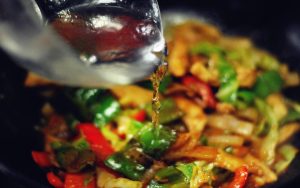
Step 5: Create the Sauce Pour in a small amount of water (about 1/4 cup). This is crucial—it turns the thick Gochujang paste into a glossy sauce that can coat every ingredient.
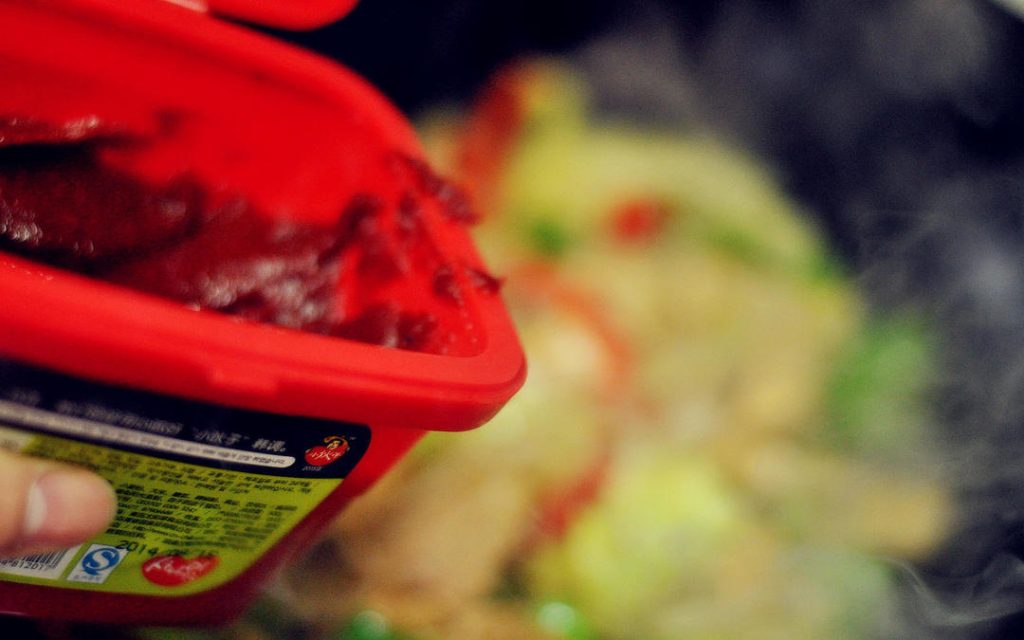
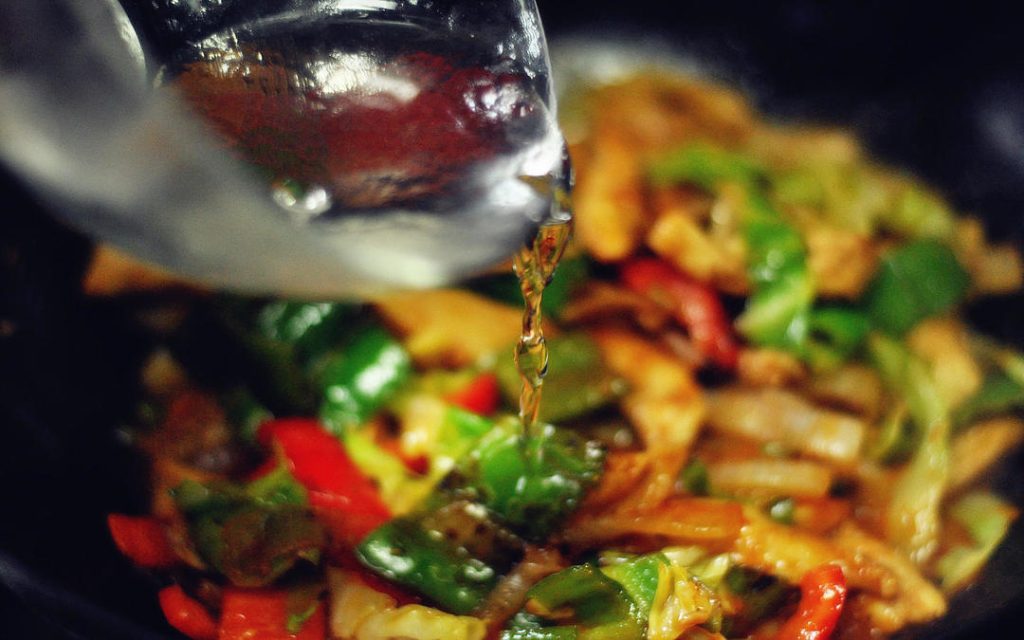
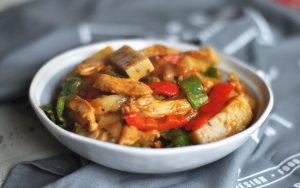
Step 6: Finish with Rice Cakes Finally, add the blanched rice cakes. Stir-fry everything together. The water should reduce and thicken slightly, clinging to the rice cakes. Once the rice cakes are soft and the sauce is rich and thick, turn off the heat.
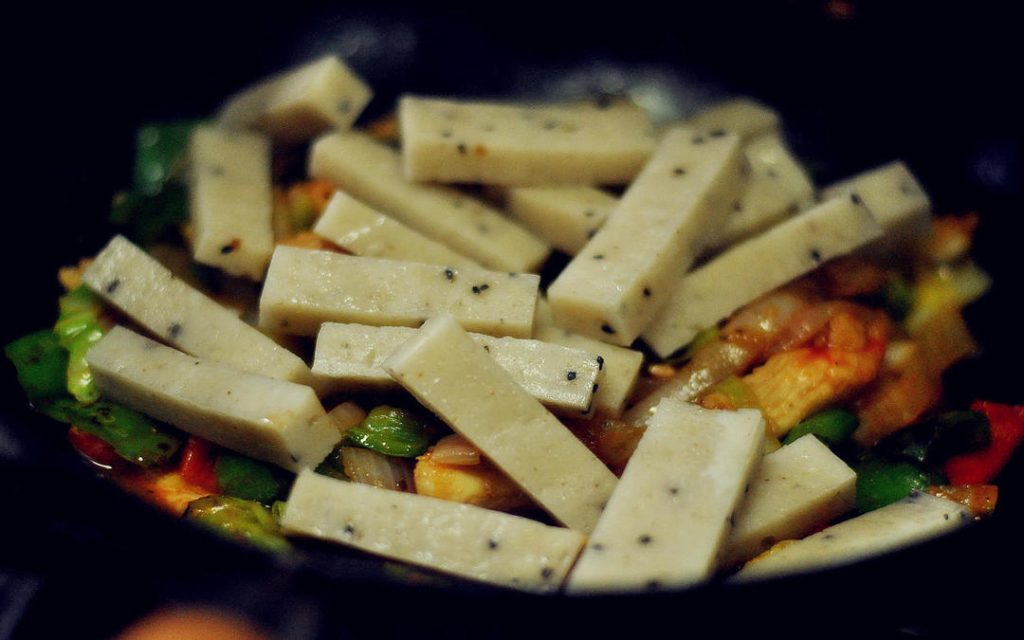
Step 7: Serve Transfer to a plate. This dish stands alone as a main course because it contains protein, carbs, and veggies, but it also pairs excellently with steamed rice or a simple green side like Stir-fried Lettuce with Garlic.
Common Mistakes When Making Stir-fried Rice Cakes
- Adding Rice Cakes Too Early: If you add them at the start, they may turn into a gooey mess or stick to the pan before the chicken is done. Always add them near the end.
- Skipping the Blanching: If using frozen or refrigerated rice cakes, throwing them straight into the wok often results in a hard, cracked center. The 30-second boil is a game-changer.
- High Heat Scorch: Gochujang has sugar in it. If your heat is too high (High instead of Medium) after adding the paste, it will burn and taste bitter before the flavors meld.
Food Safety and Preparation
- Chicken Temperature: Ensure your chicken reaches an internal temperature of 165°F (74°C). Since we slice it thin, visual cues (opaque throughout) are usually reliable, but when in doubt, use a thermometer. (Source: FoodSafety.gov)
- Cross-Contamination: Always wash your cutting board and knife with hot soapy water after slicing raw chicken before moving on to the vegetables.
Authoritative References
For more information on the cultural significance of Dakgalbi and Korean ingredients, I recommend reading the Korean Food Foundation’s guide. For safety guidelines on handling poultry in home kitchens, please refer to the CDC Chicken and Food Poisoning guide.
Serving Suggestions
This dish is quite filling on its own. However, if you are serving a crowd, it pairs well with lighter sides to cut the richness of the Gochujang.
- Soup: A simple Tomato Egg Drop Soup provides a soothing contrast to the spicy sauce.
- Extra Heat: If you find you still want more spice, a drizzle of Homemade Chinese Chili Oil can add an extra layer of aroma.
Nutrition Information (Estimate)
- Serving Size: 1 portion (approx half the recipe)
- Calories: 420 kcal
- Carbohydrates: 58g
- Protein: 28g
- Fat: 9g
- Sodium: 980mg
- Sugar: 8g
- Fiber: 4g
Disclaimer: Nutrition information is calculated using an ingredient database and should be considered an estimate. In cases where multiple ingredient alternatives are given, the first listed is calculated for nutrition. Garnishes and optional ingredients are not included.
Korean Spicy Chicken and Rice Cakes (Dakgalbi Style Stir-fry)

Equipment
- Wok or large skillet
- Small pot (for blanching)
Ingredients
Chicken & Marinade
- 7 oz chicken breast sliced into strips (approx 200g)
- 1/4 tsp salt
- 1 tsp Light Soy Sauce
- 1/2 tsp Dark Soy Sauce
- 1 tsp Shaoxing Wine or dry sherry
Stir-Fry
- 5 oz Korean rice cakes cylindrical type (approx 150g)
- 3 green chili peppers or 1 small green bell pepper, sliced
- 1 red chili pepper sliced
- 1/2 onion sliced
- 1 cup cabbage shredded
- 2 tbsp Gochujang Korean chili paste (adjust to taste)
- 1/4 cup water
- 2 tbsp neutral oil divided
Instructions
- Slice the chicken breast into strips. In a medium bowl, combine the chicken with salt, light soy sauce, dark soy sauce, and Shaoxing wine. Mix well and let marinate for 5 minutes.

- Prep the vegetables: Slice the onion and cabbage into strips; cut the green and red peppers into chunks.
- Bring a small pot of water to a boil. Add the rice cakes and blanch for 30 seconds to soften slightly. Drain immediately and set aside.
- Heat a wok or large skillet over medium heat. Add 1 tablespoon of oil. Stir-fry the marinated chicken until cooked through (opaque). Remove chicken from the pan and set aside.
- Add the remaining 1 tablespoon of oil to the wok. Add the sliced onion and stir-fry until fragrant.
- Add the green and red peppers, stir-frying until slightly softened. Then add the shredded cabbage and toss for another minute.
- Return the cooked chicken to the wok. Add the Gochujang (Korean chili paste) and stir to coat ingredients evenly.
- Pour in the water. This helps loosen the paste into a sauce.
- Add the blanched rice cakes. Stir-fry everything together until the sauce thickens and the rice cakes are chewy and coated in the glossy red sauce. Serve hot.
Notes
Serving Size: 1 portion
Calories: 420 kcal
Carbohydrates: 58g
Protein: 28g
Fat: 9g
Sodium: 980mg
Sugar: 8g
Fiber: 4g Disclaimer: Nutrition information is calculated using an ingredient database and should be considered an estimate. In cases where multiple ingredient alternatives are given, the first listed is calculated for nutrition. Garnishes and optional ingredients are not included.









Leave a Reply