Kimchi is the ingredient that makes lazy cooking taste intentional. This home cook’s kimchi fried pasta proves it in fifteen minutes: boil the pasta, toss it with a whole pouch of kimchi and a spoon of ketchup, and dinner is done. She even includes the kimchi fried rice cake version in the same post, because once the kimchi-and-ketchup logic clicks, it applies to everything. I have made both, and the pasta version is the one I now reach for on busy nights.
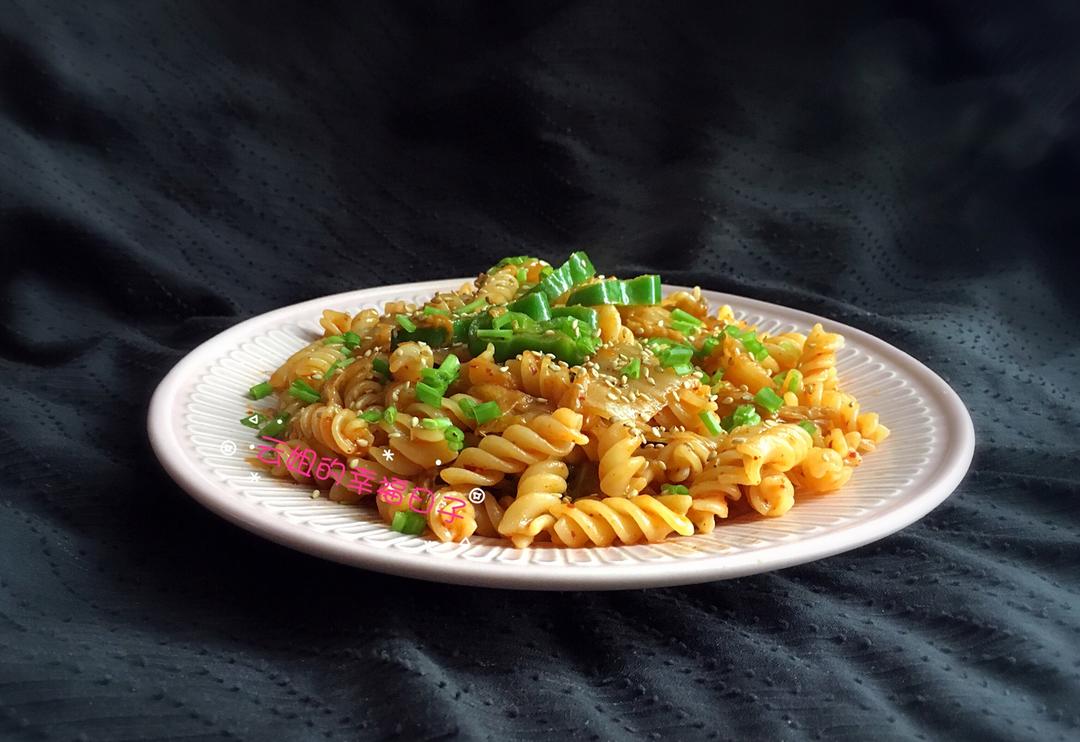
Pao cai chao yi mian (泡菜炒意面) is kimchi fried pasta – a Korean-Chinese fusion born in home kitchens where kimchi and pasta coexist in the same fridge. Boiled pasta is stir-fried with a pouch of Korean kimchi, a spoon of ketchup, and whatever aromatics are on hand, then finished with scallion and sesame. The same base makes the kimchi fried rice cake version the original also shares.
What Is Kimchi Fried Pasta (Pao Cai Chao Yi Mian)?
Pao cai chao yi mian (泡菜炒意面) is a home-style Korean-Chinese fusion: cooked pasta stir-fried with kimchi and ketchup into a glossy, tangy-spicy plate. The kimchi provides the fermented heat and crunch, the ketchup rounds it with sweetness, and the pasta carries it all. It is the kind of dish that needs no recipe beyond the idea – boil, toss, eat.
The original is a relaxed 9-step post from a home cook who treats the dish as a template. The kimchi is the star – a whole 150 g (5.3 oz) pouch, or homemade – and the ketchup is the bridge that tames the kimchi’s edge into something friendly. The post also shares the rice cake version: sliced rice cakes stir-fried with a little water, then kimchi, in the same tangy spirit. Both are fifteen-minute dinners that taste like an hour of effort.
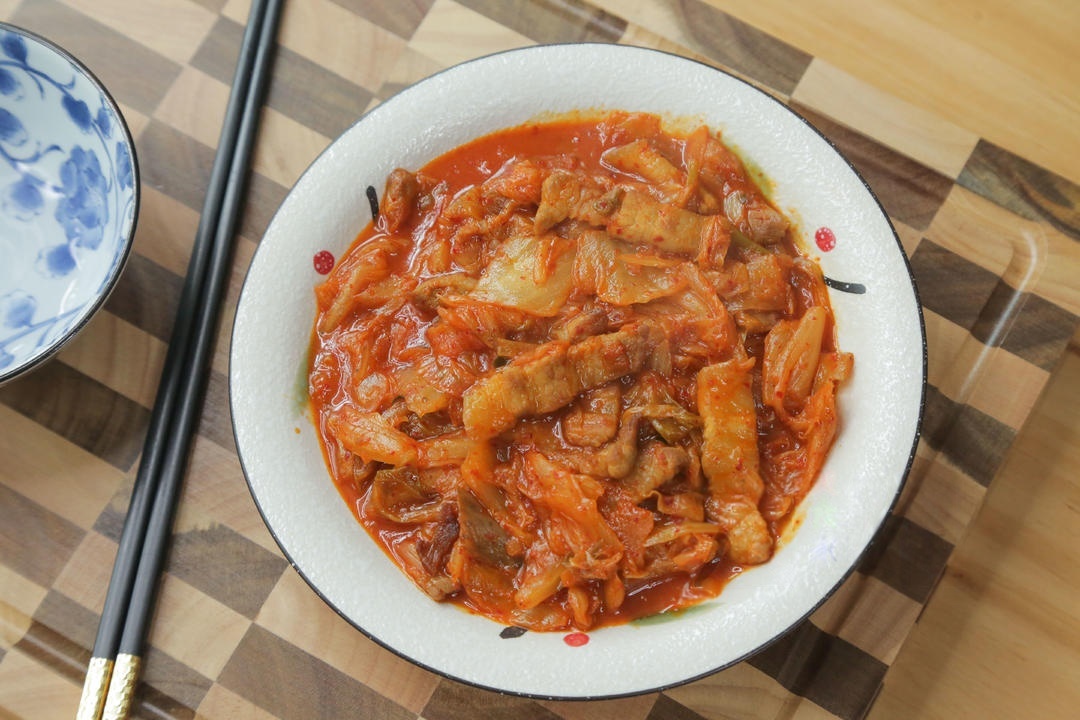
For another kimchi-forward plate, my kimchi pork belly stir-fry is the savory, fatty side of this same flavor.
1Kimchi Pork Belly Stir-fry (La Bai Cai Chao Wu Hua Rou)A 15-minute savory, spicy, and tangy stir-fry featuring crispy rendered pork belly and fermented kimchi. This easy homestyle dish is the perfect appetite stimulant.Check out this recipe
Why This Version Works
- The kimchi is the whole sauce. A whole 150 g (5.3 oz) pouch of kimchi carries the dish – fermented heat, crunch, and tang in one ingredient.
- Ketchup is the balance. One spoon of ketchup rounds the kimchi’s edge with sweetness – the original’s quiet fusion move.
- Boiled just under al dente. The pasta cooks 6-8 minutes in salted, oiled water, then finishes in the wok.
- One pan after the boil. The pasta, kimchi, ketchup, and aromatics all meet in a hot wok for the final toss – fast and minimal.
- The rice cake version rides the same logic. Sliced rice cakes, a little water, kimchi – the template transfers, as the original demonstrates.
Equipment Needed
- A pot for the pasta
- A wok or wide skillet
- A spatula
Ingredients
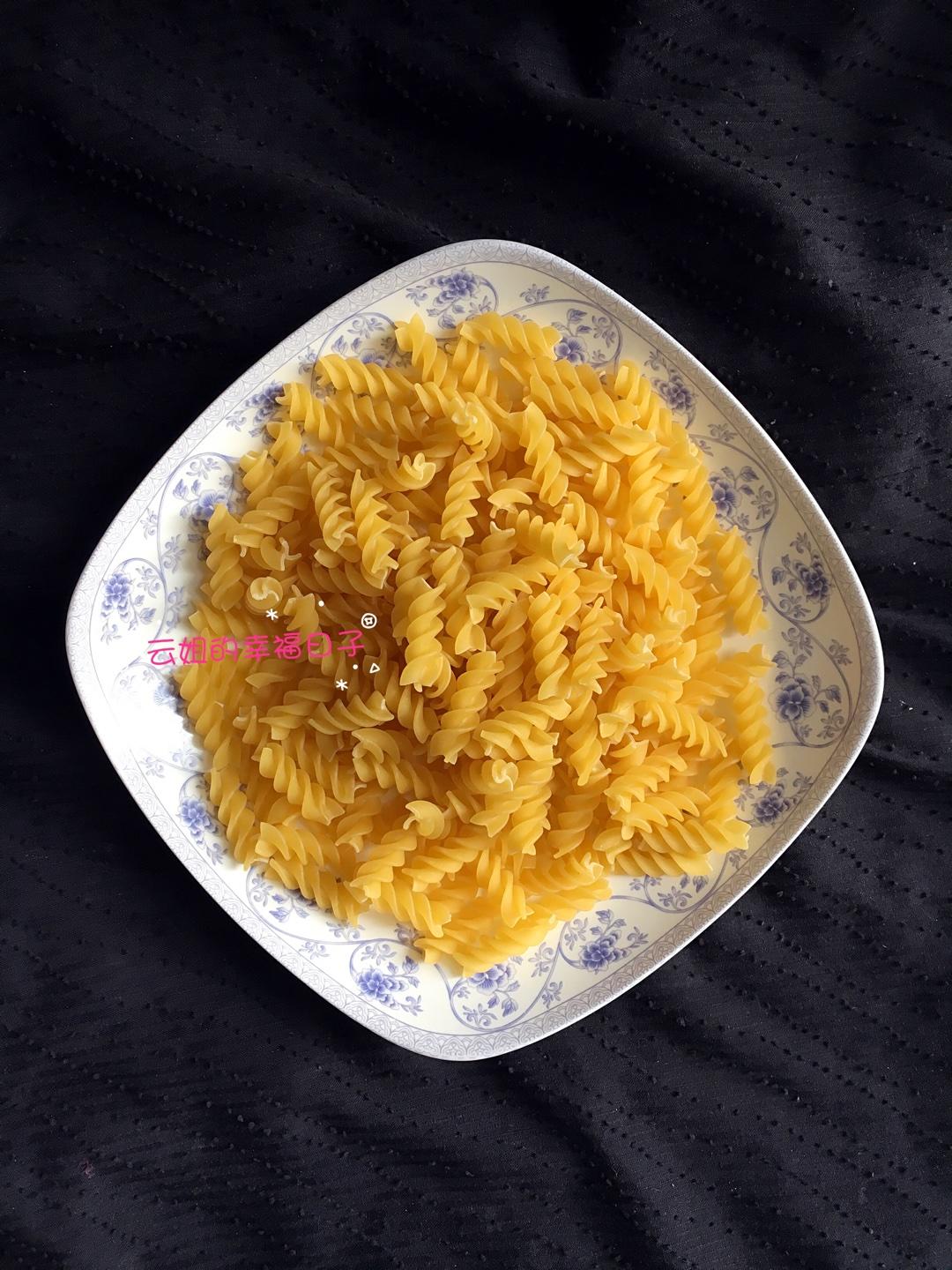
- 1 serving spiral pasta (rotini or fusilli), about 80 g (2.8 oz)
- 1 pouch Korean kimchi (150 g / 5.3 oz)
- 1 tbsp (15 ml) ketchup
- 1/2 tsp (3 g) salt, for the pasta water
- 2 tbsp (30 ml) neutral oil
- Scallion and sesame seeds, for garnish
- Optional extras: sliced sausage, onion, or any aromatics
Ingredient Notes
Pasta: The original uses spiral rotini – the shape holds the kimchi coating well. Any short pasta works. Cook it in salted water with a few drops of oil for 6-8 minutes, just under al dente.
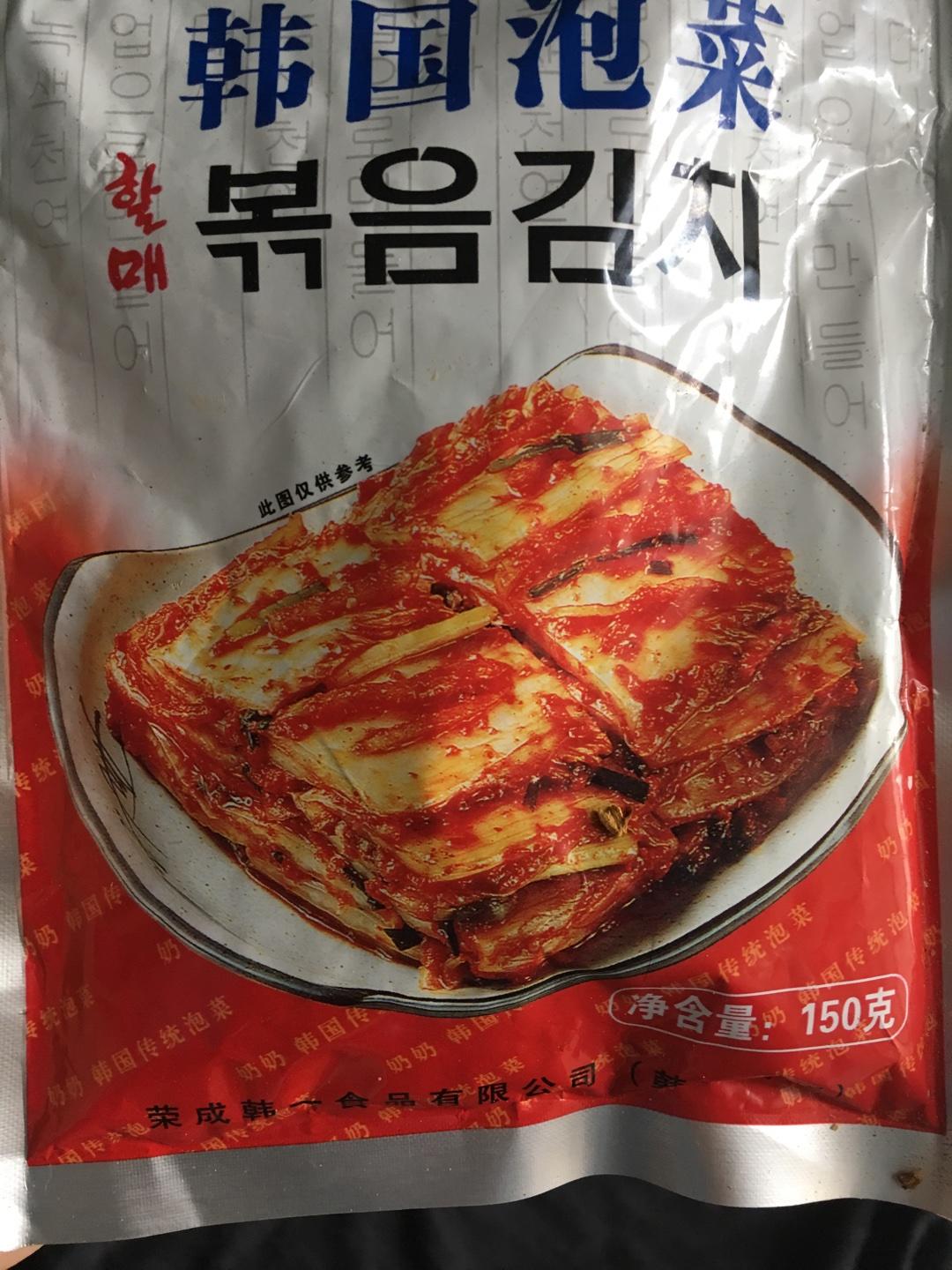
Kimchi: A 150 g (5.3 oz) pouch of Korean cabbage kimchi – the original says one small pouch is exactly one serving, and homemade kimchi works too. Use the tangy, fermented kind for the best result.
Ketchup: One spoon of tomato ketchup (the original specifies Heinz). It is the sweet counterbalance to the kimchi’s sour-spice.
Extras: The original mentions sausage, onion, and “whatever aromatics” as optional – the dish is a canvas. My guide to Chinese noodles explains where this fusion sits in the noodle family.
Prep & Mise en Place
Bring the pasta water to a boil with the salt and a few drops of oil. While it cooks, slice any extras you are adding (sausage, onion, scallion). Have the kimchi pouch open and the ketchup measured.
When the pasta is just under al dente, drain it. Heat the wok, add the oil, and toss the pasta with the kimchi, ketchup, and aromatics until glossy – about 2 minutes. Finish with scallion and sesame.
Cooking Process
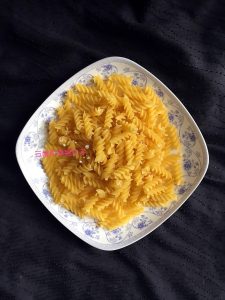
Step 1 – Measure the Pasta
One serving of spiral pasta – about 80 g (2.8 oz). The original uses a generous plate of rotini.
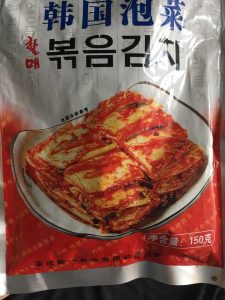
Step 2 – The Kimchi Pouch
One pouch of Korean kimchi (150 g / 5.3 oz) is exactly one serving, per the original – or use homemade kimchi. It is the dish’s entire sauce.
Step 3 – Boil the Pasta
Bring a pot of water to a boil, add the salt and a few drops of oil, and cook the pasta 6-8 minutes until just under al dente. Drain and set aside.
Step 4 – Wok It With Kimchi and Ketchup
Heat the oil in a wok, add the drained pasta, the whole pouch of kimchi, the spoon of ketchup, and any aromatics you like. Stir-fry until everything is glossy and coated – about 2 minutes.
Step 5 – Garnish and Serve
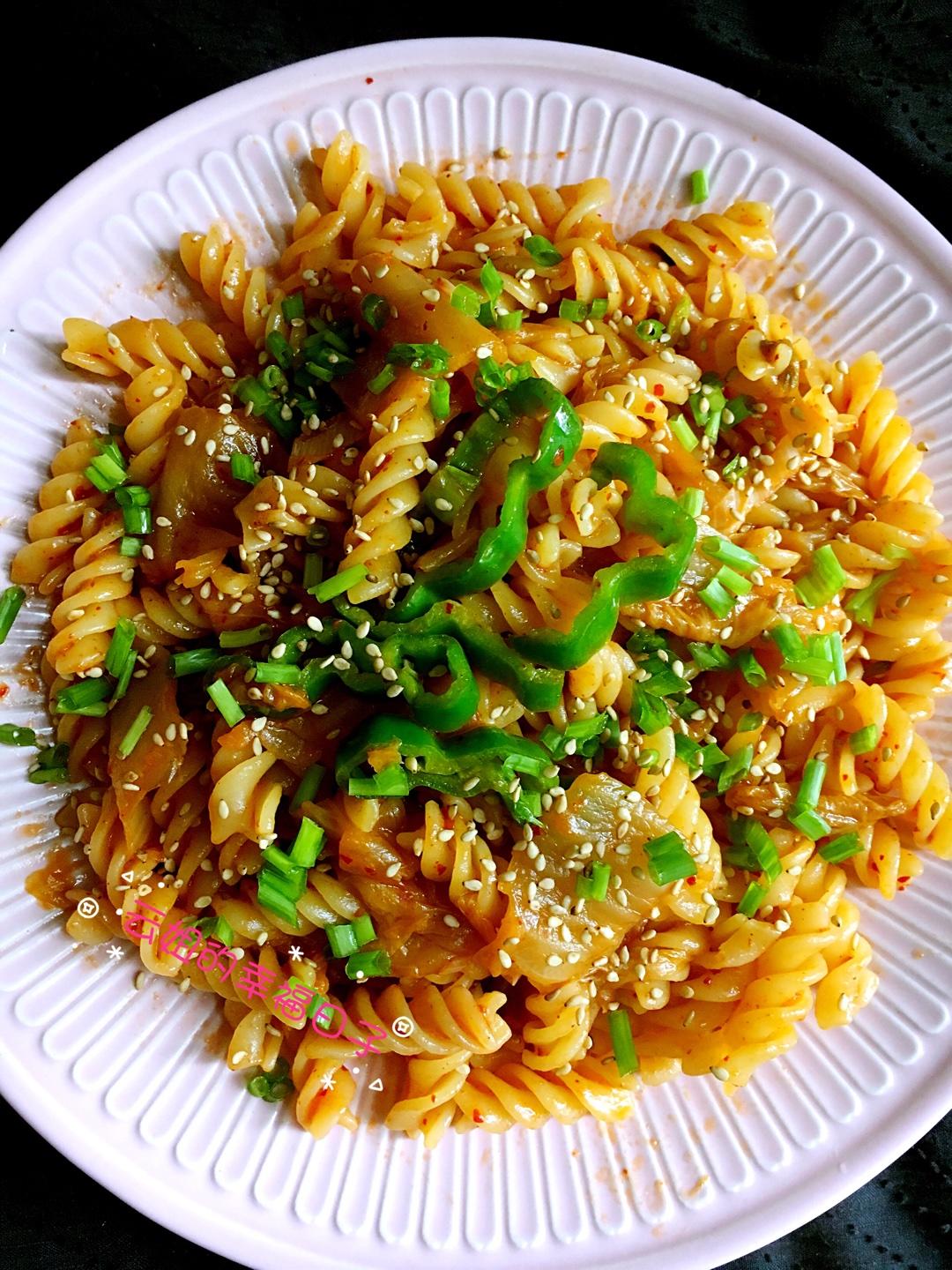
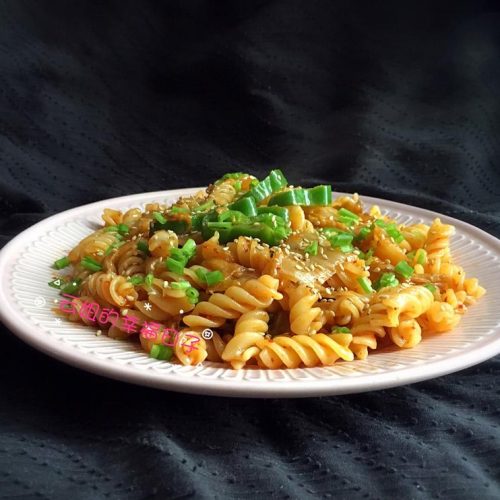
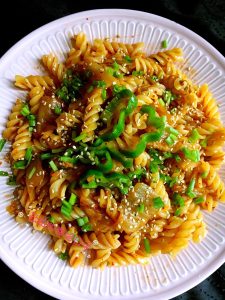
Plate the pasta and finish with chopped scallion and sesame seeds – “pretty and delicious,” per the original. Serve hot.
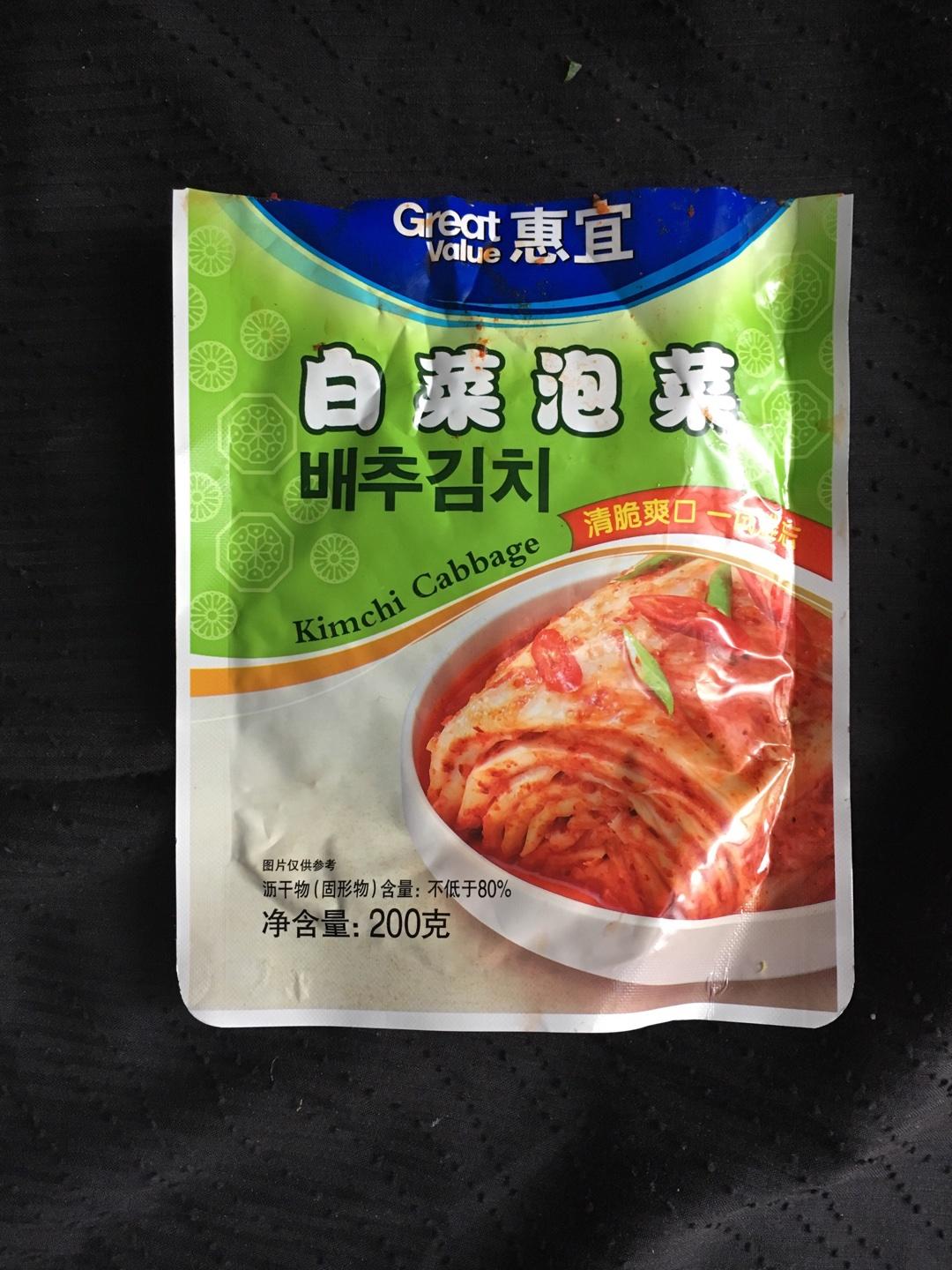
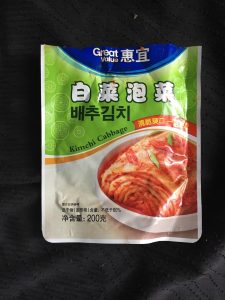
Step 6 – The Kimchi Brand Note
The original pauses to record that this particular kimchi’s flavor is excellent – a small tribute to the ingredient that makes the dish.
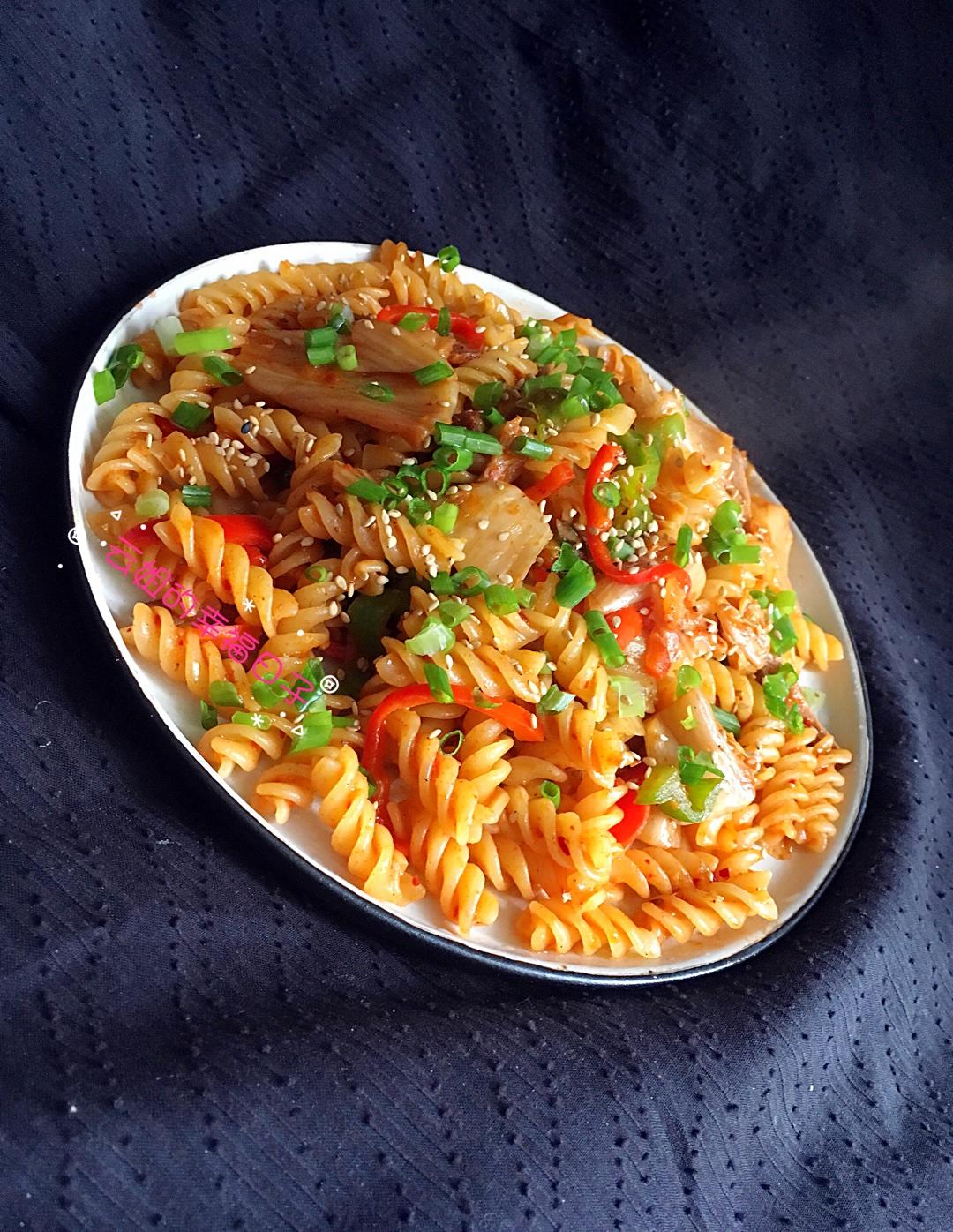
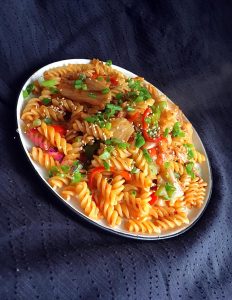
Step 7 – The Finished Wok
The finished pasta is glossy, red, and fragrant – the kimchi coating every spiral.
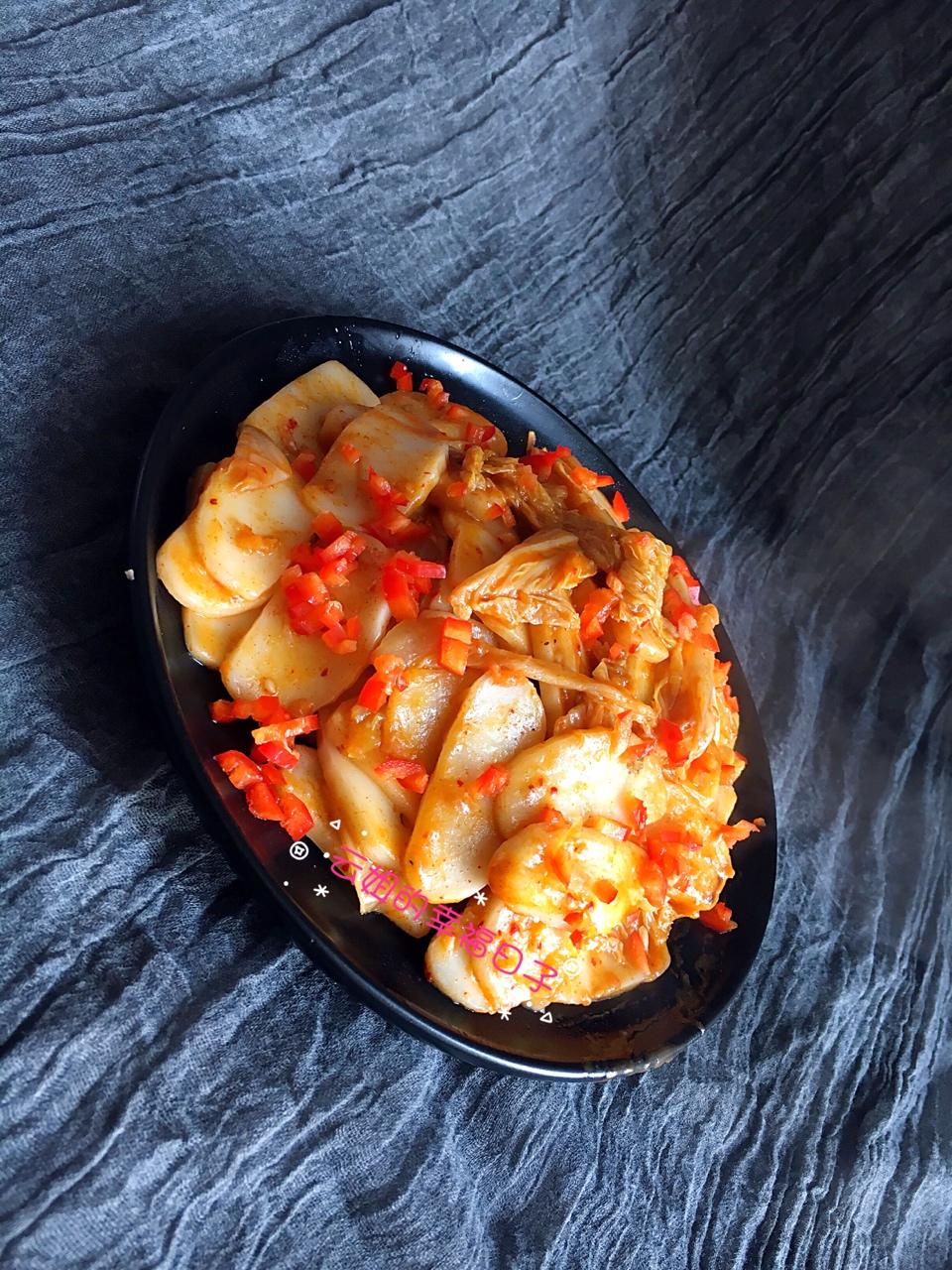
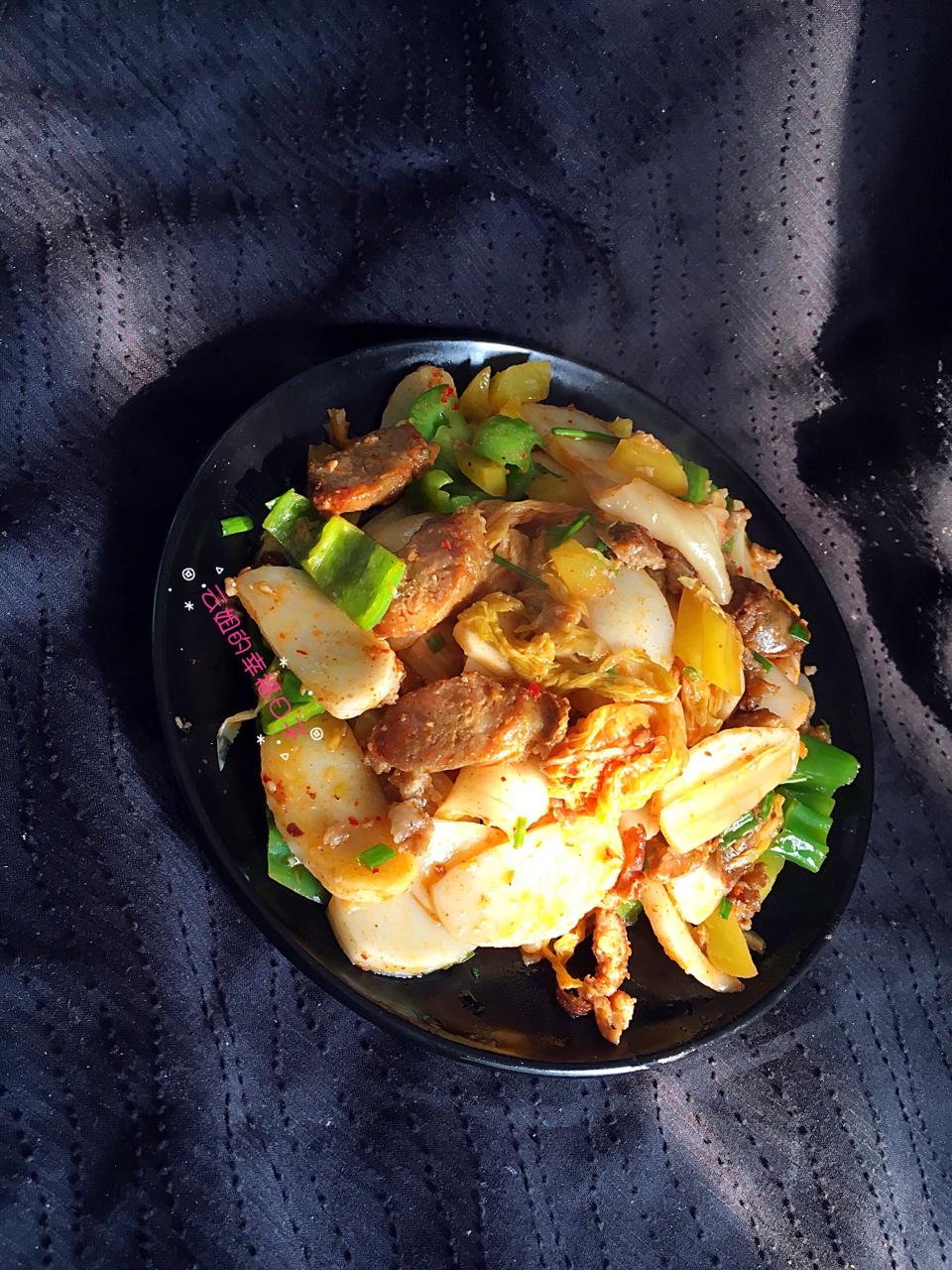
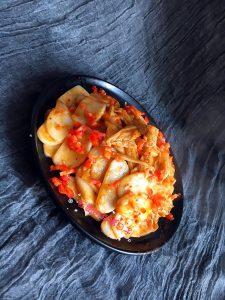
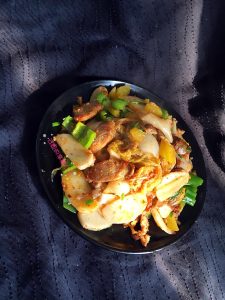
Step 8 – The Kimchi Rice Cake Version
The original’s bonus: kimchi fried rice cake. Slice the rice cakes, heat oil in the pan, stir-fry the slices 2 minutes, add a little warm water to prevent sticking, then add the kimchi and stir-fry 2 more minutes. Plate and eat – the same tangy logic, a chewier canvas.
Step 9 – With Sausage, Even Better
Add homemade crispy sausage or any meat you like – “with meat, even more tempting,” as the original puts it. The dish takes protein beautifully.
Common Mistakes When Making Kimchi Fried Pasta
1. Overcooked, mushy pasta. Cause: boiling past al dente. Fix: 6-8 minutes, just under – it finishes in the wok.
2. A flat, one-note dish. Cause: skimping on kimchi. Fix: the whole 150 g (5.3 oz) pouch is the dish – use the full amount.
3. Too sour or too sweet. Cause: the kimchi-ketchup balance off. Fix: one spoon of ketchup per pouch of kimchi is the original’s tested ratio; adjust from there.
4. Rice cakes that stick. Cause: no water in the pan. Fix: the warm water splash is what keeps the rice cakes from sticking – the original’s note.
5. A dry, sticky pasta pile. Cause: no oil in the wok. Fix: a splash of oil with the toss keeps the pasta glossy and separate.
6. Bland pasta water. Cause: no salt. Fix: salt the boiling water – the pasta’s seasoning starts there.
Variations
With meat: Sausage, bacon, or leftover pork join the toss – the original’s own addition. My kimchi pork belly stir-fry is the full meat version.
Kimchi rice cakes: The original’s second dish – sliced rice cakes with water and kimchi, 4 minutes total. For more rice cake ideas, my Korean beef hot pot noodle soup covers the Korean comfort family.
More vegetables: Onion, bell pepper, or carrot join the toss for color and crunch.
Noodle versions: The kimchi-ketchup logic works on any noodle – my Xinjiang fried rice noodles and Wenling fried rice noodles show the wok-fried noodle family.
Frequently Asked Questions
Can I use any pasta shape? Yes – rotini holds the coating best, but penne, fusilli, or even spaghetti work.
Is this very spicy? It depends on the kimchi – mild kimchi makes a mild dish; the ketchup rounds the heat.
Can I make it ahead? It is a best-fresh dish; leftovers keep a day but the pasta softens.
Do I need the ketchup? It is the balance – without it the dish is one-note sour. Keep it.
Can I double it? Yes – two pouches of kimchi, two spoons of ketchup, twice the pasta.
How to Serve
Serve the pasta hot in a bowl, garnished with scallion and sesame – a complete lazy dinner. It pairs with a Korean comfort spread: Korean beef hot pot noodle soup or sour and spicy beef noodle soup for a noodle night, and Szechuan cold noodles or tomato meat sauce noodles for the fusion family. For a noodle-education table, my types of Chinese noodles guide sits well beside it.
Storage & Reheat
Refrigerate leftovers for up to 1 day; reheat in a hot pan with a splash of water. Do not freeze – the pasta and kimchi both degrade. Never leave the dish out for more than 2 hours.
Allergen Notice
This recipe contains gluten (pasta) and may contain soy and fish sauce in the kimchi – check the kimchi label. It is free of nuts, eggs, and dairy (verify kimchi).
Nutrition Disclaimer
Nutrition information is calculated using an ingredient database and should be considered an estimate. In cases where multiple ingredient alternatives are given, the first listed is calculated for nutrition. Garnishes and optional ingredients are not included.
About the Author & Recipe Development
I am Lin, a professional Chinese chef and food writer with a decade in restaurant kitchens before turning to recipes. This xiachufang post is the relaxed home cooking I love – a template, not a lecture, with a bonus rice-cake version thrown in because the cook had the idea. I tested both versions, confirmed the one-pouch-to-one-spoon-ketchup balance, and kept the rice-cake water trick from the original. I have not tested every kimchi brand, so the heat and tang will shift with your jar – that is the nature of the ingredient.
Authoritative References
USDA Food Safety and Inspection Service – Safe Temperature Chart for food-handling and storage guidance.
Kimchi Fried Pasta (Pao Cai Chao Yi Mian): 15-Minute Fusion

Equipment
- Pot for pasta
- Wok or wide skillet
- Spatula
Ingredients
For the Pasta
- 80 g spiral pasta (rotini or fusilli) 2.8 oz, one serving
- 1 pouch Korean kimchi 150 g / 5.3 oz; homemade works
- 1 tbsp ketchup 15 ml
- 1/2 tsp salt, for the pasta water 3 g
- 2 tbsp neutral oil 30 ml
- scallion and sesame seeds, for garnish
- optional: sliced sausage, onion, or aromatics
Instructions
- Measure a serving of spiral pasta.

- One pouch of kimchi (150 g) is exactly one serving – or use homemade.
- Boil the pasta in salted, oiled water 6-8 minutes until just under al dente; drain.
- In a hot wok with oil, toss the pasta with the whole pouch of kimchi, the ketchup, and any aromatics until glossy.
- Garnish with scallion and sesame and serve hot.
- A note on the kimchi – its flavor carries the whole dish.
- The finished wok: glossy, red, and fragrant.

- The kimchi rice cake version: fry sliced rice cakes 2 minutes in oil, add warm water, then kimchi, and stir-fry 2 more minutes.
- Add sausage or any meat for a heartier plate.




Leave a Reply