Have you ever wondered why the chicken in your favorite takeout is impossibly silky, while your home-cooked version turns out tough and dry? Or perhaps you’ve struggled with a stir-fry sauce that either looks like a watery puddle or a thick, unappetizing “gloopy” mess. These are the most common frustrations I hear from home cooks, and the solution almost always boils down to one humble pantry staple: cornstarch.
The Quick Answer to Cornstarch Mastery
In Chinese cooking, cornstarch (淀粉 – diànfěn) serves two primary roles: velveting (marinating meat to keep it tender) and thickening (creating a glossy sauce that clings to ingredients). To thicken a sauce, always use a cornstarch slurry-a mixture of 1 part cornstarch to 2 parts cold water-added at the very end of cooking over high heat.
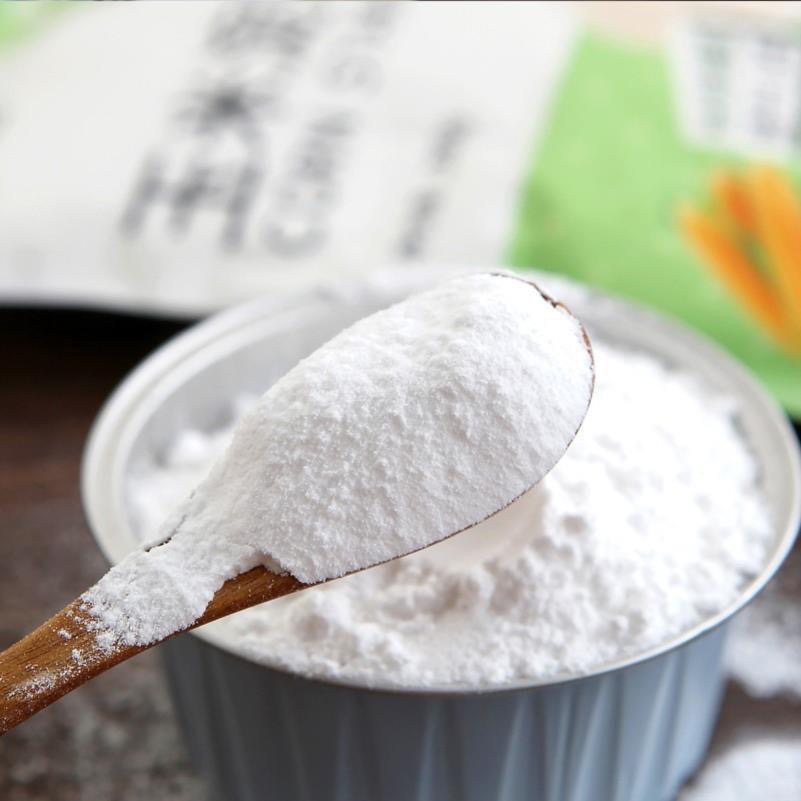
What is Cornstarch in the Chinese Kitchen?
In a professional Chinese kitchen, cornstarch is more than just a thickener; it is a structural component of the dish. While we often use cornstarch in the West, in China, “starch” might refer to mung bean, potato, or sweet potato starch depending on the region. However, for the Western home cook, cornstarch is the most accessible and reliable tool for achieving that signature restaurant finish.
If you are looking for alternatives or have run out of this essential, you can check out our guide on what can I use instead of cornstarch to see how potato or tapioca starch might change your results.
Why It Works: The Science of “Gloss and Grip”
When you add cornstarch to a stir-fry, two major scientific processes occur:
- Starch Gelatinization: As the starch granules are heated in the presence of liquid, they swell and burst, releasing amylose and amylopectin molecules that trap water and thicken the sauce.
- Moisture Barrier (Velveting): When used in a marinade, cornstarch creates a thin, protective layer around meat fibers. This layer acts as an insulator against the high heat of the wok, preventing the proteins from tightening and squeezing out their juices.
According to the Exploratorium’s Science of Cooking, starch gelatinization typically begins between 144°F and 162°F (62°C-72°C). This is why your sauce only “clears” and thickens once it reaches a simmer.
The Real Kitchen Insight: My Years at the Wok
In my experience training in restaurant kitchens, the biggest mistake beginners make is treating cornstarch as an afterthought. We call the process of coating meat “Shang Jiang” (上浆). It’s not just about tossing meat in powder; it’s about the order. You must let the meat absorb the liquid seasonings (like soy sauce or wine) first, then add the starch to lock it all in.
What most home cooks don’t realize is that “restaurant-style” gloss doesn’t come from more starch-it comes from the right amount of oil and a perfectly timed slurry. If your sauce looks dull, you likely undercooked the starch or didn’t have enough fat to emulsify the mixture.
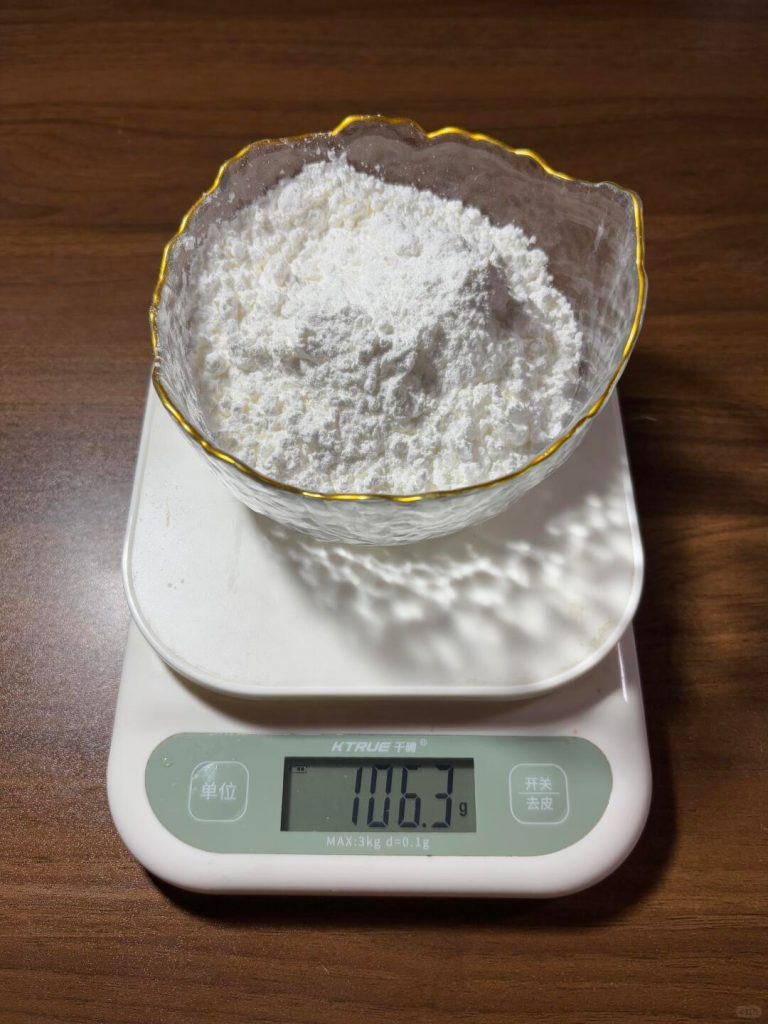
Essential Preparation: The Cornstarch Slurry
You should never add dry cornstarch directly to a hot pan; it will clump instantly into “starch balls.” Instead, you must create a slurry.
- Standard Ratio: 1 tablespoon (8g) cornstarch to 2 tablespoons (30ml) cold water.
- The Technique: Stir the slurry immediately before adding it to the wok. Cornstarch settles at the bottom of the bowl within seconds. If you don’t re-stir, you’ll be pouring plain water into your dish while the “thickening power” stays stuck to your spoon.
For more on getting the balance right, our stir fry sauce ratio formula is a great resource for perfecting your base before the starch goes in.
Prep Strategy: Velveting for Success
Velveting is the secret to how to keep beef tender in stir fry.
- Slice Thinly: Always slice meat across the grain.
- The Liquid Bind: Mix the meat with a little soy sauce, Shaoxing wine, and a pinch of salt. Let it sit for 5 minutes until the liquid is absorbed.
- The Seal: Add cornstarch (usually 1 teaspoon per 8 oz / 225g of meat) and a splash of oil. The oil helps the meat pieces separate when they hit the hot pan.
Step-by-Step: Thickening a Stir-Fry Sauce
Follow these sensory cues to ensure your sauce is perfect:
- Create the Base: Once your vegetables and proteins are nearly cooked, push them to the sides of the wok, leaving a pool of liquid in the center.
- The Pour: Give your slurry a final stir and pour it into the bubbling liquid.
- The Sound & Sight: You should hear a vigorous sizzle. Use your spatula to stir the liquid in a circular motion.
- The Transformation: Look for the sauce to turn from cloudy/opaque to clear and translucent. Once it coats the back of a spoon and looks glossy, it is done. This usually takes only 10-20 seconds.
If you find the result is still lacking, refer to our stir fry sauce thickening guide for more advanced troubleshooting.
Common Mistakes When Using Cornstarch
| Mistake | Why It Happens | The Fix |
|---|---|---|
| Clumping | Adding dry powder to hot liquid. | Always mix into a cold water slurry first. |
| Chalky Taste | The starch wasn’t cooked long enough. | Ensure the sauce reaches a boil/simmer for at least 10 seconds. |
| Thin/Watery Sauce | Starch was broken down by over-stirring or acidic ingredients. | Add slurry at the very end; don’t overcook once thickened. |
| Slimy Meat | Used too much cornstarch in the marinade. | Use just enough to coat; the meat shouldn’t look “pasty.” |
| Sauce Slides Off | The pan wasn’t hot enough or the meat was too wet. | Ensure meat is patted dry before marinating and the wok is smoking hot. |
Pro Tips for the Home Cook
- The “Wok Hei” Secret: If you are learning how to stir fry properly, remember that cornstarch burns easily. Always add your thickening slurry after the heavy searing is done.
- The Gloss Factor: Add a tiny drizzle of sesame oil or a teaspoon of neutral oil right after adding the slurry to give the sauce a “mirror” finish.
- Acid Alert: If your sauce has a lot of vinegar (like Sweet and Sour), you may need slightly more cornstarch, as acid can weaken the starch bonds.
Mini Recipe: 10-Minute Garlic Sauce Broccoli
Even a simple vegetable dish benefits from these techniques.
- Prep: 1 lb (450g) broccoli florets, 3 cloves minced garlic.
- Sauce: 1/2 cup (120ml) chicken broth, 1 tbsp soy sauce, 1 tsp sugar.
- Slurry: 1 tsp cornstarch mixed with 2 tsp water.
- Method: Blanch broccoli for 2 minutes and drain. Sauté garlic in a hot wok with oil until fragrant. Add broccoli and sauce base. Bring to a boil. Pour in the slurry while stirring. Once glossy, serve immediately.
This technique is the foundation for our garlic sauce for stir fry which you can use for almost any vegetable.
Frequently Asked Questions
1. Can I use flour instead of cornstarch?
In a pinch, yes, but the result will be different. Flour makes a cloudy, opaque sauce (like gravy) and has a “raw” taste unless cooked much longer. Cornstarch provides the clear, glossy finish typical of Chinese cuisine.
2. Why is my sauce too thin even after adding slurry?
You may not have brought the sauce to a high enough temperature to “activate” the starch, or you may have used too much liquid. See why is my sauce too thin for specific fixes.
3. Can I velvet chicken for the air fryer?
Yes! Using a cornstarch-based marinade in the air fryer helps the meat stay moist inside while getting a slightly crisp exterior. It’s a great hack for how to velvet chicken.
4. Does cornstarch contain gluten?
Pure cornstarch is naturally gluten-free. However, always check the packaging for cross-contamination if you have a severe allergy.
5. Can I make the slurry in advance?
Yes, but you must stir it again right before using. The starch will settle into a hard brick at the bottom of the container within minutes.
Storage & Food Safety
- Velveting Safety: Once meat is marinated in cornstarch, it should be cooked within 30 minutes or refrigerated. Do not leave raw marinated meat at room temperature.
- Leftovers: Stir-fries thickened with cornstarch may “weep” liquid when reheated. To fix this, reheat in a pan over high heat with a splash of water and a tiny bit of fresh slurry.
- Internal Temperature: Always ensure poultry reaches an internal temperature of 165°F (74°C) as per USDA guidelines.
About the Author & Recipe Development
I’m Lin, and I’ve spent over a decade in both professional restaurant kitchens and my family’s home kitchen. This guide was developed by testing various starch-to-water ratios across standard Western electric and gas stoves to ensure you get restaurant results without a high-BTU burner. We’ve refined these measurements over hundreds of stir-fry sessions to make them foolproof for your kitchen.
Allergen Notice
- Corn: This guide focuses exclusively on corn-derived starch.
- Cross-contamination: If you use soy sauce in your velveting marinade, the dish will contain Soy and Gluten.
Nutrition Disclaimer
Nutrition information is an estimate and provided for informational purposes only. Cornstarch is a pure carbohydrate; 1 tablespoon contains approximately 30 calories and 7 grams of carbohydrates. While essential for texture, it should be used in moderation for those monitoring glycemic intake.
Authoritative References
- The Science of Starch Gelatinization – Exploratorium
- Safe Minimum Internal Temperature Chart – USDA
- Starch Structure and Functionality – ScienceDirect





Leave a Reply