Mastering the Art of the Stir-Fry
In my ten years working in professional Chinese kitchens, the most common frustration I hear from home cooks is that their stir-fry turns into a “stir-steam.” You start with crisp vegetables and high hopes, but you end up with a puddle of grey water at the bottom of the pan and tough, chewy meat.
This usually happens because home kitchens face two major hurdles: a lack of explosive heat and overcrowded pans. In a restaurant, we have burners that roar like jet engines; at home, we have to use strategy to achieve that same “wok hei” (breath of the wok). This guide will show you how to bridge that gap using the equipment you already own.
Quick Answer: The Secret to a Perfect Stir-Fry
The key to a successful stir-fry is preparation and heat management. You must have all ingredients chopped and sauces mixed before the heat is turned on, and you must cook in small batches to maintain a pan temperature between 375°F and 450°F (190°C-230°C).
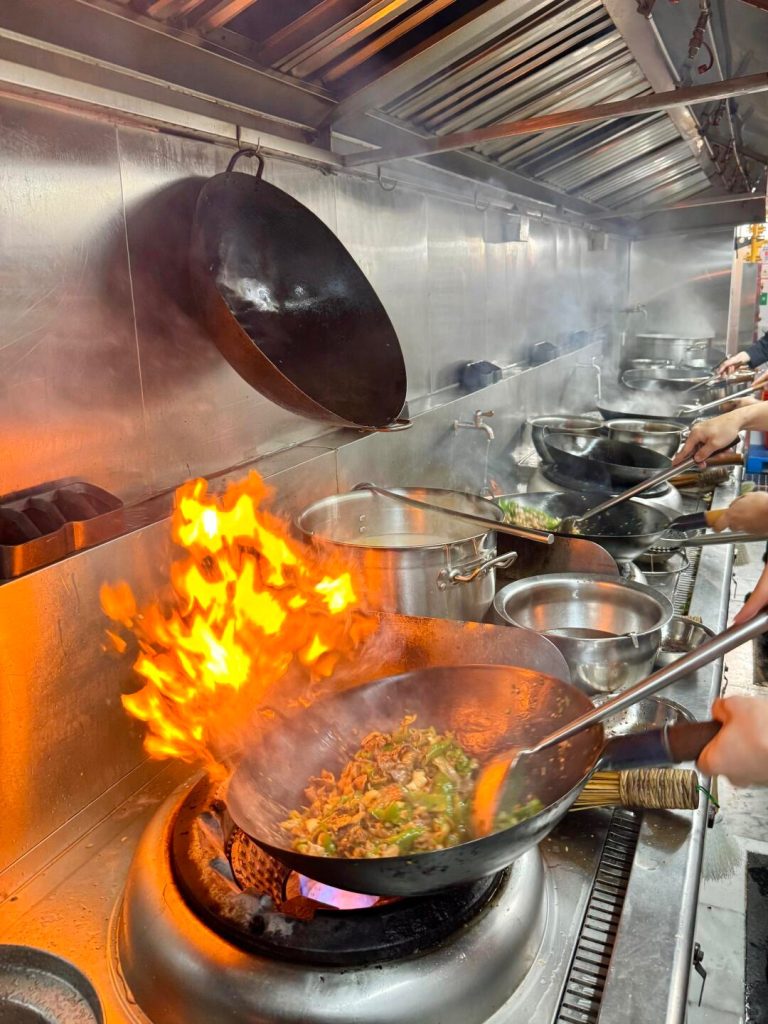
What Is Stir-Frying (Chao)?
Stir-frying, or Chao (炒), is a Chinese cooking technique where ingredients are fried in a small amount of very hot oil while being stirred or tossed in a wok. While it is a staple of restaurant culture, it originated as a way to cook food quickly and efficiently using minimal fuel.
The difference between home-style stir-frying and restaurant-style often comes down to “Wok Hei.” In a restaurant, the intense heat creates a complex charred aroma. At home, we focus on texture and flavor balance, ensuring the ingredients retain their structural integrity and vibrant colors.
Why Stir-Frying Works: The Culinary Science
Stir-frying is a race against moisture.
The Maillard Reaction & Evaporation: When food hits a pan at 375°F (190°C) or higher, the Maillard reaction begins, creating browned, savory flavors. However, if the pan temperature drops because of too much food or excess water, the ingredients begin to release liquid faster than it can evaporate. This drops the temperature to 212°F (100°C)-the boiling point of water-turning your fry into a steam.
To prevent this, we use oil as a heat-transfer medium. Oil can reach much higher temperatures than water, acting as a protective barrier that sears the outside of the food while the inside remains tender.
Restaurant vs. Home: The Reality Check
Understanding the limitations of your home stove is the first step toward better results.
| Variable | Professional Wok Burner | Western Home Gas Stove |
|---|---|---|
| Burner Output | 80,000-120,000 BTU | 10,000-18,000 BTU |
| Oil Temp Recovery | < 10 seconds | 30-60 seconds |
| Cooking Surface | Thin Carbon Steel Wok | Thick Skillet or Flat Wok |
| Batch Size | Large | Very Small (1-2 servings) |
Essential Equipment
You don’t need a professional setup, but you do need the right tools for the job.
- The Pan: A carbon steel wok is traditional, but if you have an electric or induction stove, a heavy-bottomed stainless steel or cast iron skillet is actually superior. If you are struggling with a wok on a flat stove, check out our guide on the best pan for stir fry without a wok.
- The Spatula: Use a metal spatula for carbon steel to scrape up the flavorful bits, or a high-heat silicone spatula for non-stick surfaces.
- The Heat: Always use high-smoke point oils. Avoid butter or extra virgin olive oil, which will burn and turn bitter at stir-fry temperatures.
The Pro Prep Strategy (Mise en Place)
In a restaurant, we never start cooking until everything is in its place.
- Uniform Cutting: Cut all meat and vegetables into uniform sizes (roughly 1/4 inch thick). This ensures they cook at the same rate.
- Dry Your Ingredients: Moisture is the enemy. After washing vegetables, use a salad spinner or paper towels to get them bone-dry.
- Velveting the Meat: This is a professional secret. Marinate your meat in a bit of cornstarch, oil, and Shaoxing wine (or a dry sherry substitute). The starch creates a protective coating that keeps the meat juicy.
- Pre-mix the Sauce: Never add seasonings one by one to a hot pan. Mix your soy sauce, aromatics, and thickeners in a small bowl first.
Step-by-Step: The Professional Stir-Fry Method
Follow this order to ensure every ingredient is perfectly cooked.
1. Preheat the Pan
Heat your dry pan until a bead of water flicked onto it evaporates instantly (around 380-400°F). Only then add 2 tablespoons of oil.
2. Sear the Protein
Add the meat in a single layer. Don’t touch it for 30-45 seconds to allow a crust to form. Stir-fry until it is 80% cooked, then remove it from the pan and set it aside. This prevents the meat from becoming tough while the vegetables cook.
3. Sauté Aromatics
Clean the pan if necessary, add a fresh teaspoon of oil, and add ginger, scallions, and garlic. You should hear a vigorous hissing. Be careful-garlic burns fast in a hot pan, so only cook it for 10-15 seconds until fragrant.
4. Flash-Fry the Vegetables
Add vegetables in order of density. Carrots and broccoli go first; leafy greens like spinach go last. If the pan looks dry, add a tablespoon of water or broth to create steam, which helps cook the interior of denser veggies.
5. Recombine and Sauce
Bring the meat back into the pan. Give your sauce a quick stir (the starch often settles at the bottom) and pour it around the perimeter of the pan, not directly on the food. This heats the sauce before it hits the ingredients.
Common Mistakes When Stir-Frying
| Mistake | Why It Happens | The Fix |
|---|---|---|
| Soggy Vegetables | Overcrowding the pan or adding sauce too early. | Cook in batches no larger than 1 lb (450g). |
| Pan Not Hot Enough | Adding oil to a cold pan or low BTU output. | Preheat the pan until it wisps with smoke. |
| Bland Flavor | Lack of acidity or sugar balance. | Learn how to balance salt, sweet, and acid using rice vinegar or sugar. |
| Tough Meat | Skipping the velveting step or overcooking. | Slice meat against the grain and use a cornstarch marinade. |
Mini Recipe: The “Everything” Garlic Stir-Fry
This simple template works for almost any combination of 1 lb of protein and 2 cups of vegetables.
- The Sauce: 2 tbsp light soy sauce, 1 tbsp oyster sauce, 1 tsp sugar, 1/2 tsp cornstarch, 1 tbsp water.
- The Process: 1. Sear your protein (chicken, beef, or shrimp) in 2 tbsp oil.
- Remove protein. Sauté 3 cloves of minced garlic and 1 tsp ginger.
- Toss in 2 cups of mixed vegetables (try the same mix used in our easy vegetable chow fun).
- Add 1 tbsp water, cover for 1 minute to steam.
- Return protein, add sauce, and toss over high heat for 30 seconds until glossy.
Frequently Asked Questions
Can I use frozen vegetables?
Yes, but thaw them completely and pat them dry first. Frozen vegetables contain excess ice that will immediately drop your pan’s temperature.
Is stir-frying healthy?
Stir-frying is one of the healthiest ways to cook because it uses minimal oil and the short cooking time preserves the nutrients in vegetables.
Why is my sauce too thin?
The cornstarch in your sauce needs to reach a simmering point to “activate” and thicken. If it’s still watery, let it bubble for an extra 20 seconds.
Can I make this ahead of time?
Stir-fry is best served immediately. However, you can do 100% of the prep (chopping and sauce mixing) up to 24 hours in advance.
My meat is sticking to the pan, what do I do?
This is often a sign that the pan was not hot enough when you added the meat. Let the meat sear undisturbed; it will usually “release” itself once a crust forms.
About the Author & Recipe Development
I’m Lin, and I’ve spent over a decade behind the line in both traditional Cantonese eateries and modern fusion kitchens. Stir-frying is the heartbeat of Chinese cuisine, but it’s often misunderstood in the West. This guide was developed through years of testing restaurant techniques on standard 12,000 BTU home burners to see what actually translates. Every tip here-from the batch-cooking method to the water-flick test-is designed to help you get professional results without needing a professional kitchen.
Sources & Standards Referenced
- USDA Food Safety and Inspection Service – Safe Minimum Internal Temperature Chart
- Harvard T.H. Chan School of Public Health – Cooking Oils and Smoke Points
- FDA Food Code – Cooking Temperature Guidelines
Notes & Safety
- Allergen Notice: This recipe contains Soy (Soy Sauce) and Shellfish (Oyster Sauce). For a gluten-free version, use Tamari.
- Food Safety: Always ensure poultry reaches an internal temperature of 165°F (74°C) and beef reaches at least 145°F (63°C).
- Ventilation: Stir-frying generates smoke. Always turn on your exhaust fan or open a window before you begin preheating your pan.
- Nutrition Disclaimer: Nutrition information is an estimate and provided for informational purposes only. Typical stir-fries are high in protein and vitamins but can be high in sodium due to soy sauce.





Leave a Reply