There is nothing more discouraging than spending twenty minutes chopping fresh vegetables only to have them end up sitting in a grey, watery puddle at the bottom of your pan. Most beginners think they can just splash in some soy sauce at the end and call it a day, but that usually results in a dish that is simultaneously too salty and yet somehow tastes like nothing. If you have ever wondered why your home cooking doesn’t have that glossy, tongue-coating richness of a restaurant dish, the secret isn’t a high-BTU burner—it’s the architecture of your sauce.
The Quick Fix: The Universal Sauce Formula
For a reliable, all-purpose stir fry sauce that works every time, follow this ratio: 1 part soy sauce, 2 parts liquid (broth or water), 1/2 part sweetener, and 1 teaspoon of cornstarch per cup of liquid. Whisk this mixture together in a small bowl before you even turn on the stove. This ensures the starch is fully suspended and the flavors are balanced before they hit the heat.
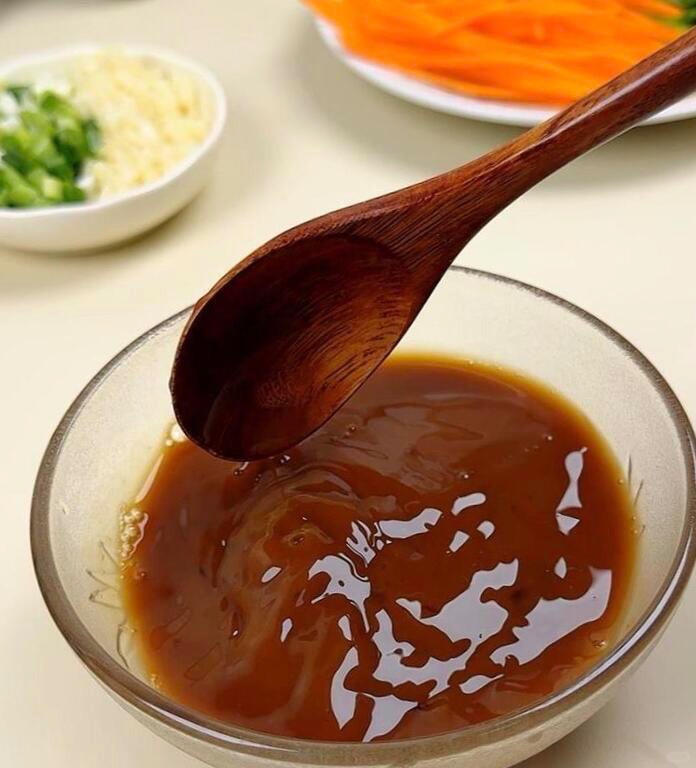
The Science of the “Cling”
A successful stir fry sauce relies on a process called gelatinization. When you add a starch—usually cornstarch—to a liquid and heat it to a simmer, the starch granules swell and burst, creating a thick network that traps moisture. This is what creates that beautiful glaze that clings to your broccoli instead of running to the bottom of the wok. Without this thickening agent, the steam released by the vegetables during cooking will simply dilute your seasonings, which is exactly why your stir fry turns watery.
Inside the Professional Kitchen: The “Premix” Secret
In my experience working in busy restaurant kitchens, we never measure individual sauces while the wok is screaming hot. We have a “master sauce” or a pre-mixed bowl ready to go. What most beginners don’t realize is that the “wok hei” or breath of the wok happens in seconds. If you are fumbling with a bottle of light soy sauce while your garlic is browning, you’ve already lost the battle. The heat on a home stove is lower, so you have to be even more disciplined about your prep to keep the pan temperature high.
Essential Pantry Staples and Substitutions
To build a professional flavor profile, you need a few core components:
- Salty Base: Soy sauce is the foundation. If you want a deeper color, use a splash of dark soy sauce.
- Umami Booster: Oyster sauce adds thickness and complexity. For a vegan version, use mushroom-based stir-fry sauce.
- Aromatics: Fresh garlic and ginger are non-negotiable.
- Acid: A dash of Chinese rice vinegar cuts through the salt.
- Thickener: Cornstarch is standard, but if you’re out, you can check this guide on what to use instead of cornstarch.
The Strategy of the Pour
How you introduce the sauce is just as important as what’s in it. Never pour the sauce directly onto the cold vegetables. Instead, push your ingredients to the sides of the pan, creating a well in the center. Pour the sauce into that hot spot. You should hear a sharp hiss immediately. Let it bubble for 5–10 seconds until it starts to look translucent and thick, then toss everything together to coat.
Step-by-Step: Crafting the Perfect Glaze
- Whisk the Base: Combine your soy, broth, sugar, and starch. Ensure there are no white clumps of starch at the bottom.
- Sauté Aromatics: Fry your garlic and ginger in oil until fragrant (about 30 seconds). Don’t let them turn brown or bitter.
- Flash Fry: Cook your meat and vegetables. If you are making something like Kung Pao Chicken, ensure the chicken is 90% cooked before adding sauce.
- The Sizzle: Pour the pre-mixed sauce into the center. Watch for it to transition from a cloudy liquid to a clear, dark glaze.
- The Finish: Add a drop of sesame oil at the very end off the heat to preserve its delicate aroma.
Common Sauce Blunders
| Mistake | Why it happens | The Fix |
|---|---|---|
| Clumpy Sauce | Adding starch directly to a hot pan. | Always mix starch into cold liquid first to make a slurry. |
| Bland Flavor | Using only soy sauce without aromatics or acid. | Follow the stir fry sauce ratio formula for balance. |
| Too Salty | Reducing the sauce for too long. | Add a splash of water or broth to loosen it back up. |
| No “Gloss” | Not enough sugar or starch. | A teaspoon of sugar and proper starch activation creates the shine. |
| Raw Starch Taste | Not bringing the sauce to a full simmer. | The sauce must bubble to “cook” the starch and thicken. |
Pro Tips for Maximum Flavor
If you are using a standard Western skillet rather than a wok, work in smaller batches. Overcrowding the pan drops the temperature, causing the vegetables to boil in their own juice rather than fry. This ruins the sauce’s ability to stick. Also, remember the stir fry order of ingredients: aromatics first, then proteins, then hard veggies, then leafy greens, and finally the sauce.
Customizing Your Flavor Profile
Once you master the basic “Brown Sauce,” you can easily pivot. Add Doubanjiang for a spicy Sichuan kick, or increase the vinegar and sugar for a classic sweet and sour vibe. If you prefer a nuttier taste, a tablespoon of peanut butter whisked into the base creates a rich satay-style sauce.
Mini Recipe: All-Purpose Chinese Brown Sauce
This is the “mother sauce” I use for everything from beef and broccoli to simple vegetable stir-fries.
- Ingredients: 1/2 cup chicken or vegetable broth, 3 tbsp soy sauce, 1 tbsp oyster sauce, 1 tbsp brown sugar, 1 tsp grated ginger, 2 cloves minced garlic, 1 tsp cornstarch.
- Method: Whisk all ingredients in a jar. Shake well before pouring into the pan during the final minute of cooking.
FAQ
Can I make the sauce in advance?
Yes, you can keep the sauce mixture in the fridge for up to 3 days. Just make sure to whisk it vigorously before use, as the starch will settle at the bottom.
My sauce is too thick, how do I fix it?
Simply whisk in a tablespoon of water or broth at a time while the pan is still over the heat until you reach your desired consistency.
Can I use honey instead of sugar?
Absolutely. Honey provides a great floral note and helps with the gloss, though it can burn slightly faster than granulated sugar.
Why is my sauce not thickening?
You likely didn’t bring the sauce to a high enough temperature. Cornstarch needs to reach near-boiling point to activate its thickening properties.
Is there a gluten-free option?
Yes, substitute the soy sauce for Tamari and ensure your oyster sauce is certified gluten-free. You can also make gluten-free dumplings to serve alongside your stir fry for a complete meal.




Leave a Reply