The primary goal of restaurant-style fried rice is to achieve grain separation, a smoky aroma (Wok Hei), and a non-greasy, savory finish. While professional kitchens use high-BTU burners, you can replicate these results at home by mastering rice hydration, heat management, and the specific order of ingredients.

Why It Works: The Science of Starch and Heat
The success of fried rice relies on retrogradation. When rice is cooked and then cooled, the starch molecules (amylose and amylopectin) rearrange into a more crystalline structure. This makes the grains firmer and less sticky.
In the wok, the goal is the Maillard reaction—the chemical reaction between amino acids and reducing sugars that gives browned food its distinctive flavor. This requires surface temperatures above 140°C (285°F). In a home kitchen, maintaining this temperature necessitates small batch sizes to prevent the pan’s thermal mass from dropping.
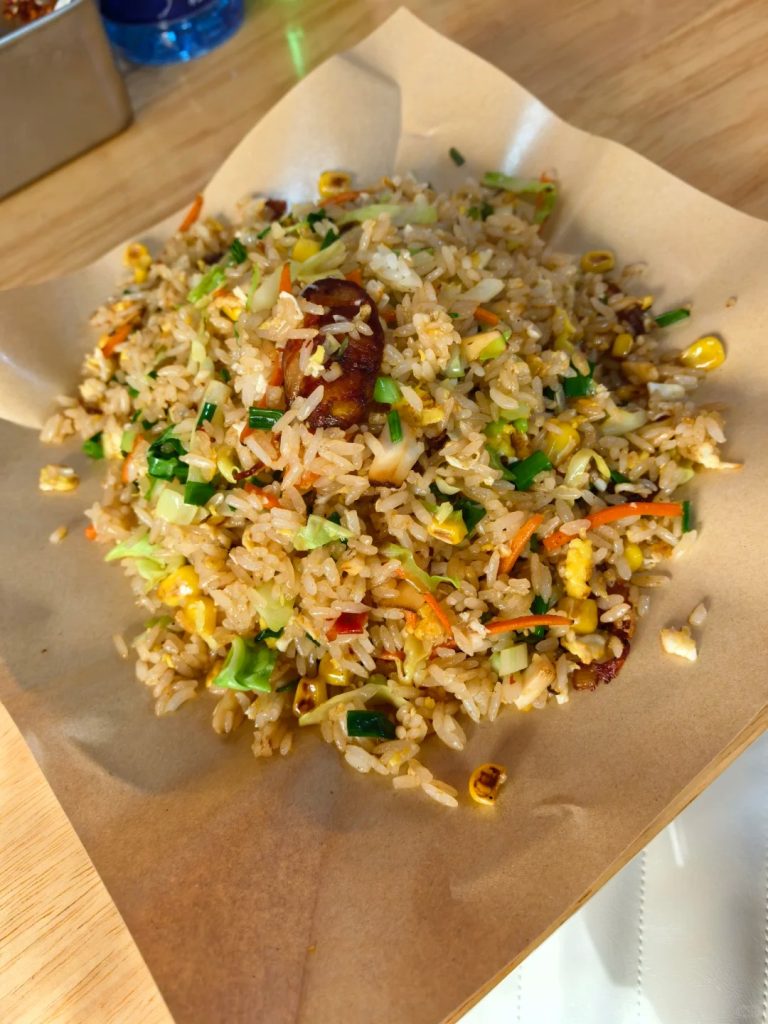
The Variables: Rice, Moisture, and Heat
To achieve consistent results, you must control the following variables:
- Rice Hydration: Freshly cooked rice has too much surface moisture, leading to steaming rather than frying. Understanding the science of day-old rice is crucial for a perfect stir-fry.
- Thermal Recovery: Home burners take longer to recover heat after ingredients are added compared to restaurant burners.
- Fat Distribution: Using the correct fat ensures each grain is coated, preventing clumping and providing a conduit for heat.
Step-by-Step Technique: The Professional Method
1. Preparation and Mise en Place
Fried rice is a fast-paced “dry-fry” technique. All ingredients must be prepped before the flame is lit.
- Rice: 3–4 cups of chilled long-grain rice. To ensure the best results, selecting the right grains beforehand will prevent your dish from becoming a sticky mass.
- Aromatics: 1 tbsp minced garlic, 1 tbsp minced ginger, and 2 tbsp chopped scallions.
- Liquid Seasoning: 1 tbsp light soy sauce, 1 tsp dark soy sauce, and a few drops of toasted sesame oil for that signature nutty aroma.
2. Wok Preparation (The Longyau)
Heat your wok until a wispy trail of smoke appears. This indicates the surface temperature is approximately 190–230°C (375–450°F). Proper maintenance of your wok ensures it develops a natural non-stick patina over time.
3. Searing and Integration
Add the protein first, sear, and remove. Add the aromatics, then push them to the side and pour in the beaten eggs. Before the eggs fully set, add the rice. This fundamental stir-fry technique creates a protective barrier that keeps the grains from sticking to the metal.
Restaurant vs. Home Comparison
| Variable | Restaurant | Home |
| Burner Output | 80,000–120,000 BTU | 10,000–18,000 BTU |
| Oil Temp Recovery | < 10 sec | 30–60 sec |
| Batch Size | 10+ servings | 1–2 servings |
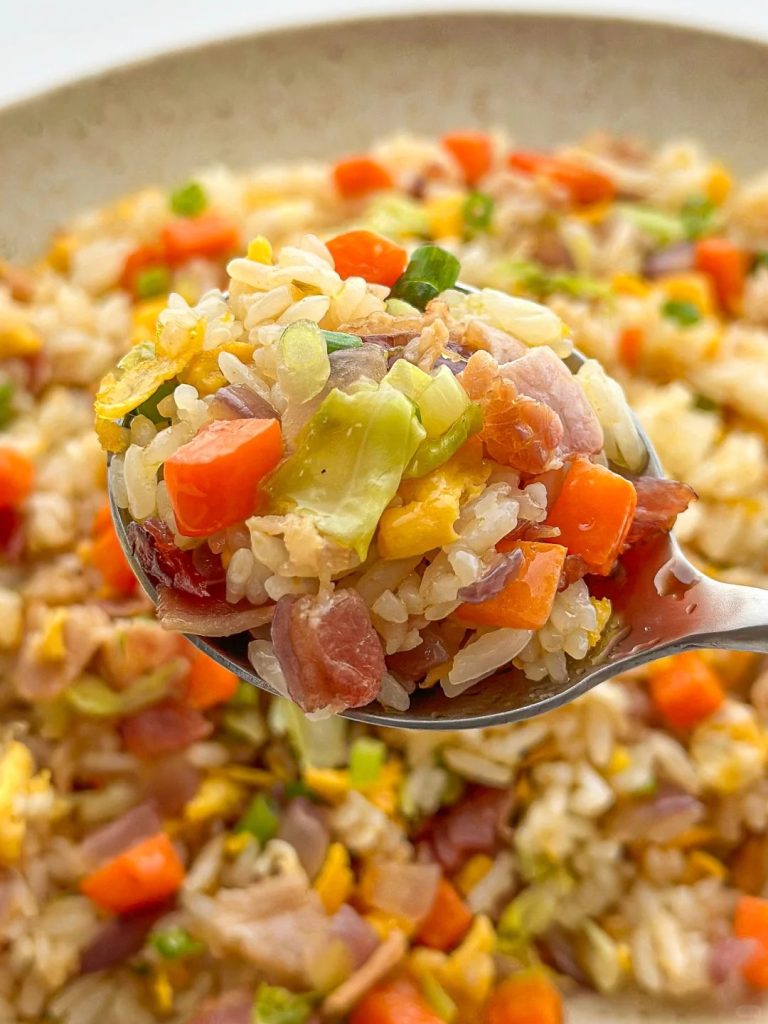
Common Mistakes & Troubleshooting
- Mushy Texture: Often caused by using rice with too much moisture or overcrowding the pan. Identifying why your stir-fry turns watery will help you adjust your heat management and ingredient load.
- Blandness: Seasoning should be drizzled down the sides of the wok to caramelize the sugars in the soy sauce instantly.
When This Method Does NOT Work
- Short-Grain Rice: Due to high amylopectin content, it will clump regardless of technique.
- Electric Coil Stoves: These lack the necessary side-heat distribution. A heavy-bottomed flat skillet is a better alternative here.
Specialized Variations
Once you have mastered the basic technique, you can explore traditional regional variations. For example, the classic Yangzhou style uses a combination of shrimp and char siu for a sophisticated flavor profile.
Sources & Standards Referenced
- USDA Food Safety and Inspection Service – Safe Minimum Internal Temperature Chart
- Harvard T.H. Chan School of Public Health – Cooking Oils and Smoke Points
- FDA Food Code – Cooking Temperature Guidelines
FAQ
Q: Can I use fresh rice?
A: Only if you reduce the water ratio to 1:1 and let the rice steam off its surface moisture under a fan for 30 minutes.
Q: How do I prevent sticking?
A: Ensure the pan is at least 190°C (375°F) before adding oil.







Leave a Reply