There is nothing more frustrating than spending forty minutes prepping a meal only to have the beef turn out like strips of parched leather. Most home cooks assume the “toughness” comes from buying cheap meat or not having a high-BTU restaurant burner. They overcompensate by buying expensive tenderloin, which often ends up dry anyway because it lacks the fat to stand up to high heat.
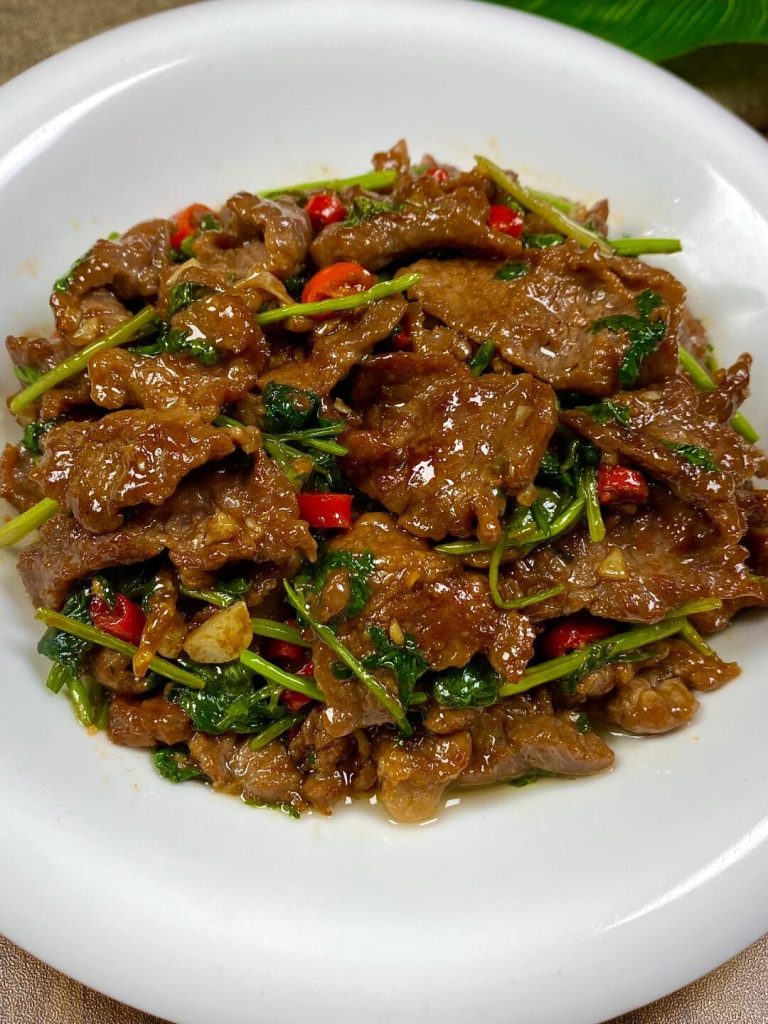
The 60-Second Secret to Success
To get restaurant-quality results, you must apply the velveting technique: a combination of slicing against the grain, marinating with a touch of baking soda or cornstarch, and “locking in” moisture with oil. This creates a protective barrier that keeps the protein fibers from tightening and squeezing out their juices when they hit the hot pan.
The Science of Tenderness: Heat vs. Moisture
When beef hits a hot surface, the proteins undergo “denaturation”—they uncoil and then clump back together tightly. Without a buffer, this process happens too fast, pushing all the water out of the meat. By using a starch-based marinade, you are essentially creating a microscopic “jacket” around each slice. This jacket absorbs the initial heat shock, allowing the meat to cook through without losing its internal hydration.
The Real Kitchen Insight
In my experience working in professional kitchens, we rarely used the most expensive cuts for daily stir-fries. What most beginners don’t realize is that the “soft” texture of restaurant beef isn’t about the price of the meat—it’s about the alkalinity of the marinade. A tiny pinch of baking soda breaks down the tough muscle fibers, while a splash of Shaoxing wine provides the necessary acidity to balance the flavor and remove any “gamey” scents.
Essential Ingredients and Substitutions
- Cornstarch: The “velvet” coating. (Sub: Potato starch or Tapioca starch).
- Baking Soda: The secret tenderizer. Use sparingly—about 1/4 tsp per pound of beef.
- Liquid: Water or Light Soy Sauce to provide moisture for the starch to absorb.
- Oil: To prevent the beef from sticking together in the pan.
Prep Strategy: The Grain is Everything
Before you even touch a marinade, look at the beef. You will see lines running across the surface; these are the muscle fibers. Always slice perpendicular (against) these lines. Properly slicing your meat for stir fry shortens the fibers, making them easier to chew regardless of how much heat you apply. If you slice with the grain, you’re leaving long, rubbery “ropes” of protein that no amount of cooking can fix.
The Professional Velveting Process
- Slice: Cut beef into 1/8-inch thick slices against the grain.
- Hydrate: Add 1 tablespoon of water or soy sauce per half-pound of meat. Massage it in until the liquid is fully absorbed.
- Coating: Add cornstarch and baking soda. This is based on the same cornstarch science used to thicken sauces; it creates a silky exterior.
- Seal: Add a teaspoon of oil at the very end to coat the pieces so they slide apart easily in the wok.
5 Common Beef Stir-Fry Mistakes
| Mistake | Why It Happens | The Professional Fix |
| Crowding the Pan | Too much meat drops the pan temperature instantly. | Cook beef in small batches. It should sizzle, not steam. |
| Wet Meat | Surface moisture prevents browning (the Maillard reaction). | Pat meat dry before marinating; use oil to seal the marinade. |
| Slicing Too Thick | Thick slices cook unevenly, becoming tough on the outside. | Aim for 1/8 inch; partially freeze meat for 30 mins to slice easier. |
| Skipping the Rest | Cooking beef until “done” in the stir fry. | Pull beef out when it is 80% cooked; it finishes in the residual heat. |
| Cold Beef | Meat straight from the fridge seizes up in a hot pan. | Let marinated beef sit at room temperature for 15–20 minutes. |
导出到 Google 表格
Pro Tips for the Home Stove
If you are using a standard electric or gas stove, you lack “Wok Hei.” To compensate, use a heavy cast iron skillet if you don’t have a carbon steel wok. This holds more heat. If you’re making a high-stakes dish like Beef Chow Fun, sear the beef first, remove it, cook your vegetables, and only toss the beef back in during the final 30 seconds.
Variation: The “Dry Fry” Method
For some dishes, you might want a crispier edge rather than a silky “velvet” texture. In this case, omit the water from the marinade and use only cornstarch and a bit of Dark Soy Sauce for color. This works beautifully for recipes like Black Pepper Beef and King Oyster Mushroom Stir-Fry where the texture of the mushrooms complements the charred edges of the beef.
Mini Recipe: “Emergency” Tender Beef
- The Beef: 1/2 lb Flank steak or Top Sirloin.
- The Marinade: 1 tsp soy sauce, 1 tsp Shaoxing wine, 1/2 tsp cornstarch, 1/8 tsp baking soda, 1 tsp oil.
- The Method: Mix well and let sit for 20 mins. Sear in a smoking hot pan with 1 tbsp oil for 90 seconds. Remove. Sauté your favorite greens, add a splash of garlic sauce for stir fry, toss the beef back in, and serve.
FAQ
- Can I use any cut of beef? Flank steak, skirt steak, and top sirloin are best. Avoid stew meat (chuck) as it requires hours of braising to become tender.
- Does the baking soda make it taste weird? Not if you use the 1/4 tsp per pound rule. Always rinse the beef if you accidentally over-apply it.
- Should I wash the beef? Generally no, unless you used too much tenderizer. Just pat it dry.
- Why is my beef gray instead of brown? Your pan wasn’t hot enough or you overcrowded it, causing the meat to boil in its own juices.






Leave a Reply