You spent 20 minutes meticulously chopping broccoli, snap peas, and bell peppers. You toss them into your pan, expecting that glorious, aggressive sizzle you hear in restaurants. Instead, the pan goes quiet, a puddle of murky liquid forms at the bottom, and your vibrant greens turn into a sad, gray, mushy mess. It is one of the most frustrating experiences for a home cook.
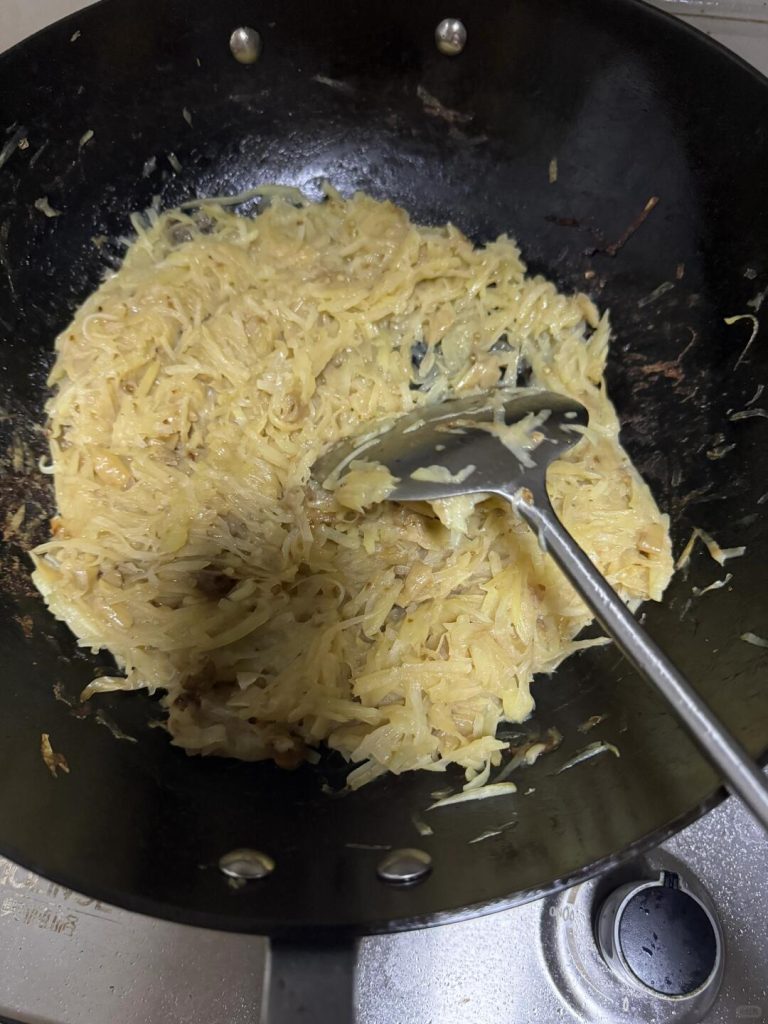
The Quick Fix
To stop your vegetables from turning soggy, you must thoroughly dry your produce after washing, use the highest heat your stove can muster, and cook in small batches. Crucially, never salt your vegetables or add liquid sauces until the very last seconds of the cooking process.
Why This Works: The Science of the Wok
Water is the absolute enemy of a good sear. When you drop wet vegetables into a hot pan, the pan’s surface temperature immediately plummets. Because a standard home stove lacks the power to quickly recover that heat, the water slowly turns to steam. Your vegetables sit in this lukewarm water bath, effectively boiling instead of frying. By removing surface moisture and keeping the pan ripping hot, the oil can immediately sear the exterior of the vegetables, locking in their natural crunch and vibrant color while blistering the skin.
The Real Kitchen Insight
In my experience cooking in professional kitchens, the biggest difference between restaurant stir-fries and home attempts isn’t a secret ingredient—it is entirely about heat management. We use commercial jet-engine burners that roar like dragons. What most beginners don’t realize is that on a standard home electric or gas stove, you cannot dump a massive bowl of vegetables into the pan at once. If you want restaurant-quality crispness, you have to be patient and learn How to Prevent Overcrowding in Stir Fry. Working in smaller batches allows your humble stove to maintain a searing temperature.+2
Essential Ingredients for Crisp Veggies
- High Smoke Point Oil: You need an oil that can handle intense heat without burning or turning bitter. Peanut oil, avocado oil, or refined grapeseed oil are perfect. If you are unsure what to keep in your pantry, check out my guide on the Best Oil for Stir Frying.
- Aromatic Base: Fresh garlic and ginger cut into rough chops (not minced, so they don’t burn).
- Savory Binder: A small dash of Oyster Sauce at the very end. Substitute with vegetarian mushroom stir-fry sauce if needed.
The Prep Strategy
Your stir-fry is won or lost before you even turn on the stove.
- Wash Early: Wash your vegetables at least 30 minutes before cooking.
- Spin Dry: Use a salad spinner aggressively. If you don’t have one, lay the chopped vegetables on clean kitchen towels and pat them bone dry.
- Uniform Cuts: Cut denser vegetables (like carrots) thinner, and softer vegetables (like zucchini) thicker so everything finishes cooking at the exact same time.
Step-by-Step Cooking Guide
- Preheat the Dry Pan: Place your wok or skillet on high heat. Wait until you see faint wisps of smoke.
- Add Oil: Swirl in 1-2 tablespoons of high smoke point oil. It should shimmer immediately.
- The Sizzle Test: Drop one piece of vegetable in. You should hear a violent, aggressive cracking sound. If it barely hisses, wait.
- Sear, Don’t Stir: Add a handful of vegetables in a single layer. Do not touch them for 15 seconds. Let the hot metal blister the surface.
- Toss and Finish: Toss the vegetables briefly. You are looking for bright, intensified colors and slight charring on the edges. Remove them from the pan immediately.
Common Mistakes and How to Fix Them
| Mistake | Why It Causes Soggy Veggies | The Fix |
| Wet Produce | Drops pan temperature, leading to boiling. | Dry thoroughly with a salad spinner or paper towels. |
| Salting Too Early | Salt draws moisture out of the cell walls of the vegetables. | Only season with salt or salty sauces in the last 10 seconds of cooking. |
| Crowding the Pan | Traps steam at the bottom of the pan, suffocating the sear. | Cook in batches. Never fill the pan more than one-third full. |
| Cold Vegetables | Vegetables straight from the fridge chill the pan too fast. | Let chopped vegetables sit at room temperature for 15 minutes before cooking. |
| Simmering in Sauce | Adding a cup of liquid sauce turns a stir-fry into a braise. | Use concentrated sauces and toss only to coat. |
导出到 Google 表格
Pro Tips for the Home Kitchen
If you are cooking on a weak electric burner, your choice of cookware matters immensely. Read up on the differences between a Flat Pan vs Wok for Stir Fry to see what works best for your setup. If you use a wok, cast iron retains heat much better than thin carbon steel on a weak burner, though it is heavier to toss. To dive deeper into material choices, review my breakdown of Carbon Steel vs Cast Iron Wok.
Variations for Different Vegetables
- Leafy Greens (Bok Choy, Spinach): These contain massive amounts of water. Sear them furiously for just 30-45 seconds. They will wilt quickly.
- Dense Roots (Carrots, Lotus Root): These take too long to stir-fry from raw. Blanch them in boiling water for 60 seconds, drain, dry them completely, and then stir-fry to get that charred flavor without a raw center.
Mini Recipe: Blistered Garlic Broccoli
This simple recipe relies on high heat and a robust Garlic Sauce for Stir Fry (Base Recipe) to deliver a punchy, crisp side dish.
Ingredients:
- 1 head of broccoli, cut into medium florets, washed and dried completely
- 2 tbsp peanut oil
- 3 cloves garlic, roughly chopped
- 1 tbsp soy sauce
- 1/2 tsp sesame oil
Instructions:
- Heat your wok until smoking. Add the peanut oil.
- Toss in the dry broccoli florets. Spread them out and leave them untouched for 20 seconds to char.
- Toss for another 30 seconds. The broccoli should turn a vibrant, bright green.
- Push the broccoli to the side, add the garlic to the center of the pan, and let it sizzle for 5 seconds until fragrant.
- Toss everything together, pour the soy sauce down the hot side of the wok (so it sizzles and caramelizes), drizzle with sesame oil, and serve immediately.
Frequently Asked Questions
Why do my vegetables release so much water even when I dry them? You are likely crowding the pan or salting them too early. Salting raw vegetables draws out their internal moisture through osmosis. Always salt at the very end.
Can I stir-fry frozen vegetables? It is incredibly difficult to get a crisp stir-fry from frozen vegetables because of their high water content and degraded cell structure. If you must, thaw them completely, squeeze out all excess water, and understand the texture will be softer.
Should I blanch my vegetables first? Only for dense, hard vegetables like carrots, cauliflower, or thick broccoli stems. Leafy greens, bell peppers, and snow peas should be stir-fried from raw to maintain their crunch. If you struggle with the timing, read How to Stir Fry Vegetables Without Overcooking.
What if my stove just doesn’t get hot enough? If your stove is very weak, ditch the wok and use a heavy cast-iron skillet. Let it preheat for 5-7 minutes. Cast iron stores heat beautifully and won’t cool down as drastically when you add the food.
How do I get the sauce to stick without making the veggies soggy? Use a cornstarch slurry (1 part cornstarch to 2 parts cold water). Pour a small amount into your bubbling sauce at the very end of cooking. It will thicken instantly, clinging to the vegetables rather than pooling at the bottom of the pan.








Leave a Reply