I often hear the same frustration from home cooks: “Lin, I want to make authentic stir-fry, but I don’t have a professional wok or a high-BTU burner.” Many beginners feel that without a carbon steel wok, their Chinese cooking is destined to be soggy, bland, or “steamed” rather than fried.
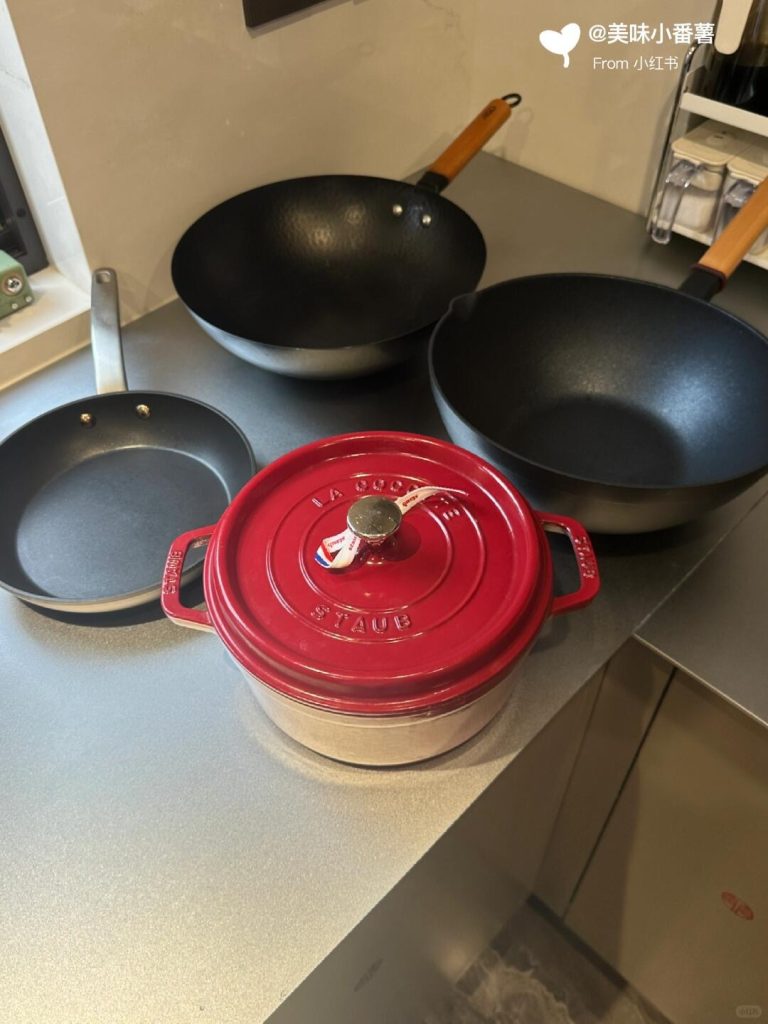
In my experience working in restaurant kitchens and teaching Western home cooks, I’ve found that a wok is a magnificent tool, but it is not a requirement for excellence. In fact, on a standard Western electric or glass-top stove, a heavy skillet is often superior to a wok. The rounded bottom of a traditional wok has very little contact with a flat heating element, leading to poor heat distribution. By mastering the skillet, you can achieve results that rival your favorite takeout.
Quick Answer: Can You Stir-Fry Without a Wok?
Yes, you can absolutely cook high-quality Chinese food without a wok. By using a heavy-bottomed skillet (preferably cast iron or stainless steel), cooking in small batches, and managing moisture through proper prep, you can replicate the texture and flavor of traditional stir-fries on a standard home stove.
Why the Skillet Works (The Science of Heat)
The primary goal of stir-frying is to cook food rapidly at high temperatures to preserve texture and create complex flavors. This process relies on two factors: Heat Capacity and Surface Area.
- Heat Capacity: A heavy skillet (like a 12-inch cast iron pan) holds more thermal energy than a thin wok. When you drop cold meat into a thin wok on a 12,000 BTU home burner, the temperature plunges, causing the meat to boil in its own juices. A heavy skillet maintains its heat, ensuring a proper sear.
- Surface Area: On a flat home stove, a skillet provides more direct contact with the heat source. This allows for better moisture evaporation, which is the secret to avoiding a watery mess.
The Real Kitchen Insight: Why I Often Prefer a Skillet
In a restaurant kitchen, we have burners that output 100,000+ BTUs. At home, you’re likely working with 12,000 to 18,000 BTUs. What most beginners don’t realize is that the “wok shape” actually works against you on low-power stoves because the heat doesn’t climb the sides of the pan.
I’ve tested dozens of recipes in both woks and skillets, and for the home cook, the skillet is the great equalizer. It allows you to “sear and toss,” a technique that mimics the high-heat environment of a professional kitchen. If you are still deciding on the right tools, I recommend checking out this guide on the best pan for stir fry without a wok to see which materials suit your specific stove type.
Choosing the Right Equipment
Not all pans are created equal when it comes to high-heat Chinese cooking.
- Cast Iron Skillet: This is my top recommendation. It retains heat exceptionally well and develops a natural non-stick surface.
- Stainless Steel Tri-Ply: Excellent for heat distribution. You should look for the “Leidenfrost effect” (where water droplets dance on the surface) to know it’s hot enough.
- Carbon Steel Skillet: The flat-bottomed cousin of the wok. It offers the best of both worlds.
Avoid thin non-stick pans for stir-frying. High heat can damage the coating, and they don’t hold enough heat to sear meat properly, often leading to tough chicken in your stir fry.
Prep Strategy: Prepping for a Skillet
Because a skillet has shallower sides than a wok, your prep must be even more precise to prevent food from flying out of the pan.
- Uniform Cutting: Slice your protein and vegetables into thin, uniform pieces. This ensures they cook in the 60–90 seconds they spend in the hot pan. For best results, follow the professional method on how to slice meat for stir fry.
- Moisture Control: Pat your meat and vegetables bone-dry with paper towels. Water is the enemy of a sear.
- Mise en Place: Have your sauce mixed and your aromatics (garlic, ginger, scallions) ready. Once the pan is hot, you won’t have time to chop.
Technique Mastery: The Skillet Stir-Fry Method
To get that “restaurant taste” without a wok, follow this specific order of operations:
- The Longyau (Seasoning the Pan): Heat your skillet until a drop of water evaporates instantly. Add a high-smoke-point oil (like peanut or canola). You should see wisps of smoke.
- Sear the Protein: Spread the meat in a single layer. Do not touch it for 45–60 seconds. You want a deep brown crust. Flip and cook for another 30 seconds, then remove it from the pan.
- Aromatics: Add a little more oil if needed, then drop in your ginger and garlic. You should hear a vigorous sizzle.
- Vegetables in Batches: If you have a lot of vegetables, cook them in two rounds. Overcrowding is the #1 reason why stir fry turns watery.
- The Reunion: Add the meat back into the pan, pour the sauce around the edges (to caramelize it), and toss rapidly for 30 seconds.
Restaurant vs. Home Cooking Comparison
Understanding the limitations of your equipment helps you adjust your technique.
| Variable | Professional Wok Station | Western Home Skillet |
|---|---|---|
| Heat Output | 80,000–120,000 BTU | 10,000–18,000 BTU |
| Pan Material | Thin Carbon Steel | Heavy Cast Iron / Stainless |
| Heat Recovery | < 5 seconds | 30–60 seconds |
| Technique | Continuous tossing | Sear-and-wait method |
Common Mistakes When Cooking Without a Wok
| Mistake | Why It Happens | The Fix |
|---|---|---|
| Soggy Vegetables | Overcrowding the flat surface of the skillet. | Fry vegetables in small batches; ensure the pan returns to temperature between rounds. |
| Burned Garlic | Garlic is added too early to a dry pan. | Add aromatics only when the oil is shimmering and just before the vegetables. |
| Meat “Grey” and Steamed | Putting cold, wet meat into a pan that isn’t hot enough. | Use the “breath of the pan” technique—wait for the oil to smoke slightly before adding meat. |
| Sticky Sauce | Using too much cornstarch or not enough liquid. | Learn the correct stir fry sauce ratio to ensure a silky coating. |
Pro Tips for Skillet Success
- The Oil Trick: Use oils with high smoke points. I recommend reading our smoke point guide to avoid filling your kitchen with acrid smoke.
- Simulating Wok Hei: While difficult to achieve without a flame, you can simulate it by letting the sauce “burn” slightly against the bottom of the hot skillet before tossing. This creates a charred, smoky depth.
- Velveting: Even in a skillet, you should velvet your chicken with cornstarch and egg white to keep it tender.
Mini Recipe: Skillet Garlic Shrimp
This recipe is designed specifically for a 12-inch skillet to maximize surface area and prevent steaming.
Ingredients
- 1 lb large shrimp (peeled and deveined, patted dry)
- 2 cups broccoli florets (cut small)
- 3 cloves garlic (minced)
- 1 tbsp ginger (finely grated)
- Sauce: 2 tbsp light soy sauce, 1 tsp toasted sesame oil, 1 tsp sugar, 1 tsp cornstarch.
Instructions
- Heat your skillet on high until a bead of water dances. Add 2 tbsp of high-heat oil.
- Add shrimp in a single layer. Sear for 1 minute per side until pink and slightly charred. Remove.
- Add broccoli with 1 tbsp water. Cover with a lid for 30 seconds to steam-fry. Remove lid and cook until water evaporates.
- Push broccoli to the sides, add a touch of oil to the center, and fry garlic and ginger for 10 seconds until fragrant.
- Return shrimp to the pan. Give the sauce a quick stir and pour it in.
- Toss everything for 30 seconds until the sauce bubbles and coats the shrimp. Serve immediately.
About the Author & Recipe Development
I am Lin, a professionally trained chef with over a decade of experience in high-volume Chinese kitchens. This guide was developed through rigorous testing in my own home kitchen, using a standard GE electric stove and a 12-inch Lodge cast iron skillet. I’ve adapted these professional techniques specifically for the limitations of home equipment to ensure your stir-fry never tastes “homemade” in a bad way. My goal is to bridge the gap between restaurant science and home reality.
Sources & Standards Referenced
- USDA Food Safety and Inspection Service – Safe Minimum Internal Temperature Chart
- Harvard T.H. Chan School of Public Health – Cooking Oils and Smoke Points
Frequently Asked Questions
Can I use a non-stick pan?
Technically yes, but it is not recommended for high-heat stir-frying. Non-stick coatings can release fumes above 500°F (260°C), and they don’t produce the Maillard reaction (browning) required for authentic flavor.
Why does my stir-fry have so much liquid at the bottom?
This usually means the pan wasn’t hot enough or you overcrowded it. The vegetables released their internal moisture before the heat could evaporate it. Try cooking in smaller batches.
What is the best oil to use?
Use an oil with a smoke point above 400°F (204°C). Peanut, grapeseed, or avocado oil are excellent choices. Avoid extra virgin olive oil or butter for this method.
How do I clean my skillet after high-heat cooking?
If using cast iron or carbon steel, avoid soap. Use a stiff brush and hot water while the pan is still warm, then dry it immediately on the stovetop to prevent rust.
Is skillet cooking “authentic”?
Authenticity is about flavor and technique, not just the shape of the pan. Many home kitchens in China use flat-bottomed pans on modern stoves today.
Nutrition & Safety
Allergen Notice: This guide and the included recipe contain Shellfish (shrimp) and Soy. If you have a soy allergy, consider a coconut aminos substitute.
Safety Warning: High-heat cooking creates significant smoke. Ensure your kitchen is well-ventilated. Never leave hot oil unattended; if a grease fire occurs, cover the pan with a lid—never use water.
Nutrition Disclaimer: Nutrition information is an estimate and provided for informational purposes only. A typical serving of the Skillet Garlic Shrimp contains approximately 220 calories, 25g protein, and 8g fat, depending on the specific oils used.









Leave a Reply