1. The Frustrating Reality of the Home Kitchen
You’ve spent 30 minutes meticulously chopping your vegetables and velvet-ing your chicken. You throw everything into the pan, anticipating that satisfying, aggressive sizzle. Instead, the temperature immediately plummets, a pool of grayish liquid forms at the bottom, and your beautiful ingredients start boiling. Soggy vegetables, tough, rubbery meat, and a bland, watery sauce are the classic, heart-breaking signs of poor heat management on a standard home stove.
2. The Quick Answer
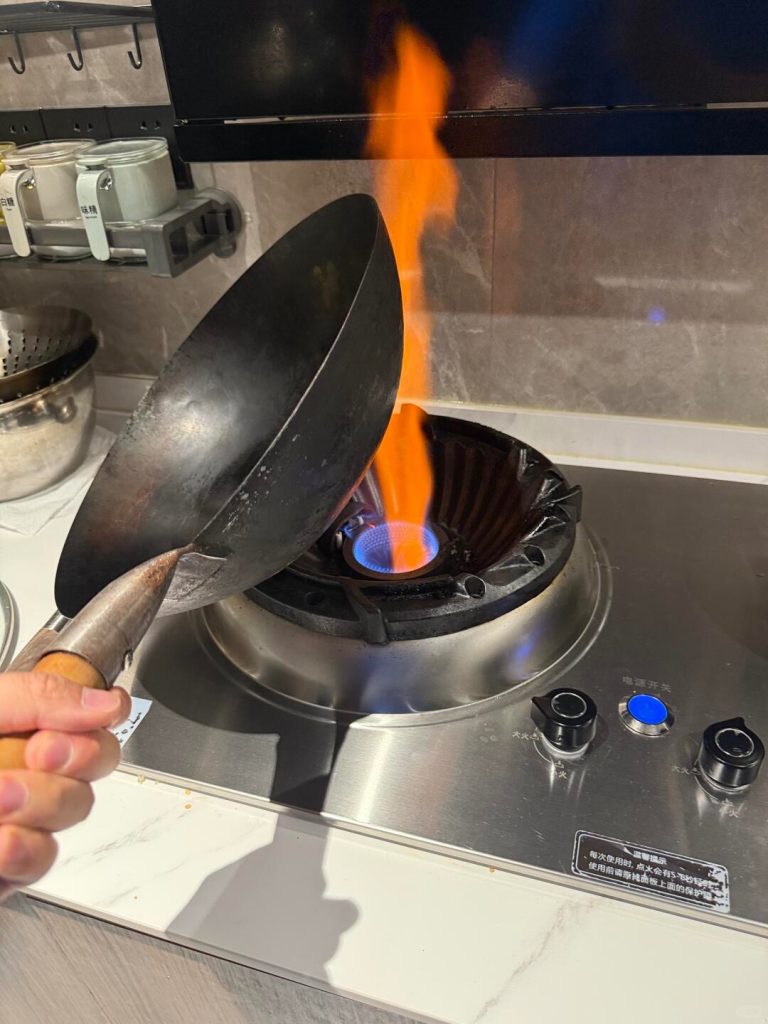
Controlling heat in a stir fry on a home stove requires building a “thermal reserve” in your pan before cooking. You must preheat the dry pan until it’s smoking hot, use a high-smoke-point oil, and cook your ingredients in small, separate batches. Never add cold or wet food to the pan, as this instantly kills the heat.
3. Why It Works: The Science of the Sear
The mechanism here relies entirely on the relationship between heat, moisture, and timing. When raw ingredients hit the pan, their surface moisture absorbs the pan’s heat to evaporate. If the heat isn’t high enough to instantly vaporize that moisture, the food releases its internal juices into the pan. This causes a dramatic temperature drop, leading to the dreaded steaming effect. By using maximum heat and managing the moisture levels before cooking, the oil creates an instant seal on the food. This sears the exterior, locks the moisture inside, and allows the pan to maintain its temperature.
4. The Real Kitchen Insight
In a restaurant kitchen, we have high-BTU jet-engine burners that instantly recover any lost heat the second food hits the wok. What most beginners don’t realize is that your home electric or gas stove simply cannot do this. To replicate that restaurant-quality texture, you have to outsmart your equipment. I always tell my cooks that heat control isn’t just about cranking the dial to “high”; it’s about listening to the pan. If that rapid, sharp crackle turns into a dull, heavy bubbling sound, your pan is drowning, and you have lost the temperature battle.
5. Essential Elements for High-Heat Cooking
When dealing with intense temperatures, your ingredients act as your tools.
- Cooking Oil: You need an oil that can withstand extreme heat without breaking down.
- What it does: Transfers heat rapidly and prevents sticking.
- Substitutes: Always use peanut oil, avocado oil, or canola oil. Never use extra virgin olive oil or butter, which will burn instantly. If you need more guidance on this, understanding the best oil for stir frying is your first step to success.
- Marinade Starch (Velveting): * What it does: A thin coating of cornstarch creates a protective barrier around meat, absorbing impact heat so the proteins don’t seize and toughen.
- Substitutes: Potato starch or tapioca starch work perfectly.
6. Prep Strategy: Set Up for Success
High heat waits for no one. Your prep logic dictates how well your pan will hold its temperature.
- Moisture Control: This is non-negotiable. Wash your vegetables early and use a salad spinner to get them bone-dry. Pat your meats dry with a paper towel before marinating. Water is the enemy of high heat.
- Cutting Size: Cut everything into uniform, bite-sized pieces. Large chunks force you to leave the food in the pan longer, drawing out more moisture and lowering the pan’s temperature.
- Prep Order: Have all ingredients chopped, sauces mixed, and bowls lined up next to the stove (mise en place). Once the oil hits the smoking point, you cannot stop to chop garlic.
7. Step-by-Step Heat Management
Follow these steps to maintain optimal temperature.
- Heat the dry pan (High heat, 2-3 minutes): Place your empty pan on the burner. You should feel intense heat radiating when you hold your palm a few inches above the surface.
- Add the oil (High heat, 15 seconds): Swirl the oil to coat the bottom. Look for the oil to shimmer like water and wait for the very first wisp of white smoke.
- Sear the protein (Medium-High heat, 1-2 minutes): Add the meat in a single layer. Do not touch it. You should hear an aggressive, sharp sizzle immediately. Look for light browning on the edges before tossing.
- Sauté aromatics (Medium heat, 15-30 seconds): Briefly drop the heat or pull the pan off the burner to prevent burning. The aroma of garlic and ginger should bloom instantly.
- Stir fry vegetables (High heat, 1-2 minutes): Crank the heat back up. Listen for a rapid popping sound as the trace moisture hits the hot oil.
8. Common Mistakes and Fixes
| Mistake | Why It Happens | The Fix |
|---|---|---|
| Food boils instead of frying | Overcrowding drops the pan’s temperature. | Cook in small batches and remove them to a plate. Read up on how to prevent overcrowding in stir fry to master batch cooking. |
| Meat is gray and tough | Pan wasn’t hot enough before adding the meat. | Preheat the dry pan longer until you feel radiant heat. |
| Garlic burns instantly | Pan was too hot for delicate aromatics. | Pull the pan off the heat for 10 seconds before adding garlic. |
| Massive splattering | Ingredients were too wet. | Thoroughly pat dry all proteins and spin-dry vegetables. |
| Bitter tasting oil | Used an oil with a low smoke point (like olive oil). | Switch to peanut, canola, or avocado oil. |
9. Pro Tips for the Home Kitchen
- Wok vs. Skillet: If you have a weak electric stove, a flat carbon steel skillet is actually better than a round-bottom wok. The flat bottom maximizes surface contact with the heating element, retaining heat much better. If you don’t have a wok, choosing the best pan for stir fry without a wok makes a massive difference.
- The “Two-Burner” Hack: If you are using an electric stove (which is notoriously slow to change temperature), turn one burner to High and an adjacent burner to Medium. Manually move the pan between the two burners to instantly adjust the heat, rather than waiting for the coil to cool down. It’s a lifesaver for navigating a stir fry temperature guide.
- Flavor Layering: When adding liquid sauces, pour them down the hot sides of the pan, not directly onto the food. The extreme heat of the pan wall caramelizes the sugars in the sauce instantly, releasing maximum aroma.
10. Variations and Swaps
Different ingredients require different heat applications.
- Tofu vs. Chicken: Tofu contains significantly more water. It requires a slightly longer preheat and a touch more oil to establish a crust without dropping the temperature.
- Leafy Greens vs. Root Veggies: Delicate greens like spinach need only 20 seconds of screaming high heat. Carrots or broccoli should be blanched in boiling water first, drained completely, and then flashed in the hot pan to finish.
11. Mini Recipe: High-Heat Blistered Garlic Green Beans
This simple side dish is the ultimate test of heat control.
Ingredients:
- 1 lb fresh green beans (washed and completely dried)
- 1 tbsp peanut oil
- 3 cloves garlic, minced
- 1 tbsp soy sauce
Instructions:
- Heat a dry pan on High for 2 minutes until very hot.
- Add the oil. Once it shimmers and smokes slightly, add the green beans.
- Let them sit untouched for 45 seconds until you see the skins blister and wrinkle.
- Toss and cook for another 2 minutes, listening for a sharp sizzle.
- Turn the heat to Low, push the beans to the side, and add the garlic. Sauté for 15 seconds until fragrant.
- Pour the soy sauce around the edge of the pan. Toss quickly to coat and serve immediately.
12. Taking Your Skills Further
Understanding heat is just one part of the puzzle. If you are struggling with the basics of bringing a meal together, my how to stir fry properly (complete beginner guide) covers everything from knife work to plating. And why does my food steam instead of fry is a great resource if you find yourself constantly battling watery sauces.
13. Frequently Asked Questions (FAQ)
Why is my pan smoking so much before I even add food?
A little wisp of white smoke is good-it means the oil is ready. However, thick, billowing smoke means your pan is too hot or you are using an oil with a low smoke point. Remove it from the heat immediately.
Can I get restaurant-style “Wok Hei” (breath of the wok) on an electric stove?
True Wok Hei requires open flames kissing the oil droplets in the air. While you can’t perfectly replicate this on a flat electric stove, maximizing your pan’s heat and using the right oil will still yield excellent, caramelized flavors.
How do I know when the pan is hot enough if I don’t see smoke?
Hold your bare hand about 3 to 4 inches above the surface of the pan. If you have to pull your hand away after 2-3 seconds because the radiating heat is too intense, your pan is ready.
Why is my meat tough even when I cook on high heat?
High heat is only half the equation. If you overcook the meat by leaving it in the pan while you cook the vegetables, it will turn to rubber. Always sear the meat, remove it to a plate, cook the vegetables, and add the meat back at the very end.
What should I do if my stove simply doesn’t get very hot?
Cook in even smaller batches. Use a heavy carbon steel or cast iron pan, let it preheat for a full 5 minutes to build a “heat battery,” and never fill the pan more than one-third full at any given time.





Leave a Reply