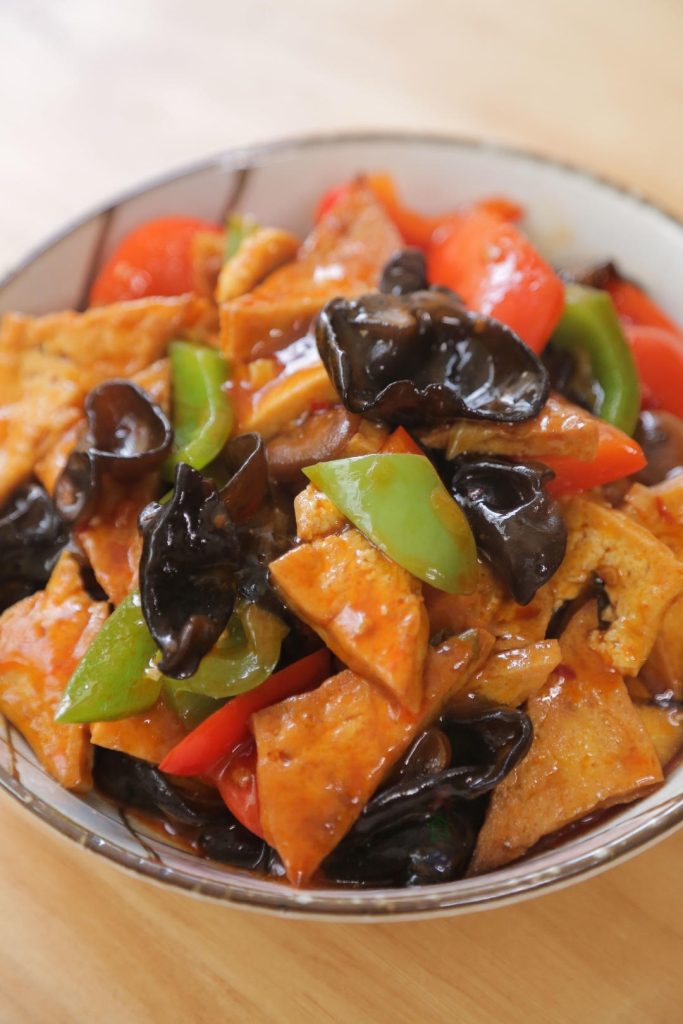
There is a saying in the kitchens where I trained back in Sichuan: “Tofu is the meat of the vegetable world.” While the fiery, soft-textured Mapo Tofu might be the international superstar, Homestyle Tofu (Jia Chang Dou Fu) is the reliable, comforting everyday hero of Chinese households.

Growing up, my mother made this dish almost weekly. It doesn’t rely on the numbing sensation of peppercorns; instead, it relies on the rich, savory depth of Doubanjiang (fermented bean paste) and the unique texture of the tofu itself.
I remember my first time making this at the culinary institute. My instructor tapped my wok ladle and said, “Lin, the secret isn’t the sauce; it’s the skin of the tofu.”
Why? Because when you pan-fry firm tofu correctly, it forms a golden, porous skin that acts like a sponge, soaking up every drop of that delicious braising liquid.
Why This Recipe Works
- Texture Contrast: Unlike soft tofu dishes, here we pan-fry the tofu first. This creates a chewy, golden exterior while the inside remains tender and creamy.
- Flavor Absorption: The frying process creates tiny air pockets inside the tofu slices (we call this “hollow heart”), which trap the savory sauce.
- Balanced Nutrition: With wood ear mushrooms and colorful peppers, this is a complete meal in itself.
What is Homestyle Tofu?
“Jia Chang” (家常) literally translates to “homestyle” or “daily life.” Every family has their own version, much like a meatloaf in America or a Bolognese in Italy. However, the core concept remains the same: firm tofu is sliced, fried until golden, and then braised with vegetables in a savory sauce.
It is savory, slightly sweet, and carries a gentle heat that warms you up without burning your tongue.
About the Author & Recipe Development
I’m Lin, a Sichuan-born chef with over a decade of professional kitchen experience. I developed this recipe based on the traditional method used in Northern and Western China, where “North Tofu” (firm tofu) is preferred for its structural integrity. I have tested this recipe in my home kitchen using a standard electric stove to ensure you can achieve that restaurant-quality “red oil” sheen without a high-BTU commercial wok burner.
Key Ingredients & Substitutions
- North Tofu (Firm Tofu): You must use firm or extra-firm tofu for this recipe. Silken tofu will fall apart in the pan. Tip: Look for “Beidoufu” or simply Firm Tofu at the store.
- Wood Ear Mushrooms (Mu Er): These add a delightful crunch. You can buy them dried and rehydrate them. If you cannot find them, sliced shiitake mushrooms are a decent flavorful alternative, though the texture will be different.
- Peppers: We use a mix of green and red bell peppers (or mild chili peppers) for color and sweetness.
- Doubanjiang (Pixian Broad Bean Paste): This is the soul of the dish. It provides the salty, spicy, umami base. Substitute: If you cannot find it, you can use a mix of Chinese Garlic Sauce and a little Sambal Oelek, though the flavor profile will shift.
- Aromatics: Scallions (green onions), ginger, and garlic are non-negotiable for that authentic base flavor.

Recipe Notes Before You Start
1. The Tofu “Sponge” Effect To get the best texture, use slightly more oil than you think you need when frying the tofu. We want to semi-deep fry it. This evaporates the water quickly and creates a “hollow” structure inside. Don’t worry; you can drain the excess oil later.
2. Soaking Wood Ears If you prefer a soft, gelatinous texture, soak your dried wood ears in hot water. If you prefer them crisp and crunchy (which I recommend for this stir-fry), soak them in cold water for a longer period.
3. Safety First When adding the tofu to the hot oil, slide it in gently from the side of the pan to avoid splashing. Also, since we are using sugar and starch, be sure to keep the heat controlled at the end so the sauce doesn’t burn.
Mise en Place (Prep Work)
Cooking Chinese food is fast, so preparation is 90% of the battle.
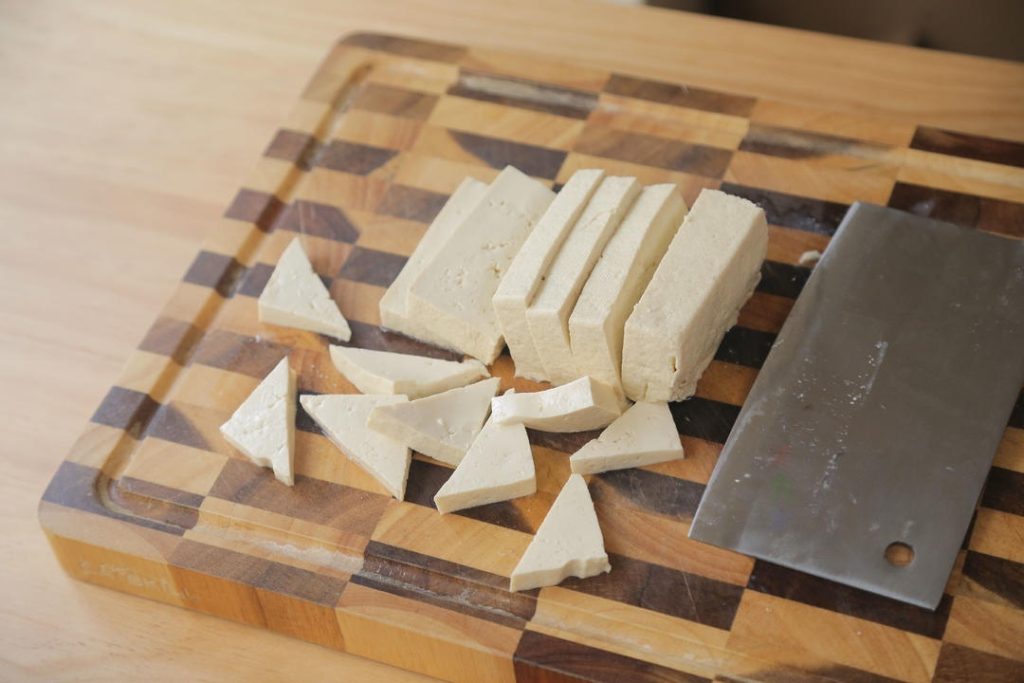
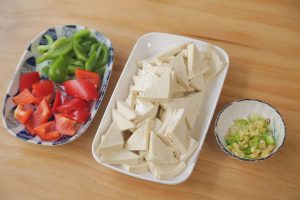
- Cut the Tofu: Slice your block of firm tofu into triangles approximately 1cm (less than 1/2 inch) thick.
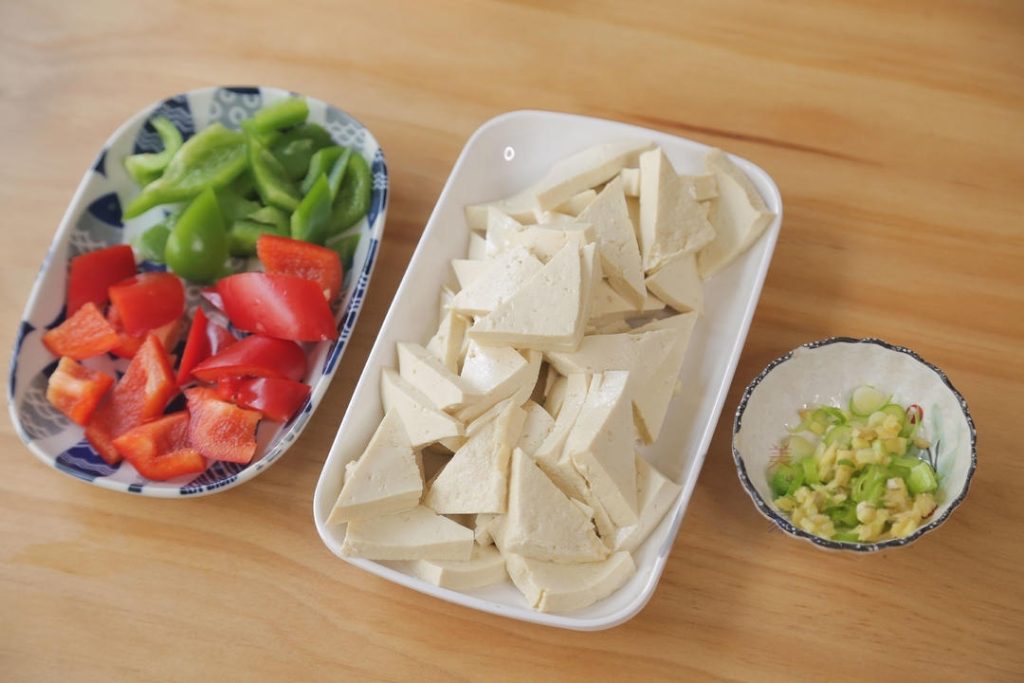
- Prep Veggies: Tear the rehydrated wood ear mushrooms into bite-sized pieces. Cut the green and red peppers into diamond shapes or squares. Finely chop the scallions, ginger, and garlic.
- The Slurry: In a small bowl, mix the cornstarch with water to create your thickener.
How to Make Homestyle Tofu
Step 1: Fry the Tofu
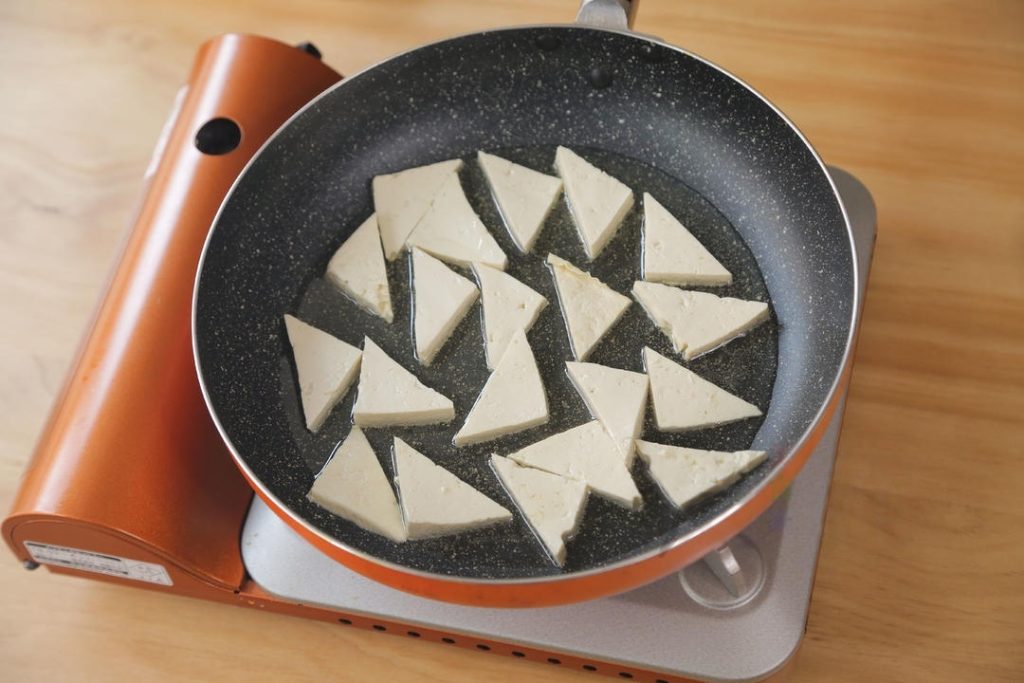
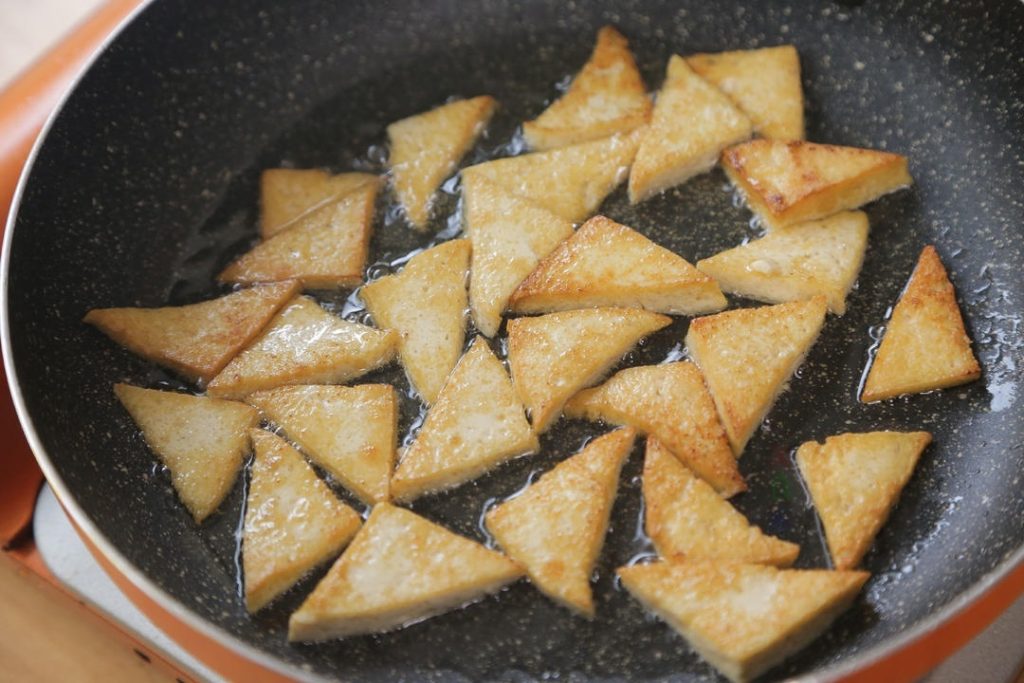
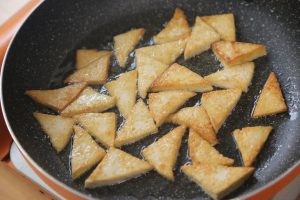
Heat a wok or large skillet over high heat. Add about 5 tablespoons of cooking oil (vegetable or canola). When you feel the heat radiating from the oil with your hand (carefully!) held above it, turn the heat down to low.
Gently slide the tofu triangles into the pan. Pan-fry slowly until both sides are golden brown and the skin feels slightly crispy. Remove them from the pan and set aside.
Chef’s Note: Don’t rush this step. The golden skin is what holds the sauce later!
Step 2: Blanch the Vegetables
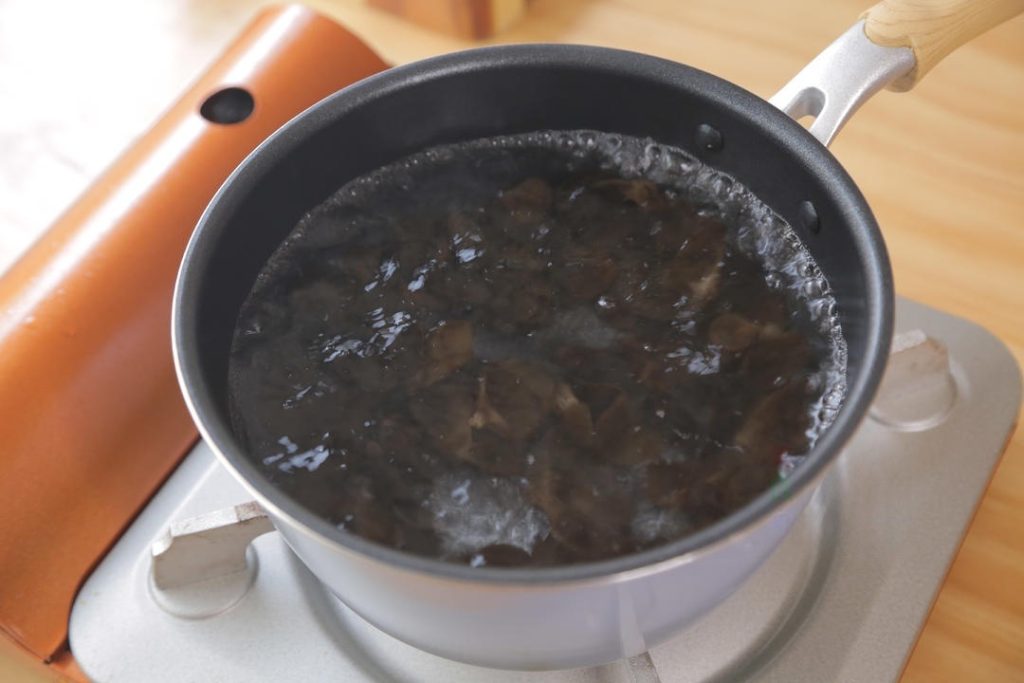
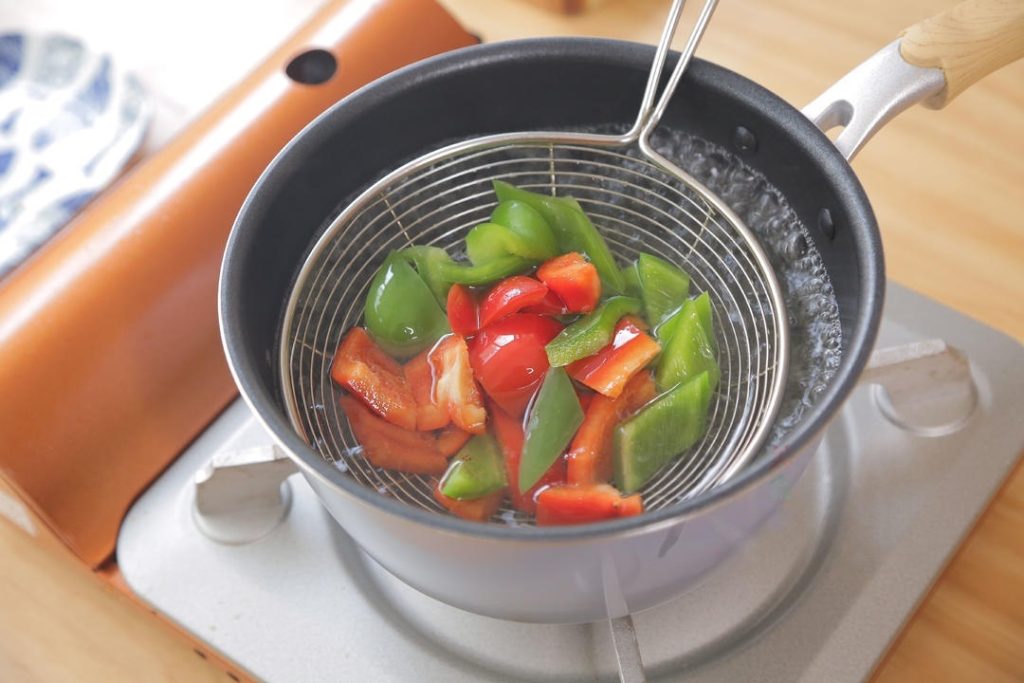
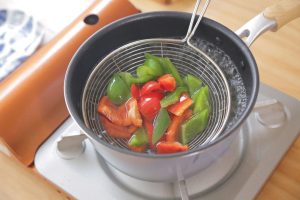
Bring a pot of water to a boil. Add the wood ear mushrooms and blanch for 2 minutes. Then, add the green and red peppers and blanch for another 30 seconds. Drain everything and set aside.
Why do we blanch? Blanching ensures the wood ears are fully cooked and safe to eat, and it removes the raw “grassy” taste from the peppers while keeping their color bright.
Step 3: Fry the Aromatics
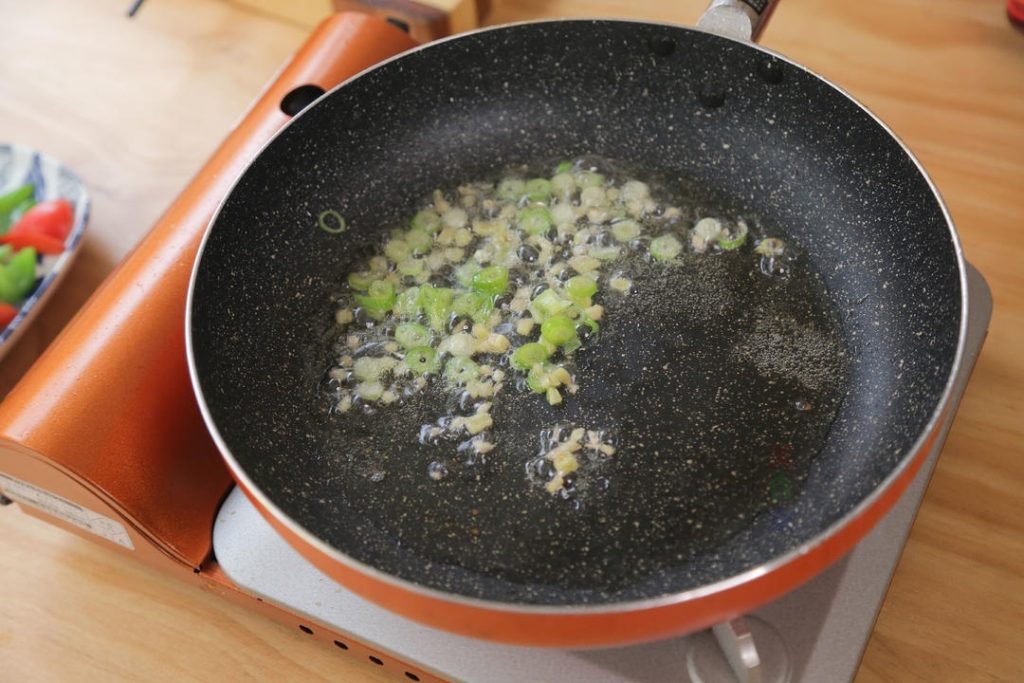
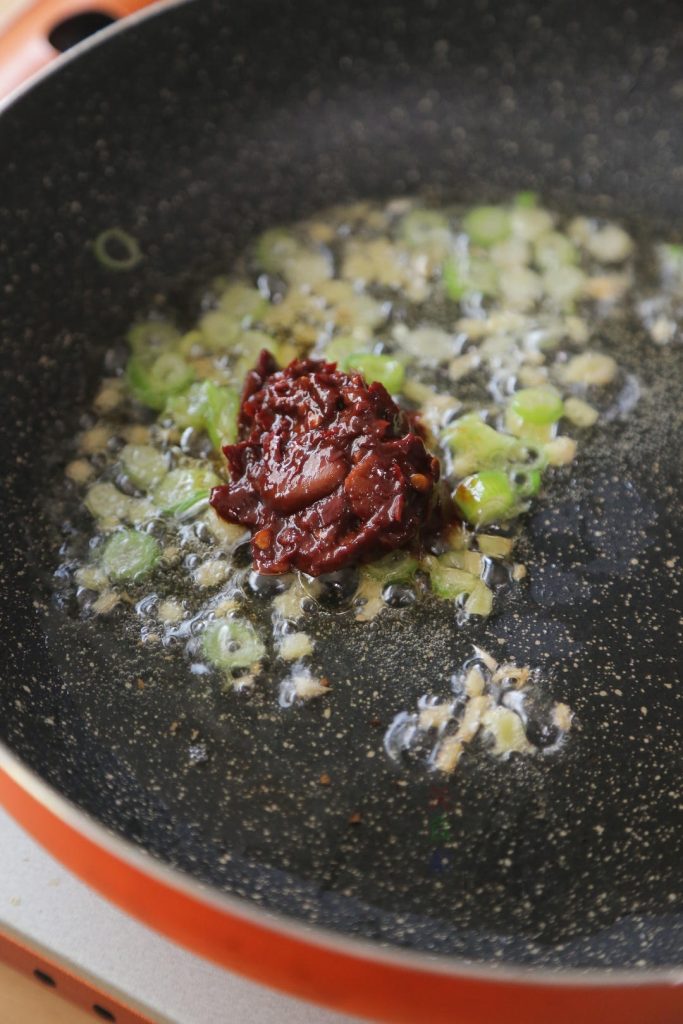
Pour out the frying oil, leaving about 2 tablespoons in the wok (or add fresh oil). Heat over medium heat. Add the chopped scallions, ginger, and garlic. Stir-fry until fragrant, about 30 seconds.
Step 4: Create the Red Oil Base
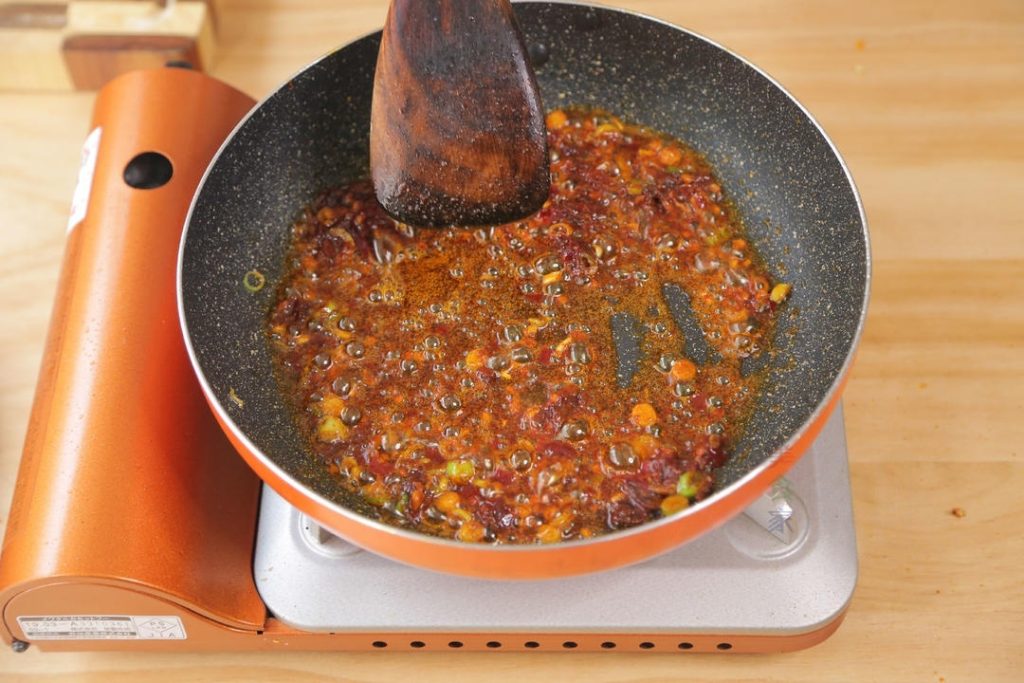
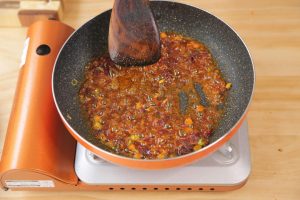
Add 1 tablespoon of Doubanjiang to the aromatics. Turn the heat to low and stir-fry the paste gently. You want to see the oil turn a beautiful red color. This releases the aroma of the fermented beans.
Step 5: Braise
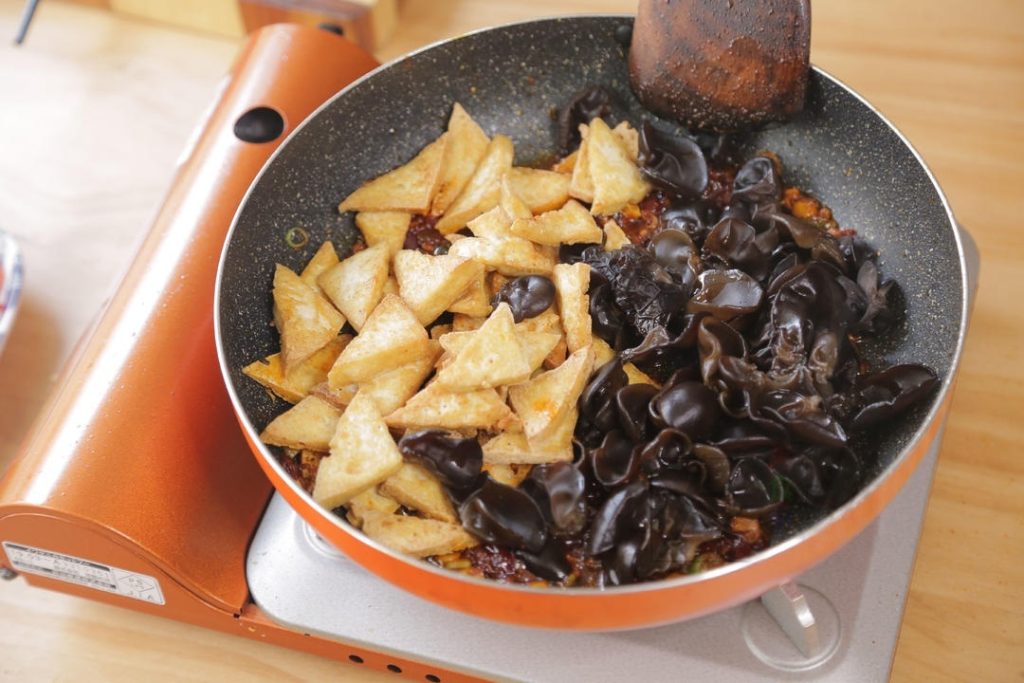
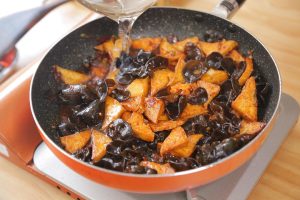
Add the blanched wood ears and the fried tofu back into the wok. Stir gently to coat them in the red oil.
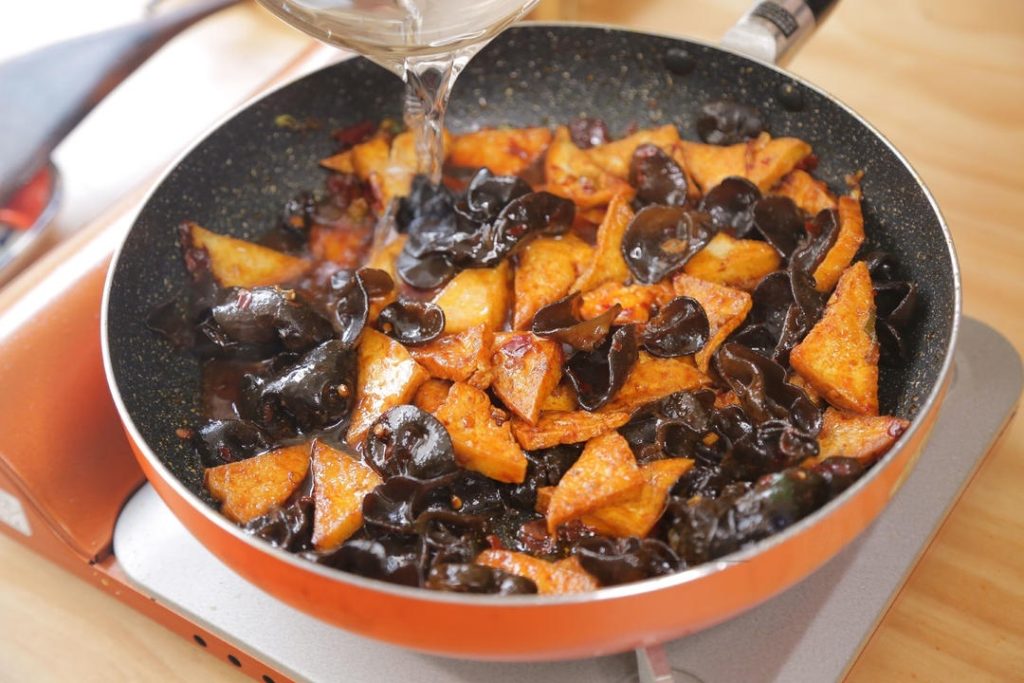
Add the chicken bouillon (1/3 tsp), sugar (1/2 tbsp), and about 1/2 cup of water (or stock). The liquid should come about halfway up the tofu. Stir gently to mix.
Step 6: Finish and Serve
Add the blanched peppers to the wok. Let everything simmer for a minute so the flavors meld.
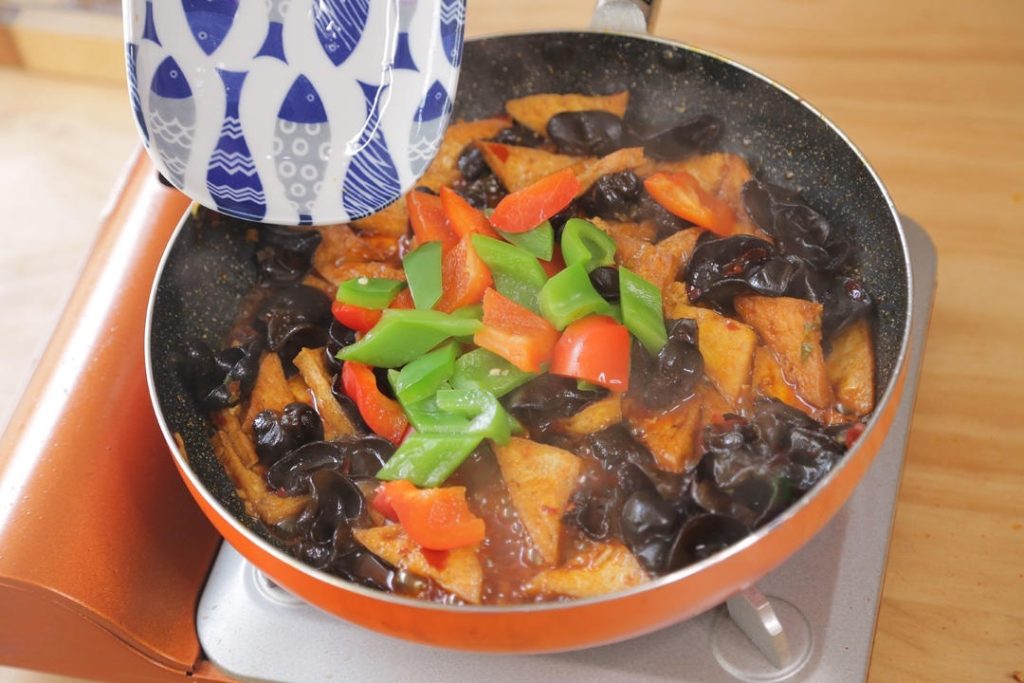
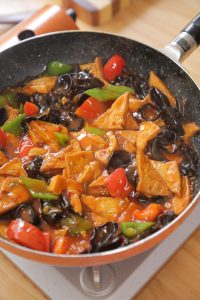
Finally, give your cornstarch slurry a quick mix (starch settles!) and pour it into the sauce while stirring. Cook for another 30 seconds until the sauce thickens and clings lovingly to the tofu.
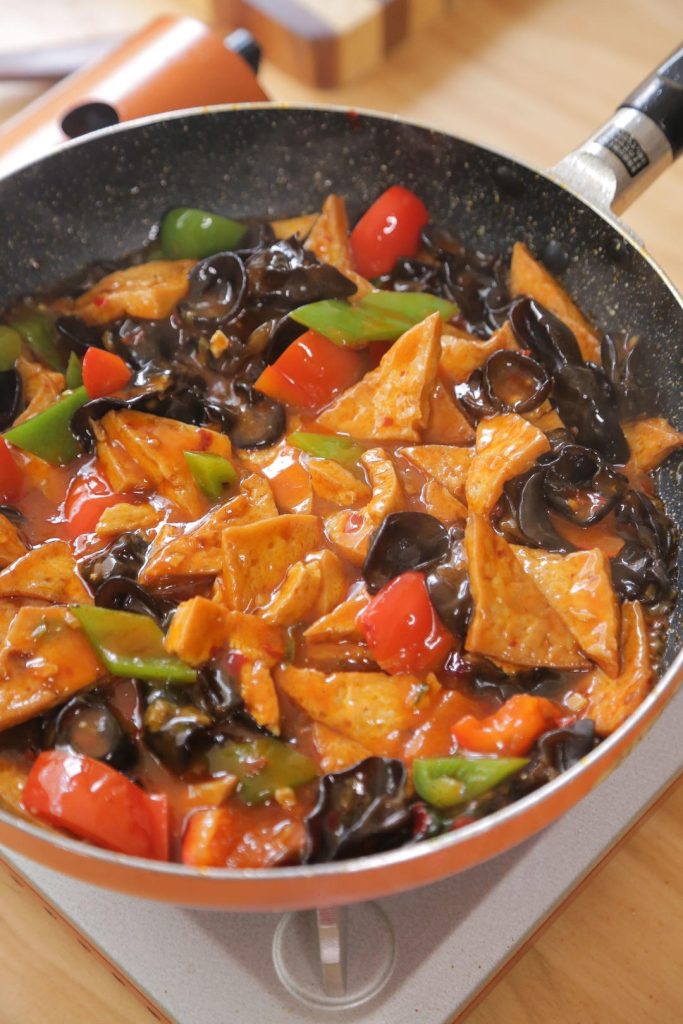
Serve immediately with steamed rice.
Serving Suggestions
This dish is robust enough to be a main course for a vegetarian meal, but in a Chinese household, we serve it “family style” with other dishes.
- Pairing: It pairs beautifully with Corn and Pork Rib Soup to balance the savory sauce with a sweet, clear broth.
- Carbs: Serve with plenty of white rice or alongside Yangzhou Fried Rice if you want a feast.
- Vegetables: Since this dish has peppers and fungus, a simple green dish like Stir-fried Green Beans with Minced Pork compliments it well without competing for flavor.
Troubleshooting & FAQ
My tofu fell apart! Why? You likely used soft or silken tofu, or you moved it around too much before the golden crust formed. Be sure to use Firm or Northern-style tofu.
The dish is too salty. Doubanjiang is naturally very salty. I recommend tasting the sauce before adding any extra salt. Usually, the bean paste and chicken bouillon provide enough sodium.
Can I make this vegan? Absolutely! Just swap the chicken bouillon for mushroom powder or vegetable stock. The rest of the ingredients are naturally plant-based.
Food Safety & Storage
- Reheating: This dish reheats surprisingly well. The tofu skin softens a bit but absorbs even more flavor. Microwave or reheat in a pan with a splash of water.
- Wood Ear Mushrooms: Always ensure dried wood ear mushrooms are soaked for no longer than 4 hours at room temperature to prevent bacterial growth. If soaking overnight, keep them in the fridge.
Authoritative References
For more information on the history and science of tofu processing, the SoyInfo Center provides extensive historical bibliographies on soyfoods: History of Tofu. Additionally, for general food safety guidelines regarding reheating leftovers, please refer to the USDA guidelines: Leftovers and Food Safety.
Nutrition Info (Estimate)
Serves 2-3
- Calories: ~280 kcal per serving
- Protein: 14g
- Carbohydrates: 12g
- Fat: 20g (dependent on oil absorption)
- Sodium: 650mg
- Fiber: 4g
(Disclaimer: Nutrition information is calculated using an ingredient database and should be considered an estimate. In cases where multiple ingredient alternatives are given, the first listed is calculated for nutrition. Garnishes and optional ingredients are not included.)
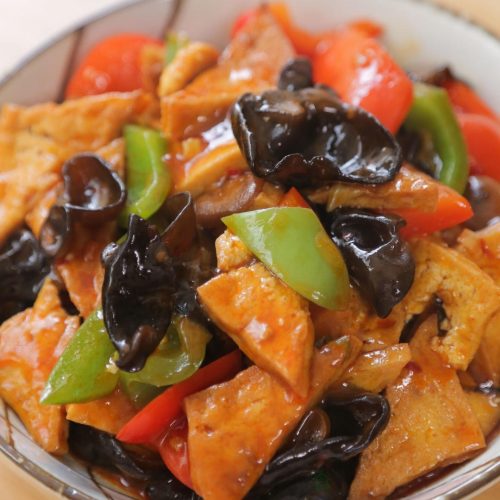
Homestyle Tofu (家常豆腐)

Equipment
- Wok or large skillet
- Cutting Board
- Chef’s Knife or Cleaver
Ingredients
Main Ingredients
- 1 block Northern Firm Tofu approx 400g/14oz
- 1 small handful dried wood ear mushrooms rehydrated
- 0.5 green bell pepper
- 0.5 red bell pepper
Aromatics & Sauce
- 1 stalk scallion finely chopped
- 1 tsp ginger minced
- 2 cloves garlic minced
- 1 tbsp Pixian Doubanjiang (Chili Bean Paste)
- 0.3 tsp chicken bouillon powder or chicken essence
- 0.5 tbsp sugar
- 1 tbsp cornstarch mixed with 2 tbsp water
- 5 tbsp neutral oil divided use (for frying and stir-frying)
Instructions
- Slice the firm tofu into triangles approximately 1cm (0.4 inches) thick. Tear the rehydrated wood ear mushrooms into small pieces. Cut the green and red peppers into bite-sized chunks. Finely chop the scallions, ginger, and garlic.

- Heat 5 tbsp of oil in a wok or skillet over high heat. Once hot, reduce heat to low. Gently add the tofu triangles. Pan-fry slowly until golden brown on both sides. Remove tofu and drain excess oil.
- Bring a pot of water to a boil. Blanch the wood ear mushrooms for 2 minutes. Add the peppers and blanch for another 30 seconds. Drain and set aside.
- In the wok, keep about 2 tbsp of oil (or add fresh). Heat over medium. Add the chopped scallions, ginger, and garlic. Stir-fry until fragrant.
- Add the Doubanjiang (bean paste). Stir-fry over low heat until the oil turns red and the paste is aromatic.
- Add the fried tofu and blanched wood ears to the wok. Stir gently to coat in the sauce. Add chicken bouillon, sugar, and about 1/2 cup of water. Simmer for 1-2 minutes.
- Add the blanched peppers. Pour in the cornstarch slurry (mix starch and water first) while stirring. Cook until the sauce thickens and coats the ingredients. Serve hot.




Leave a Reply