Hey there! Welcome back to my kitchen.
Let’s be real for a second. If you’ve ever eaten a dish at a proper Sichuan restaurant and felt that electric, vibrating buzz on your tongue—that “is my mouth vibrating?” sensation—and then tried to replicate it at home with a jar of pre-ground powder from the supermarket, you were probably disappointed.

I grew up in my parents’ chaotic restaurant in Chengdu, and I can tell you exactly why. That store-bought stuff? It’s often stale, and worse, it’s usually ground with the hard, flavorless black seeds included.
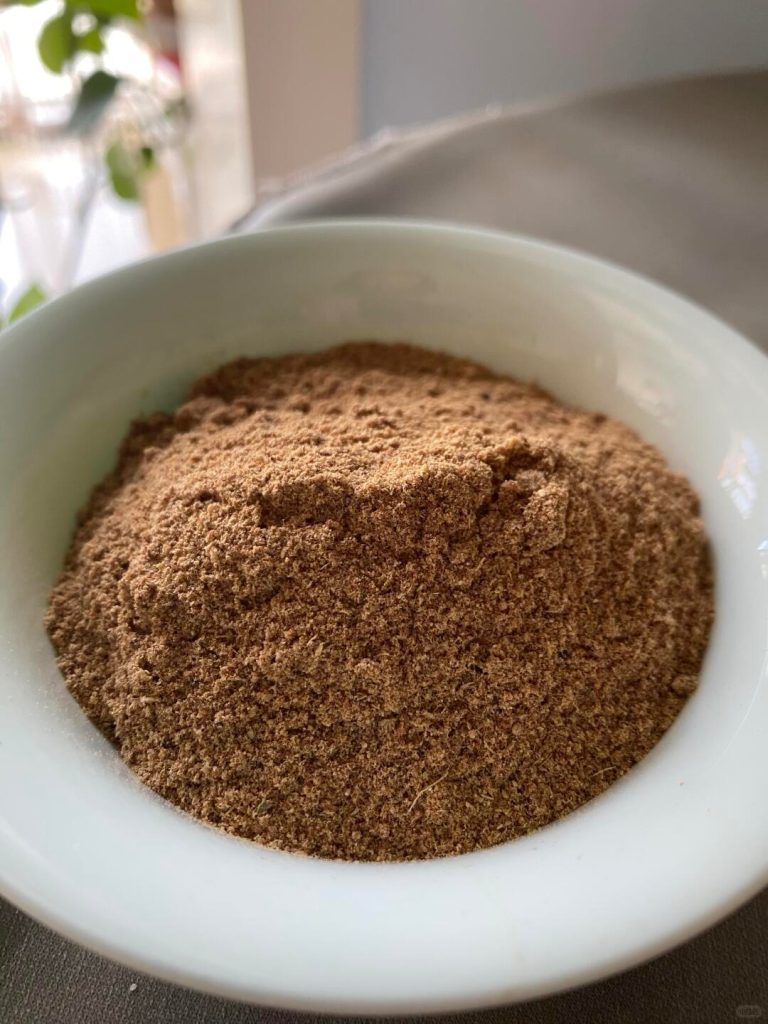
Today, I’m showing you the only way to get that restaurant-quality numbing sensation (má, 麻) at home. We are making Sichuan Peppercorn Powder (花椒粉, Huā Jiāo Fěn) from scratch. It takes 10 minutes, but trust me on this—the difference between the jarred stuff and fresh powder is like the difference between instant coffee and a fresh espresso pull.
Why This Recipe Works (The Culinary Science)
In culinary school, we spent ages discussing “volatile oils.” These are the compounds that give spices their aroma and flavor.
- The Problem with Pre-Ground: As soon as you crack a peppercorn, those volatile oils interact with oxygen and start to dissipate. By the time a factory-ground jar reaches your pantry, the citrusy top notes are gone, leaving only a dull, dusty bitterness.
- The “Wake Up” Call: By dry-toasting the whole peppercorns first, we use heat to agitate the molecules. This reactivates the essential oils (specifically linalool for aroma and hydroxy-alpha-sanshool for that numbing effect), bringing them to the surface before we grind.
- Texture is Everything: My friend once told me, “Lin, my homemade powder tastes like sand.” That’s because she ground the black seeds. The secret I’m sharing today involves a strict sifting method that separates the aromatic husk from the gritty “gravel.”
Lin’s “No Secrets” Note: Just like when making myHomemade Chinese Chili Oil, freshness is the most critical ingredient. You cannot cheat time!
The Sensory Cues: What to Look For
Since you don’t have my dad standing over your shoulder yelling about the heat, use your senses:
- Sight: Good Sichuan peppercorns (whether red or green) should have open husks. If you see a lot of round, closed spheres, that’s a lower quality batch.
- Smell: When toasting, stop the moment the scent hits the back of your throat and makes you want to sneeze. That is the “chef’s instinct” signal that the oils are active.
- Touch: The final powder should feel velvety, not gritty.
Step-by-Step Instructions
Step 1: The “Meditation” (Sorting)
This is the step most home cooks skip, and it’s the most important. Pour your whole peppercorns onto a plate. You need to remove two things:
- The Thorns: Sometimes bits of the twig remain.
- The Black Seeds: These are the shiny black balls inside the husks. They have zero flavor and the texture of sand. Get rid of them.
Step 2: Dry Roasting (Releasing the Aroma)
Place your sorted husks in a dry pan (no oil!) over low heat. Stir constantly. We aren’t cooking them; we are dehydrating them slightly to make them brittle and waking up the oils.
- Visual Cue: The husks will darken slightly and look oily/shiny on the surface.
- Olfactory Cue: The citrusy, floral aroma will fill the kitchen.
Step 3: Grind and Sift (The Professional Secret)
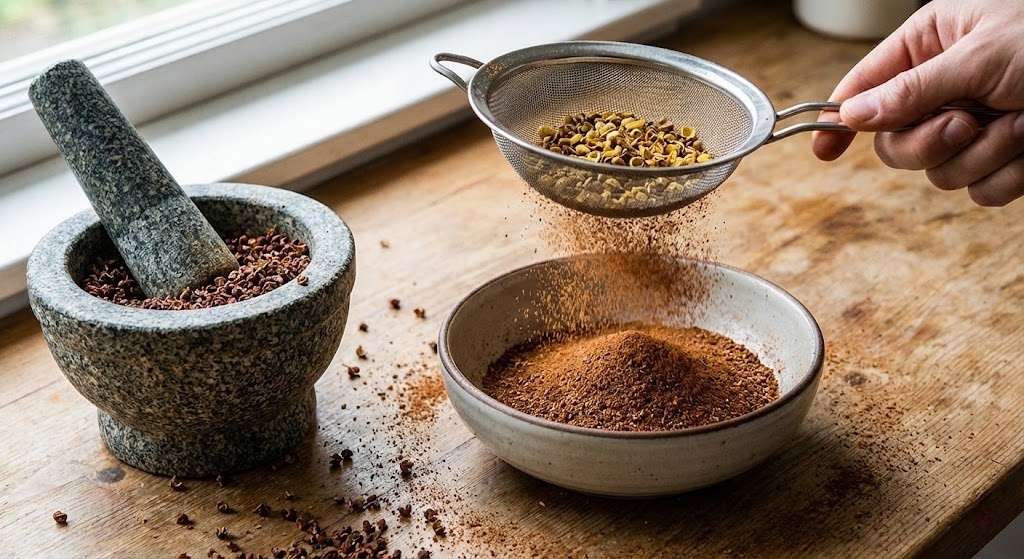
Let the peppercorns cool completely. If they are hot, they will turn into a paste instead of a powder. Use a spice grinder or a mortar and pestle to pulverize them.
Here is the secret: Pour the ground spice through a fine-mesh sieve.
- What falls through is the pure, potent flower powder.
- What stays in the sieve is the yellow, woody inner husk that creates that “sandy” texture. Discard the woody bits.
Lin’s “No Secrets” Tips & Troubleshooting
- “Help! It tastes bitter!” You likely burned them during the roasting phase. The line between “toasted” and “burnt” is thin. Once you smell the fragrance, take them off the heat immediately. The residual heat of the pan will keep cooking them, so dump them onto a cool plate right away.
- The Numbing Factor: If you want that heavy, vibrating sensation for dishes like Authentic Mapo Tofu, use Red Sichuan Peppercorns. If you want a brighter, more citrusy punch for seafood or cold dishes like Mouth-Watering Chicken, try Green Sichuan Peppercorns.
- Storage: Potency fades fast. I only make enough for 2 weeks at a time. Store it in an airtight glass jar in a dark cupboard.
How to Use Your “Magic Powder”
Now that you have this gold dust, what do you do with it? It’s surprisingly versatile.
- The Finishing Touch: Unlike other spices that go in early, Huā Jiāo Fěn is often sprinkled on top at the very end. Try it on my Dan Dan Noodles for that immediate aromatic hit.
- Dry Dips: Mix this powder with salt and chili flakes. This is the classic dipping spice for Sichuan Crispy Fried Pork (Xiao Su Rou).
- Pastry: Yes, really! It adds a savory kick to dough. I brush a mix of oil and this powder inside my Flaky Scallion Pancakes.
- Marinades: If you don’t want whole peppercorns biting back at you in a stir-fry, use the powder in the marinade for Kung Pao Chicken.
Pairing with Other Condiments
Sichuan cooking is about the balance of flavors—Málà (numbing and spicy). To get the full effect, your peppercorn powder needs friends.
- Chili Oil: The heat complements the numbing.
- Doubanjiang (Chili Bean Paste): The savory base of Sichuan cuisine. See my guide on Doubanjiang to pick the right one.
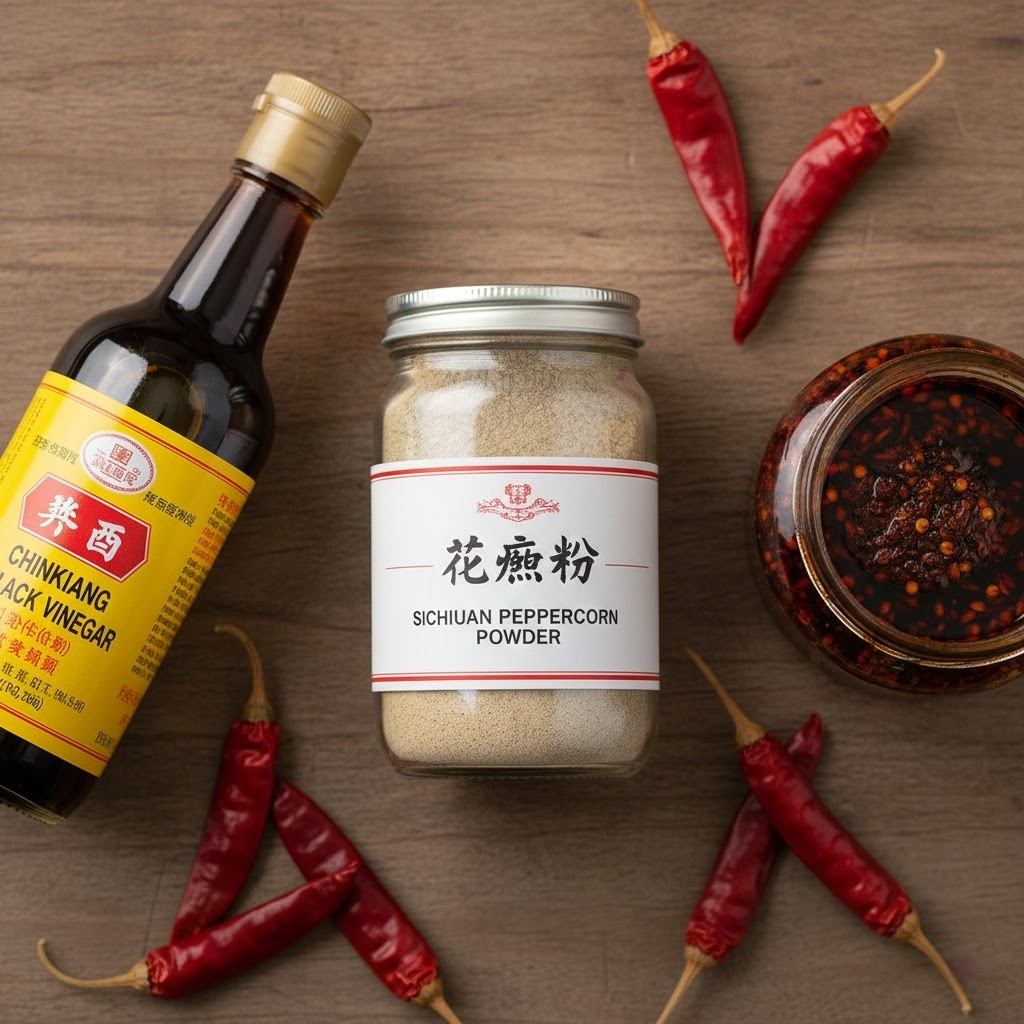
- Black Vinegar: The acidity cuts through the oil and brightness of the pepper. Perfect for dumpling sauces!
Image Request:
- Description: A beautiful flat-lay shot of the finished jar of Sichuan Peppercorn Powder surrounded by ingredients it pairs well with: a bottle of Chinkiang vinegar, a jar of chili oil, and some dried chili peppers.
- Alt Text: A jar of homemade Sichuan peppercorn powder displayed with chili oil and black vinegar, showing essential Sichuan pantry staples.
Authoritative References
To ensure you are getting the most accurate information regarding the botanical properties and food safety of spices, I rely on these trusted sources:
- The Science of Spices: For a deep dive into the chemical compound hydroxy-alpha-sanshool that causes the numbing sensation, refer to this analysis by ScienceDirect: Chemical Composition of Zanthoxylum.
- Sourcing Safety: The FDA monitors imported spices for safety. You can read about spice safety standards here: FDA Spice Risk Profile.
Next Step for You: Do you have a bag of old peppercorns sitting in your pantry? Go check them right now. If they look dull or smell like dust, throw them out! Order a fresh batch and try this method this weekend. Your tastebuds will thank you.
Happy Cooking, Lin
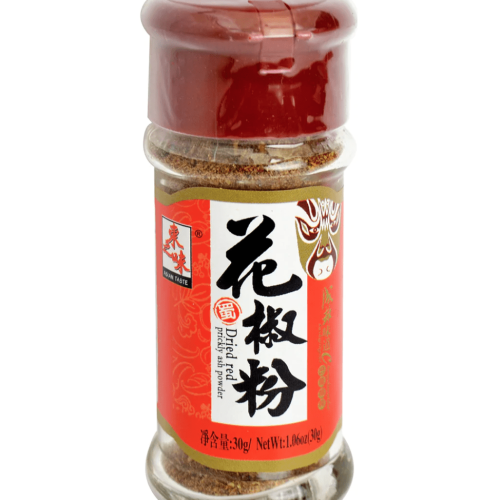
Homemade Sichuan Peppercorn Powder (Huā Jiāo Fěn)

Equipment
- 1 Frying Pan cast iron or stainless steel
- 1 Mortar and pestle OR electric spice grinder
- 1 Fine-Mesh Sieve
Ingredients
- ¼ cup Sichuan Peppercorns Whole,Red or Green
Instructions
- Sort: Spread the peppercorns on a white plate. Pick out any twigs, thorns, and the shiny black seeds. Discard them.
- Toast: Place the red husks in a dry pan over low heat. Toast for 3-5 minutes, shaking the pan frequently.
- Watch closely: When the husks look slightly oily and the smell is potent (it might make you sneeze!), remove from heat immediately. Let cool completely.
- Grind: Place cooled peppercorns in a grinder or mortar. Grind until fine.
- Sift: Pour the ground mixture through a fine-mesh sieve. Tap the side of the sieve. Discard the yellow/woody chaff that doesn't pass through.
- Store: Transfer the fine powder to a small airtight jar. Best used within 2 weeks.
Notes
Serving: Try sprinkling a pinch over my Smashed Cucumber Salad for an instant elevation.






Leave a Reply