Perilla has become one of my absolute favorite flavors in recent years. There is something intoxicating about that unique, herbal aroma that hovers somewhere between basil, mint, and anise.

Yesterday, while walking through the wet market, I spotted a bundle of incredibly fresh purple perilla. It immediately sparked an idea: why not make a batch of Perilla Sauce (Zi Su Jiang)?
Growing up in a culinary family, I learned that the secret to a great sauce isn’t just the flavor—it’s the texture. Inspired by the method my father used for making traditional chili oil pastes, I decided to confit the perilla with plenty of garlic and chilis.
But here is the game-changer: Dried Radish. It adds an addictive, savory crunch that transforms this from a simple herb paste into a “universal” condiment. Whether you stir it into steaming white rice, mix it with noodles, or dollop it over [Smashed Cucumber Salad], the result is incredibly savory and deeply aromatic.
Why This Recipe Works
- Texture Contrast: Unlike pesto which is often smooth, this sauce uses chopped dried radish (luo bo gan) to provide a chewy, crunchy texture that makes eating it plain with rice a joy.
- Oil Preservation: By slowly frying the ingredients in oil (confiting), we evaporate the moisture. This concentrates the flavor and naturally preserves the sauce for longer storage.
- Versatility: It strikes a perfect balance of savory, sweet, and spicy. It’s mild enough to be a dip for dumplings but flavorful enough to be a noodle base.
What is Purple Perilla (Zi Su)?
Purple Perilla (Perilla frutescens), known as Zi Su in Chinese, is a staple herb in Chinese medicine and cooking. While it is related to Japanese Shiso, the flavor profile is slightly different. Purple perilla has a warmer, spicier note compared to the brighter, mintier green shiso often served with sashimi.
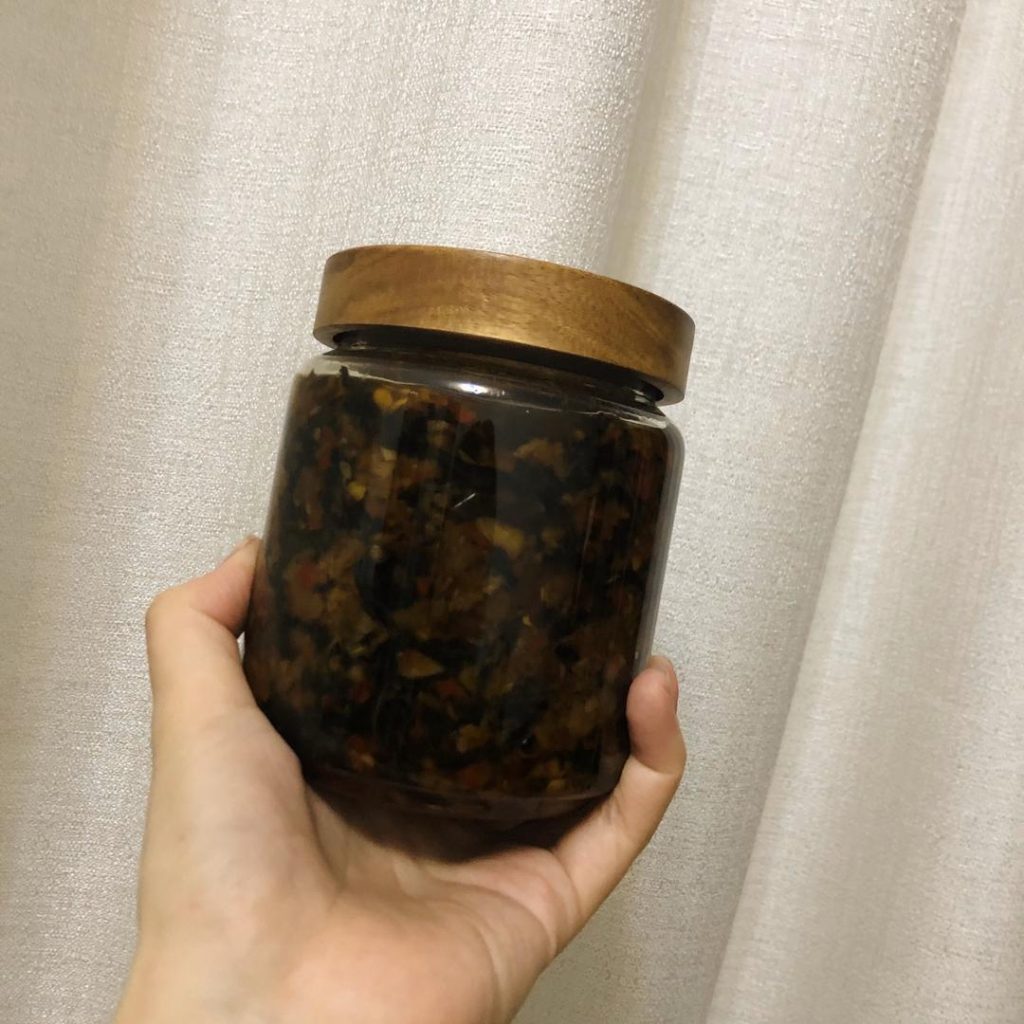
Chef’s Note: If you cannot find Chinese purple perilla, you can use Korean sesame leaves (Kkaennip) or Japanese Shiso, though the flavor profile will shift slightly.
Key Ingredients & Substitutions
- Purple Perilla (Zi Su): The star of the show. You need fresh leaves. Wash them thoroughly and spin them dry.
- Dried Radish (Luo Bo Gan): This is the secret weapon for texture. You can find this in Asian grocery stores, often labeled as “Preserved Radish” or “Salted Turnip.”
- Substitutions: If you absolutely can’t find it, you can omit it, but you lose the signature crunch.
- Garlic & Chili: Use fresh garlic (about 2 whole heads) and fresh red chilis.
- Spice Level: Adjust the number of chilis based on your tolerance. The original recipe uses about 6 chilis for a medium kick.
- Cooking Oil: I use Peanut Oil for its high smoke point and nutty aroma, which is traditional in many Chinese sauces.
- Substitutions: Vegetable oil, canola oil, or grapeseed oil work fine if you have a peanut allergy.
- Seasonings: A mix of Oyster Sauce, Light Soy Sauce, and Salt provides the savory base.
- Rock Sugar: Adds a glossy sheen and a mellow sweetness that balances the saltiness of the radish. Granulated sugar can be substituted.
Recipe Notes Before You Start
Preparation is Key: This recipe moves quickly once the heat is on. Ensure your perilla, garlic, and chilis are chopped (or processed) before you heat the wok.
Moisture Control: The enemy of any oil-based sauce is water. Ensure your perilla leaves are as dry as possible after washing to prevent dangerous oil splatter and to ensure the sauce keeps longer in the fridge.
Choosing the Right Wok: A 12-inch or 14-inch carbon steel wok is ideal here because the wide surface area helps moisture evaporate quickly. However, a deep stainless steel sauté pan or dutch oven works well too.
Mise en Place
- Wash and Dry: Wash the 250g of perilla leaves thoroughly. Spin them dry in a salad spinner or lay them out on paper towels. It is crucial they are dry.
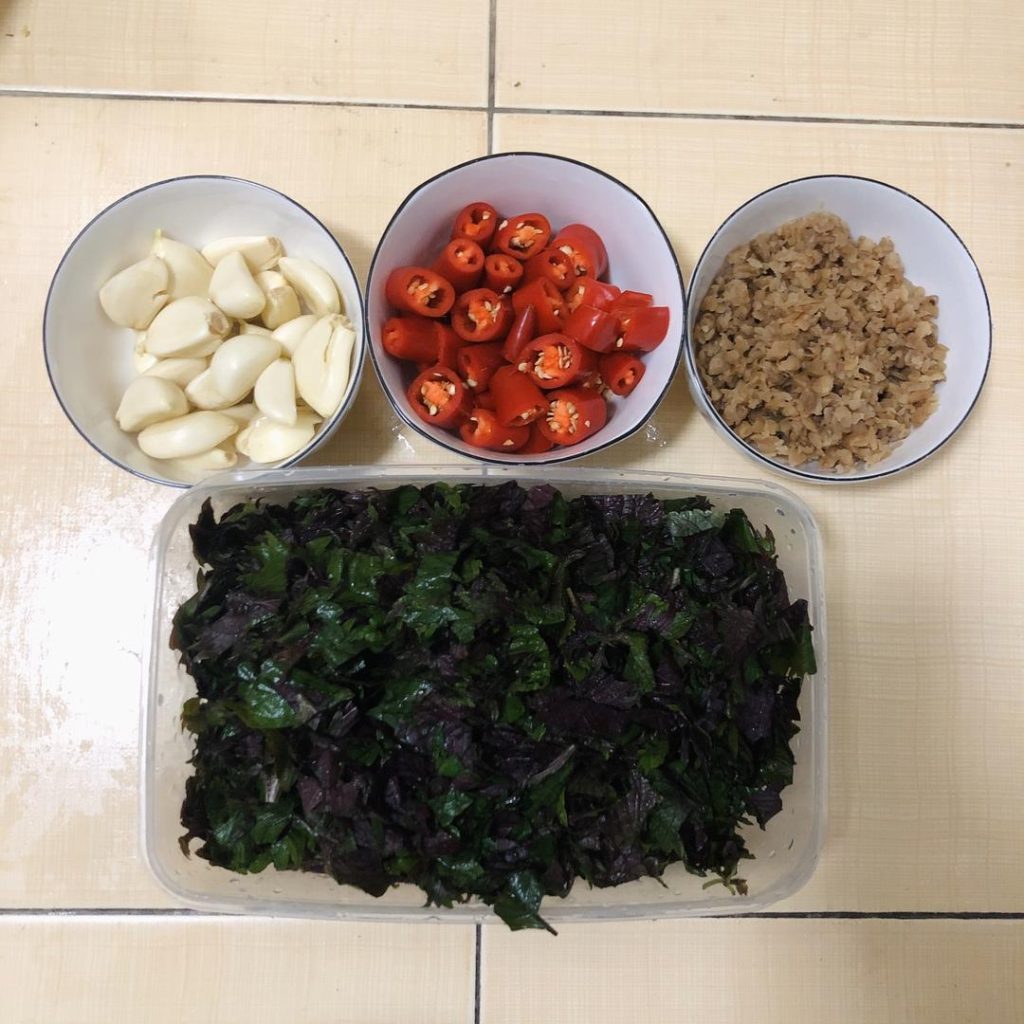
- Chop: Finely chop the perilla leaves. Peel the garlic cloves. Cut the chilis into rough sections (we will process them).
- Process: Place the garlic cloves and chili sections into a food processor. Pulse until finely minced.
- Safety Tip: If chopping chilis by hand, please wear gloves to prevent burning your skin!
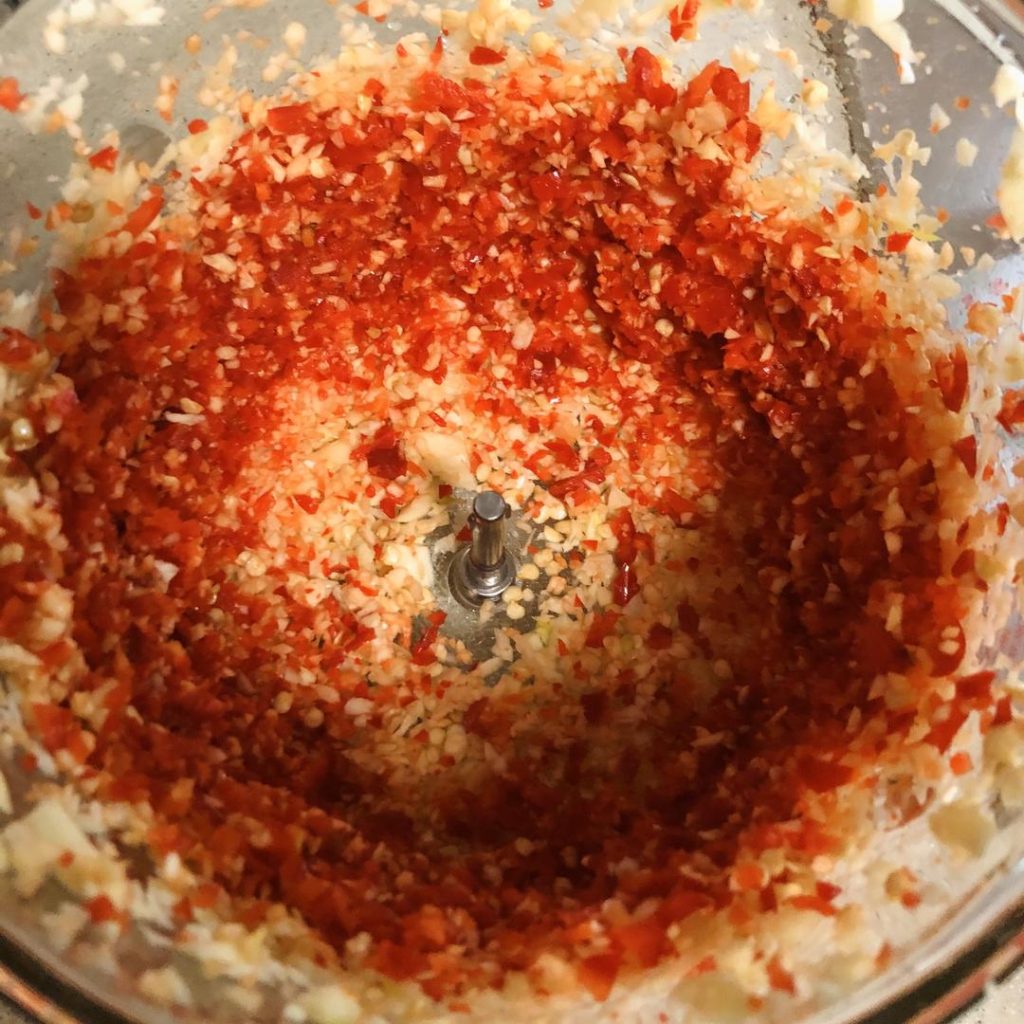
- Prep the Radish: Rinse the 100g of dried radish. If your brand of radish is extremely salty (taste a piece!), soak it in water for 15 minutes, then squeeze it completely dry.
How to Make Perilla Sauce
Step 1: Dry-Fry the Radish
Heat your wok over medium heat. Do not add oil yet. Add the dried radish (luo bo gan) and stir-fry for 2-3 minutes.
- Why? We want to drive out any residual moisture from washing. This ensures the radish stays crunchy and absorbs the aromatic oil later. Remove and set aside.
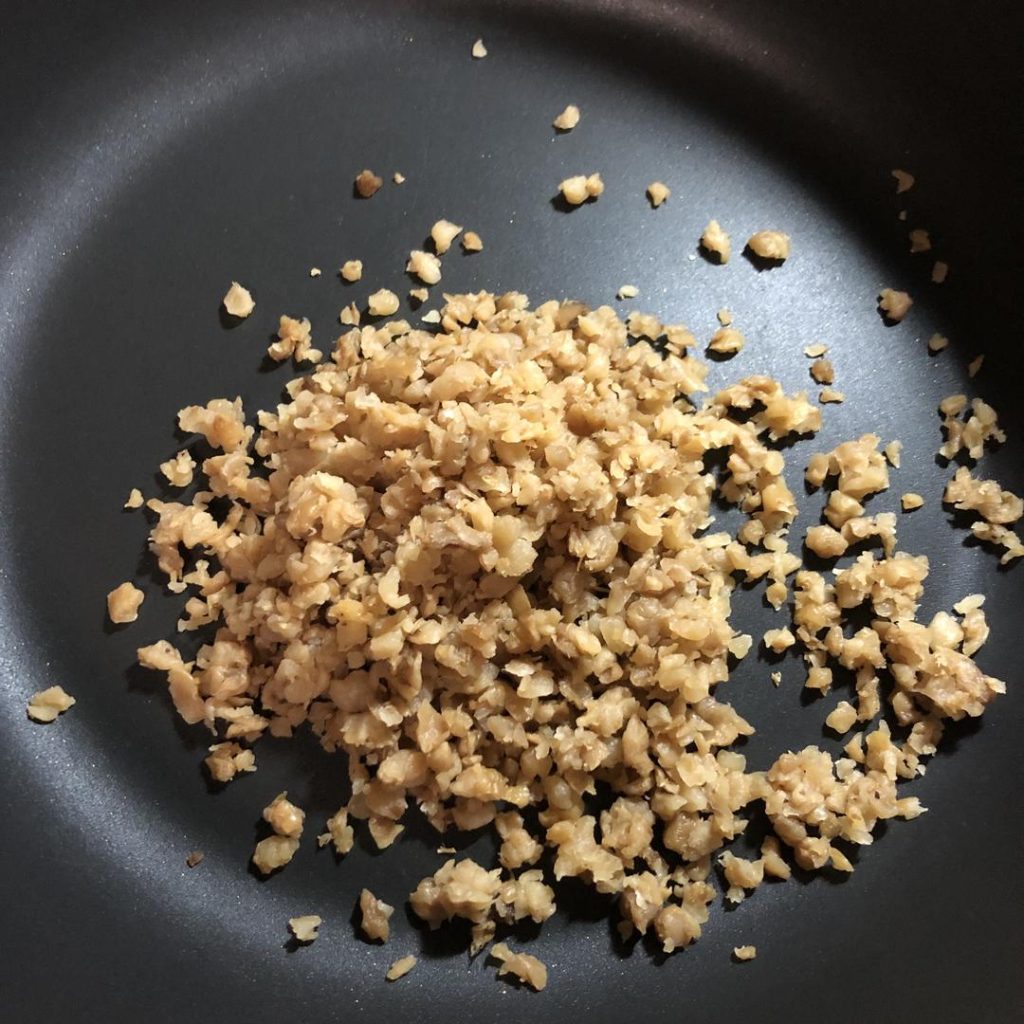
Step 2: Infuse the Aromatics
Add the peanut oil (start with 200ml) to the wok and heat over medium heat (around 325°F / 160°C). Add the minced garlic and chili mixture. Stir-fry gently until fragrant, about 2-3 minutes. Do not burn the garlic.
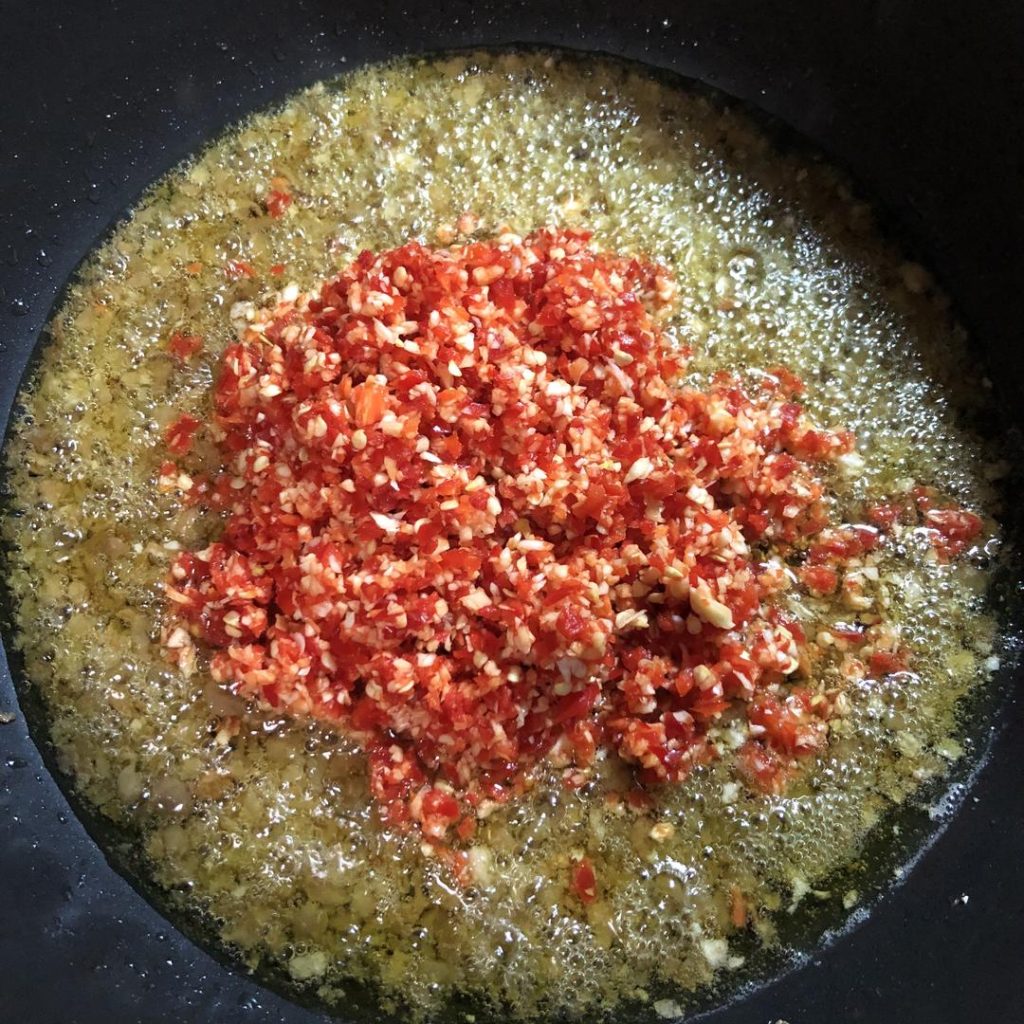
Step 3: Add the Perilla
Add the chopped perilla leaves to the oil. It might look like a huge mountain of leaves, but they will wilt down significantly. Stir constantly to mix the leaves with the garlic oil.
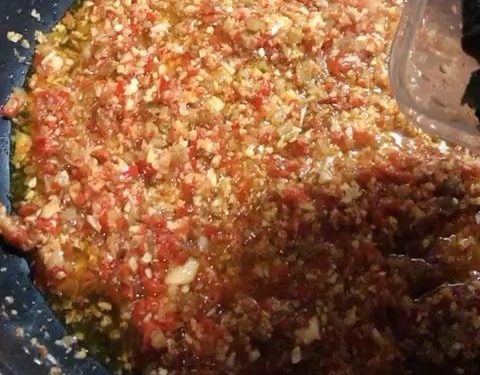
Step 4: Simmer and Adjust Oil
Continue to stir-fry over medium heat. If the mixture looks dry (the oil should be bubbling visibly around the ingredients), add more oil.
- My Experience: I initially used less oil, but realized the ingredients weren’t submerged enough to confit properly, so I added another 100ml. You want enough oil to eventually cover the solids in the jar.
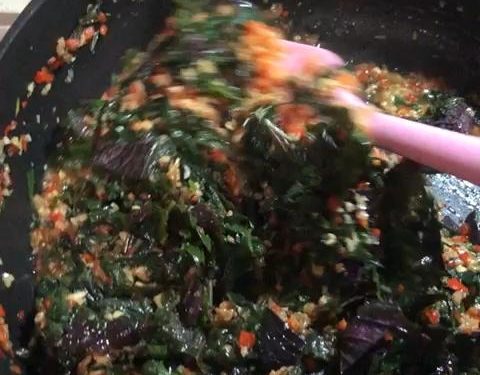
Step 5: Season
Add the rock sugar (3-5 small lumps), oyster sauce (1 tbsp), and a splash of light soy sauce.
- Tasting Note: Be careful with the salt! The dried radish is already salty. Taste the mixture before adding extra salt.
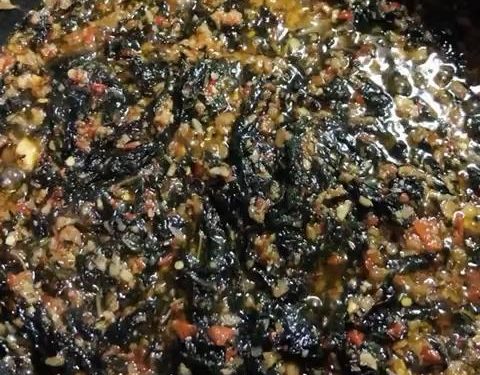
Step 6: The “Oil Separation” Stage
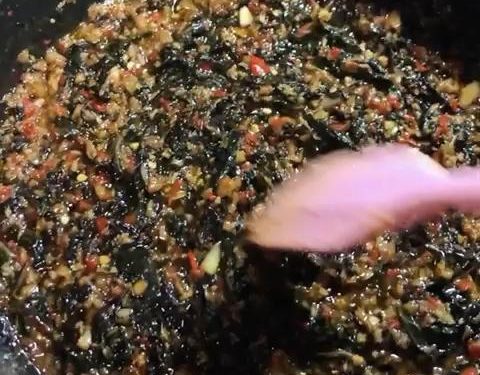
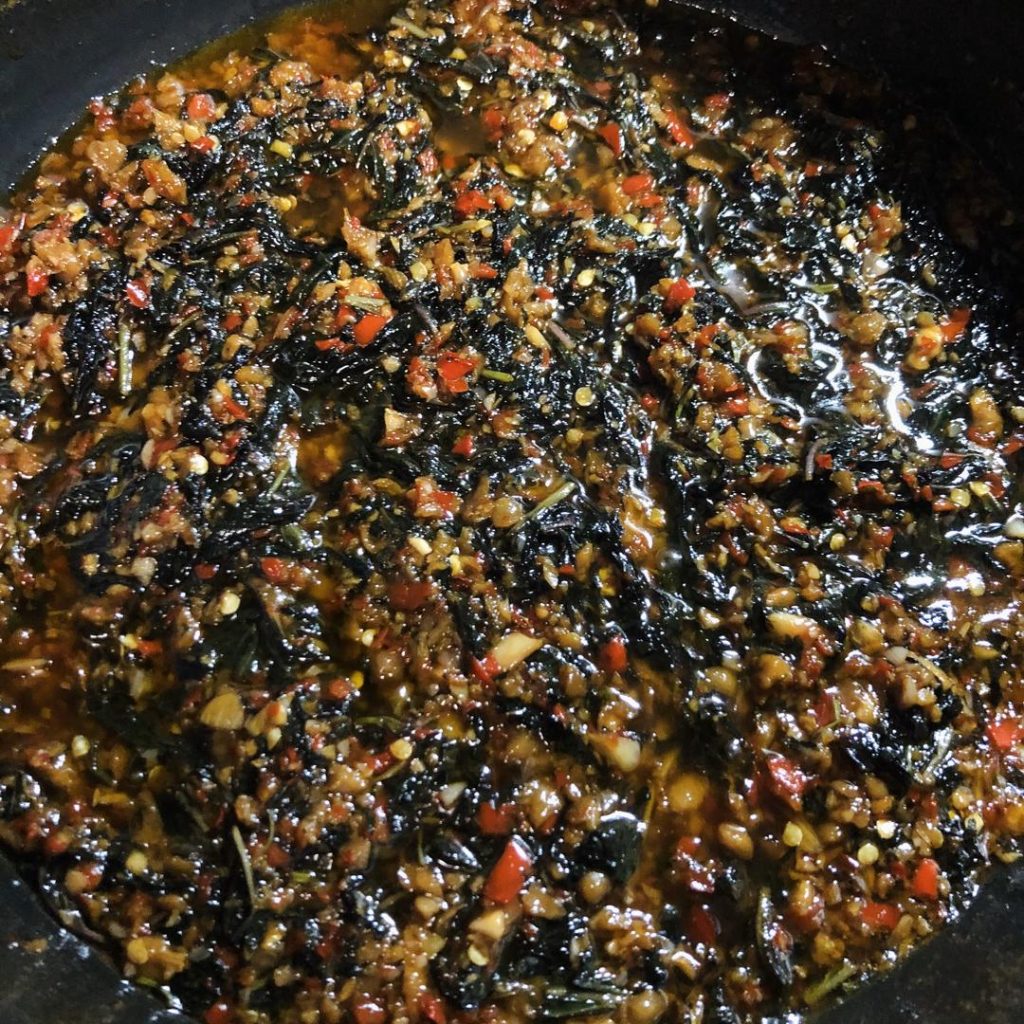
Continue to cook over medium-low heat. You are looking for the water to evaporate. You will know it is done when the bubbling sound changes from a loud hiss (water steaming) to a deeper, quieter bubble (oil frying), and the oil separates clearly from the solids. The color will darken to a deep, rich green-brown.
Step 7: Cool and Store
Turn off the heat. Let the sauce cool completely in the wok or a heat-proof bowl. Transfer to sterilized glass jars. Ensure there is a layer of oil floating on top—this “oil seal” protects the sauce from spoilage.
FAQ
Q: Can I use dried perilla leaves? A: No, the texture will be too papery and tough. This recipe relies on the moisture and essential oils of fresh leaves.
Q: Is peanut oil necessary? A: Peanut oil adds a traditional nutty fragrance that complements the radish, but if you have allergies, canola or sunflower oil are perfectly safe substitutes.
Q: Why is my sauce watery? A: You likely didn’t cook it long enough in Step 6. You must cook it until the water evaporates and the oil separates. If it’s watery, it will spoil much faster.
Common Troubleshooting & Variations
My sauce tastes bitter. This usually happens if the garlic was burnt at the beginning. Make sure to lower the heat when adding the garlic mixture, or if the perilla leaves were old.
Can I make this vegetarian? Yes! Simply swap the oyster sauce for Vegetarian Stir-Fry Sauce (mushroom-based oyster sauce alternative).
The radish is too hard. Ensure you are buying “dried radish” (luo bo gan) meant for cooking, not the super-hard dehydrated strips meant for long soups. If yours are rock hard, chop them very finely.
Serving Suggestions
This sauce is incredibly versatile. Here are my favorite ways to eat it:
- Noodles: Mix 2 tablespoons into boiled wheat noodles for a quick lunch. It pairs beautifully with [Sesame Noodles].
- Rice: A spoonful over hot steamed rice is a meal in itself.
- Dipping: Use it as a dip for [Vegetable Steamed Dumplings] or pan-fried tofu.
- Stir-Fry: Add a spoonful towards the end of cooking a vegetable stir-fry for an instant flavor boost.
Food Safety and Storage
Because this recipe contains garlic and fresh herbs stored in oil, there is a theoretical risk of botulism if stored improperly at room temperature.
- Refrigeration is Mandatory: Unlike commercial chili crisp, this sauce contains moisture from the fresh herbs. Always store it in the refrigerator.
- Use Clean Spoons: Always use a clean, dry spoon to scoop the sauce out to prevent introducing bacteria.
- Shelf Life: In the fridge, with the oil seal intact, it should last for 2-3 weeks. If you see bubbles forming or it smells “fizzy,” discard it immediately.
Authoritative References
For more information on the botanical properties and culinary uses of Perilla frutescens, refer to this comprehensive guide by the NCBI.
Nutrition Information (Estimate)
- Serving Size: 1 Tablespoon
- Calories: 75 kcal
- Fat: 7g
- Carbohydrates: 3g
- Sodium: 180mg
- Sugar: 1g
(Disclaimer: Nutrition information is calculated using an ingredient database and should be considered an estimate. In cases where multiple ingredient alternatives are given, the first listed is calculated for nutrition. Garnishes and optional ingredients are not included.)
Homemade Perilla Sauce (Zi Su Jiang)

Equipment
- 1 Food processor For mincing garlic and chili
- 1 Wok or large skillet Carbon steel preferred
- 2 Glass Jars Sterilized, for storage
Ingredients
Aromatics
- 250 g Fresh Purple Perilla leaves Washed and thoroughly dried
- 2 heads Garlic Peeled
- 6 Fresh Red Chilies Adjust to taste
Texture & Base
- 100 g Dried Radish (Luo Bo Gan) Rinsed and squeezed dry
- 200 ml Peanut Oil Or neutral vegetable oil. Add more if needed.
Seasonings
- 1 tbsp Oyster Sauce
- 1 tbsp Light Soy Sauce Adjust to taste
- 3 pieces Rock Sugar Small pieces, or 1 tsp granulated sugar
- 1 pinch Salt Taste first before adding, as radish is salty
Instructions
- Wash the perilla leaves and spin them completely dry. Finely chop the leaves. Peel the garlic and cut the chilies into sections.
- Place garlic and chilies in a food processor and pulse until finely minced. (Wear gloves if chopping by hand).
- Heat the wok over medium heat. Add the dried radish (without oil) and dry-fry for 2-3 minutes to remove moisture and increase crunch. Remove and set aside.
- Add peanut oil to the wok and heat until shimmering (approx 325°F). Add the minced garlic and chili. Stir-fry gently for 2 minutes until fragrant.
- Add the chopped perilla leaves. Stir constantly as they wilt down into the oil.
- Add the fried radish back into the wok. If the mixture looks dry, add an additional 50-100ml of oil. The ingredients should be swimming in oil to confit properly.
- Add rock sugar, oyster sauce, and soy sauce. Taste the mixture. Only add salt if absolutely necessary (the radish is usually salty enough).
- Continue to cook over medium-low heat. Stir frequently to prevent sticking. Cook until the steam stops rising and the oil separates clearly from the solids (the oil layer becomes distinct and clear).
- Turn off the heat. Let cool completely before transferring to sterilized jars. Store in the refrigerator.







Leave a Reply