In Cantonese cooking, soup is not a starter, it is medicine served in a bowl. When the air turns dry in autumn, my mother reached for the same five herbs every time: jade bamboo for moisture, dendrobium for the throat, ophiopogon for the lungs, American ginseng for energy, and astragalus for resilience. Simmered with pork ribs, they produce a broth that tastes clean and faintly sweet, and somehow feels like a blanket.
This xiachufang recipe is that autumn soup in its simplest form: ribs blanched for clarity, herbs rinsed, everything simmered with boiling water for an hour, then seasoned with salt and simmered ten minutes more. There is no searing, no spice, and no shortcut, just time and a gentle flame. The jade bamboo even stays crisp and edible, a whisper of sweetness at the bottom of the bowl.
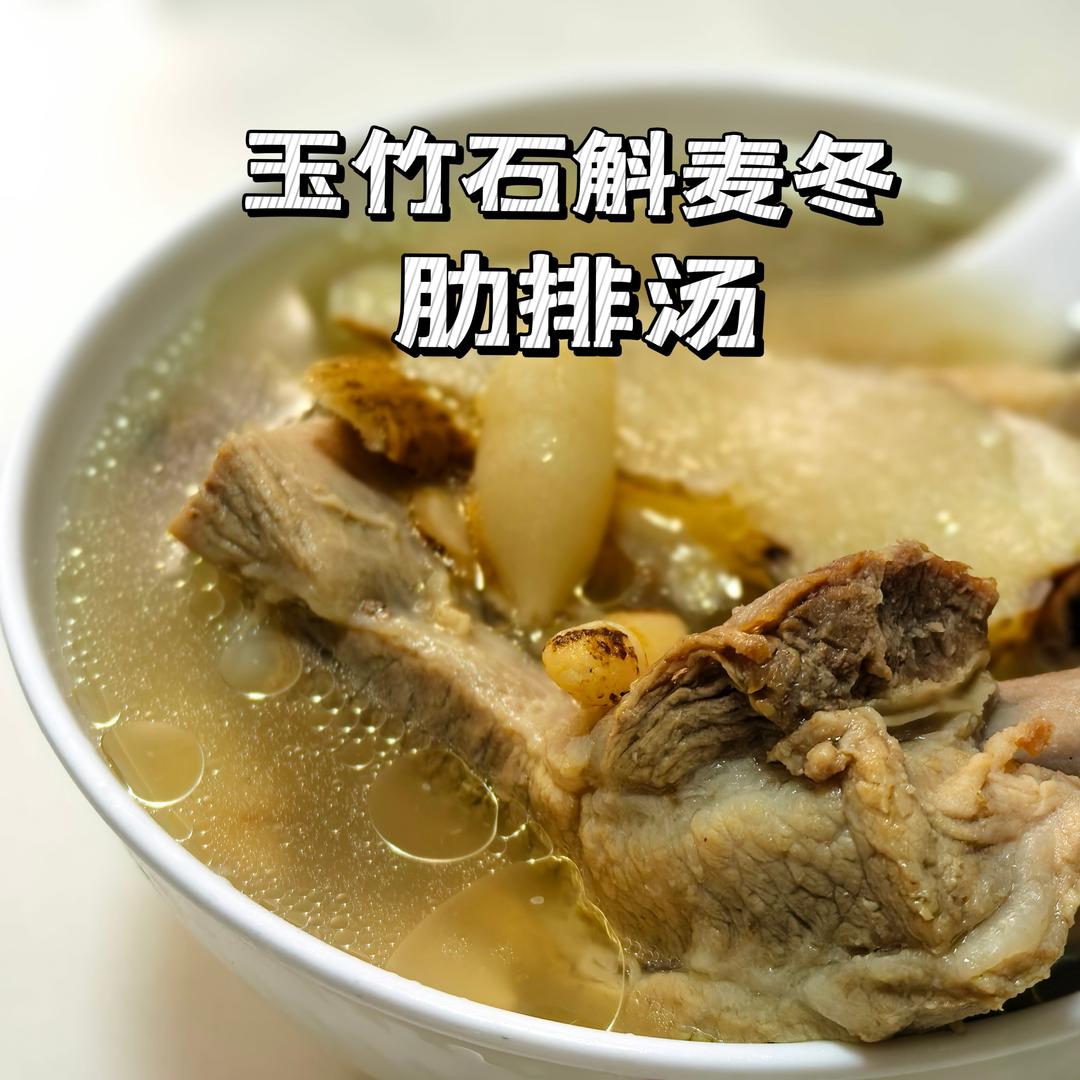
What Is Herbal Pork Rib Soup (玉竹石斛麦冬排骨汤)?
Herbal pork rib soup is a Cantonese home remedy and a comfort food at the same time. Pork ribs are simmered with a small handful of dried Chinese herbs, and the resulting broth is drunk for its clean, sweet flavor and reputed nourishing properties. It belongs to the tradition of 老火汤, slow-simmered soups that Chinese families make for seasonal balance rather than for seasoning.
The herbs in this recipe are chosen for dry autumn weather. Jade bamboo (玉竹) is sweet and moistening, dendrobium (石斛) is gentle on the throat, ophiopogon (麦冬) is traditionally used for dryness, American ginseng (西洋参) adds a light, cooling energy, and astragalus (黄芪) is the classic strengthener. Together they make a broth that tastes like nothing you would expect from medicine: light, faintly sweet, and deeply satisfying.
If you enjoy the restorative side of Chinese home cooking, my crispy Chinese youtiao are the classic morning partner for a bowl of clear soup.
1Foolproof Youtiao (Crispy Chinese Fried Dough Sticks)An ultra-reliable, yeast-free recipe for authentic Chinese Youtiao. These fried dough sticks are incredibly crisp on the outside with massive, airy pockets inside. Prepare the dough the night before for a stress-free morning breakfast.Check out this recipe

Why This Recipe Works
- Blanching keeps the broth clear. Boiling the ribs once and rinsing them removes blood and impurities, giving a clean, not cloudy, soup.
- Boiling water, not cold, protects the flavor. Adding hot water after blanching keeps the meat tender and the broth sweet.
- A slow simmer extracts the herbs gently. One hour over low heat draws out their sweetness without bitterness.
- Salt goes in at the end. Seasoning late keeps the pork tender and the broth bright.
- Five ingredients, one pot. No aromatics or spices are needed; the herbs are the flavor.
Equipment Needed
- Stockpot or clay pot with a lid
- Slotted spoon or strainer
- Small bowl for weighing the herbs
Ingredients
- 14 oz (400 g) pork spare ribs, cut into pieces
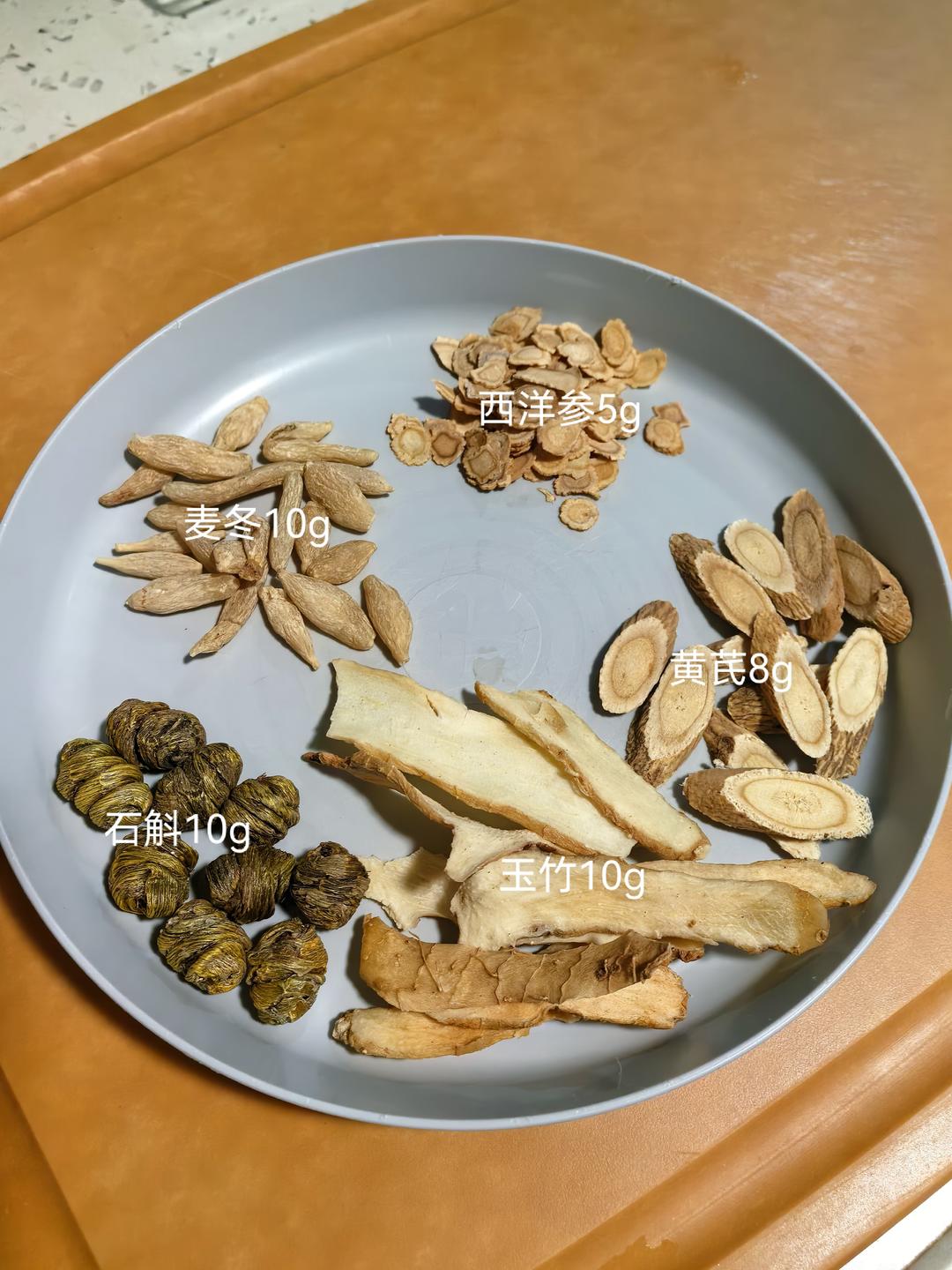
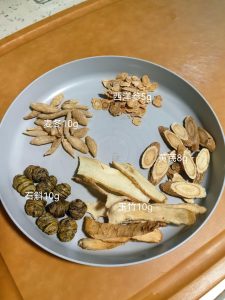
- 10 g jade bamboo (玉竹)
- 10 g dendrobium (石斛)
- 10 g ophiopogon (麦冬)
- 5 g American ginseng (西洋参)
- 8 g astragalus (黄芪)
- Fine salt, to taste
Ingredient Notes
The herbs. All five are sold dried at Chinese herbal shops and many Asian groceries. Buy from a shop with good turnover, and rinse them before use to remove dust.
Pork ribs. The recipe recommends rib pieces with more meat and less fat, which keep the broth light. Ask the butcher to cut them into short lengths.
Substitutions. If you cannot find one herb, the soup still works; jade bamboo and ophiopogon are the most important for the sweet, moist character. American ginseng can be omitted if you prefer a purely herbal broth.
Prep & Mise en Place
Blanch the ribs first: cover them with cold water, bring to a boil, and skim off the foam until the water is clear, then drain and rinse the ribs. Rinse the dried herbs briefly under running water and set them aside. Have a kettle of boiling water ready, since the recipe adds hot, not cold, water to the pot.
Cooking Process
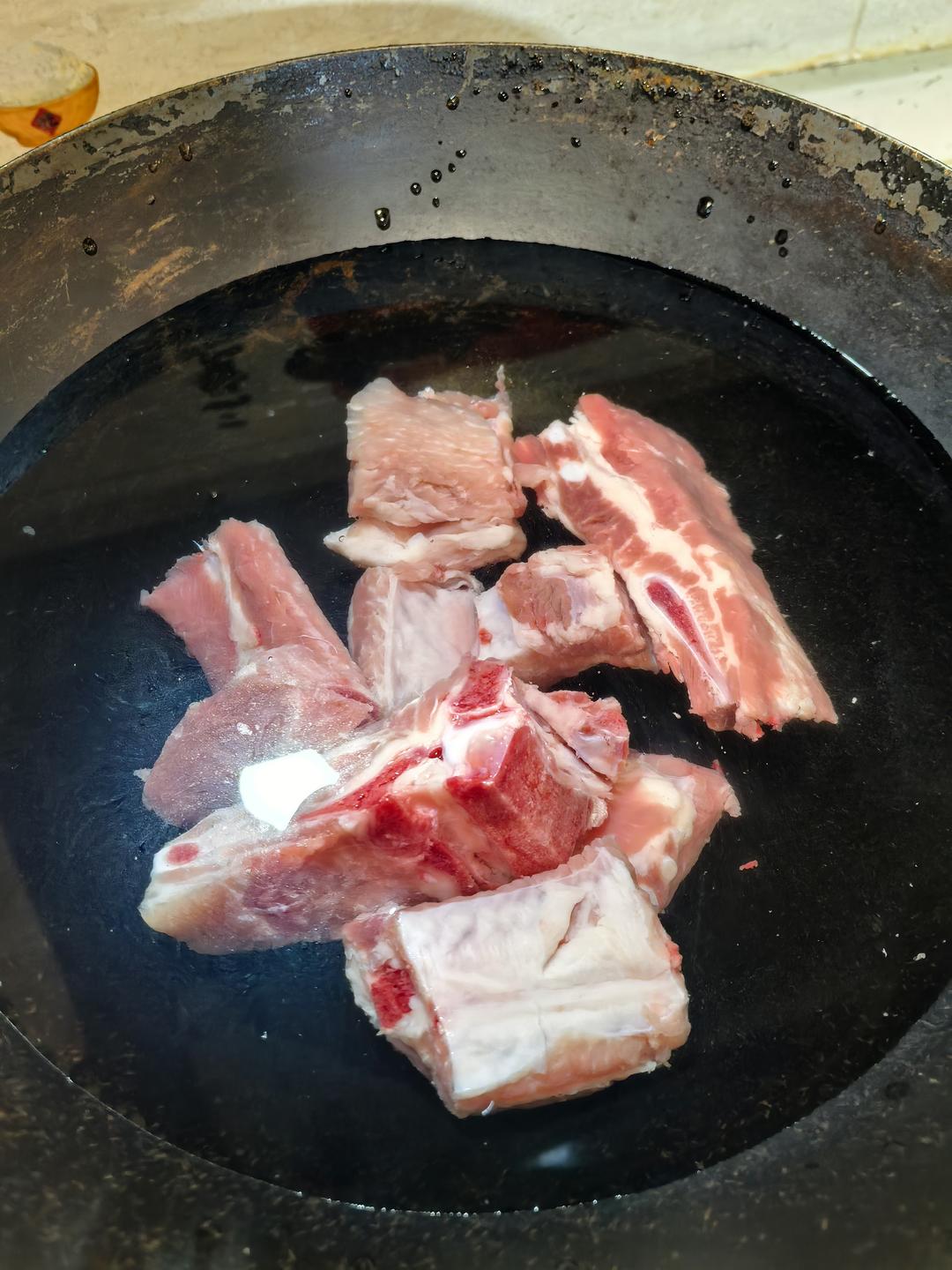
Step 1 — Blanch the Ribs in Cold Water
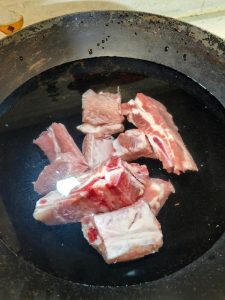
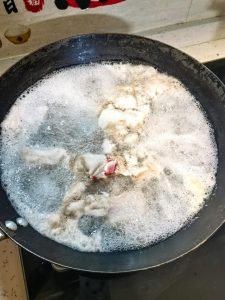
Put the ribs in a pot of cold water and bring it to a boil to draw out the blood, which keeps the finished soup clear. Choose meaty rib pieces with less fat.
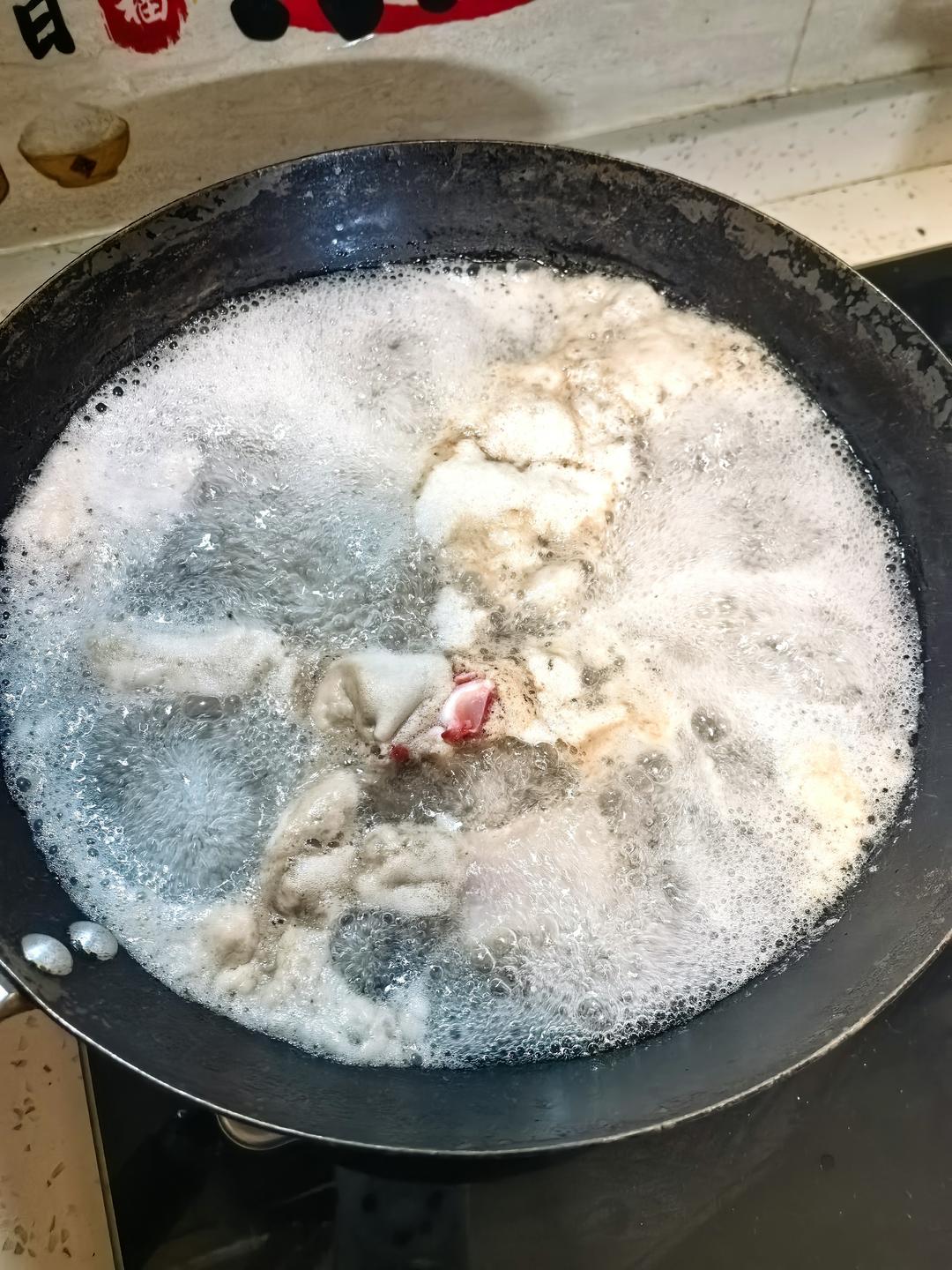
Step 2 — Drain and Rinse With Hot Water
When the foam has risen, pour off the water and rinse the ribs with hot water so no scum remains.
Step 3 — Rinse the Herbs
Weigh the five herbs and rinse them once in clean water to remove surface dust.
Step 4 — Simmer Everything Together
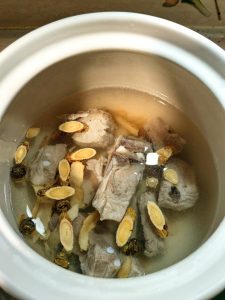
Put the ribs and herbs in the pot, add boiling water to cover by about one finger’s width, bring to a boil, then reduce to low and simmer for 1 hour. Season with salt, then simmer 10 minutes more.
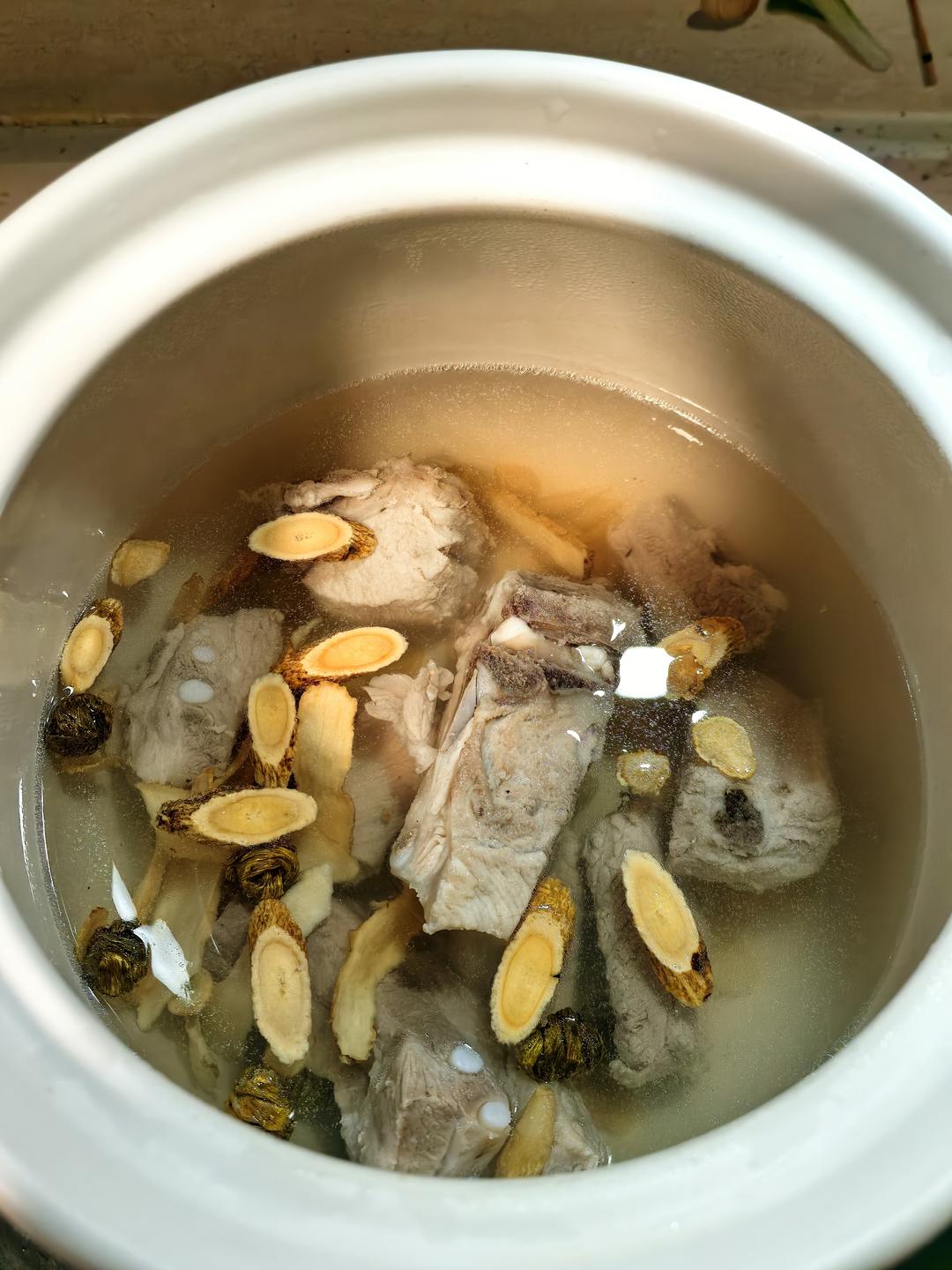
Step 5 — Serve the Clear, Sweet Broth
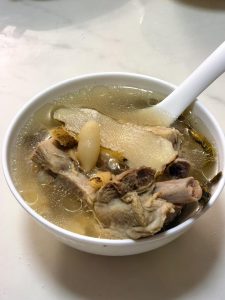
Ladle the soup into bowls, with tender ribs and crisp, sweet jade bamboo. Serve hot; the broth tastes clean and faintly sweet, exactly as an autumn soup should.
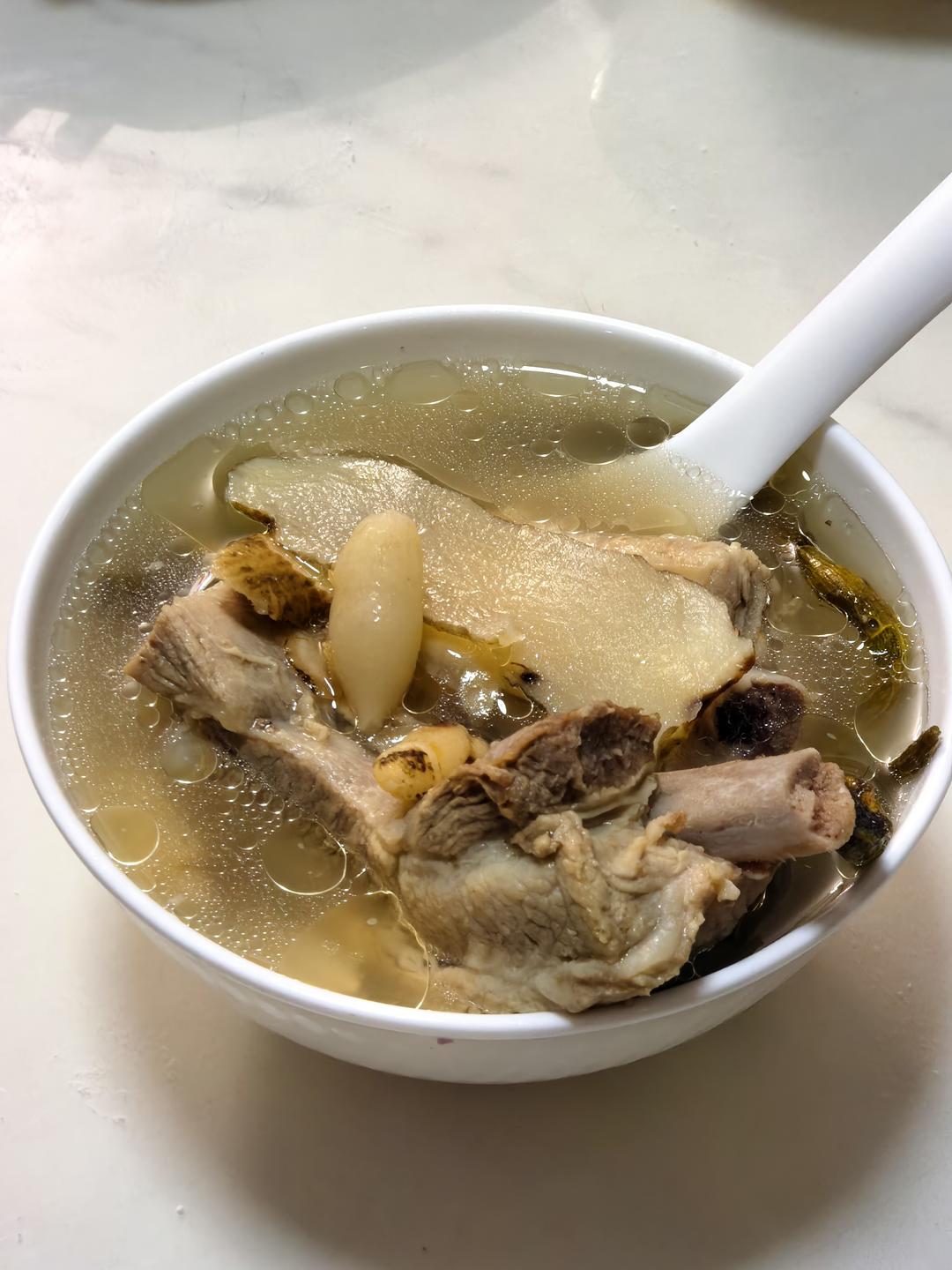
Common Mistakes When Making Herbal Soup
1. A cloudy, murky broth. Cause: skipping the blanch. Fix: always blanch in cold water, skim, and rinse the ribs before simmering.
2. A bitter herbal taste. Cause: too many herbs or boiling hard. Fix: keep the quantities as written and maintain a low simmer.
3. Tough, dry ribs. Cause: salting early or boiling vigorously. Fix: season at the end and keep the soup at a gentle simmer.
4. A thin, flavorless soup. Cause: too much water. Fix: cover the ingredients by just about a finger’s width, no more.
5. Soggy herbs. Cause: overcooking. Fix: an hour is enough; the jade bamboo should stay slightly crisp.
Variations
Classic rib soups. If you want a more familiar bowl, my radish pork rib soup and lotus root and pork rib soup are the everyday versions, and tomato potato braised ribs is the saucy cousin.
Chicken instead of pork. Swap the ribs for chicken thighs, which simmer into a lighter broth in about 45 minutes.
Congee pairing. The soup is lovely alongside a bowl of cooling mung bean congee or steamed buns like pumpkin mantou.
Frequently Asked Questions
Where do I buy these herbs? Chinese herbal shops and larger Asian groceries sell them dried, often in bins. Ask for them by name; a small bag of each lasts many pots.
Is this soup medicine? It is a traditional food, not a treatment. Enjoy it as a nourishing home soup; the herbal tradition is cultural, and the broth is genuinely delicious.
Can I make it in a pressure cooker? Yes; after blanching, pressure-cook everything for about 25 minutes, then season and simmer 5 minutes with the lid off.
How long does it keep? Refrigerate for up to 3 days, or freeze for 2 months. Reheat gently, and the broth may gel in the fridge, which is normal.
What should I serve with it? Steamed rice and a simply cooked vegetable; a light tomato egg drop soup is unnecessary, since this soup is the star.
How to Serve
Serve the soup hot in bowls as the first course of a Chinese meal, or as a light supper with rice. In Cantonese homes the broth is drunk first, and the tender ribs and crisp jade bamboo are eaten afterward.
Storage & Reheat
Cool the soup and refrigerate for up to 3 days, or freeze for up to 2 months. Reheat gently on the stovetop until piping hot. Because it contains pork, do not leave the soup at room temperature longer than 2 hours.
Allergen Notice
Contains no common allergens in the base recipe; pork and dried herbs are the only ingredients. Check packaged herbal blends for sulfites if you are sensitive.
Nutrition Disclaimer
Nutrition information is calculated using an ingredient database and should be considered an estimate. In cases where multiple ingredient alternatives are given, the first listed is calculated for nutrition. Garnishes and optional ingredients are not included.
About the Author & Recipe Development
I am Lin, and slow herbal soups were the background music of my childhood, simmering on the stove while everything else happened. I tested this xiachufang recipe twice, once adding salt early, which made the ribs tougher, and once as written, which produced the clear, sweet broth in these photos. It is the soup I make now when the weather dries out or someone in the house needs a quiet bowl of care.
Authoritative References
USDA Safe Temperature Chart for pork cooking temperatures, and USDA Leftovers and Food Safety.
Herbal Pork Rib Soup (玉竹石斛麦冬排骨汤): Autumn Nourish

Equipment
- Stockpot or clay pot
- Slotted Spoon
- Small Bowl
Ingredients
For the Soup
- 14 oz pork spare ribs, cut into pieces
- 10 g jade bamboo (玉竹)
- 10 g dendrobium (石斛)
- 10 g ophiopogon (麦冬)
- 5 g American ginseng (西洋参)
- 8 g astragalus (黄芪)
- 1 to taste fine salt added at the end
Instructions
- Blanch the ribs in cold water, bringing to a boil to draw out the blood.

- Drain and rinse the ribs with hot water.
- Weigh and rinse the five dried herbs.
- Add ribs and herbs to the pot with boiling water to cover by a finger’s width, simmer 1 hour, season, then simmer 10 minutes more.
- Serve the clear, sweet broth hot with the tender ribs and crisp jade bamboo.




Leave a Reply