In the vast treasury of Chinese seasonings, few spices carry as much historical weight as ginger. As one of the primary commodities traded along the ancient Silk Road, ginger has crossed continents and cultures for millennia. While fresh ginger is the undisputed king of the wok in modern Chinese kitchens, no professional or home spice cabinet is complete without its concentrated, shelf-stable counterpart: Ground Ginger Powder (姜粉, jiāng fěn).
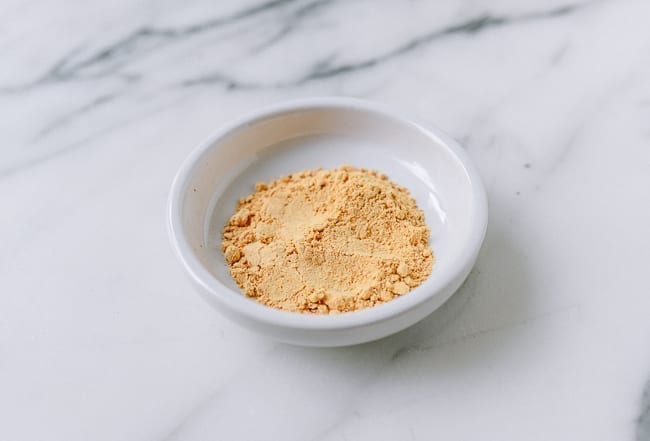
Whether it’s providing the “zing” in a Cantonese roast duck or adding warmth to a seasonal cake, ginger powder offers a unique floral citrus note that fresh ginger simply cannot replicate.
What Is Ginger Powder?
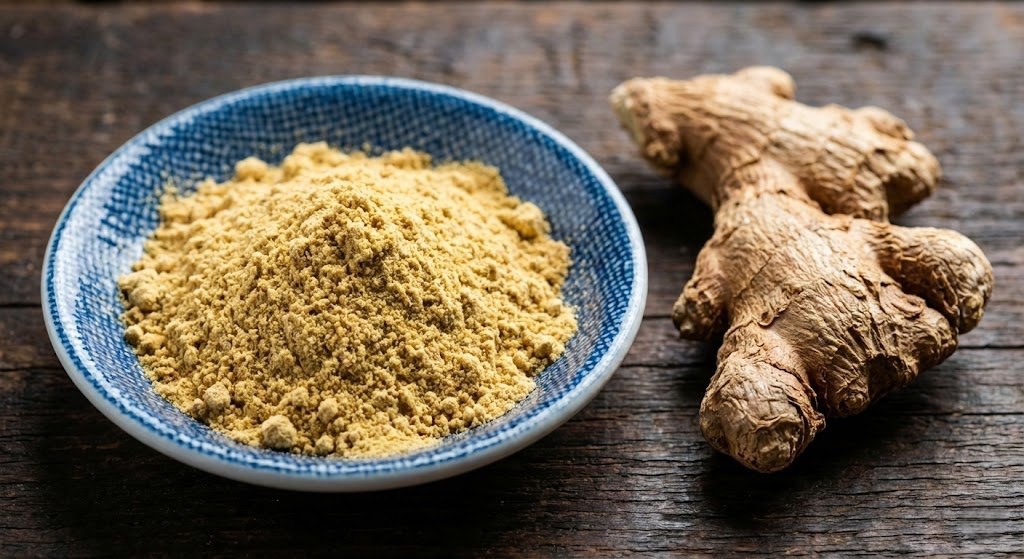
Ground ginger is the dried, pulverized form of the rhizome (the underground stem) of the Zingiber officinale plant.
- Chinese Name: 姜粉 (jiāng fěn)
- Botanical Origin: Part of the Zingiberaceae family, which also includes Galangal Root Powder and turmeric.
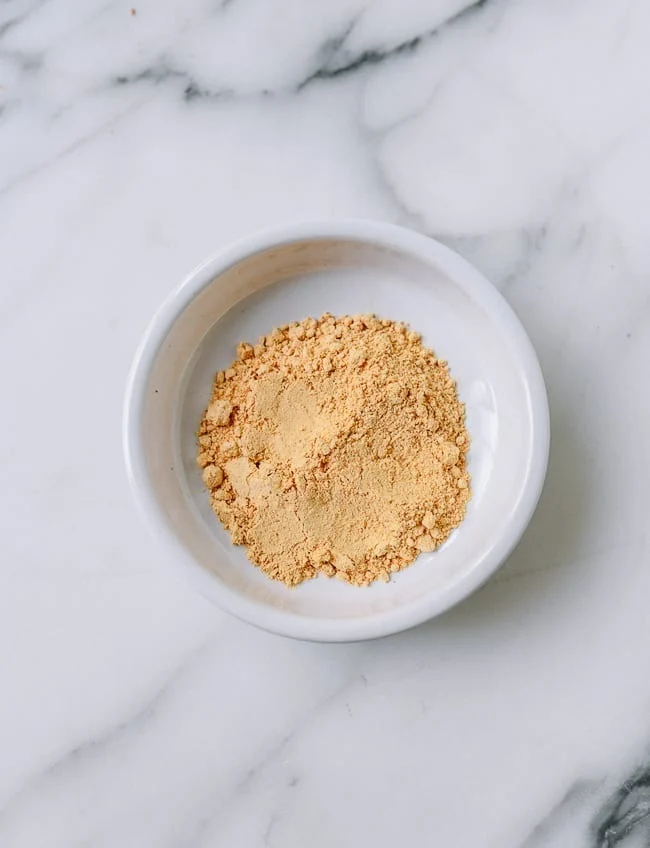
- Appearance: A fine, free-flowing powder ranging from pale cream to a yellowish-tan hue.
- History: According to Britannica, ginger is native to Southeast Asia and has been used for over 5,000 years. In China, it was historically valued not just as a culinary spice but as a vital component of Traditional Chinese Medicine (TCM) for its “warming” properties.
The drying process fundamentally changes the ginger’s chemical structure. While fresh ginger is rich in gingerol, the drying and grinding process converts much of that gingerol into shogaols, which are more pungent and provide a deeper, more resonant heat.
Flavor Profile: Beyond the Pungency
Unlike the sharp, watery bite of fresh ginger, ground ginger powder is:
- Zesty and Warm: It provides a slow-building heat that lingers on the palate.
- Aromatic: It carries a distinct floral and lemony scent.
- Subtle: It integrates seamlessly into dry mixtures without the fibrous texture of fresh roots.
In Chinese cuisine, ginger powder is rarely used to provide the “main” flavor. Instead, it acts as a deodorizer (去腥 – qù xīng) for meats and a “bridge” that harmonizes other pungent spices.
Culinary Applications in Chinese Cooking
While ginger powder is globally famous for gingerbread, its role in Chinese savory dishes is deeply rooted, particularly in Cantonese Cuisine.
1. The Secret to Cantonese Dry Rubs
Cantonese cooking is celebrated for its subtle flavors that highlight the natural quality of the meat. Ginger powder is a staple in dry rubs for:
- Roast Duck and Chicken: Its fine consistency allows it to penetrate the skin and neutralize gamey odors.
- Cantonese Roast Pork: It is often mixed with Five Spice Powder and White Pepper to create that iconic, aromatic crust on pork belly.
2. Marinades and Frying
When making dishes like Salt and Pepper Squid, a pinch of ginger powder in the flour dredge provides a subtle warmth that complements the sharp heat of the salt-and-pepper mix without burning in the high-heat oil.
3. Dumplings and Fillings
For certain delicate fillings, such as Crystal Shrimp Dumplings (Har Gow), chefs may prefer a tiny amount of ginger powder over fresh ginger to ensure a perfectly smooth texture while still achieving that necessary aromatic lift.

How to Use and Combine with Other Spices
For beginners, mastering ginger powder is about balance. Here is how to pair it:
- The “Golden Trio”: Combine ginger powder, White Pepper, and salt for a universal Chinese poultry seasoning.
- For Sweetness: It pairs beautifully with Sugar or Chinese Rock Sugar in braises to cut through the richness of fatty meats.
- The Conversion Rule: Generally, 1/4 teaspoon of ground ginger is equivalent to about 1 tablespoon of freshly grated ginger. However, keep in mind that the powder will not provide the same “juiciness” as fresh.
Buying and Storing Guide
Where to Buy
You can find ginger powder in the spice aisle of any standard grocery store. However, for the best value and potency, visit an Asian supermarket. Look for brands that source their ginger from the Yunnan or Shandong provinces, regions famous for high-quality rhizomes.
How to Choose
- Color: Look for a bright, pale yellow. If it looks dull or grey, it is likely old.
- Aroma: It should smell sharply citrusy and spicy the moment you open the jar.
Storage
Ginger powder is highly sensitive to moisture and light.
- Container: Use an airtight glass jar.
- Environment: Store in a cool, dark cupboard.
- Shelf Life: While it technically lasts 3-4 years, its aromatic potency begins to fade after 6 to 12 months.
Substitutes for Ginger Powder
If you find yourself mid-recipe without Jiang Fen:
- Fresh Ginger: The best substitute. Use the 1:4 ratio (more fresh than powder).
- Galangal Powder: A close cousin, though Galangal Root Powder has a more medicinal, pine-like flavor.
- Mace or Allspice: In baking scenarios, these can provide a similar warmth, though the flavor profile will shift significantly.
Recommended Recipes
- Cantonese Honey Glazed Char Siu – Uses ginger powder in the marinade for depth.
- Pumpkin Chestnut Pound Cake – A perfect example of ginger’s role in Asian-inspired baking.
- Salt and Pepper Squid – A classic use in frying batters.
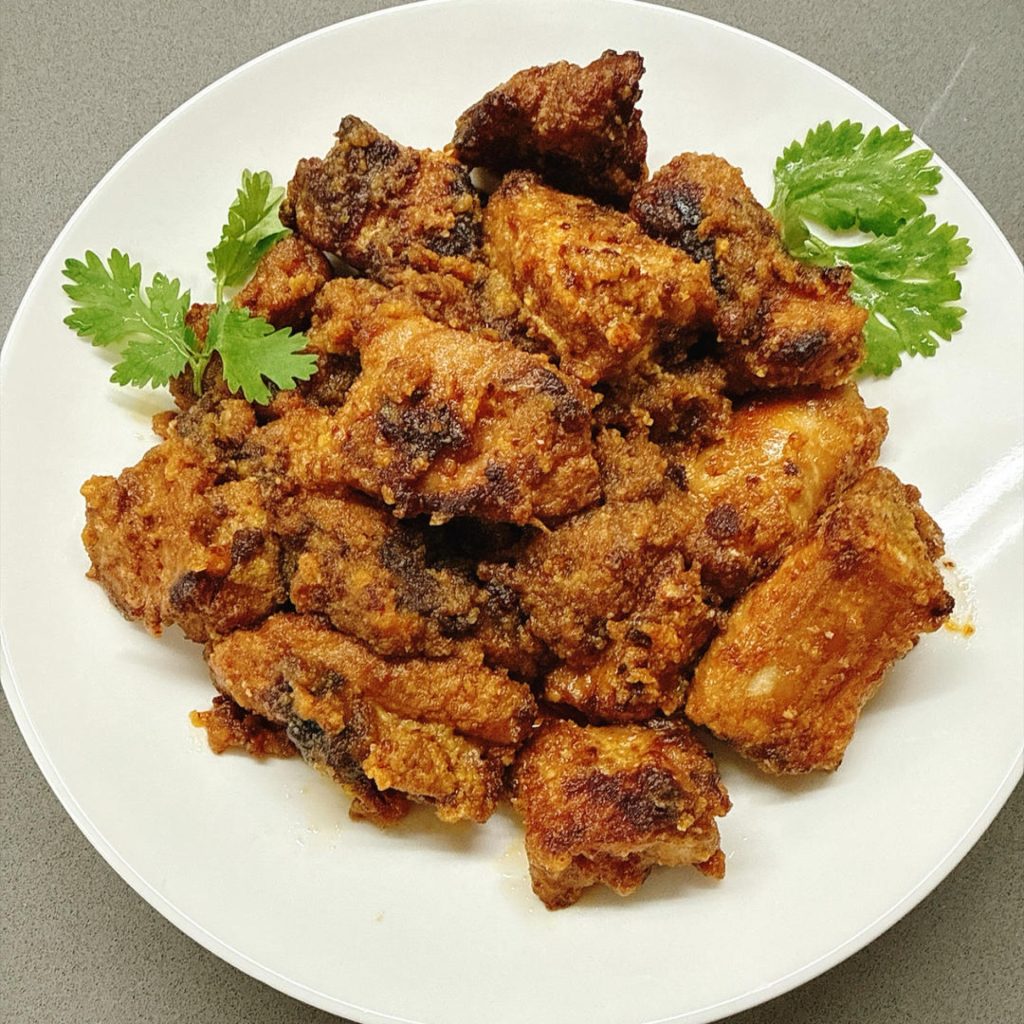
- Oven-Baked Dry Rub Wings – Mix ginger powder with garlic powder and salt for a crispy, aromatic skin.
Authoritative References
- Botanical Specifications: Royal Botanic Gardens, Kew – Zingiber officinale.
- Culinary History: The Food of China by E.N. Anderson (Yale University Press).
About Woks of Love
Woks of Love is dedicated to preserving the authenticity of Chinese home cooking. Our mission is to bridge the gap between traditional techniques and modern kitchens, ensuring that every dash of Sesame Oil and every pinch of Five Spice Powder tells a story of heritage and flavor.


Leave a Reply