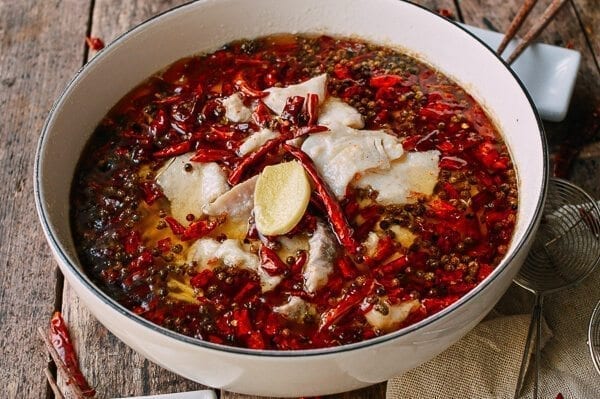
Hey there! If you’ve ever sat down at a buzzing Sichuan restaurant and tucked into a bowl of “Poached Fish” only to feel your tongue tingling with a bright, citrusy electricity, you’ve met the superstar of modern Sichuan cuisine: Green Sichuan Peppercorns.
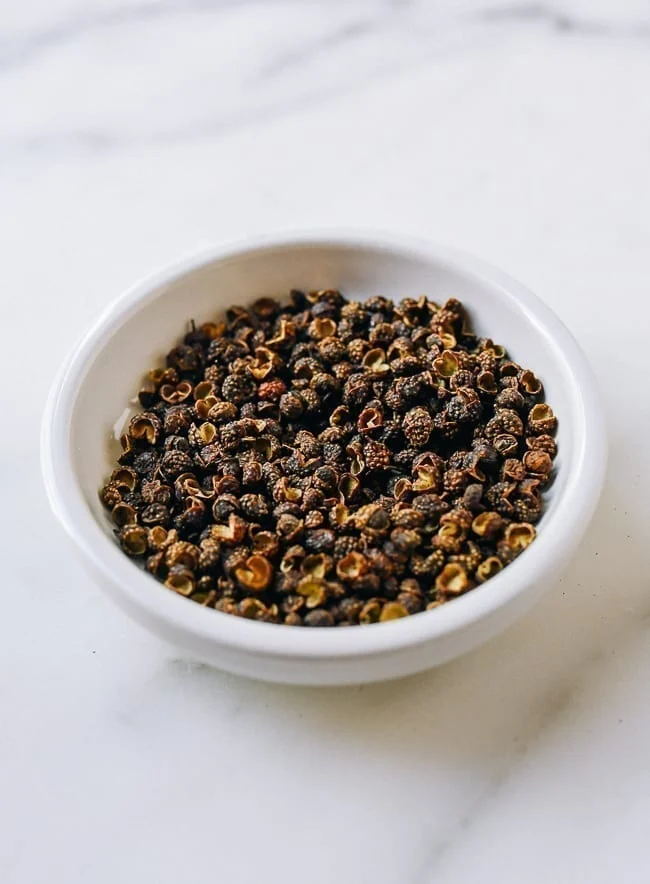
Growing up in my parents’ restaurant in Chengdu, the kitchen was always a battlefield of aromas. While red peppercorns provided that deep, woody warmth, the green ones—Qing Hua Jiao (青花椒)—were like a lightning bolt. They weren’t just a spice; they were an experience. Today, I’m taking you behind the scenes to show you why this “electric” spice is the secret weapon you need in your pantry.
What Are Green Sichuan Peppercorns?
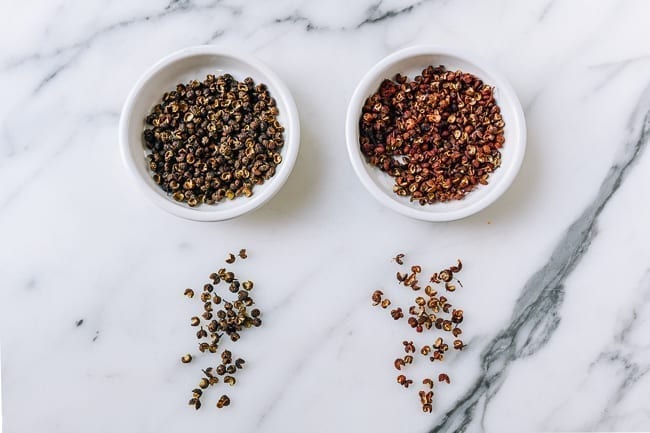
Green Sichuan peppercorns are the dried berries of the Zanthoxylum armatum tree. While they are cousins to the more common red Sichuan peppercorns (Zanthoxylum bungeanum), they are a distinct botanical species.
- Chinese Name: 青花椒 (Qīng Huā Jiāo)
- Appearance: They are small, olive-green husks. When high-quality, they should be open like tiny flowers, showing that the bitter black seeds inside have been removed.
- Origin: Most of the premium supply comes from the humid, mountainous regions of Sichuan and Chongqing.
- The “Vibration” Science: Unlike chili peppers that produce “heat” via capsaicin, green peppercorns contain hydroxy-alpha-sanshool. This compound interacts with your nerve endings to create a sensation of tactile vibration—specifically at a frequency of about 50 Hz—which we call Mala (numbing and spicy).
Flavor Profile: The “Electric” Citrus
Let’s be real: if red Sichuan peppercorns are a warm, bass-heavy jazz record, green peppercorns are a high-voltage pop song.
The first thing you’ll notice is the intense floral and citrus aroma, reminiscent of lime zest and lemongrass. On the palate, the numbing sensation is sharper and more immediate than the red variety. It feels “cooler” and fresher, making it the perfect partner for seafood, poultry, and cold appetizers. While red peppercorns have a smoky, earthy finish, the green ones stay bright and zingy until the end.
Culinary Applications: How to Use Them Like a Chef
In the professional kitchens where I trained, we used green peppercorns to “lift” a dish. They provide the high notes that balance out heavy fats.
1. The Infusion (Green Peppercorn Oil)
The best way to capture the flavor without biting into a whole peppercorn (which can be overwhelming) is to make an aromatic oil.
- Chef’s Secret: Heat your oil to about 150°C (300°F) and pour it over cracked green peppercorns. This “blooms” the oils without burning the delicate husks. This is the base for my homemade chili garlic sauce.
2. Traditional Sichuan Pairings
Green peppercorns shine in “Vibrant and Spicy” (Xian La) dishes. They are essential for:
- Fish and Seafood: Think of the classic “Vinegar-Pepper Fish.” The acidity of Chinese black vinegar cuts through the numbness perfectly.
- Cold Appetizers: A drizzle of green peppercorn oil over a smashed cucumber salad adds a layer of complexity that keeps you coming back for more.
3. Spice Combinations
Trust me on this: pair green peppercorns with fresh green bird’s eye chilies and plenty of garlic. While doubanjiang is the soul of red Sichuan cooking, green peppercorns prefer the company of fresh, “green” aromatics.
Buying and Storage Guide
How to Pick the Best
Don’t just grab the first bag you see at the Asian grocery store.
- Color: Look for a bright, vibrant olive green. If they look brown or grey, they are old and have lost their “electricity.”
- Scent: If you can smell them through the bag, that’s a good sign! It should smell like a citrus grove, not like dust.
- Purity: Avoid bags with too many stems or black seeds. You only want the husks.
Storage Secrets
The volatile oils in green peppercorns degrade quickly when exposed to air and light.
- Container: Store in an airtight glass jar.
- Environment: Keep them in a cool, dark cupboard.
- Pro Tip: If you buy in bulk, keep a small jar for daily use and store the rest in the freezer to preserve that numbing punch for up to a year.
Substitutes: What If I Can’t Find Them?
If you can’t find the green variety, you can use red Sichuan peppercorns, but the flavor profile will shift from “citrusy-fresh” to “woody-warm.” If you are desperate for that citrus kick, a mix of black pepper and fresh lime zest can mimic the aroma, but you will lose the signature numbing sensation.
Recommended Recipes
Ready to put your green peppercorns to work? Here are some of my favorite ways to use them:
- Mouth-Watering Chicken (Kou Shui Ji): The ultimate test for your green peppercorn oil.
- Authentic Mapo Tofu: Try finishing it with a pinch of toasted, ground green peppercorns instead of red for a modern twist.
- Sichuan Boiled Pork Slices (Shui Zhu Rou Pian): Use green peppercorns in the sizzling oil topping for extra zing.
- Chili Garlic Cold Noodles: A perfect quick lunch where the numbing spice shines.
- Szechuan Cold Noodles with Shredded Chicken: The cooling effect of the peppercorns makes this a summer staple.
Authoritative References
- Scientific Study on Sanshool: Nature – The tingling sensation of Sichuan pepper (Explaining the 50Hz vibration).
- Botanical Classification: Britannica – Zanthoxylum (Detailed genus information).
- Culinary History: Sichuan Gastronomy by Fuchsia Dunlop (The definitive guide to Sichuan flavors).
About Woks of Love
I’m Lin, and I’ve spent my life between the high-pressure heat of professional kitchens and the soul-satisfying flavors of my family’s restaurant. My mission is to give you “recipes that actually work” by bridging the gap between ancient Chinese techniques and your modern kitchen. No secrets, just great food.





Leave a Reply