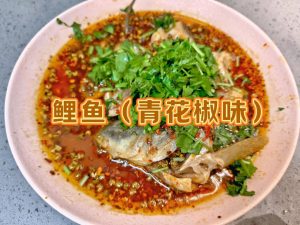
There is a moment when a good Sichuan fish dish stops being about heat and starts being about perfume — and green Sichuan pepper carp is exactly that moment. Fresh qinghuajiao, the green peppercorns that smell faintly of lime and pine, bloom in hot oil and turn a simple poached carp into something electric and clean-tasting. The flesh stays tender, the broth stays light, and the numbing tingle lingers pleasantly long after the last bite.
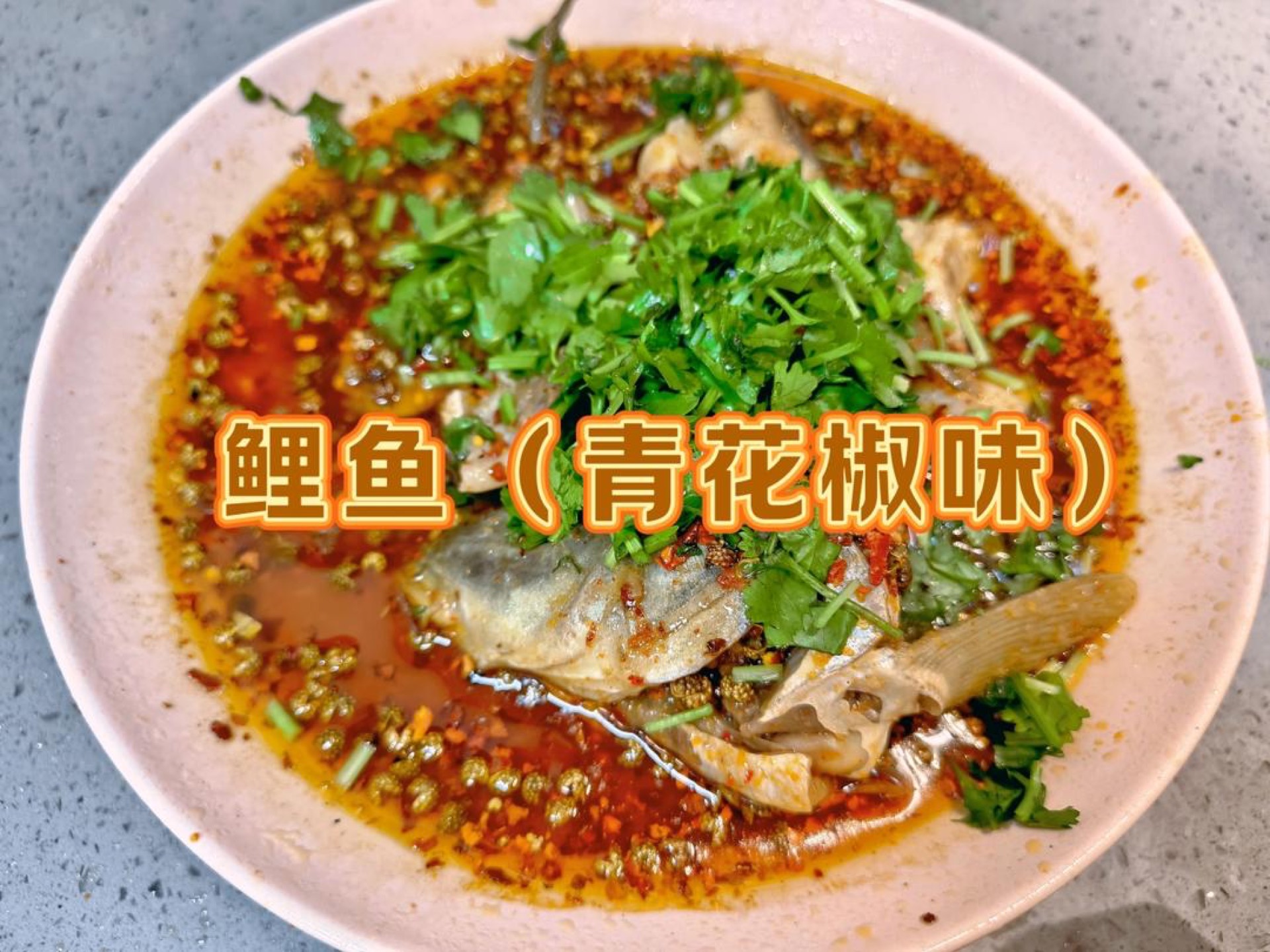
This is home cooking at its most forgiving. You do not need a restaurant steamer or a deep fryer, just a wok, a sharp knife, and about half an hour. The dish leans on a handful of aromatics and a finishing pour of smoking oil, which is the trick that makes the whole kitchen smell like a Sichuan kitchen should.
If you have only ever met Sichuan pepper as the dried red kind, the green version will surprise you. It is brighter, less bitter, and far more floral, and it pairs beautifully with the mild, sweet flesh of freshwater carp. Below you will find everything from how to clean the fish to how to keep the broth from turning cloudy, plus the small finishing moves that make the difference between good and memorable.
What Is Green Sichuan Pepper Carp?
Green Sichuan pepper carp — 青花椒鲤鱼 in Chinese — is a Sichuan preparation in which chopped freshwater carp is gently poached in a light, gingery broth and then finished with fresh green Sichuan peppercorns, dried chilies, and a pour of sizzling oil. It belongs to the same family as the more famous boiled fish dishes, but it is lighter, less oily, and built around aroma rather than pure fire.
The star ingredient is qinghuajiao, the green or unripe form of Sichuan pepper. Where the dried red peppercorns are earthy and slightly smoky, the green ones are citrusy and herbal, with the same signature ma (numbing) sensation that makes your lips buzz. In Sichuan cooking they are used fresh, frozen, or lightly dried, and they are almost always added late so their volatile oils survive the heat.
Green Sichuan pepper is at its best when it meets hot oil for only a few seconds — that is when the citrus-and-pine aroma jumps out and the numbing tingle sharpens rather than fades.
Because carp is a freshwater fish, it carries a slightly muddy note if it is not handled well. Cleaning out the blood line, rinsing the cavity thoroughly, and marinating briefly with wine and salt all help. The reward is firm, sweet meat that holds together in the broth and soaks up the pepper oil beautifully.
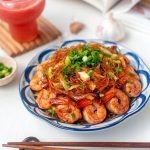
For a different but equally satisfying Sichuan flavor profile, try our yuxiang rousi, which shows how the same region balances sweet, sour, and savory.
1Authentic Yuxiang Rousi (Sichuan Fish-Fragrant Pork)A foolproof, 20-minute authentic Sichuan stir-fry that perfectly balances sweet, sour, salty, and spicy flavors. Tastes just like your favorite Chinese restaurant!Check out this recipe

If you enjoy the gentle poaching technique here, our shui zhu yu takes the same idea in a spicier, more chili-forward direction.
2Easy Sichuan Boiled Fish (Shui Zhu Yu)A quick, restaurant-style Sichuan Boiled Fish using tender Basa fillets, blanched bean sprouts, and a signature sizzling chili oil finish.Check out this recipe

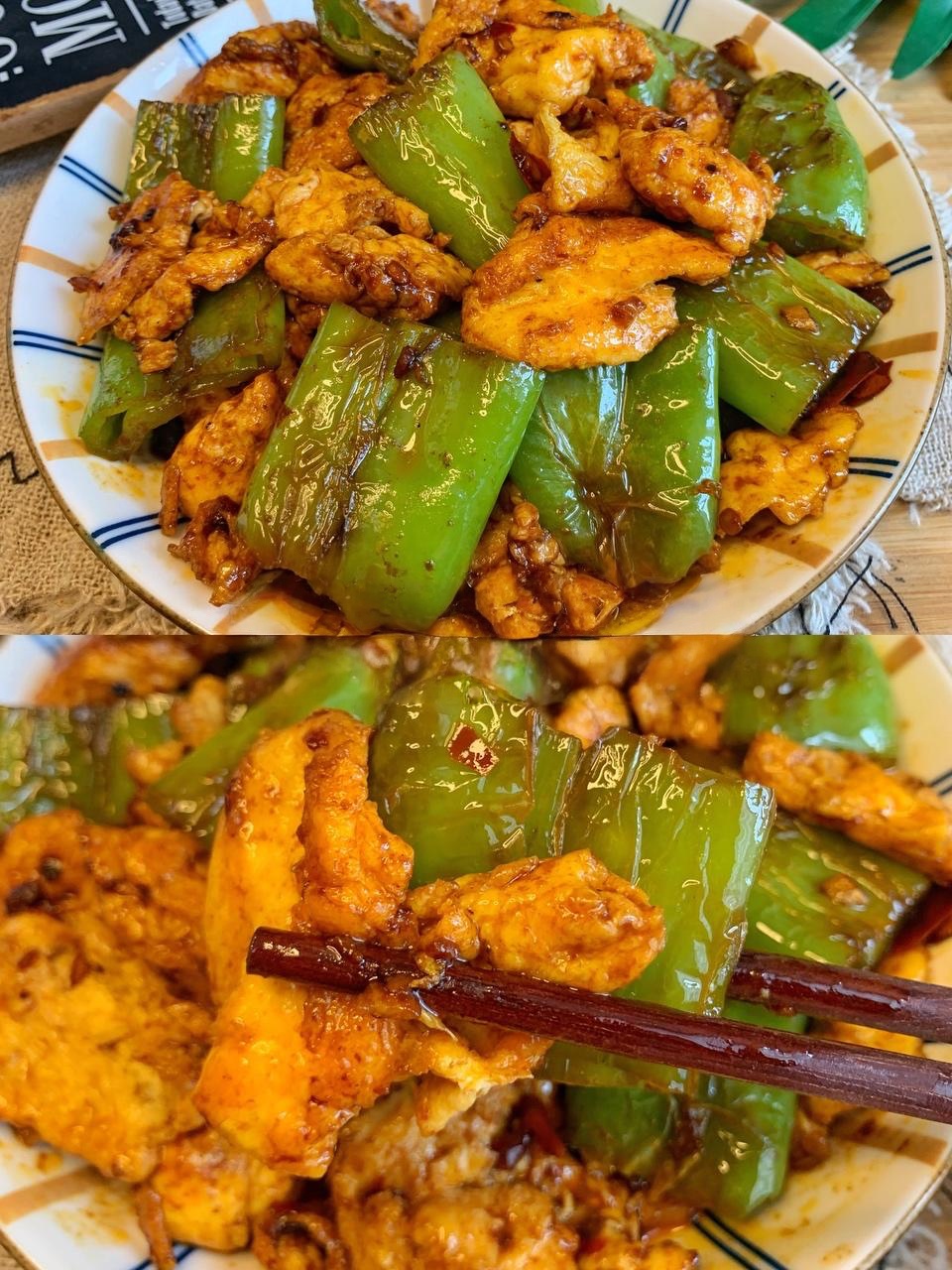
And if you want a quick, peppery side to round out the table, our green pepper and egg stir fry comes together in minutes and echoes the green-pepper theme.
3Green Pepper and Egg Stir-fry (Tiger Skin Peppers)A classic Chinese home-style dish (Rice Killer!) featuring blistered “Tiger Skin” green peppers and fluffy eggs tossed in a savory Doubanjiang sauce. Ready in 15 minutes.Check out this recipe
Why This Recipe Works
Three things make this dish reliable. First, the fish is poached rather than fried, so the flesh stays moist and the broth stays clean. Second, the aromatics are layered in stages — ginger and garlic in the oil, then the pepper and chili at the end — so each layer keeps its own character. Third, the hot-oil finish is done off the heat, which blooms the green peppercorns without scorching them.
It also works because it respects the fish. Carp is delicate and slightly bony, so cutting it into thick pieces and cooking the head and tail first gives the thicker sections time without overcooking the thinner ones. A bare simmer, not a rolling boil, keeps the pieces intact.
The result is a dish that tastes restaurant-level but is genuinely weeknight-friendly. If you like the way Sichuan cooking layers aromatics, our sichuan dry pot cauliflower uses a similar build-and-bloom approach with vegetables.
Equipment Needed
You do not need much, but a few pieces make the job easier.
- Wok or wide skillet: a wok gives you room to poach the fish pieces without crowding, and its shape makes the hot-oil finish easy to control.
- Cutting board and sharp knife: a heavy cleaver or chef’s knife helps you chop through the carp’s backbone cleanly.
- Slotted spoon or spider: for lifting the fish pieces out of the broth without breaking them.
- Small heatproof bowl: for the finishing oil, so you can pour it in one steady stream.
- Instant-read thermometer: the simplest way to confirm the fish is cooked through.
A lid for the wok is helpful but optional; the fish cooks quickly enough without one. If you have a fine-mesh strainer, use it to skim the broth so it stays clear.
Ingredients
Here is what you will need. The list is short, and most of it keeps well in the pantry.
- Whole carp (about 2 lb): ask your fishmonger to scale and gut it, or do it yourself at home.
- Shaoxing wine and salt: for the brief marinade that tames any muddy flavor.
- Ginger and garlic: the aromatic base for the broth.
- Light soy sauce and a pinch of sugar: for gentle seasoning and balance.
- Green Sichuan pepper (qinghuajiao): fresh or frozen is best; dried works in a pinch.
- Dried chili flakes: for warmth and color in the finishing oil.
- Cooking oil: neutral oil with a high smoke point, such as peanut or canola.
- Cilantro: a fresh, herby finish.
If you cook Sichuan food often, you may already have a jar of spicy yellow soybean paste in the fridge; it is not used here, but it is worth keeping on hand for other dishes.
Ingredient Notes
Green Sichuan pepper. This is the ingredient that defines the dish, so buy the best you can find. Frozen green peppercorns hold their aroma remarkably well and are often better than dried. If you only have dried, crush them lightly and use a little more, and consider adding a few to the oil at the start as well as at the end.
Carp. Freshwater carp is traditional, but the technique works with tilapia, catfish, or even fillets of sea bass. If you use fillets, skip the head-and-tail step and simply poach the pieces for 3 to 4 minutes. Ask for a fish that smells clean and has clear eyes and red gills.
Oil choice. The finishing oil needs to be hot enough to sizzle when it hits the pepper and chili but not so hot that it burns them. Peanut oil has a pleasant nutty note; canola is neutral. Avoid olive oil here, as its flavor fights the peppercorns.
Chili flakes. Sichuan dishes often use a mix of mild and hot chilies. If you want a milder dish, use a Korean or Aleppo-style flake; for more heat, add a pinch of ground dried chilies.
Salt level. Soy sauce varies in saltiness, so taste the broth before the fish goes in and adjust. The marinade also adds salt, so go easy at first.
Prep & Mise en Place
Good prep is most of the battle with fish. Start by rinsing the cleaned carp under cold running water, inside and out, then pat it dry with paper towels. Run your finger along the inside of the cavity to check for any remaining blood or dark membrane, which is the main source of muddy flavor, and rinse again if needed.
Next, lay the fish on a sturdy cutting board and chop it into thick crosswise pieces, about 1½ to 2 inches wide. You will need firm pressure to get through the backbone; a cleaver makes this much easier. Keep the head and tail separate from the body pieces, since they go into the pot first.
Now set up your mise en place. Slice the ginger, smash the garlic, measure the soy sauce and sugar, and have the green peppercorns, chili flakes, and cilantro ready in small bowls. Because the cooking moves quickly once the broth boils, having everything within reach keeps you calm and in control.
Finally, toss the fish pieces with the Shaoxing wine and salt and let them marinate for 10 minutes while you heat the wok. If you have time, 20 to 30 minutes gives a slightly deeper flavor, but 10 is plenty. If you enjoy the rhythm of a well-organized stir-fry, our broccoli egg fried rice is a good place to practice the same prep-first approach.
Cooking Process
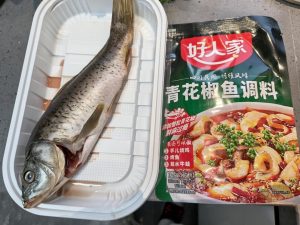
Step 1 — Prep the Fish
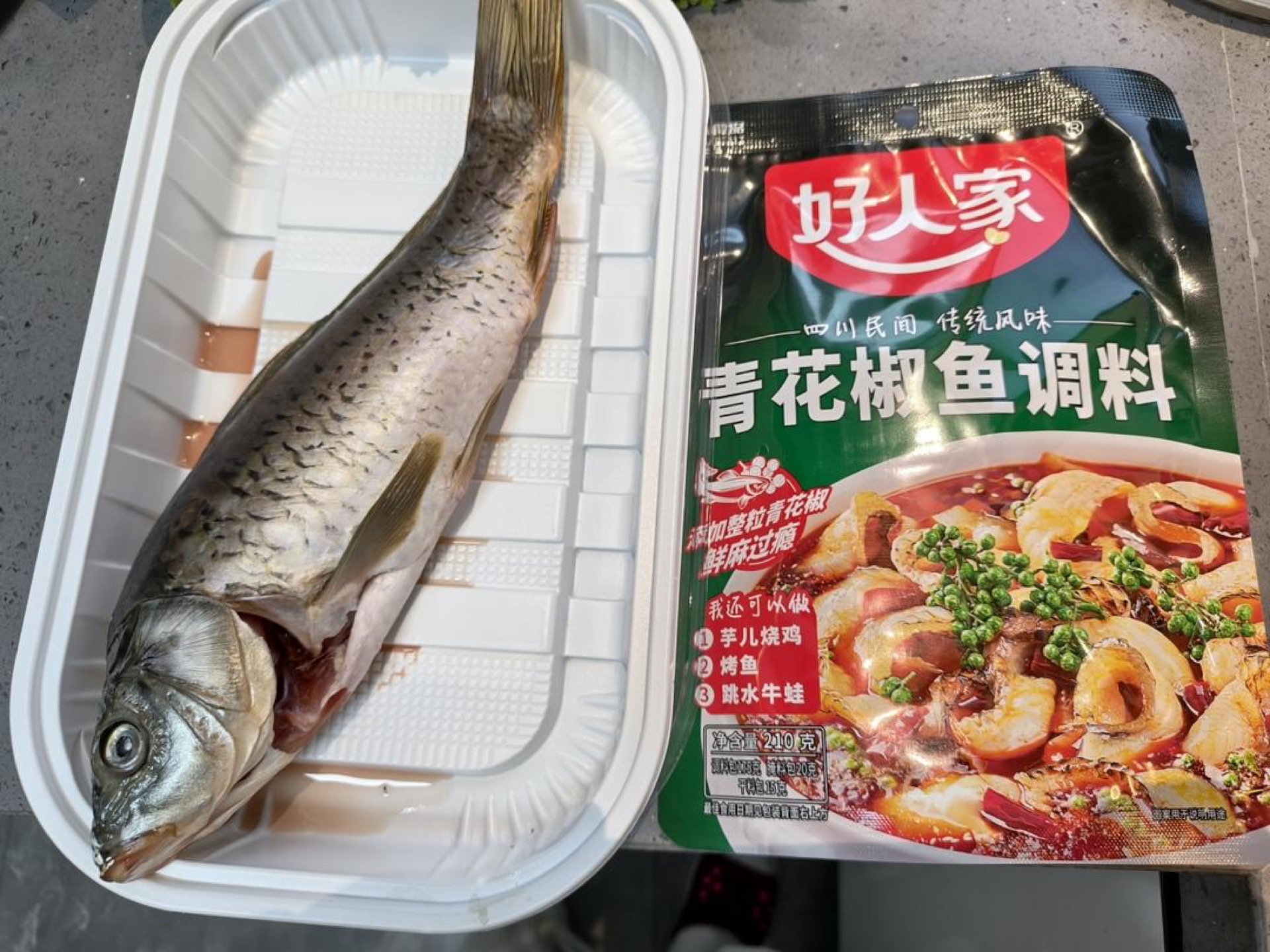
Scale, gut, and clean the carp, removing the intestinal organs and the muddy-tasting blood line, then chop it into thick pieces.
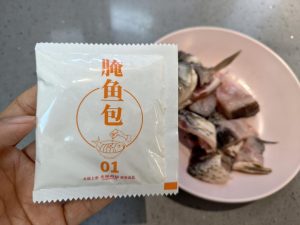
Step 2 — Marinate the Carp
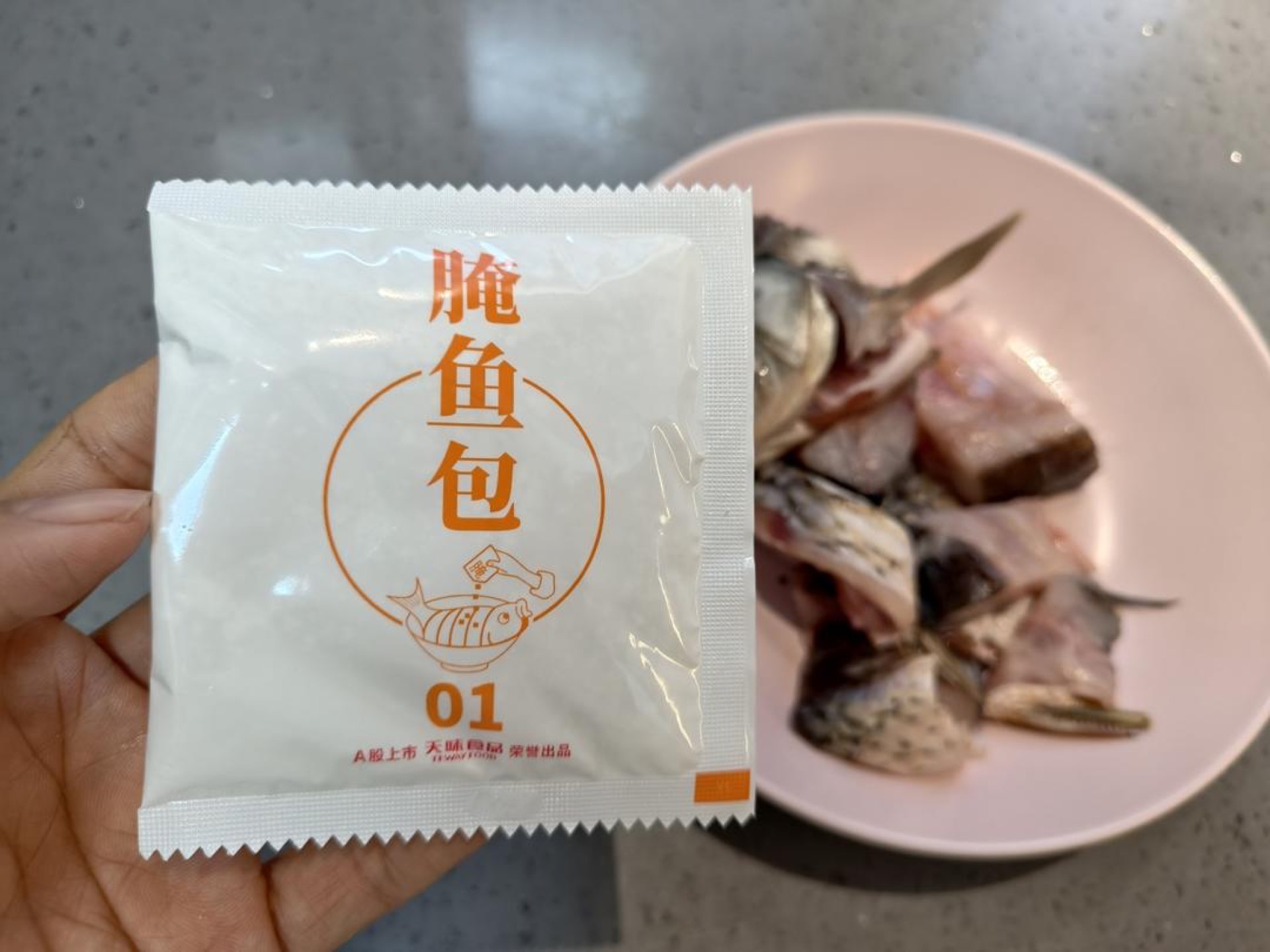
Toss the carp pieces with the marinade packet and let them sit for 10 minutes, or longer for deeper flavor.
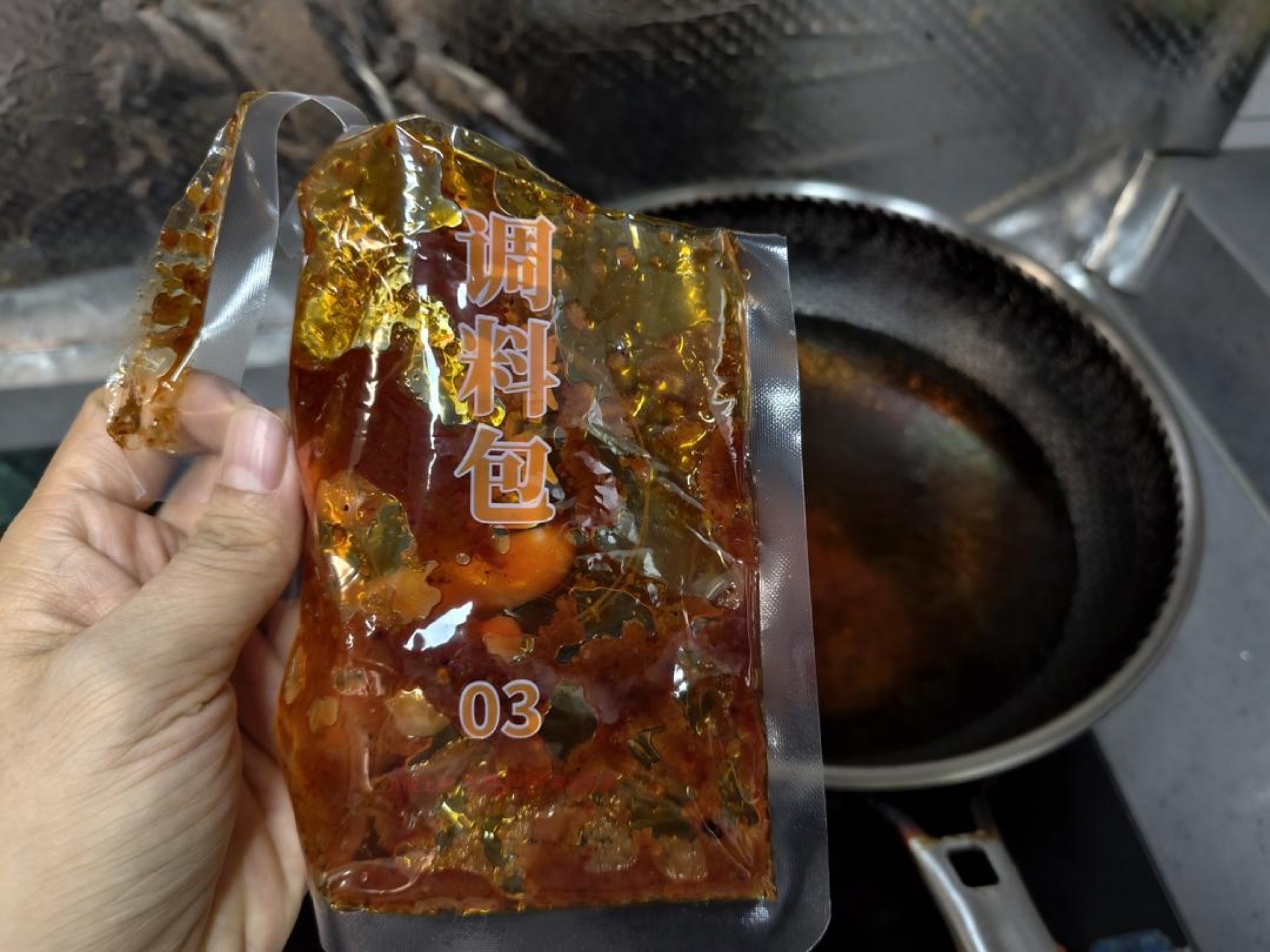
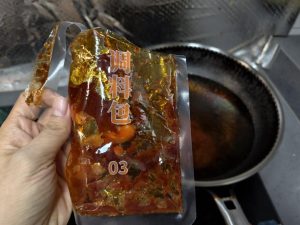
Step 3 — Build the Broth
Heat oil in a wok, stir-fry the seasoning packet until fragrant, then pour in water and bring it to a boil.
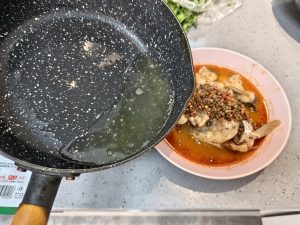
Step 4 — Poach the Fish
When the water boils, add the fish head and tail first and cook for 3 minutes, then slide in the remaining fish pieces and cook for 2 more minutes.
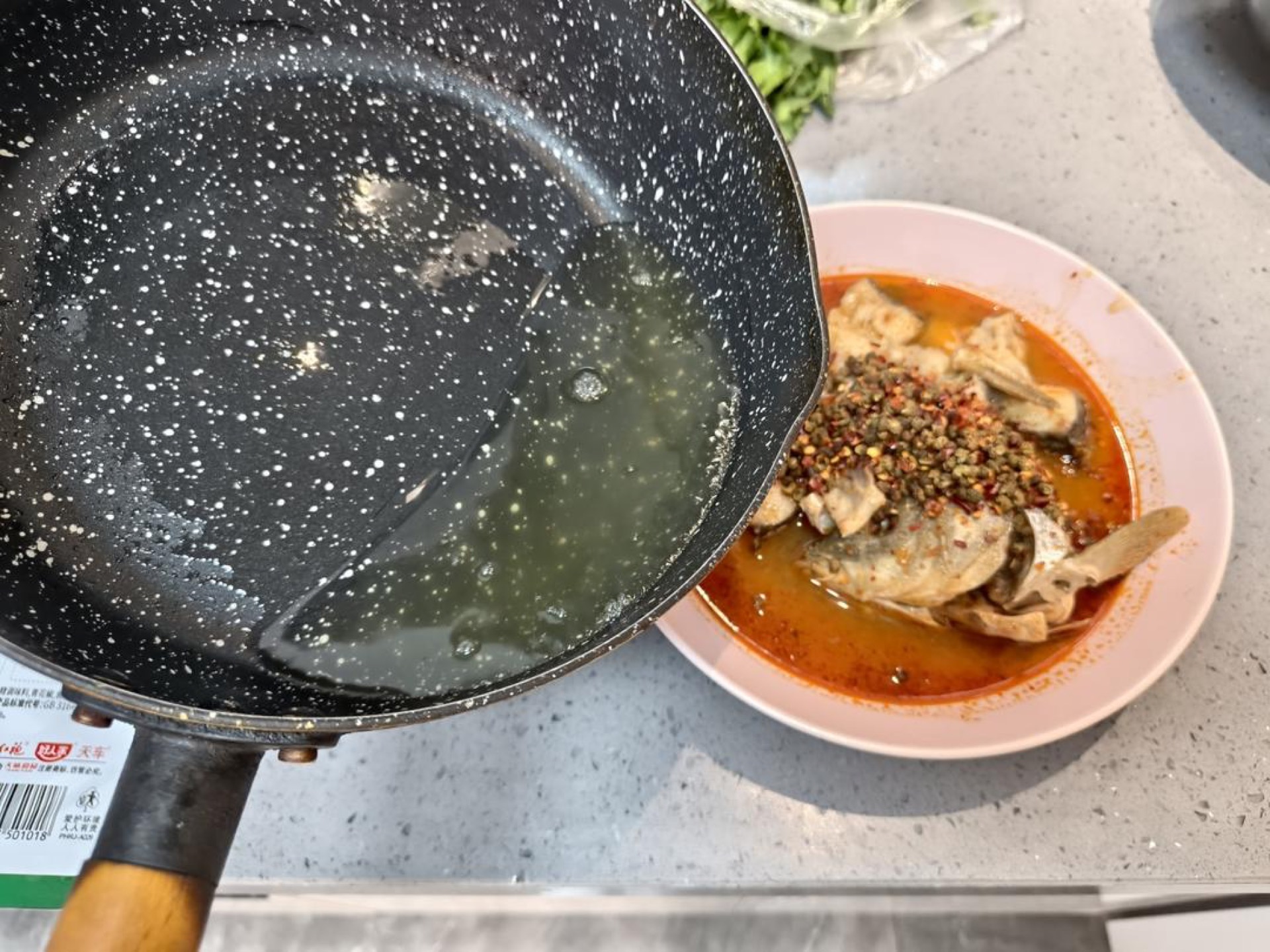
Step 5 — Sizzle the Topping
Plate the fish, scatter the dry seasoning packet over the top, and pour hot oil over it to release the aroma.
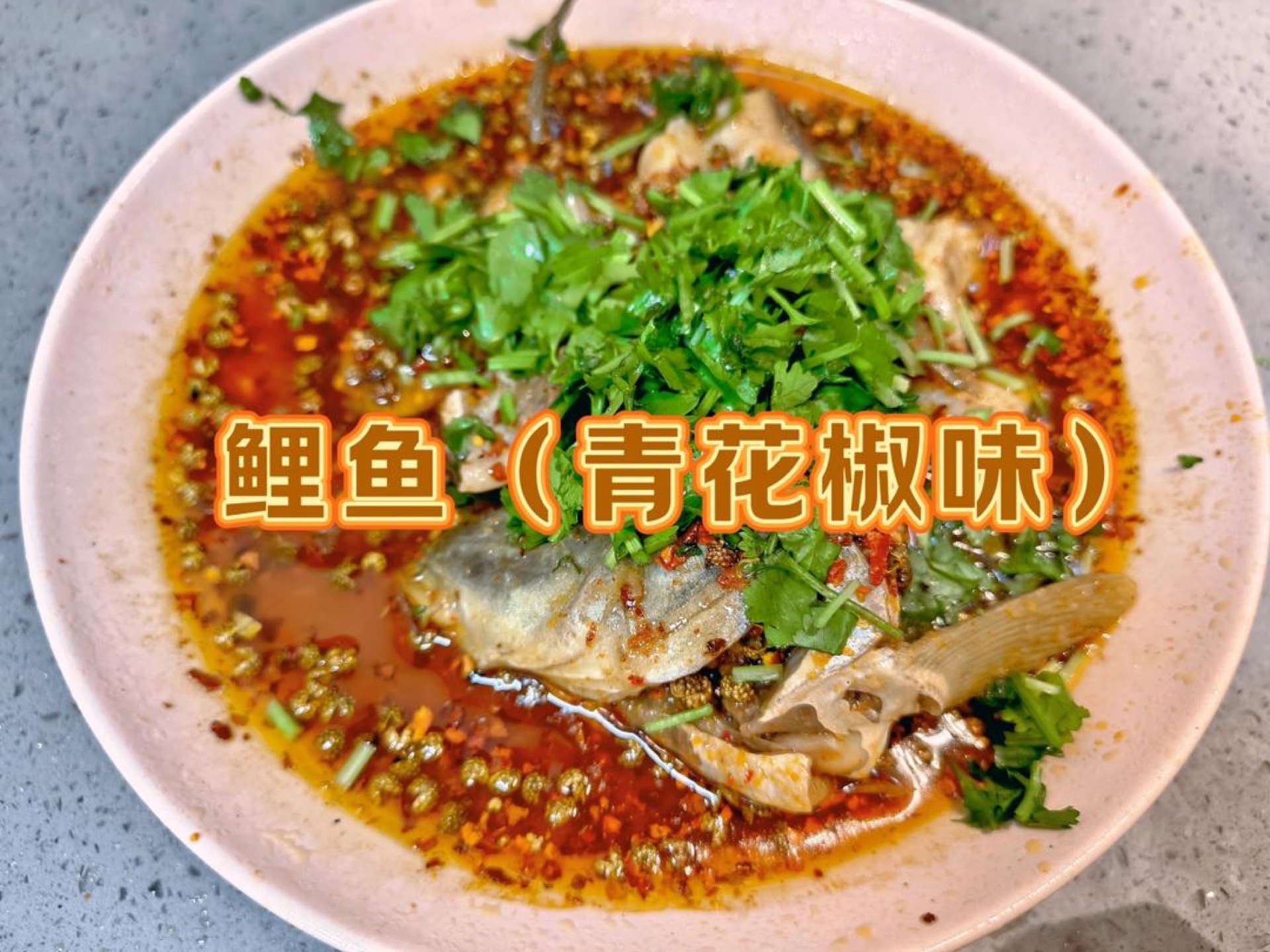
Step 6 — Finish with Cilantro
Finish by scattering a generous handful of chopped cilantro over the dish and serve.
Common Mistakes When Making Green Sichuan Pepper Carp
1. Boiling the fish hard. A rolling boil agitates the pieces and makes them flake apart. The cause is impatience or too high a flame. The fix is to bring the broth to a boil first, then reduce it to a bare simmer before the fish goes in, and keep it there.
2. Skipping the blood line. The dark line along the spine and the residue in the cavity are where muddy flavors hide. The cause is rushing the cleaning step. The fix is to rinse thoroughly, rub the cavity with a little salt, and rinse again until the water runs clear.
3. Adding the green peppercorns too early. Their citrusy oils are volatile and cook off quickly. The cause is treating them like dried red peppercorns. The fix is to add most of them at the very end, either in the dry topping or in the hot oil itself.
4. Burning the chili flakes. If the oil is smoking and dark, it will scorch the flakes and turn the topping bitter. The cause is overheating the oil. The fix is to heat it until it shimmers and a single flake sizzles on contact, then pour immediately and evenly.
5. Overcrowding the wok. Too many pieces at once drop the temperature and steam the fish rather than poach it. The cause is using a pan that is too small. The fix is to cook in batches or use a wide wok, and to keep the pieces in a single layer.
6. Underseasoning the broth. The fish itself is mild, so a flat broth makes a dull dish. The cause is adding soy sauce without tasting. The fix is to taste the broth before the fish goes in and adjust with a little more soy or a pinch of sugar.
Variations
With fillets instead of whole fish. Use firm white fillets such as catfish or sea bass, cut into large chunks. Skip the head-and-tail step and poach for 3 to 4 minutes, until just opaque.
Extra numbing. Add a teaspoon of ground toasted Sichuan pepper to the finishing oil along with the green peppercorns for a stronger ma sensation.
Tomato and pickled chili version. Some Sichuan cooks add a spoonful of pickled chili or a chopped tomato to the broth for a tangy, slightly sweeter base. It is a different dish, but a delicious one.
Vegetable-forward. Add sliced napa cabbage, enoki mushrooms, or bean sprouts to the broth before the fish and ladle everything into a deep bowl. The vegetables soak up the pepper oil beautifully.
Milder for beginners. Reduce the chili flakes to one tablespoon and use a mild flake, keeping the green peppercorns at full strength so the aroma still shines.
If you like the idea of a warm, aromatic Sichuan meal, our chinese foil packet technique is another low-mess way to layer spice and steam.
Frequently Asked Questions
Can I use frozen green Sichuan peppercorns? Yes, and they are often better than dried. Thaw them briefly and use them straight in the finishing oil; their aroma is closer to fresh than the dried kind.
How do I know when the carp is cooked? The flesh turns opaque and flakes easily with a fork, and an instant-read thermometer inserted into the thickest piece reads 145°F (63°C). The head and tail sections need the full 3 minutes; the thinner body pieces take about 2.
Can I make this ahead? You can clean, chop, and marinate the fish up to a few hours ahead and refrigerate it. The broth can be made a day in advance and reheated, but the hot-oil finish should be done just before serving for the best aroma.
Is this dish very spicy? It is more numbing and aromatic than fiery. The chili flakes add warmth, but you can dial them down without losing the dish’s character.
What if I cannot find carp? Tilapia, catfish, or sea bass all work well. Adjust the cooking time to the thickness of the pieces, and always cook to 145°F (63°C).
How to Serve
Green Sichuan pepper carp is best served immediately, in a shallow bowl or a deep platter with plenty of the broth spooned over the top. Steamed white rice is the classic partner, and a simple cucumber salad or blanched greens cut through the richness of the oil.
For a heartier spread, our sweet and sour pork ribs add a tangy, caramelized contrast that balances the numbing pepper, and they can be made ahead while the fish poaches.
A starchy side is also welcome: our pumpkin steamed buns are soft, slightly sweet, and perfect for soaking up the broth.
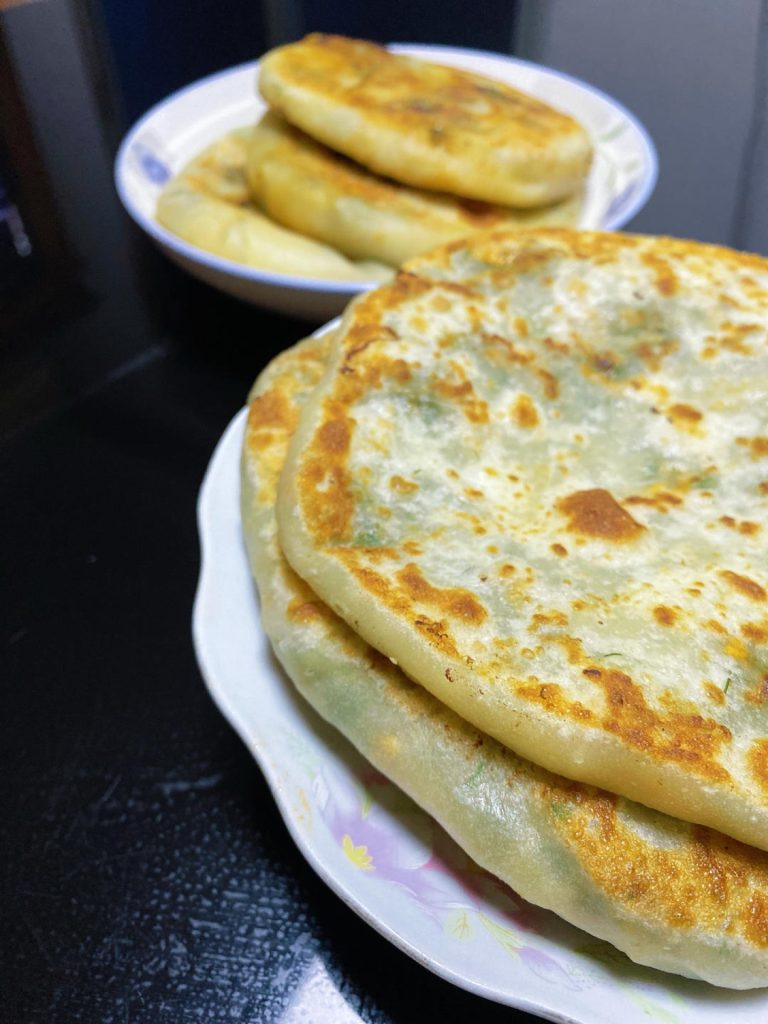
If you want one more dish on the table, our Chinese meat pies make a satisfying, savory companion that rounds out the meal.


Storage & Reheat
Store leftovers in an airtight container in the refrigerator for up to 3 days. Fish dishes are best eaten fresh, so try to reheat only what you plan to eat. Reheat gently in a covered pan over low heat with a splash of water or broth to keep the fish moist; avoid the microwave on high, which can toughen the flesh.
The broth and oil can be kept separately if you like, and the oil can be reused once for another quick stir-fry. Do not refreeze fish that has already been cooked and chilled.
Allergen Notice
This dish contains fish (carp) and soy, and soy sauce typically contains wheat, so it is not gluten-free as written. If you are cooking for someone with a soy or wheat allergy, use a tamari-based or coconut-aminos substitute and check your chili flakes and other packaged seasonings for hidden allergens. Always read labels if you are cooking for someone with a serious allergy.
Nutrition Disclaimer
Nutrition information is calculated using an ingredient database and should be considered an estimate. In cases where multiple ingredient alternatives are given, the first listed is calculated for nutrition. Garnishes and optional ingredients are not included.
About the Author & Recipe Development
Lin is the cook and writer behind Woks of Love, where she shares the home-style Chinese recipes she grew up with and the ones she has picked up along the way. This green Sichuan pepper carp grew out of a trip through Sichuan’s peppercorn country and a lot of kitchen testing with different fish and pepper ratios.
The recipe was developed to be forgiving for home cooks: the poaching method protects delicate fish, the layered aromatics do the heavy lifting, and the hot-oil finish delivers the aroma that makes the dish feel special. If you make it, adjust the chili and pepper to your taste — the technique will hold.
Authoritative References
For safe cooking temperatures and food handling, see the FDA Food Code and the USDA safe temperature chart, which list 145°F (63°C) for fish. For background on Sichuan pepper and its chemistry, see the overview of Sichuan pepper and the WHO food safety fact sheet.
Green Sichuan Pepper Carp (青花椒鲤鱼): Numbing Pepper Kick, Tender

Equipment
- Wok
- Cutting Board
- Slotted Spoon
Ingredients
For the Fish and Marinade
- 1 whole carp about 2 lb, scaled, gutted, and cleaned
- 1 tbsp Shaoxing wine
- 1 tsp salt
- 2 tbsp ginger peeled and sliced
For the Broth
- 2 tbsp cooking oil
- 3 cloves garlic smashed
- 3 slices ginger
- 2 cups water
- 2 tbsp light soy sauce
- 1 tsp sugar
For the Finish
- 2 tbsp green Sichuan pepper qinghuajiao, fresh or frozen
- 2 tbsp dried chili flakes
- 3 tbsp cooking oil for the sizzle
- 1 handful cilantro chopped
Instructions
- Scale, gut, and clean the carp, removing the intestinal organs and the muddy-tasting blood line, then chop it into thick pieces.

- Toss the carp pieces with the marinade packet and let them sit for 10 minutes, or longer for deeper flavor.
- Heat oil in a wok, stir-fry the seasoning packet until fragrant, then pour in water and bring it to a boil.
- When the water boils, add the fish head and tail first and cook for 3 minutes, then slide in the remaining fish pieces and cook for 2 more minutes.
- Plate the fish, scatter the dry seasoning packet over the top, and pour hot oil over it to release the aroma.
- Finish by scattering a generous handful of chopped cilantro over the dish and serve.






Leave a Reply