There are days when I open the refrigerator and it stares back at me, practically empty. We have all been there—the vegetable drawer is bare, the meat is frozen solid, and the idea of spending an hour cooking feels impossible.
This recipe is my secret weapon for those exact moments. It is a “Golden Egg Fried Rice” flavored with a savory sauce that takes literally five minutes to cook. The beauty of this dish lies in its simplicity. You only need three main things: cold leftover rice, eggs, and Yellow Soybean Paste (or Huang Dou Jiang).
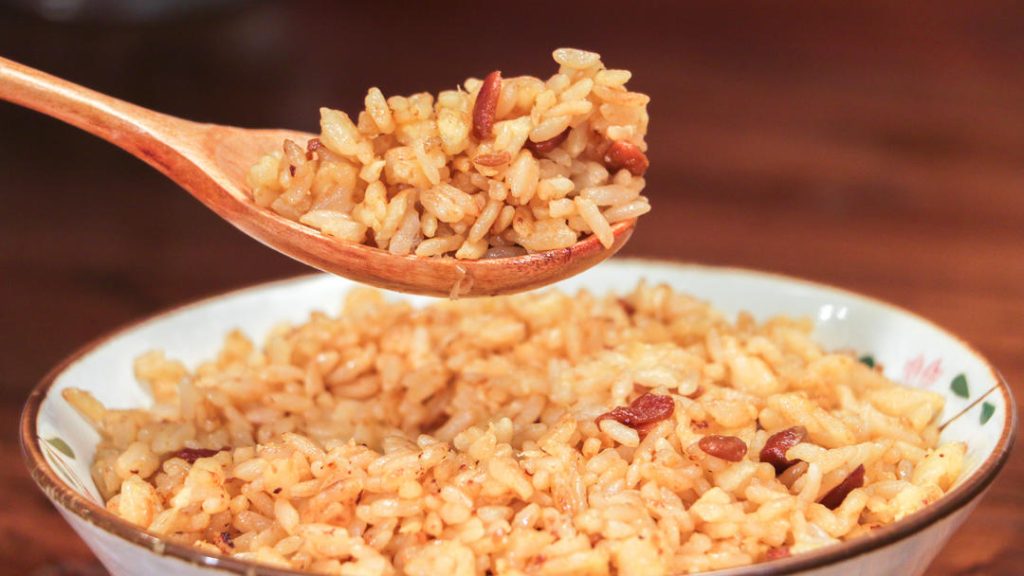
While the original concept might remind some of a Japanese “Miso Fried Rice,” in our Chinese kitchen, we rely on Huang Dou Jiang. It creates a deeply savory, glossy, and incredibly aromatic meal that tastes far more complex than the effort required to make it.
Why This Recipe Works (The “Golden” Technique)
You might be wondering, “Why do we mix the raw egg into the cold rice before cooking?” This is a classic Chinese technique often called “Gold-Over-Silver” (Jin Bao Yin).
- Grain Separation: The egg yolk acts as a natural emulsifier and coating agent. By mixing it with the cold rice, it separates the grains before they even hit the heat. This guarantees that you won’t end up with clumpy, mushy fried rice.
- Flavor Absorption: If we scrambled the eggs separately (as we do in our Yangzhou Fried Rice), the eggs would absorb the salty soybean paste sauce too quickly, becoming overpowering. By coating the rice, the flavor is distributed evenly across every single grain.
- Texture: As the egg cooks around the rice, it creates a crispy, golden shell that locks in moisture while keeping the exterior dry and fluffy.
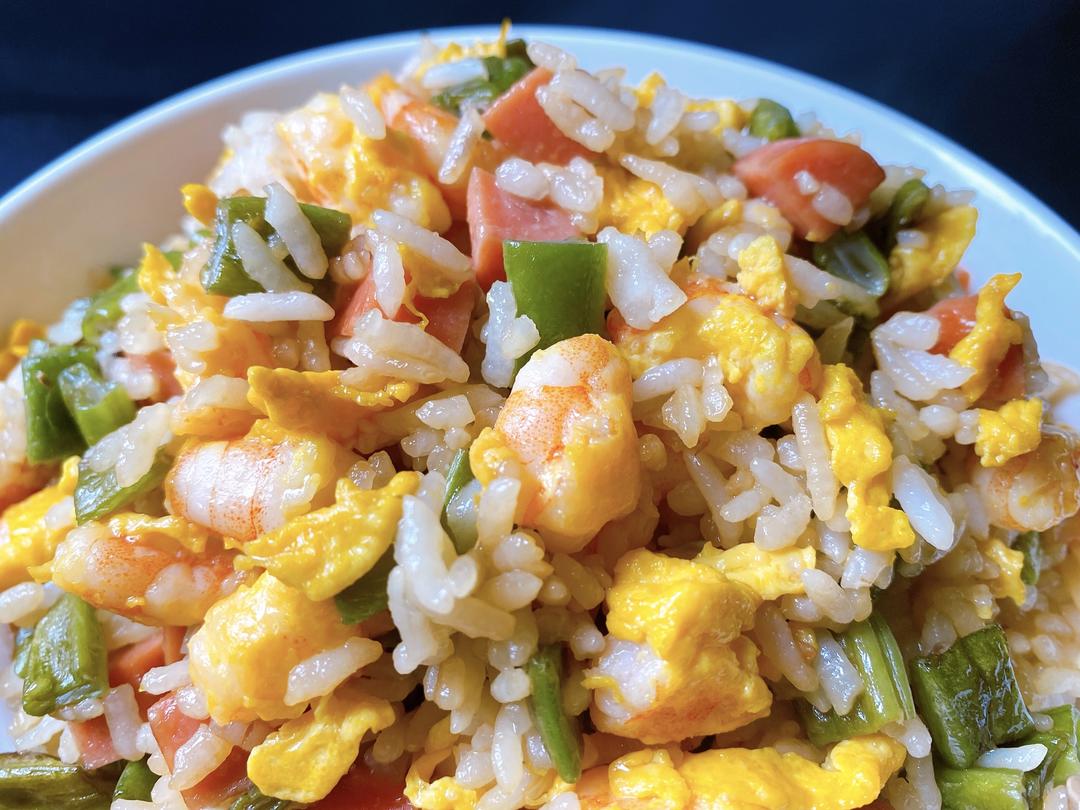
While this 5-minute golden egg fried rice is my absolute go-to for a quick, umami-packed dinner, the bold flavors and distinct grains can sometimes be a bit much for tiny palates. If you are cooking for toddlers or anyone with a sensitive stomach who prefers a gentler meal, I highly recommend trying my Shrimp & Green Bean Fried Rice: A Chef’s Soft Chao Fan. I originally developed it for my 3-year-old son—it uses a unique wok-steaming trick to make the rice grains incredibly tender and easy to digest, all while sneaking in some great protein and veggies!
1Shrimp & Green Bean Fried Rice: A Chef’s Soft Chao FanA kid-friendly, highly digestible fried rice using a unique steaming method to ensure soft grains, fully cooked green beans, and delicious flavor.Check out this recipe
What is Huang Dou Jiang?
Yellow Soybean Paste (Huang Dou Jiang) is a fermented paste made from yellow soybeans, salt, and water. It is rustic, salty, and packed with umami—think of it as the rougher, bolder cousin to Japanese Miso.
In Northern Chinese cuisine, it is the soul of dishes like Zha Jiang Mian. It adds a rich, fermented depth that salt or soy sauce simply cannot achieve. If you are feeling adventurous, you can even try making your own Yellow Soybean Paste at home!
Substitutions: If you cannot find Huang Dou Jiang, you can substitute it with Korean Doenjang or a mix of Japanese Miso and a teaspoon of soy sauce. The flavor profile will shift slightly, but it will still be delicious.
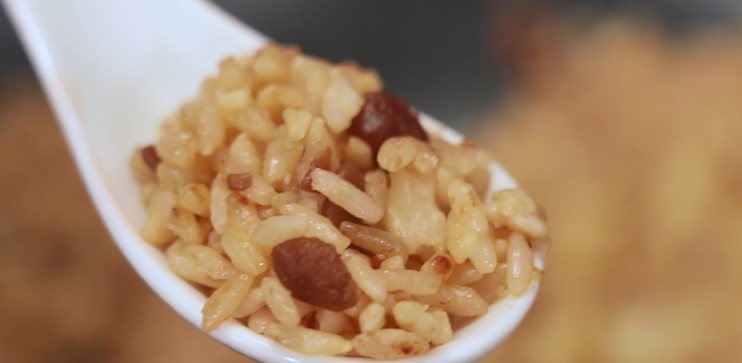
2Yangzhou Fried Rice (Yang Zhou Chao Fan)This authentic Yangzhou Fried Rice recipe uses ham, eggs, and mixed vegetables to create a colorful, restaurant-quality meal at home. The secret lies in using day-old rice for that perfect, granular texture.Check out this recipe

Ingredients You Will Need
- 2 cups Cooked Rice: Ideally cold, day-old rice. Jasmine or medium-grain rice works best.
- 2 Large Eggs: These will be cracked directly into the rice.
- 2 tbsp Yellow Soybean Paste (Huang Dou Jiang): The star flavor.
- 2-3 tbsp Water: To thin out the paste.
- 1 tbsp Neutral Oil: For stir-frying.
- Optional: Chopped scallions or diced carrots if you have them, but they aren’t strictly necessary.
Recipe Notes Before We Begin
- The Rice Matters: Fresh, hot rice will turn into a sticky mess. If you must use fresh rice, spread it out on a baking sheet and put it in the fridge for 30 minutes to dry out the surface moisture.
- Sauce Consistency: We mix the soybean paste with water to create a slurry. If you add thick paste directly to the hot wok, it will burn in spots and leave other parts unseasoned. The water helps the sauce coat the “dancing” rice grains evenly.
- Wok Temperature: You need high heat. If the pan isn’t hot enough, the egg-coated rice will just steam instead of frying.
How to Make Golden Egg Fried Rice
1. The “Golden” Prep
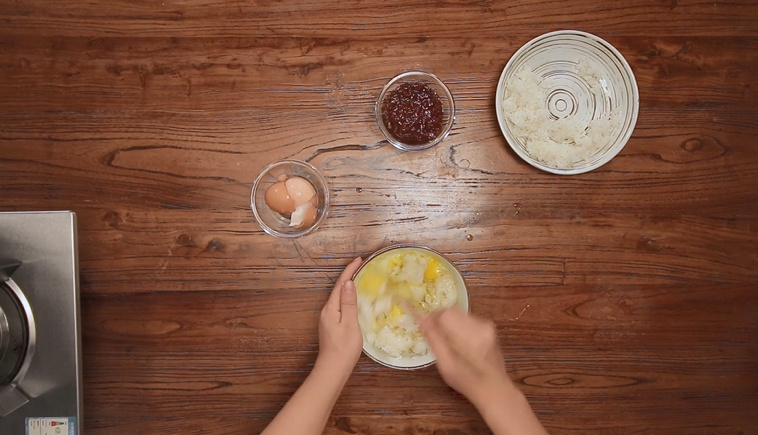
Place your cold cooked rice into a large mixing bowl. Crack the two eggs directly over the rice. Using chopsticks or a spatula, mix vigorously until every grain of rice is coated in the yellow egg mixture.
Why we do this: The egg whites help separate the grains, while the yolks provide that beautiful golden color. This step ensures that when we add the salty sauce later, the egg doesn’t soak it all up and become too salty.
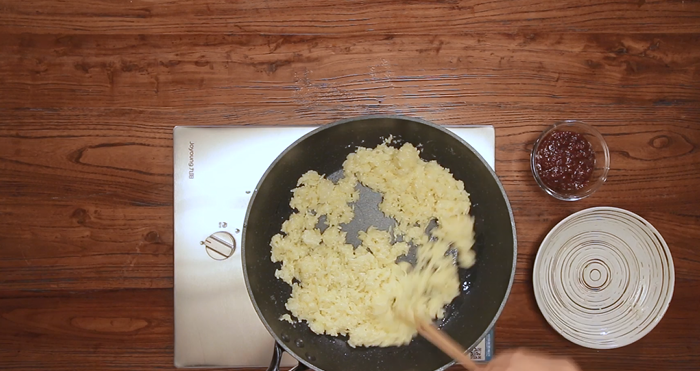
2. Prepare the Sauce
In a small bowl, mix the Yellow Soybean Paste with the water. Stir until it is a smooth, pourable slurry. Set this aside next to your stove.
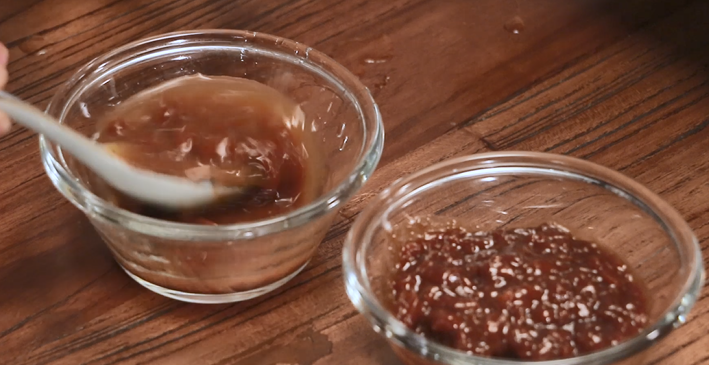
3. Stir-Fry the Rice
Heat your wok (or large skillet) over high heat. Add the oil and swirl to coat the bottom. Pour the egg-coated rice mixture into the hot wok.
Immediately start stirring. Initially, it will look wet and sticky—don’t panic! Keep stirring and tossing. As the egg cooks, the rice grains will begin to separate. Continue stir-frying over medium-high heat until the rice becomes dry, fluffy, and the grains look like they are “dancing” or jumping in the wok. This indicates the moisture has evaporated.
4. Season and Serve
Once the rice is dry and fluffy, pour the soybean paste slurry over the rice. Stir rapidly to distribute the sauce. The water in the sauce will evaporate quickly (creating steam that helps cook the rice through), leaving behind the savory bean paste clinging to the grains.
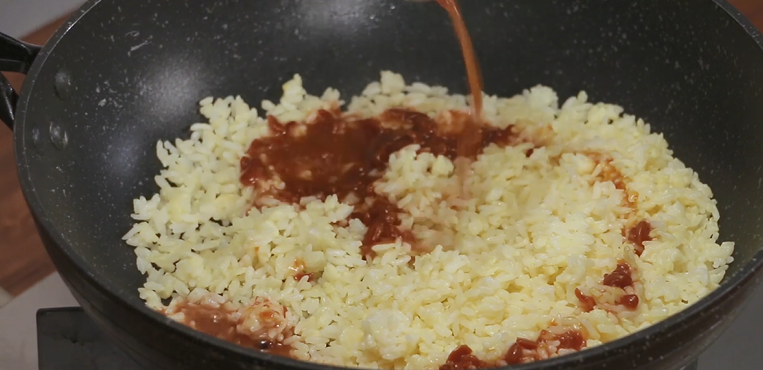
Toss for another 30-60 seconds until the rice is dry again and fragrant. If you have scallions, toss them in now. Turn off the heat and serve immediately.
Serving Suggestions
This dish is a lifesaver because it is a complete meal in a bowl. However, if you want to round out the table, it pairs beautifully with:
- Soup: A simple Tomato Egg Drop Soup adds moisture and comfort to the meal.
- Greens: A quick Smashed Cucumber Salad provides a refreshing crunch and acidity to cut through the savory rice.
- Protein: If you are extra hungry, some Garlic Fried Shrimp can be cooked in minutes alongside the rice.
Common Mistakes When Making Golden Fried Rice
- Using Hot Rice: This is the number one error. Hot rice releases too much starch and moisture, resulting in a gummy texture. Always use cold rice.
- Not Drying the Rice: Beginners often stop stir-frying while the egg is still wet. You must keep flipping the rice until you see individual grains separating. If it looks like oatmeal, keep cooking!
- Burning the Paste: Soybean paste has sugar and starch, so it burns easily. This is why we dilute it with water and add it only at the very end of the cooking process.
About the Author & Recipe Development
I’m Lin, and I grew up in a household where nothing went to waste. My father, a chef, taught me that the humblest ingredients often make the most satisfying meals if you understand the technique. This “Golden Egg” method is a staple in professional Chinese kitchens to ensure consistent texture, but it is incredibly practical for home cooks too.
We tested this recipe using both a high-BTU gas wok burner and a standard electric flat-top stove. While the wok provides that smoky wok hei, the electric stove version works perfectly fine because the egg coating protects the rice from sticking, acting almost like a non-stick barrier.
Food Safety and Preparation
- Rice Storage: Cooked rice can grow bacteria (Bacillus cereus) if left at room temperature. Always refrigerate leftover rice within 2 hours of cooking.
- Egg Safety: Since we are mixing raw egg with the rice, ensure you cook the rice thoroughly until it is piping hot (165°F/74°C) to eliminate any risk of salmonella.
- Allergens: This recipe contains Eggs and Soy (in the paste). If you are gluten-free, ensure your soybean paste is wheat-free or substitute with a GF Miso.
Notes:
- Texture Tip: If your rice is very dry and hard coming out of the fridge, you can sprinkle a teaspoon of water on it before mixing with the egg to help it rehydrate during cooking.
- Variations: Feel free to add diced ham, peas, or corn, similar to how we do in our Beef Fried Rice.
- Substitution: If you cannot find Huang Dou Jiang, Red Miso is a decent substitute, though it lacks the specific fermented “funk” of the Chinese paste.
Nutrition Info (Estimate):
- Calories: 320 kcal
- Carbohydrates: 45g
- Protein: 10g
- Fat: 9g
- Sodium: 680mg
- Sugar: 2g (Disclaimer: Nutrition information is calculated using an ingredient database and should be considered an estimate. Garnishes and optional ingredients are not included.)
Authoritative References
- Rice Safety: For more on how to safely store and reheat rice, refer to the USDA Food Safety and Inspection Service guide on leftovers.
- Soybean Paste: To understand the fermentation process of soybean pastes, the Food and Agriculture Organization (FAO) offers detailed insights into fermented legume products.
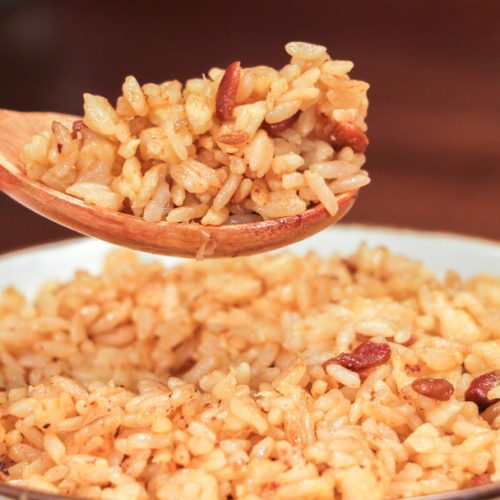
5-Minute Golden Egg Fried Rice with Soybean Paste

Equipment
- 1 Wok Or large non-stick skillet
- 1 Mixing Bowl Large
- 1 Spatula
Ingredients
Rice & Egg Base
- 2 cups cooked rice cold, day-old jasmine rice is best
- 2 large eggs
- 1 tbsp neutral oil vegetable or canola
The Sauce
- 2 tbsp Yellow Soybean Paste (Huang Dou Jiang) can substitute with Miso
- 3 tbsp water to thin the paste
- 1 stalk scallion chopped (optional)
Instructions
- In a large bowl, combine the cold cooked rice and crack the two eggs directly on top. Mix thoroughly until every grain is coated in the yellow egg liquid.
- In a small cup, mix the Yellow Soybean Paste with the water until it forms a smooth liquid slurry.
- Place your wok over medium-high heat. Add the oil and swirl to coat the surface.
- Pour the egg-rice mixture into the hot wok. Stir-fry continuously. At first, it will be wet, but as you cook, the egg will set and the grains will separate. Cook until the rice is dry and “dancing” in the pan (about 2 minutes).
- Pour the soybean paste slurry over the rice. Stir-fry vigorously on high heat for another minute until the liquid evaporates and the savory aroma fills the kitchen.
- Taste and check for seasoning (the paste is salty, so you likely won’t need salt). Garnish with green onions if using, and serve immediately.
Notes
Calories: 320 kcal
Carbohydrates: 45g
Protein: 10g
Fat: 9g
Sodium: 680mg
(Disclaimer: Nutrition information is calculated using an ingredient database and should be considered an estimate. Garnishes and optional ingredients are not included.) Safety Warning: Ensure rice is reheated to an internal temperature of 165°F (74°C) to prevent foodborne illness. Contains Soy and Eggs.






Leave a Reply