You’ve prepped the veggies, sliced the meat perfectly, and reached for that bottle of soy sauce, only to realize it contains wheat as the primary ingredient. It’s a common frustration for home cooks—the very backbone of Chinese flavor is often off-limits for those with gluten sensitivities. I’ve seen many beginners try to skip it entirely, resulting in a bland, grey dish that tastes more like boiled water than a vibrant stir-fry.
The Quick Fix for Umami Lovers
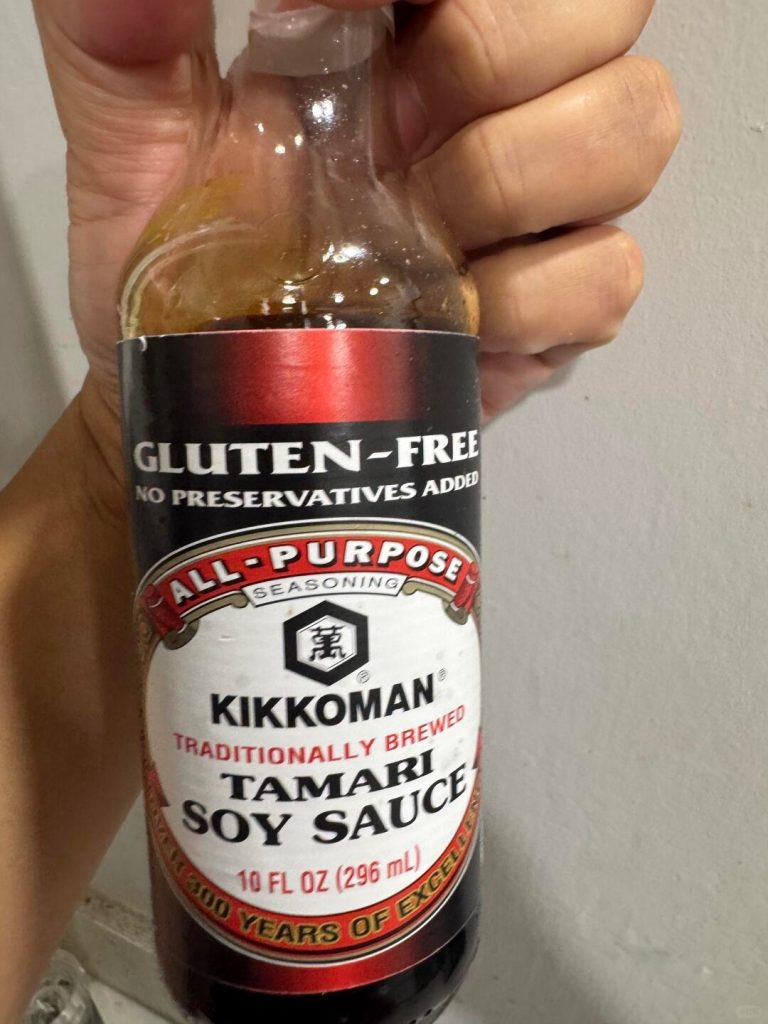
The most reliable, direct substitute for soy sauce is Tamari. It is a Japanese-style soy sauce made with little to no wheat, offering a richer, deeper saltiness that mimics traditional light soy sauce almost perfectly. If you are soy-free as well, reach for Coconut Aminos, but be prepared to add extra salt to balance its natural sweetness.
The Chemistry of the Substitute: Why it Works
Traditional soy sauce is a fermented product where wheat provides carbohydrates for the mold (koji) to feed on, creating a slight sweetness and a specific “body” or viscosity. When we switch to gluten-free alternatives, we are looking to replace two things: amino acids (umami) and sodium (saltiness).
- Tamari works because it uses more soy protein during fermentation, resulting in a higher concentration of savory peptides.
- Coconut Aminos uses the sap of coconut palms, which is naturally rich in minerals and sugar, though it lacks the fermented “funk” of soy.
Real Kitchen Insight: What the Bottles Won’t Tell You
In a restaurant kitchen, we treat soy sauce as more than just salt; we treat it as a seasoning and a coloring agent. What most beginners don’t realize is that gluten-free substitutes are often “thinner.” If you are making something like Gluten-Free Dumplings, a standard GF sauce might just slide off the wrapper. In my experience, if you want that deep, mahogany glaze usually provided by dark soy sauce, you need to supplement your GF light sauce with a tiny bit of molasses or brown sugar to mimic the viscosity and color.
Essential GF Alternatives & How to Use Them
| Ingredient | Best For | Flavor Profile | Western Substitute |
|---|---|---|---|
| Tamari | All-purpose cooking | Deep, savory, salty | Liquid Aminos |
| Coconut Aminos | Marinades/Paleo | Sweet, light umami | Soy sauce + sugar (not GF) |
| Liquid Aminos | Quick stir-fries | Very salty, clean | Tamari |
| GF Oyster Sauce | Glazes | Thick, earthy, sweet | Mushroom sauce (GF) |
导出到 Google 表格
The Prep Strategy for Flavor Success
When working with GF alternatives, your preparation order matters. Since these sauces often lack the “body” of wheat-based sauces, you need to:
- Concentrate the base: Always whisk your GF sauce with a pinch of MSG (Monosodium Glutamate) or mushroom powder before it hits the pan to boost the umami floor.
- Control Moisture: GF sauces can sometimes be more watery. Ensure your protein is patted dry before searing to prevent the sauce from thinning out into a soup.
Building the Perfect GF Stir-Fry Base
- The Sizzle: Heat your oil until you see the first wisps of smoke.
- Aromatics: Toss in ginger and garlic. You should hear a loud, energetic crackle immediately.
- The Deglaze: Pour your Tamari or GF sauce around the edges of the pan, not directly on the food. Look for the sauce to “flash-boil” and caramelize against the hot metal—this creates the “wok hei” aroma even without wheat.
- The Emulsion: Add your thickening agent (cornstarch slurry) and watch for the liquid to turn from cloudy to translucent and glossy.
5 Common Mistakes + Professional Fixes
| Mistake | Why it happens | The Fix |
|---|---|---|
| Sauce tastes too sweet | Using Coconut Aminos without adjusting salt. | Add a pinch of sea salt or a splash of GF fish sauce. |
| The dish looks pale | GF sauces lack the caramel color of dark soy. | Add 1/4 teaspoon of molasses to your sauce mix. |
| Bitter aftertaste | Some liquid aminos have a chemical edge. | Balance with a tiny drop of toasted sesame oil at the end. |
| Thin, watery texture | GF sauces don’t reduce the same way. | Increase your cornstarch slurry by 20%. |
| No “fermented” depth | Lack of wheat-based fermentation. | Use a tiny bit of GF doubanjiang for depth. |
Pro Tips for Maximum Umami
- The Skillet Hack: If you don’t have a high-BTU burner, use a heavy cast-iron skillet. It retains heat better than a thin wok, helping GF sauces caramelize rather than just steaming the meat.
- Layering: Don’t just use one sauce. Combine Tamari (for salt) with Coconut Aminos (for sweetness) to create a more complex, “expensive” flavor profile.
Dietary Variations
- Soy-Free & GF: Use only Coconut Aminos but double the aromatics (ginger/garlic) to compensate for the milder flavor.
- Low-Sodium: Liquid aminos are typically lower in sodium than Tamari, but always check the label.
Mini Recipe: The “Always-Works” GF Stir-Fry Sauce
- 3 tbsp Tamari
- 1 tbsp Coconut Aminos (for that hint of sweetness)
- 1 tsp Ginger, minced
- 1/2 tsp Sesame oil
- 1 tsp Cornstarch
Instructions: Whisk all ingredients in a small bowl until the starch is dissolved. Pour into your hot pan during the last 60 seconds of cooking. You should see it bubble and cling to the ingredients instantly.
FAQ
Can I use Worcestershire sauce as a substitute? Generally no. Many brands contain malt vinegar (from barley), which contains gluten. Always check the label for a “Gluten-Free” certification.
Does Tamari taste different than regular soy sauce? It is actually smoother and less “sharp” than cheap soy sauce. Many chefs prefer it even if they aren’t gluten-free.
Why is my GF sauce not sticking to the meat? You likely didn’t use a thickener. Since GF sauces are thin, a cornstarch or arrowroot slurry is essential for that restaurant-style coating.
Is all Oyster Sauce gluten-free? No, most contain wheat flour as a thickener. Look specifically for bottles labeled “Gluten-Free” or use a GF-certified mushroom sauce.
Can I substitute GF soy sauce 1:1 in recipes? Yes, but taste as you go. Tamari is saltier than light soy sauce, so start with 75% of the called-for amount.






Leave a Reply