The cabbage dish my neighbor braises when she wants rice to disappear is this one – fish-sauce cabbage, the leaves cooked down with garlic, chili, and a splash of fish sauce until they collapse into savory, umami-rich folds. A home cook wrote it in ten steps with the fish sauce as the whole trick. I made it as written, and it is the braise that proves a humble cabbage can be the loudest plate on the table.
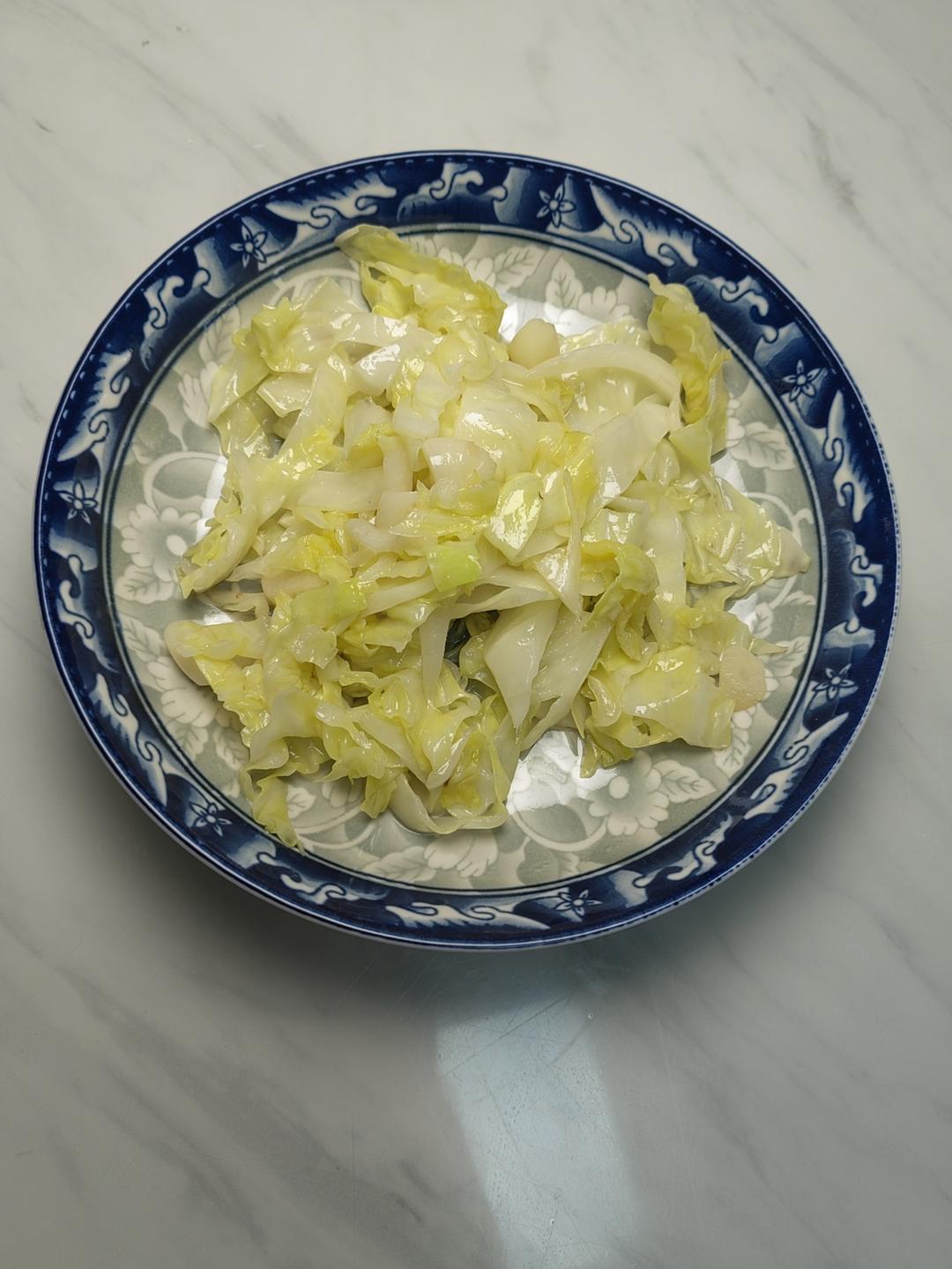
Yu lu bai cai (鱼露白菜) is fish-sauce cabbage – cabbage leaves braised with garlic, chili, and fish sauce until they soften into a savory, umami-rich braise. The original is a 10-step recipe with the fish sauce as its whole personality.
What Is Fish-Sauce Cabbage?
This is a homestyle braised cabbage: the cabbage is cut and cooked with garlic, chili, and a splash of fish sauce – the fermented anchovy sauce that adds a deep, savory umami no soy can quite match – until the leaves collapse into glossy, tender folds. The fish sauce seasons the braise from within, and the result is a rice-emptying plate built on one humble vegetable.
The method is the fish sauce. A little goes far: the recipe’s splash seasons the whole pot, and the cabbage’s own moisture braises it soft. It is the kind of dish where a single pantry bottle turns a head of cabbage into the table’s centerpiece.
For the fermented-cabbage side of the same vegetable, my lazy homemade pao cai is the pickled sibling of this braise.
115-Minute Easy Quick Kimchi (Lazy Homemade Pao Cai)An effortless 15-minute lazy quick kimchi that delivers a crispy, spicy, and tangy crunch with absolutely no tedious fermentation required. Perfect for a quick weeknight side dish.Check out this recipe

Why This Version Works
- The fish sauce is the flavor. A splash seasons the whole braise with deep, savory umami.
- Garlic and chili bloom first. The aromatics perfume the pot before the cabbage goes in.
- The cabbage braises in its own moisture. No stock needed – the leaves soften into the sauce.
- A rice-emptying plate. The recipe’s claim, and the braise delivers it.
- One vegetable, one bottle. The humble dish that proves the pantry does the work.
Equipment Needed
- A wok or skillet with a lid
- A spatula
- A knife
Ingredients
- 1/2 head of cabbage, cut into pieces
- 2 tbsp fish sauce
- Garlic and chili, to taste
- 1 tsp sugar
- Neutral oil, for the pot
Ingredient Notes
Cabbage: Half a head, cut into pieces – the humble star. My lazy pao cai is the pickled version of the same vegetable.
Fish sauce: The splash that seasons everything – fermented anchovy umami. My hand-torn cabbage is the stir-fried side.
Garlic and chili: The perfumers – bloomed first, the pot’s aroma.
Prep & Mise en Place
Cut the cabbage; slice the garlic and chili; measure the fish sauce.
The sequence: bloom the aromatics, add the cabbage, splash in the fish sauce with the sugar, and braise covered until the leaves collapse into the sauce.
Cooking Process
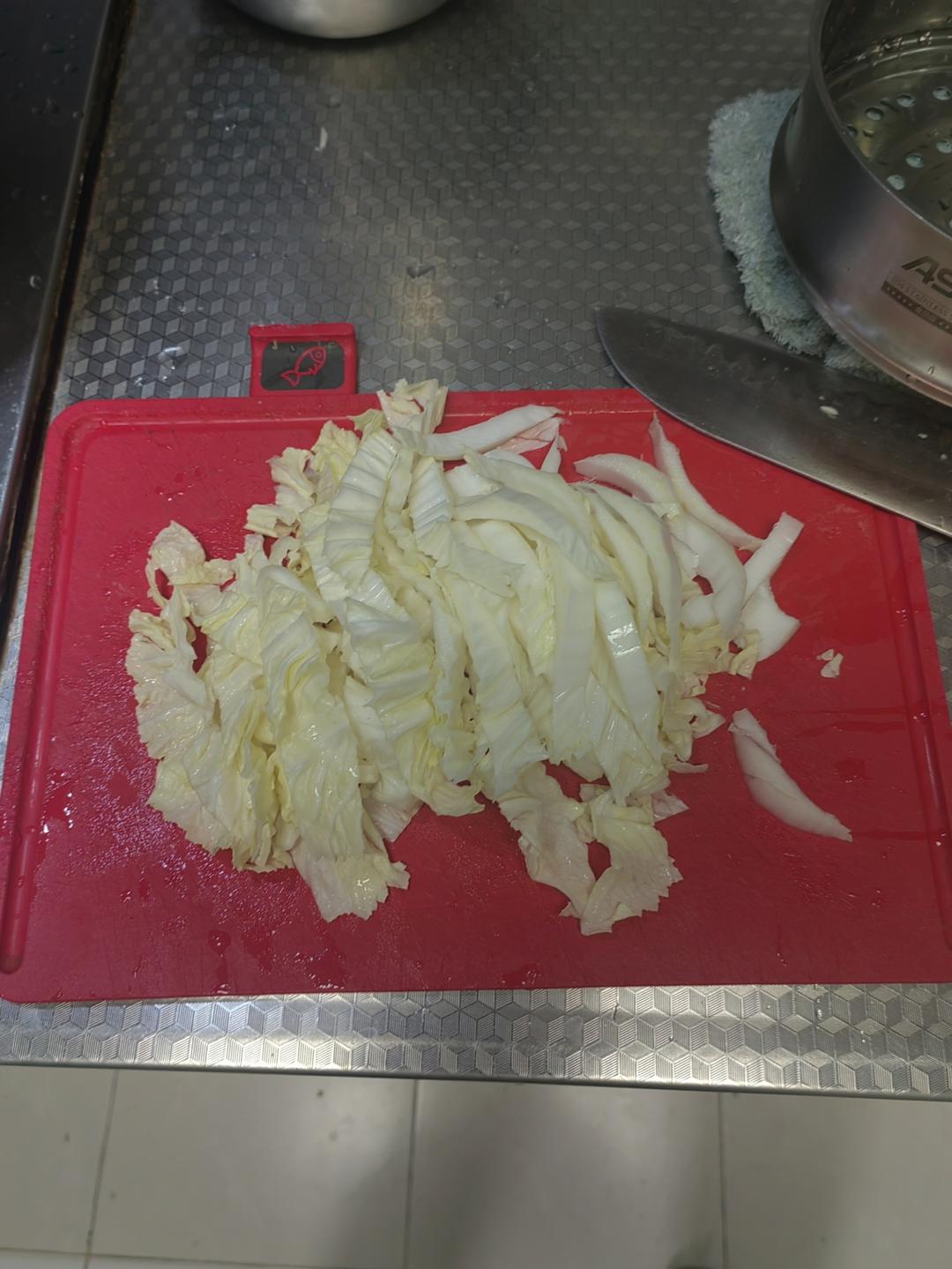
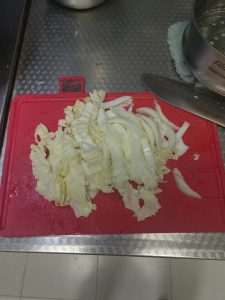
Step 1 – Cut the cabbage into your preferred shape – lately I like st
Cut the cabbage into your preferred shape – lately I like strips (used to cut chunks).
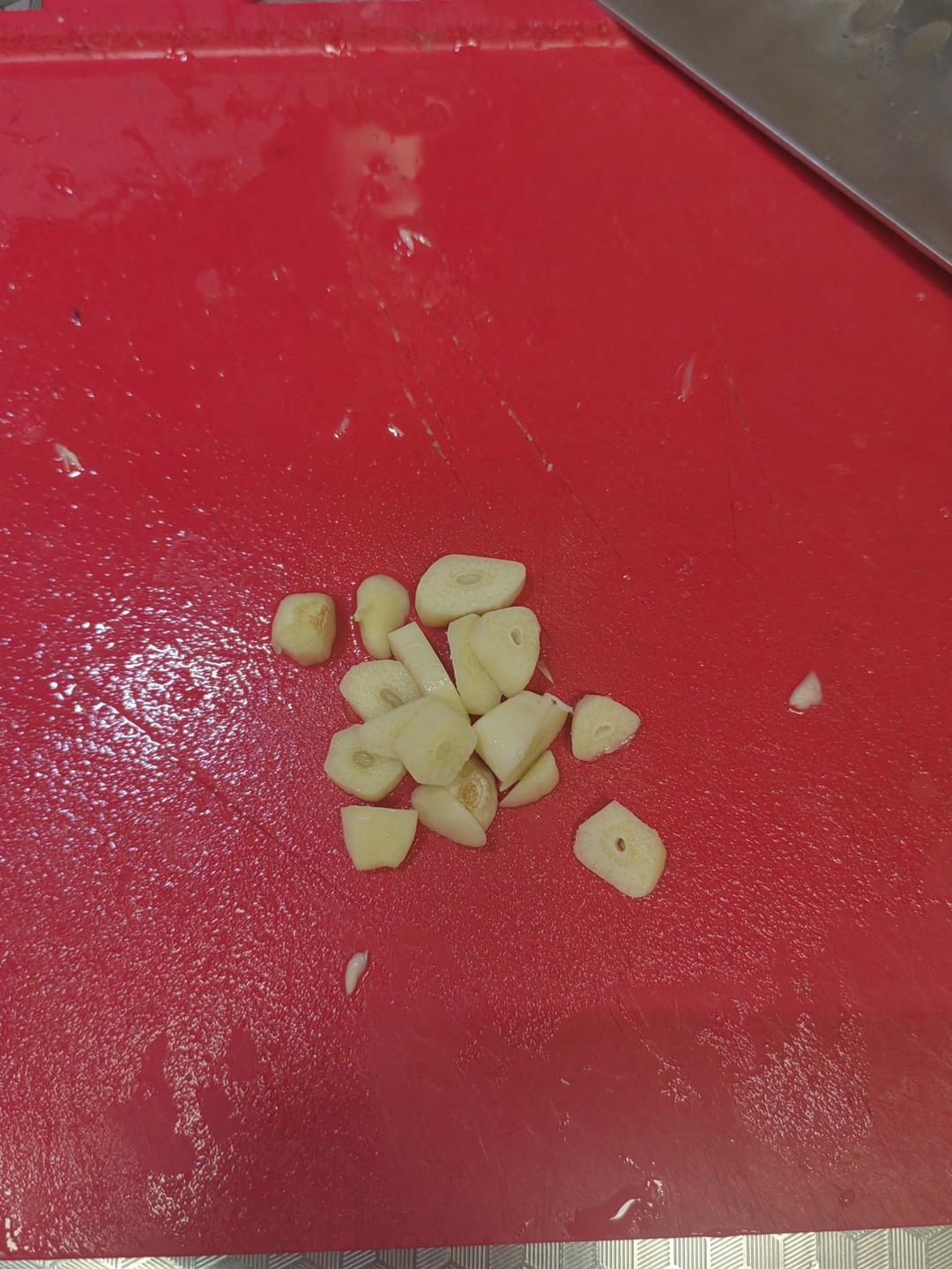
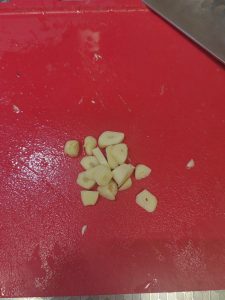
Step 2 – Mince the garlic and set aside
Mince the garlic and set aside.
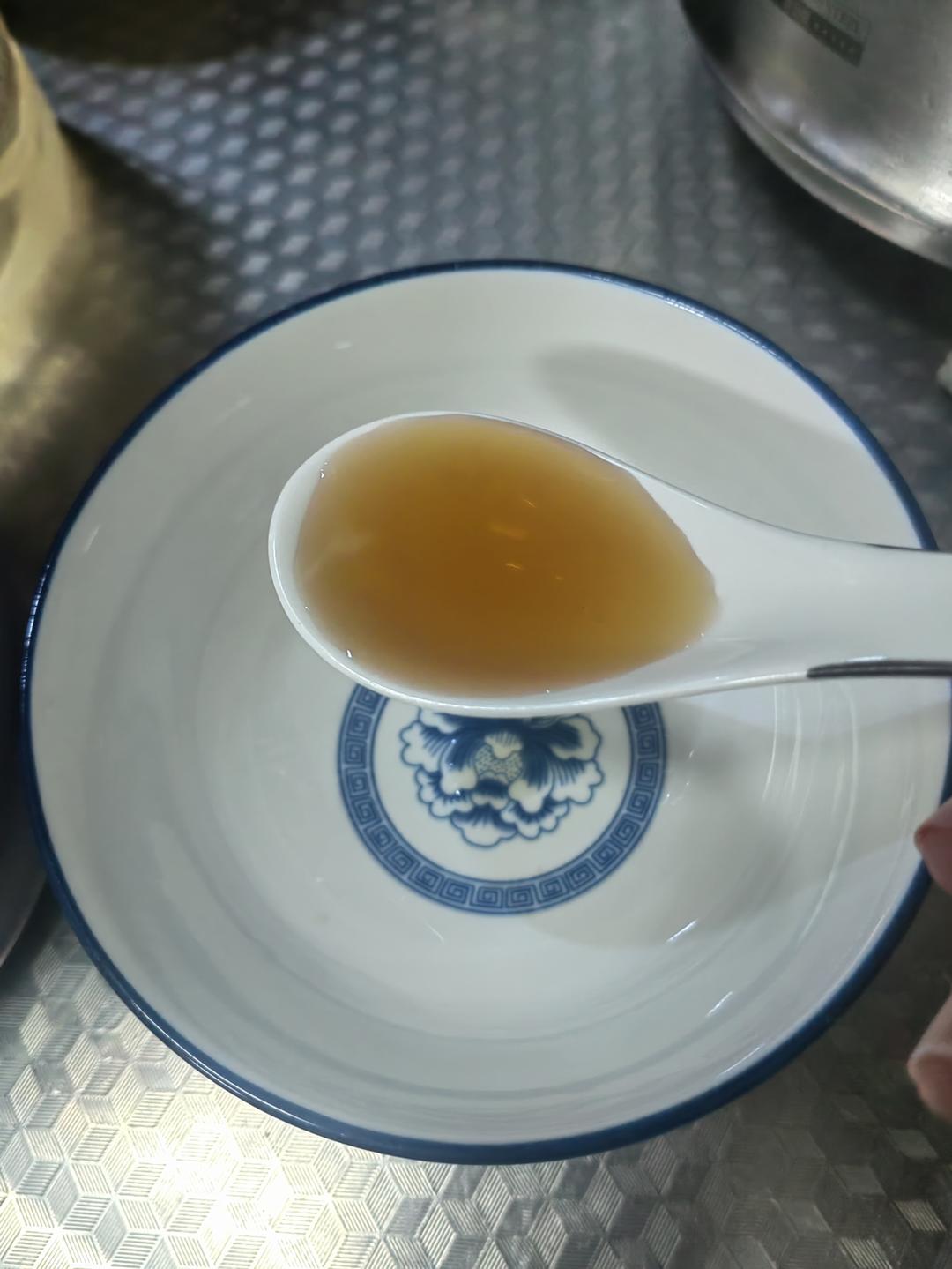
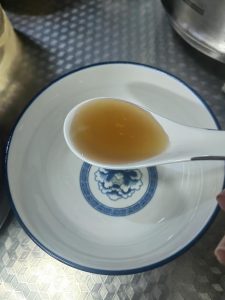
Step 3 – One spoon of huangjiu (yellow wine)
One spoon of huangjiu (yellow wine).
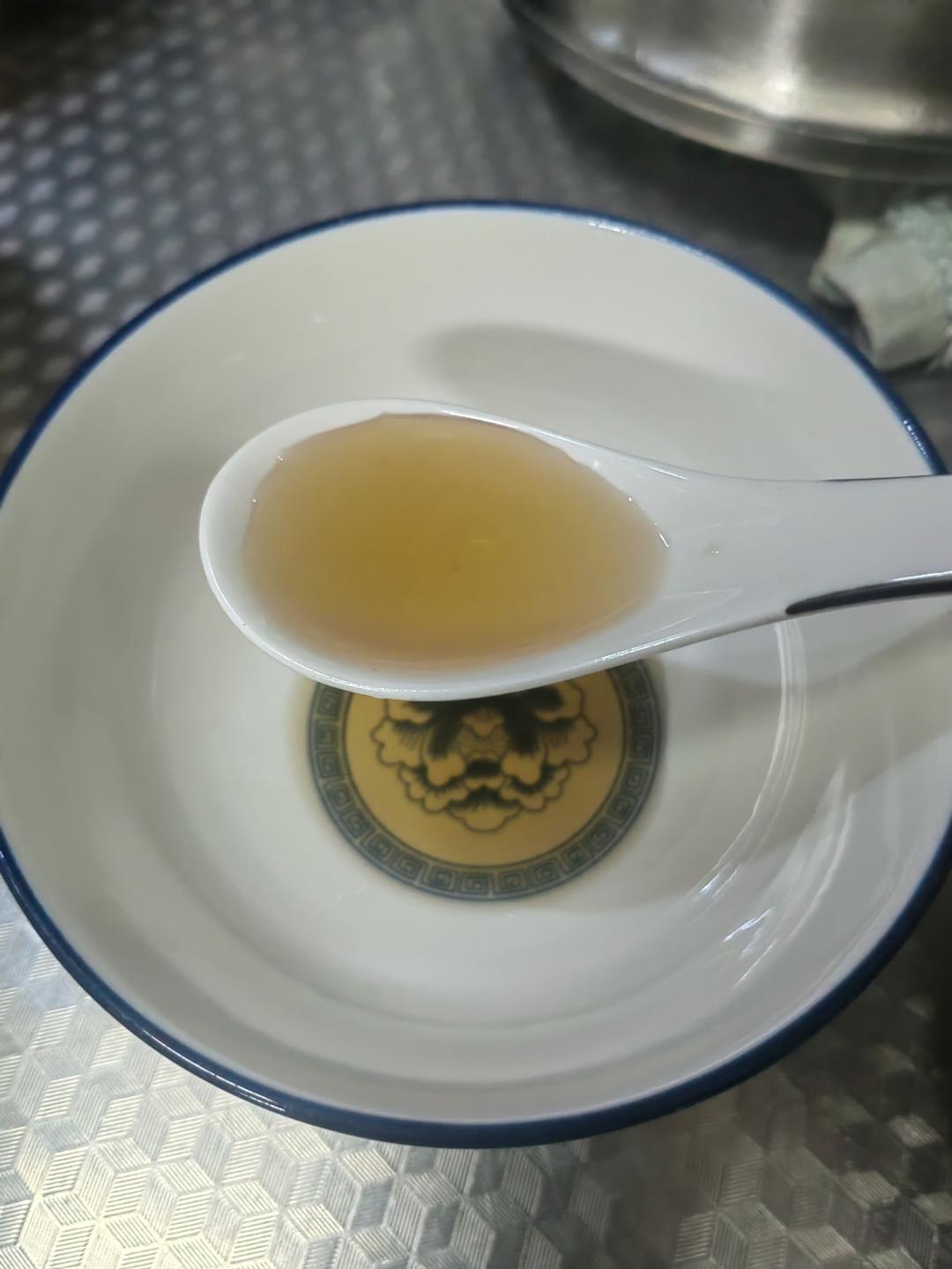
Step 4 – One spoon of fish sauce
One spoon of fish sauce.
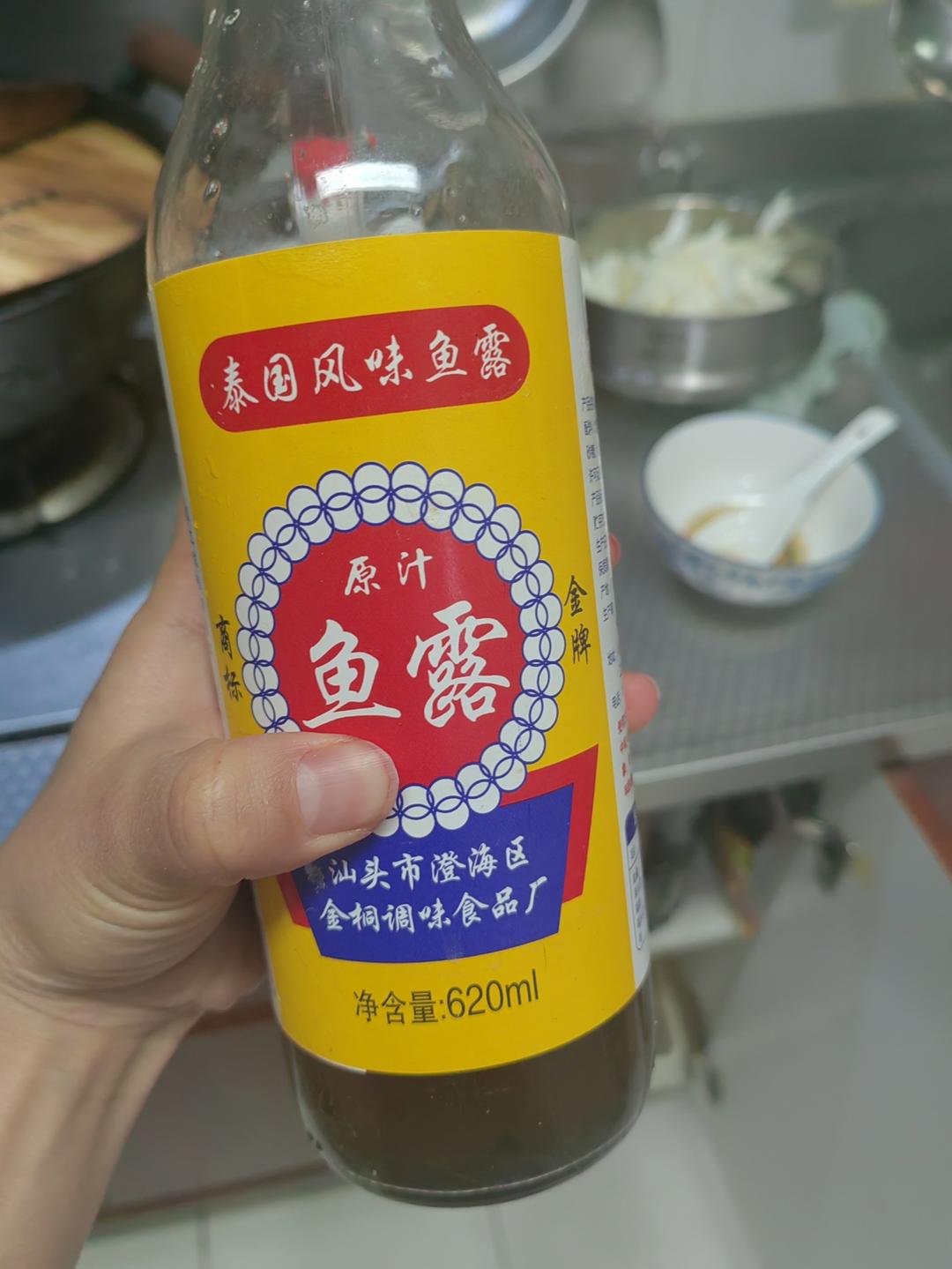
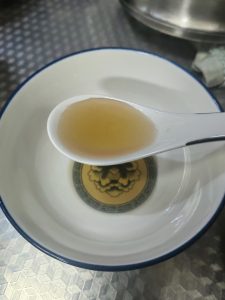
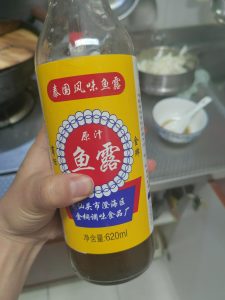
Step 5 – The fish sauce I buy
The fish sauce I buy.
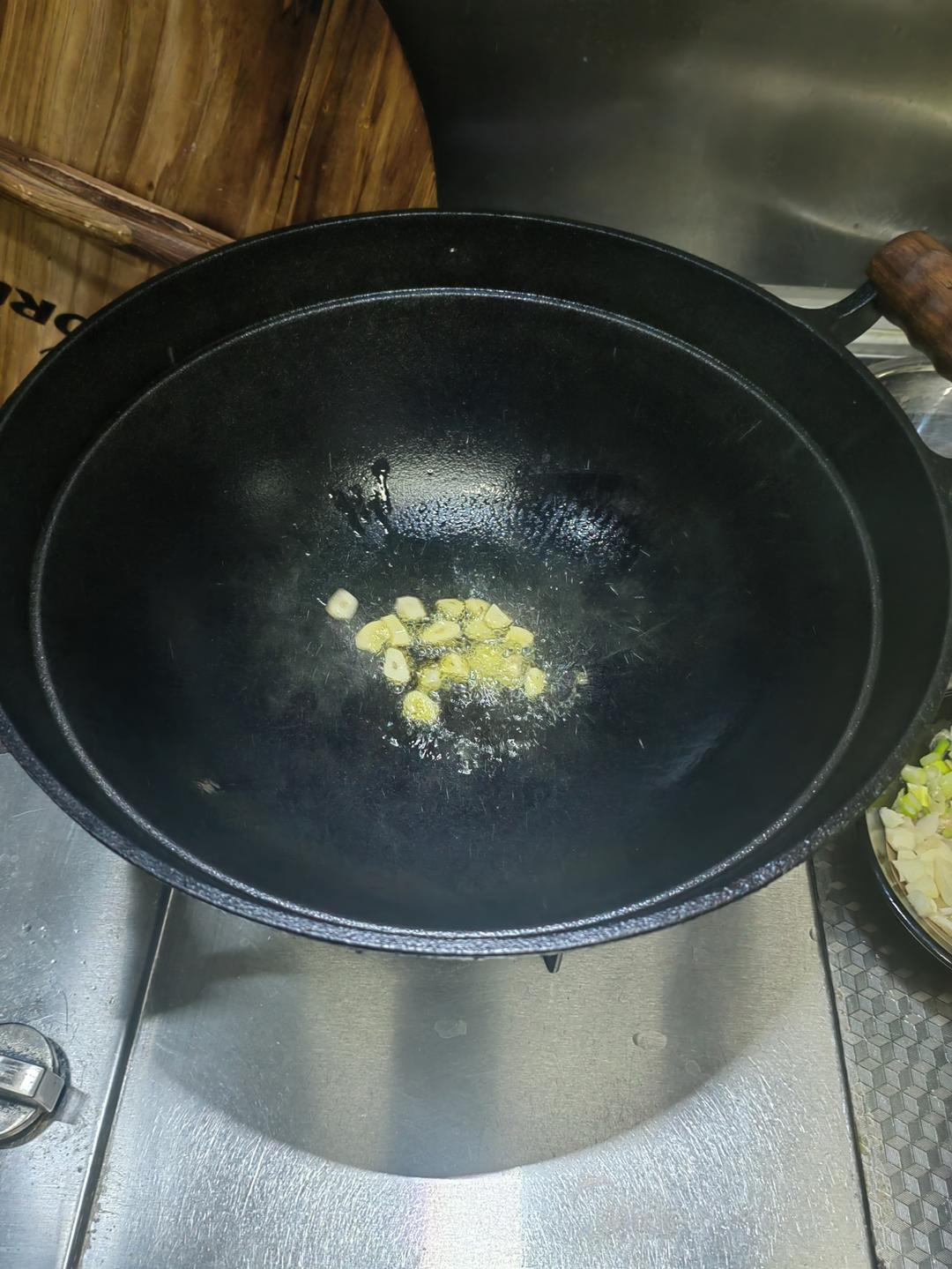
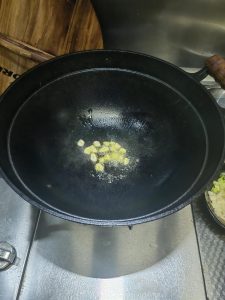
Step 6 – Heat the pan, cold oil, add the garlic and bloom until fragr
Heat the pan, cold oil, add the garlic and bloom until fragrant.
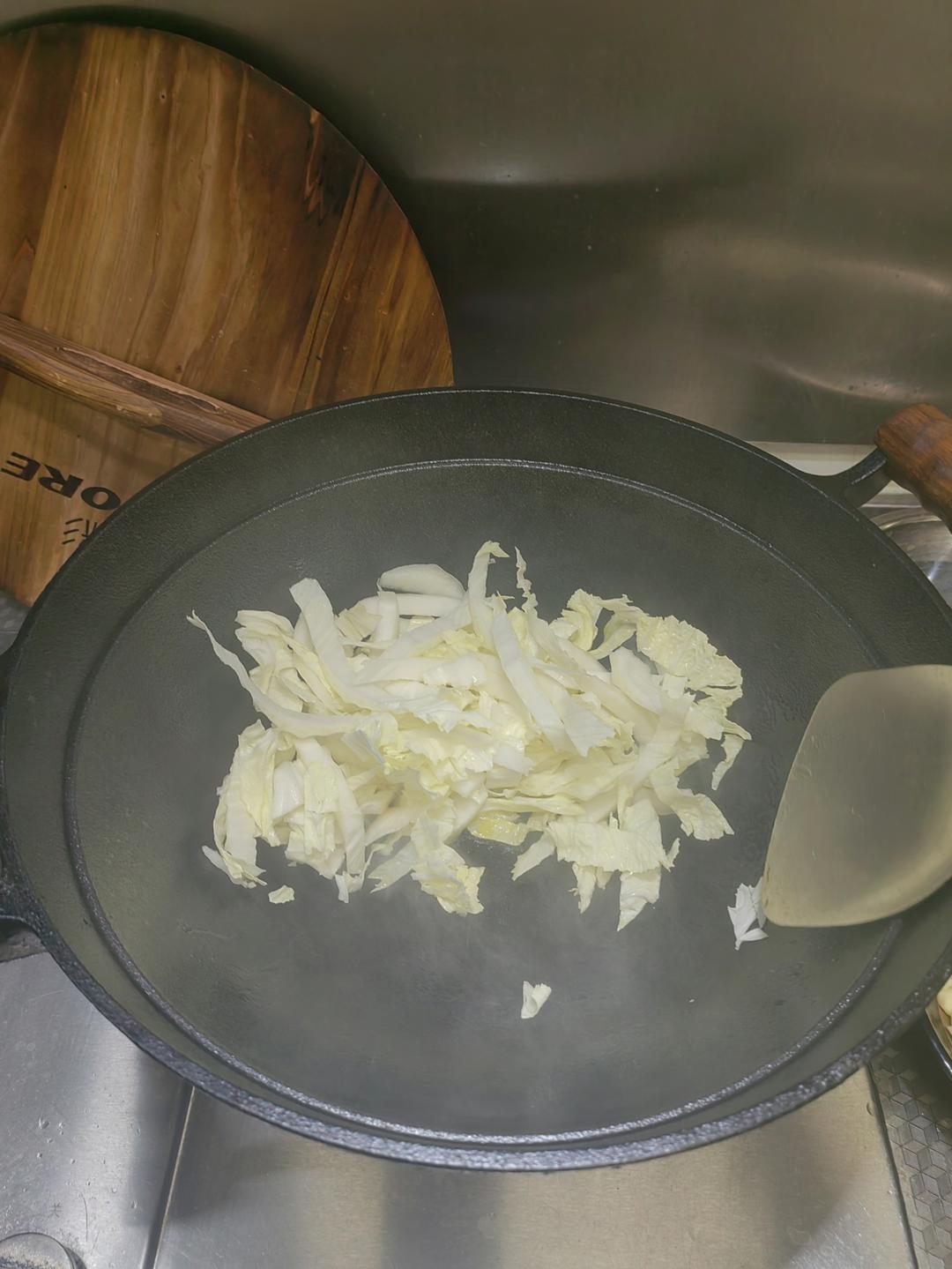
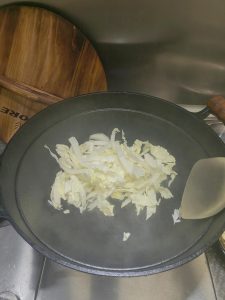
Step 7 – Add the cabbage and stir-fry until just cooked – about 1-2 m
Add the cabbage and stir-fry until just cooked – about 1-2 minutes.
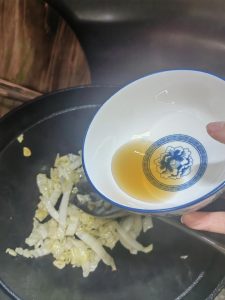
Step 8 – Pour in the sauce (huangjiu and fish sauce)
Pour in the sauce (huangjiu and fish sauce).
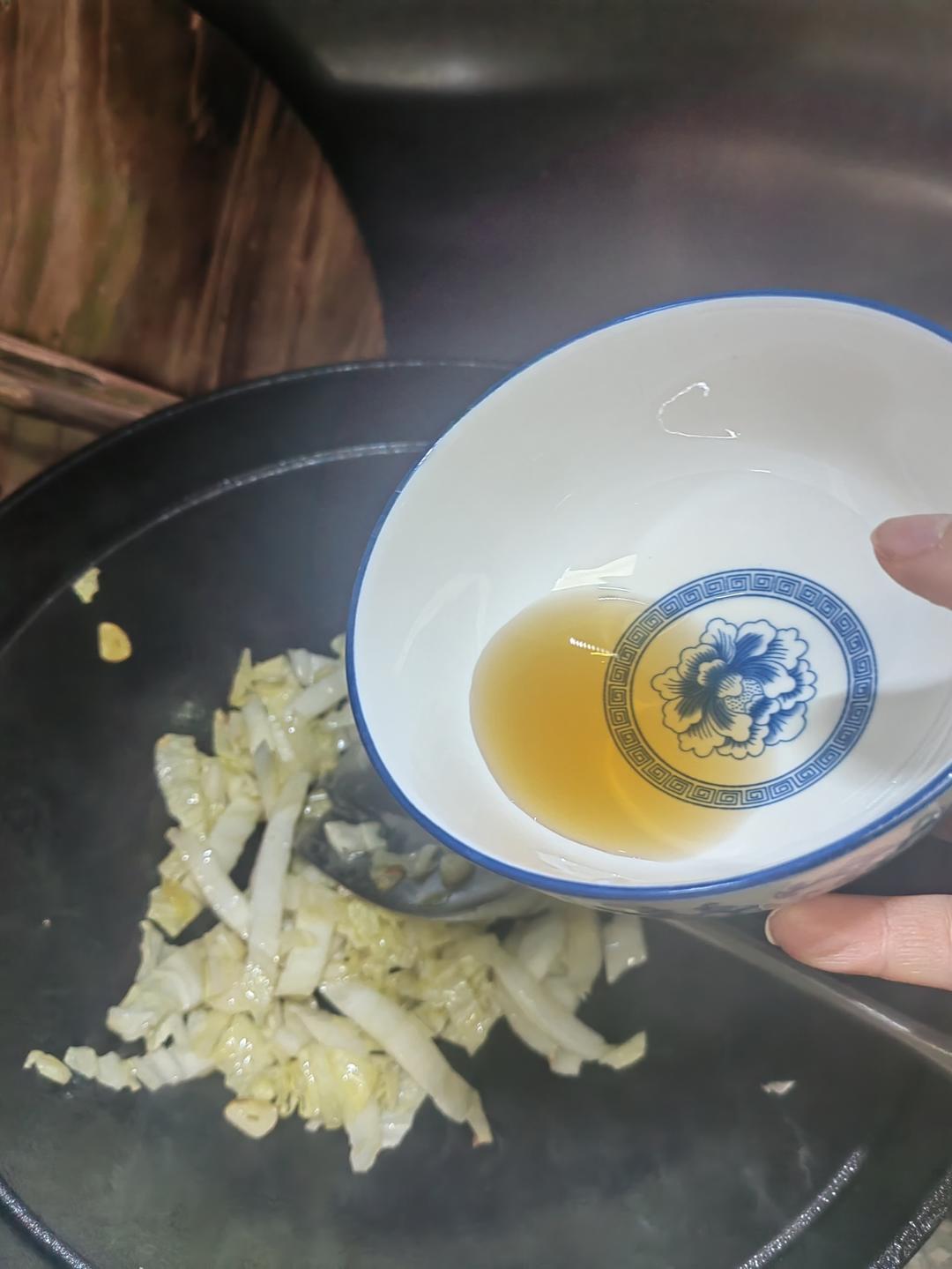
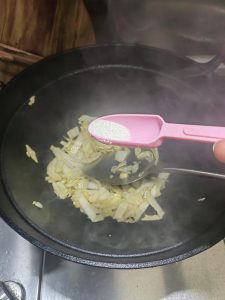
Step 9 – Add half a spoon of sugar
Add half a spoon of sugar.
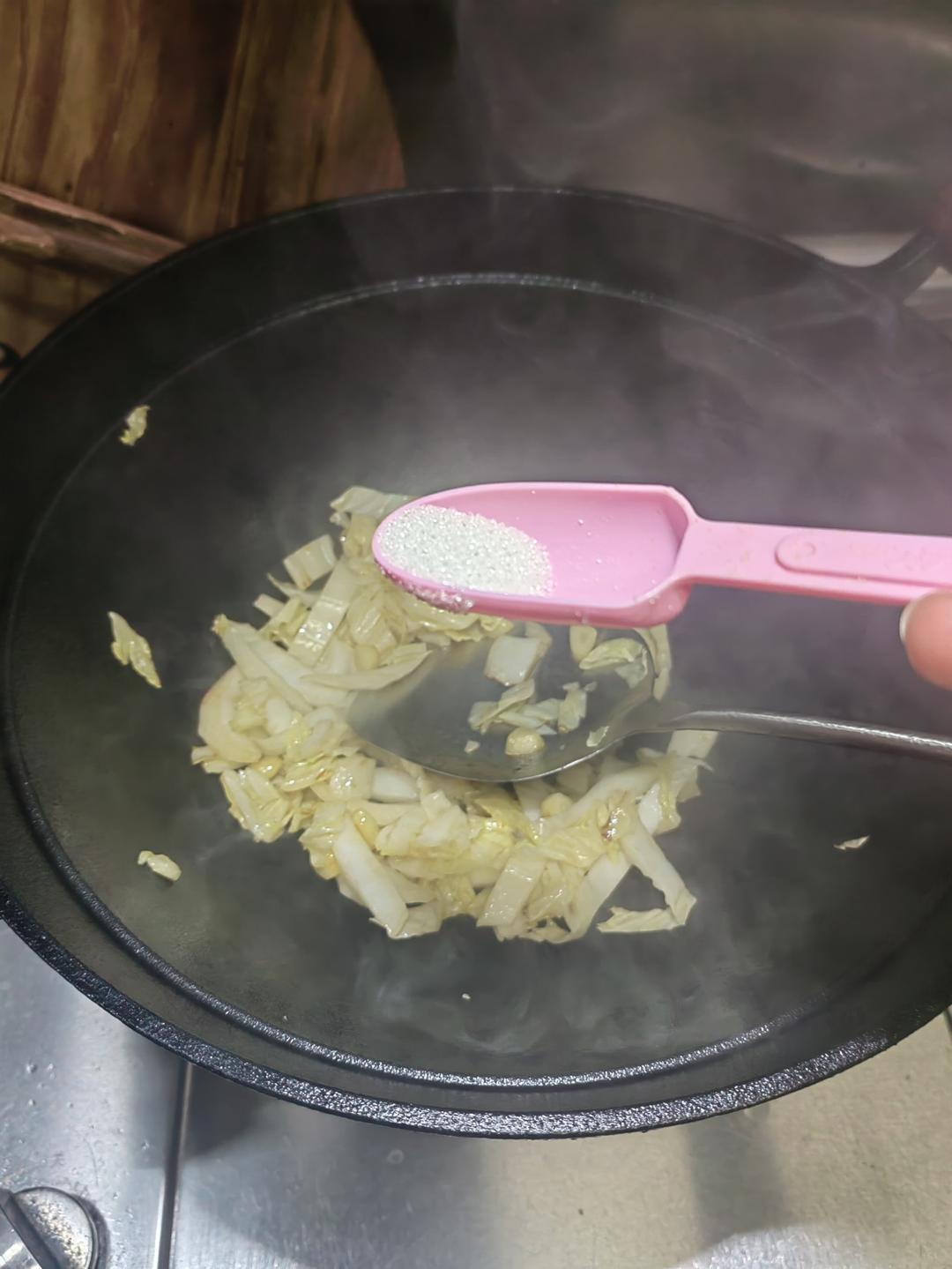
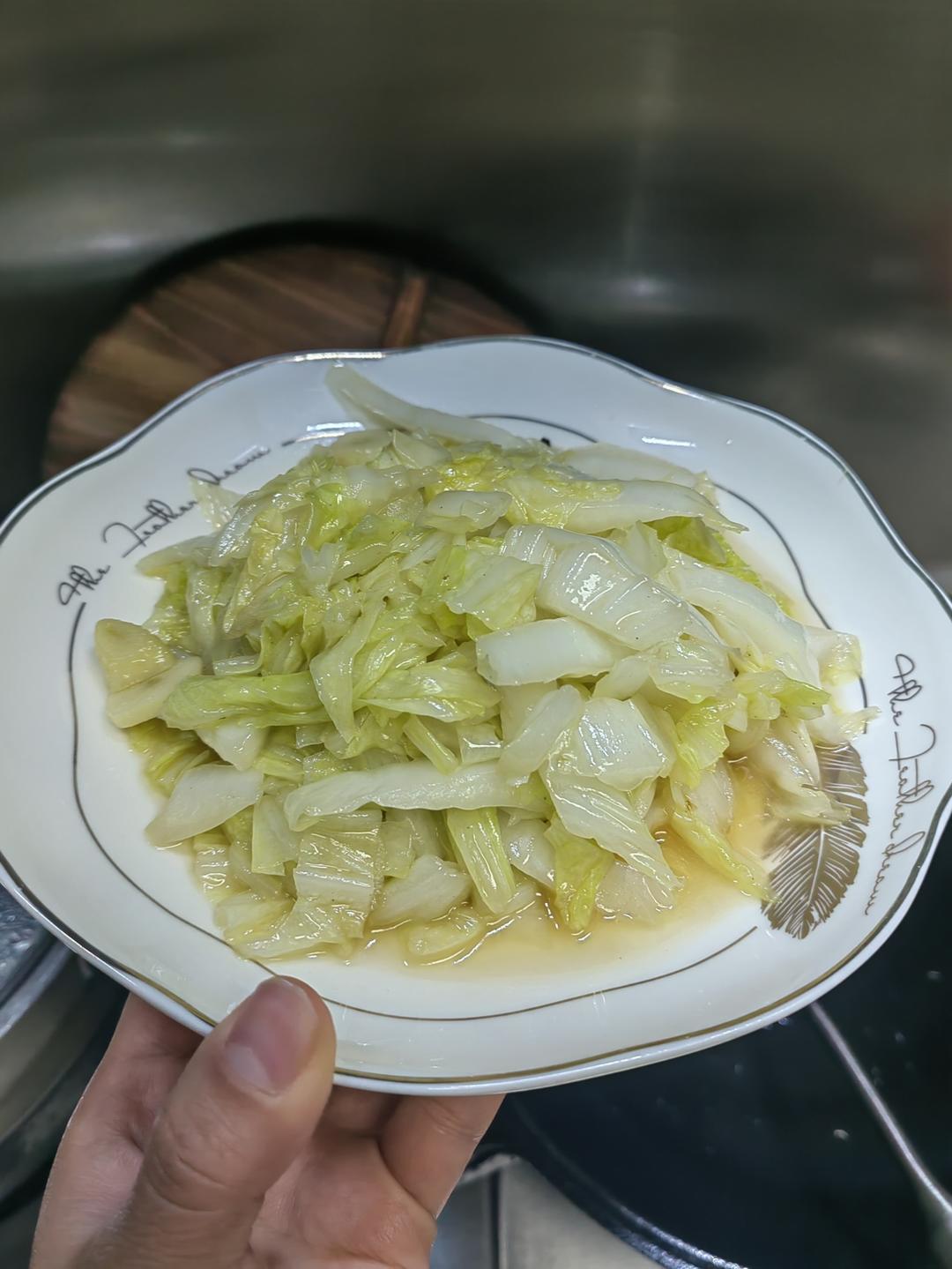
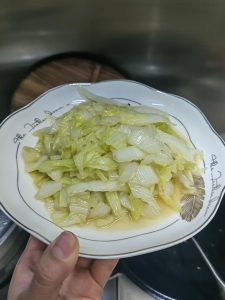
Step 10 – Don’t reduce the sauce too dry
Don’t reduce the sauce too dry. Plate it – no salt needed, yet very tasty.
Common Mistakes When Making This Dish
1. A dilute, watery sauce. Cause: added water. Fix: the cabbage’s own moisture – trust the braise.
2. A fishy, overpowering bite. Cause: too much fish sauce. Fix: the recipe’s splash – it goes far.
3. Crunchy, raw leaves. Cause: not enough time. Fix: braise covered until the leaves collapse.
4. A flat, one-note pot. Cause: no garlic or chili. Fix: the bloomed aromatics are the depth.
5. A burnt bottom. Cause: high heat with the sugar. Fix: a gentle simmer after the bloom.
6. A salty plate. Cause: extra soy on top. Fix: the fish sauce is the salt – no more needed.
Variations
More chili: Extra chili or chili crisp for heat – my lazy pao cai is the fermented chili plate, and 10-minute chives and eggs and tomato egg drop soup the light-meal family.
Pork: A few slices of pork render into the pot for a heartier braise – and with lazy pao cai and hand-torn cabbage the cabbage drawer is full.
Napa cabbage: The same method with napa – my hand-torn cabbage is the stir-fry, and lazy pao cai and fish-fragrant pork the full meal.
The cabbage shelf: With lazy pao cai and hand-torn cabbage, the cabbage drawer is complete.
Frequently Asked Questions
Is fish sauce fishy? It has a deep, savory umami – cooked into the braise it is rich, not fishy.
Can I skip it? You can, but the dish’s whole character is the fish sauce – and with hand-torn cabbage, fish-fragrant pork, and broccoli carrot egg pancakes the cabbage table is full.
How long does it braise? Until the leaves collapse – about 10 minutes covered, and with tomato egg noodles and steamed egg with shrimp and broccoli the light table is set.
Is it spicy? As spicy as your chili – the default is gentle.
How long does it take? About 15 minutes from pan to plate.
How to Serve
Serve over rice with the sauce spooned on – with lazy pao cai and hand-torn cabbage for a cabbage table, or beside fish-fragrant pork for a full meal.
Storage & Reheat
Refrigerate for up to 2 days; reheat in a covered pan. Never leave the pot out more than 2 hours.
Allergen Notice
This recipe contains fish (fish sauce). It is free of gluten, soy, nuts, dairy, egg, and shellfish.
Nutrition Disclaimer
Nutrition information is calculated using an ingredient database and should be considered an estimate. In cases where multiple ingredient alternatives are given, the first listed is calculated for nutrition. Garnishes and optional ingredients are not included.
About the Author & Recipe Development
I am Lin, a professional Chinese chef and food writer with a decade in restaurant kitchens before turning to recipes. This xiachufang cook’s fish-sauce cabbage is my neighbor’s rice-emptier, and the recipe’s own-moisture braise and single-splash seasoning are exactly why it works. I tested it as written. I have not tested the pork or extra-chili variations, so those are your experiments, not my claims.
Authoritative References
USDA Food Safety and Inspection Service – Safe Temperature Chart for produce handling and storage guidance.
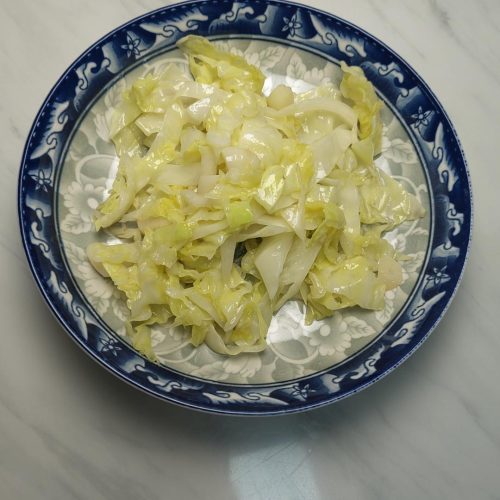
Fish-Sauce Cabbage (Yu Lu Bai Cai): The Umami Braise

Equipment
- Wok or skillet with lid
- Spatula
- Knife
Ingredients
For the Braise
- 1/2 head cabbage, cut into pieces
- 2 tbsp fish sauce
- to taste garlic and chili
- 1 tsp sugar
- 1 tbsp neutral oil
Instructions
- Cut the cabbage into your preferred shape – lately I like strips (used to cut chunks).

- Mince the garlic and set aside.
- One spoon of huangjiu (yellow wine).
- One spoon of fish sauce.
- The fish sauce I buy.
- Heat the pan, cold oil, add the garlic and bloom until fragrant.
- Add the cabbage and stir-fry until just cooked – about 1-2 minutes.
- Pour in the sauce (huangjiu and fish sauce).
- Add half a spoon of sugar.
- Don’t reduce the sauce too dry. Plate it – no salt needed, yet very tasty.



Leave a Reply