There are days when the craving for Fish-Fragrant Pork (Yu Xiang Rou Si) hits hard, but maybe pork prices are up, or I just want something lighter and faster. That is exactly when I turn to Fish Fragrant Eggs (Yu Xiang Ji Dan).
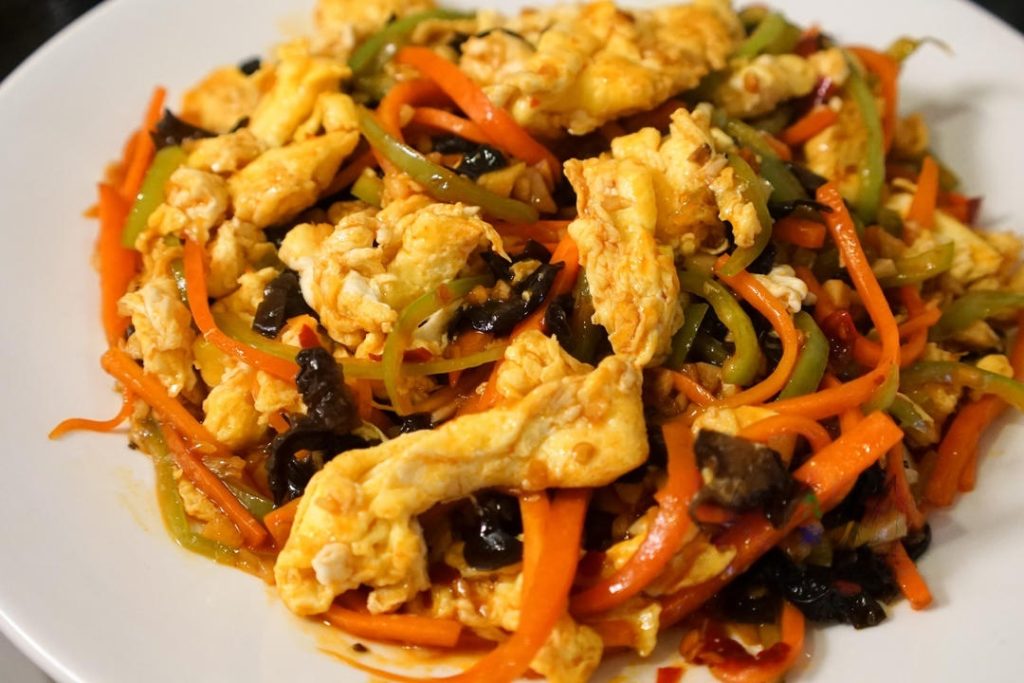
I remember my father making this in our kitchen in Sichuan when meat was scarce. It is humble, yes, but do not let the simplicity fool you. By using the exact same “fish-fragrant” seasoning technique used for the classic pork dish—but swapping the meat for fluffy scrambled eggs—you get a dinner that is savory, sweet, sour, and spicy all at once.
This recipe is incredibly appetizing (we call it “rice killer” in Chinese because you’ll eat so much rice with it). The secret lies in two things: the “Golden Ratio” of the sauce ingredients, and the specific way we use the minced ginger and garlic. If you follow these steps, you will recreate that authentic restaurant taste right at home.
About the Author & Recipe Development
I’m Lin, born and raised in Sichuan, China. I grew up helping in my family’s restaurant kitchen, where I learned that the soul of Sichuan cuisine isn’t just about heat—it’s about the balance of flavors. I’ve tested this specific sauce ratio multiple times in my US kitchen to ensure that standard local tablespoons yield the same flavor profile I remember from home. This recipe bridges the gap between traditional Sichuan technique and the ingredients available to you locally.
What is “Fish Fragrant” (Yu Xiang)?
If you are new to Sichuan cooking, you might be looking for the fish in the ingredients list. You won’t find any!
“Yu Xiang” (鱼香) literally translates to “fish fragrance.” Traditionally, this combination of aromatics—garlic, ginger, scallions, pickled chilies—was used to cook fish in Sichuan. Over time, people realized this seasoning sauce was so delicious that they started using it for pork, eggplant, and in this case, eggs. It defines the “seven flavors” of Sichuan cuisine: spicy, aromatic, sweet, acidic, salty, bitter, and pungent.
Why This Recipe Works
- The Golden Ratio: We use a specific ratio of soy sauce, sugar, vinegar, and starch water (2:3:3:3) that guarantees the perfect balance of sweet and sour.
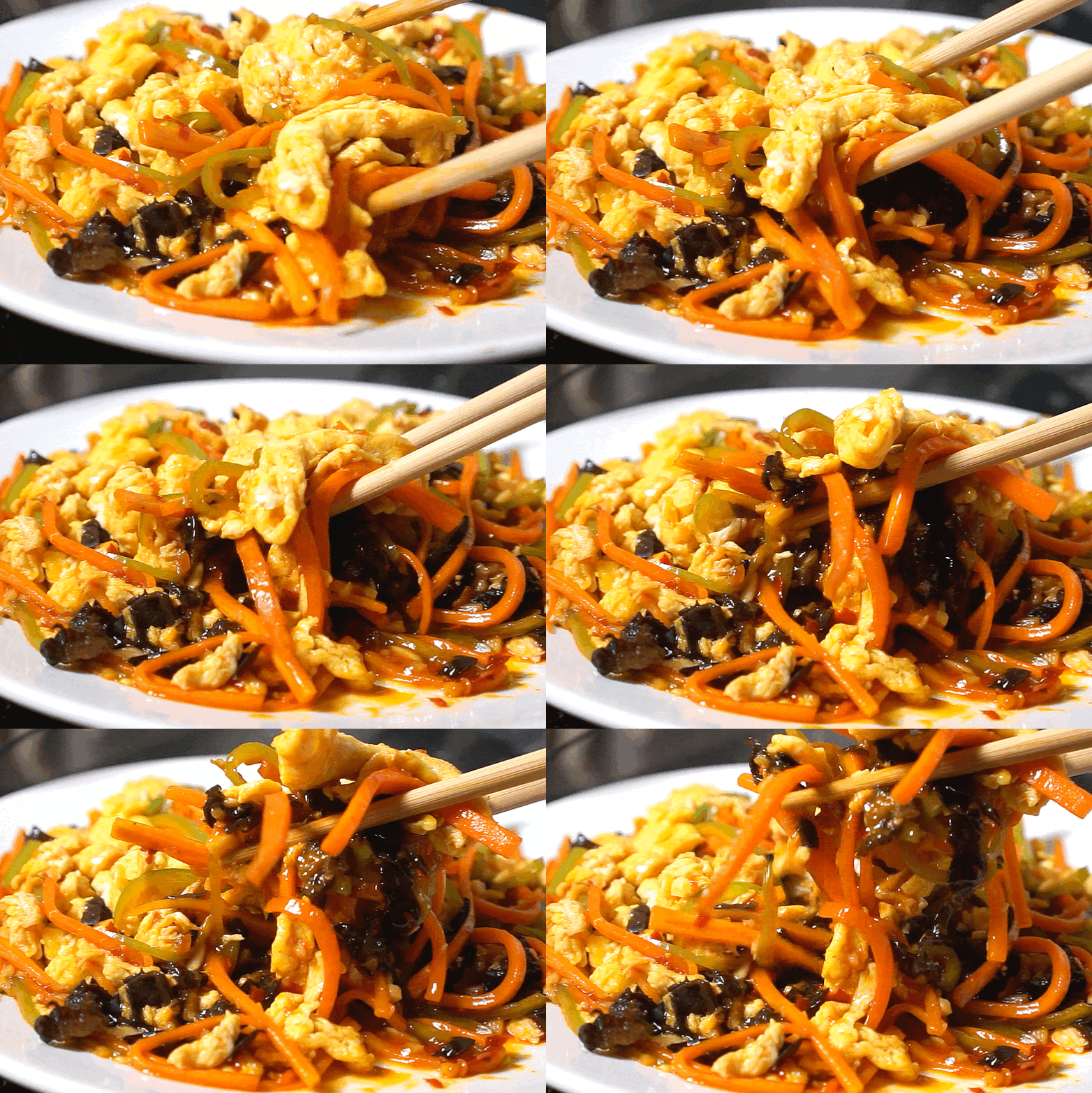
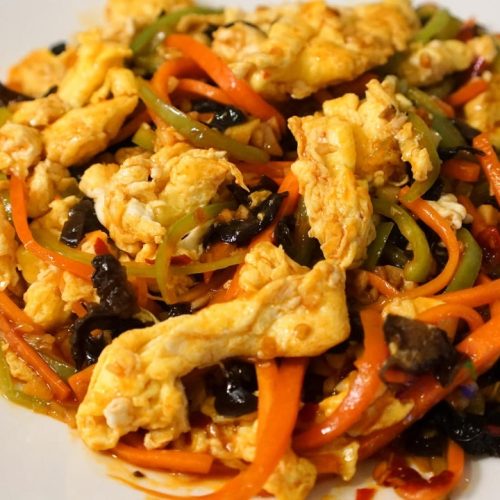
- Texture Contrast: The fluffy eggs contrast beautifully with the crunch of wood ear mushrooms, carrots, and peppers.
- Aromatic Layering: We add half the ginger and garlic at the beginning to infuse the oil, and the other half at the end. This is a pro tip that gives the dish a fresh “kick” of flavor that cooked aromatics lose.
Key Ingredients & Substitutions
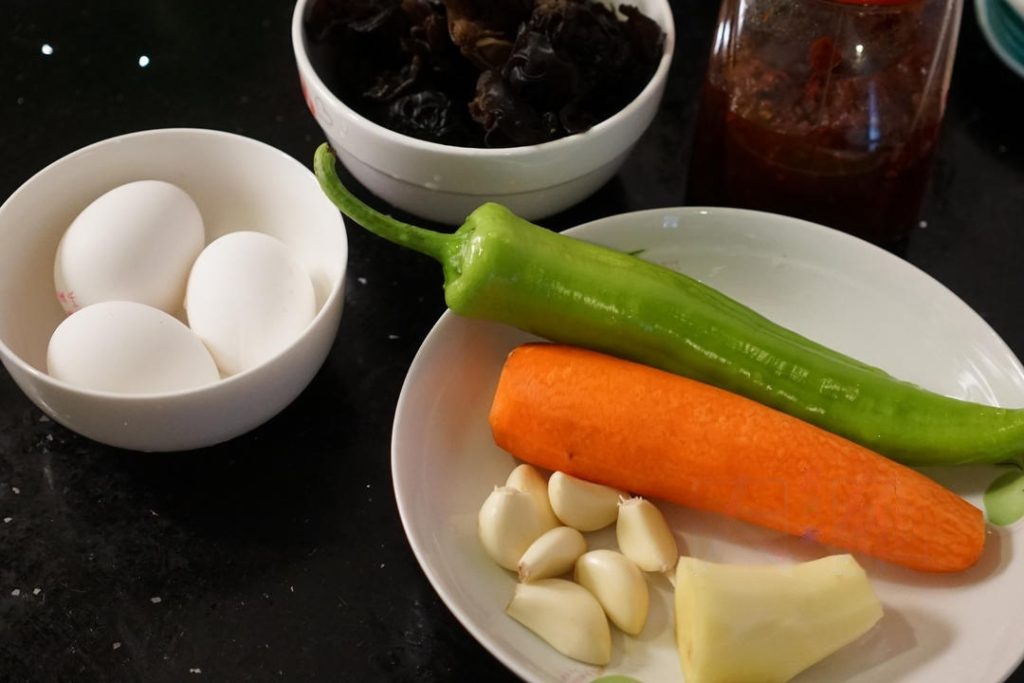
- Eggs: You will need 3 large eggs. Beating them well ensures they fluff up nicely in the hot oil.
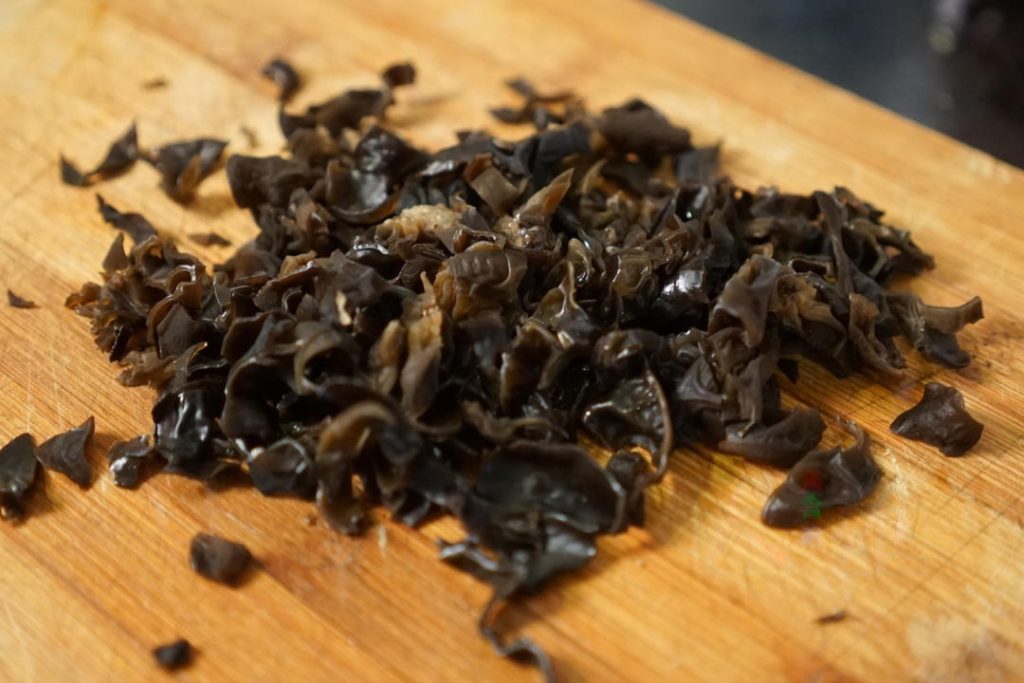
- Wood Ear Mushrooms: Also known as Black Fungus. These add a signature crunch. You can find dried wood ear mushrooms at Asian markets or online. If you can’t find them, you can substitute with sliced shiitake mushrooms for a different texture, or see my Spicy Oyster Mushroom and Konjac Salad for more fungus inspiration.
- Doubanjiang (Pixian Broad Bean Paste): This is the soul of the dish. It provides the savory, spicy base and the rich red oil. Doubanjiang cannot be skipped if you want authentic flavor.
- Chinese Rice Vinegar: This recipe specifically calls for rice vinegar for a cleaner sourness. If you want a deeper, earthier flavor, you can substitute with Chinkiang Vinegar.
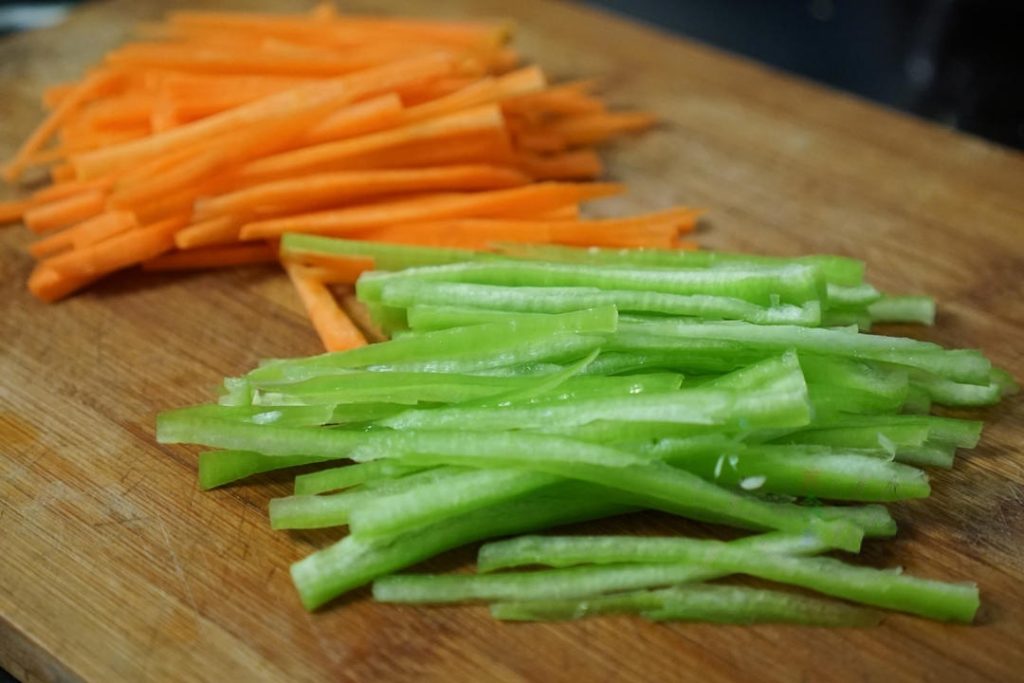
- Vegetables: We use carrots and green peppers (mild bell peppers or Anaheim peppers work great) for color and crunch.
- Soy Sauce: We use a light soy sauce (like “Wei Ji Xian” or regular Kikkoman) for umami. Check out my guide on Soy Sauce to understand the differences.
Recipe Notes Before We Begin
Before you fire up the stove, ensure all your vegetables are shredded and your sauce is mixed. Sichuan stir-frys move fast—often finishing in under 5 minutes once cooking starts. If you stop to measure sugar while the garlic is in the wok, you risk burning the aromatics.
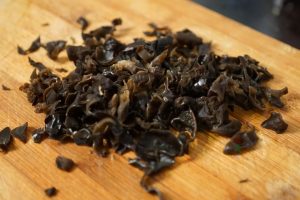
Also, rehydrate your wood ear mushrooms in warm water for at least 20 minutes beforehand. They need to be fully hydrated to have that snappy texture.
How to Make Fish Fragrant Eggs
Step 1: Mise en Place (Prep Work)
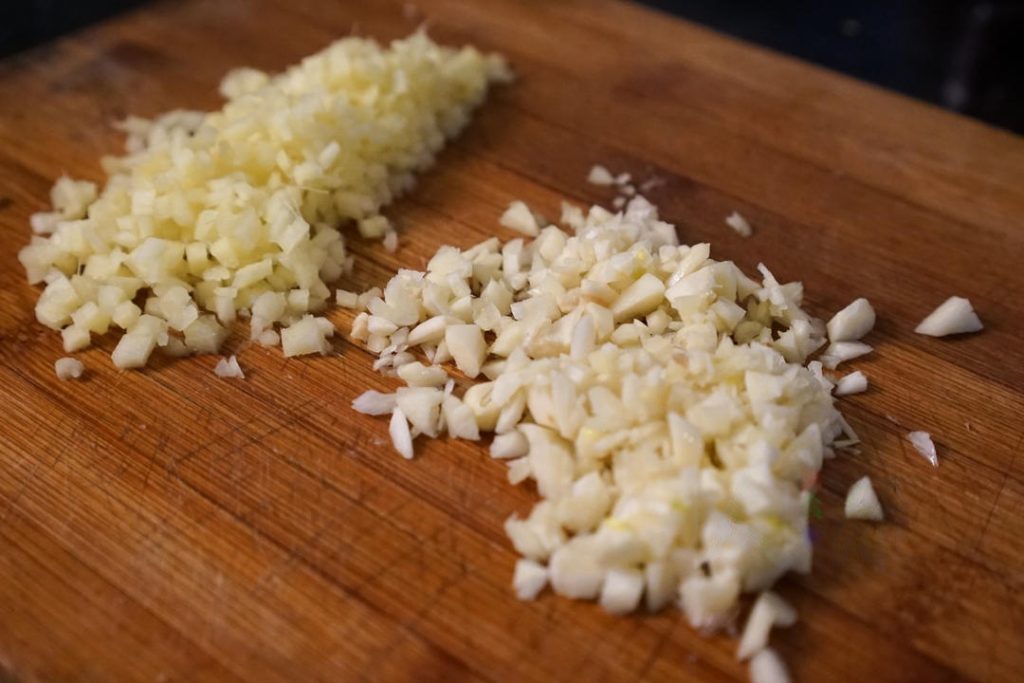
First, soak your wood ear mushrooms in warm water until soft. Wash them thoroughly and slice them into thin strips. Slice the carrot and green pepper into thin shreds (julienne). Finely mince the ginger and garlic. Crucial: Divide the minced ginger and garlic into two piles. We will use half later.
Step 2: Make the “Golden Ratio” Sauce
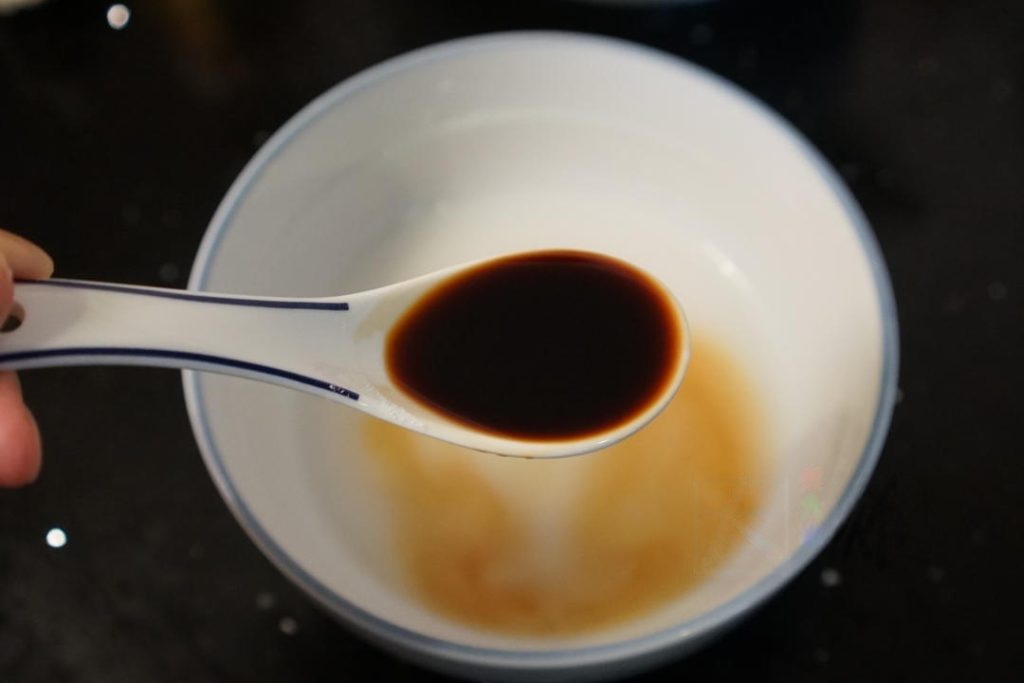
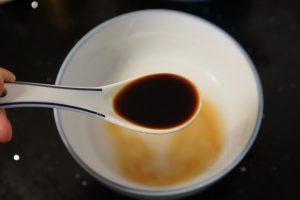
In a small bowl, combine the sauce ingredients. This “Golden Ratio” ensures the flavor is just right:
- 2 tbsp Light Soy Sauce
- 3 tbsp Sugar
- 3 tbsp Chinese Rice Vinegar
- 3 tbsp Starch Water (mix 1 tsp cornstarch with 3 tbsp water)
Stir this well until the sugar dissolves. Having this ready means you won’t be scrambling for ingredients while the wok is hot.
Step 3: Scramble the Eggs
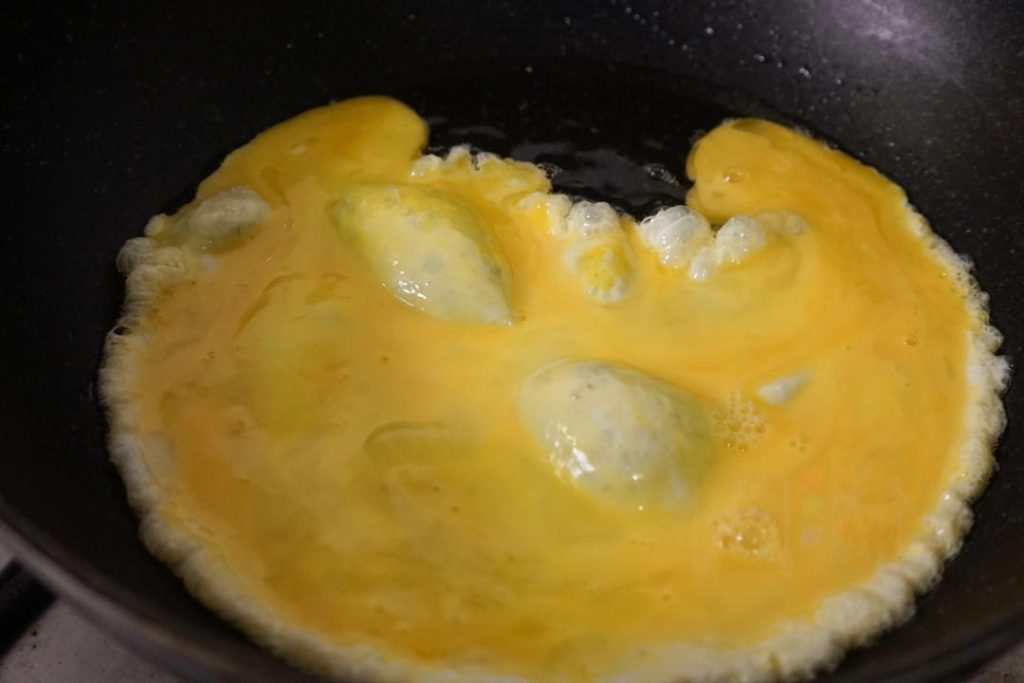
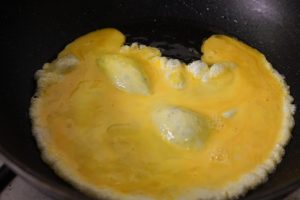
Heat a wok or large skillet over high heat. Add about 3 tablespoons of oil. You want the oil hot—you should feel the heat radiating from the pan. Pour in the beaten eggs. They should puff up immediately. Scramble them quickly until set, then remove them from the pan and set aside.
Step 4: Fry the Base (The Red Oil)
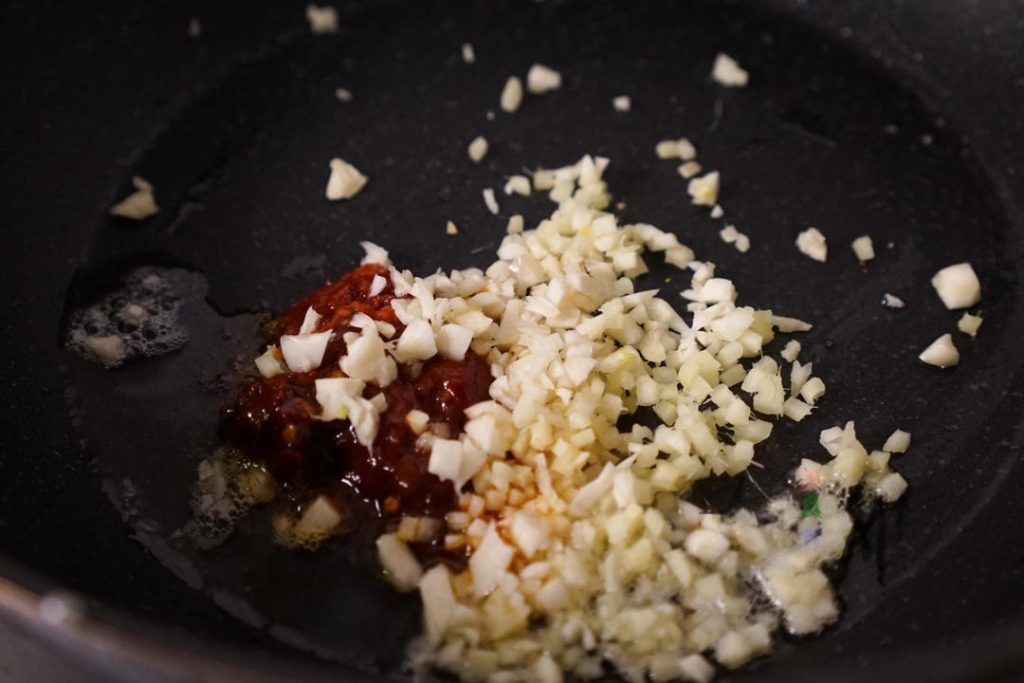
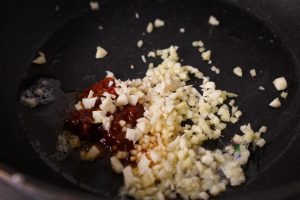
In the same wok, if it looks dry, add another tablespoon of oil. Turn the heat down to low. Add 1 tablespoon of Doubanjiang, 1 tablespoon of cooking wine (Shaoxing wine), and half of your minced ginger and garlic. Stir-fry gently until the oil turns red and the aroma is released. This is called “chao hong you” (frying red oil) and removes the raw bean taste from the paste.
Step 5: Stir-fry the Vegetables
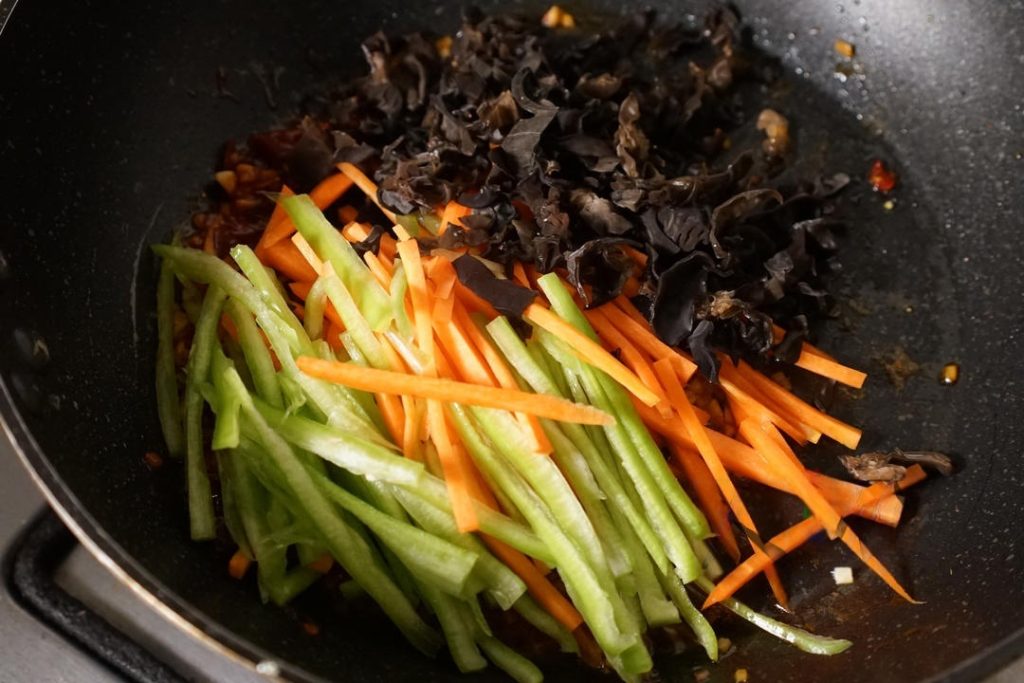
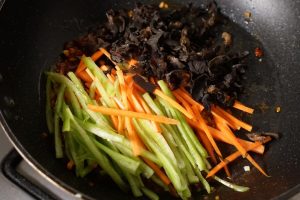
Turn the heat back up to high. Add the shredded carrots, green peppers, and wood ear mushrooms. Stir-fry briskly for about 2 minutes until the vegetables are “duan sheng” (cooked but still crisp).
Step 6: The Final Toss
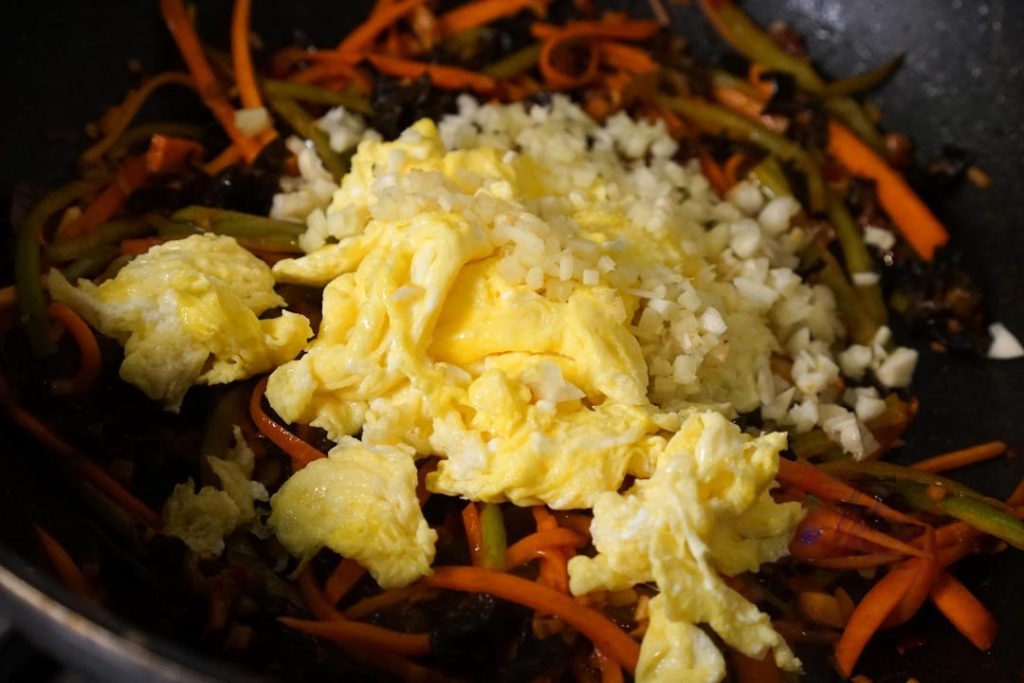
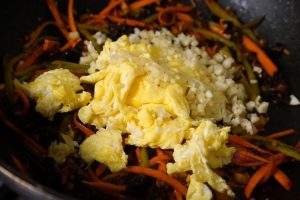
Add the cooked eggs back into the pan. Add the remaining half of the minced ginger and garlic. Give your sauce a quick stir (starch tends to settle) and pour it into the wok. Stir-fry over medium heat until the sauce bubbles, thickens, and evenly coats every piece of egg and vegetable.
Step 7: Serve
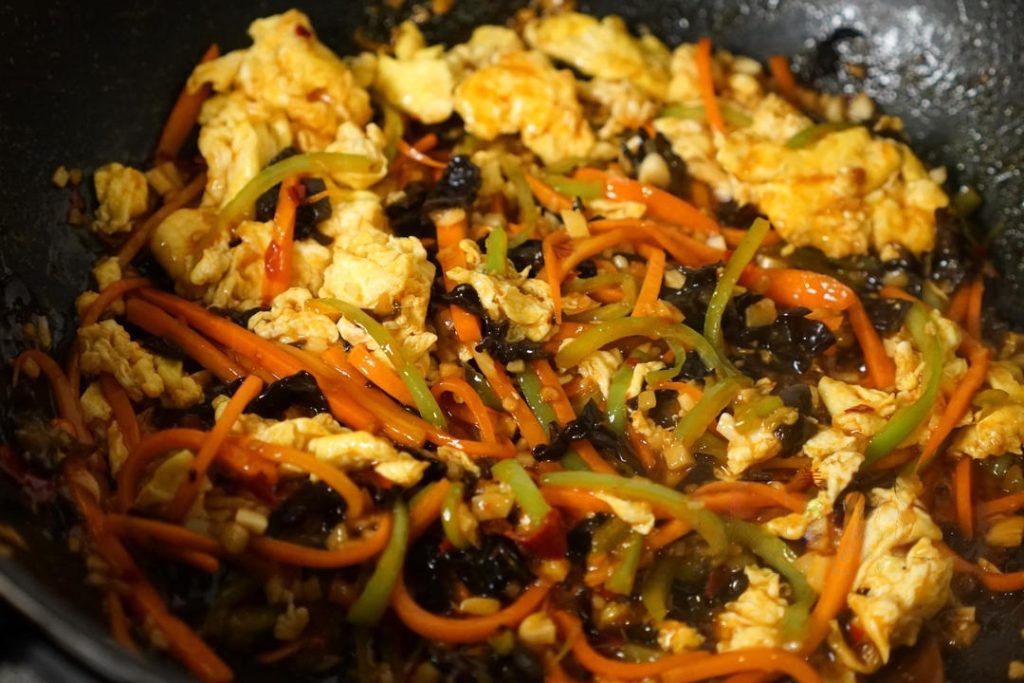
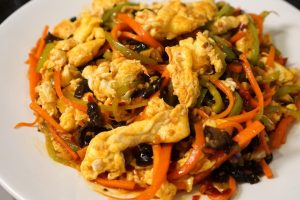
Transfer to a plate immediately. The glossy sauce, the bright yellow eggs, and the pop of red and green vegetables make this incredibly inviting. Serve hot with plenty of steamed white rice.
FAQ and Troubleshooting
Q: My sauce is too thick/gooey. A: You may have added too much cornstarch or cooked it too long. Add a splash of water or stock to loosen it up.
Q: Can I use other vegetables? A: Absolutely. Bamboo shoots are a classic addition. You could also use celery. If you like eggplant dishes, check out my Fish-Fragrant Eggplant Clay Pot for a similar flavor profile with different textures.
Q: I don’t have Doubanjiang. What can I use? A: It is hard to replace, but in a pinch, you can use a mix of chili paste (like Sambal Oelek) and a little soybean paste or miso to mimic the fermented depth.
Q: Can I make this with other proteins? A: Yes! This sauce is famous for pork, but it works great with tofu too. See my Homestyle Tofu for similar cooking techniques.
Common Mistakes When Making Fish Fragrant Eggs
- Burning the Aromatics: When frying the Doubanjiang and the first batch of garlic/ginger, the heat must be low. If you burn them, the sauce will taste bitter.
- Adding all Aromatics at Once: Don’t skip the step of saving half the garlic and ginger for the end. That raw, pungent kick is what makes the “Fish Fragrant” flavor profile pop.
- Overcooking the Veggies: The carrots and peppers should retain a snap. If you cook them until soft, the dish loses its texture.
Food Safety and Preparation
- Egg Safety: Ensure eggs are cooked until the yolk and white are firm to prevent foodborne illness.
- Allergen Note: This recipe contains soy (in the sauce and paste), wheat/gluten (in the soy sauce and Doubanjiang), and eggs.
- Gluten-Free Option: To make this gluten-free, use Tamari instead of soy sauce and ensure your Doubanjiang is a gluten-free variety (or omit and use chili paste + gluten-free miso).
Authoritative References
For more in-depth information on the ingredients and nutritional data used in this recipe, please consult the following authoritative sources:
- Sichuan Pantry Essentials: To learn more about authentic Sichuan ingredients like Doubanjiang (Pixian Broad Bean Paste) and Chinese vinegars, I recommend visiting The Mala Market. They are a highly respected importer of premium Sichuan ingredients and offer extensive educational guides.
- Nutritional Data: For detailed and scientifically accurate nutritional information regarding eggs and fresh vegetables, refer to the USDA FoodData Central database.
- Source: USDA FoodData Central
- The Science of “Wok Hei” (Breath of the Wok): For a deeper understanding of the high-heat stir-frying technique used in this recipe to create flavor, Serious Eats offers a comprehensive guide on the science of wok cooking.
Nutrition Info (Estimate)
- Serves: 2
- Calories: ~320 kcal per serving
- Carbohydrates: 18g
- Protein: 14g
- Fat: 22g
- Sodium: 980mg
- Fiber: 4g
- Sugar: 12g
(Disclaimer: Nutrition information is calculated using an ingredient database and should be considered an estimate. In cases where multiple ingredient alternatives are given, the first listed is calculated for nutrition. Garnishes and optional ingredients are not included.)
Fish Fragrant Eggs (Yu Xiang Ji Dan)

Equipment
- Wok or large skillet
Ingredients
Main Ingredients
- 3 large eggs
- 1 carrot small, julienned
- 1 green pepper bell pepper or mild chili pepper, julienned
- 1 small handful dried wood ear mushrooms black fungus, soaked and shredded
- 1 inch ginger minced
- 6 cloves garlic minced
- 3 tbsp cooking oil divided
- 1 tbsp Doubanjiang Pixian broad bean paste
- 1 tbsp Shaoxing cooking wine
Golden Ratio Sauce
- 2 tbsp Light Soy Sauce
- 3 tbsp Sugar
- 3 tbsp Chinese Rice Vinegar
- 3 tbsp Starch Water 1 tsp cornstarch mixed with 3 tbsp water
Instructions
- Soak wood ear mushrooms in warm water until soft (approx 20 mins), then wash and slice into shreds. Julienne the carrot and green pepper. Mince the ginger and garlic. IMPORTANT: Divide the minced ginger and garlic into two equal piles (half for the beginning, half for the end).

- In a small bowl, combine light soy sauce, sugar, rice vinegar, and starch water. Stir well until the sugar dissolves. This is your “Golden Ratio” sauce.
- Heat your wok over high heat and add about 2 tbsp of oil. Once hot, pour in the beaten eggs. Scramble quickly until just set and fluffy. Remove eggs from the wok and set aside.
- If the wok is dry, add another 1 tbsp of oil. Turn heat down to LOW. Add the Doubanjiang, Shaoxing wine, and the FIRST HALF of the minced ginger and garlic. Stir-fry gently until the oil turns red and the aroma is released (do not burn).
- Turn heat back up to HIGH. Add the shredded carrots, green peppers, and wood ear mushrooms. Stir-fry briskly for about 2 minutes until the vegetables are cooked but still retain a crisp texture.
- Add the cooked eggs back into the wok. Add the REMAINING half of the minced ginger and garlic. Stir your sauce mixture (cornstarch may have settled) and pour it into the wok.
- Stir-fry everything together over medium heat until the sauce bubbles, thickens, and evenly coats the eggs and vegetables. Serve immediately with rice.
Notes
- The “Golden Ratio” of 2:3:3:3 (Soy:Sugar:Vinegar:Water) creates the classic sweet and sour profile. Adjust slightly if you prefer it less sweet.
- Adding raw garlic and ginger at the very end adds a “punch” of flavor that is characteristic of this dish.
- Contains Soy, Wheat (Gluten), and Eggs.
- Ensure eggs are cooked thoroughly to safe temperatures.


Leave a Reply