A spice cabinet staple, fennel seed is widely used in cooking around the globe. In fact, the fennel plant and its tiny boat-like seeds have seen numerous applications throughout history.
Ancient Greeks and Romans used fennel seed as an insect repellent and a supplement to enhance eyesight. During his reign, Charlemagne decreed that fennel should grow in all imperial gardens because of its perceived medicinal value. Even early Puritan settlers in North America chewed on fennel seed to curb hunger pangs during long church sermons.

In traditional Chinese medicine (TCM), fennel seed (Huí Xiāng Zǐ) is valued for its “warming” (yang) properties. It is often used to harmonize the stomach and dispel cold, which is why you will frequently find it paired with rich, fatty meats to aid digestion.
We don’t claim to be TCM doctors, but we can say for sure that fennel seed contributes a necessary warmth and sweet richness to some of our favorite dishes. In this article, we’ll tell you everything you need to know about using fennel seed as a seasoning in Chinese cuisine.
What Is Fennel Seed?
Fennel seed, or huí xiāng zǐ (茴香籽), is the dried fruit of Foeniculum vulgare, a flowering herb in the Apiaceae family (the same family as carrots, parsley, and coriander).
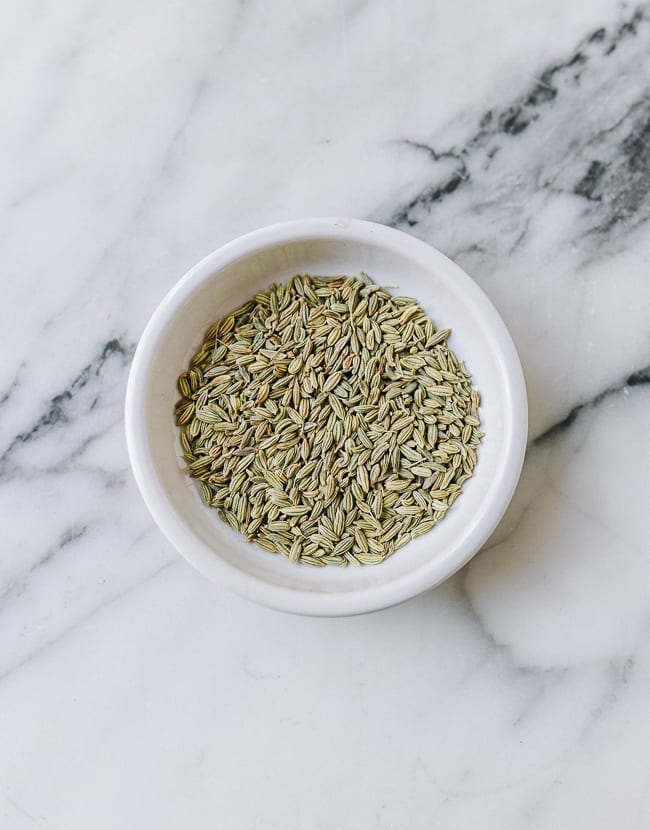
While the plant is native to the Mediterranean shores, it has been cultivated in China for centuries. In Chinese cooking, we distinguish between “Xiao Hui Xiang” (Small Fennel – referring to the seeds) and “Da Hui Xiang” (Big Fennel – a common name for Star Anise).
Visually, fennel seeds are small, oblong, and pale greenish-gray with distinct ridges.
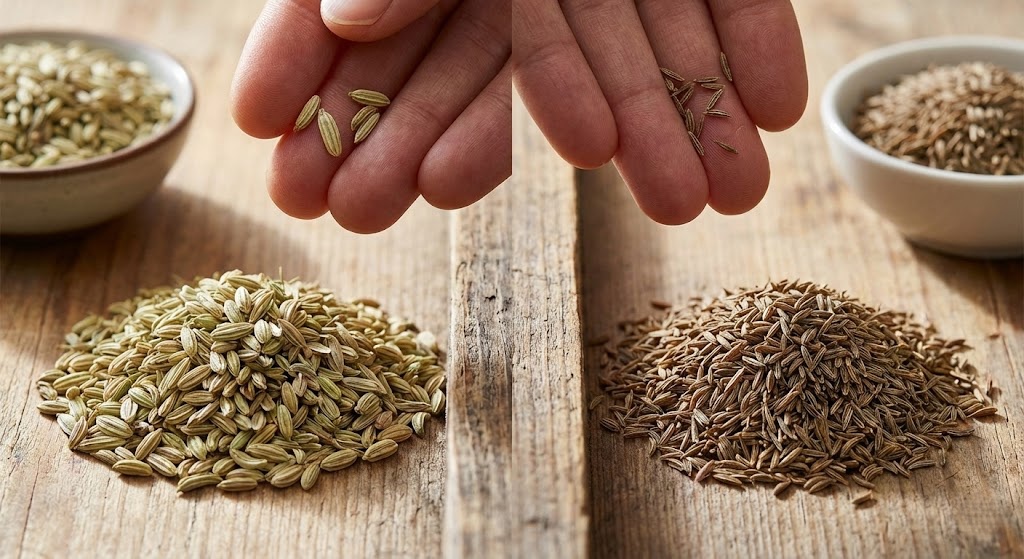
A Common Confusion: Fennel vs. Cumin
In the Asian grocery aisle, fennel seeds are sometimes confused with Cumin Seeds (Ziran) because of their similar shape. However, fennel seeds are generally larger and greener, while cumin is smaller, darker, and has a pungent, smoky aroma. If you are making our Cumin Lamb, mixing these up will result in a completely different dish!
Flavor Profile
Fennel seeds possess a warm, sweet, and aromatic flavor profile heavily reminiscent of anise or licorice, due to the essential oil anethole.
However, unlike the aggressive punch of anise seed or Star Anise, fennel is milder, more herbaceous, and slightly “woodier.” It doesn’t numb the tongue; instead, it provides a gentle, sweet background note that rounds out savory flavors. It acts as a bridge, connecting the sharp heat of chili peppers with the salty depth of soy sauce.
Culinary Applications in Chinese Cooking
Fennel seed is a workhorse in the Chinese kitchen, particularly in “Red Braised” dishes and Master Stocks (Lu Shui).
1. The “Lu Shui” (Master Stock) Essential
Fennel seed is rarely the “star” of a Chinese dish in the way chili is. Instead, it plays a critical supporting role. It is almost always present in the spice bag used for Master Stock, the savory liquid used to poach meats and eggs. For example, when we make Braised Chicken Feet with Tiger Skin Eggs, fennel seed is working behind the scenes to remove gaminess and add a sweet aftertaste.
2. The Five Spice Foundation
Most commercial Five Spice Powder blends contain fennel seed as one of the five pillars (along with star anise, cloves, Chinese cinnamon, and Sichuan peppercorns). This powder is the dry rub that gives Cantonese Honey Glazed Char Siu its iconic, complex fragrance.
3. Braising Beef and Pork
Fennel seed has a special affinity for beef and pork. In our family, we never braise a shank without it. The sweetness of the fennel cuts through the heaviness of the fat.
- Beef: It is essential for the deep, complex broth of Braised Beef Noodle Soup. Even in lighter soups like the Simple Clear Beef Noodle Soup, a pinch of fennel seeds in the simmering bag adds a necessary herbal top-note that prevents the beef broth from tasting flat.
- Pork: For fatty cuts, fennel aids in “grease relief” (jie ni). We add it to the spice ball when making Braised Pork Belly (Hong Shao Rou), where it harmonizes with the rock sugar and soy sauce.
4. Infused Oils
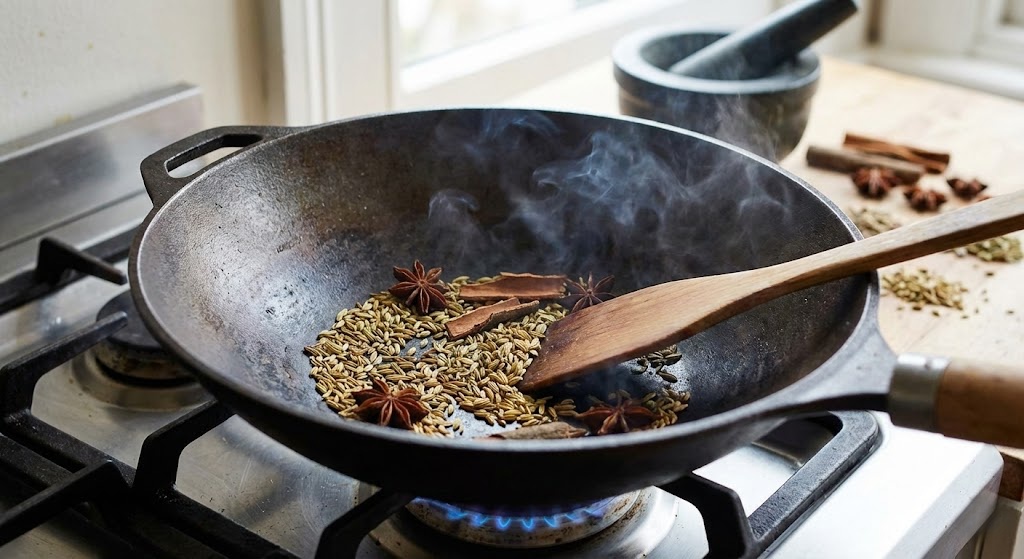
We also love to infuse oil with fennel seeds. When making a spicy pot, we often start by frying fennel seeds alongside Sichuan Peppercorns and dried chilies. The oil carries the anise-flavor throughout the dish, ensuring every bite is fragrant.
Buying & Storing
Where to Buy: You can find fennel seed in the spice section of most Western grocery stores, often sold in small jars. However, for the best value and freshness, visit an Asian or Indian grocery store (often labeled as Saunf in Indian markets). You can buy larger bags for a fraction of the price.
Whole vs. Ground: Always buy whole seeds. Ground fennel powder loses its flavor rapidly—often within a few months—becoming dusty and tasteless. Whole seeds, when stored in an airtight container in a cool, dark cupboard, can retain their potency for up to 3 years.
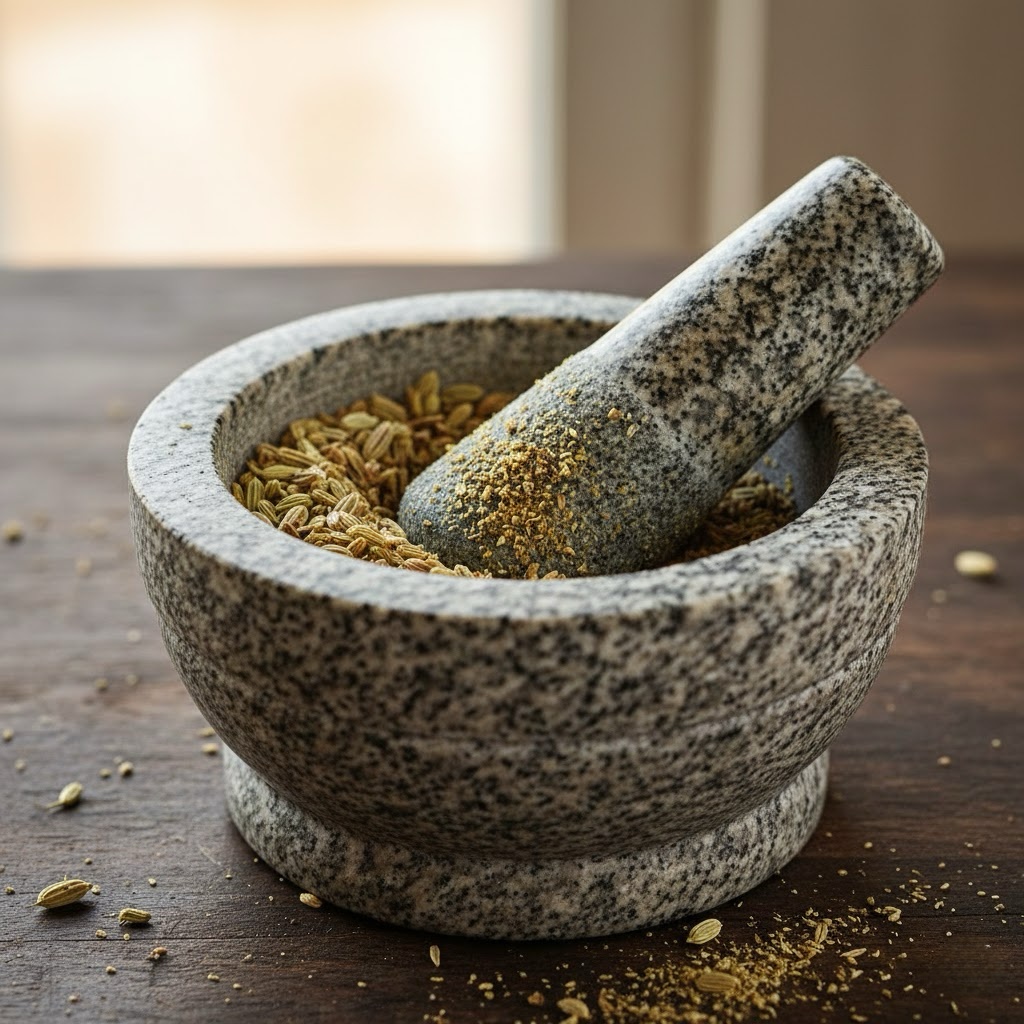
How to Use:
- Whole: Use in braising bags, pickles, or tea.
- Ground: Toast the seeds in a dry pan until fragrant, then grind them in a mortar and pestle just before using in marinades or fillings.
Substitutes
If you run out of fennel seed mid-recipe, here are your best options:
- Anise Seed: This is the closest flavor match. However, anise is stronger and sweeter. Use about half the amount called for to avoid overpowering the dish.
- Star Anise: Since star anise is likely already in your Chinese spice pantry, you can add an extra petal (not a whole star) to compensate, though it lacks the grassy, herbal notes of fennel.
- Caraway Seeds: They look similar and have a comparable earthiness, though the flavor profile leans more toward rye bread than licorice.
Favorite Recipes Using Fennel Seed
- Lanzhou Beef Noodle Soup
- Simple Clear Beef Noodle Soup
- Braised Pork Belly (Hong Shao Rou)
- Cantonese Honey Glazed Char Siu
- Braised Chicken Feet with Tiger Skin Eggs
- Homemade Sichuan Peppercorn Oil (Add fennel to the infusion for extra depth!)
Authoritative References
- Botany and Characteristics: Britannica: Fennel Plant Description and Uses
- Health and Digestion: Healthline: Benefits of Fennel Seeds for Gas and Digestion
- Pharmacology: NCBI: Foeniculum vulgare Mill: A Review of Its Botany and Pharmacology
About the Author: At Woks of Love, we are dedicated to demystifying Chinese cooking for the home kitchen. Whether you are looking for the perfect spice blend or a comforting bowl of noodle soup, we’re here to help you bring authentic flavors to your table.




Leave a Reply