There is a category of dinner I cook on autopilot: noodles in a hot pan, whatever green is in the fridge, an egg if I have one, and a splash of soy. This udon stir-fry from xiachufang is exactly that kind of dish — and the reason it made me stop scrolling is a single unexpected ingredient. Cumin. The cook calls it “the soul” of the noodles, and they are right; a pinch of cumin turns a plain egg-and-greens noodle plate into something with a warm, toasty, faintly exotic backbone.
The method is as fast as the ingredient list is short. Soften a little scallion in oil, scramble in two eggs, add the washed greens with a splash of soy, then the pre-boiled udon and a sprinkle of cumin — taste, adjust the salt, and it is done. From cold pan to steaming plate in about ten minutes, and it is the kind of meal that makes you wonder why takeout noodles ever seemed necessary.
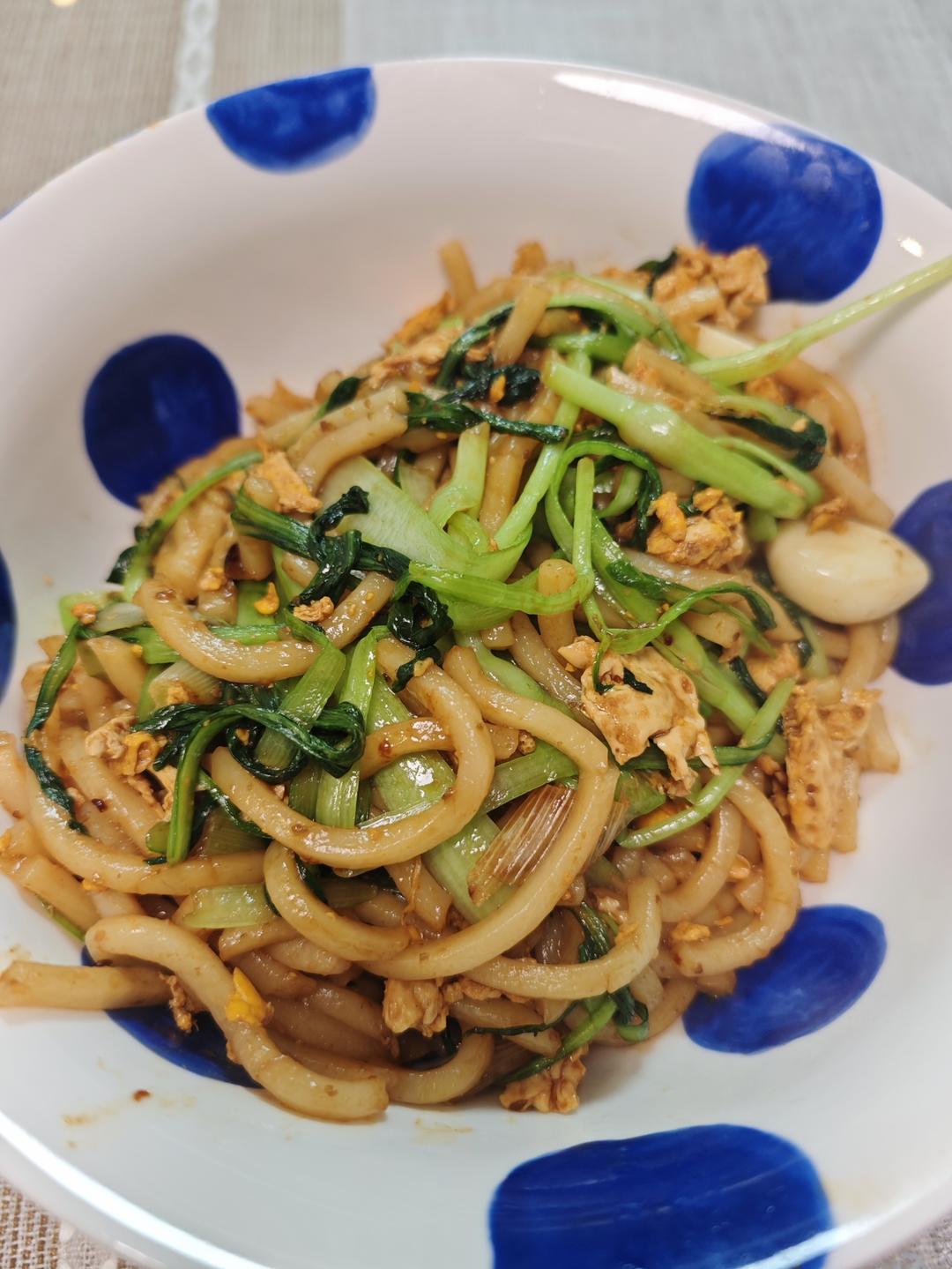
What Is Egg & Greens Stir-Fried Udon (炒乌冬面)?
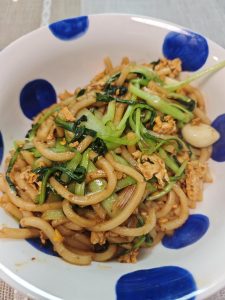
Egg and greens stir-fried udon is a quick wok dish of pre-cooked udon noodles tossed with scrambled egg, leafy greens, scallion, and soy sauce, finished with a pinch of cumin. It belongs to the broad Chinese family of 炒面 (stir-fried noodles), adapted to the thick, chewy Japanese udon noodle that has become a pantry staple worldwide.
What makes this version distinctive is its simplicity and its one bold move. The base is the classic home formula — aromatics, egg, greens, soy — but the cumin lifts it out of the ordinary. The cook’s instruction is to add the cumin at the end and taste before deciding whether it needs salt, which keeps the seasoning balanced against the salty soy.
For another quick one-pan noodle or starch supper, my peas with minced pork over rice is the same weeknight energy.
1Taro Paste Star Buns (Nai Xiang Yu Ni Xing Xing Bao): StarsTaro paste star buns: a soft milk dough wrapped around sweet taro paste, pinched into five-point stars, proofed until puffed, brushed with egg, and baked golden – the pull-apart bakery favorite at home.Check out this recipe
Why This Recipe Works
- Udon’s chewy texture holds up to the wok. Thick noodles stay springy through the toss instead of clumping or breaking.
- Scallion in oil builds an instant base. A quick fry perfumes the whole pan before anything else goes in.
- Soft-scrambled egg adds richness. Cooked just until set, the egg ribbons through the noodles instead of drying out.
- Cumin is the surprise soul. A pinch at the end gives the dish a warm, toasty depth that plain soy noodles lack.
- Pre-boiled noodles make it a 10-minute meal. Boil the udon ahead (or use the packaged pre-cooked kind), and the wok work is seconds.
Equipment Needed
- Wok or large skillet
- Pot for boiling the noodles
- Spatula
Ingredients
- 2 portions udon noodles, pre-boiled and drained
- 2 eggs
- A handful of leafy greens (青菜), washed
- 1 scallion, sliced
- Sugar, to taste
- Salt, to taste
- Light soy sauce (生抽)
- A little dark soy sauce (老抽), for color
- 2 cloves garlic, sliced
- Cumin (孜然) — the soul of the dish
- Oil, for stir-frying
Ingredient Notes
Udon noodles (乌冬面). Use fresh or frozen udon, boiled briefly and drained. Packaged pre-cooked udon (the vacuum-sealed kind) needs only a quick rinse in hot water before it hits the wok.
Leafy greens (青菜). Any quick-cooking green works — bok choy, baby choy sum, spinach, or Chinese broccoli. Wash them well; the cook adds them with the soy so they wilt in the pan.
Cumin (孜然). The signature ingredient. Add it toward the end so it toasts in the residual heat rather than burning; then taste before adding salt, since the soy is already salty.
Prep & Mise en Place
Boil the udon just until tender, drain well, and set aside — very wet noodles will steam instead of fry. Slice the scallion and garlic, wash and roughly chop the greens, and crack the eggs into a small bowl. Measure the soy sauces and have the cumin within reach, because once the wok is hot everything moves quickly.
Cooking Process
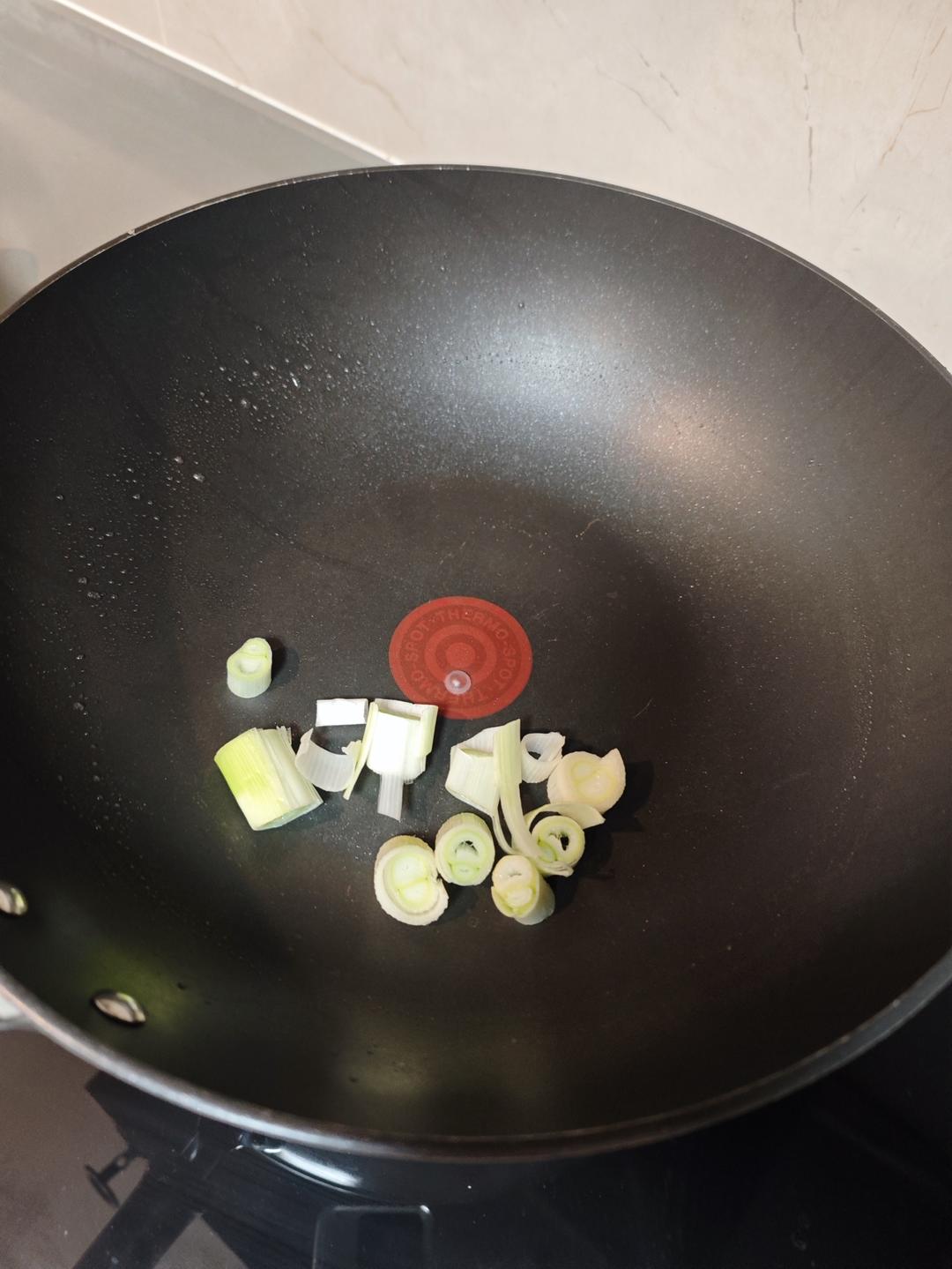
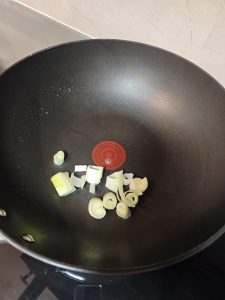
Step 1 — Soften the Scallion in Oil
Heat a little oil in the wok and cook the scallion, stirring, until fragrant.
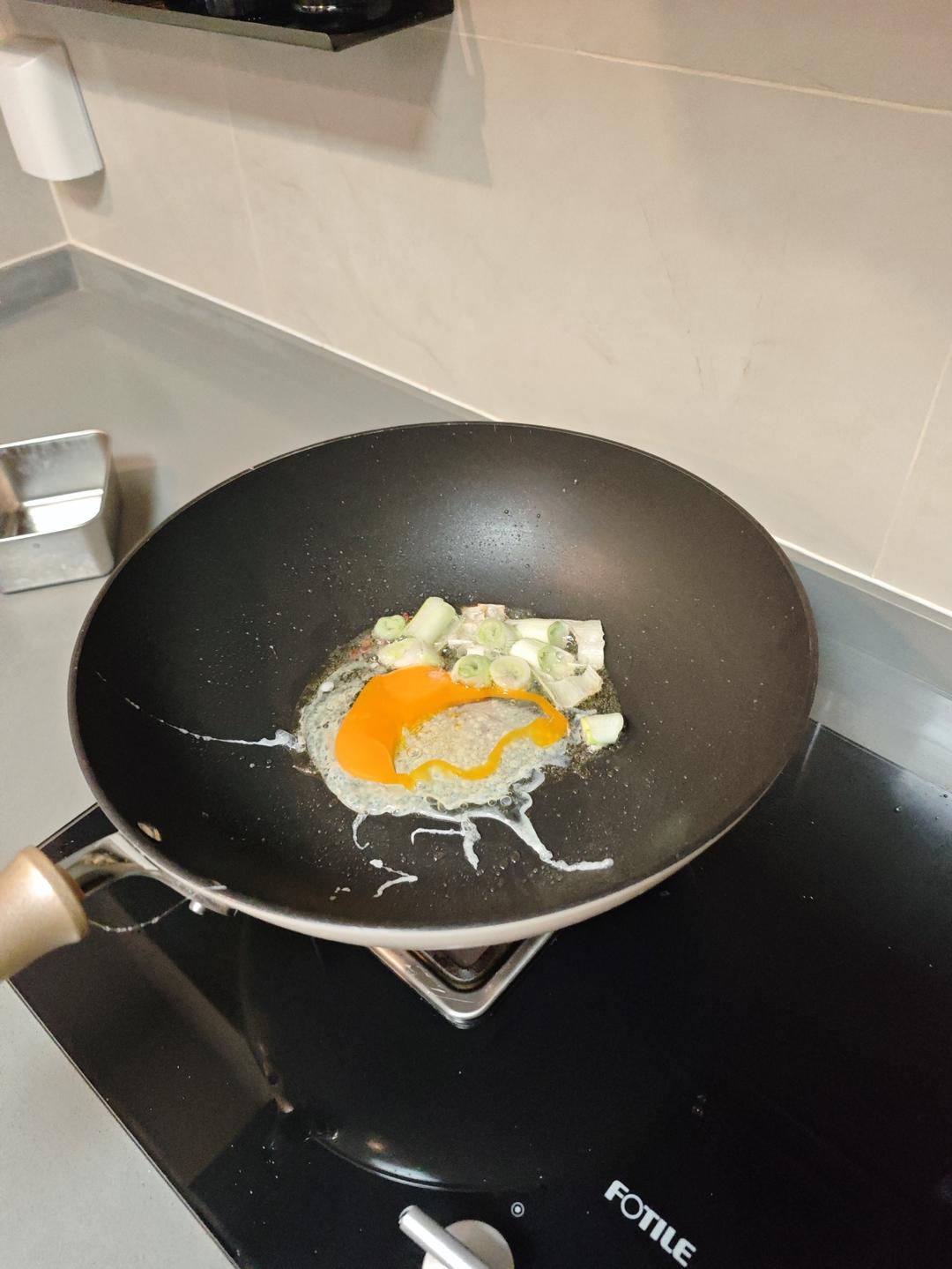
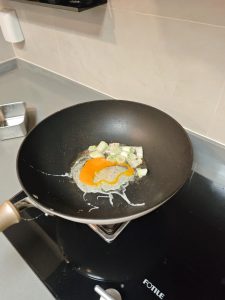
Step 2 — Scramble in the Eggs
Crack in two eggs and stir until they are softly scrambled and just set.
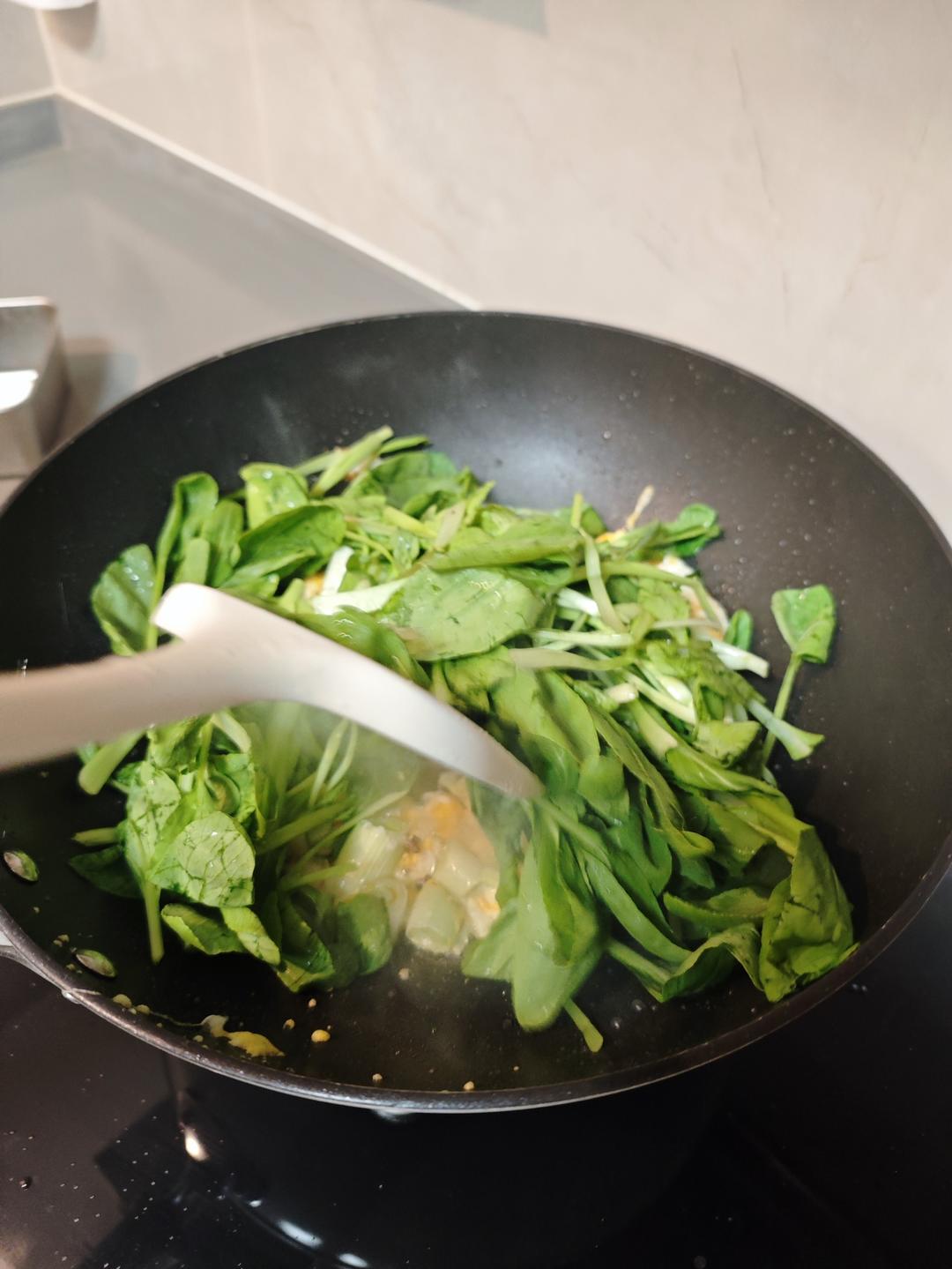
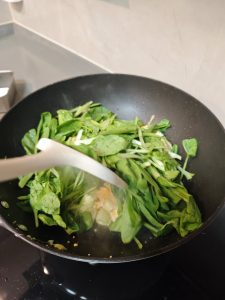
Step 3 — Add the Greens With Soy
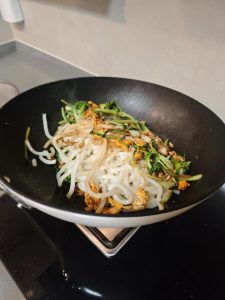
Add the washed greens and season with light soy sauce and a little dark soy for color. Stir-fry until the greens wilt.
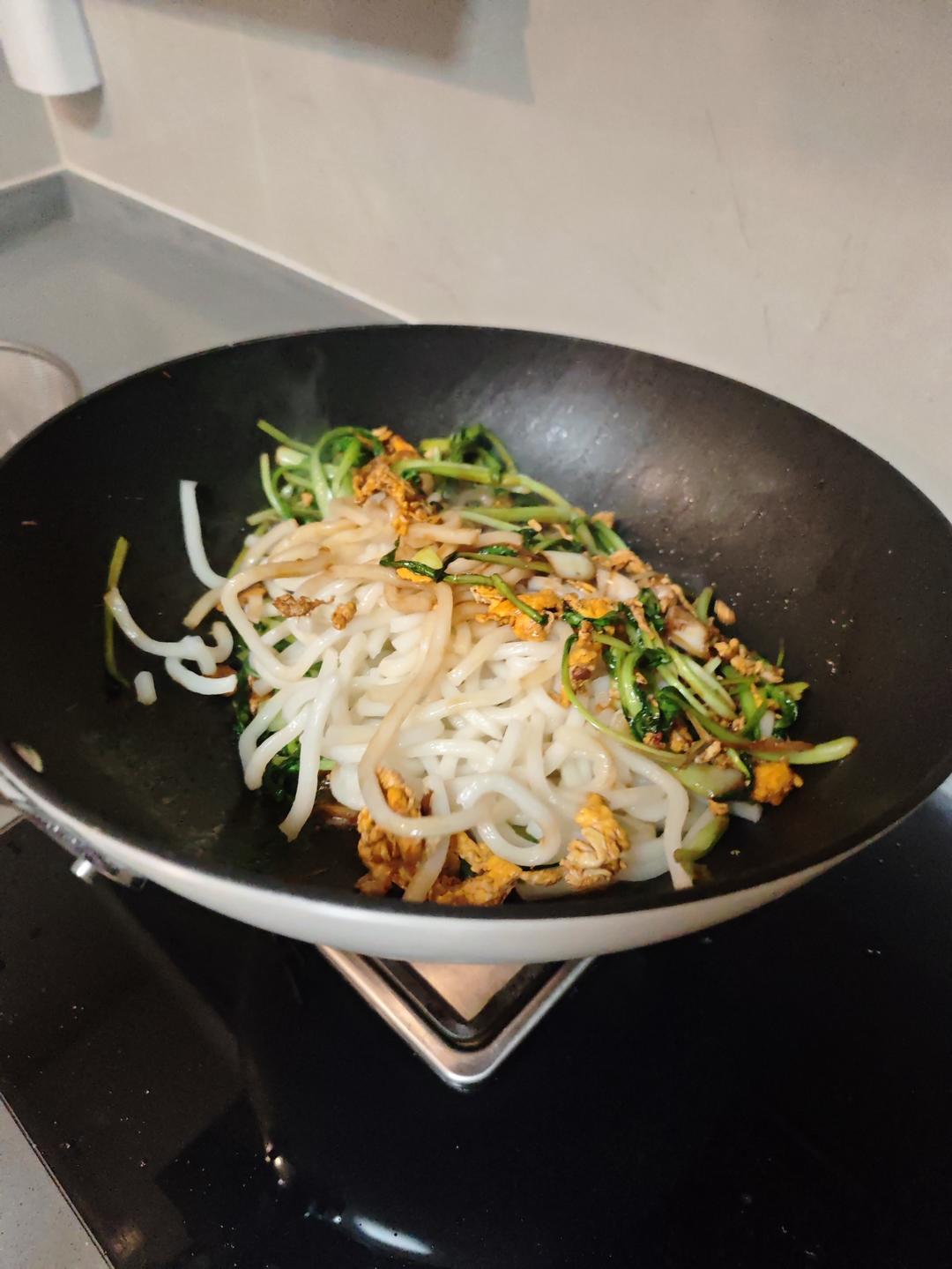
Step 4 — Add the Pre-Boiled Noodles
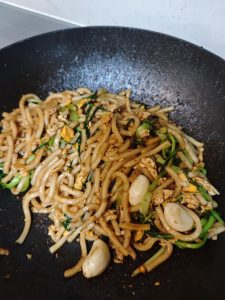
Add the drained udon noodles (they should be pre-boiled) and toss everything together over high heat.
Step 5 — Finish With Cumin, the Soul of the Dish
Sprinkle in the cumin — the cook calls it the soul of the noodles. Taste and add a little salt only if needed, since the soy already seasons the dish.
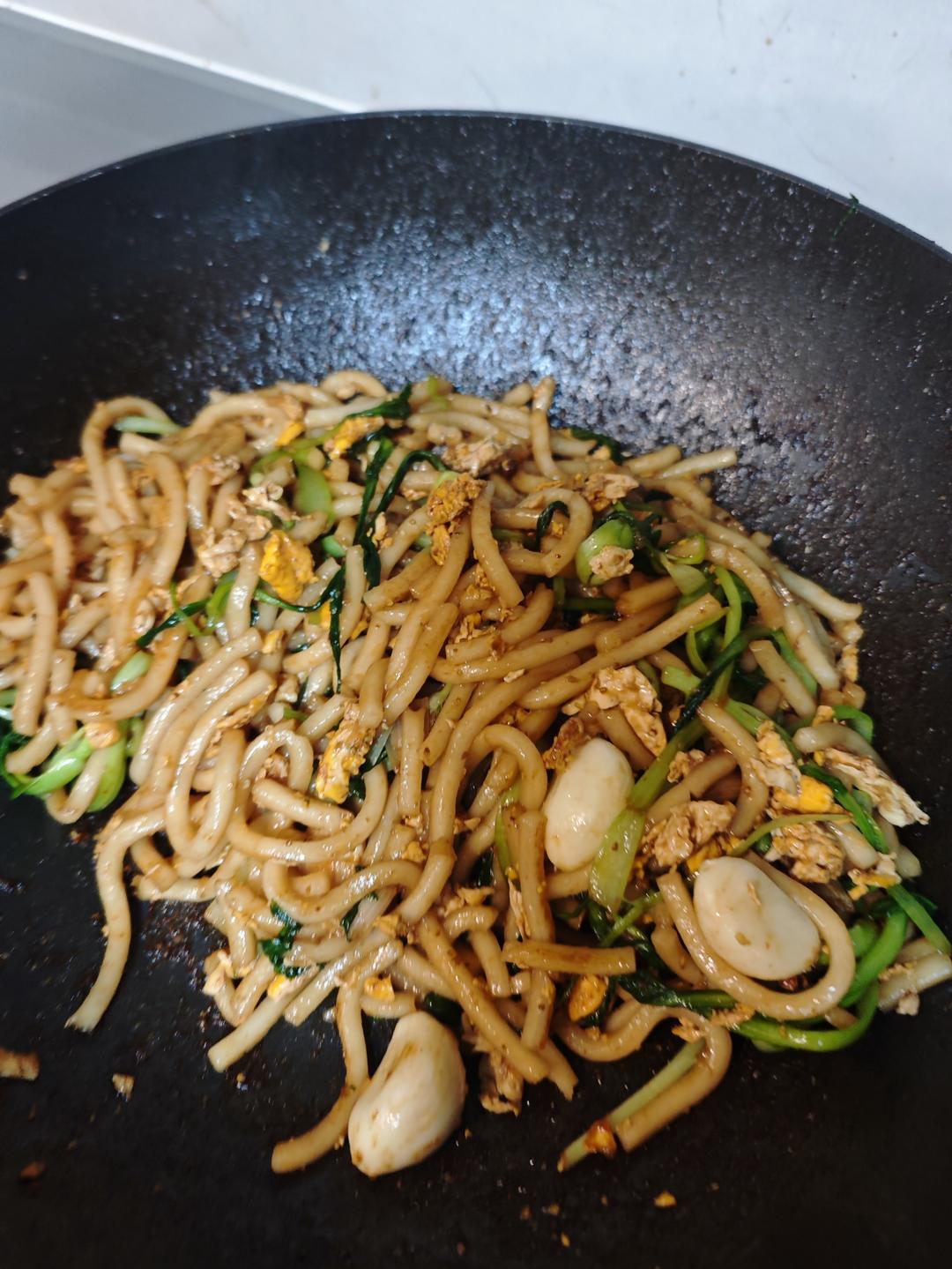
Cumin works here the way it works in cumin lamb: it is fat-soluble and slightly bitter when raw, but the moment it hits the hot, oiled noodles it toasts and releases warm, citrusy, earthy notes. Adding it at the end — not at the start — is what keeps it aromatic instead of burnt.
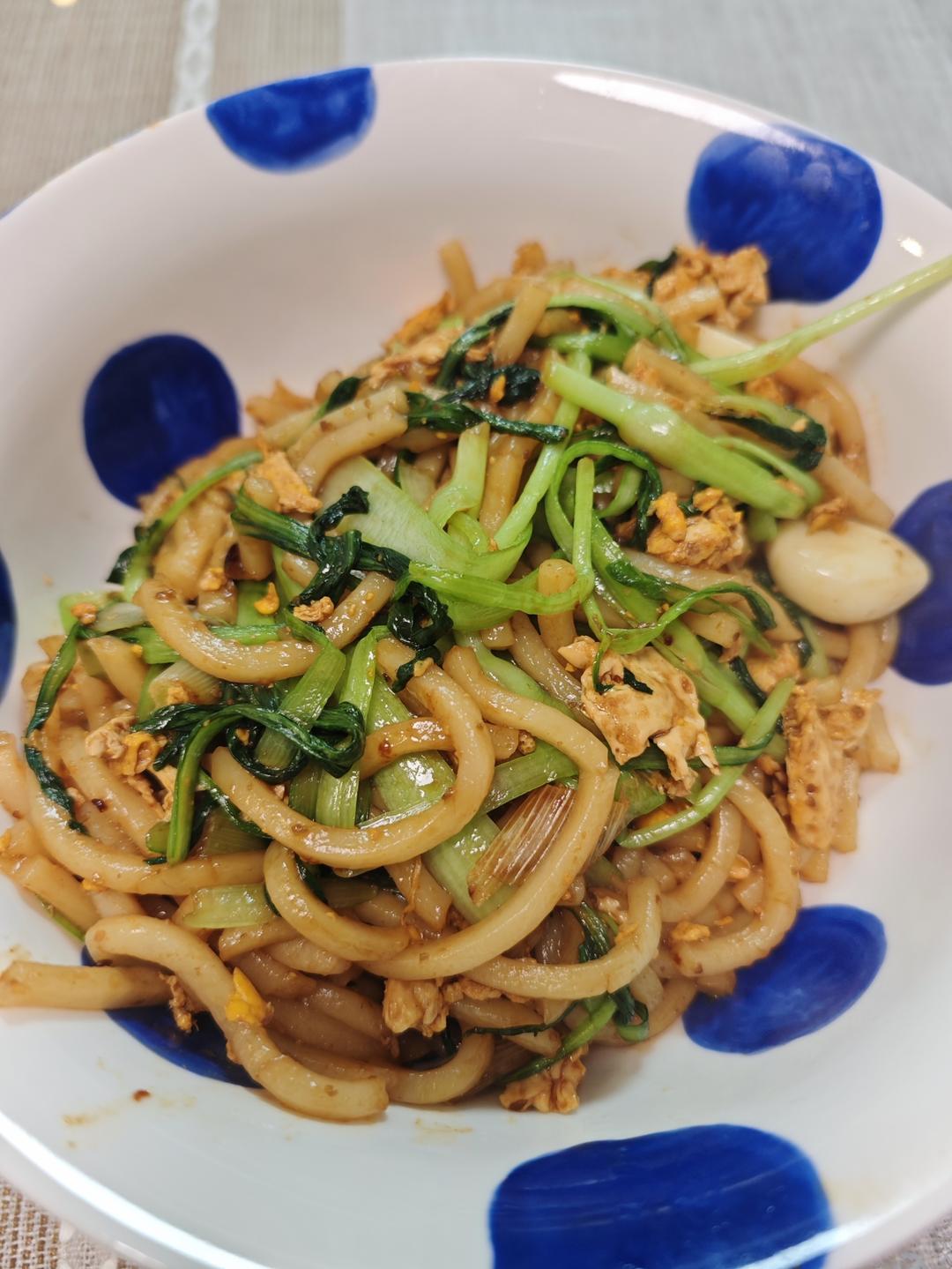
Step 6 — Serve Immediately
Toss once more and slide the noodles onto plates. Serve hot, straight from the wok.
Common Mistakes When Making Stir-Fried Udon
1. The noodles steam instead of fry. Cause: boiling them wet right before the wok. Fix: drain very well, or use pre-cooked packaged udon rinsed in hot water, and toss over high heat.
2. The dish is too salty. Cause: salting before tasting. Fix: the soy already seasons the noodles — add cumin first, taste, then salt only if needed.
3. The egg dries into hard bits. Cause: overcooking the egg before the greens go in. Fix: scramble just until softly set, then build the rest quickly.
4. The cumin tastes raw or burnt. Cause: adding it too early or at too high heat. Fix: add it near the end so it toasts in the residual heat.
5. The noodles clump together. Cause: overcrowding or low heat. Fix: keep the pan hot and toss quickly; separate any clumps with the spatula as they hit the oil.
Variations
With meat. Add sliced beef or pork with the greens — the sear follows my beef tenderloin stir-fry technique.
Spicier. Add a sliced chili or a spoon of chili crisp with the garlic.
Other noodles. The same method works with fresh egg noodles or hand-pulled noodles from my hand-pulled noodle recipe.
Frequently Asked Questions
Can I use other greens? Yes — bok choy, spinach, broccoli rabe, or shredded cabbage all work; cook heartier greens a minute longer.
Do I have to pre-boil the udon? Yes — raw udon takes too long to cook in the wok. Boil it first (or use the pre-cooked packaged kind).
Is the cumin essential? The cook calls it the soul, and I agree — but if you dislike cumin, a pinch of white pepper is a gentler finish.
Can I make it vegetarian? It already is, as written — no meat, just egg, greens, and noodles. For a vegetable-heavy noodle night, pair it with the seafood pizza or peas with minced pork for variety.
How long does it keep? Best eaten immediately; leftovers reheat in a hot pan for a minute but lose some spring.
How to Serve
Serve the noodles hot as a one-bowl meal, or alongside mushroom scrambled eggs and peas with minced pork for a wok-dinner spread. For a noodle night, set it beside tomato egg drop soup with dough drops, a bowl of pumpkin rice, or a plate of hand-pulled noodles if you want to compare chewy styles.
Storage & Reheat
This dish is best fresh from the wok. Leftovers keep refrigerated for a day; reheat in a hot, lightly oiled pan for a minute, tossing, until piping hot — a splash of water helps loosen them without steaming them soggy.
Allergen Notice
Contains egg, wheat (udon noodles), and soy (soy sauces). Cumin is not a common allergen.
Nutrition Disclaimer
Nutrition information is calculated using an ingredient database and should be considered an estimate. In cases where multiple ingredient alternatives are given, the first listed is calculated for nutrition. Garnishes and optional ingredients are not included.
About the Author & Recipe Development
I am Lin, and I grew up in my parents’ restaurant kitchen in Chengdu, where the fastest lesson a young cook learned was that a hot wok fixes almost anything. This udon stir-fry from xiachufang is the kind of dish I would have been sent to make between rushes: quick, honest, and full of small smart moves. I tested it twice — the first time I added the cumin at the start and it turned bitter; the second time, following the cook’s instinct to finish with it, the whole pan smelled incredible. The pre-boiled noodles and the pinch of cumin turned a throw-together supper into a recipe I actually write down.
Authoritative References
King Arthur Baking for noodle-dough background, and USDA Safe Temperature Chart for reheating leftovers safely.
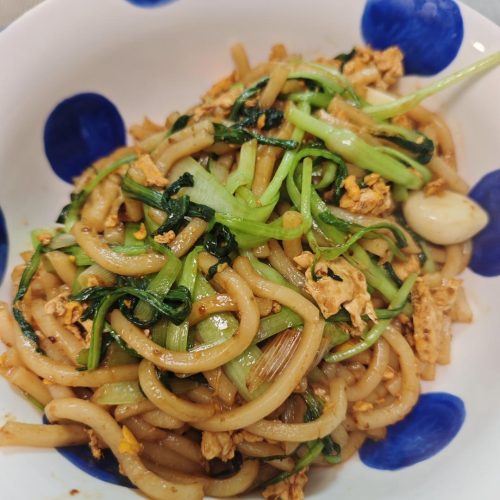
Egg & Greens Stir-Fried Udon (炒乌冬面): 10-Minute Wok Noodles

Equipment
- Wok or Skillet
- Pot
Ingredients
For the Noodles
- 2 portions udon noodles, pre-boiled and drained
- 2 eggs
- 1 handful leafy greens, washed 青菜
- 1 stalk scallion, sliced
- 2 cloves garlic, sliced
- 2 tsp light soy sauce
- 0.5 tsp dark soy sauce for color
- 0.5 tsp cumin the soul of the dish
- 1 pinch sugar to taste
- 1 pinch salt to taste, only if needed
- 2 tbsp oil
Instructions
- Heat oil in the wok and cook the scallion until fragrant.

- Crack in the eggs and scramble until softly set.
- Add the greens with the light and dark soy sauces and stir-fry until wilted.
- Add the pre-boiled udon and toss over high heat.
- Sprinkle in the cumin, taste, and add salt only if needed.
- Toss once more and serve hot, straight from the wok.



Leave a Reply