There is a specific kind of magic that happens when you combine cold, day-old rice with a hot wok. Growing up in my family’s kitchen in Sichuan, fried rice was the ultimate solution to leftovers—a way to transform humble grains into a feast. While I spent years perfecting classics like Yangzhou Fried Rice, my culinary travels introduced me to the bold, sweet-savory punch of Nasi Goreng (Indonesian Fried Rice).

This recipe is a simplified, homestyle interpretation. It captures the spirit of the Indonesian classic using ingredients you likely already have in your pantry: ketchup and oyster sauce. It’s savory, slightly sweet, tangy from the tomatoes, and incredibly satisfying.
Why This Recipe?
This isn’t just another fried rice; it’s a lesson in flavor balancing. Traditional Nasi Goreng relies on Kecap Manis (sweet soy sauce) and Terasi (shrimp paste). However, in this accessible version, we use a combination of Oyster Sauce and ketchup to replicate that signature caramelized sweetness and umami depth.
I’ve tested this method on both high-output restaurant burners and standard home electric stoves. The result? A reliable, comforting meal that comes together in under 15 minutes. It is perfect for a quick lunch or a late-night dinner when you want something more exciting than plain rice.
What Is Nasi Goreng?
Nasi Goreng literally translates to “fried rice” in Indonesian and Malay. It is distinguished from its Chinese counterparts by its dark brown color (from sweet soy sauce) and robust, spicy-sweet flavor profile. It was voted one of the world’s best foods by CNN Travel, highlighting its global appeal.

Typically, it is served with kerupuk (shrimp crackers), fresh cucumber slices, and a fried egg. In this recipe, we are actually stir-frying the cucumber and tomato into the rice—a unique, homestyle twist that adds juiciness and texture to every bite.
Note on Variations: If you are looking for a more traditional Chinese style, you might enjoy our Shrimp Fried Rice or the hearty Beef Fried Rice. Each has a distinct technique, but they all share the love of wok hei.
Why This Recipe Works
- Texture Contrast: Using cold, leftover rice ensures the grains stay distinct and chewy, rather than turning into mush.
- Umami Bomb: The combination of oyster sauce and sautéed onions provides a savory base that balances the acidity of the fresh tomatoes.
- Speed: By using ketchup as a shortcut for the sweet-sour element, you save time without sacrificing the “comfort food” vibe.
About the Author & Recipe Development
I’m Lin, a culinary professional originally from Sichuan. My journey began peeling onions in my parents’ restaurant and eventually led to formal training at a culinary institute in Chengdu.
For this specific recipe, I wanted to bridge the gap between authentic Indonesian flavors and the reality of a busy Western kitchen. I tested various ratios of ketchup to oyster sauce. Too much ketchup makes it taste like a children’s meal; too much oyster sauce makes it overly salty. The 1:1 ratio (adjusted to taste) provided the best balance, mimicking the depth of kecap manis while keeping it accessible. I also experimented with the cucumbers—while usually a garnish, stir-frying them briefly adds a refreshing crunch that cuts through the oil.

Key Ingredients & Substitutions
- Leftover Rice: You need about 2 cups (a large bowl) of cold, cooked rice. Jasmine rice works best. If you need to make rice fresh, spread it on a baking sheet to cool and dry out under a fan. Check out my guide on How to cook perfect rice in a cast iron pot if you are starting from scratch.
- Onion: Yellow or red onion, sliced into strips. This provides sweetness.
- Tomato & Cucumber: Diced. These add acidity and freshness.
- The Sauce:
- Oyster Sauce: Provides the salty, savory punch.
- Ketchup: Provides sweetness, acidity, and color.
- Egg: A fried egg on top is essential for the yolk to run into the rice.
Ingredients
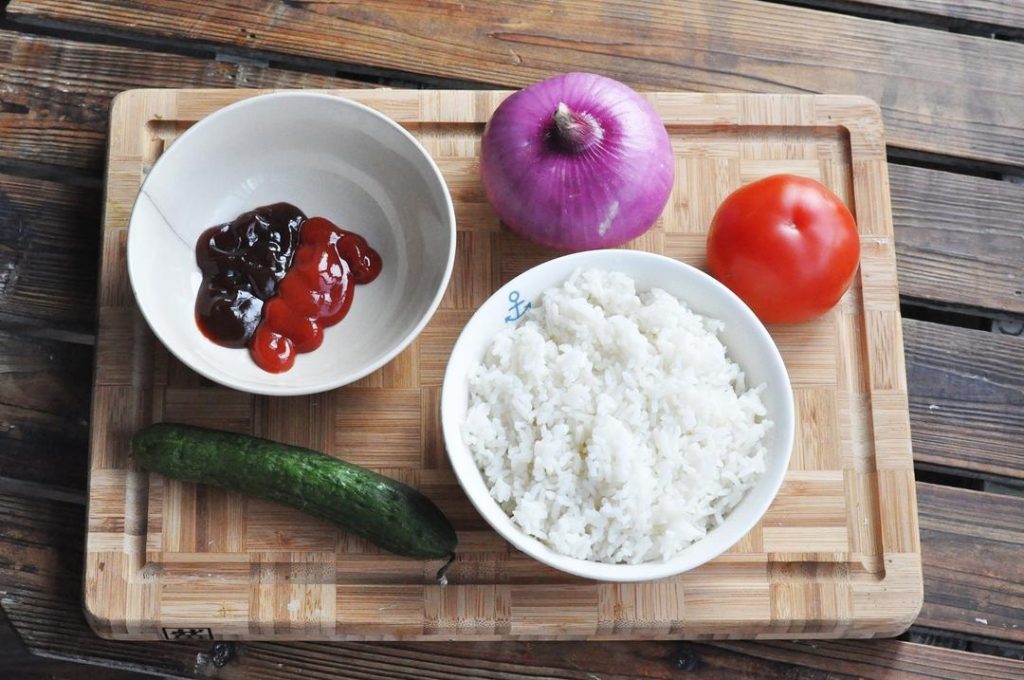
- Rice: 2 cups (approx. 300g) cooked white rice, chilled (preferably day-old).
- Aromatics: ½ yellow onion, sliced.
- Vegetables:
- ½ fresh tomato, diced.
- 1 small cucumber (Persian or English), diced.
- Seasoning:
- 1 tbsp Oyster Sauce.
- 1 tbsp Ketchup (Tomato Ketchup).
- Salt to taste.
- Cooking Oil: 1-2 tbsp neutral oil (vegetable or canola).
- Topping: 1 large egg.
Recipe Notes Before We Begin
- Rice Texture: Ensure your rice is not wet. If it is clumping together, break it up gently with your hands or a fork before it hits the pan.
- Prep: Stir-frying moves fast. Have your onion sliced and your cucumber and tomato diced before you turn on the stove.
- Equipment: A carbon steel wok is ideal, but a large cast-iron skillet or non-stick pan works perfectly fine for this home version.
Mise en Place
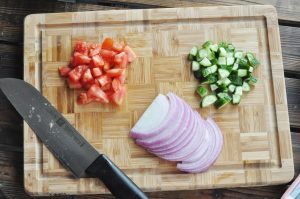
- Slice the onion into thin strips.
- Dice the tomato and cucumber into small cubes (approx. 1cm).
- Break up the cold rice so there are no large lumps.
- Measure your oyster sauce and ketchup so they are ready to go.
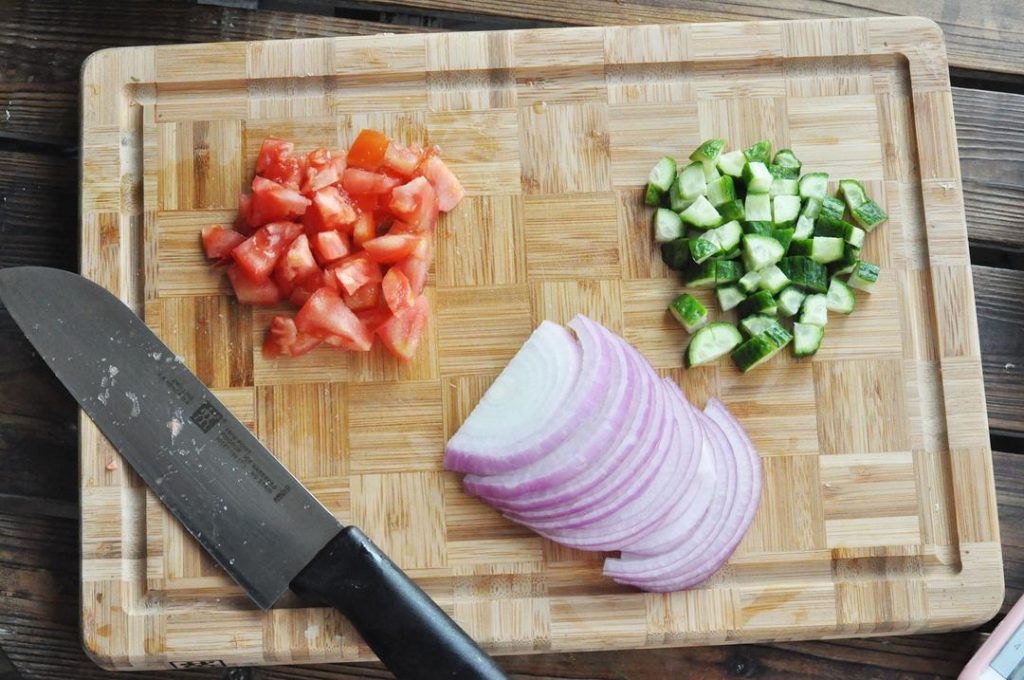
How to Make Nasi Goreng (Step-by-Step)
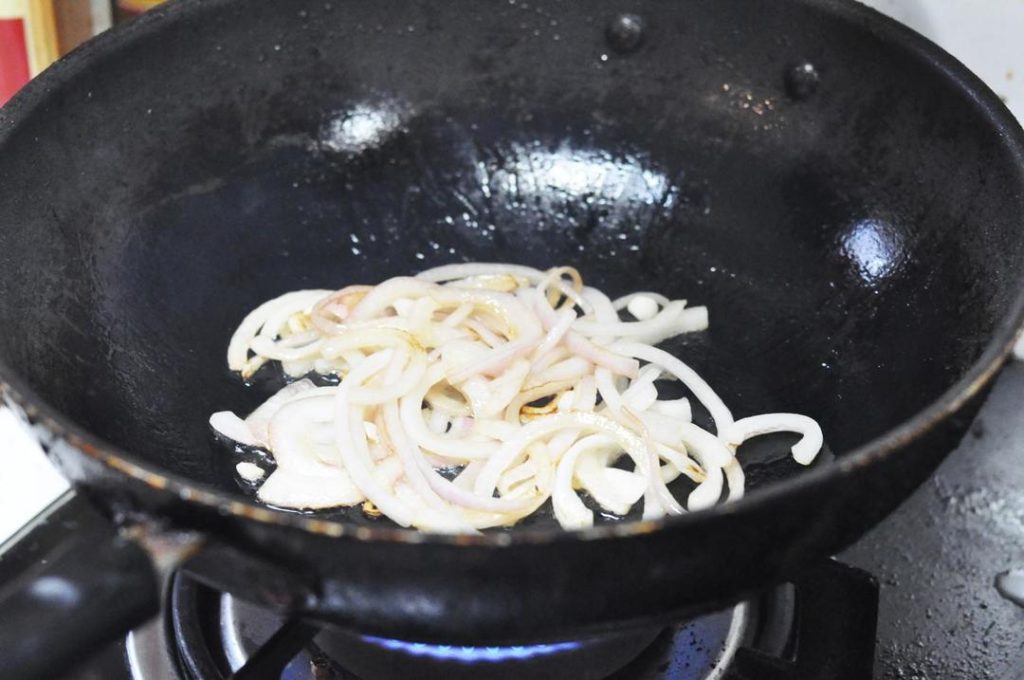
Step 1: Sauté the Aromatics
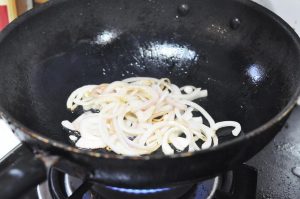
Heat your wok or skillet over medium heat. Add about 1 tablespoon of oil. When the oil shimmers, add the sliced onion. Stir-fry for about 2-3 minutes until the onion is fragrant, translucent, and starting to soften.
- Why? Releasing the onion’s natural sugars creates a flavor base that permeates the rice later.
Step 2: Add Rice and Sauces
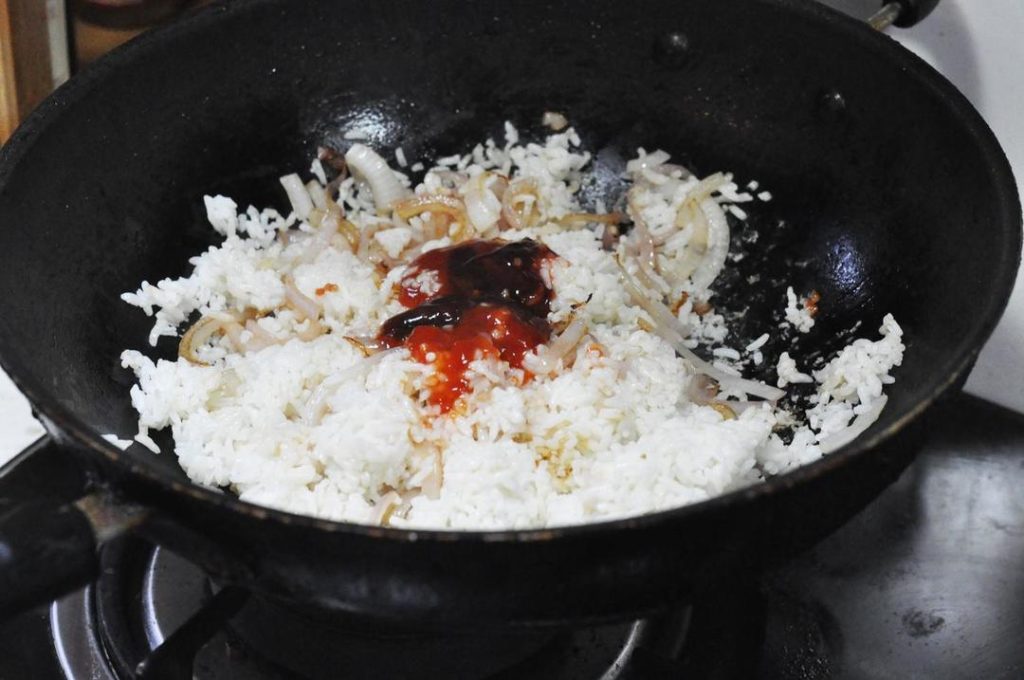
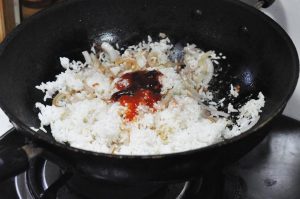
Add the leftover rice to the pan. Immediately add the oyster sauce and ketchup. Turn the heat up to medium-high. Stir-fry vigorously, using a scooping motion to coat every grain of rice with the sauces.
- Tip: If the rice is sticking, add a tiny splash of oil around the rim of the wok.
Step 3: Add Vegetables
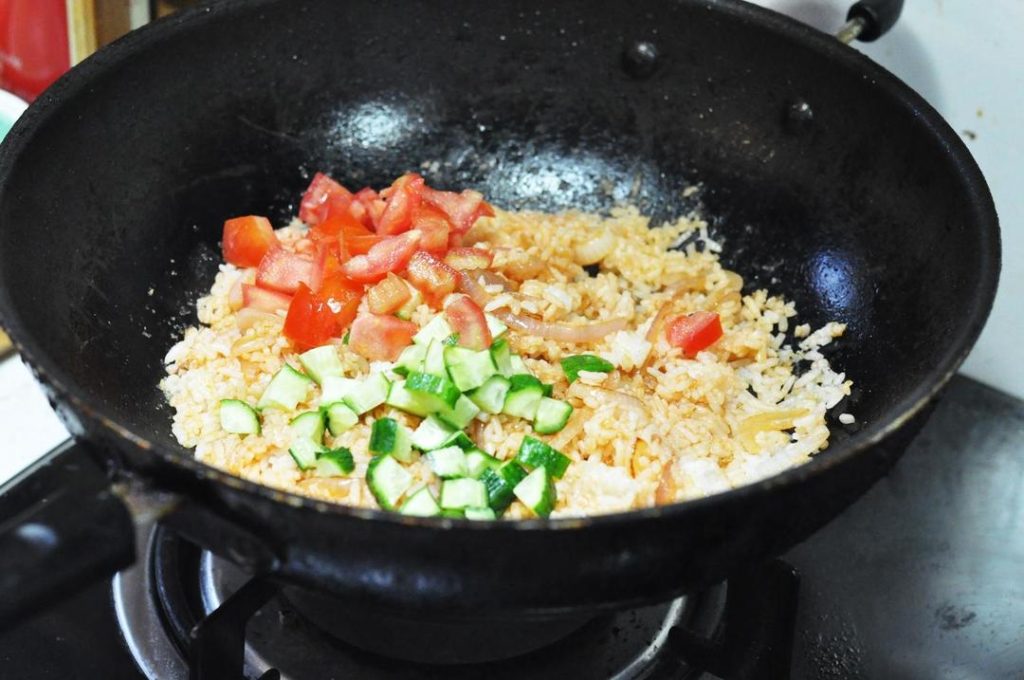
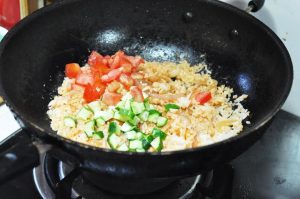
Once the rice is uniformly colored (a nice reddish-brown) and hot, add the diced tomato and cucumber. Sprinkle with a pinch of salt. Toss everything together for another 1-2 minutes.
- Note: You want the vegetables to warm through and the tomato to break down slightly, but the cucumber should retain some crunch.
Step 4: Fry the Egg
Remove the rice from the pan and plate it. In the same pan (wipe it out if needed), add a little oil and fry an egg sunny-side up (or to your preference). The crispy edges of the egg white contrast beautifully with the soft rice.

Step 5: Serve
Place the fried egg on top of the rice mound. Breaking the yolk and mixing it into the hot, savory-sweet rice is the most satisfying part of this meal!
Common Mistakes When Making Nasi Goreng
- Using Hot, Fresh Rice: This is the most common error. Fresh rice contains too much moisture and will turn into a gummy mash when stir-fried. Always use day-old, refrigerated rice.
- Overcooking the Cucumber: Cucumber has a high water content. If you cook it too long, it will release water and make the rice soggy. It should be added at the very end, just to warm up.
- Low Heat: Stir-frying requires heat to generate flavor. If your pan isn’t hot enough, you are essentially steaming the rice rather than frying it.
Tips for Success
- Spicing it Up: If you like heat, add a teaspoon of Homemade Chinese Chili Oil or Sambal Oelek along with the ketchup.
- Protein Boost: While this is a vegetarian base (minus the oyster sauce), you can easily add leftover chicken or shrimp. If adding shrimp, check out how we prep them in our Shrimp Fried Rice.
- One-Pot Variation: If you prefer rice dishes where everything cooks together from raw, you might like our Chinese Sausage and Potato Rice, which is a rice cooker meal.
Authoritative References
For more information on rice safety and handling leftovers, refer to the USDA Food Safety and Inspection Service.
For a deeper understanding of the science behind starch retrogradation (why cold rice is better), this article from Serious Eats is an excellent resource.
How to Store & Reheat
- Storage: Store leftovers in an airtight container in the refrigerator for up to 3 days.
- Reheating: Microwave with a damp paper towel over the top to steam the rice gently, or toss it back in a hot pan for 2 minutes.
- Safety Note: Do not leave cooked rice at room temperature for more than 2 hours to prevent Bacillus cereus growth.
Nutrition Information (Estimate)
- Calories: ~450 kcal
- Carbohydrates: 65g
- Protein: 12g
- Fat: 14g
- Sodium: 850mg (varies based on oyster sauce brand)
- Fiber: 3g
Disclaimer: Nutrition information is calculated using an ingredient database and should be considered an estimate. Garnishes and optional items are not included. Actual values vary depending on the specific brands of ketchup and oyster sauce used.
Food Safety Reminder: This recipe contains oyster sauce (shellfish allergen) and eggs. Ensure eggs are cooked to your desired safety level; for children or elderly guests, cook the yolk through.
Easy Nasi Goreng (Indonesian Fried Rice)

Equipment
- Wok or large skillet Carbon steel preferred for wok hei
- Spatula
Ingredients
- 2 cups cooked white rice cold, day-old rice is best
- 0.5 onion sliced into strips
- 0.5 tomato diced
- 1 small cucumber diced
- 1 tbsp oyster sauce
- 1 tbsp ketchup
- 1 egg for frying
- 1 tbsp vegetable oil
- salt to taste
Instructions
- Slice the onion into strips. Dice the tomato and cucumber into small cubes. Ensure the leftover rice is broken up and not in large clumps.

- Heat the oil in a wok or skillet over medium heat. Add the sliced onion and stir-fry until fragrant and slightly softened (about 2-3 minutes).
- Add the cold rice to the pan. Add the oyster sauce and ketchup. Turn heat to medium-high and stir-fry vigorously to coat the rice evenly with the sauces.
- Add the diced tomato and cucumber. Sprinkle with a pinch of salt. Stir-fry for another 1-2 minutes until everything is mixed and warmed through. Remove from heat and plate.
- In the same pan, fry the egg to your liking (sunny-side up recommended).
- Place the fried egg on top of the rice and serve immediately. Mixing the egg yolk into the rice adds a rich creaminess!












Leave a Reply