Growing up in my family’s restaurant kitchen in Sichuan, Meat Floss (Rou Song / 肉松) was a staple topping. We called it “meat wool” because of its fluffy, cotton-like texture. It’s savory, slightly sweet, and packed with umami—the kind of condiment that can turn a plain bowl of morning congee into a feast.
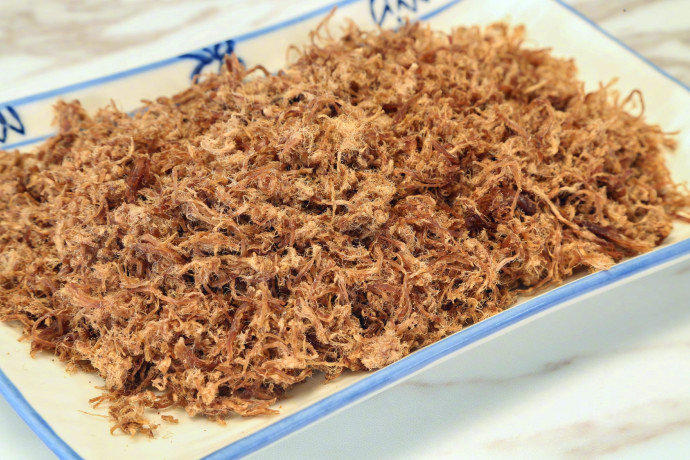
However, making it the traditional way is a labor of love. I remember watching the dim sum chefs stand over a giant wok for hours, constantly stirring the shredded meat over low heat to dehydrate it without burning. It was exhausting work.
In my own home kitchen, I don’t always have hours to spend stirring. That is why I developed this microwave method. It cuts the active cooking time down significantly while still achieving that signature fluffy texture. After testing this with beef, pork, and chicken, I’ve found that the microwave is actually more efficient at removing internal moisture than a standard home oven, resulting in a crispier, lighter floss.
What Is Meat Floss (Rou Song)?
Meat Floss, or Rou Song, is a dried meat product with a light, fluffy texture similar to coarse cotton. It originates from China but is popular across Southeast Asia. The meat is stewed until falling-apart tender, shredded, and then cooked slowly until completely dry and seasoned with soy sauce and sugar.

In the West, you might find it in Asian bakeries atop buns, but store-bought versions often contain pea flour (as a filler), preservatives, and MSG. Making it at home allows you to control the quality of the meat and the balance of flavors.
Why This Recipe Works
- Speed & Efficiency: Traditional wok-frying takes 45-60 minutes of constant stirring. This microwave method creates excellent dehydration in about 10-15 minutes of cooking pulses.
- Texture Control: By controlling the shredding and the microwave intervals, you can choose between coarse strands (great for snacking) or a fine powder (perfect for babies or topping soft tofu).
- Versatility: This technique works for beef, pork, or chicken. I personally find beef provides the deepest flavor, but pork is the classic choice.
Key Ingredients & Substitutions
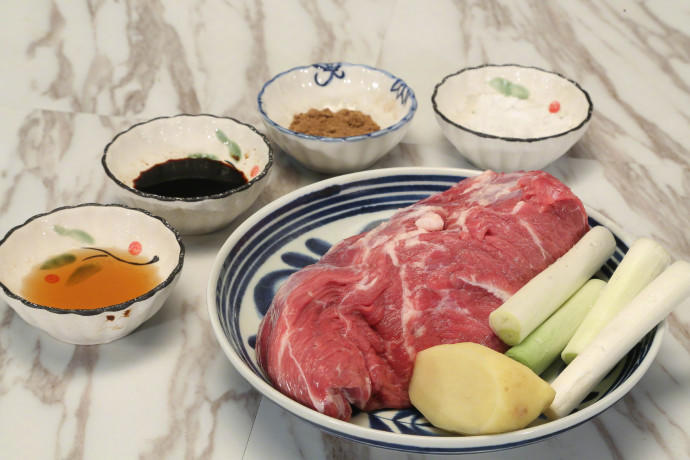
- The Meat: You need a lean cut with long fibers.
- Beef: Flank steak or round roast (remove tendons).
- Pork: Pork loin or tenderloin (remove silverskin).
- Chicken: Chicken breast.
- Aromatics: Ginger and scallions are essential for the boiling step to neutralize any gaminess (especially for pork).
- Light Soy Sauce: This provides the salty, savory base. I recommend a high-quality brand like Pearl River Bridge or Kikkoman to ensure a clean umami flavor.
- Shaoxing Wine: Used during the boiling process to remove odors and add depth. If you cannot find it, dry sherry is an acceptable substitute.
- Five Spice Powder: This gives the floss its signature Chinese aroma. A little goes a long way.
- Sugar: White sugar is traditional and helps with the browning and crisping process.
Recipe Notes Before You Begin
Equipment: You will need a microwave-safe glass or ceramic dish (Pyrex works well). Do not use metal. A food processor is helpful for shredding, but a rolling pin and two forks work for a more rustic texture.
Grain Direction: When cutting the raw meat for boiling, cut along the grain into large chunks. We want long fibers so they shred into long, fluffy strands later. If you cut against the grain, the meat will crumble into powder too early.
Mise en Place / Prep
- Soak the Meat: Wash your meat (400g) and soak it in a large bowl of cold water for 2 hours. Change the water once halfway through. Why? This draws out the myoglobin (blood water), ensuring the final floss has a clean flavor and lighter color.
- Cut: Slice the meat along the grain into large chunks (about 2 inches). If using chicken or pork, you can leave them in even larger pieces.
- Aromatics: Smash the ginger and cut the scallions into large sections.
How to Make Microwave Meat Floss
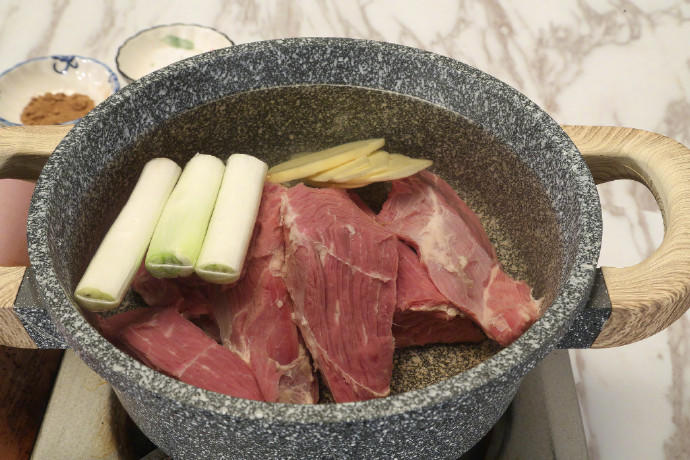
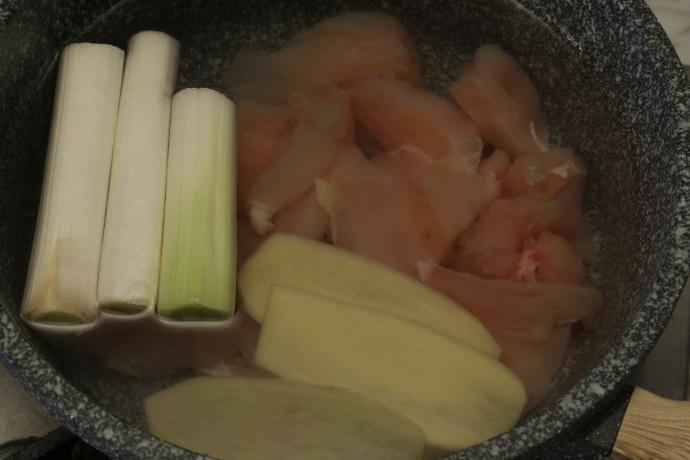
Step 1: Stew the Meat Place the meat in a pot with cold water to cover. Add the scallions, ginger, and Shaoxing Wine. Bring to a boil. Skim off any gray foam that rises to the top—this ensures a clean taste.
- Beef: Simmer for roughly 40 minutes.
- Pork: Simmer for roughly 30 minutes.
- Chicken: Simmer for roughly 20 minutes.
- Visual Cue: The meat is done when you can easily crush a piece with your fingers. (Note: A pressure cooker can reduce this time by half).
Step 2: Shred the Meat Drain the meat thoroughly and let it cool slightly. Place the meat in a sturdy plastic bag and smash it with a rolling pin to loosen the fibers.
- Option A (Manual): Tear the meat apart with your fingers or two forks into fine threads.
- Option B (Food Processor): Pulse the meat in a food processor/blender. Chef’s Tip: Don’t over-blend, or it will turn to powder. We want fluff, not dust.
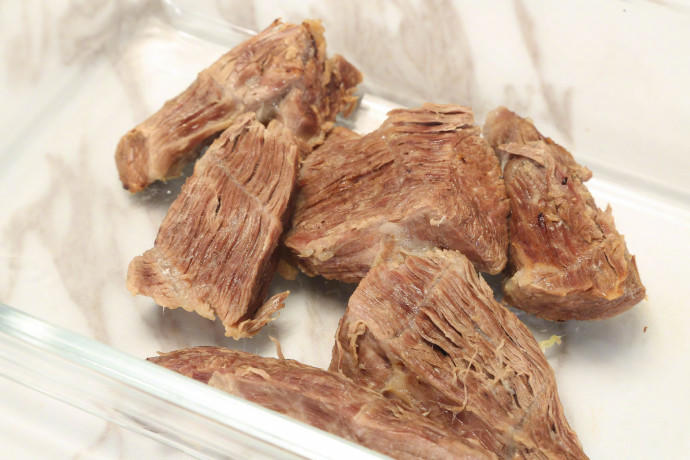
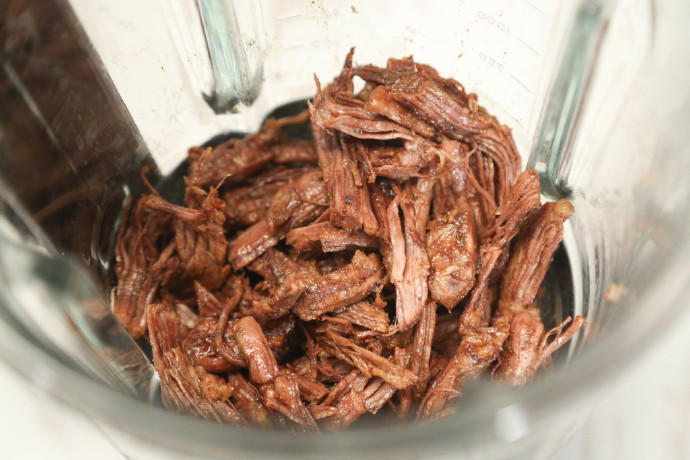
Step 3: Season Transfer the shredded meat to a microwave-safe bowl. Add the Light Soy Sauce, Sugar, and Five Spice Powder. Mix thoroughly by hand (wear gloves) to ensure every strand is coated evenly.
Step 4: The Microwave Process Spread the seasoned meat evenly in your microwave-safe dish. Do not pile it too high; a thin layer dries faster.
- First Heat: Microwave on High for 3 minutes.
- Stir: Remove the dish (careful, it’s hot!). Stir and flip the meat vigorously to redistribute moisture and heat.
- Second Heat: Microwave on High for another 3 minutes.
- Stir & Check: Stir again. Assess the dryness.
- Finish: Continue microwaving in 1 to 2-minute intervals, stirring in between, until the meat is dry, golden, and fluffy.
- Troubleshooting: Microwaves vary in power. If yours is very powerful (1200W+), reduce the intervals to avoid burning the sugar.
Step 5: Final Texture Once cool, rub the floss between your palms to fluff it up further (“cottonizing”). If you prefer a very fine texture or are making this for young children, you can give the dried floss a final quick blitz in the blender.
Common Mistakes When Making Meat Floss
- Over-seasoning: The meat shrinks significantly as it loses moisture. If you add too much soy sauce at the start, the final product will be incredibly salty. Stick to the ratios provided.
- Burning: Because there is sugar in the seasoning, the floss can burn quickly in the microwave if not stirred. Never walk away during the final minutes of cooking.
- Not Shredding Enough: If the meat chunks are too thick before microwaving, the outside will burn before the inside dries out.
Serving Suggestions
This “meat wool” is incredibly versatile. Here are my favorite ways to use it:
- Congee: It is the classic topping for Century Egg and Pork Congee. The savory crunch contrasts perfectly with the creamy rice porridge.
- Breakfast: Sprinkle it over Steamed Egg with Milk and Pork Floss for a protein-packed start to the day.
- Baking: It is the star ingredient for Pork Jerky and Pork Floss Bread or traditional Pork Floss Buns.
- Snack: Eat it plain! It’s like a fluffy jerky.
How to Store
Since we have removed the moisture, Meat Floss stores well.
- Room Temperature: Store in an airtight jar or container in a cool, dry place for up to 1 week.
- Fridge: For longer storage (up to 1 month), keep it in the refrigerator. Ensure the container is sealed tight so moisture doesn’t get back in.
About the Author & Recipe Development
I’m Lin, a culinary instructor and writer with roots in Sichuan. This recipe was developed to bridge the gap between traditional Chinese preservation methods and modern convenience. I tested this recipe using a standard 1000W home microwave. I found that while the wok method is traditional, the microwave uses internal molecular friction to drive moisture out from the center of the meat fibers, often resulting in a crispier texture in a fraction of the time.
Authoritative References
- Food Safety: When dehydrating meat products, ensuring the meat reaches a safe internal temperature of 165°F (74°C) during the initial boil is crucial. (Source: USDA Food Safety and Inspection Service)
- Microwave Cooking: For understanding how microwaves dehydrate food efficiently. (Source: FDA – Microwave Oven Radiation)
Nutrition Information (Estimate)
- Calories: 180 kcal per serving
- Protein: 22g
- Carbohydrates: 8g
- Fat: 5g
- Sodium: 450mg
- Allergens: Soy, Wheat (in soy sauce)
Disclaimer: Nutrition information is calculated using an ingredient database and should be considered an estimate. Garnishes and optional items are not included. Actual values vary based on specific brands used.







Leave a Reply