Hello! I am Lin, a professional chef and culinary writer for Woks of Love. Growing up in a restaurant family in Sichuan, my father taught me the fundamentals of Chinese culinary arts. Later, I honed my skills at the Sichuan Higher Institute of Cuisine and spent over a decade cooking in professional kitchens.

While my roots are in Sichuan cuisine, my travels across China’s coastal cities opened my eyes to incredible seafood. Therefore, I rely on my professional training to adapt regional delicacies for home kitchens. I meticulously test every recipe. Consequently, you can trust that this technique for preparing Melo Melo is both safe and easily replicable.
Why This Recipe
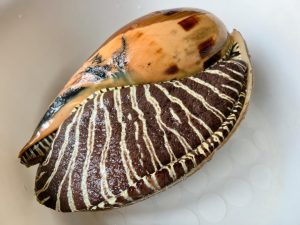
If you have ever spotted a massive, beautifully patterned shell at an Asian seafood market, you were likely looking at a Melo Melo, affectionately known in Chinese as the “Coconut Snail” (椰子螺).
Initially, the fishmonger told me to cook this massive snail in a pressure cooker for half an hour. However, my restaurant experience made me skeptical of such a long cooking time for a mollusk. I bought one to test.
As expected, 30 minutes yielded a texture that was far too soft and mushy. Thus, after several systematic tests, I found the sweet spot: 10 to 15 minutes under high pressure. This precise timing ensures the meat is fully cooked but retains a satisfying, tender bite.
What Is Melo Melo (Coconut Snail)?
Melo Melo, also known as the Indian Volute or bailer shell, is a large marine gastropod found in Southeast Asia and the South China Sea. It features a stunning, smooth shell with distinct patterns. In Chinese cuisine, its firm, slightly sweet meat is highly prized. While it may seem intimidating to prepare, it is remarkably straightforward once you understand the basic anatomy.
Since you are exploring Chinese seafood, you might also enjoy our Spicy Stir-Fried Clams, which utilizes similar flavor-balancing techniques. Alternatively, for a lighter dish, our Pan-Seared Spanish Mackerel is a fantastic choice.
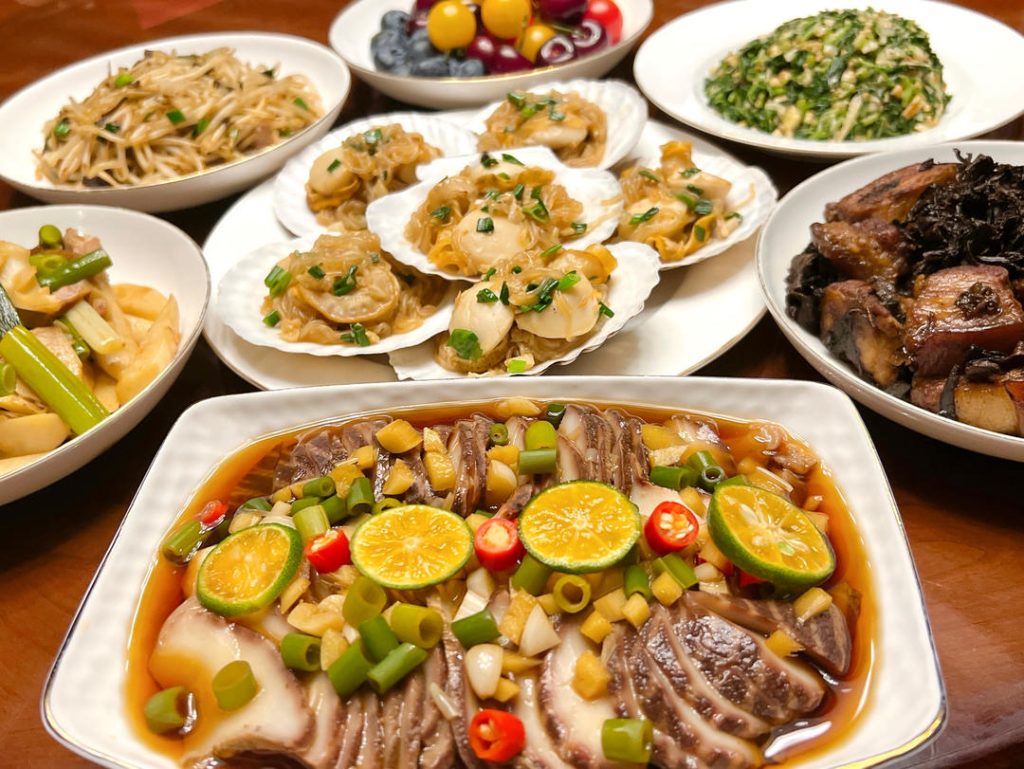
Why This Recipe Works
- Optimal Texture: By reducing the vendor’s suggested cooking time from 30 minutes down to 10-15 minutes, we prevent the meat from turning mushy.
- Aromatic Infusion: The holy trinity of Chinese aromatics—ginger, scallion, and wine—effectively neutralizes any muddy or fishy odors.
- Versatility: This recipe serves as a master preparation method. Once cooked, the meat can be served cold, stir-fried, or dipped.
Key Ingredients & Substitutions
- Melo Melo (Coconut Snail): Look for a live, fresh snail at your local Asian seafood market.
- Shaoxing Wine: This is crucial for deodorizing seafood. You can learn more in our detailed guide on Shaoxing Wine. Substitute with dry sherry if needed.
- Fresh Ginger: Use plump, fresh ginger root. Slice it thickly to release its essential oils under pressure.
- Scallions: Tied into knots, they release a mild onion flavor that complements the sweet snail meat.
Deeper Dive: Deodorizing Seafood
In professional Chinese kitchens, we heavily rely on ginger, scallion, and alcohol to tame “xing wei” (腥味), or fishy odors. The alcohol in the wine bonds with odor-causing compounds and evaporates them. Meanwhile, the ginger provides a sharp, clean contrast.
Ingredients
- 1 whole Melo Melo (Coconut Snail), approximately 1.5 to 2 lbs (700-900g)
- 2 tablespoons Shaoxing wine
- 3 thick slices fresh ginger
- 2 scallions, tied into knots
- Water (enough to submerge the snail halfway)
Recipe Notes Before You Start
Before you begin, ensure your pressure cooker is functioning correctly. If you regularly cook under pressure, check out our 14 Pressure Cooker Recipes for more ideas.
Furthermore, you will need a sharp chef’s knife or cleaver to slice the cooked meat thinly. Have a cutting board specifically designated for cooked foods ready to prevent cross-contamination.
Mise en Place / Prep
Important Buying Tip: When selecting a Melo Melo at the market, pick it up and gently tip it to drain any trapped water from the shell. Unscrupulous vendors will leave the water inside, causing you to pay extra for water weight!
Once home, scrub the exterior of the shell thoroughly with a stiff brush under cold running water. Consequently, you will prevent any sand or debris from muddying your cooking liquid.
How to Make Melo Melo (Coconut Snail)
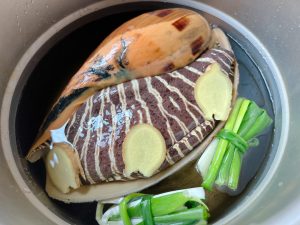
- Set Up the Pressure Cooker: Place the cleaned Melo Melo directly into the inner pot of your pressure cooker.
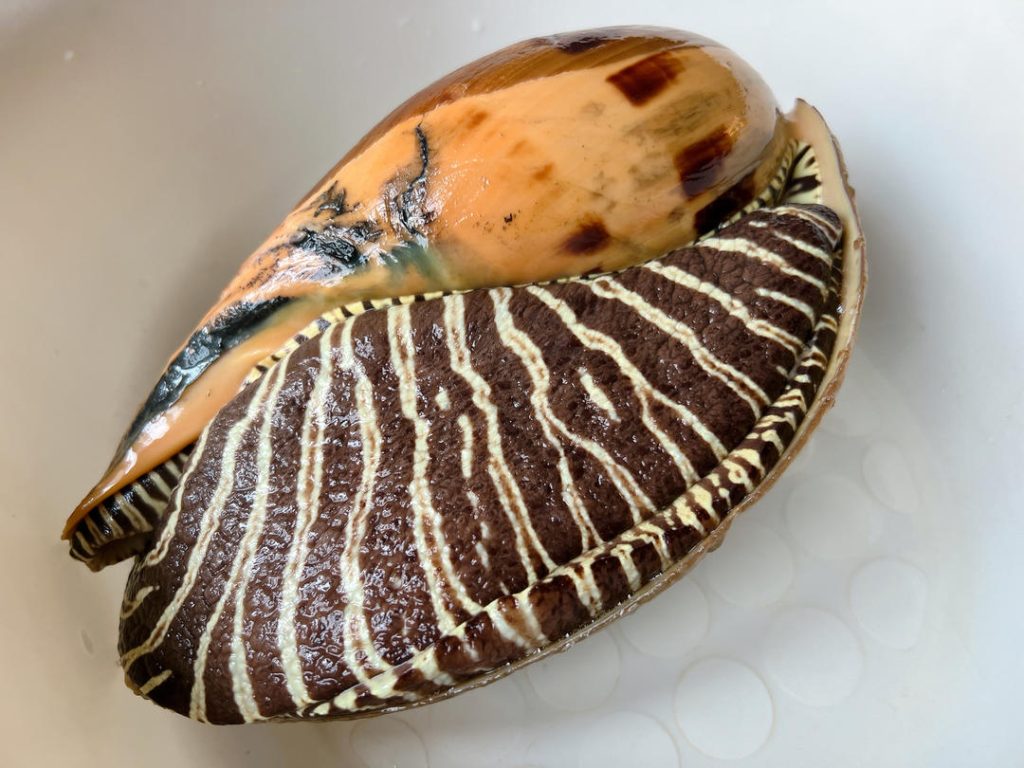
- Add Aromatics: Toss in the ginger slices, scallion knots, and Shaoxing wine. 3. Add Water: Pour in fresh water until it reaches exactly halfway up the side of the shell. Do not fully submerge it.
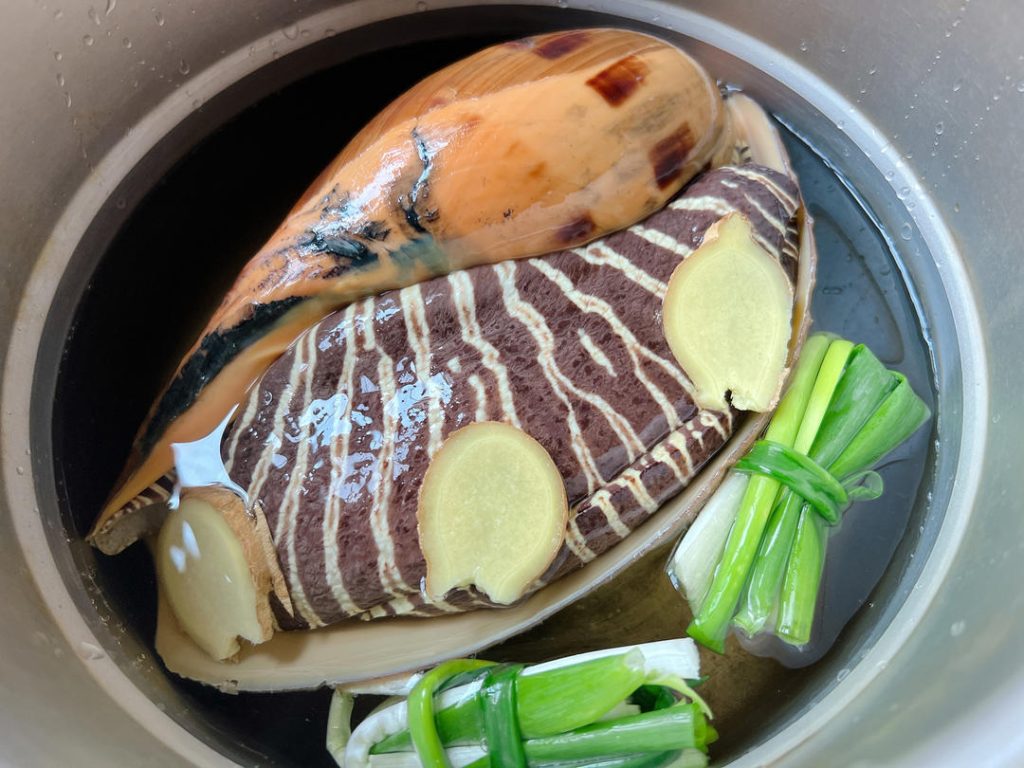
- Cook Under Pressure: Seal the lid. Cook on High Pressure for 10 to 15 minutes, depending on the exact size of the snail. A 1.5 lb snail needs 10 minutes; a 2 lb snail needs 15.
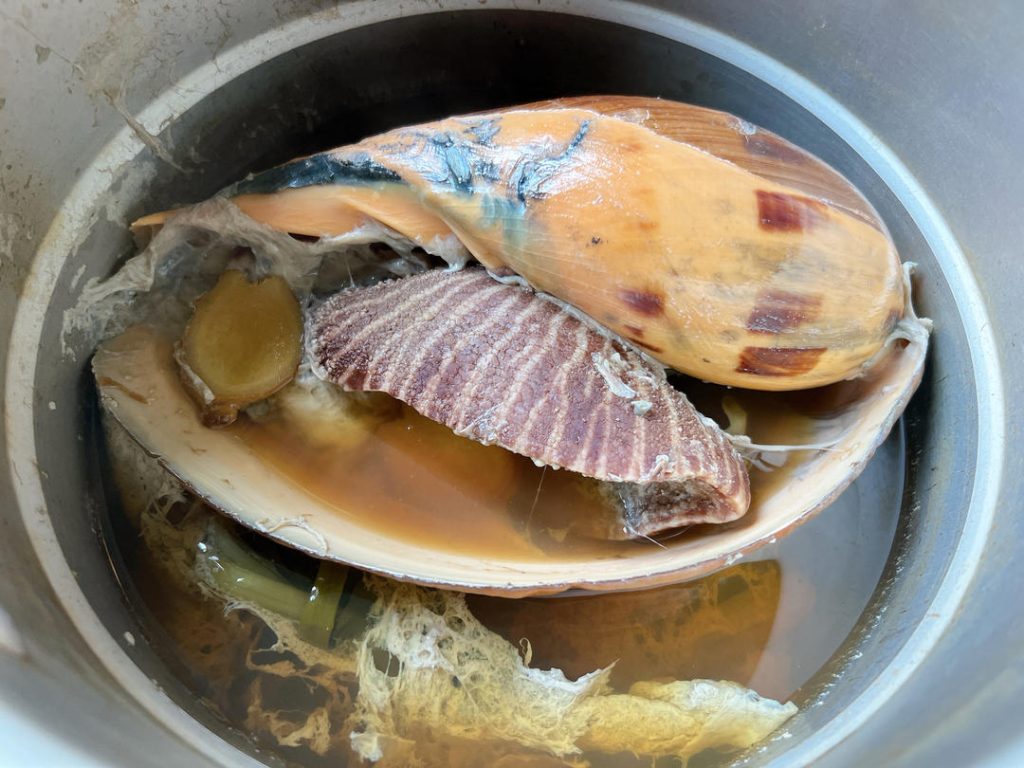
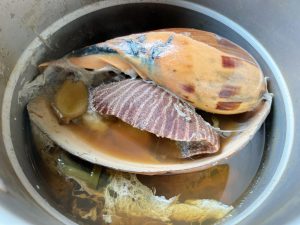
- Release and Cool: Carefully perform a quick release. Once safe, use heavy tongs to remove the hot shell and let it cool until you can handle it.
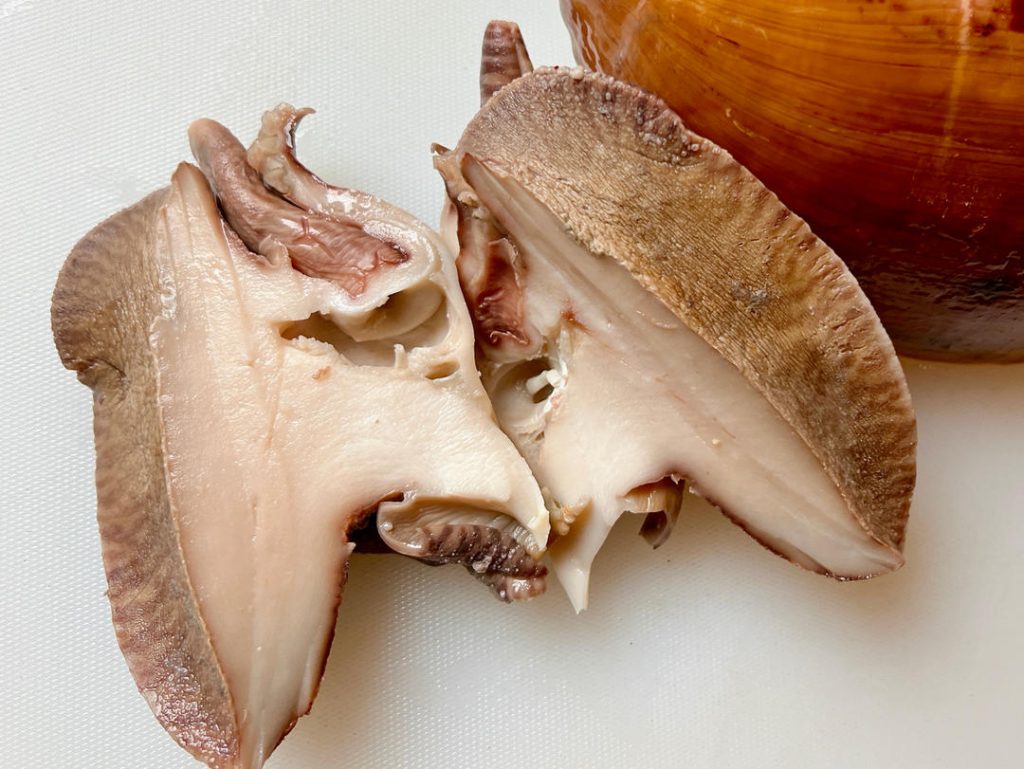
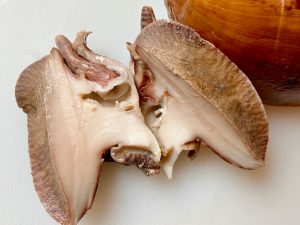
- Extract and Clean: Gently pull the meat from the shell. Carefully cut away and discard the dark digestive tract and internal organs. You only want the firm, pale muscle meat.
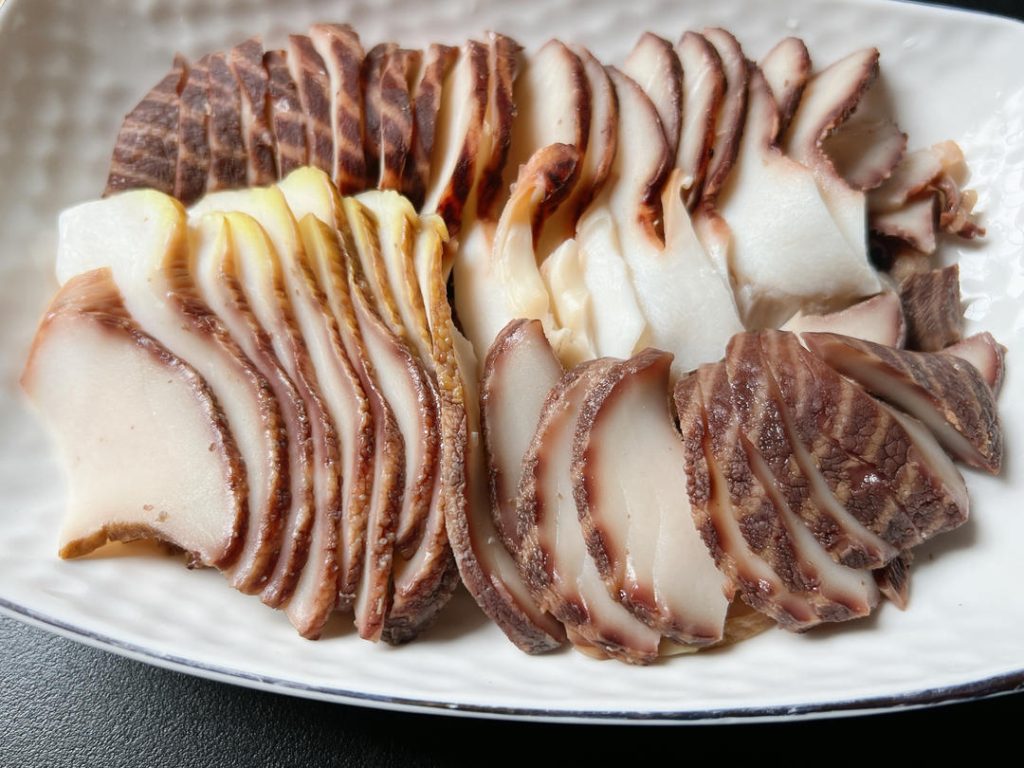
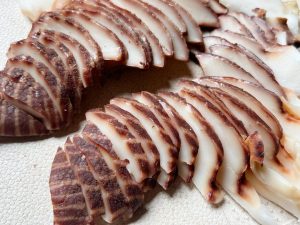
- Slice: Halve the cleaned meat down the middle. Then, using a sharp knife, slice it very thinly against the grain.
How to Prepare the Dipping Sauces (蘸料与捞汁)
As a chef, I always tell my line cooks that the soul of simply cooked seafood lies in the sauce. Because we pressure-cook the Melo Melo purely with aromatics, the meat serves as a pristine, sweet canvas. Here are two classic, foolproof sauces to elevate your dish.
Option 1: Classic Garlic & Soy Dip (白灼蘸料) This is the traditional Cantonese-style dipping sauce for boiled seafood. It enhances the oceanic sweetness without overpowering it.
- Ingredients: 2 tbsp Light Soy Sauce, 1 tbsp Chinese Black Vinegar, 1 tsp sesame oil, 2 cloves finely minced garlic, and 1 chopped Thai bird’s eye chili (optional for heat).
- How to Make: In a small ramekin, combine the minced garlic and chili. Pour in the soy sauce, black vinegar, and sesame oil. Stir well and let it sit for at least 5 minutes. This resting time allows the raw garlic’s sharp bite to mellow and infuse into the liquids.
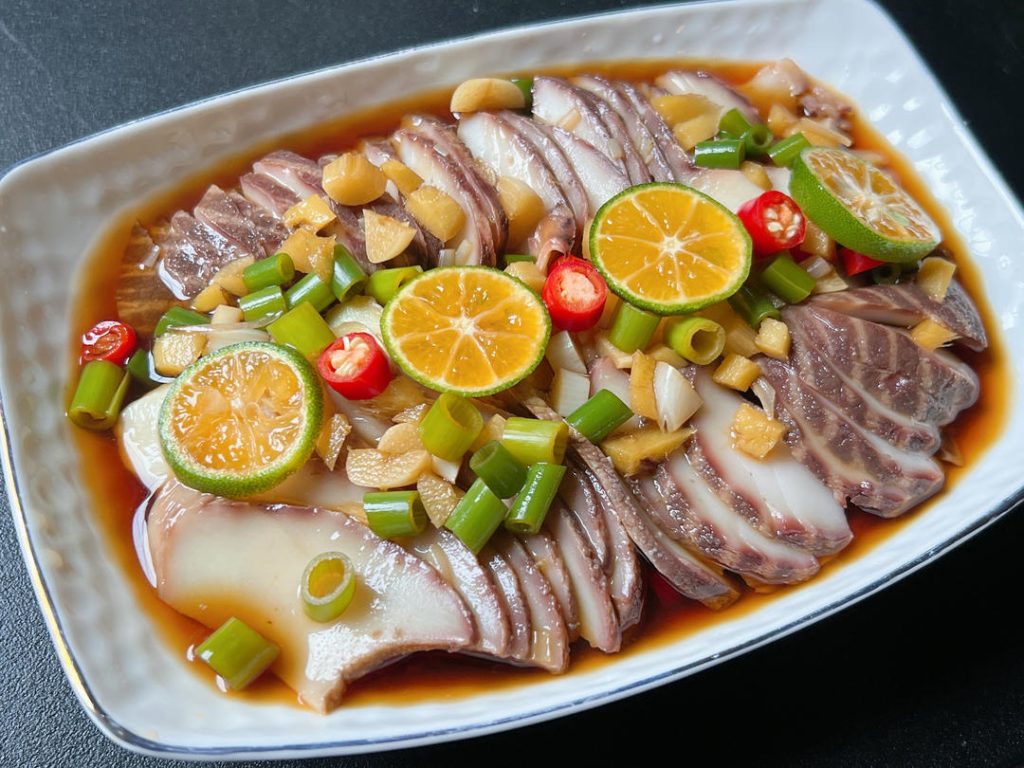
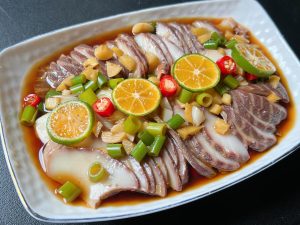
Option 2: Refreshing “Lao Zhi” Cold-Toss Dressing (捞汁) If you prefer to serve the snail as a composed cold appetizer, this bright, acidic dressing is perfect.
- Ingredients: 3 tbsp Light Soy Sauce, 2 tbsp Chinese Black Vinegar, 1 tsp sugar, 2 tbsp water or cold chicken broth, 1 tbsp Universal Scallion Oil (or Chinese Chili Oil if you prefer it spicy), and 1 tbsp finely chopped cilantro.
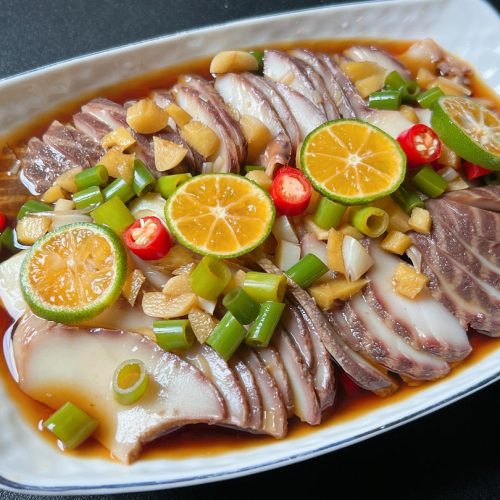
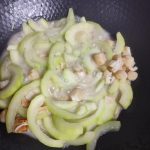
- How to Make: In a mixing bowl, whisk the soy sauce, vinegar, water, and sugar together until the sugar is completely dissolved. Stir in the scallion oil and cilantro. Arrange your thinly sliced coconut snail on a serving platter and generously pour the dressing over the top just before serving.
Serving Suggestions
Because this cooking method is so pure, you have several wonderful serving options:
- Cold with Dipping Sauce: Serve the thin slices chilled. Dip them in a mixture of Light Soy Sauce, a splash of black vinegar, and a dab of wasabi or chili oil.
- Cold-Tossed (Lao Zhi): Toss the slices in an acidic, savory dressing made with garlic, cilantro, and Universal Scallion Oil.
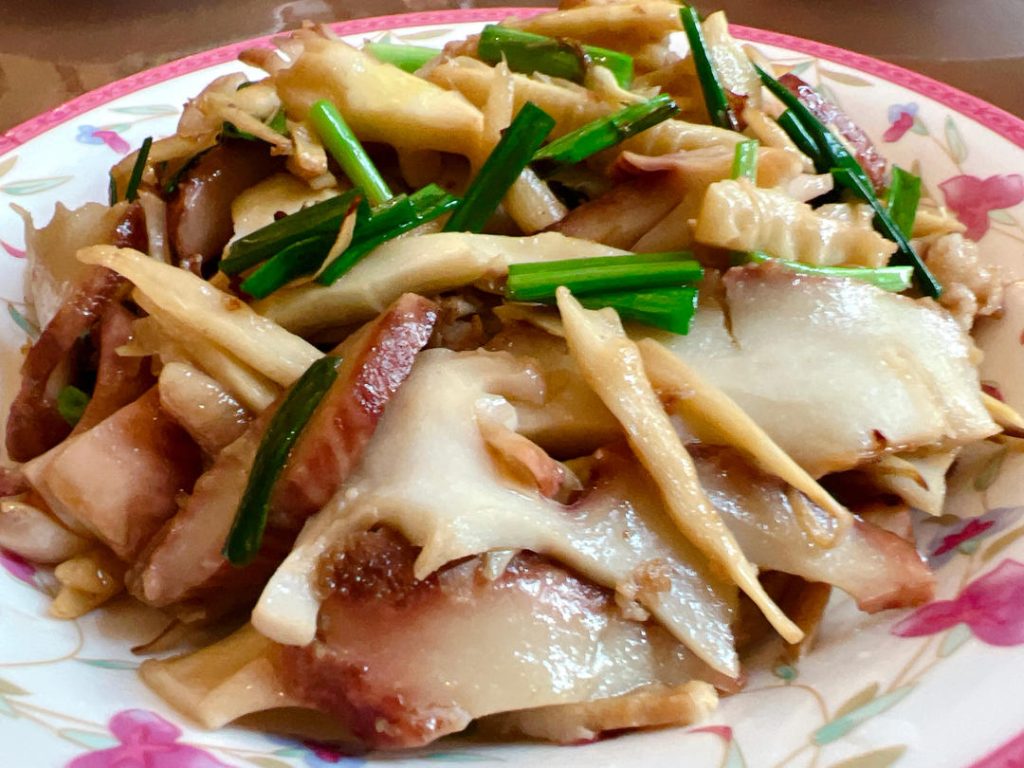
- Stir-Fried: Quickly flash-fry the cooked slices with bell peppers and garlic. Since the meat is already cooked, stir-fry for no more than 30 seconds.
What to Serve With It
If you serve this as an appetizer, follow it with a comforting soup. Our Easy Chinese Mushroom Soup is incredibly earthy and pairs beautifully with seafood. For a main course, consider adding our Salt and Black Pepper Shrimp or Garlic Fried Shrimp to complete a magnificent ocean-themed banquet.
Common Mistakes When Making Melo Melo
- Overcooking: Trust the 10-15 minute rule. Cooking this for 30 minutes, as some vendors suggest, will destroy the snappy texture and turn it unpleasantly soft.
- Not Draining the Shell at the Market: You will literally pour money down the drain if you don’t empty the water out of the shell before weighing.
- Eating the Organs: Never consume the digestive tract or liver of large sea snails. They can harbor marine toxins and taste incredibly bitter. Always clean the meat thoroughly.
FAQ / Troubleshooting
What if I don’t have a pressure cooker? You can boil the snail in a standard heavy-bottomed pot. However, you will need to simmer it for roughly 45 to 60 minutes to achieve the same tenderness.
Why is my snail meat tough and chewy? If it is rubbery and impossible to chew, it is actually undercooked. High pressure breaks down the tough muscle fibers. Conversely, if it is mushy and falls apart, it was overcooked.
Is this safe to eat? Yes, provided you cook it thoroughly and remove all digestive organs. Always ensure the internal temperature of cooked seafood reaches at least 145°F (63°C) for safety.
Tips for Success
Always err on the side of caution with cooking times. It is better to pressure cook for 10 minutes, check the texture, and simmer for an additional 5 minutes if it remains too tough. Furthermore, chilling the cooked meat in the refrigerator for 20 minutes makes it significantly easier to slice paper-thin.
How to Store & Reheat
Store any leftover cooked and sliced snail meat in an airtight container in the refrigerator for up to 2 days.
To reheat, I strongly recommend a gentle method to avoid turning the meat rubbery. Briefly blanch the slices in hot (not boiling) broth for 15 seconds, or toss them into a hot stir-fry at the very last moment. Always reheat leftovers to an internal temperature of 165°F (74°C) for food safety.
Authoritative References
To ensure the highest standards of culinary safety and accuracy in my recipes, I consult established scientific and governmental guidelines.
- For safe seafood handling and minimum internal temperature requirements, please refer to the FDA Guidelines on Selecting and Serving Seafood Safely.
- For taxonomical and biological information regarding the Melo melo (Indian volute), consult the World Register of Marine Species (WoRMS).
Nutrition Information (Estimate)
- Calories: 130 kcal
- Protein: 24g
- Fat: 1.5g
- Carbohydrates: 4g
- Sodium: 350mg
- Fiber: 0g
(Disclaimer: Nutrition information is calculated using an ingredient database and should be considered an estimate. In cases where multiple ingredient alternatives are given, the first listed is calculated for nutrition. Garnishes and optional ingredients are not included.)
Final Thoughts
Preparing large, exotic seafood like the Coconut Snail does not require a culinary degree—just a basic understanding of pressure cooking and aromatics. Therefore, the next time you visit the fish market, step out of your comfort zone and try this magnificent ingredient. Happy cooking!
Easy Melo Melo Recipe (Coconut Snail)

Equipment
- Pressure cooker
- Chef’s knife
Ingredients
- 1 whole Melo Melo (Coconut Snail) approx. 1.5 to 2 lbs (700-900g)
- 2 tbsp Shaoxing wine
- 3 slices fresh ginger thickly sliced
- 2 scallions tied into knots
- Water enough to submerge the snail halfway
Instructions
- Rinse and scrub the exterior of the shell under cold water.

- Place the whole snail into the pressure cooker.
- Add the ginger slices, scallion knots, and Shaoxing wine.
- Pour water into the pot until it reaches halfway up the shell.
- Seal the pressure cooker and cook on High Pressure for 10 to 15 minutes (10 mins for smaller snails, 15 for larger).
- Perform a quick release. Carefully remove the snail and let it cool slightly.
- Pull the meat from the shell. Cut away and discard the dark internal organs and digestive tract.
- Slice the clean white meat thinly against the grain.
- Serve cold with soy sauce dipping sauce, or quickly stir-fry with vegetables.






Leave a Reply