As the early summer heat begins to set in, my appetite for heavy, greasy foods often disappears. In the humid summers of my hometown in Sichuan, we combat the heat with spicy cold noodles. However, sometimes I crave something lighter and earthier than the oil-heavy Sichuan versions. That is when I turn to this incredibly simple, Chinese-home-cooking adaptation of Cold Soba Noodles (Zaru Soba).

This recipe is fast, low in calories, and deeply refreshing. Unlike traditional Japanese recipes that require making dashi stock from scratch, this version uses pantry staples found in most Chinese kitchens to create a savory, rich dipping sauce that is ready in minutes.
If you are looking for other cooling summer dishes, you might also love my spicy Chili Garlic Cold Noodles or the nutty and creamy Sesame Noodles. Both offer that cooling sensation perfect for summer but with distinctly different flavor profiles compared to the earthy simplicity of buckwheat.
Why This Recipe Works
- Texture Control: We use an ice bath to shock the noodles immediately after boiling. This stops the cooking process and removes excess starch, ensuring a slippery, chewy texture (known as “Q” texture in Chinese cooking) rather than a gummy mess.
- Mellowed Aromatics: By boiling the soy sauce mixture with scallion whites, we remove the raw, pungent bite of the onion, leaving behind a sweet, aromatic flavor that infuses the dipping sauce.
- Pantry Friendly: This recipe simplifies the traditional Tsuyu dipping sauce by using soy sauces you likely already have, making it an accessible lunch option without a grocery run.
What Are Cold Soba Noodles?
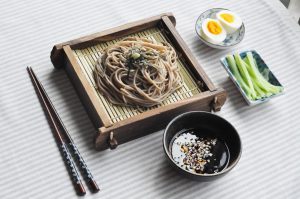
Soba noodles are thin Japanese noodles made from buckwheat flour. They have a nutty, earthy flavor and a slightly grainier texture than wheat noodles. Served cold (Zaru Soba), they are traditionally presented on a bamboo tray with a side of dipping sauce (tsuyu).
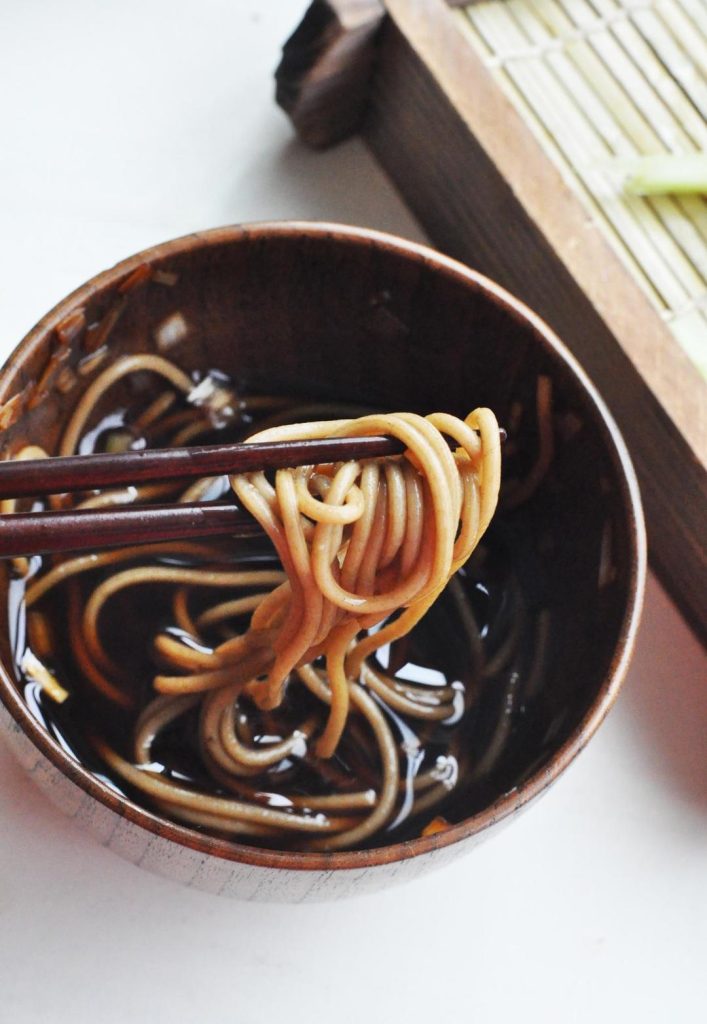
While authentic Japanese tsuyu relies on bonito flakes and mirin, this recipe uses a “Chinese kitchen hack”: boiling soy sauce with scallion whites. This technique mimics the depth of a slow-simmered stock but takes a fraction of the time.
About the Author & Recipe Development
I am Lin, a culinary writer and chef born in Sichuan, China. I spent my childhood peeling garlic in my family’s restaurant and later trained professionally at a leading Culinary Institute in Chengdu. Over the last decade, I have cooked in professional kitchens and traveled extensively to understand regional flavor nuances.
This specific recipe was developed to bridge the gap between Japanese ingredients and the Chinese pantry. I tested the sauce ratios three times to ensure the saltiness from the soy sauce was balanced by the water and the sweetness of the scallions without needing added sugar or dashi stock. It is a method often used by home cooks in China to enjoy buckwheat noodles quickly.
Key Ingredients & Substitutions
- Buckwheat Noodles (Soba): Look for dried bundles. High-quality soba will list buckwheat flour as the first ingredient.
- Scallion Whites: We use the white part for the sauce because it has a stronger flavor that mellows beautifully when boiled.
- Tip: Don’t throw away the green parts! You can save them for my Scallion Pork Belly Stir-Fry or use them as a garnish here.
- Light Soy Sauce: This provides the salty, savory base. Using a high-quality Light Soy Sauce (like Pearl River Bridge) is crucial as it forms the bulk of the flavor.
- Dark Soy Sauce: Used primarily for color and a hint of caramel sweetness. A little Dark Soy Sauce goes a long way in giving the dipping sauce that rich, deep amber hue.
- Wasabi: Adds a necessary nasal-clearing heat that cuts through the salty soy sauce.
- Nori (Seaweed strips): Adds crunch and oceanic umami. If you have leftover seaweed sheets from making Seaweed Egg Drop Soup, you can simply use kitchen shears to cut them into thin strips for this dish.
Ingredients
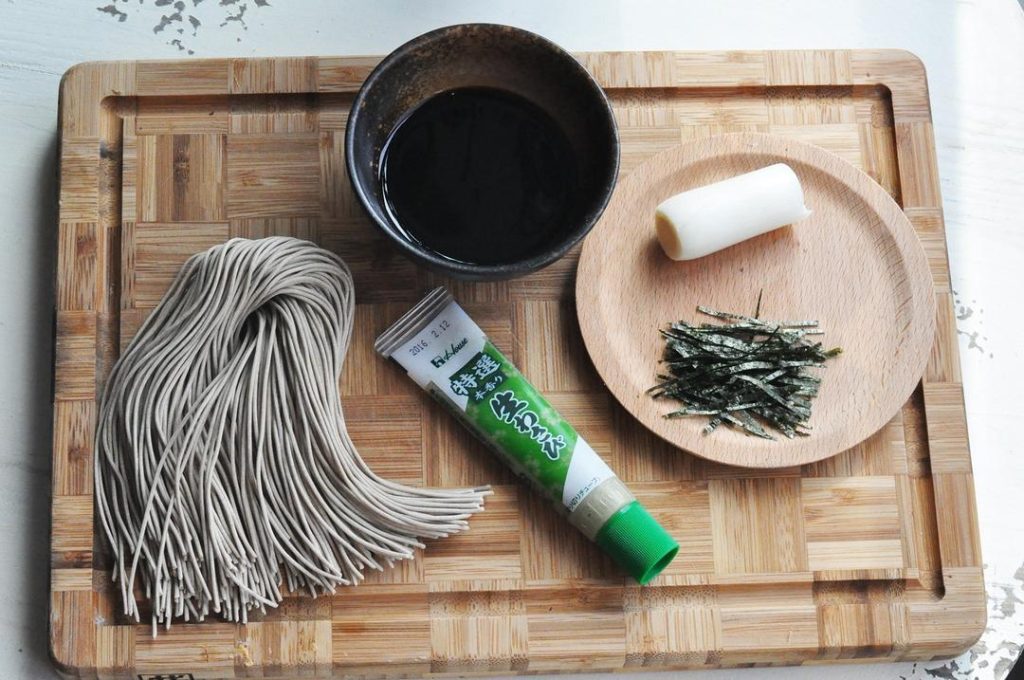
- Soba Noodles: 7 oz (200g) dried buckwheat noodles
- Scallion Whites: 0.5 oz (15g), finely chopped (about 2 stalks)
- Dark Soy Sauce: 1 tbsp + 1 tsp (20g)
- Light Soy Sauce: 2 tbsp (30g)
- Water: ½ cup (120ml) approx. (adjust to taste)
- Wasabi Paste: To taste (optional)
- Shredded Nori (Seaweed): For garnish
Recipe Notes Before We Begin
- Ice is Essential: Before you turn on the stove, prepare a large bowl filled with water and plenty of ice. This is the “stop button” for your noodles.
- Sauce First: Make the sauce first so it has time to chill in the refrigerator while you cook the noodles. Cold noodles need cold sauce!
How to Make Cold Soba Noodles
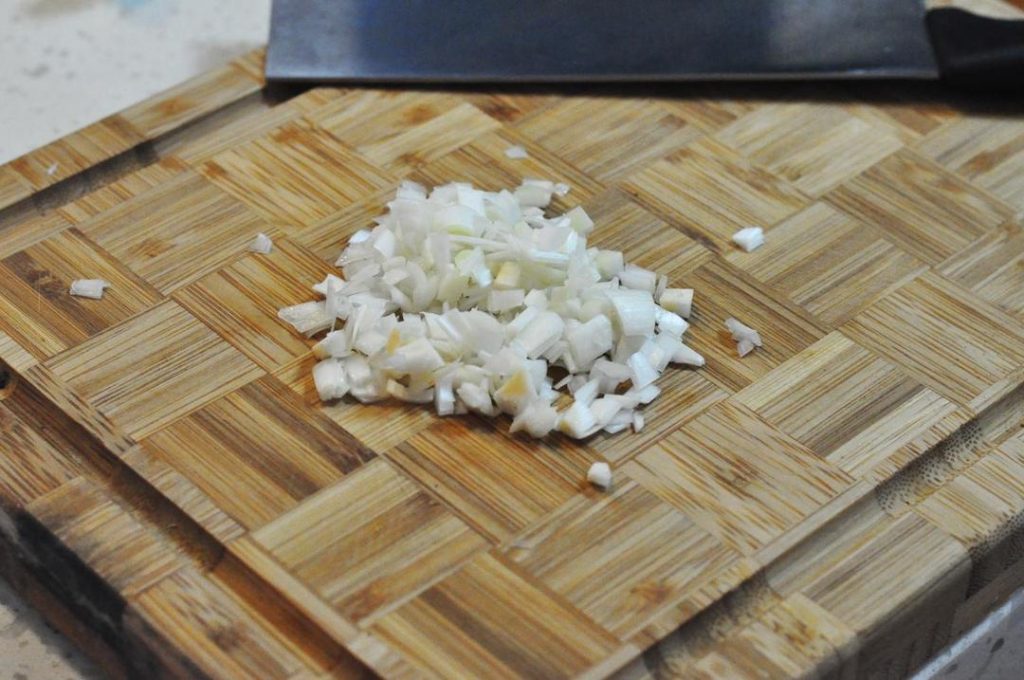
Step 1: Mise en Place Gather all your ingredients. Finely chop the white parts of the scallions. Having everything ready is crucial because the cooking process is very fast.
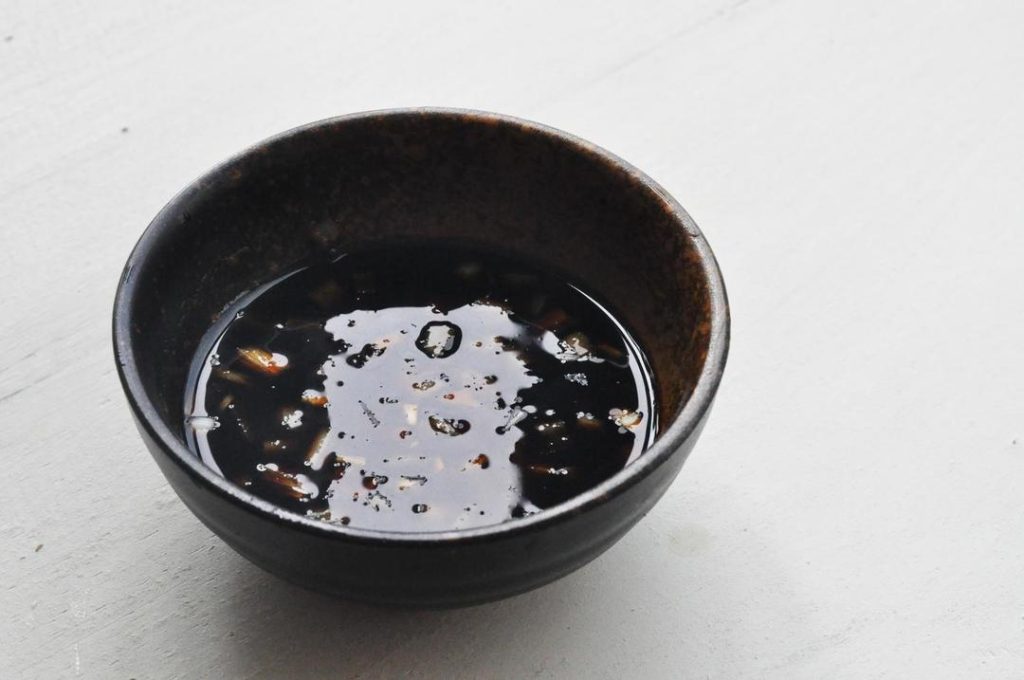
Step 2: Make the Dipping Sauce In a small saucepan, combine the Light Soy Sauce, Dark Soy Sauce, and water. Bring the mixture to a boil over medium heat. Once boiling, remove from heat immediately and stir in the chopped scallion whites.
- Why we do this: The residual heat “blanches” the scallions, removing the sharp, spicy raw onion flavor while infusing the savory sauce with aroma.
- Transfer this sauce to a small bowl and place it in the refrigerator (or freezer for 5 minutes) to cool down completely.
Step 3: Cook the Noodles Bring a large pot of water to a rolling boil. Add the soba noodles and cook according to the package instructions (usually 3–5 minutes).
- Chef’s Tip: Do not overcook. Soba can become mushy very quickly. Test a strand 30 seconds before the timer goes off. It should be tender but still have a bite.
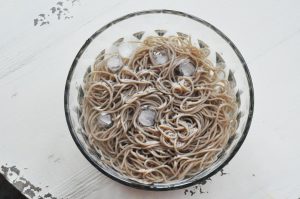
Step 4: The Ice Shock (Crucial Step) Drain the noodles and immediately transfer them into your prepared ice water bath. Swish them around with your hands or tongs to wash off the excess surface starch.
- Why we do this: This stops the cooking instantly and firms up the gluten structure, giving the noodles that desirable springy texture.
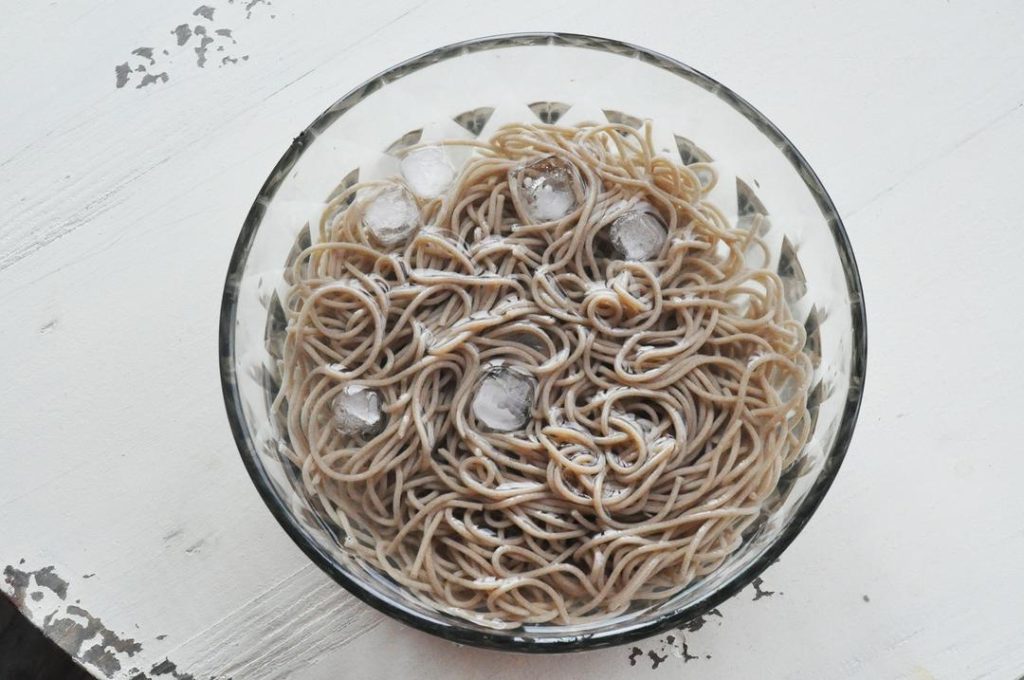
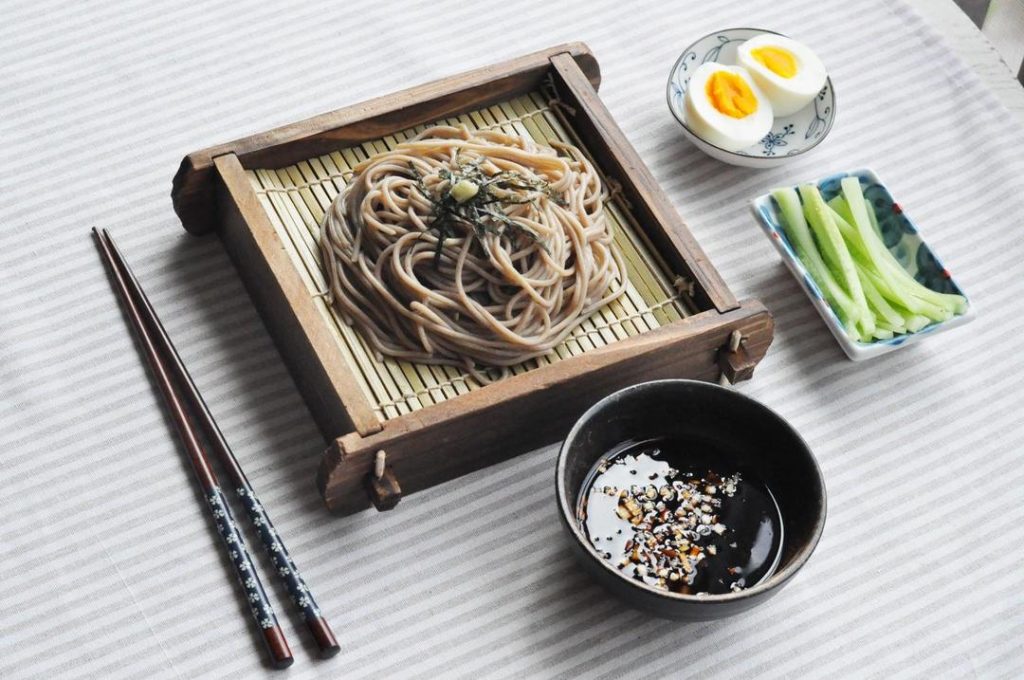
Step 5: Drain and Serve Drain the cold noodles well. If they are too wet, they will dilute your dipping sauce. Arrange them on a bamboo mat (zaru) or a plate. Top with shredded nori.
Step 6: Enjoy Take your chilled sauce out of the fridge. Squeeze a dab of wasabi on the side of the bowl or mix it in. Dip a bundle of noodles into the sauce and slurp away!
Common Mistakes When Making Cold Soba
- Skipping the Rinse: If you don’t rinse the noodles in cold water, they will be coated in starch and become a sticky, unappetizing clump within minutes.
- Using Warm Sauce: The contrast of temperature is key. Using warm sauce with cold noodles confuses the palate. Ensure the sauce is chilled.
- Over-seasoning: Because this dipping sauce relies on soy sauce, it is potent. You are meant to dip the noodles, not drink the sauce like a soup.
Serving Suggestions & Pairings
Since this is a light, low-calorie meal, I often pair it with a vegetable side dish or a light protein to make it a complete dinner.
- Vegetables: A refreshing Smashed Cucumber Salad pairs perfectly with the earthy buckwheat and cuts through the saltiness.
- Protein: A simple pan-seared fish or even Salt and Pepper Squid would add nice texture and protein without being too heavy.
- Tofu: If you want to keep it vegetarian, try pairing this with Pan-Fried Tofu for a hearty addition.
Food Safety and Preparation
- Allergen Warning: This recipe contains Soy and Wheat (most soba noodles contain some wheat flour). If you are gluten-free, ensure you buy 100% buckwheat noodles and use Tamari instead of soy sauce.
- Sauce Storage: The boiled soy sauce mixture can be stored in an airtight container in the refrigerator for up to 1 week.
- Noodle Storage: Cooked soba noodles do not store well; they tend to dry out and break. It is best to boil only what you plan to eat immediately.
Authoritative References
- For a deeper understanding of buckwheat nutrition, refer to the USDA FoodData Central for detailed breakdowns of buckwheat flour profiles.
- To understand the science behind “shocking” noodles, Serious Eats offers excellent food science breakdowns on starch management.
Nutrition Information (Estimate)
- Calories: 320 kcal
- Carbohydrates: 65g
- Protein: 12g
- Fat: 1g
- Sodium: 1450mg (Note: This assumes you consume all the dipping sauce; actual intake is usually lower).
- Fiber: 3g
(Disclaimer: Nutrition information is calculated using an ingredient database and should be considered an estimate. In cases where multiple ingredient alternatives are given, the first listed is calculated for nutrition. Garnishes and optional ingredients are not included.)
Cold Soba Noodles (Zaru Soba)

Equipment
- 1 Large Pot For boiling noodles
- 1 Small Saucepan For making the sauce
- 1 Colander For draining
Ingredients
The Sauce
- 2 tbsp Light Soy Sauce 30g
- 1 tbsp Dark Soy Sauce 20g (plus 1 tsp)
- 0.5 cup Water 120ml (adjust for saltiness)
- 2 stalks Scallion Whites 15g, finely chopped
The Noodles & Garnish
- 7 oz Soba Noodles approx 200g, dried
- 1 tsp Wasabi paste to taste
- 1 tbsp Nori (Seaweed) shredded, for garnish
Instructions
- Finely chop the white parts of the scallions. Set aside.

- In a small saucepan, combine the light soy sauce, dark soy sauce, and water. Bring to a boil over medium heat.
- Once boiling, immediately remove from heat. Stir in the chopped scallion whites (this blanches them to remove pungency). Transfer to a bowl and refrigerate until cold.
- Bring a large pot of water to a boil. Add the soba noodles and cook according to package instructions (usually 3-5 minutes) until tender but chewy.
- Drain the noodles and immediately plunge them into a bowl of ice water. Wash the noodles with your hands to remove excess starch. Drain well.
- Plate the noodles and top with shredded nori. Stir the wasabi into the chilled dipping sauce and serve alongside the noodles.
Notes
Calories: 320 kcal
Carbohydrates: 65g
Protein: 12g
Fat: 1g
Sodium: 1450mg
Fiber: 3g (Disclaimer: Nutrition information is calculated using an ingredient database and should be considered an estimate. In cases where multiple ingredient alternatives are given, the first listed is calculated for nutrition. Garnishes and optional ingredients are not included.)


Leave a Reply