I’ve seen it a thousand times: a home cook gets excited, buys a shiny new wok, finds a recipe online, and ends up with a plate of soggy vegetables and grey, tough meat. It’s frustrating because you’ve followed the steps, yet it tastes nothing like the vibrant, smoky “Wok Hei” you get at your local spot.
In my ten years working in professional restaurant kitchens, I learned that great Chinese food isn’t about having a 100,000 BTU jet-engine burner. It’s about understanding the logic of heat, moisture, and timing. Most “easy” recipes fail because they don’t account for the limitations of a standard home stove.
The direct answer to better Chinese cooking is this: Small batches, dry ingredients, and a balanced sauce. If you crowd your pan or toss in wet vegetables, you aren’t frying; you’re steaming. To get that restaurant-style sear on a Western stove, you must master the art of temperature management and ingredient preparation.
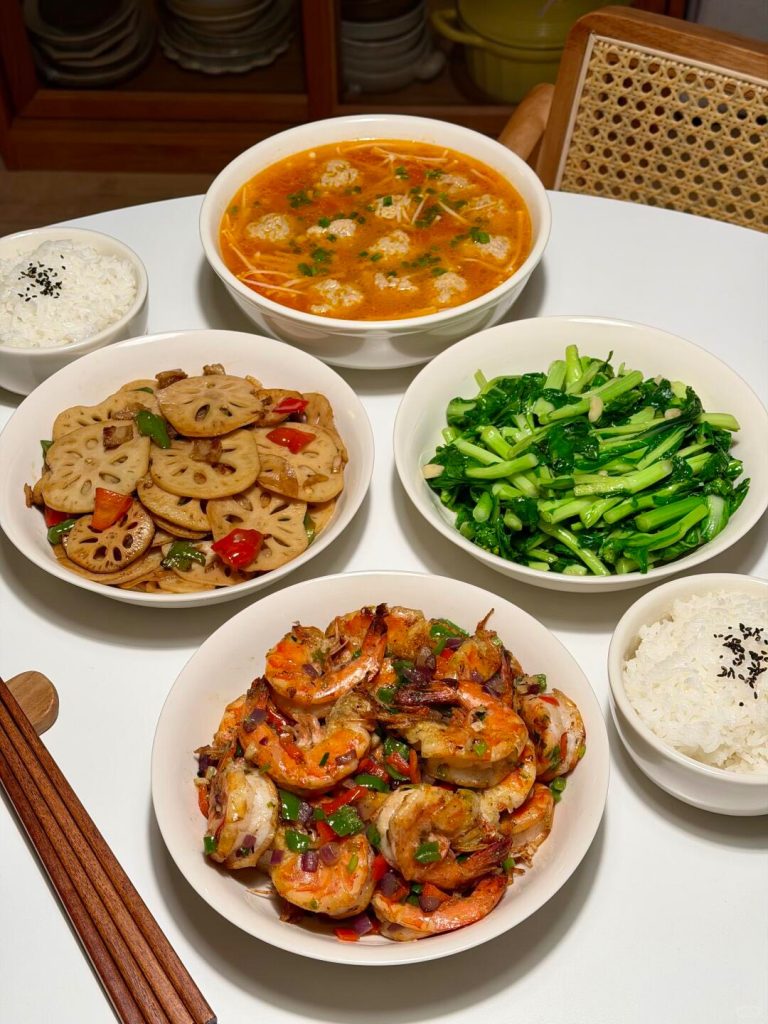
Why This Logic Works
The core of Chinese stir-frying is the Maillard reaction—the chemical reaction between amino acids and reducing sugars that gives browned food its distinctive flavor. On a home stove, which typically outputs between 10,000 and 18,000 BTU, the heat is easily lost.
When you add too much food at once, the pan temperature drops instantly. The moisture inside the meat and vegetables is released but cannot evaporate fast enough. This creates a pool of liquid that boils your food instead of searing it. By cooking in smaller batches and ensuring your protein is properly velveting, you preserve the pan’s heat and achieve that elusive “char.”
Real Kitchen Insights from Chef Lin
In a professional kitchen, we use fire that could melt a lead pipe. At home, I have to be much more strategic. What most beginners don’t realize is that the “secret sauce” isn’t actually a secret—it’s Mise en Place. In a restaurant, we don’t start the fire until everything is chopped, measured, and within arm’s reach.
In my experience, the biggest mistake is using the wrong oil. I’ve seen people try to stir-fry with extra virgin olive oil, only to have their kitchen fill with bitter smoke. You need a high smoke point oil like peanut, canola, or grapeseed to handle the temperatures required for a proper sear.
Essential Ingredients and Substitutions
You don’t need a 50-bottle pantry to make 90% of Chinese home-style dishes (Jia Chang Cai). Here are the essentials for any beginner:
- Light Soy Sauce: This provides salt and “umami” without making the dish too dark. If you’re out, a 50/50 mix of regular soy sauce and a pinch of salt works.
- Oyster Sauce: This is the “MSG” of the home cook—it adds thickness, sweetness, and depth. For a vegan version, look for mushroom-based vegetarian stir-fry sauce.
- Shaoxing Wine: This traditional rice wine removes “gamey” odors from meat. A great Western-friendly substitute is Dry Sherry.
- Cornstarch: Essential for creating a slurry to thicken sauces and for protecting meat during high-heat frying.
- Sesame Oil: Never cook with this; use it as a finishing oil for a nutty aroma.
Preparation Strategy: The “Dry” Rule
Before the heat is even turned on, your success is decided on the cutting board.
- Uniform Slicing: Cut your meat and vegetables into similar sizes. If the chicken is thick and the peppers are thin, one will be dry before the other is soft.
- The Paper Towel Trick: After washing vegetables like bok choy or broccoli, they must be bone-dry. Any water on the surface will instantly drop your pan’s temperature.
- The Sauce Pre-Mix: Never add sauces one by one to the pan. Mix your stir-fry sauce in a small bowl first so it hits the heat all at once, emulsifying perfectly.
Mini-Recipe: 15-Minute Chicken & Pepper Stir-Fry
This is the quintessential “Easy Chinese Recipe” that teaches you the fundamentals of heat control.
Ingredients (US & Metric)
- 1 lb (450g) Chicken breast, sliced into thin strips
- 2 Bell peppers, sliced into strips
- 2 cloves Garlic, minced
- 1 tsp Ginger, grated
- Sauce: 1 tbsp light soy sauce, 1 tbsp oyster sauce, 1 tsp sugar, 1 tsp cornstarch mixed with 2 tbsp water.
Instructions
- Marinate: Toss chicken with 1 tsp soy sauce and 1 tsp cornstarch. Let it sit for 10 minutes.
- The Sear: Heat 2 tbsp of oil in your pan until you see the first wisps of smoke (approx. 400°F/204°C). Add the chicken in a single layer. Do not touch it for 60 seconds. You want a golden crust.
- The Flip: Flip the chicken, cook for another minute, then remove it from the pan. It should be 80% cooked.
- Aromatics: Add another tablespoon of oil, then the garlic and ginger. You should hear a loud sizzle immediately.
- Vegetables: Toss in the peppers. Stir-fry for 2 minutes until they are bright but still crisp.
- The Finish: Return the chicken to the pan. Pour in the pre-mixed sauce. Stir constantly for 30–45 seconds until the sauce bubbles and turns translucent. Finish with a few drops of sesame oil.
Common Mistakes When Making Easy Chinese Recipes
| Mistake | Why it Happens | The Professional Fix |
| Watery Sauce | Adding vegetables while they are still wet or not using enough starch. | Dry your veg thoroughly; always use a cornstarch slurry. |
| Tough, Dry Meat | Slicing with the grain or overcooking on low heat. | Slice across the grain and velvet the meat first. |
| Burnt Garlic | Adding garlic too early in a smoking hot pan. | Add garlic after the pan has cooled slightly or just before the veggies. |
| Bland Flavor | Using only soy sauce without balancing salt, sweet, and acid. | Add a pinch of sugar and a splash of Chinese black vinegar to round it out. |
| Sticky Rice | Using freshly cooked, warm rice for fried rice. | Use day-old rice that has dried in the fridge. |
Pro Tips for the Home Chef
- The Skillet vs. Wok: If you have an electric stove, a heavy flat-bottomed skillet (like cast iron) is often better than a cheap, round-bottomed wok. The skillet has more surface area in contact with the heat source.
- Batch Cooking: If you are cooking for four people, cook the meat in two batches. This prevents the “boiling” effect.
- The “Cold Oil” Start: For aromatics like chili or peppercorns, start them in cool oil and bring the heat up slowly to extract the flavor without burning them.
Frequently Asked Questions
1. Can I use olive oil for Chinese recipes?
I don’t recommend it. Extra virgin olive oil has a low smoke point (around 375°F/190°C) and a strong flavor that clashes with Chinese aromatics. Stick to neutral oils with smoke points above 400°F (204°C).
2. Is this food “authentic”?
Authenticity is a spectrum. These recipes use traditional logic but adapt to Western kitchens. If you want the deep-dive traditional versions, try my recipe for Authentic Mapo Tofu.
3. Why is my stir-fry always watery at the bottom?
You likely overcrowded the pan. When you add too much at once, the temperature drops, and the ingredients release water rather than searing. Cook in smaller batches.
4. Can I make these recipes ahead of time?
Stir-fries are best eaten immediately. However, you can do all the “prep” (chopping and sauce mixing) up to 24 hours in advance.
5. Do I really need a wok?
No. A high-quality stainless steel or cast iron skillet works beautifully for most home-style Chinese dishes on Western stoves.
How to Serve
For a complete meal, serve these dishes alongside a bowl of perfectly cooked jasmine rice. If you want to build a full spread, consider adding a cold side dish like an easy smashed cucumber salad to balance the heat of the stir-fry.
Storage & Reheating
- Fridge: Store leftovers in an airtight container for up to 3 days.
- Reheating: Avoid the microwave if possible, as it makes the meat rubbery. Instead, toss the leftovers back into a hot pan with a teaspoon of water for 2 minutes to revive the sauce.
Allergen Notice & Nutrition Disclaimer
Allergens: Most Chinese recipes contain Soy, Wheat (in soy sauce), and Shellfish (in oyster sauce). For a gluten-free option, substitute soy sauce with Tamari or coconut aminos.
Nutrition Disclaimer: Nutrition information is an estimate and provided for informational purposes only. Actual values may vary based on specific brands of ingredients used.
About the Author & Recipe Development
I’m Lin, a professionally trained chef with over a decade of experience in both high-volume Chinese restaurants and home kitchens. Every recipe here has been tested on a standard 12,000 BTU gas stove and a basic electric coil stove to ensure that you get consistent results regardless of your equipment. My goal is to bridge the gap between “professional technique” and “home reality.”
Sources & Standards Referenced
- USDA Food Safety and Inspection Service – Safe Minimum Internal Temperature for Poultry
- Harvard T.H. Chan School of Public Health – Guide to Cooking Oils and Smoke Points
- Culinary Science: The Maillard Reaction and Heat Transfer












Leave a Reply