We’ve all been there: you buy a beautiful bunch of bok choy or a pound of flank steak, fire up your stove, and ten minutes later, you’re staring at a pool of grey, watery liquid and soggy vegetables. It doesn’t taste like the restaurant, and it certainly doesn’t smell like it. The frustration of “steamed” stir-fry is the #1 reason home cooks give up on Chinese cuisine.
The Quick Answer to Better Chinese Food
The secret to successful Chinese home cooking isn’t a high-BTU professional burner; it is Mastering Mise en Place (preparation) and Moisture Control. By cutting ingredients to uniform sizes, drying your proteins thoroughly, and cooking in small batches to maintain pan temperature, you can achieve authentic “Wok Hei” (breath of the wok) even on a standard electric or gas range.
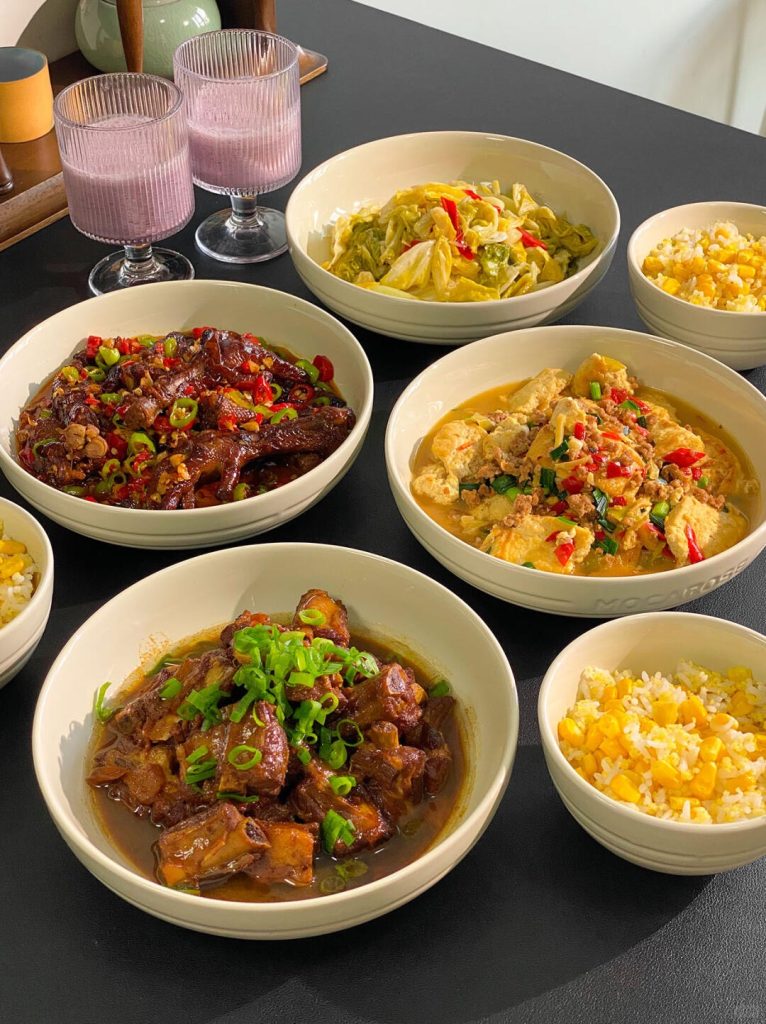
What is Chinese Home Cooking (Jiā Cháng Cài)?
Chinese home cooking, known as Jiā Cháng Cài (家常菜), differs significantly from the “Banquet Style” food found in high-end restaurants. While restaurant chefs use massive flame throwers and deep-fry almost everything, home cooking is about efficiency, balance, and using what is in the pantry. It is designed to be eaten with steamed rice and usually follows a logic of “one meat, one vegetable, one soup.”
If you’re looking for specific classic dishes to start your journey, I highly recommend trying a Traditional Mapo Tofu or a Homestyle Kung Pao Chicken, both of which exemplify the balance of heat and texture essential to the craft.
Why This Method Works: The Science of Heat
In my experience, the biggest hurdle for Western home cooks is the “Thermal Recovery” of the pan.
- Heat vs. Mass: When you add a large amount of cold food to a hot pan, the temperature drops instantly. If the temperature falls below 212°F (100°C), the moisture in the food cannot evaporate instantly, causing it to boil in its own juices.
- The Maillard Reaction: For that savory, “browned” flavor, you need to maintain a surface temperature between 300°F to 330°F (149°C to 165°C).
- Oil as a Conductor: Oil acts as a heat transfer medium. Using an appropriate high-smoke point oil allows you to sear proteins without the oil breaking down and turning bitter.
The Real Kitchen Insight
In a restaurant kitchen, we have burners that put out 80,000+ BTUs. In your home kitchen, you likely have 10,000 to 18,000 BTUs. What most beginners don’t realize is that you cannot cook like a restaurant chef if you don’t adjust for your heat source. In a professional kitchen, we toss everything in at once. At home, you must cook in stages. Sear the meat, remove it. Sear the vegetables, remove them. Bring them back together at the very end with the sauce. This “staged cooking” prevents the pan from cooling down and ensures your beef stays tender rather than turning rubbery.
Essential Pantry Staples & Substitutions
You don’t need a hundred bottles to start. These are the “Big Three”:
| Ingredient | Function | Substitute |
|---|---|---|
| Light Soy Sauce | Salt and Umami | All-purpose Soy Sauce |
| Shaoxing Wine | Removes gaminess, adds depth | Dry Sherry or broth with a drop of vinegar |
| Toasted Sesame Oil | Finishing aroma | Leave out (do not substitute with plain oil) |
For many recipes, a splash of Shaoxing Wine is the “secret” smell that makes your kitchen finally smell like a real Chinese restaurant. If you can’t find it, dry sherry is a scientifically close match in terms of acidity and alcohol content.
Prep Strategy: Mise en Place is Mandatory
In Chinese cooking, the cooking takes 5 minutes; the prep takes 20.
- Uniform Cutting: Cut all ingredients into similar sizes so they cook at the same rate. Learning how to cut meat across the grain is the difference between a melt-in-your-mouth stir-fry and one you have to chew for a minute.
- The Dry Factor: Use paper towels to pat your meat and vegetables bone-dry. Water is the enemy of the sear.
- The Sauce Slurry: Always mix your sauce (including the cornstarch) in a small bowl before you turn on the stove. Once the heat is on, you won’t have time to measure.
Recommended Equipment
You do NOT need a wok to cook great Chinese food.
- The Skillet: A heavy 12-inch (30 cm) stainless steel or cast iron skillet is actually better for electric or induction stoves because it has more surface area in contact with the heat source.
- The Wok: Only use a carbon steel wok if you have a gas stove and are prepared to season it properly.
Step-by-Step: The Master Stir-Fry Technique
- Preheat: Heat your pan until a drop of water flicked onto the surface dances and evaporates instantly (usually around 380°F – 400°F / 193°C – 204°C.
- Oil & Aromatics: Add $1–2$ tablespoons of oil. Add ginger and garlic. You should hear a vigorous sizzle immediately.
- Sear Protein: Add meat in a single layer. Do not move it for 60 seconds to develop a crust. Flip and cook until 80% done. Remove.
- Vegetables: Add a bit more oil if needed. Add vegetables (hardest ones first).
- Recombine: Return the meat to the pan.
- The “Sizzle” Finish: Give your pre-mixed sauce a quick stir (cornstarch settles!) and pour it around the edges of the pan, not directly on the food. This “sears” the sauce, activating the flavors before it coats the ingredients.
Common Mistakes When Making Chinese Food
| Mistake | Why it Happens | The Fix |
|---|---|---|
| Watery Sauce | Adding vegetables with too much water or not enough cornstarch. | Pat veggies dry; ensure your sauce ratio is correct. |
| Burnt Garlic | Adding garlic too early to a screaming hot pan. | Add garlic after the oil is hot but right before the food, or keep pieces larger. |
| Tough Meat | Cutting with the grain or overcooking. | Slice against the grain and use the “velveting” technique (egg white/starch marinade). |
Mini Recipe: The Perfect Tomato Egg Stir-Fry
This is the “national dish” of Chinese home kitchens. It’s fast, cheap, and delicious.
- Ingredients: 3 eggs (beaten), 2 large tomatoes (wedged), 1 tsp Light Soy Sauce, 1/2 tsp sugar, 1 scallion.
- Process: 1. Scramble eggs in 1 tbsp oil until just set. Remove.
- In the same pan, add tomatoes. Cook for 2-3 minutes until they soften and release juice.
- Add sugar and soy sauce.
- Return eggs to the pan, toss for 30 seconds to let them soak up the tomato juice.
- Garnish with scallions and serve over rice.
About the Author & Recipe Development
I’m Lin, and I’ve spent over a decade balancing the precision of restaurant lines with the soulful, “hand-measured” style of my mother’s kitchen. This guide was developed through years of testing traditional techniques on low-power Western stoves to ensure that the recipes we share are actually repeatable in your home, not just in a lab.
Sources & Standards Referenced
- USDA Food Safety and Inspection Service – Safe Minimum Internal Temperature Chart
- FDA Food Code – Cooking Temperature Guidelines
- Harvard T.H. Chan School of Public Health – Healthy Cooking Oils
Frequently Asked Questions
1. Can I substitute Olive Oil for stir-frying?
Technically yes, but extra virgin olive oil has a low smoke point (325°F / 163°C) and a strong flavor that clashes with Chinese ingredients. It is better to use Avocado, Grapeseed, or Peanut oil.
2. Why is my stir-fry always bland?
Usually, it’s a lack of “Salt, Sweet, and Acid” balance. Most beginner sauces lack enough salt (soy sauce) or a tiny pinch of sugar to round out the flavors.
3. Is MSG dangerous?
Modern science, including reports from the FDA, clarifies that MSG is “generally recognized as safe” (GRAS). It occurs naturally in tomatoes and parmesan cheese and is a powerful tool for umami.
4. How do I stop food from sticking to my pan?
The “Long Yao” technique: Heat the pan until hot, add cold oil, swirl it, and then add your food. This creates a temporary non-stick surface.
Storage & Reheat
Most stir-fries are best eaten immediately. However, they can be stored in an airtight container for up to 3 days. To reheat, avoid the microwave if possible; a quick 2-minute toss in a hot skillet will revive the texture much better.
Allergen Notice
Please be aware that Chinese cooking frequently involves Soy, Wheat (Gluten), and Shellfish (Oyster Sauce). Always check labels if you have sensitivities.
Nutrition Disclaimer: Nutrition information is an estimate and provided for informational purposes only. Factors such as specific brands used and exact measurements will affect the final nutritional profile.


Leave a Reply