Growing up in my parents’ Sichuan restaurant, I was surrounded by the bold, complex flavors of dishes like Mapo Tofu or Homestyle Kung Pao Chicken. But when we sat down for a family meal after the dinner rush, it was often the simple, comforting dishes I craved most.
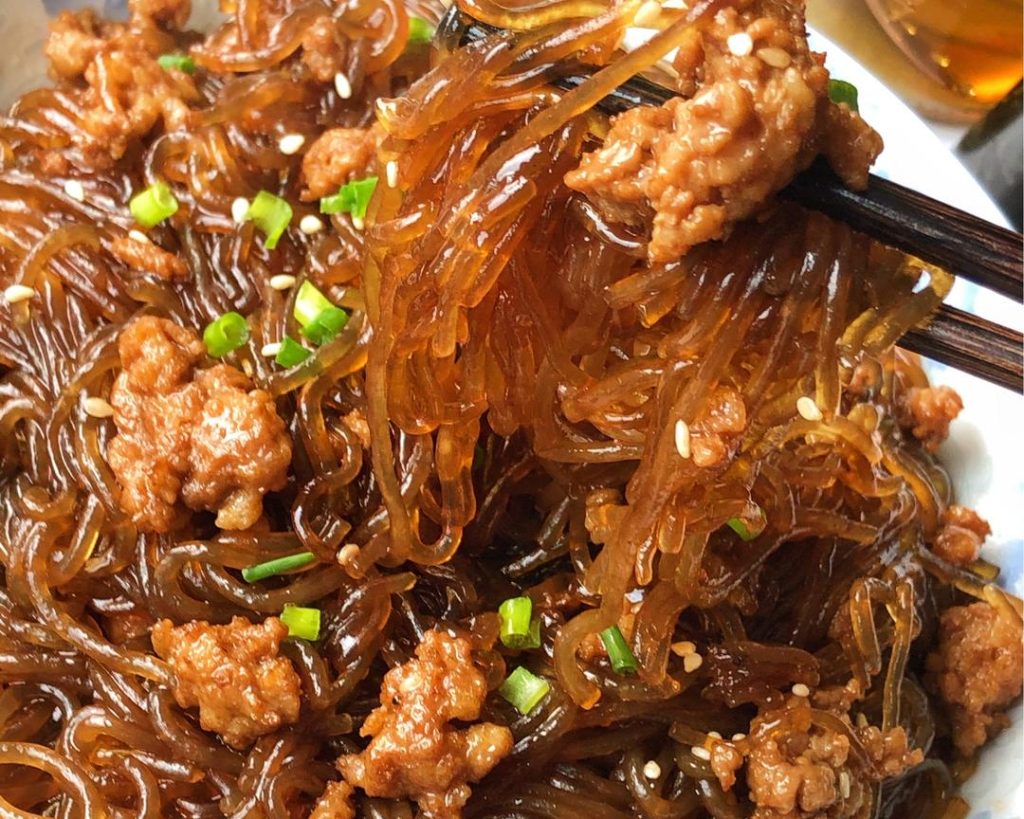
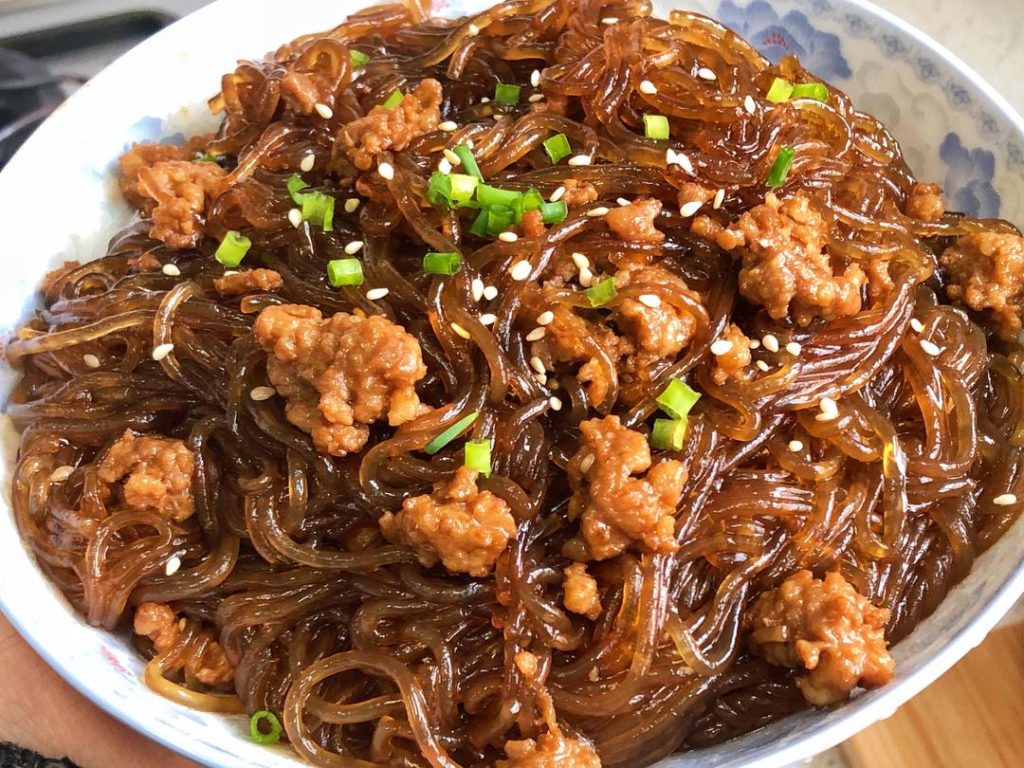
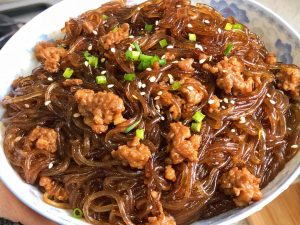
This is one of those dishes: Ants Climbing a Tree (蚂蚁上树, Ma Yi Shang Shu). It’s a funny name, but it’s a staple in Sichuan households. It’s essentially savory, flavorful minced pork cooked with glossy, slippery glass noodles. The “ants” are the little bits of pork clinging to the “tree branches” (the noodles).

My dad, a chef for over 30 years, could whip this up in about 10 minutes. It’s the ultimate comfort food—so simple, but incredibly satisfying, especially spooned over a bowl of hot steamed rice. It’s faster than takeout and, in my opinion, way better. Let me show you how to make this easy, homestyle classic.
🤔 What is Ants Climbing a Tree (Ma Yi Shang Shu)?
Ants Climbing a Tree, or Ma Yi Shang Shu, is a classic Sichuan dish. The name is very descriptive! The “ants” are the bits of seasoned minced pork that cling to the “tree”—the long, translucent strands of glass noodles (vermicelli).
It’s not a “saucy” dish, but rather the noodles absorb all the flavor, becoming glossy, tender, and savory. It’s a beloved, quick, and easy homestyle meal across China, especially in Sichuan.
💚 Why This Recipe Works
- Packed with Flavor, Fast: We build a super-flavorful sauce base by “blooming” the aromatics and Doubanjiang, which then gets completely absorbed by the noodles. It tastes complex but comes together in under 20 minutes.
- The Perfect Texture: We use the right kind of noodles (sweet potato vermicelli) and a specific cooking method (soak, then simmer) to ensure they are soft and slippery, not sticky or mushy.
- Authentic Homestyle Taste: This isn’t a heavy, gloopy takeout dish. This is the real-deal, light, and savory version you’d find in a Chinese home, using key ingredients like Sichuan chili bean paste (Doubanjiang).
- Beginner-Friendly: I’ve broken down every step to be perfect for a “kitchen novice,” explaining the why behind the how.
🛒 Key Ingredients You’ll Need
This recipe is very simple, but its success depends on three key ingredients.
The “Tree”: Sweet Potato Vermicelli (Glass Noodles)
This is the most important ingredient. You need sweet potato vermicelli (红薯粉丝, hóng shǔ fěn sī). They are typically greyish-purple when dry and become clear and slippery when cooked.
- Why these? Their texture is key. They have a wonderful, chewy, slippery bite and are fantastic at absorbing sauce without turning to mush like wheat or rice noodles might.
- Where to Buy: You can find them at any Asian supermarket or online. They are often labeled “Glass Noodles,” “Sweet Potato Starch Noodles,” or “Korean Noodles” (Japchae noodles are very similar and a great substitute).
The “Ants”: Minced Pork
Simple ground pork (pork mince) is all you need. I prefer using a blend with at least 20% fat (like 80/20). The fat renders out and adds incredible flavor to the sauce that the noodles will soak up. Lean pork will work, but the dish will be less rich.
The Flavor Base: Doubanjiang (Chili Bean Paste)
This is the heart and soul of many Sichuan dishes. Doubanjiang (豆瓣酱) is a spicy, salty, fermented broad bean paste.
NOTE: I highly recommend getting Pixian (郫县) brand Doubanjiang. It’s considered the best and has a deep, rich reddish-brown color and complex flavor. You can find it in Asian markets or online (like onThe Mala Market).
Substitute? If you absolutely can’t find it, you could use a non-spicy fermented bean paste and add your own chili garlic sauce, but the flavor will be different. It’s worth seeking out!
📝 Ingredients
- 3 oz (80g) sweet potato vermicelli (glass noodles)
- 1 oz (30g) ground pork (mince), 80/20 recommended
- 1 tbsp Shaoxing wine (Substitute: dry sherry)
- 1 tbsp light soy sauce (Use Kikkoman or Pearl River Bridge. For gluten-free, use tamari.)
- 1 tbsp Doubanjiang (Sichuan chili bean paste), Pixian brand recommended
- 1 tsp sugar (Just a little to balance the spice and salt)
- 1/2 tsp salt (or to taste; Doubanjiang is already salty)
- 1 tbsp neutral oil (like canola, vegetable, or grapeseed oil)
- 2 scallions (green onions), finely chopped (whites and greens separated)
- 2 slices ginger, finely minced
- 1 cup (240ml) cold water (or unsalted chicken stock for more flavor)
Optional Garnish:
- Toasted white sesame seeds
- Extra chopped scallion greens
🍳 What You Will Need (Equipment)
- A Wok or Large Skillet: A well-seasoned carbon steel wok is traditional, but a large non-stick or stainless steel skillet will work perfectly. You need room to toss the noodles.
- Large Bowl: For soaking the noodles.
- Kitchen Shears: Useful for cutting the dry noodles.
👨🍳 How to Prep (Mise en Place)
Stir-frying is all about speed. The cooking part takes less than 10 minutes, so you must have every single ingredient prepped and ready by your stove before you turn on the heat. This is what chefs call ‘mise en place’ (everything in its place).
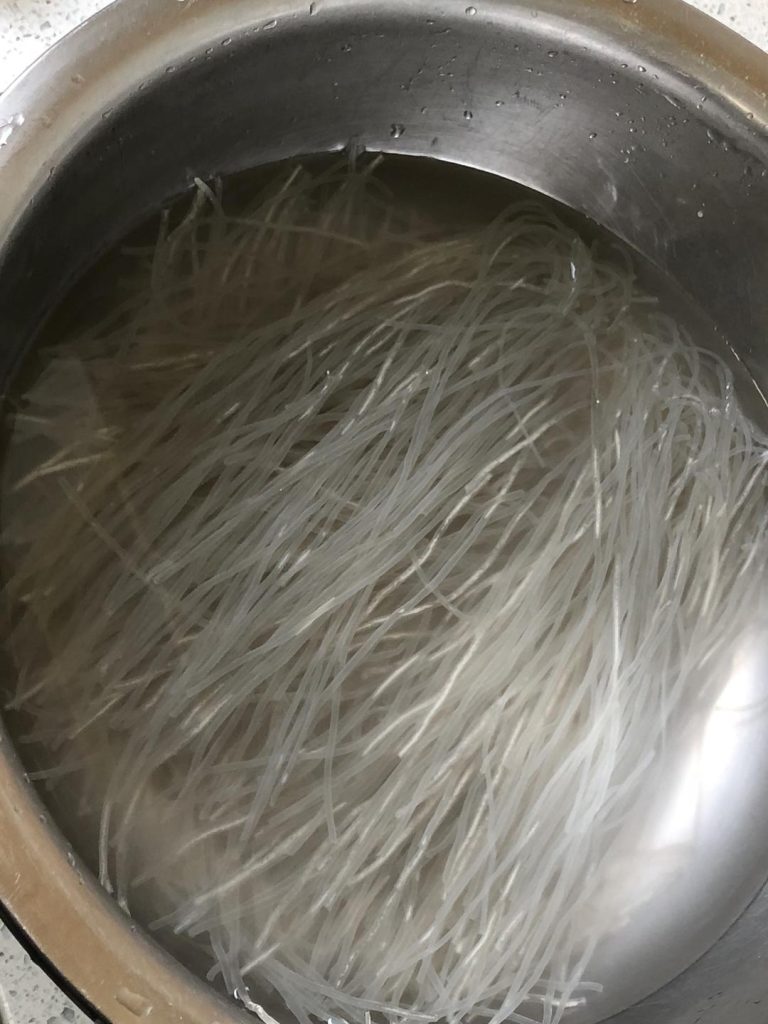
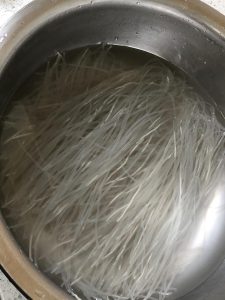
- Soak the Noodles (The “Why”) The dry vermicelli is very long. Use kitchen shears to cut the bundle in half. Place the noodles in a large bowl and cover them with warm (not boiling) water for 20 minutes. They should be pliable and soft, but still have a slight “bite.” Drain them completely.Why do we soak and not boil? This is the most important tip I can give you. Boiling sweet potato noodles first makes them too soft and waterlogged. They will turn into a sticky, gummy mess when you try to stir-fry them. Soaking hydrates them just enough so they can finish cooking by absorbing the flavorful sauce in the pan. This is the key to non-sticky noodles!
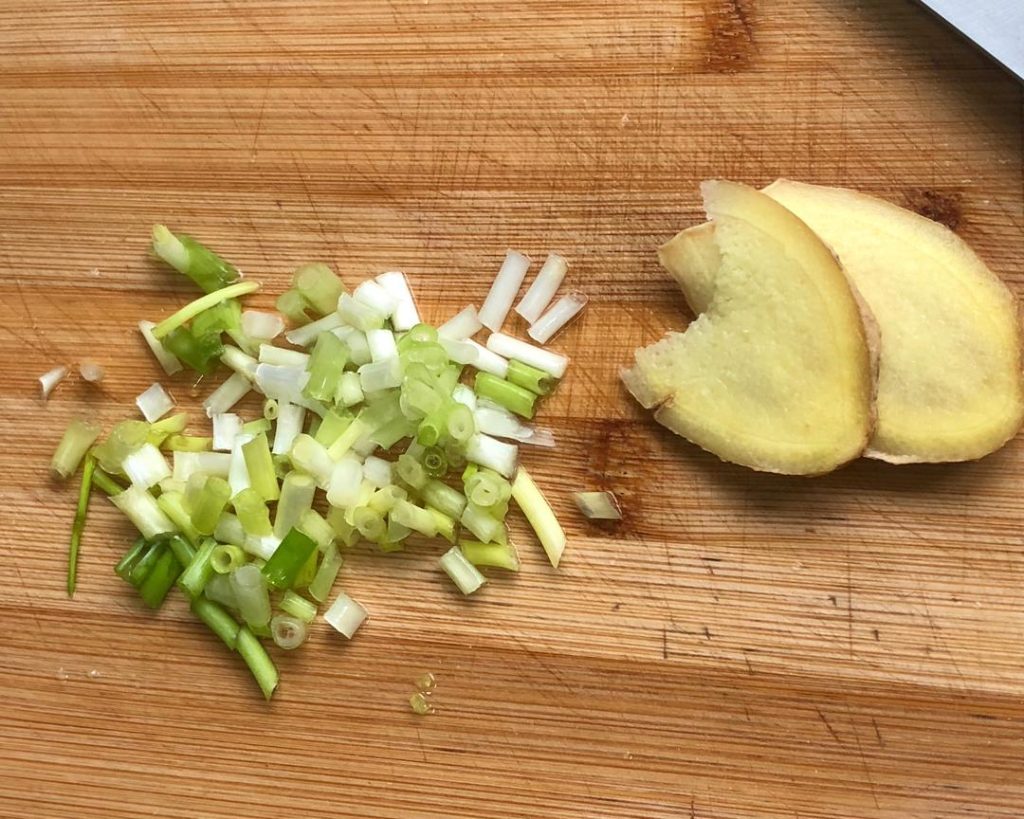
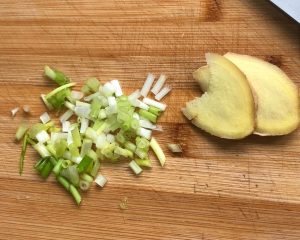
- Prep Aromatics Finely chop the scallions, keeping the white/light green parts and the dark green parts separate. Finely mince the ginger.
- Prep Other Ingredients Have your ground pork, all your sauce ingredients, and the cup of water measured out and right next to the stove.
🔥 How to Make Ants Climbing a Tree (Cooking Process)
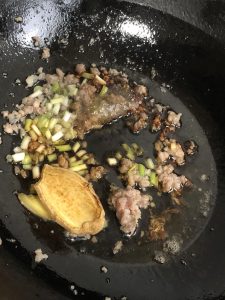
- Bloom the Aromatics and Doubanjiang Place your wok or skillet over medium-high heat. Add the oil. When it’s hot (it should shimmer), add the scallion whites and minced ginger. Stir-fry for 30 seconds until you can smell them. This is called ‘blooming’ (爆香, bào xiāng) and creates the aromatic base.Push the aromatics to the side. Add the 1 tablespoon of Doubanjiang to the oil. Stir-fry it for 30-60 seconds, pressing it into the oil. You’ll see the oil turn a beautiful reddish color. This cooks out the raw spice flavor and deepens its taste.
- Cook the Pork Add the ground pork. Break it up with your spatula and stir-fry it into the seasoned oil. Cook for 1-2 minutes until it’s no longer pink and the bits are separated (like ‘ants’!).
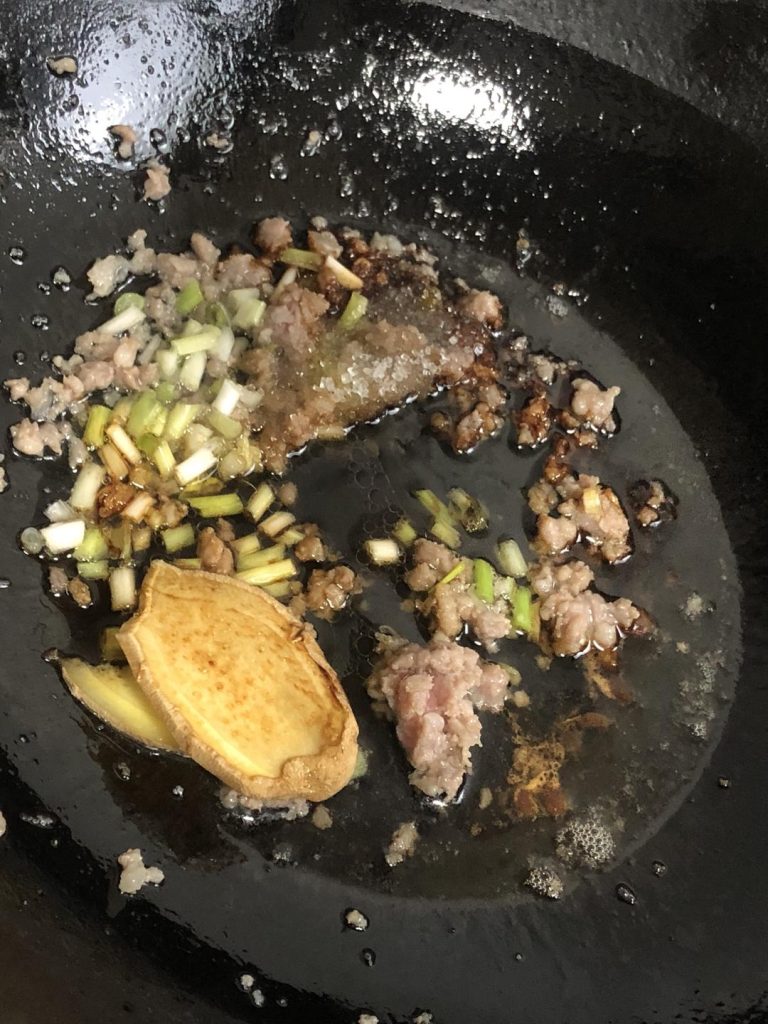
- Create the Braising Liquid Add the Shaoxing wine, light soy sauce, sugar, and salt. Stir-fry for 30 seconds to combine. Add the 1 cup of cold water (or stock) and bring the mixture to a boil.
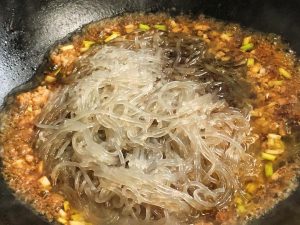
- Simmer the Noodles Once the liquid is boiling, add your drained vermicelli. Use your spatula to toss the noodles, coating them in the sauce. Turn the heat down to low, cover the pan, and let the noodles simmer for 5 minutes. This is when they absorb all that flavor.Food Safety Tip: Ensure the pork is cooked through (no longer pink) in Step 2. The simmering in Step 4 will also ensure it is fully cooked to a safe temperature, well above the 160°F (71°C) recommended by the USDA.
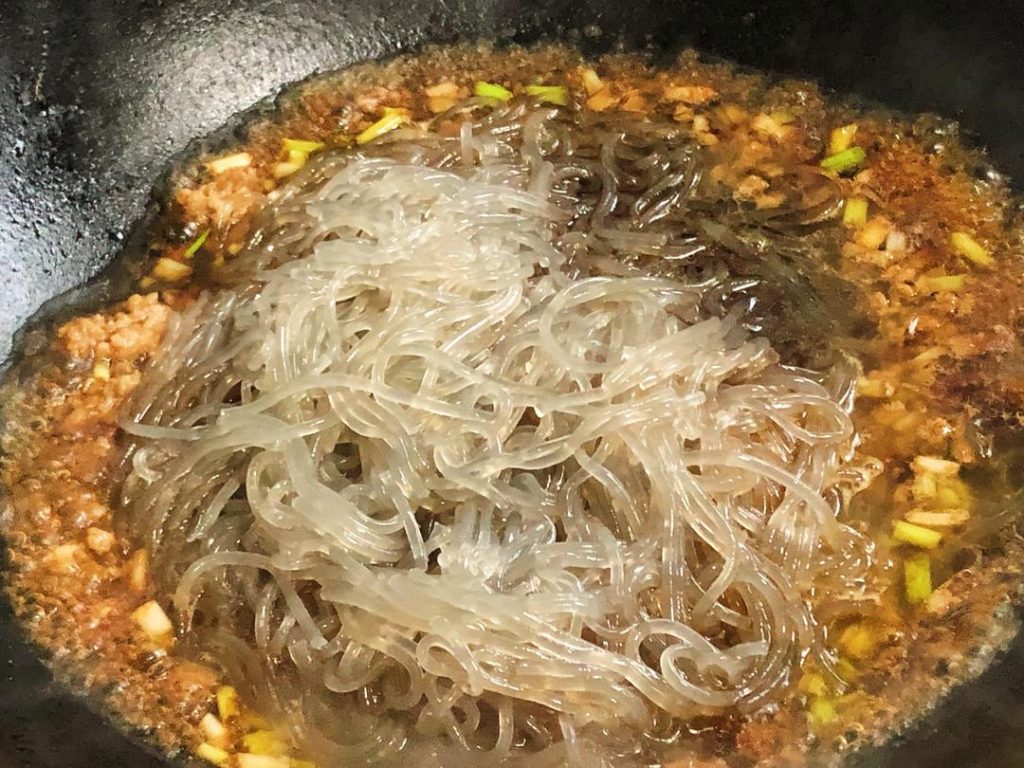
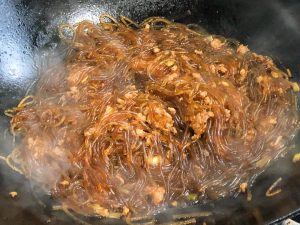
- Reduce and Finish Remove the lid. Most of the liquid should be absorbed. Turn the heat up to high. Stir-fry and toss the noodles constantly for 1-2 minutes to reduce any remaining sauce. The noodles should look glossy and flavorful, not wet.
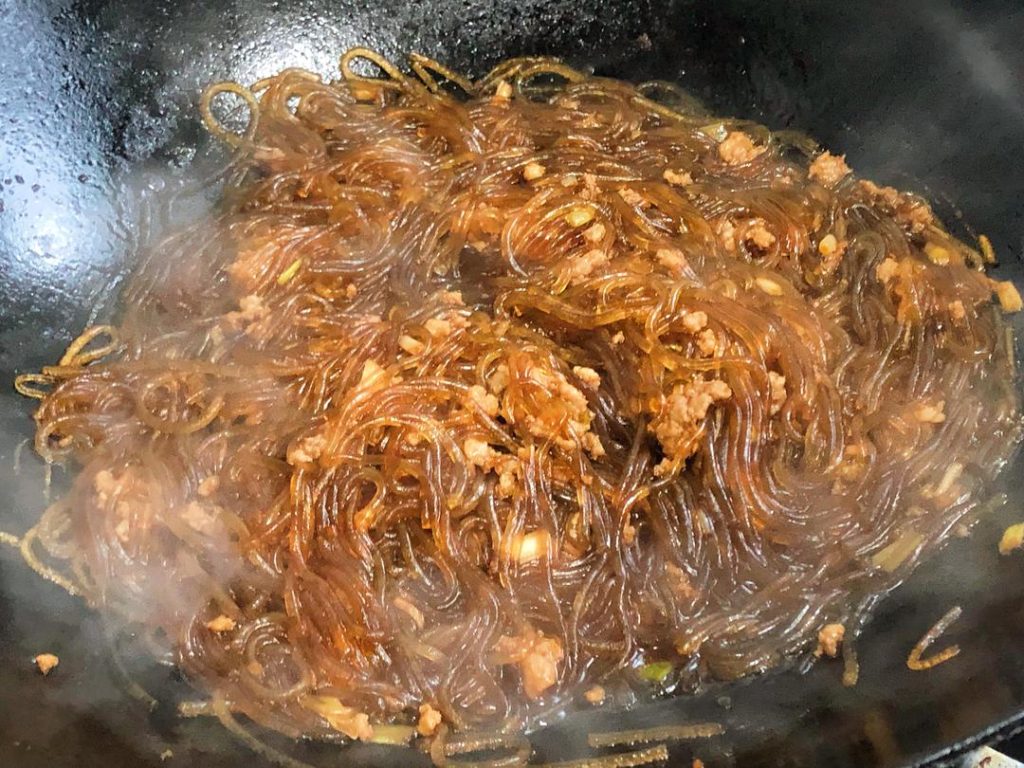
- Serve Turn off the heat. Stir in most of your reserved scallion greens. Transfer to a serving plate and garnish with the remaining scallions and optional sesame seeds. Serve immediately!
💡 Common Troubleshooting & Tips to Succeed
Help! My noodles are a sticky, clumpy mess!
- Reason 1: You overcooked them. You either boiled them instead of soaking, or you soaked them in water that was too hot, or you simmered them for too long in the pan.
- Solution: Stick to the 20-minute soak in warm water. They should still be slightly firm.
- Reason 2: You didn’t stir-fry quickly at the end. The final high-heat stir-fry (Step 5) is crucial. It evaporates the last bit of surface liquid. Don’t let them sit in the pan.
My dish is way too salty!
- Reason: Your Doubanjiang or soy sauce brand is very salty.
- Solution: Always taste! I recommend adding the Doubanjiang and soy sauce, then tasting the broth in Step 3 before you add the salt. You may not even need the extra 1/2 tsp of salt.
Tip: Don’t use the wrong noodles!
This recipe must be made with sweet potato vermicelli.
- Comparison: If you use thin rice vermicelli (like for mei fun), they will cook in 30 seconds and disintegrate into mush. If you use wheat noodles (like lo mein), they won’t absorb the sauce in the same way. The chewy, slippery texture of sweet potato noodles is the star.
🥢 Recipe Variations
- Simplified Version (Quickest Meal): In a hurry? You can skip the pork! Just make the sauce with the aromatics, Doubanjiang, soy sauce, etc., and simmer the noodles in that. It becomes a delicious, spicy, vegan noodle dish.
- Traditional / More Complex Version: For a deeper flavor, many traditional recipes use:
- Ground Beef: This is also very common.
- Sichuan Pepper: Add 1/2 tsp of ground Sichuan pepper at the very end with the scallions for that classic numbing (málà) tingle.
- More Veggies: Some home-style versions add minced shiitake mushrooms or pickled mustard greens (yá cài) with the pork.
🍚 How to Serve (Serving Suggestions)
This dish is a classic fàn cài (饭菜), meaning it’s meant to be eaten with rice.
- Main: Serve it directly over a bowl of hot, steamed white rice. The rice balances the savory, spicy flavor perfectly.
- Side Dish: It’s also a great side dish as part of a larger meal. Pair it with a simple vegetable dish, like a Smashed Cucumber Salad or a Stir-fried Lettuce with Garlic to round out the meal.
🥡 How to Store
Honestly, this dish is best eaten immediately. The noodles will continue to absorb liquid as they sit, so leftovers can become a bit dense and sticky.
- To Store: Keep in an airtight container in the refrigerator for up to 2 days.
- To Reheat: Reheat in a skillet over medium heat with a splash of water or chicken stock (about 1-2 tbsp) to loosen the noodles up again. Stir-fry until hot.
📚 Authoritative References (Food Safety)
For food safety, it’s crucial to cook ground pork thoroughly. The USDA guidelines recommend cooking ground pork to an internal temperature of 160°F (71°C). In this recipe, the pork is both stir-fried and then simmered, ensuring it is fully cooked and safe.
❓ Frequently Asked Questions (FAQ)
1. Is Ants Climbing a Tree very spicy?
It’s flavorful-spicy, not burn-your-mouth-spicy. The heat comes from the Doubanjiang. If you are sensitive to spice, use only 1/2 tablespoon of Doubanjiang.
2. Can I make this gluten-free?
Yes! Sweet potato vermicelli is naturally gluten-free. You just need to swap two ingredients: Use a gluten-free tamari instead of light soy sauce, and use dry sherry instead of Shaoxing wine (which is a rice wine but can have wheat).
3. Can I use rice noodles?
I really don’t recommend it. The texture is the most important part. Thin rice noodles will break and get mushy. Sweet potato noodles are very forgiving and have a wonderful, chewy texture. It’s worth finding them!
Food Safety and Allergen Information
- Food Safety: Always ensure ground pork is cooked to an internal temperature of 160°F (71°C) as recommended by the USDA.
- Allergens: This recipe contains SOY and WHEAT (from soy sauce and Shaoxing wine). It may also contain SESAME if used as a garnish. For a gluten-free version, see the FAQ.
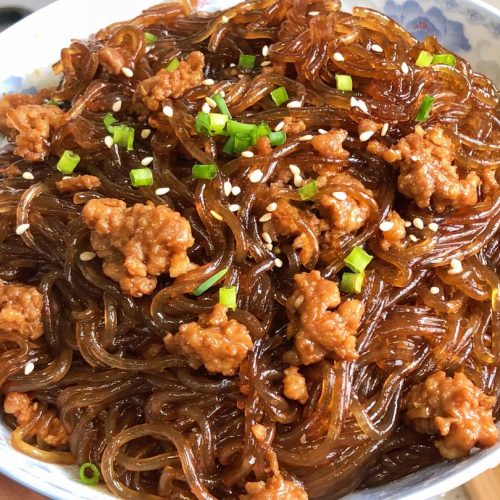
Easy Ants Climbing a Tree (Ma Yi Shang Shu)

Equipment
- 1 Wok or large skillet A large non-stick or carbon steel skillet works well.
- 1 Large Bowl For soaking the noodles.
- 1 Kitchen Shears For cutting the dry noodles.
Ingredients
Main Ingredients
- 3 oz sweet potato vermicelli (glass noodles) (approx 80g)
- 1 oz ground pork (mince), 80/20 recommended (approx 30g)
- 1 tbsp Shaoxing wine or dry sherry
- 1 tbsp light soy sauce Use tamari for GF
- 1 tbsp Doubanjiang (Sichuan chili bean paste) Pixian brand recommended
- 1 tsp sugar
- 1/2 tsp salt or to taste (Doubanjiang is salty)
- 1 tbsp neutral oil e.g., canola, vegetable
- 2 scallions (green onions) finely chopped (whites and greens separated)
- 2 slices ginger finely minced
- 1 cup cold water or unsalted chicken stock
Garnish (Optional)
- 1 tsp toasted white sesame seeds
Instructions
- Prep Noodles: Use kitchen shears to cut the dry vermicelli bundle in half. Place in a large bowl and cover with warm (not boiling) water for 20 minutes until pliable but not mushy. Drain completely.

- Prep Aromatics: Finely chop scallions, separating whites and greens. Finely mince ginger.

- Bloom Aromatics: Heat oil in a wok or large skillet over medium-high heat. Add scallion whites and ginger, stir-frying for 30 seconds until fragrant.
- Cook Pork & Sauce: Add Doubanjiang and stir-fry for 30-60 seconds until the oil turns red. Add the ground pork, break it up, and cook until no longer pink (1-2 minutes).
- Braise: Add Shaoxing wine, light soy sauce, sugar, and salt. Stir to combine. Pour in the cold water (or stock) and bring to a boil.
- Simmer Noodles: Add the drained vermicelli to the boiling sauce. Toss to coat. Turn heat to low, cover, and simmer for 5 minutes, allowing the noodles to absorb the sauce.

- Finish: Remove the lid. Turn heat to high. Stir-fry and toss constantly for 1-2 minutes, until all the liquid is absorbed and the noodles are glossy.
- Serve: Turn off the heat. Stir in the scallion greens. Serve immediately, garnished with optional sesame seeds.
Notes
- Noodle Soaking: Do not boil the noodles. Soaking in warm water is key to preventing them from becoming a sticky, gummy mess.
- Salty Levels: Doubanjiang is salty. Taste your sauce before adding the full 1/2 tsp of salt.
- Cook Quickly: This dish comes together fast. Have all ingredients prepped (mise en place) before you start.
- Nutrition information is calculated using an ingredient database and should be considered an estimate. In cases where multiple ingredient alternatives are given, the first listed is calculated for nutrition. Garnishes and optional ingredients are not included.
- Allergen Warning: Contains SOY and WHEAT. (Use tamari and dry sherry for a gluten-free version). May contain SESAME.
- Calories: 512kcal
- Carbohydrates: 72g
- Protein: 10g
- Fat: 19g
- Saturated Fat: 4g
- Sodium: 1450mg
- Sugar: 3g
- Fiber: 2g



Leave a Reply