Hi, I’m Lin! Abalone is one of those luxurious ingredients that often feels completely out of reach for a casual home cook. It’s highly prized in Chinese culinary traditions for its rich, briny flavor and uniquely tender, chewy texture. But let’s be honest: sourcing fresh abalone and spending hours preparing it isn’t realistic for a Tuesday night.
That’s where this Easy Abalone Rice comes in. By utilizing high-quality canned abalone in broth (like the Sheung Wan Ann Kee brand), you bypass all the complicated prep work. All it takes is gently heating the abalone and blanching a few vegetables to create a restaurant-quality meal in just 15 minutes.
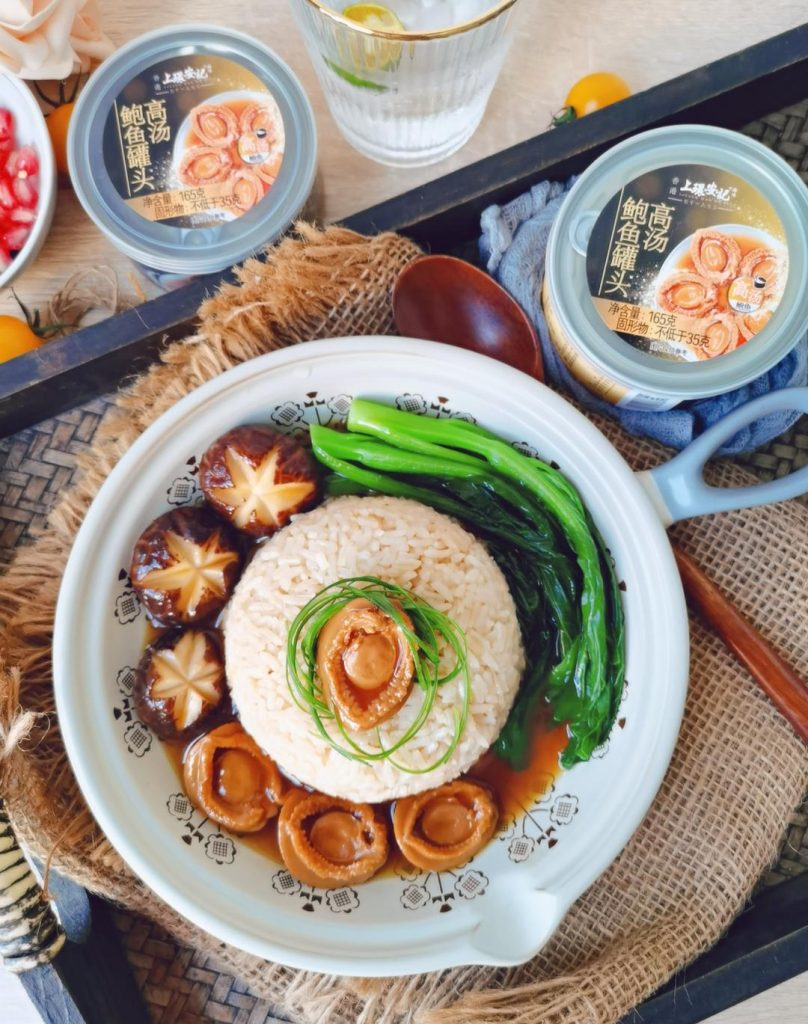
What Is Abalone Rice (Bao Zhi Lao Fan)?
Abalone Rice, known as Bao Zhi Lao Fan in Chinese, is a luxurious comfort food. “Bao Zhi” refers to the rich abalone sauce or broth, and “Lao Fan” translates to mixing with rice. Traditionally served in high-end Cantonese banquet halls, the dish relies on a slow-simmered, deeply savory broth made from chicken, pork, and dried seafood. The rich, umami-packed sauce is poured over steamed white rice, allowing every single grain to absorb the decadent flavor. Using premium instant canned abalone brings this banquet classic right into your home kitchen with zero stress.
If you love the deep, savory umami of abalone but want to try a richer, meatier variation, I highly recommend checking out our Braised Pork Belly with Abalone recipe. It combines the oceanic sweetness of abalone with melt-in-your-mouth pork belly for an unforgettable meal!
1Braised Pork Belly with Abalone (Bao Yu Hong Shao Rou)A luxurious Chinese surf and turf dish featuring tender pork belly and fresh abalone braised in a savory red fermented bean curd sauce. Perfect for special occasions.Check out this recipe

Ingredients
- 1 can (approx. 4 pieces) Instant Abalone in Broth: I recommend Hong Kong Sheung Wan Ann Kee or a similar premium brand. Ensure the can specifies it comes in a rich broth (高汤), as this acts as the sauce for our rice.
- 1/2 cup (100g) Jasmine Rice: Cooked. If you want to perfect your base, check out my guide on the best rice for fried rice and steamed rice.
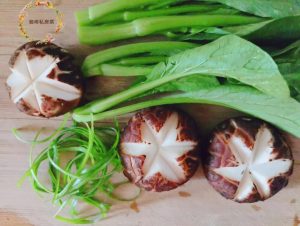
- 3 Fresh Shiitake Mushrooms: Stems removed. They act as sponges for the rich abalone broth, similar to how we utilize them in our Easy Chinese Mushroom Soup.
- 4 stalks Choy Sum: An essential Chinese leafy green.
- 1 Scallion: Finely julienned for garnish.
- 1/2 teaspoon Salt: For blanching.
- 1 teaspoon Cooking Oil: For blanching.
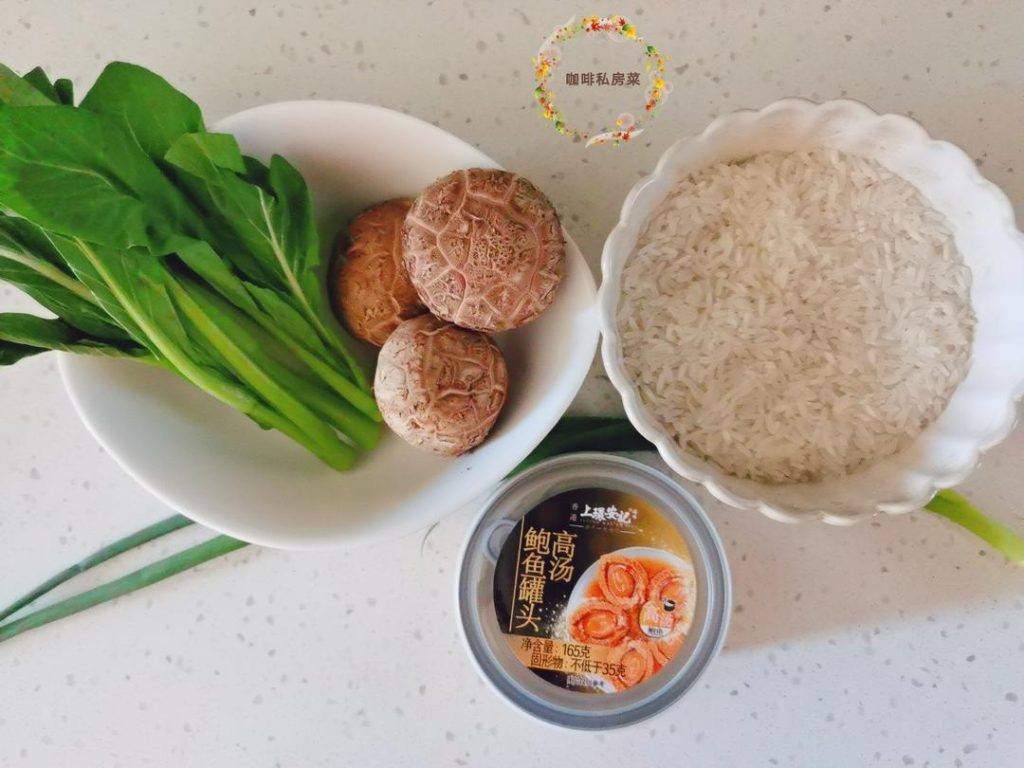
Ingredient Notes
The Abalone: If you cannot find Sheung Wan Ann Kee, look for any reputable Asian supermarket brand of “Instant Abalone in Premium Broth.” The broth is just as important as the abalone itself. If you want to understand the flavor profile we are aiming for, reading up on how Oyster Sauce Explained (How and When to Use It) works will give you a great baseline for this type of deep seafood umami.
Equipment Needed
- A medium saucepan or pot (for blanching vegetables and heating the can).
- A rice cooker or cast iron pot (if cooking rice fresh). I often cook perfect rice in a cast iron pot for the best texture.
Prep & Mise en Place
- Wash the Vegetables: Thoroughly rinse the choy sum and shiitake mushrooms.
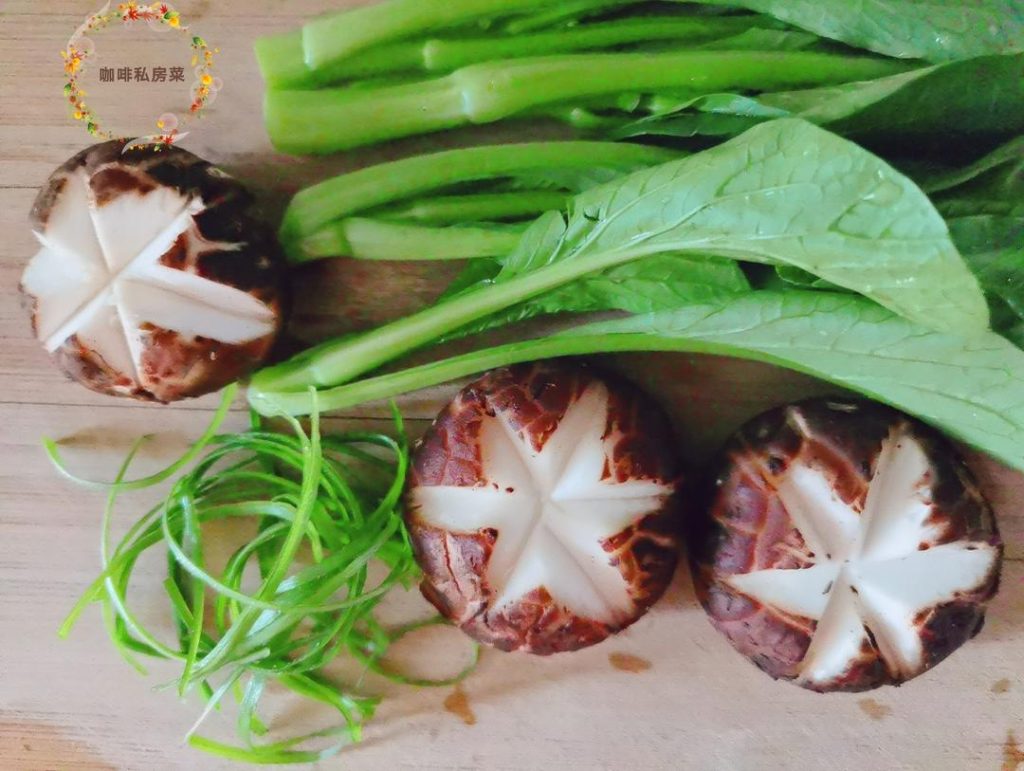
- Trim and Score: Cut off the tough, old ends of the choy sum. Using a paring knife, score a star or cross pattern into the caps of the shiitake mushrooms. This makes them look beautiful and helps them absorb the broth.
- Julienne the Scallion: Slice the scallion into thin, long strips.
Cooking Process
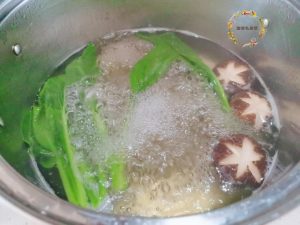
Step 1: Blanch the Vegetables (3 minutes) Bring a pot of water to a rolling boil over high heat. Add the salt and cooking oil. Carefully drop in the scored shiitake mushrooms and blanch for 2 minutes. Add the choy sum and blanch for 1 additional minute. Remove all vegetables with a slotted spoon and set aside.
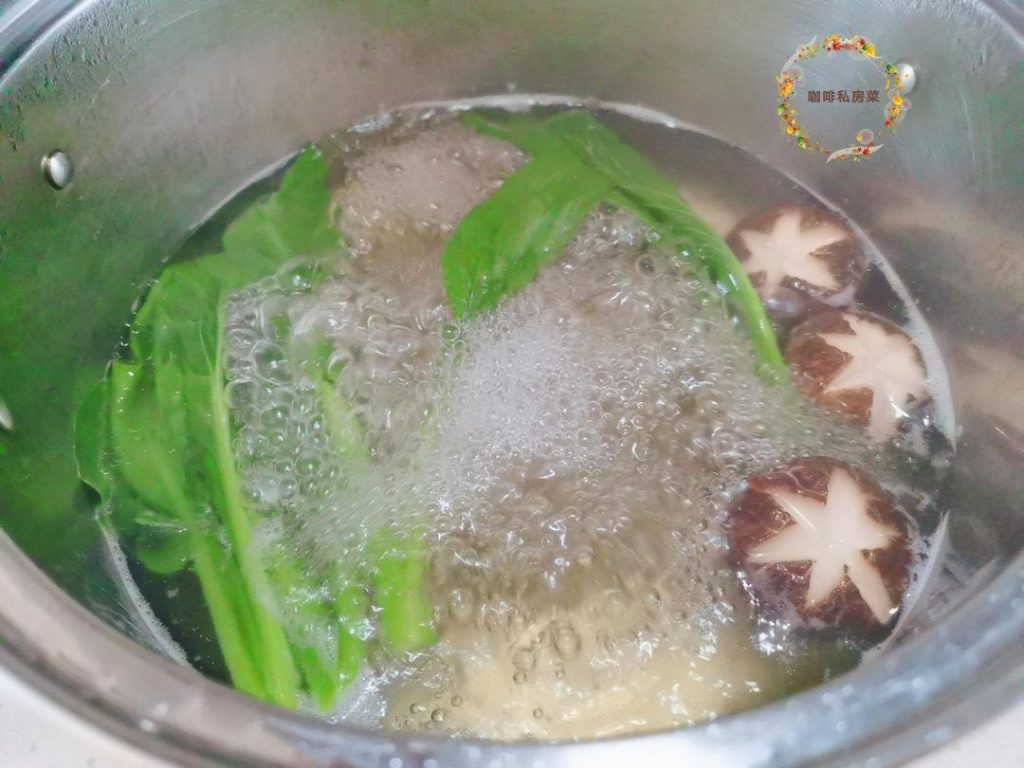
Adding oil and salt to the blanching water is a classic restaurant technique. The salt enhances flavor, while the thin layer of oil coats the vegetables as you pull them out, protecting the chlorophyll from oxidizing and keeping the greens vibrantly bright.
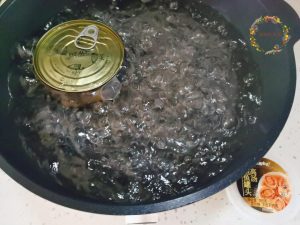
Step 2: Heat the Abalone (10 minutes) Leave the abalone can sealed. Submerge the unopened can in a pot of boiling water and let it gently boil for 10 minutes. Alternatively, you can open the can, pour the contents into a small saucepan, and heat it gently over medium-low heat until simmering.
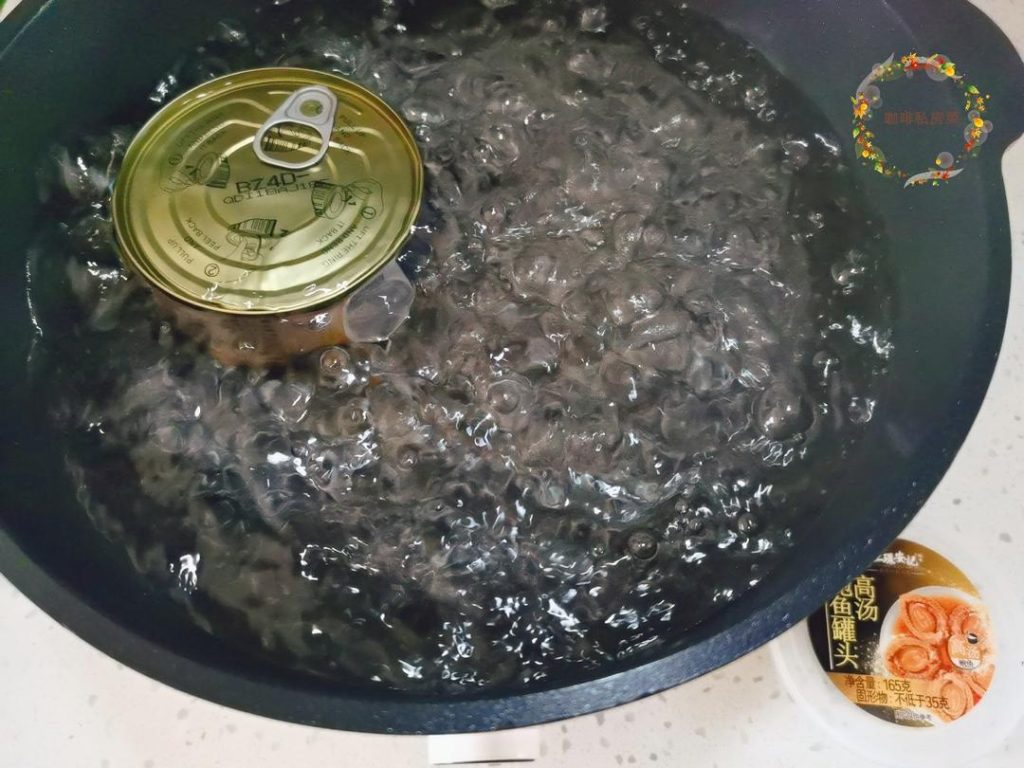
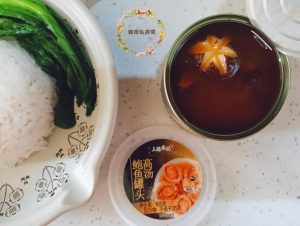
Step 3: Flavor the Mushrooms (1-2 minutes) Carefully open the hot can of abalone. Gently drop the blanched shiitake mushrooms directly into the can (or your saucepan) so they can soak up the rich, hot abalone broth for a minute or two.
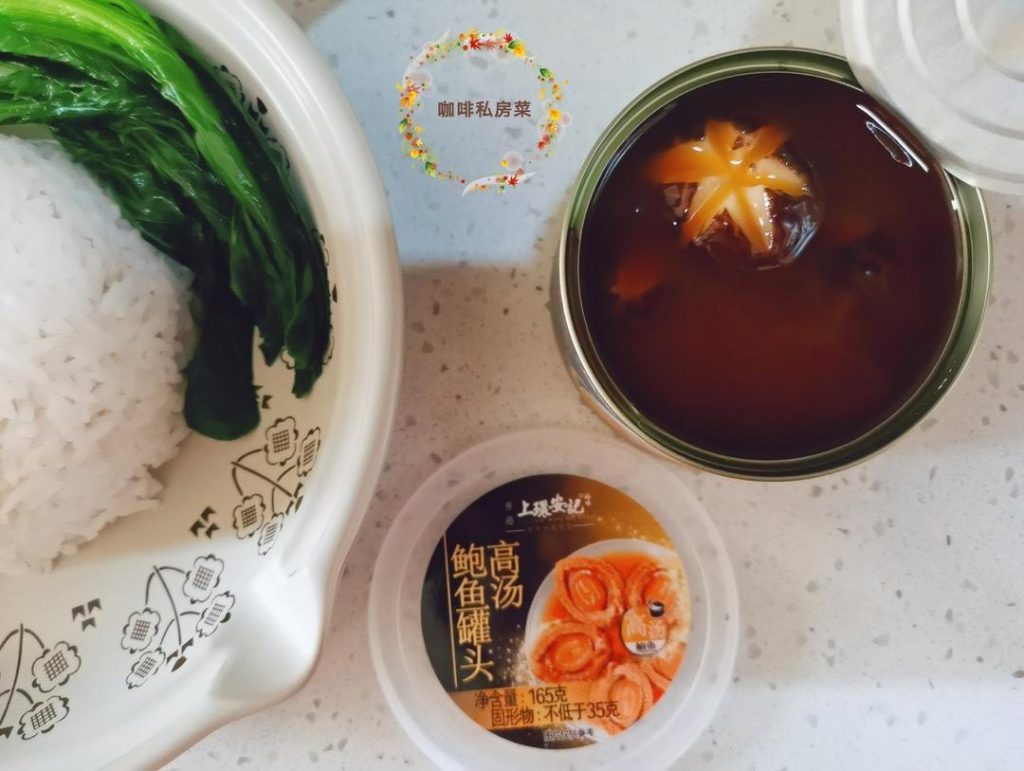
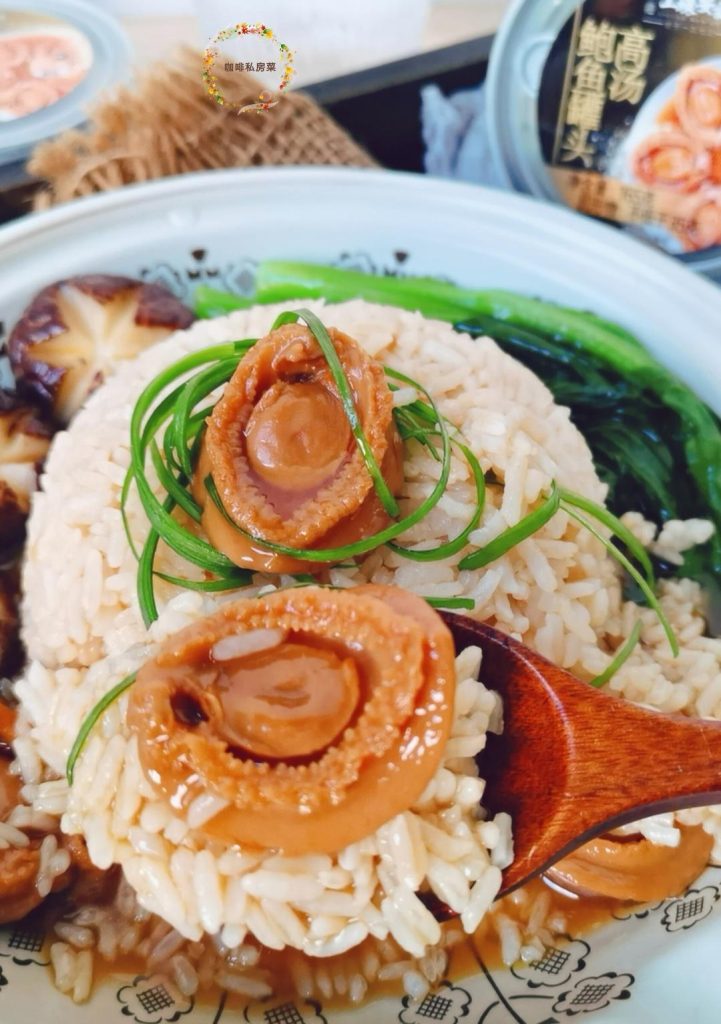
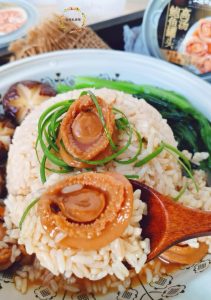
Step 4: Plate and Serve Mound your hot, cooked jasmine rice in the center of a deep plate or wide bowl. Arrange the blanched choy sum and the broth-soaked shiitake mushrooms around the edges. Place the abalones beautifully on top of the rice. Finally, pour the remaining hot, savory broth from the can generously over the rice and vegetables. Top with julienned scallions and serve immediately while piping hot.
Why This Recipe Works
- Zero-Stress Luxury: Utilizing high-quality pre-cooked canned abalone removes the days of soaking and hours of braising normally required.
- Flavor Layering: Allowing the plain blanched mushrooms to steep in the hot abalone broth transforms them into flavor bombs.
- Perfect Balance: The clean, crisp, lightly salted choy sum cuts through the rich, heavy umami of the abalone sauce, preventing the dish from becoming cloying.
Common Mistakes When Making Abalone Rice
- Serving it lukewarm: Abalone broth contains a lot of collagen and rich proteins. If it cools down, it becomes sticky and loses its aromatic qualities. Always serve this dish piping hot.
- Overcooking the Choy Sum: Boiling the greens for more than a minute will turn them mushy and dull. You want them crisp-tender to provide a textural contrast to the soft rice and chewy abalone.
- Wasting the Broth: The liquid inside the can is liquid gold. Do not drain it! It is the primary sauce for your rice.
Frequently Asked Questions
Can I use different vegetables? Yes! If you can’t find choy sum, baby bok choy is a perfect substitute. I use it often in my quick stir-fries, like my 15-Minute Minced Pork with Baby Bok Choy. Broccoli florets also work well.
Can I use the abalone sauce for other dishes? Absolutely. The instant broth is highly versatile. You can toss it with noodles, use it as a base for braising tofu, or even use it to glaze meats.
Is this authentic? Yes, using premium canned abalone is incredibly common in modern Chinese households, especially in Hong Kong and Guangdong, as a convenient way to enjoy traditional banquet flavors at home.
How to Serve
This dish is quite rich, so I recommend serving it alongside something with a different flavor profile. It pairs wonderfully with our classic Scallion Oil Chicken , or for something a bit sweeter, try our Honey Roasted Chicken Wings.
Storage & Reheat
- Storage: If you have leftovers, store the rice, vegetables, and abalone together in an airtight container in the refrigerator for up to 2 days.
- Reheating: Microwave on high for 1-2 minutes until steaming hot, or gently reheat in a pan on the stove with a splash of water to loosen the rice and sauce.
- Freezing: I do not recommend freezing this dish, as the texture of the abalone and the vegetables will degrade significantly.
Allergen Notice
- Shellfish: Abalone is a mollusk.
- Soy & Gluten: Canned abalone broths frequently contain soy sauce (which contains wheat/gluten). Please check the specific label of your canned product if you have sensitivities.
Nutrition Disclaimer
Nutrition information is an estimate and provided for informational purposes only. The exact nutritional content will vary greatly depending on the specific brand of canned abalone used, as broth formulations (sodium, sugar, and fat content) differ between manufacturers. Individuals monitoring their sodium intake should read the canned product label carefully.
About the Author & Recipe Development
Growing up, abalone was strictly reserved for weddings, Lunar New Year, and major milestone birthdays. It took days of preparation under the watchful eye of elder family members. As a professional recipe developer, I wanted to bridge the gap between that deep-rooted culinary respect and the reality of modern weeknight cooking. After testing various brands and heating methods in my home kitchen, I found that gently treating premium canned abalone with the respect of a fresh ingredient—pairing it with perfectly timed blanched greens and properly steamed rice—yields a result that honors the traditional Bao Zhi Lao Fan without the exhausting labor.
Authoritative References
- To understand the safe heating and handling of commercial canned goods, refer to the USDA Food Safety and Inspection Service guidelines on Shelf-Stable Food Safety.
- For information regarding seafood preparation and shellfish allergen management, consult the FDA Seafood Safety Guidelines.
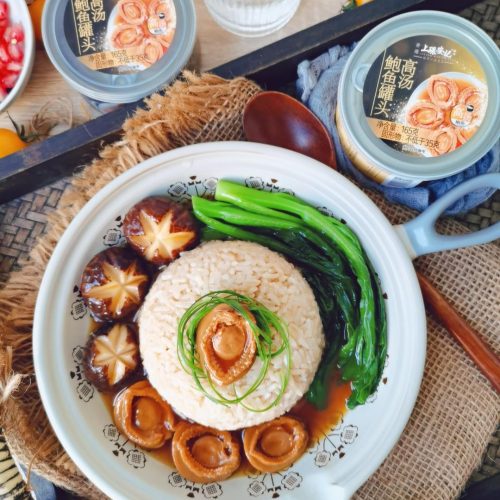
Easy Abalone Rice (15-Minute Restaurant-Style Recipe)

Equipment
- Medium Saucepan
Ingredients
Main Ingredients
- 1 can Instant Abalone in Broth approx. 4 pieces, premium brand
- 0.5 cup Jasmine Rice cooked
Vegetables & Garnish
- 3 Shiitake Mushrooms fresh, stems removed
- 4 stalks Choy Sum trimmed
- 1 Scallion julienned
Blanching Essentials
- 0.5 tsp Salt
- 1 tsp Cooking Oil
Instructions
- Wash the vegetables. Trim the old ends off the choy sum. Score a star pattern into the caps of the shiitake mushrooms. Julienne the scallion.

- Bring a pot of water to a boil. Add the salt and cooking oil. Blanch the shiitake mushrooms for 2 minutes, then add the choy sum and blanch for 1 minute. Remove all vegetables and set aside.

- Submerge the unopened can of abalone in boiling water and heat for 10 minutes. (Alternatively, open the can and gently simmer the contents in a pan).
- Open the hot can of abalone. Gently drop the blanched shiitake mushrooms into the can to soak up the broth for 1-2 minutes.
- Place the cooked hot rice on a plate. Arrange the choy sum, mushrooms, and abalone around and on top of the rice. Pour the hot broth over the dish, garnish with scallions, and serve immediately.










Leave a Reply