Why This Recipe Growing up in Sichuan, fried food was a love language in our household. My father, a professional chef for over 20 years, would often make Zha Ou He (Fried Lotus Root Boxes) for holidays or family gatherings. There is something incredibly satisfying about the contrast in textures: the lotus root remains crunchy and refreshing, while the savory pork filling inside is juicy and tender.

While many restaurants use a heavy, egg-based batter, I am sharing a specific technique I learned in my family kitchen. We use baking powder instead of eggs in the batter. This creates a lighter, crispier shell that stays crunchy longer—even after it cools down. If you love the texture of my Crispy Fried Pork Meatballs (Zha Rou Wan), you are going to fall in love with this dish.
What is Stuffed Lotus Root (Zha Ou He)?
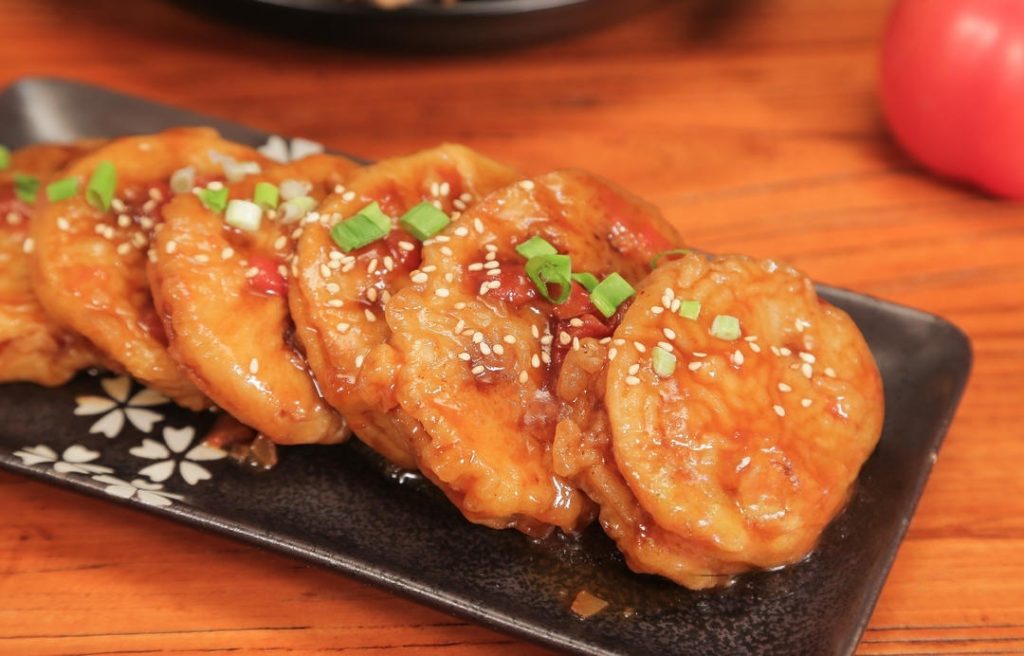
Zha Ou He (炸藕盒) literally translates to “Fried Lotus Root Box.” It consists of two thin slices of lotus root connected at the bottom (or sandwiched together) with a meat filling, resembling a small box or locket. It is a staple in many Chinese households, particularly during the Lunar New Year, symbolizing abundance.
Why This Recipe Works
- The “Secret” Batter: Unlike standard recipes that use eggs (which can make the crust soft), we use a mix of flour and baking powder. This results in a shell that is airy and shatteringly crisp.
- Texture Balance: Soaking the lotus root in salt water prevents it from snapping when you stuff it, ensuring a perfect “sandwich.”
- Juicy Filling: We use the classic technique of stirring the meat in one direction with liquid seasonings, ensuring the pork stays succulent inside the fryer.
Key Ingredients & Substitutions
- Lotus Root: Look for fresh lotus root in Asian markets. Choose one that is heavy for its size with the ends intact. If you can’t find it, firm eggplant or potato slices can be used as a substitute, though the texture will be different.
- Ground Pork: Use pork with a bit of fat (at least 20-30% fat content). Lean pork will dry out during frying.
- Shaoxing Wine: This removes gaminess from the pork. You can substitute it with dry sherry.
- Oyster Sauce: Adds a deep, savory umami punch.
- Baking Powder: The key to a crispy crust. Look for aluminum-free baking powder if possible.
- Oil: Use a neutral oil with a high smoke point, such as vegetable oil, canola oil, or peanut oil.
Ingredients
The Main Components
- 1 fresh lotus root (medium size)
- 9 oz (250g) ground pork (preferably fatty)
- 1 tbsp chopped scallions (green onions)
- 1 tsp minced ginger
- 1 tbsp Shaoxing wine (or dry sherry)
- 1 tbsp oyster sauce
- 1 tbsp (10g) cornstarch
- Salt, to taste
- White pepper powder, to taste
The Crispy Batter
- 1 cup (120g) All-purpose flour (or low-gluten flour for extra lightness)
- 1/2 tsp Baking powder (aluminum-free recommended)
- 3/4 cup Water (approximate, adjust for consistency)
- Pinch of salt
- Pinch of white pepper
Optional Sweet & Sour Sauce
- 1 tomato, diced
- 2 tbsp Vinegar (Chinkiang or Rice vinegar)
- 3 tbsp Light Soy Sauce
- 1/2 tbsp Salt
- 1 tbsp Sugar
- 1 tbsp Cornstarch dissolved in 2 tbsp water
Recipe Notes Before You Start
- Equipment: You will need a heavy-bottomed pot or a wok for frying. A kitchen thermometer is highly recommended to monitor oil temperature.
- Lotus Root Handling: Lotus root oxidizes (turns brown) quickly. Keep it submerged in salted water until you are ready to stuff it.
- Batter Consistency: The batter should coat the back of a spoon without dripping off instantly—think heavy cream or yogurt consistency.
Mise en Place / Prep
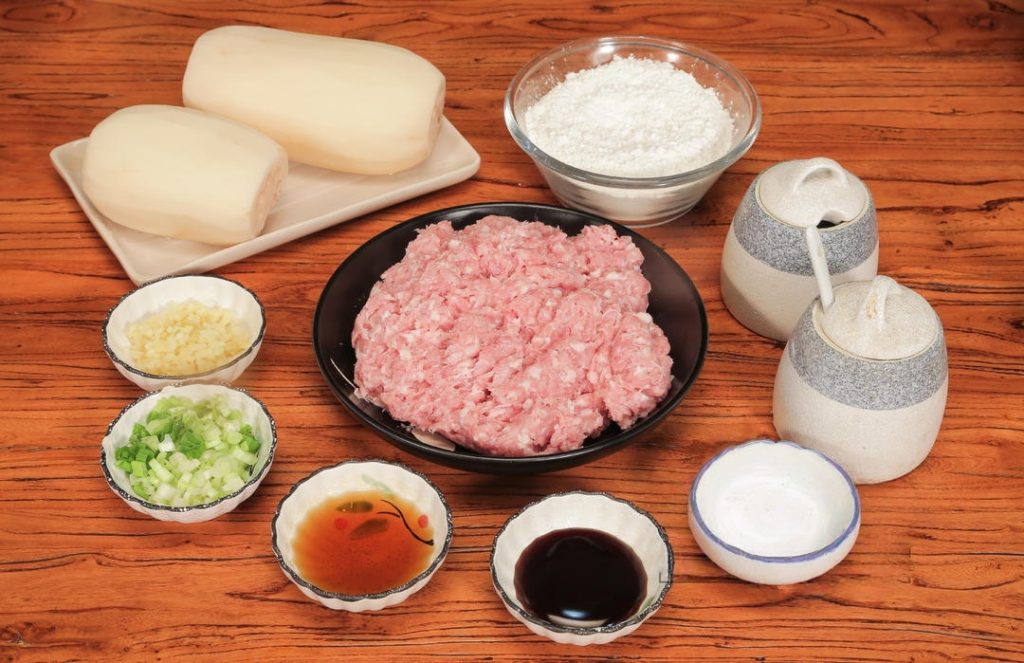
- Prepare the Lotus Root: Peel the lotus root. Slice it into medium-thickness rounds (about 1/4 inch or 0.5cm). Place them immediately into a bowl of water with a pinch of salt.
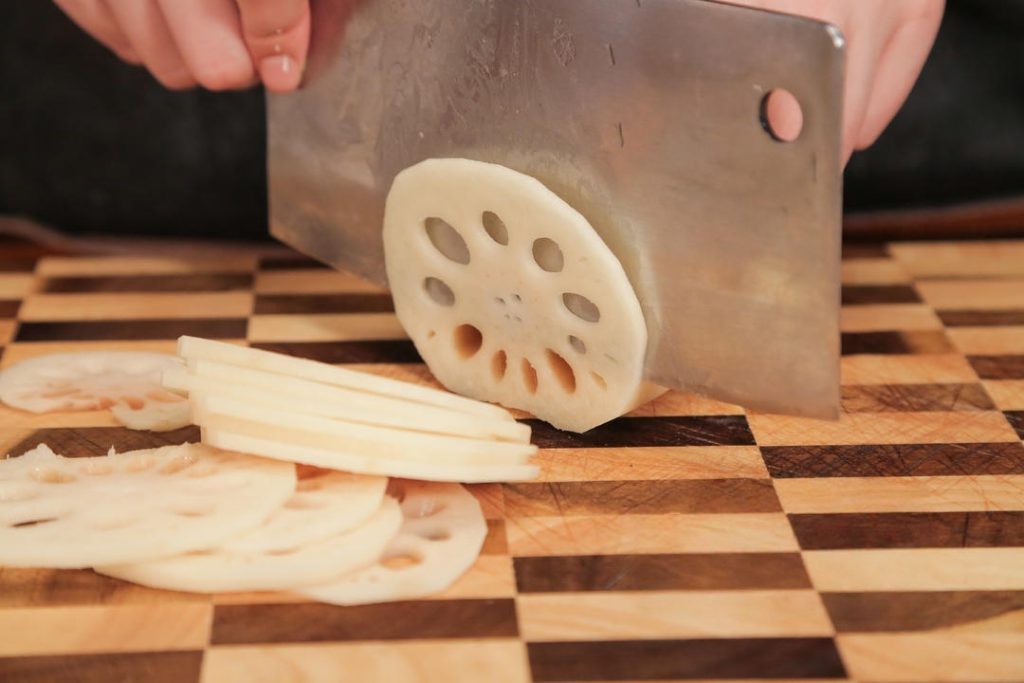
- Why? The salt water keeps the root white and makes it slightly pliable so it doesn’t break when you sandwich the meat.
- Make the Batter: In a bowl, mix the flour and baking powder. Gradually add water while whisking until you reach a consistency similar to thick yogurt. Season with a pinch of salt and white pepper. Let it rest while you prep the meat.
- Note: If you prefer a softer crust, you can substitute the baking powder with one egg, but the baking powder version yields a superior crunch.
How to Make Stuffed Lotus Root
Step 1: Season the Pork Filling In a mixing bowl, combine the ground pork, chopped scallions, and minced ginger. Add the Shaoxing wine, oyster sauce, cornstarch, salt, and white pepper.
Technique: Use chopsticks or a hand to stir the meat vigorously in one direction (clockwise or counter-clockwise) until the mixture becomes sticky and paste-like. This develops the protein strands (myosin), ensuring the filling stays bouncy and juicy.

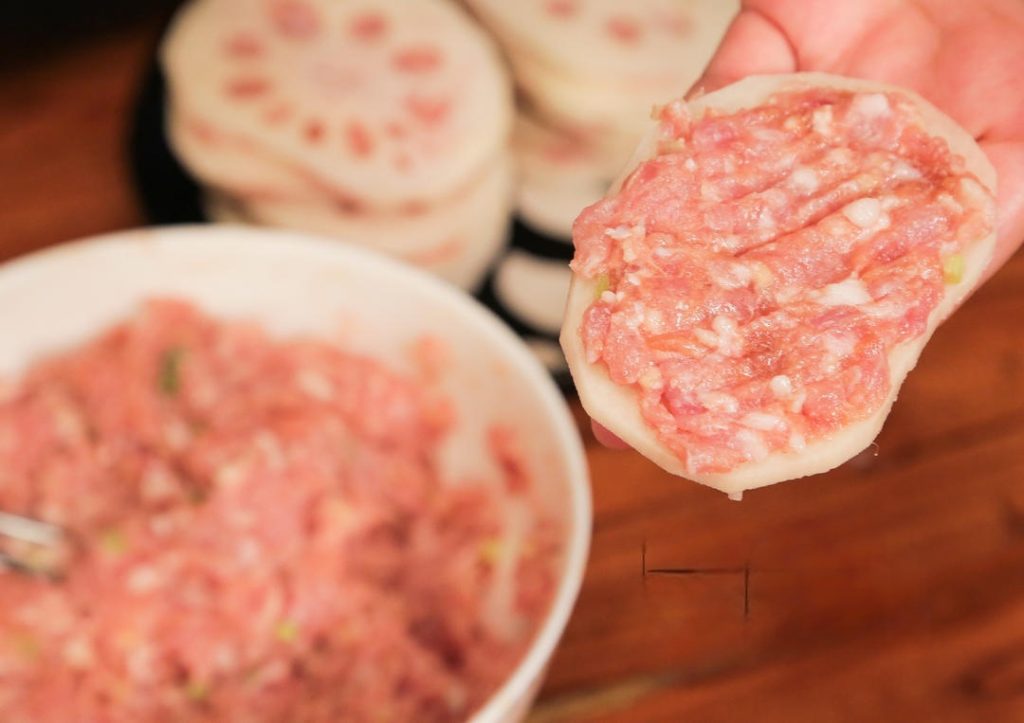
Step 2: Assemble the “Boxes” Remove the lotus root slices from the water and pat them dry with paper towels (wet slices won’t hold the batter). Take one slice of lotus root, place a spoonful of meat filling in the center, and press a second slice on top. Press gently to secure the “sandwich.”
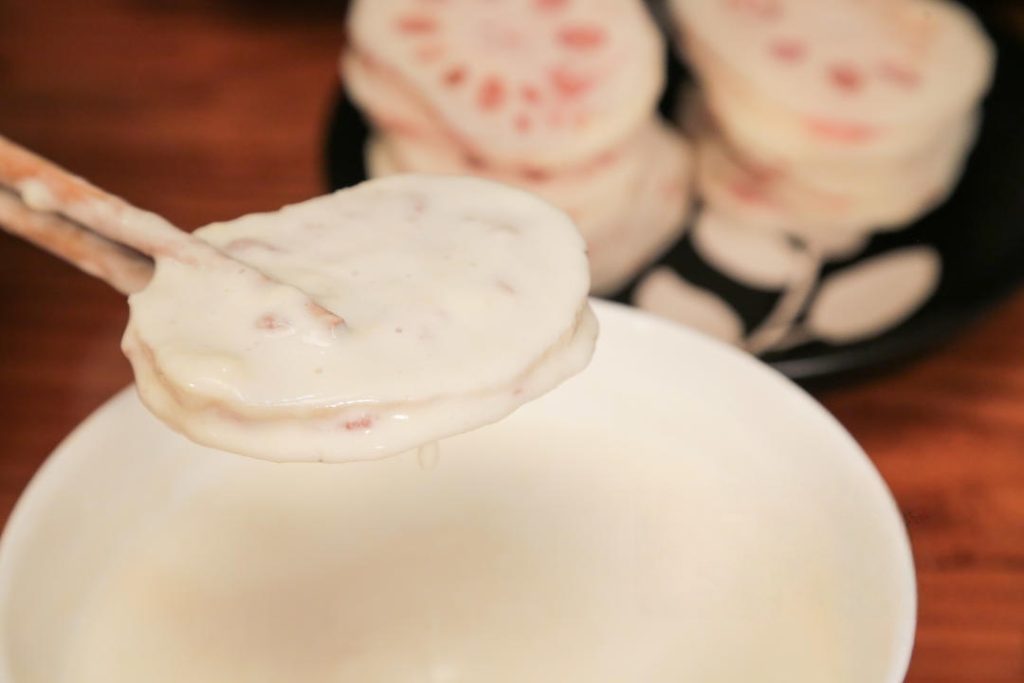
Step 3: Batter and Fry Heat your oil in a wok or deep pot to 350°F (175°C). If you don’t have a thermometer, dip a wooden chopstick into the oil; if small bubbles form around it immediately, it’s ready.
- Dip each stuffed lotus root into the batter, ensuring it is completely coated. Let excess batter drip off slightly.
- Gently lower into the hot oil. Do not overcrowd the pan.
- Fry over medium heat (maintaining the temperature) for about 4-6 minutes, flipping occasionally.
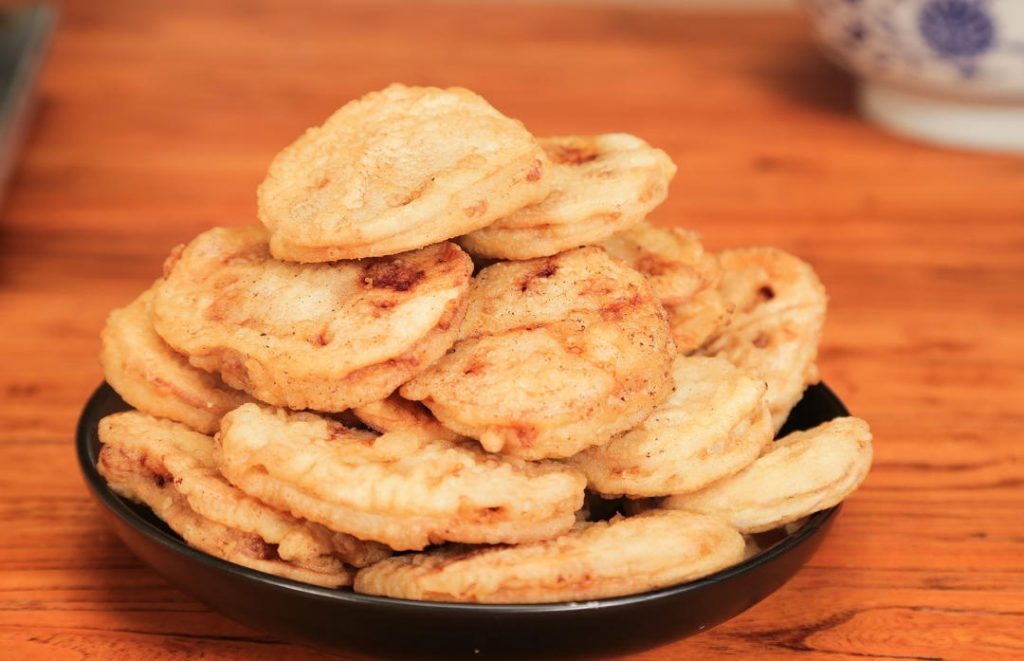
- Fry until the batter is golden brown and crispy.

Step 4: Drain and Serve Remove the lotus root boxes and place them on a wire rack or paper towel to drain excess oil. Let them cool for a few minutes before eating—the filling will be very hot!

Variation: Sweet and Sour Glaze
Some of our family friends prefer a “Tang Cu” (Sweet and Sour) version, similar to Sweet and Sour Pork.
- Mix the sauce ingredients (vinegar, soy sauce, salt, sugar, starch water) in a small bowl.
- In a clean pan with a little oil, sauté the diced tomato until soft.
- Pour in the sauce mixture. When it bubbles and thickens, toss in the already-fried lotus root boxes.
- Toss quickly to coat, garnish with sesame seeds and scallions, and serve immediately.
Troubleshooting & FAQ
Q: Why is my batter soggy? A: Your oil temperature likely dropped too low. Make sure to fry in small batches so the oil stays hot (around 350°F). Also, ensure you use baking powder, not baking soda.
Q: Can I air fry this? A: The wet batter in this recipe is designed for deep frying. For an air fryer, you would need to dredge in flour, then egg, then breadcrumbs (panko), sprayed with oil. It will be a different texture but still tasty.
Q: Is the pork cooked through? A: Since the pork layer is thin, 4-6 minutes in hot oil is usually sufficient. To be safe, ensure the internal temperature of the pork reaches 160°F (71°C).
How to Store & Reheat
- Fridge: Store leftovers in an airtight container for up to 3 days.
- Reheat: Re-fry them for 1 minute or use an air fryer/oven at 375°F for 5 minutes to restore crispiness. Do not microwave, as they will become rubbery.
Nutrition Information (Estimate)
- Calories: ~320 kcal per serving
- Protein: 15g
- Carbohydrates: 28g
- Fat: 18g
- Disclaimer: Nutrition information is calculated using an ingredient database and should be considered an estimate. Garnishes and optional items (like the sweet and sour sauce) are not included. Actual values vary based on oil absorption.
Authoritative References
- For safe minimum internal temperature guidelines for pork, refer to the USDA Food Safety and Inspection Service.
- To learn more about the nutritional benefits of lotus root, check this profile from Healthline.









Leave a Reply