The congee my grandmother kept on the stove in every season was this one – mung beans and rice simmered until soft and fragrant, the cooling bowl that she served sweet with sugar on hot days and plain with pickles on cold ones. A home cook wrote it in eight steps around the rice cooker – the pot that makes it effortless – and the title says it plainly: cooling, all-season. I made it as written, and it is the congee I now keep for every weather.
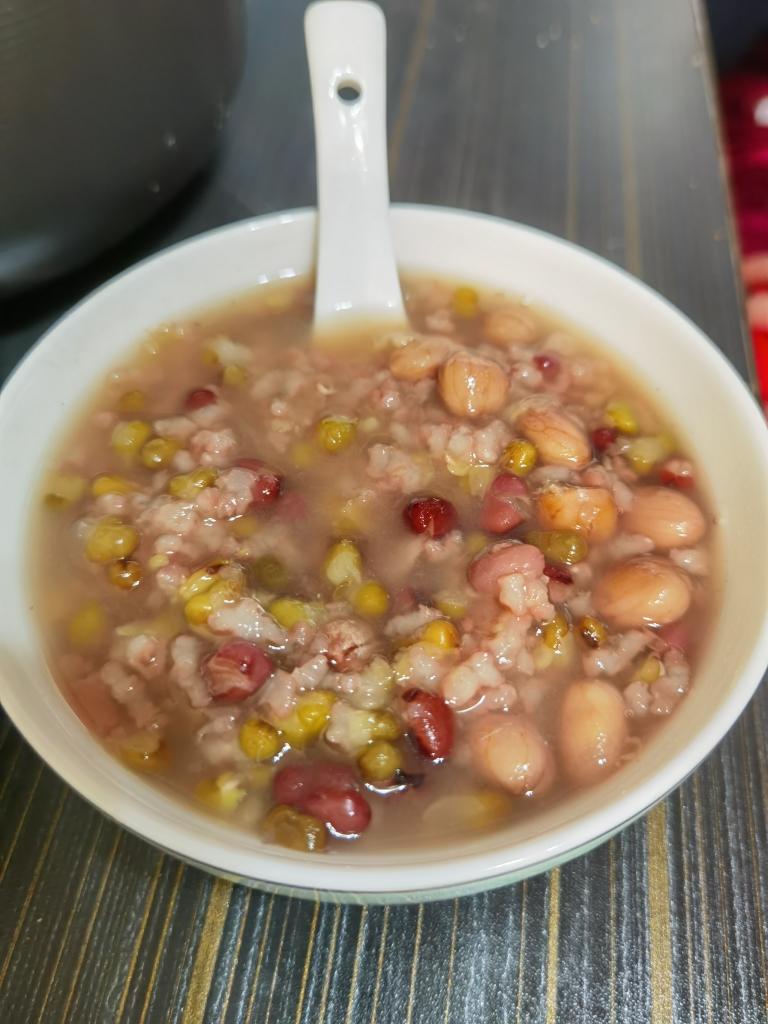
Si ji qing liang lv dou zhou (四季清凉绿豆粥) is cooling mung bean congee – mung beans and rice cooked together in a rice cooker until the grains soften and the pot turns fragrant, served sweet or plain. The original is an 8-step recipe with the rice cooker as the whole method.
What Is Cooling Mung Bean Congee?
Mung bean congee (绿豆粥) is a rice-porridge built on two grains: mung beans and rice, rinsed and cooked together in plenty of water until both are soft and the pot is thick and fragrant. In a rice cooker it is nearly effortless – the beans and rice go in with the water, the cooker does the rest, and the result is a cooling, gently sweet bowl that the Chinese kitchen serves in every season: sweetened with sugar as a summer cooler, or plain with side dishes as a light meal.
The method is the simmer. The beans and rice need enough water and enough time – the rice cooker’s porridge setting handles it – and the result should be soft enough to eat with a spoon. The recipe’s title promises “cooling,” and the bowl delivers: gentle, soothing, and endlessly adaptable.
For the quick-broth side of the same gentle bowl, my easy 15-minute miso soup is the savory companion to this sweet congee.
1Easy 15-Minute Miso Soup (日式味增汤)Learn how to make classic, comforting Japanese Miso Soup (日式味增汤) in just 15 minutes. This easy recipe features silken tofu, wakame, and a savory miso broth. Better than takeout!Check out this recipe

Why This Version Works
- The rice cooker is the method. Beans and rice in, water in, and the cooker simmers the bowl – effortless.
- Mung beans and rice together. The two grains – the beans’ cool character and the rice’s softness.
- All-season by design. Sweet with sugar in summer, plain with sides in winter – the recipe’s two serving notes.
- Cook until soft and fragrant. The recipe’s doneness sign – spoon-soft grains and a fragrant pot.
- A gentle, cooling bowl. The congee’s whole character – soothing, light, and endlessly adaptable.
Equipment Needed
- A rice cooker (or a pot)
- A bowl for rinsing
- A ladle
Ingredients
- Mung beans, about 1/2 cup
- Rice, about 1/2 cup
- Water, about 6-8 cups (for a congee consistency)
- Sugar, to serve (optional)
- Side dishes, to serve (optional)
Ingredient Notes
Mung beans: About 1/2 cup, rinsed – the cooling green bean of the bowl. My easy miso soup is the savory broth companion.
Rice: About 1/2 cup – the softness that makes it a congee. My tomato egg noodles are the noodle side of the rice shelf.
Water: Six to eight cups for a spoonable congee – the ratio makes the texture.
Prep & Mise en Place
Rinse the mung beans and the rice. Add them with the water to the rice cooker.
The sequence: cook on the porridge setting until soft and fragrant, then serve sweet or plain – the recipe’s two ways.
Cooking Process
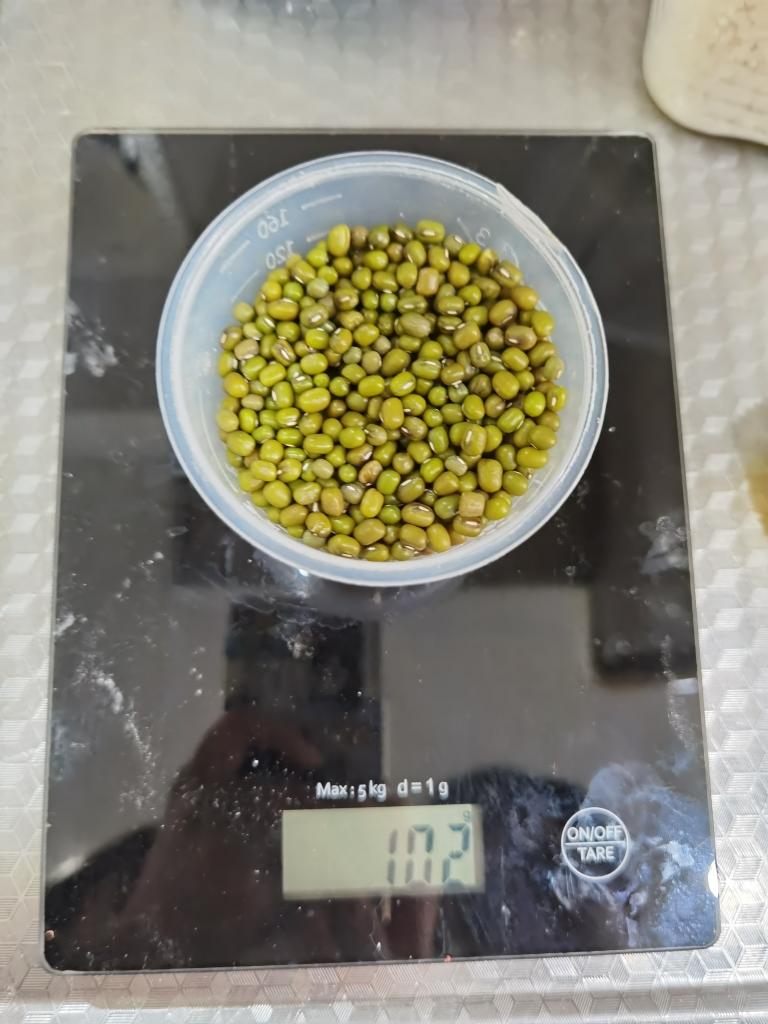
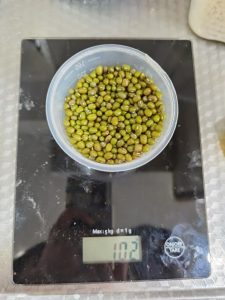
Step 1 – One cup of mung beans
One cup of mung beans.
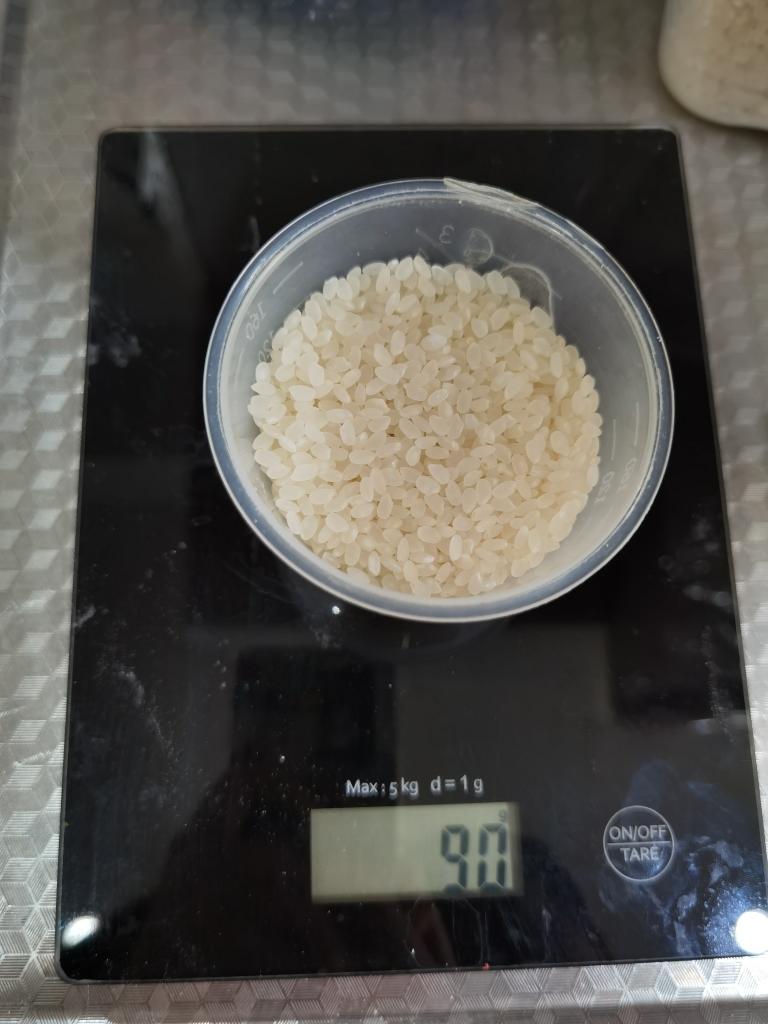
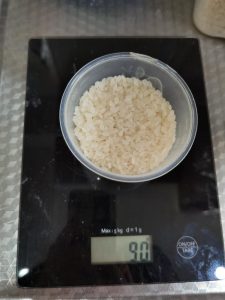
Step 2 – One cup of rice
One cup of rice.
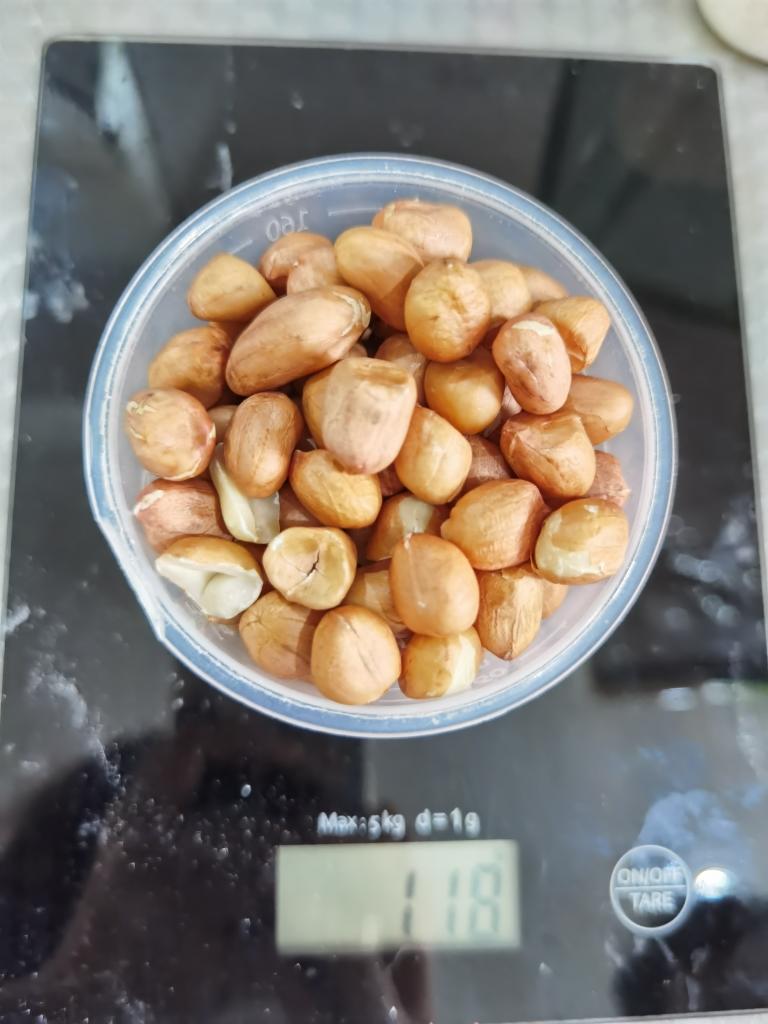
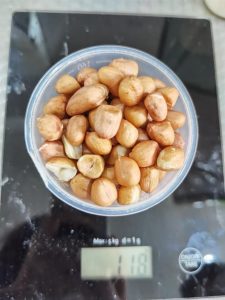
Step 3 – One cup of peanuts
One cup of peanuts.
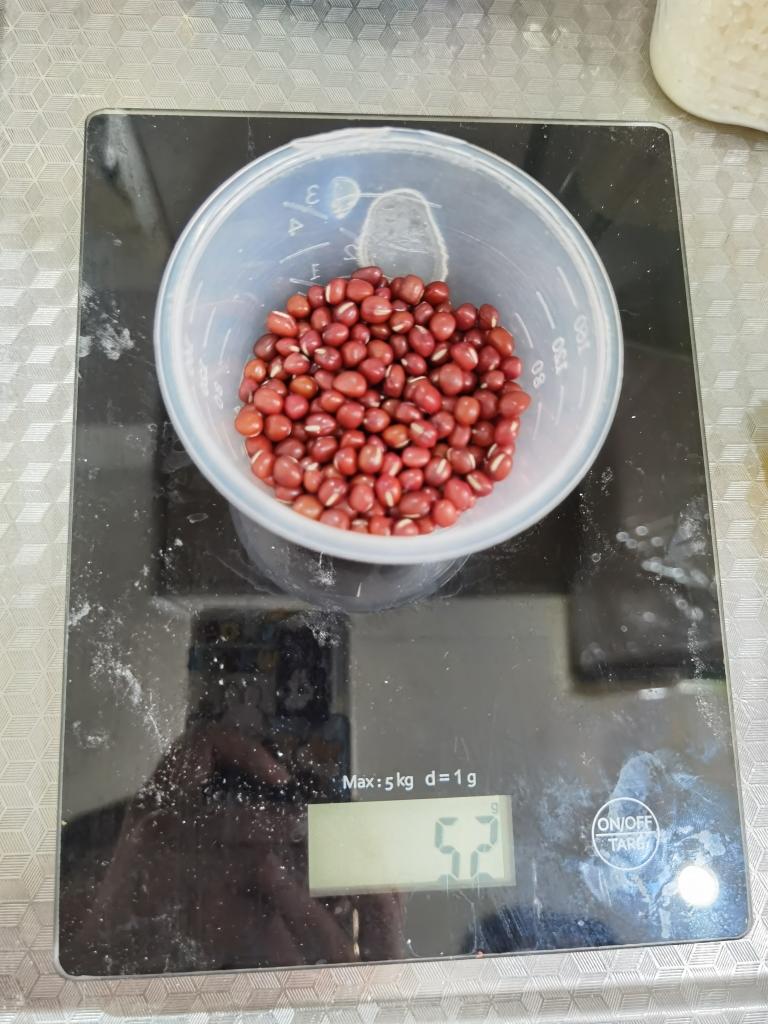
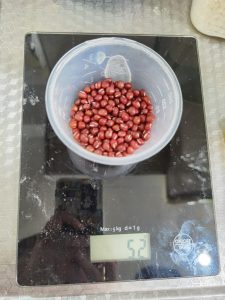
Step 4 – Half a cup of red beans
Half a cup of red beans.
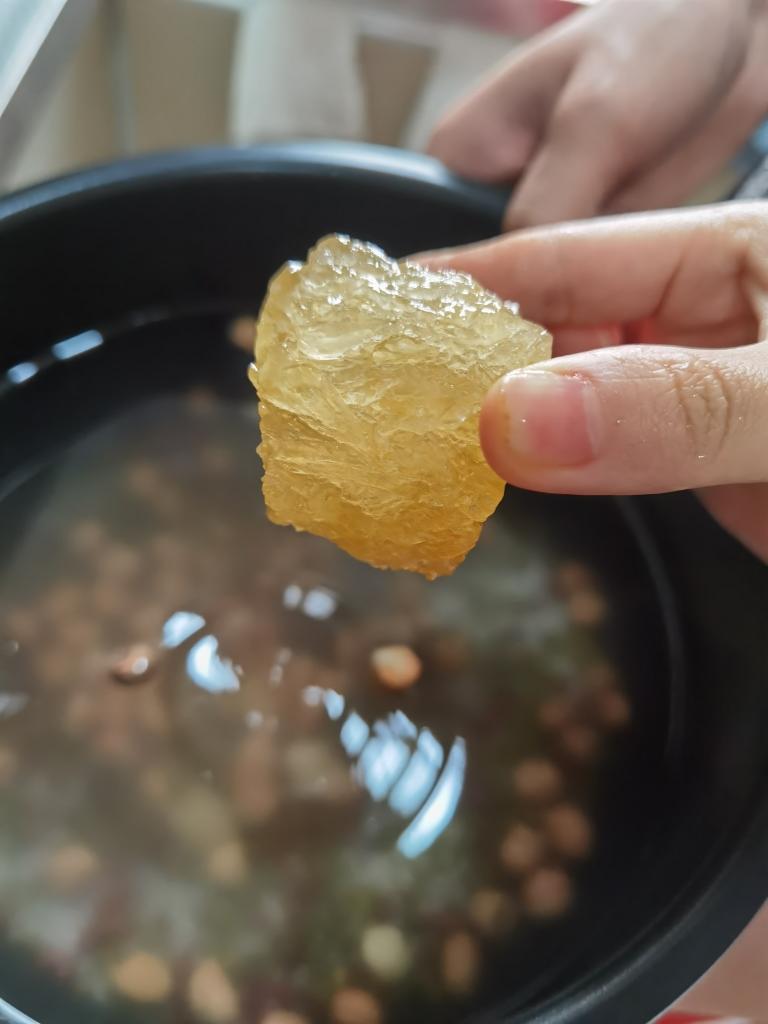
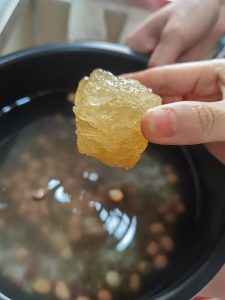
Step 5 – One big piece of rock sugar – its flavor is fresher than whi
One big piece of rock sugar – its flavor is fresher than white sugar or maltose.
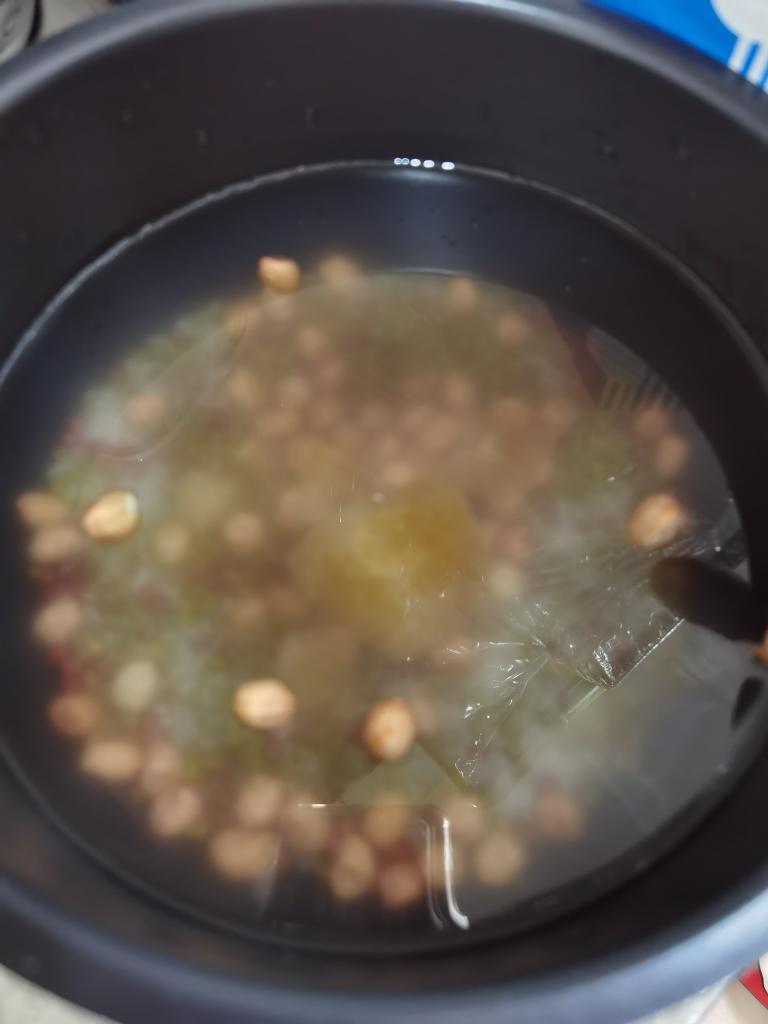
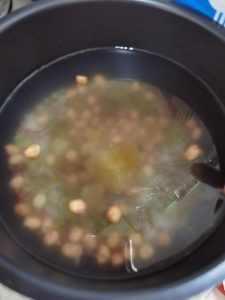
Step 6 – Add water to cover; in the rice cooker, the water should rea
Add water to cover; in the rice cooker, the water should reach the second knuckle of your index finger when inserted.
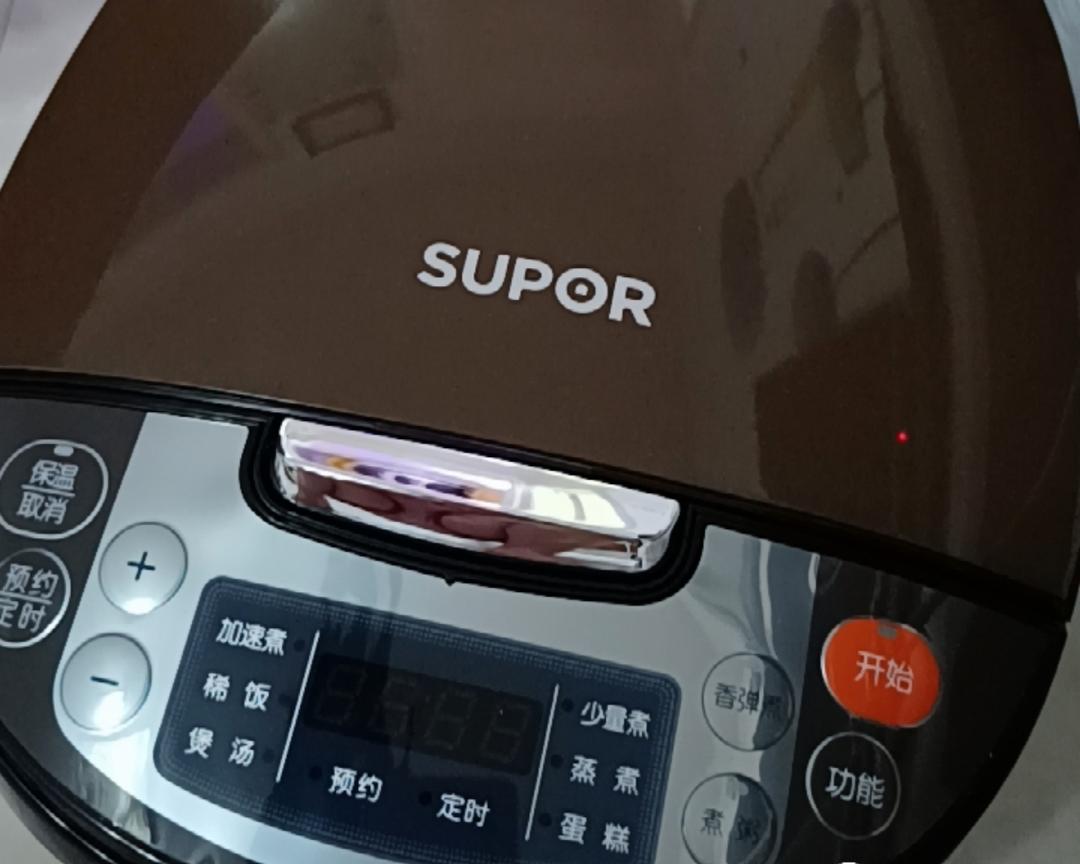
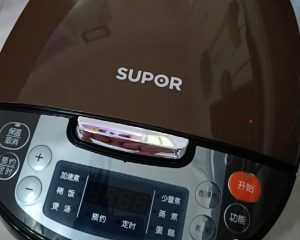
Step 7 – Same world, same pot – hit the congee mode and done
Same world, same pot – hit the congee mode and done.
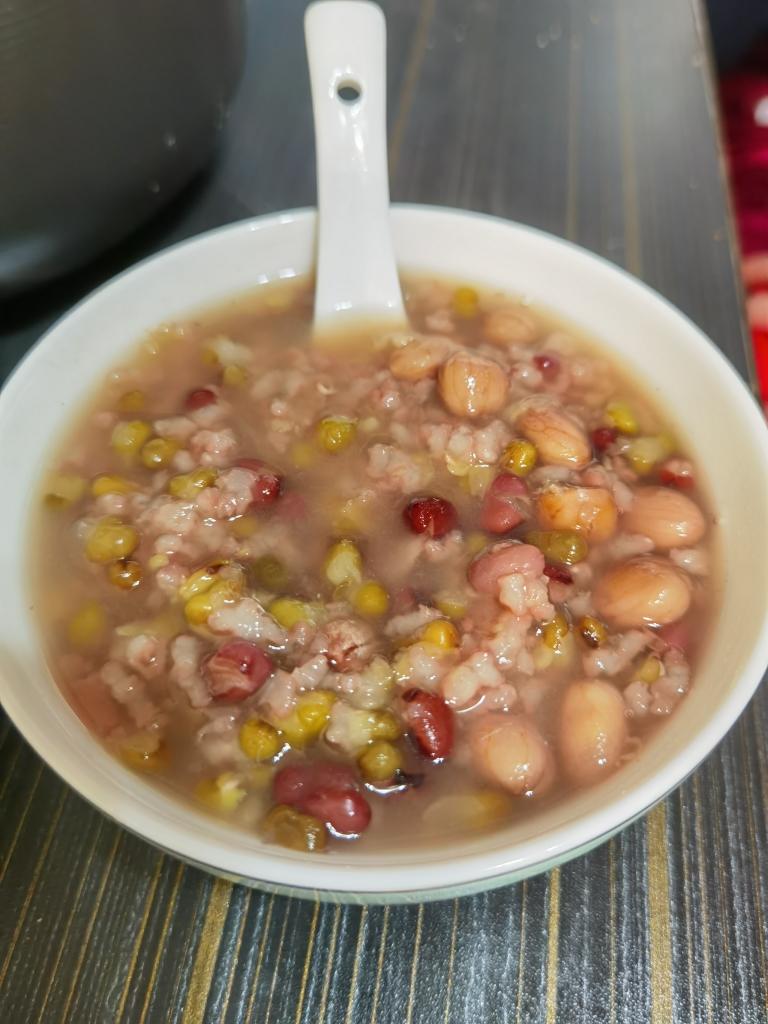
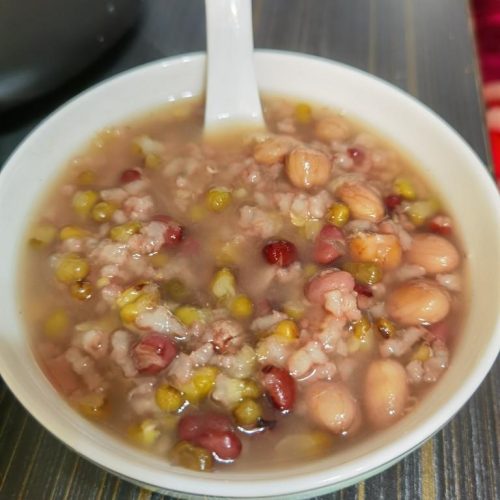
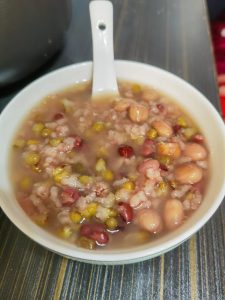
Step 8 – A pretty, tasty mung bean congee is ready – let it cool befo
A pretty, tasty mung bean congee is ready – let it cool before drinking, it’s hot!
Common Mistakes When Making This Congee
1. A crunchy, undercooked bowl. Cause: not enough water or time. Fix: the six-to-eight-cup ratio and the full cook.
2. A watery, thin pot. Cause: too much water. Fix: adjust toward the congee consistency – spoonable, not soupy.
3. A scorched bottom. Cause: too little water in a pot. Fix: the rice cooker’s setting, or a watchful stovetop stir.
4. A bitter green note. Cause: old beans. Fix: fresh mung beans, rinsed well.
5. A bland bowl. Cause: no seasoning choice. Fix: sugar for sweet, sides for savory – the recipe’s two ways.
6. A stuck, gluey pot. Cause: stirring too early. Fix: let the cooker finish; stir gently at the end.
Variations
Sweet: Sugar or rock sugar stirred in while warm – the summer way. My easy miso soup and tomato egg drop soup are the savory counterparts.
More beans: A spoon of red beans with the mung for color – and with tomato egg drop soup and easy miso soup the gentle-bowl drawer is full.
Lotus seeds: A few for the classic cooling pair – and with 5-minute wonton soup, braised beef noodle soup, and clear beef noodle soup the gentle-bowl shelf is complete.
The congee shelf: With 5-minute wonton soup and easy miso soup, the gentle-bowl drawer is complete.
Frequently Asked Questions
Is it sweet or savory? Both – the recipe’s two ways: sugar for sweet, sides for savory.
Can I use a stovetop pot? Yes – simmer gently, stirring occasionally, until soft.
How long does it take? About an hour in the cooker; less with a soak.
Can I make it ahead? Yes – it keeps 2 days and reheats well.
Why is it cooling? The mung bean’s traditional character – the bowl is the gentle cooler of the Chinese kitchen.
How to Serve
Serve warm with sugar or beside your favorite sides – with easy miso soup and tomato egg drop soup for a gentle-bowl table, or with 10-minute chives and eggs for a fuller meal.
Storage & Reheat
Refrigerate 2 days; reheat with a splash of water over medium heat. Never leave the pot out more than 2 hours.
Allergen Notice
This recipe is free of gluten, soy, nuts, dairy, egg, fish, and shellfish as written.
Nutrition Disclaimer
Nutrition information is calculated using an ingredient database and should be considered an estimate. In cases where multiple ingredient alternatives are given, the first listed is calculated for nutrition. Garnishes and optional ingredients are not included.
About the Author & Recipe Development
I am Lin, a professional Chinese chef and food writer with a decade in restaurant kitchens before turning to recipes. This xiachufang cook’s mung bean congee is my grandmother’s all-season pot, and the recipe’s neutrality – the two serving ways, the cooker method – is exactly its character. I tested it as written. I have not tested the lotus-seed variation, so that is your experiment, not my claim.
Authoritative References
USDA Food Safety and Inspection Service – Safe Temperature Chart for grain storage and congee handling guidance.
Cooling Mung Bean Congee (Si Ji Qing Liang Lv Dou Zhou)

Equipment
- Rice Cooker
- Rinsing bowl
- Ladle
Ingredients
For the Congee
- 1/2 cup mung beans
- 1/2 cup rice
- 6-8 cups water for a congee consistency
- sugar, to serve (optional)
- side dishes, to serve (optional)
Instructions
- One cup of mung beans.

- One cup of rice.
- One cup of peanuts.
- Half a cup of red beans.
- One big piece of rock sugar – its flavor is fresher than white sugar or maltose.
- Add water to cover; in the rice cooker, the water should reach the second knuckle of your index finger when inserted.
- Same world, same pot – hit the congee mode and done.

- A pretty, tasty mung bean congee is ready – let it cool before drinking, it’s hot!





Leave a Reply