Hello friends, Lin here! If there is one seafood dish that brings me straight back to the coastal kitchens of my childhood, it’s Steamed Ribbonfish. Sourced famously from Zhoushan, this fish (also known as hairtail or beltfish) is celebrated for having the “freshest taste in the world.”
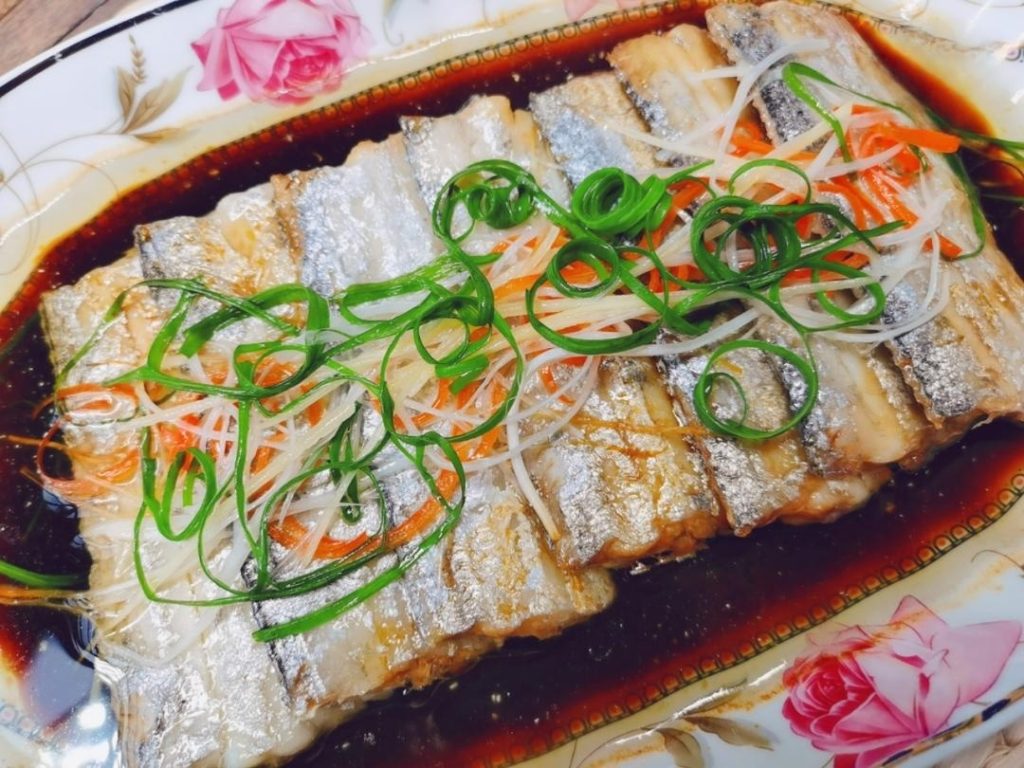
When you have ingredients this naturally flavorful, heavy sauces only mask their beauty. Steaming is the absolute best way to respect the catch. Today, I am going to show you how to achieve that melt-in-your-mouth tenderness while entirely eliminating the common “fishy” odor that intimidates many home cooks. It’s incredibly straightforward, takes about 15 minutes, and will make you feel like a professional chef in your own kitchen.
What Is Steamed Ribbonfish (Qing Zheng Dai Yu)?
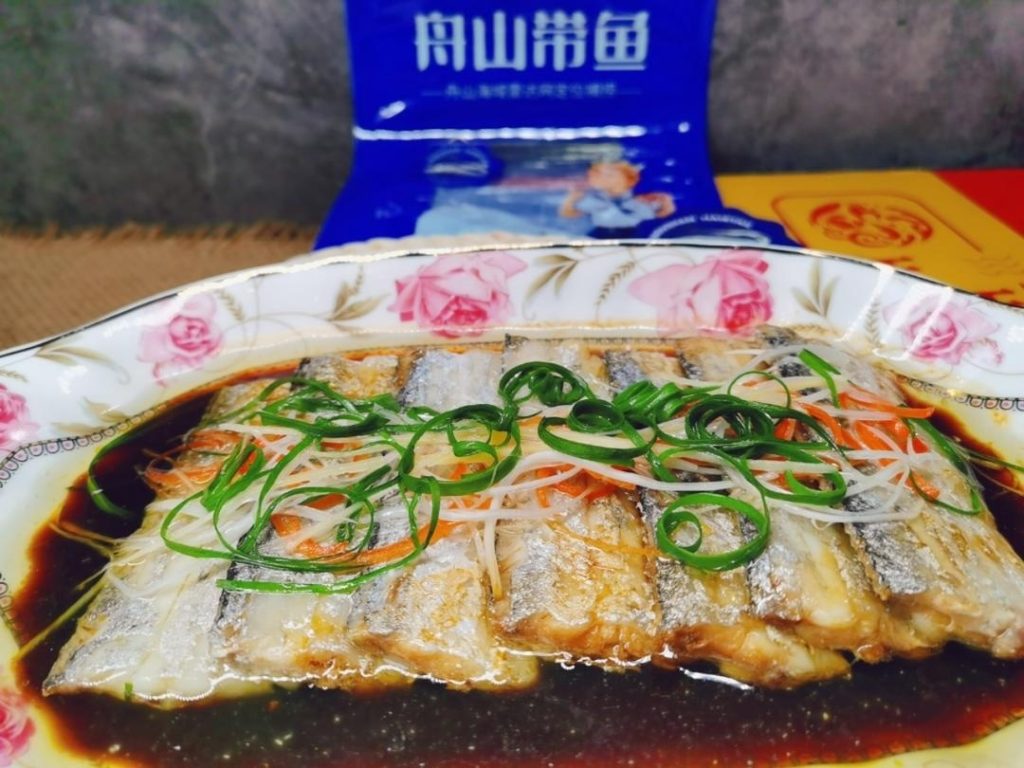
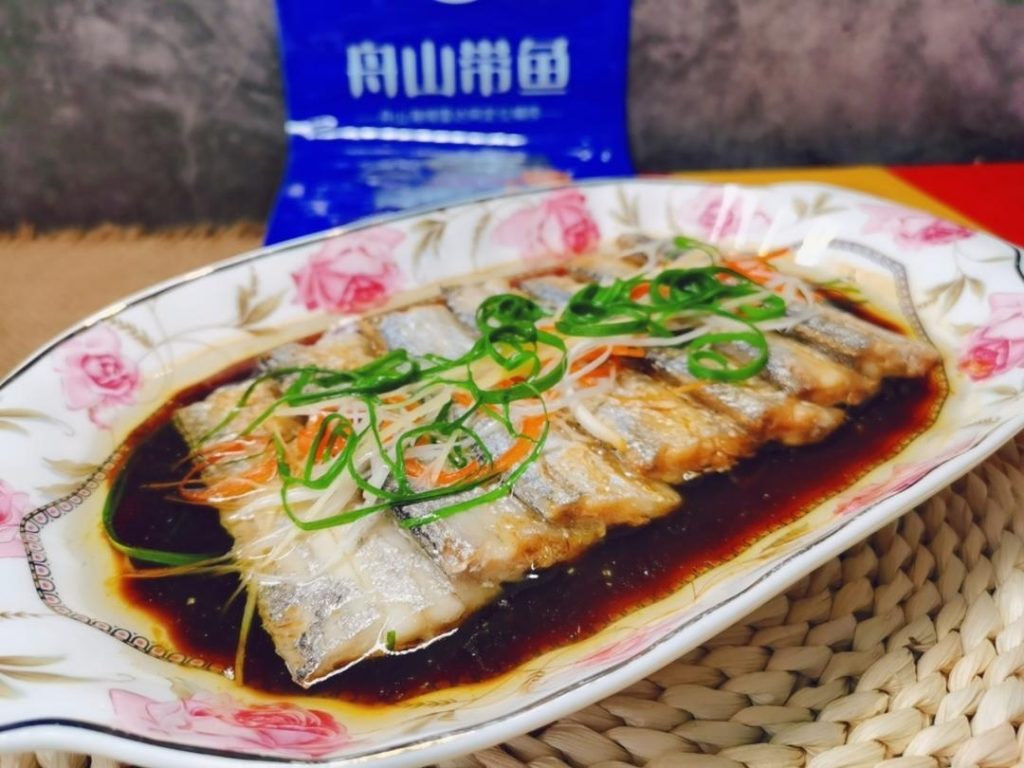
Steamed Ribbonfish is a traditional Chinese seafood dish where slices of silvery, elongated ribbonfish are gently steamed over high heat and finished with a splash of seasoned soy sauce and a sizzle of smoking-hot oil over fresh aromatics. Because ribbonfish has a high fat content and delicate flesh, steaming preserves its rich, savory oils without drying it out.
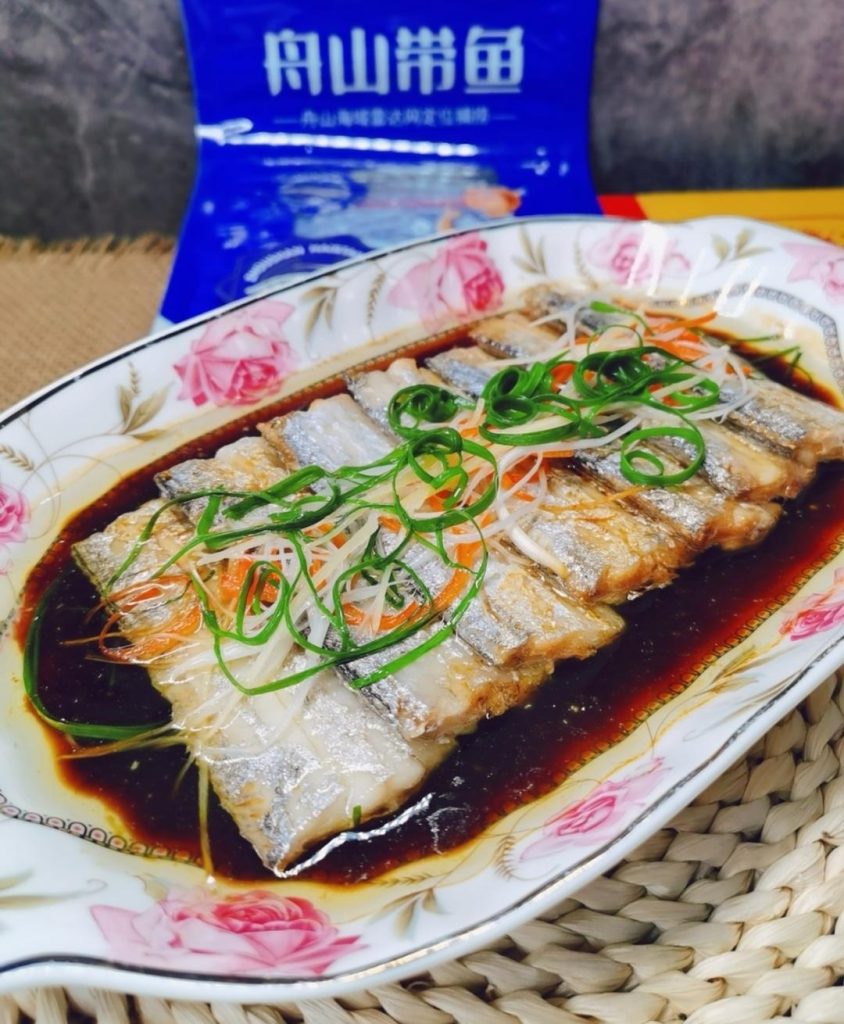
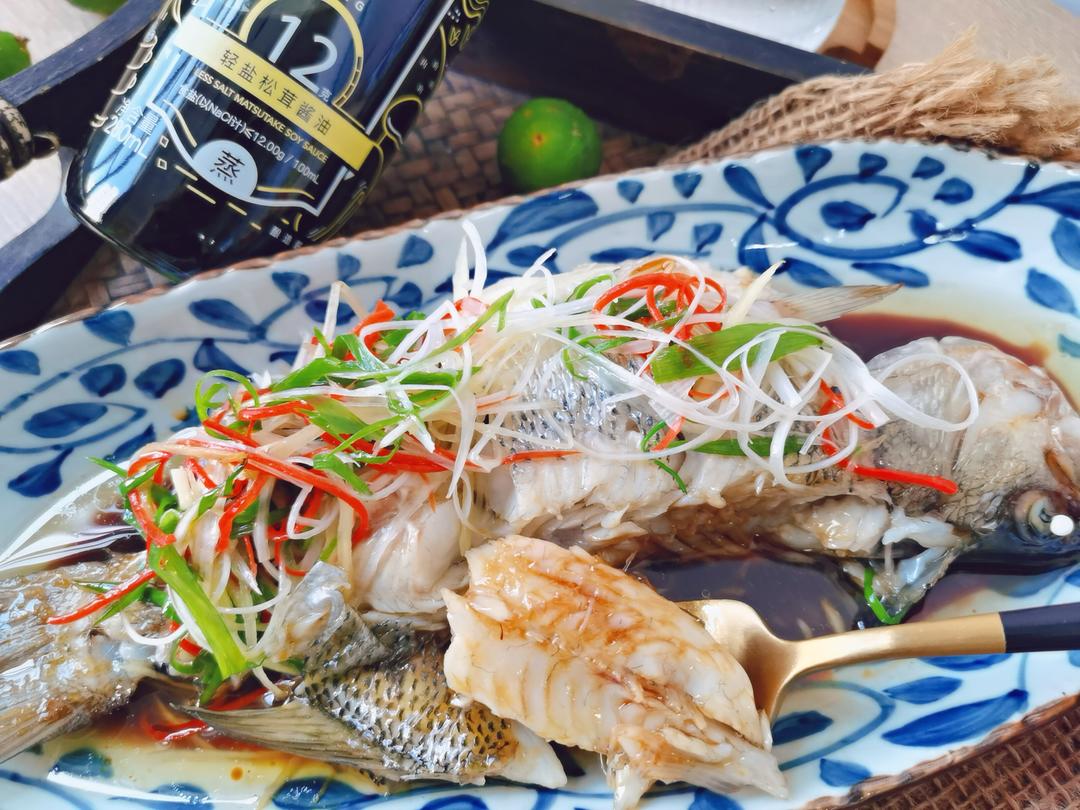
If you are a fan of traditional Chinese seafood banquets, you might also love our Authentic Cantonese Steamed Sea Bass. Both recipes rely on the same beautiful, minimalist technique to let the ocean’s natural flavors shine through.
1Authentic Cantonese Steamed Sea Bass (Qingzheng Luyu)A classic Cantonese restaurant-style steamed fish that is silky, tender, and incredibly fresh. Uses the ‘sizzling oil’ technique for maximum aroma.Check out this recipe
Ingredients
For the Fish & Marinade:
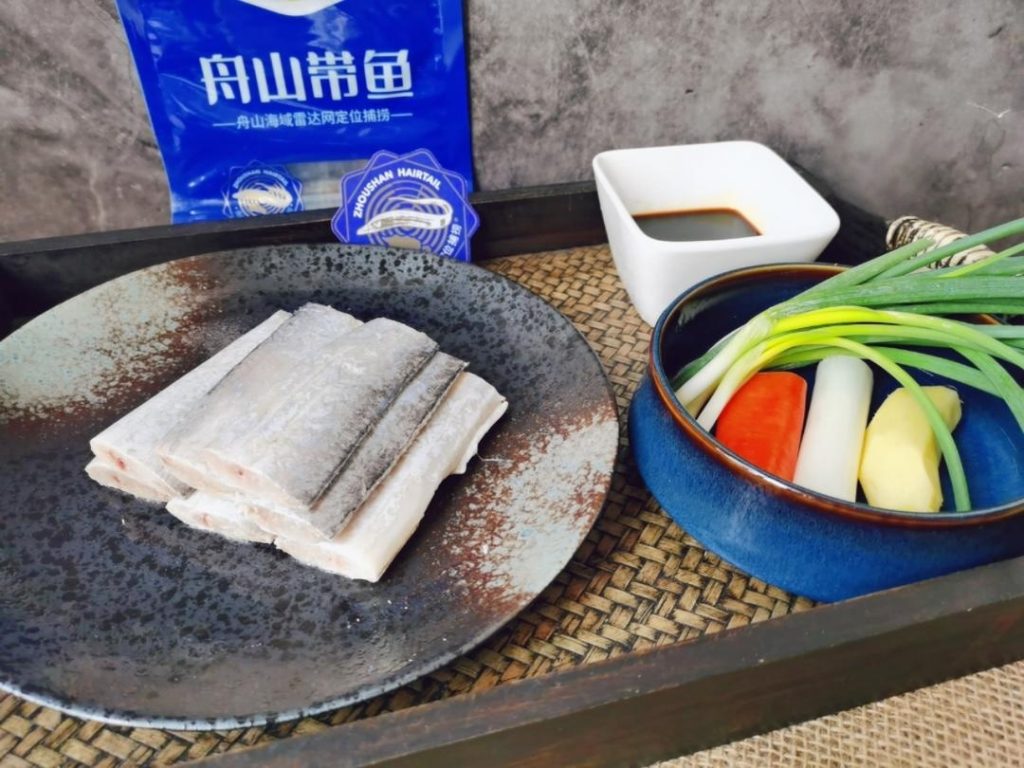
- Ribbonfish (Hairtail): 1.1 lbs (500g). Ideally sourced from an Asian market.
- Scallions: 3 stalks (divided use).
- Fresh Ginger: 1 large piece (divided use).
- Salt: 1/2 teaspoon (2g).
- Shaoxing Wine: 1 tablespoon. (If you don’t have this, dry sherry is a good substitute. You can learn more about it in our Shaoxing Wine guide ).
For the Garnish & Sauce:
- Leek (White part only): 1 small section.
- Red Chili Pepper: 1/2 pepper (mild, for color).
- Steamed Fish Soy Sauce (Zheng Yu Chi You): 2 tablespoons (30g).
- Cooking Oil: 2 tablespoons (avocado, canola, or peanut oil).
Ingredient Notes
- Ribbonfish: The black membrane inside the belly of the ribbonfish is the primary source of its fishy odor. It must be thoroughly scraped or peeled off during cleaning.
- Steamed Fish Soy Sauce: This is sweeter and more deeply flavored than regular soy sauce. If you want to understand the differences in soy sauces for your pantry, check out our deep dive: Chinese vs Japanese Soy Sauce Explained.
Equipment Needed
- A large wok or dedicated steaming pot with a steaming rack.
- A heat-proof stainless steel or ceramic plate (must fit inside the steamer).
- A small saucepan (to heat the soy sauce).
- An instant-read meat thermometer (optional, for checking doneness).
Prep & Mise en Place
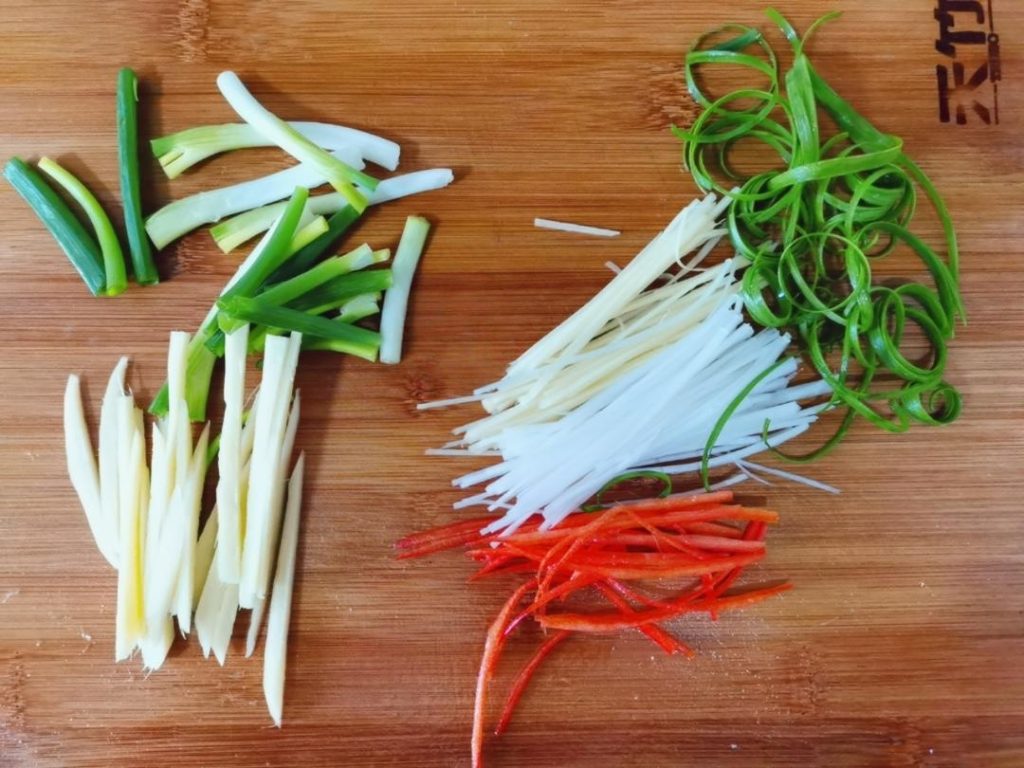
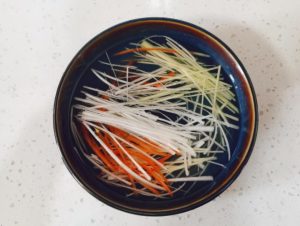
- Prepare Aromatics: Cut the majority of the scallions into 2-inch segments. Reserve the green tops and slice them into ultra-fine julienne strips. Cut the ginger in half; slice one half into thick matchsticks (for the marinade) and the other half into ultra-fine julienne. Slice the leek and red chili into fine julienne as well.
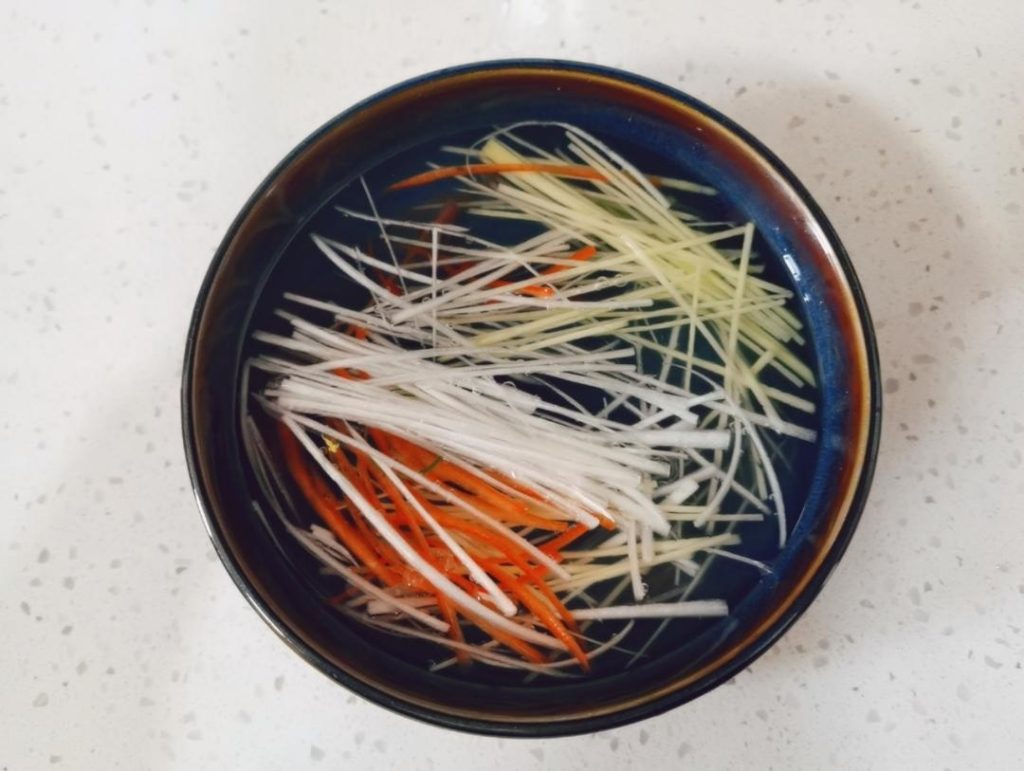
- Soak the Garnish: Place the fine julienne of scallion greens, ginger, leek, and red chili into a bowl of ice water. Let them soak for 20 minutes. This causes them to beautifully curl and stay crisp.
- Clean and Cut the Fish: 💡 Chef’s Secret: It is much easier to clean and cut ribbonfish when it is in a semi-frozen state to prevent the delicate skin from tearing. Snip off the dorsal fins. Open the belly cavity and completely scrub away the black membrane. Cut the fish into 3-inch segments.
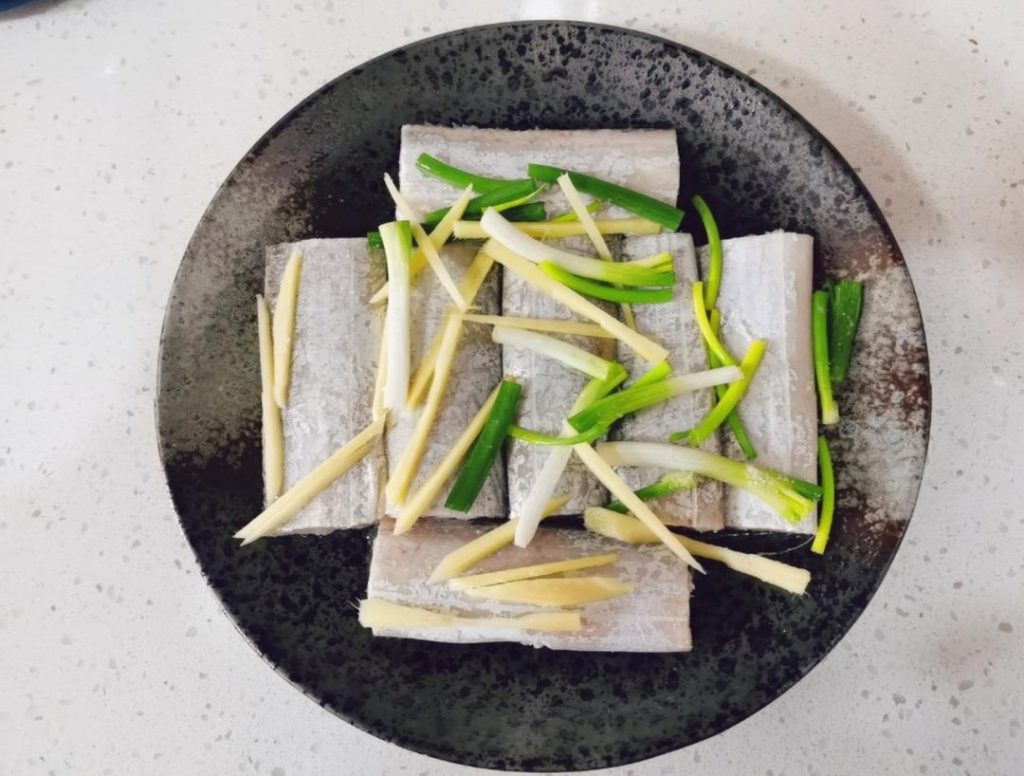
- Marinate: In a bowl, combine the fish segments, thick scallion sections, thick ginger matchsticks, salt, and Shaoxing Wine. Toss gently and let marinate for 20 minutes.
Cooking Process
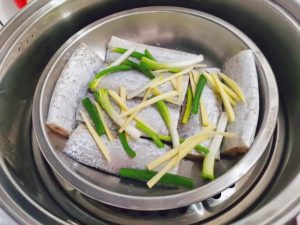
- Set Up the Steamer: Fill your steamer or wok with enough water to generate steam for 10 minutes. Bring to a rolling boil over high heat.
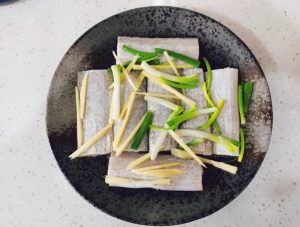
- Plate the Fish: Lay the marinated ribbonfish flat on your heat-proof plate in a single layer. Discard the old scallions and ginger from the marinade, and place a few fresh ginger slices on top of the fish.
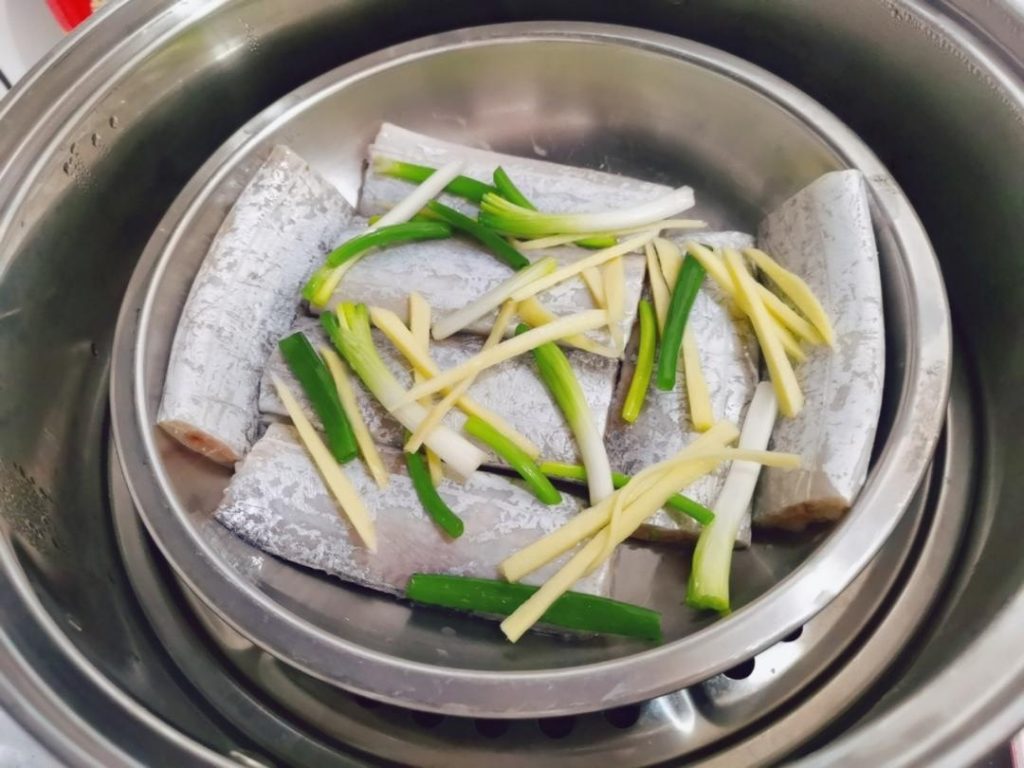
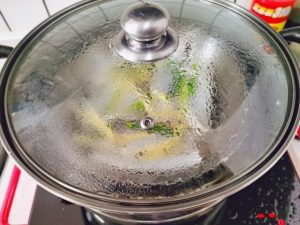
- Steam (6 Minutes): Carefully place the plate into the steamer. Cover with a tight-fitting lid. Steam on high heat for exactly 6 minutes.
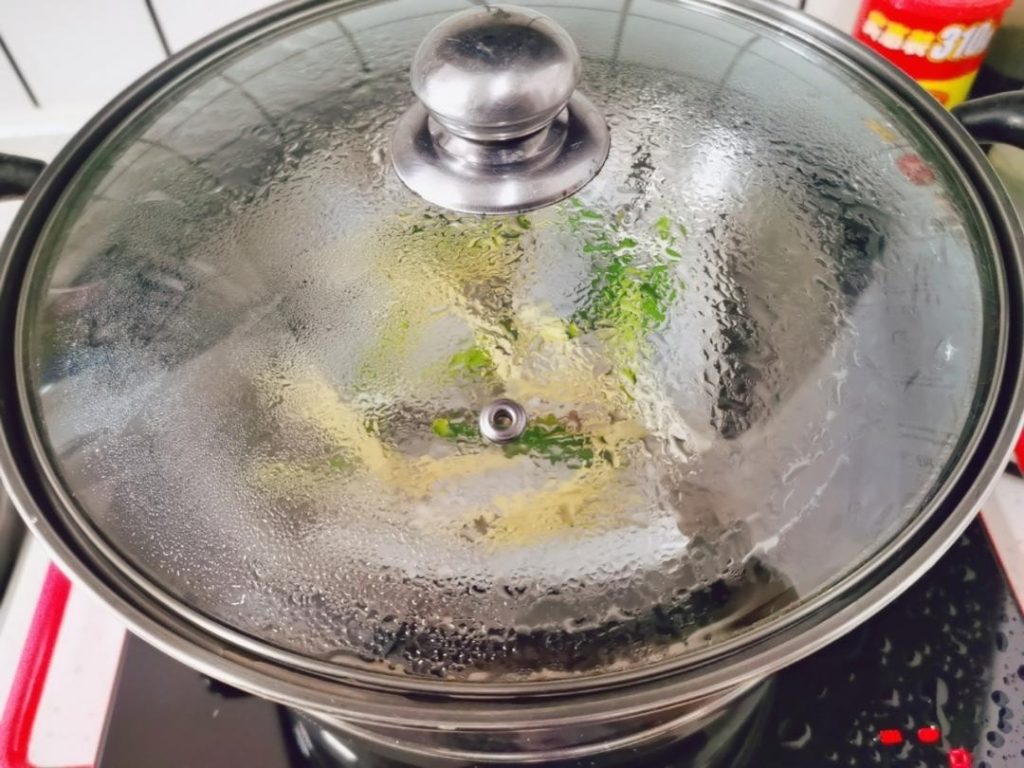
“Introducing the fish to a fiercely boiling steamer ensures that the exterior proteins set immediately, locking the natural moisture inside the flesh. Steaming at 212°F (100°C) provides a gentle, enveloping heat that cooks the fish evenly without the violent agitation of boiling.”
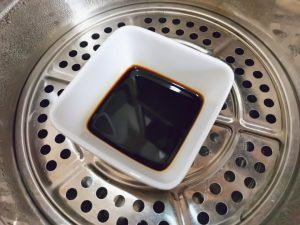
- Warm the Sauce: While the fish is steaming, gently warm the Steamed Fish Soy Sauce in a small saucepan. Heating the soy sauce amplifies its aroma and prevents it from dropping the temperature of the fish when poured over it later.
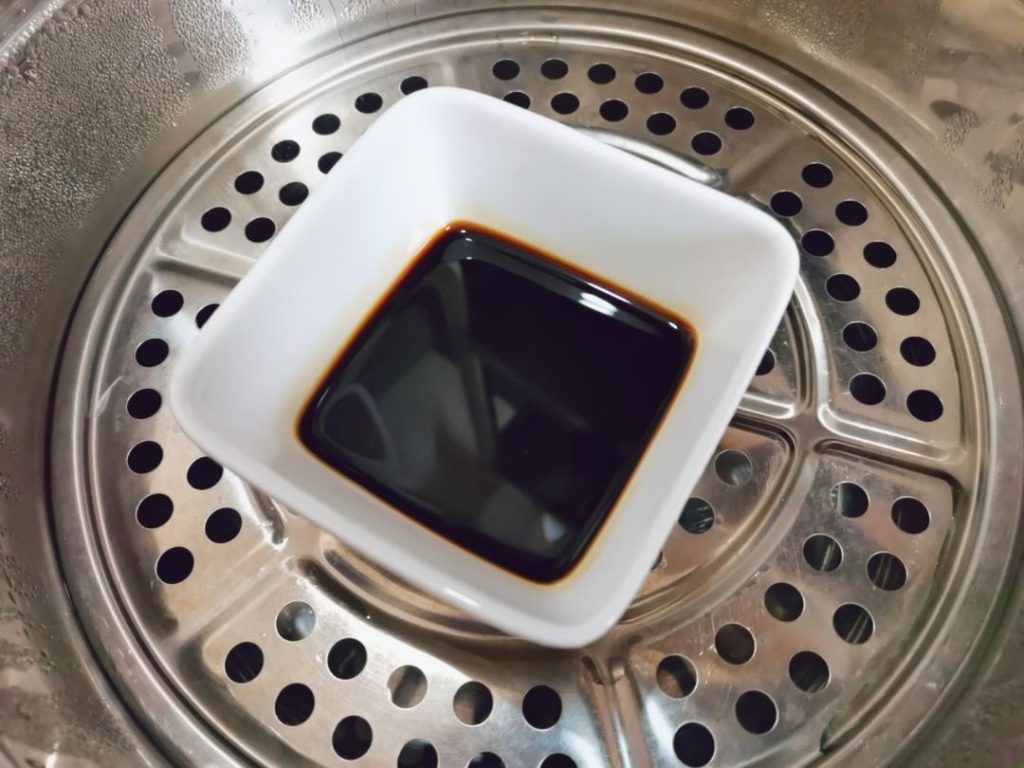
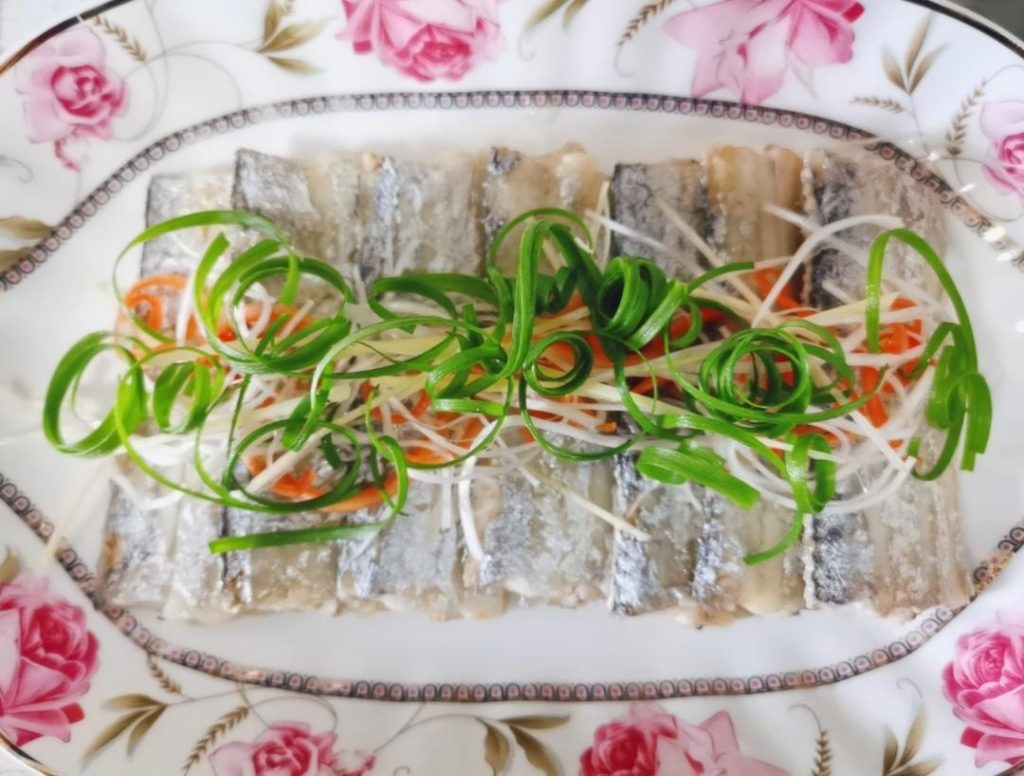
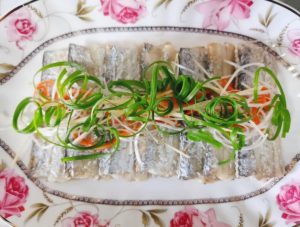
- Drain the Liquid (Crucial Step): Carefully remove the plate from the steamer. Tip the plate and completely drain and discard the watery liquid that has pooled at the bottom. Remove and discard the steamed ginger from the top of the fish. Arrange your soaked, curled aromatics (scallions, ginger, leek, chili) neatly on top of the fish.
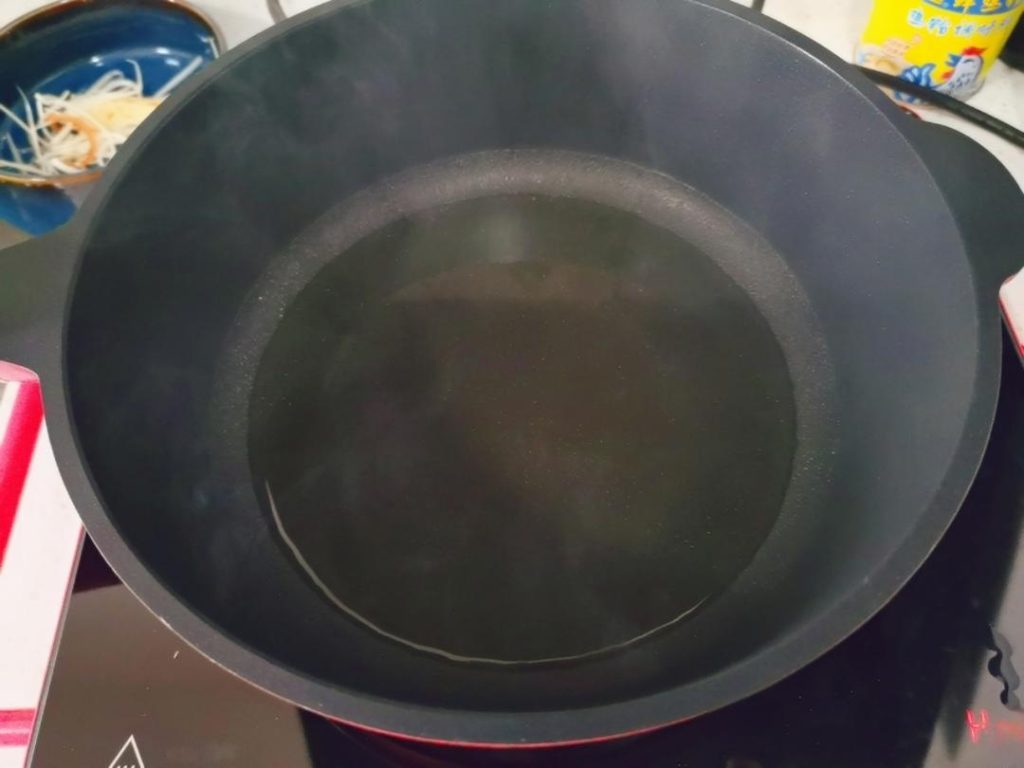
- Heat the Oil: Dry your wok. Add the 2 tablespoons of cooking oil and heat over medium-high until it is smoking (around 400°F). If you’re using a carbon steel wok, this is a great time to ensure it’s well-maintained—see our guide on How to Season a Wok Properly.
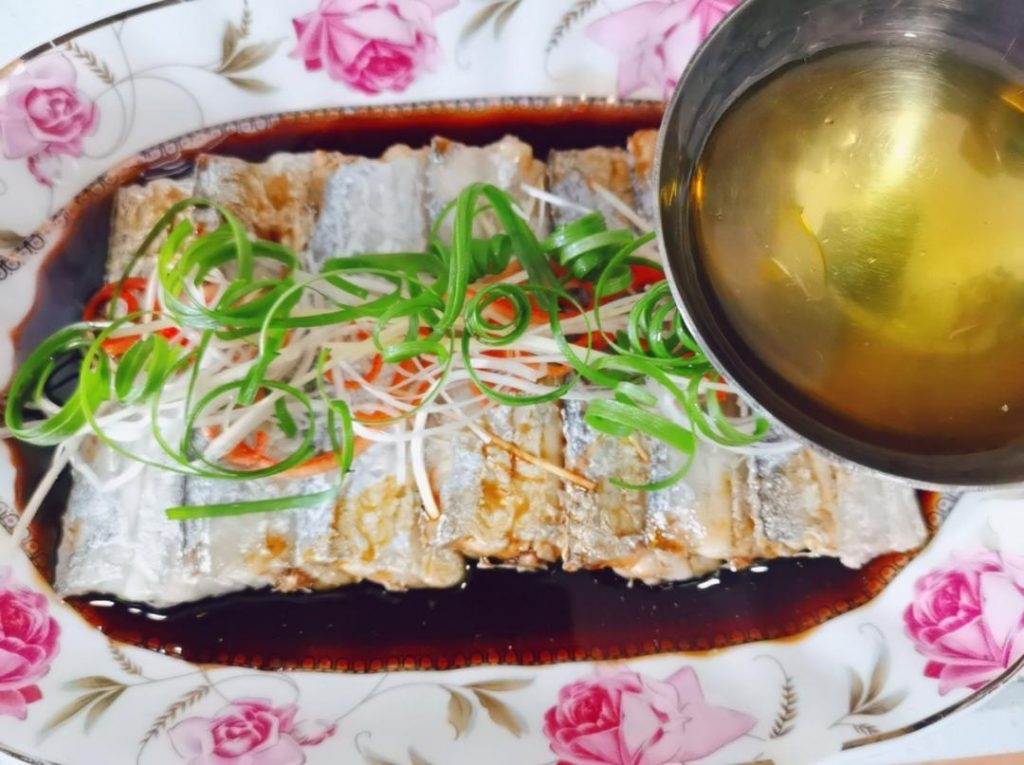
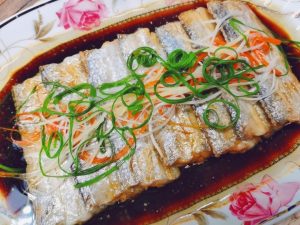
- The Sizzle: Pour the warmed soy sauce over the fish. Immediately follow by pouring the smoking-hot oil directly over the fresh aromatics. You should hear a loud, satisfying sizzle. Serve immediately while piping hot!
Why This Recipe Works
- Elimination of Odor: Thoroughly cleaning the black abdominal membrane and discarding the residual steaming liquid removes 90% of the undesirable fishy compounds.
- Temperature Control: Warming the soy sauce and using smoking-hot oil ensures the fish remains at an optimal serving temperature while instantly extracting the essential oils from the fresh aromatics via a rapid high-heat flash.
- Texture Preservation: Cutting the fish while semi-frozen prevents the delicate meat from turning to mush before it even hits the pan.
Common Mistakes When Making Steamed Ribbonfish
- Steaming over cold or warm water: Cause: Placing the fish in the pot before the water is boiling. Solution:Always ensure the water is at a rolling, aggressive boil before adding the fish to lock in the texture.
- A fishy aftertaste: Cause: Forgetting to pour off the cloudy water that accumulates on the plate after steaming. Solution: That liquid contains the purged impurities and blood from the fish. Discard it immediately before adding your final sauce and oil.
Frequently Asked Questions
Can I substitute ribbonfish with another type of fish? Yes. This exact steaming method works beautifully for whole sea bass, flounder, or cod fillets. Just adjust the steaming time based on the thickness of the fish (usually 8-10 minutes for a whole bass).
How do I know when the fish is perfectly cooked? The flesh should turn completely opaque white and easily flake away from the central bone. If you use a thermometer, the FDA recommends an internal temperature of 145°F (63°C) for seafood.
Can I make it ahead? Steamed fish is highly time-sensitive. It is best enjoyed within minutes of the hot oil being poured over it. Making it ahead will result in a tough, rubbery texture.
Why did my fish skin break? Ribbonfish skin is famously fragile. Handling it too roughly at room temperature, or overcooking it, will cause the silver skin to peel. Prep it while semi-frozen for the best aesthetic results.
How to Serve
This delicate seafood dish demands to be the star of the table, flanked by simple, contrasting sides. I highly recommend serving it alongside steaming hot jasmine rice, and pairing it with:
- A refreshing, crunchy Smashed Cucumber Salad to cut through the rich oils.
- A comforting classic like Tomato and Egg Stir-fry.
- A vibrant vegetable dish such as Hand-Torn Cabbage.
For an extra layer of flavor on your rice, you can drizzle a tiny bit of our Universal Scallion Oil.
Storage & Reheat
- Refrigeration: Store leftovers in an airtight container for up to 2 days.
- Freezing: Do not freeze cooked steamed fish; the texture will be completely ruined upon thawing.
- Reheating: Reheat gently in a steamer for 3-4 minutes until just warmed through. Avoid microwaving, as it will overcook the delicate proteins and amplify any fishy odors.
Allergen Notice
- Soy: Contains soy sauce.
- Gluten: Traditional soy sauce contains wheat. (Substitute with tamari for a gluten-free option).
- Fish: Contains ribbonfish.
Nutrition Disclaimer
Nutrition information is an estimate and provided for informational purposes only. From a medical and dietary perspective, ribbonfish is an excellent source of high-quality lean protein and omega-3 fatty acids, which are beneficial for cardiovascular health and cognitive function. However, because this recipe finishes with smoking oil, those monitoring their lipid intake may choose to reduce the final oil pour by half. Always consult a registered dietitian or physician for specific dietary needs.
About the Author & Recipe Development
As a professional chef deeply rooted in traditional Chinese culinary arts, I spent weeks refining this specific technique for Woks of Love. In restaurant kitchens, the mastery of heat (high-pressure steaming) and the exact sequencing of aromatics separates an amateur fish dish from a masterpiece. I adapted this method for the home kitchen by ensuring the timing is foolproof and by emphasizing the crucial step of draining the purge liquid—a technique many home cooks miss, but one that guarantees a restaurant-quality result every single time.
Authoritative References
- For comprehensive guidelines on safe seafood handling and minimum internal cooking temperatures (145°F / 63°C), please refer to the FDA Safe Minimum Internal Temperature Chart.
- To understand the culinary science behind why steaming preserves moisture better than boiling or baking, explore the resources at Serious Eats: The Food Lab.
Classic Steamed Ribbonfish

Equipment
- Wok or Steamer
- Heat-proof Plate
Ingredients
Fish & Marinade
- 1.1 lbs ribbonfish cleaned, black membrane removed
- 3 stalks scallions divided use
- 1 piece fresh ginger divided use
- 0.5 tsp salt
- 1 tbsp Shaoxing wine
Garnish & Sauce
- 1 section leek white part only, julienned
- 0.5 red chili pepper julienned
- 2 tbsp steamed fish soy sauce
- 2 tbsp cooking oil canola, peanut, or avocado
Instructions
- Cut the scallions, ginger, leek, and red chili into fine julienne. Soak in ice water for 20 minutes to curl.

- Clean the ribbonfish thoroughly, removing the black membrane from the belly. Cut into segments and marinate with thick scallion sections, ginger matchsticks, salt, and Shaoxing wine for 20 minutes.

- Bring a steamer full of water to a rolling boil. Place the fish on a heat-proof plate, discarding the old marinade aromatics and placing fresh ginger slices on top.

- Steam covered on high heat for exactly 6 minutes.
- Warm the steamed fish soy sauce in a small saucepan.
- Remove the fish from the steamer. Carefully pour out and discard the fishy liquid pooled on the plate. Top the fish with the soaked, curled aromatics.
- Heat 2 tablespoons of oil in a wok until smoking. Pour the warm soy sauce over the fish, then immediately pour the smoking oil over the aromatics to sizzle. Serve immediately.












Leave a Reply