This guide provides a professional culinary breakdown of the differences between Chinese and Japanese soy sauces, focusing on their distinct production methods, flavor profiles, and specific applications in the kitchen.
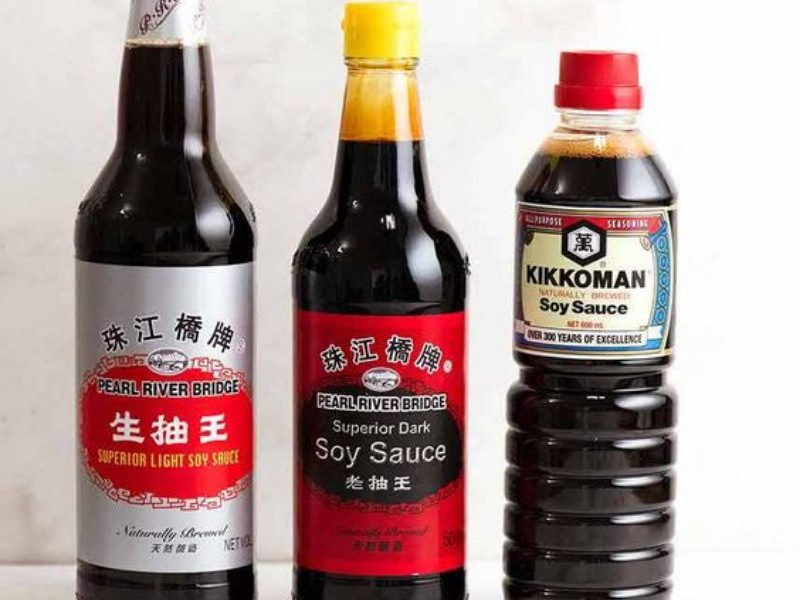
The Fundamental Difference: Grain Ratios and Production
While both Chinese and Japanese soy sauces rely on the fermentation of soybeans, salt, and water, the primary technical difference lies in the wheat-to-soybean ratio and the fermentation method.
- Chinese Soy Sauce: Traditionally emphasizes a higher proportion of soybeans. The fermentation process often occurs in open-air vats under the sun, leading to a robust, savory, and salt-forward profile.
- Japanese Soy Sauce (Shoyu): Typically uses an equal ratio of soybeans to wheat (1:1). This high wheat content results in a sweeter, more aromatic, and more complex flavor profile with a thinner consistency.
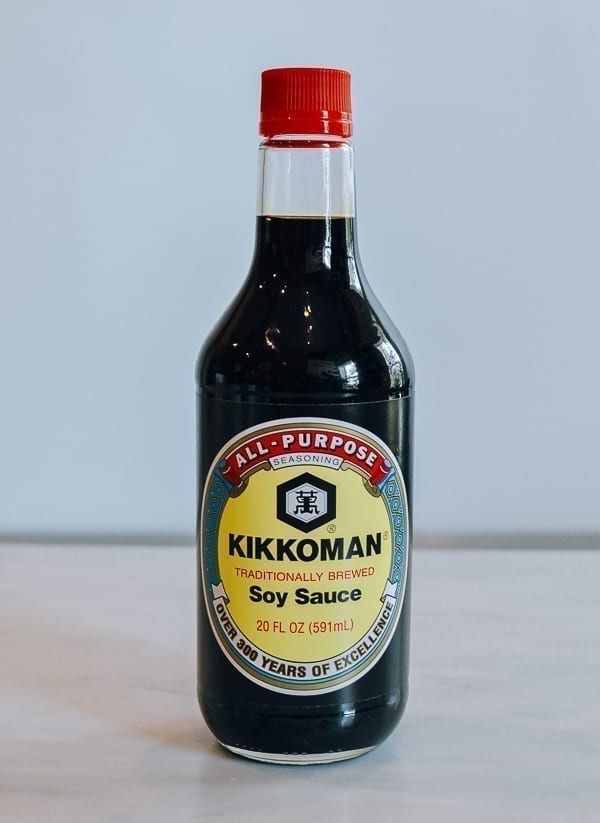
Comparison Table: Chinese vs. Japanese Soy Sauce
| Feature | Chinese Soy Sauce | Japanese Soy Sauce (Shoyu) |
| Primary Ingredient | High Soybean content | Equal parts Soybean and Wheat |
| Flavor Profile | Salty, earthy, umami-dense | Sweet, floral, alcoholic notes |
| Consistency | Ranges from thin to very viscous | Generally thin and consistent |
| Best For | Stir-frying, braising, marinades | Dipping, finishing, delicate dressings |
Understanding Chinese Soy Sauce Varieties
In a Chinese kitchen, soy sauce is rarely a single “all-purpose” ingredient. Instead, it is divided into categories based on the stage of extraction and added ingredients.
1. Light Soy Sauce (Sheng Chou)
This is the “first press” of the fermented soybeans. It is thin, light in color, but very high in sodium.
- Role: Seasoning and saltiness.
- When to Use: Essential for Light Soy Sauce in quick stir-fries where you want to enhance flavor without darkening the ingredients.
2. Dark Soy Sauce (Lao Chou)
This sauce is aged longer and often contains added molasses or caramel color. It is thicker and less salty than light soy sauce.
- Role: Color and depth.
- When to Use: It is the secret to the rich, mahogany hue in dishes like Dark Soy Sauce.
Understanding Japanese Soy Sauce (Shoyu) Varieties
Japanese Shoyu is categorized by the Japanese Agricultural Standard (JAS) based on its production method and ingredients.
1. Koikuchi (Dark Shoyu)
The most common type, representing about 80% of Japanese production. It is well-balanced and serves as the Japanese equivalent of an “all-purpose” sauce.
2. Usukuchi (Light Shoyu)
Contrary to its name, it is saltier than Koikuchi. It is used in the Kansai region to preserve the light color of ingredients like dashi or simmered vegetables.
3. Tamari
A byproduct of miso production, Tamari uses little to no wheat. It is thicker, darker, and has a much stronger umami profile, making it a favorite for those seeking Gluten-Free Dumplings.
How to Choose and Buy
When selecting a soy sauce, the ingredient list is your most honest guide. High-quality sauces should contain only four main ingredients: Soybeans, Wheat, Salt, and Water.
- Avoid “Chemically Hydrolyzed” Sauces: These are produced in days using acid rather than months of natural fermentation. They often contain artificial colors and corn syrup, lacking the complex “ester” aromas found in traditional Shoyu.
- The “Nitrogen Content” Metric: In professional Japanese grading, look for “Specially Selected” (Tokusei) labels, which indicate a higher nitrogen content (and thus higher protein/umami levels).
Substitution Guide and Functional Roles
While you can technically swap one for the other, it will significantly change the dish’s final balance.
- Substituting Japanese for Chinese: If a recipe calls for light soy sauce and you only have Japanese Koikuchi, use it in a 1:1 ratio but reduce additional salt, as Koikuchi is often perceived as slightly more “sharp” in its saltiness.
- Substituting Chinese for Japanese: If making a delicate dipping sauce for sashimi, Chinese light soy sauce will be too aggressive. Dilute it with a splash of water and a pinch of Sugar to mimic the sweetness of Japanese wheat-heavy sauces.
Common Mistakes in Soy Sauce Usage
- Cooking Off the Aroma: Soy sauce is volatile. In a stir-fry, always pour it around the edges of the hot wok. This “sears” the sauce, creating a complex aroma known as “wok hei” before it hits the food.
- Using Dark Soy for Salt: Never use dark soy sauce to adjust the saltiness of a dish. You will end up with a dish that is black and bitter before it is ever sufficiently seasoned.
- Improper Storage: Natural soy sauce is a fermented product. Once opened, it begins to oxidize. For the best flavor, store your premium Shoyu in the refrigerator to prevent the “metallic” taste that develops with heat and light exposure.
Related Professional Techniques
To master the use of soy sauce in high-heat cooking, consider these additional guides:
FAQ
Q: Is soy sauce gluten-free? A: Standard Chinese and Japanese soy sauces contain wheat. For a gluten-free option, use Tamari or liquid aminos.
Q: Why does my stir-fry look grey instead of golden? A: You are likely missing Dark Soy Sauce, which is specifically designed to provide that deep, caramelized color without making the dish overly salty.
Q: Can I use Shaoxing Wine as a substitute for soy sauce? A: No. Shaoxing wine provides acidity and removes “gamey” scents from meat, while soy sauce provides salt and umami. They are usually used together in a ratio to balance the dish.












Leave a Reply