There are few things in this world more comforting than a bowl of steaming white rice drowned in a rich, savory, and slightly tangy beef sauce. While many people associate Sichuan beef with fiery heat, this Chinese Tomato Beef Stew (Xihongshi Dun Niunan) is a gentle, heartwarming classic that every Chinese family knows and loves.
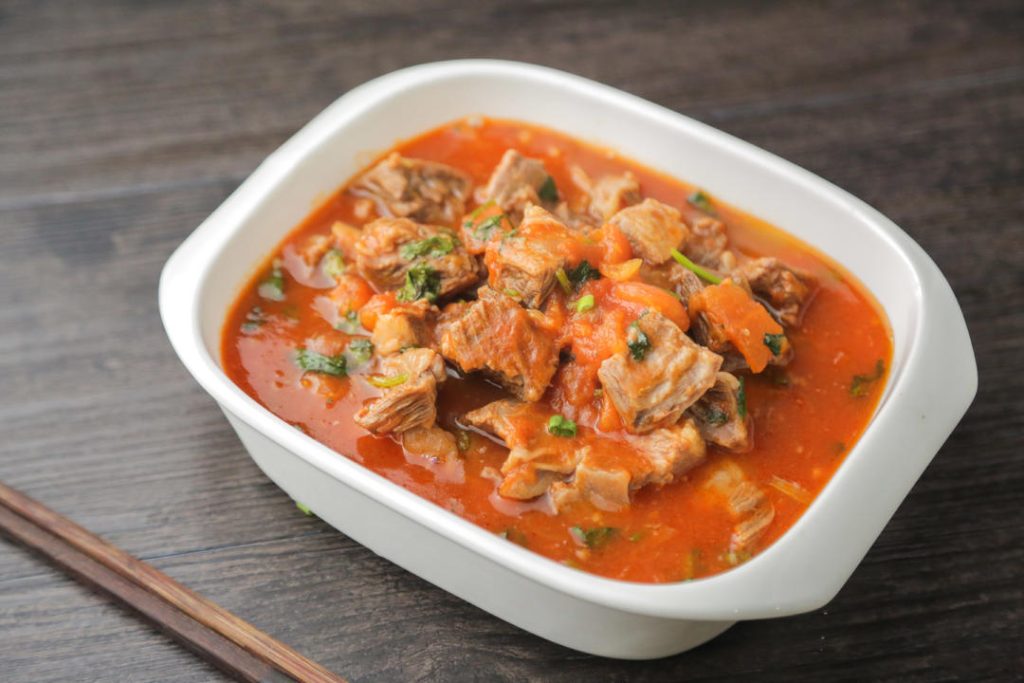
The magic of this dish lies in the harmony between the acidity of the tomatoes and the rich, fatty fragrance of the beef brisket. When done right, the meat becomes melt-in-your-mouth tender, and the tomatoes break down into a luscious, thick gravy that you’ll want to drink by the spoonful.
It reminds me of the Hearty Tomato Beef Stew my family would make during the colder months in Sichuan. Even though we loved our chilies, this non-spicy, umami-packed stew was always a welcome break for the palate. Trust me, you are going to want to make extra rice for this one.
About the Author & Recipe Development
I’m Lin, a Sichuan-born chef with over a decade of professional culinary training. In professional kitchens, consistency is key, and I’ve applied those rigorous standards to this home-style recipe.
Through extensive testing in my kitchen, I focused on the science of collagen breakdown. Traditional stovetop braising can result in tough meat if the temperature fluctuates. My method utilizes the pressure cooker to maintain a constant high temperature, efficiently converting the brisket’s connective tissue into gelatin for that signature melt-in-your-mouth texture. Furthermore, by sautéing the tomatoes separately (creating a Maillard reaction on the tomato solids) before combining them with the broth, we avoid the common pitfall of a diluted, acidic soup, ensuring a rich, emulsified sauce every time.
What is Tomato Beef Brisket?
In Chinese, Xihongshi means tomato, Dun means to stew or braise, and Niunan refers to beef brisket (specifically the cut with layers of meat, fat, and fascia). Unlike Western beef stews that might use flour for thickening or herbs like thyme and rosemary, this Chinese version relies on aromatics like star anise, ginger, and soy products to build a flavor profile that is distinctively Asian.
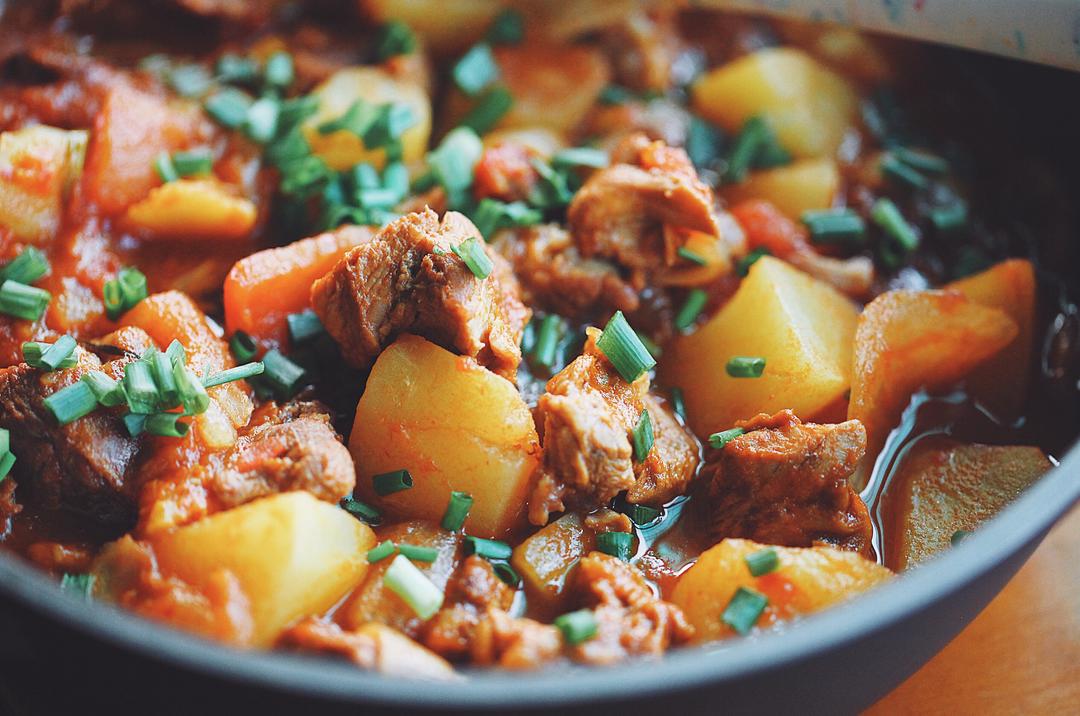
While this version focuses on the pure, bright acidity of the tomatoes, I’ve found that many of you crave a bit more heartiness in your bowls. If you want a version that feels like a complete one-pot meal, I highly recommend trying my Hearty Tomato and Potato Beef Stew. The addition of starchy potatoes creates a thicker, velvetier sauce that is absolutely incredible when drizzled over white rice.
1Hearty Tomato and Potato Beef Stew (Fan Qie Tu Dou Dun Niu Rou)A classic Chinese comfort dish featuring tender beef, fluffy potatoes, and a rich, tangy tomato gravy. High in EEAT and flavor!Check out this recipe
Key Ingredients & Substitutions
- Beef Brisket (Niunan): This is the star of the show. You want a cut with some fat and connective tissue. When slow-cooked or pressure-cooked, this collagen breaks down into gelatin, thickening the soup and making the meat succulent.
- Substitution: If you can’t find brisket, boneless beef short ribs or chuck roast cut into cubes are excellent alternatives. Avoid lean cuts like round steak, as they will dry out. You can learn more about different cuts in our guide to Beef Vegetable Rice Bowl.
- Tomatoes: Use ripe, red tomatoes. The redder they are, the more lycopene and umami they will contribute to the sauce.
- Tomato Ketchup (Tomato Sauce): This is a “secret” ingredient in many modern Chinese kitchens. It amplifies the tomato flavor and adds a touch of sweetness and vinegar that fresh tomatoes alone can’t provide.
- Aromatics: We use ginger, garlic, scallions (green onions), and cilantro.
- Star Anise & Bay Leaves: These provide a subtle, licorice-like background note that cuts through the richness of the meat.
- Shaoxing Wine: Essential for removing any “gamey” smell from the beef.
- Substitution: You can use dry sherry or Japanese sake if you cannot find Shaoxing Wine.
Common Mistakes When Making Tomato Beef Stew
- Skipping the Blanching Step: Never put raw beef directly into the stew. Blanching removes blood and impurities (scum), ensuring your final sauce is clean and aromatic, not murky.
- Adding Tomatoes Too Early: If you pressure cook the tomatoes with the beef for the full 40 minutes, they will vanish completely and potentially burn. We cook the beef first, then combine it with a freshly sautéed tomato base for the best texture.
- Using Lean Meat: Using a lean cut like sirloin will result in tough, chewy chunks. You need fat and connective tissue for a stew.
How to Make Chinese Tomato Beef Stew
1. Mise en Place (Preparation)
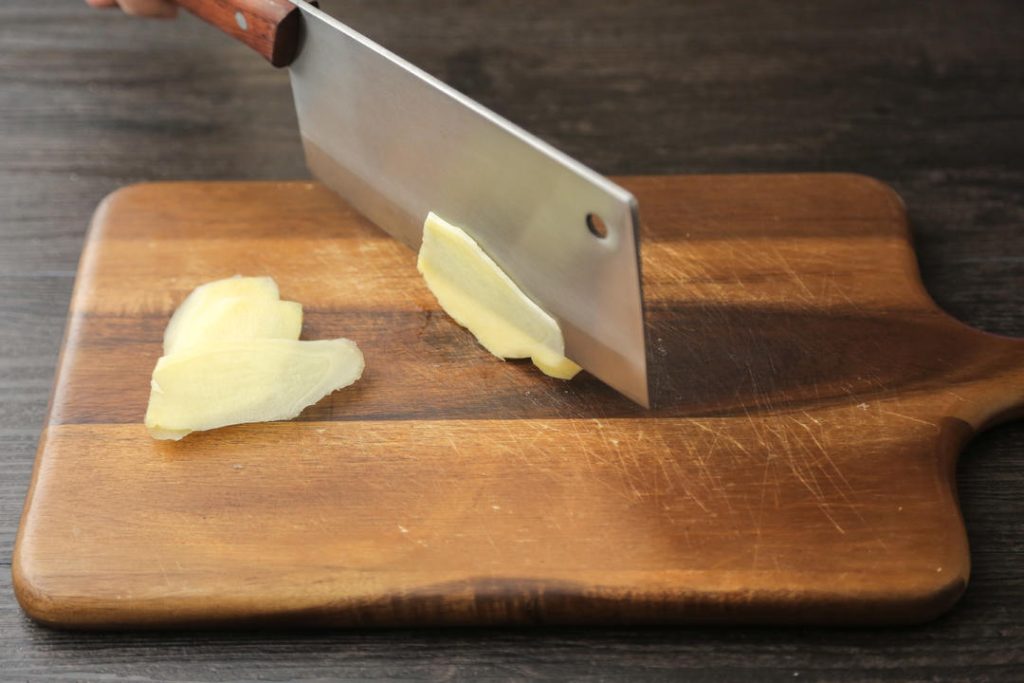
Start by preparing your aromatics. Slice the ginger into 6 thick slices. Peel 4 cloves of garlic (you can leave them whole or slightly smashed). Rough chop a small handful of cilantro. Wash 2 scallions and tie them into a knot (this makes them easy to remove later).
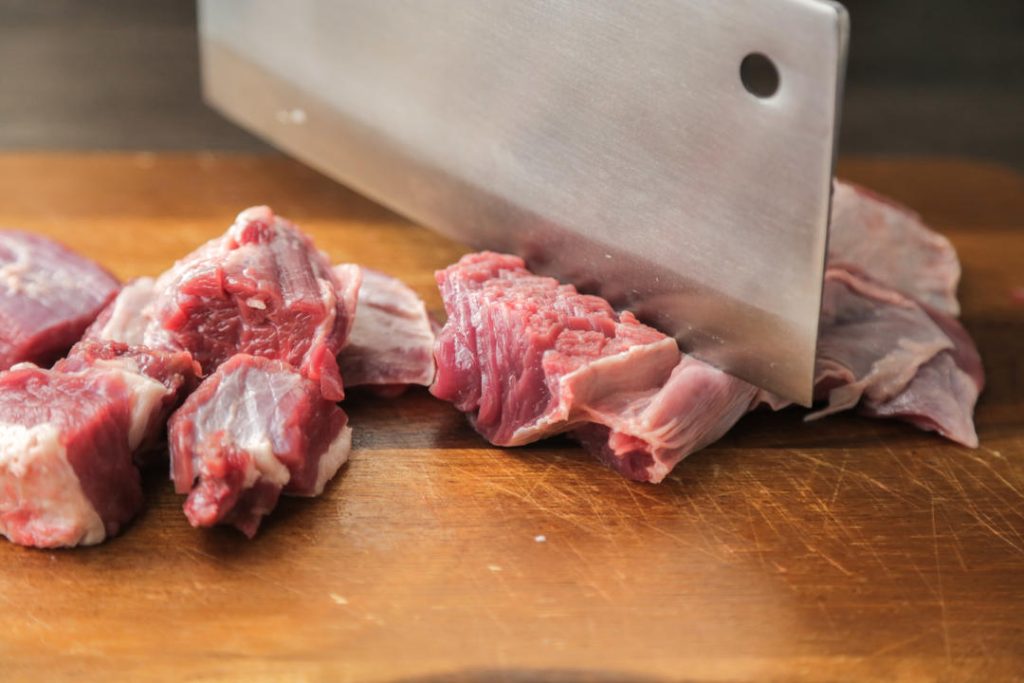
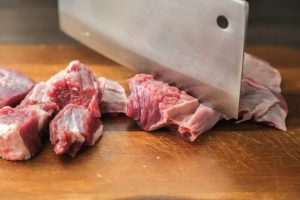
Cut the 1.7 lb (800g) of beef brisket into approximately 1-inch (2cm) cubes. Try to keep them uniform so they cook evenly.
2. Blanch the Beef
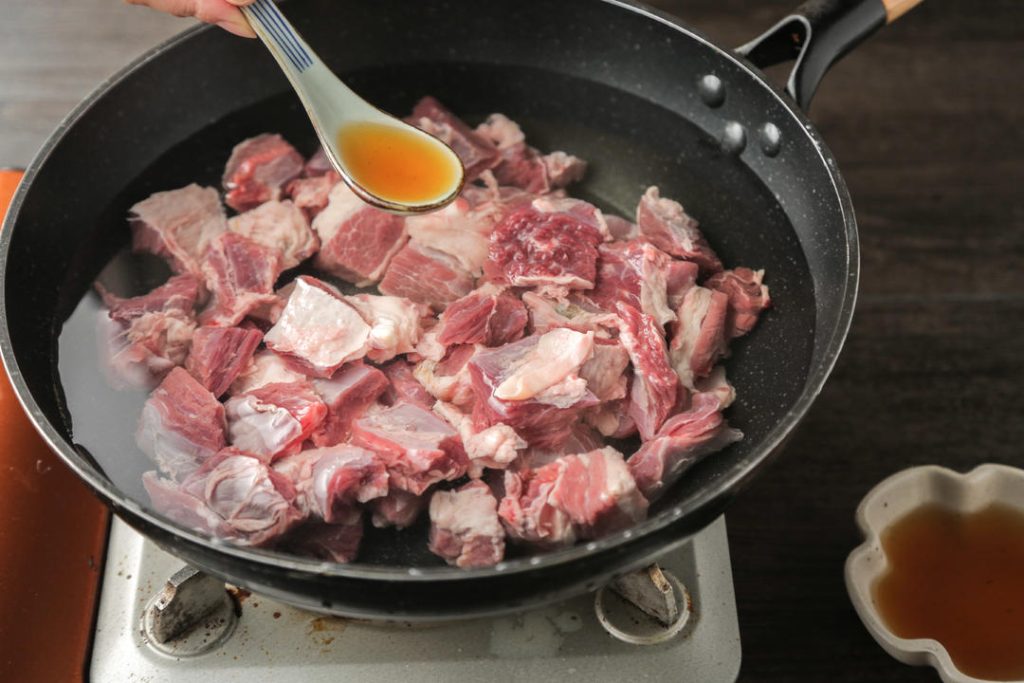
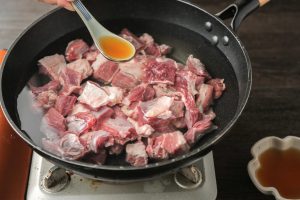
Place the beef cubes into a pot and cover with cold water.
Chef’s Note: Starting with cold water allows the blood and impurities to release slowly as the water heats up, rather than locking them inside the meat.
Add 2 tablespoons of Shaoxing wine and 3 slices of ginger. Bring to a rolling boil over high heat. You will see gray foam (scum) rising to the surface. Skim this foam off meticulously until the broth is relatively clear.
3. Pressure Cook the Beef
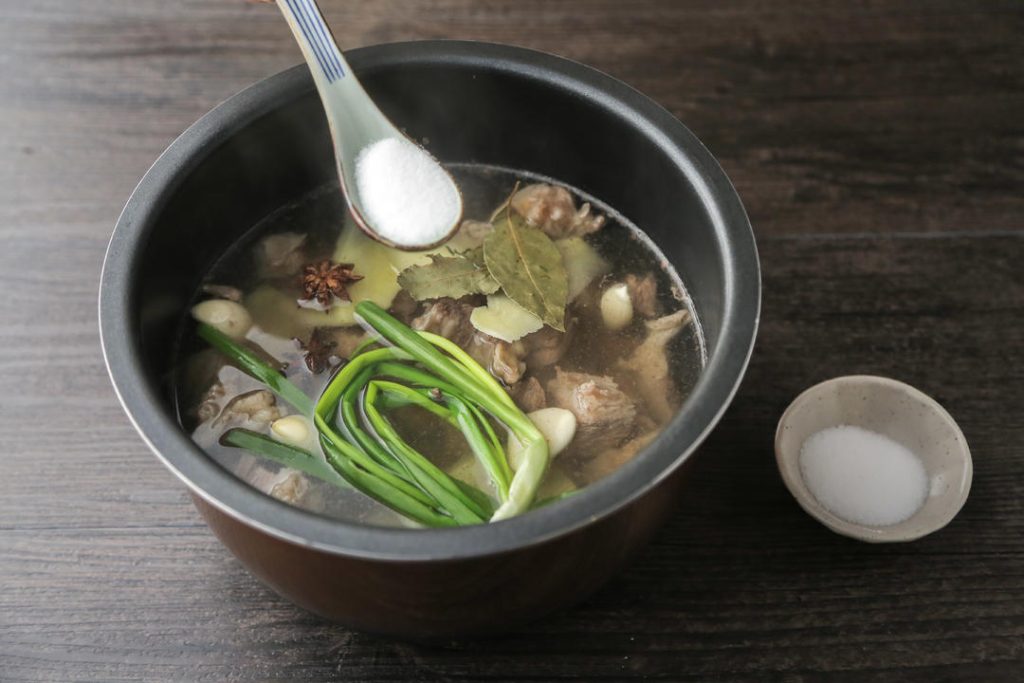
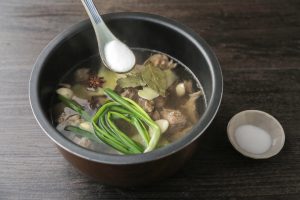
Pour the beef and its clear broth into a pressure cooker (like an Instant Pot). Add the remaining 3 slices of ginger, 2 star anise, 4 cloves of garlic, 2 bay leaves, the scallion knot, and another 2 tablespoons of Shaoxing wine. Stir in 1 tablespoon of salt.
Seal the lid and cook on high pressure for 40 minutes. If you are looking for more ways to use this appliance, check out our 14 Pressure Cooker Recipes collection for inspiration.
4. Prepare the Tomato Base
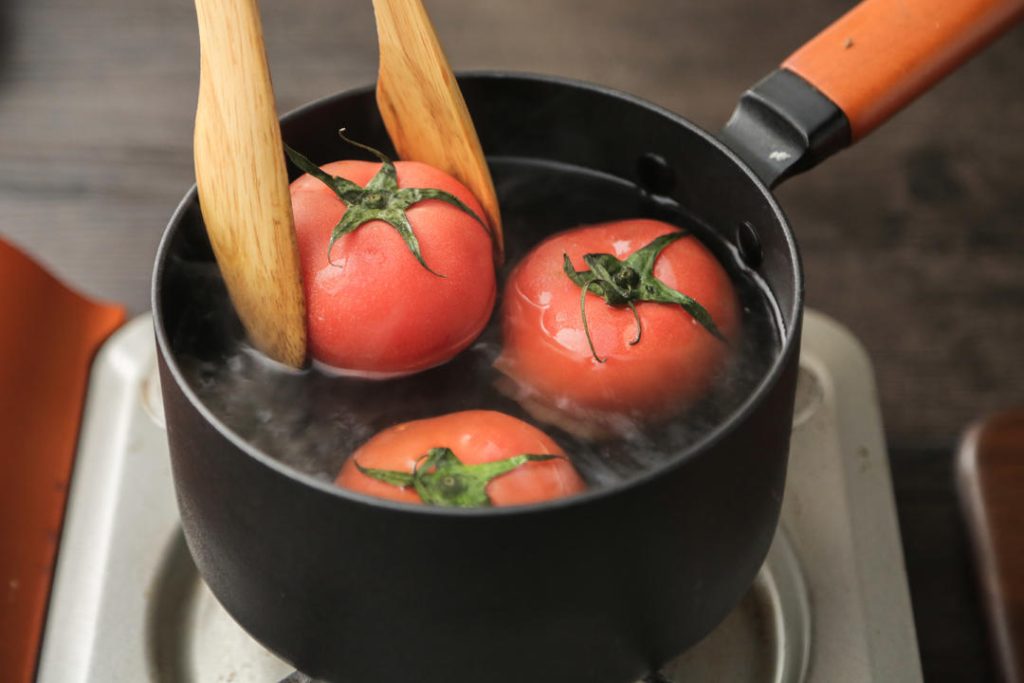
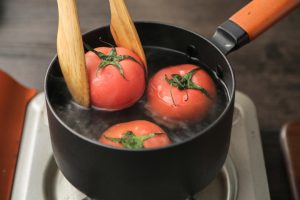
While the beef cooks, prepare the tomatoes. Lightly score a cross on the bottom of each tomato. Place them in a bowl of boiling water for about 1 minute until the skin starts to peel back. Remove them, peel off the skins, and chop the tomatoes into small chunks.
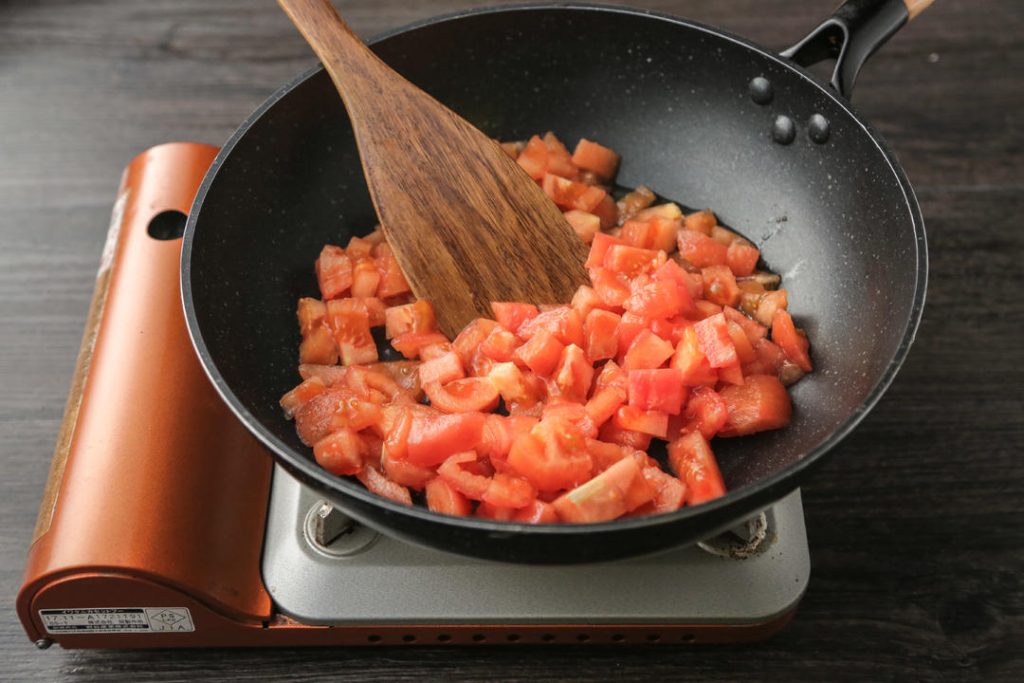
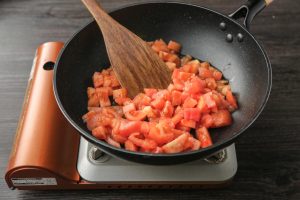
Heat a wok or large pot over high heat with 2 tablespoons of oil. Add the chopped tomatoes and stir-fry until they release their juices. Add a small bowl (about 1/2 cup) of tomato ketchup (tomato sanders). Continue frying until the tomatoes break down and the sauce thickens.
5. Combine and Braise
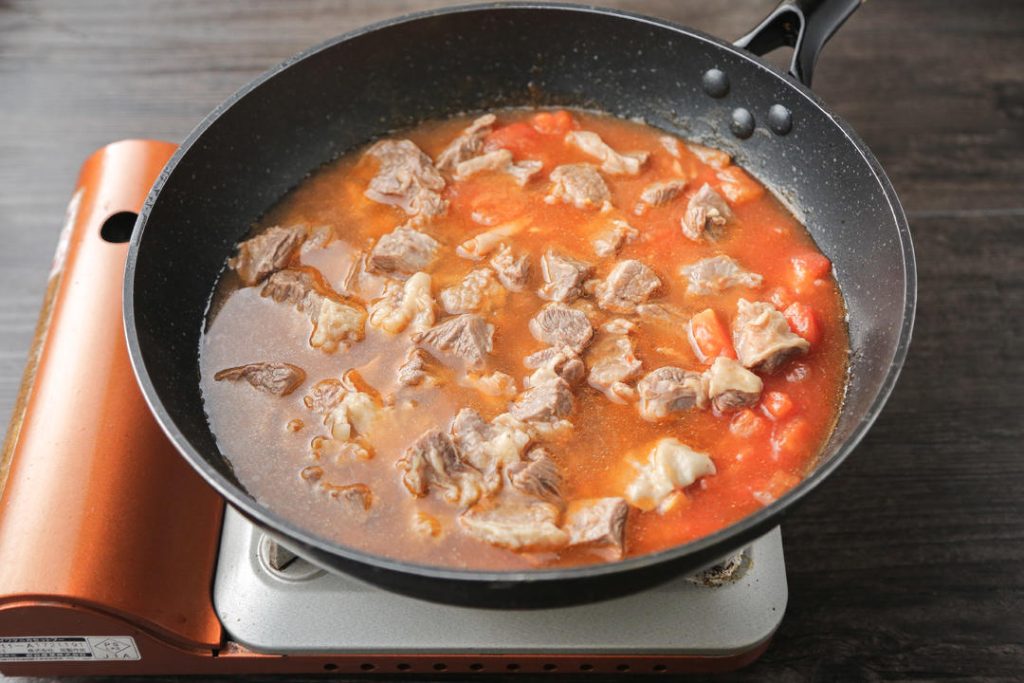
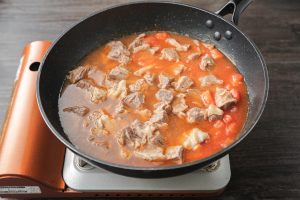
Once the beef is done, release the pressure. Pick out the scallion knot, ginger slices, and spices. Pour the tender beef and the beef soup into the wok with the tomato sauce.
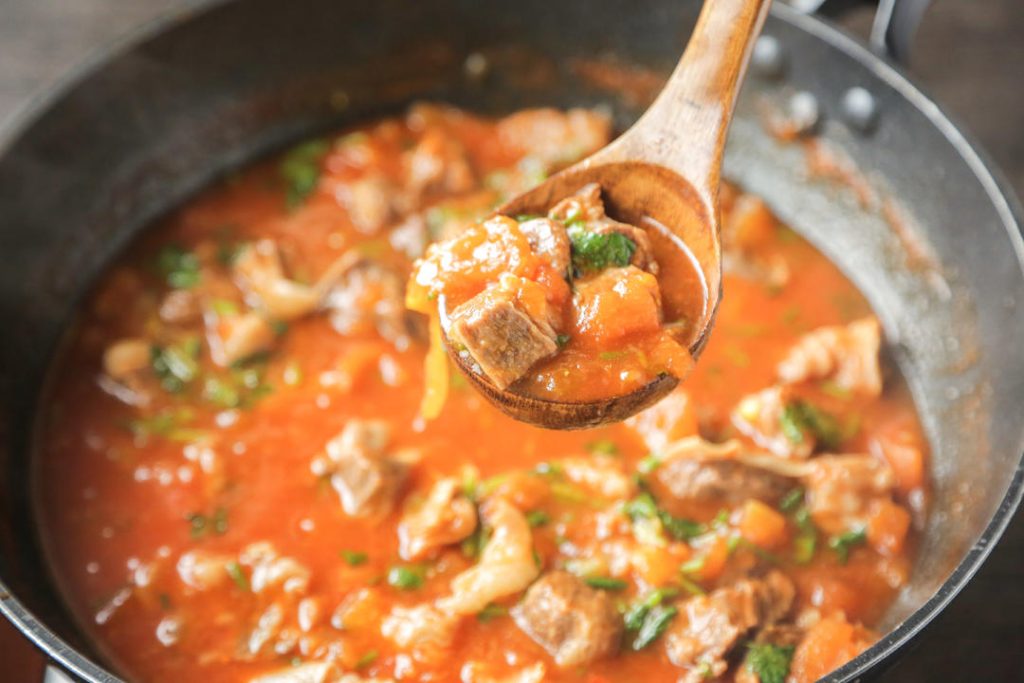
Bring to a boil over high heat. Let it simmer and reduce. Stir frequently with chopsticks or a spatula to prevent sticking. You want the sauce to reduce until it is rich and coats the spoon.
6. Final Seasoning
Taste the sauce. It should be savory with a tangy kick. Add more salt if needed. Turn off the heat, stir in the chopped cilantro, and serve immediately.
Serving Suggestions
This dish demands a neutral, starchy base to soak up that incredible red sauce. A bowl of fluffy steamed rice is the classic choice. However, it also pairs beautifully with noodles, slightly reminiscent of a Tomato Beef Noodle Soup.
For a balanced meal, I recommend serving a crisp green vegetable on the side, such as Stir-fried Lettuce with Garlic or a simple, refreshing Smashed Cucumber Salad.
Food Safety and Storage
- Beef Temperature Guide: While the USDA recommends a minimum internal temperature of 145°F (63°C) for safe consumption of whole beef cuts, tough cuts like brisket require a much higher temperature to break down connective tissue. For the fork-tender texture intended in this recipe, the beef effectively cooks to an internal temperature between 195°F and 205°F (90°C – 96°C).
- Storage & Reheating: This stew keeps wonderfully in the refrigerator for 3-4 days in an airtight container; the gelatin in the sauce may solidify when cold, which is normal. Reheat on the stovetop until the internal temperature reaches at least 165°F (74°C). It can also be frozen for up to 2 months.
Notes
- Nutrition Disclaimer: Nutrition information is calculated using an ingredient database and should be considered an estimate. In cases where multiple ingredient alternatives are given, the first listed is calculated for nutrition. Garnishes and optional ingredients are not included.
- Gluten-Free: To make this gluten-free, ensure your Shaoxing wine and ketchup are certified gluten-free.
- No Pressure Cooker? If cooking on a stovetop, simmer the beef in a heavy pot (Dutch oven) for 1.5 to 2 hours until tender before adding to the tomato base.
Authoritative References
For more information on safe meat preparation and storage, please refer to the USDA’s guidelines on Beef from Farm to Table.
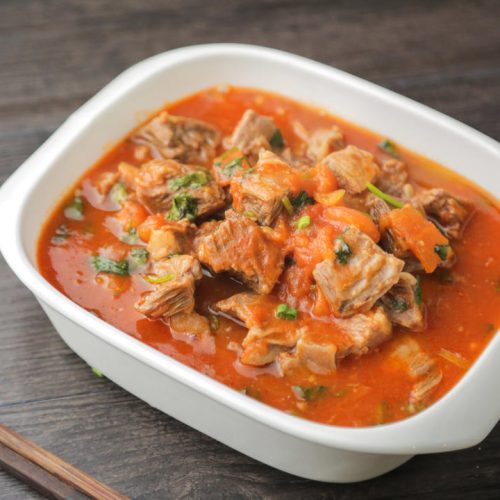
Chinese Tomato Beef Stew (Xihongshi Dun Niunan)

Equipment
- Pressure Cooker / Instant Pot
- Wok or Large Pot
Ingredients
- 1.7 lbs beef brisket 800g, cut into 1-inch cubes
- 4 medium tomatoes ripe
- 2 tbsp cooking oil
- 6 slices ginger divided use
- 4 cloves garlic peeled
- 2 stalks scallions tied in a knot
- 2 whole star anise
- 2 leaves bay leaves
- 1 handful cilantro chopped, for garnish
- 4 tbsp Shaoxing wine divided use: 2 tbsp for blanching, 2 tbsp for pressure cooking
- 1/2 cup Tomato Ketchup adds necessary acidity and sweetness
- 1 tsp salt plus more for final adjustment…
Instructions
- Slice the ginger, peel the garlic, chop the cilantro, and tie the scallions into a knot.

- Cut the beef brisket into 1-inch (2cm) square cubes.
- In a pot, add cold water and the beef. Add 2 tbsp Shaoxing wine and 3 slices of ginger. Boil and skim off scum meticulously until clear.
- Transfer beef and clear broth to a pressure cooker. Add remaining ginger, star anise, garlic, bay leaves, scallion knot, 2 tbsp Shaoxing wine, and 1 tbsp salt. Cook on high pressure for 40 minutes.
- Score, blanch, peel, and chop the tomatoes.
- Heat 2 tbsp oil in a wok. Fry tomatoes until juicy. Add ketchup and cook until sauce thickens.
- Remove spices from beef. Pour beef and soup into the tomato wok. Reduce over high heat until thick.
- Adjust salt, add cilantro, and serve.








Leave a Reply